
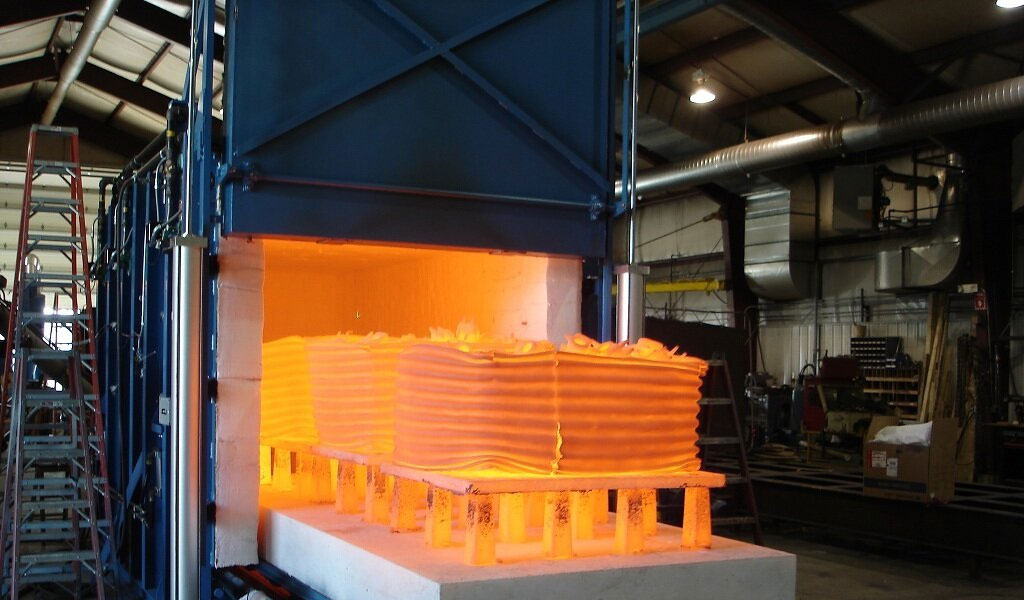
Heat treatment processes play a crucial role in modifying the properties of metals and alloys to meet specific requirements for a range of applications, from aerospace and automotive to medical devices and construction materials. Among the most common heat treatment techniques are quenching, tempering, normalizing, and annealing.
Each of these processes influences the hardness, strength, toughness, ductility, and overall microstructure of the material in distinct ways. Understanding the differences between these treatments is essential for selecting the right process for a given material and its intended application.
This article delves into the specifics of each of these heat treatments—quenching, tempering, normalizing, and annealing—by describing their definitions, the mechanisms behind their operations, and the resulting changes in material properties. We will explore how each process works and how to differentiate them based on their thermal cycles, cooling methods, and effects on the material.
Quenching
Quenching is a heat treatment process used to harden steel and other ferrous metals. In this process, the metal is heated to a high temperature—typically above its critical temperature, which is the temperature at which the metal undergoes a phase transformation from its stable structure to austenite.
The material is then rapidly cooled, usually by immersion in water, oil, or air, to lock in the austenitic structure and create a harder, stronger material.
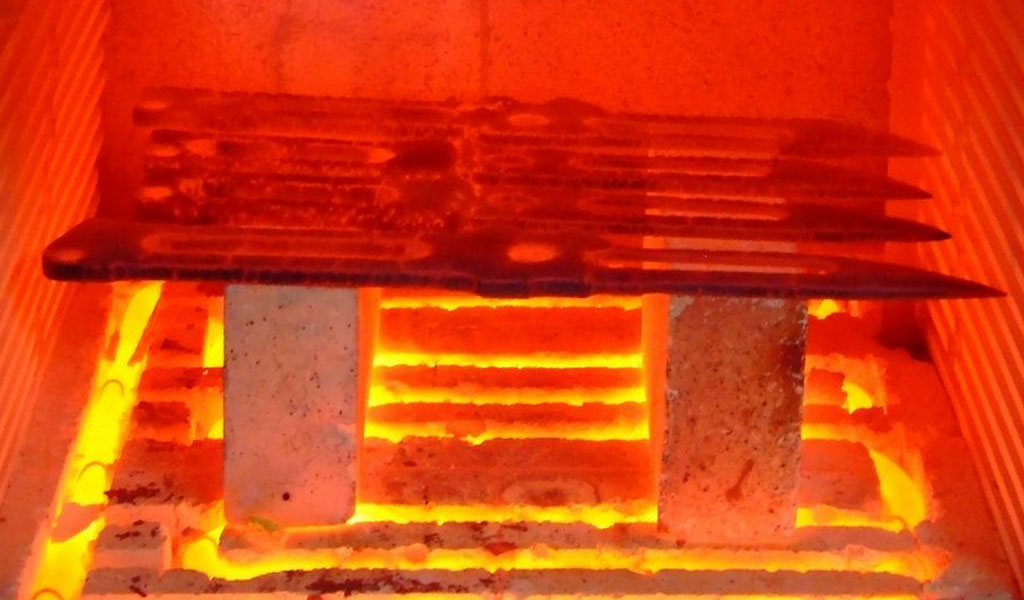
The primary goal of quenching is to increase hardness and strength by transforming the microstructure of the metal. This is achieved through a phase transformation from austenite to martensite, a much harder and more brittle phase of steel. The rapid cooling “freezes” the austenite in its high-temperature form, creating a fine-grained structure that increases the material’s hardness.
However, quenching introduces significant internal stresses due to the rapid cooling rate, which can lead to warping or cracking if not properly controlled. For this reason, quenching is often followed by tempering to relieve the stresses and enhance the material’s toughness.
Process of Quenching:
- Heating: The metal is heated to a temperature where it becomes fully austenitic (usually between 800°C and 1000°C, depending on the alloy).
- Rapid Cooling: The material is then rapidly cooled by immersion in a quenching medium, such as water, oil, or air. The cooling rate is crucial to achieving the desired hardness.
- Transformation: During the cooling process, the austenitic structure transforms into martensite, resulting in increased hardness and strength.
- Applications: Quenching is commonly used for manufacturing tools, gears, springs, and high-strength structural components. It is also applied in the production of stainless steel, carbon steels, and other ferrous alloys where high hardness is required.
Tempering
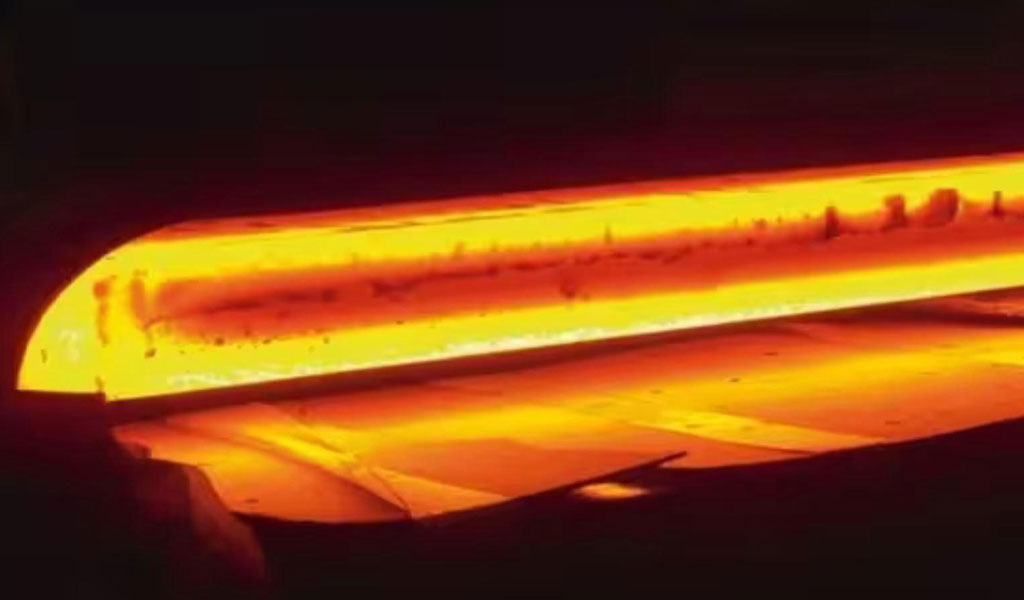
Tempering is a heat treatment process that follows quenching. The purpose of tempering is to reduce the brittleness induced by quenching and improve the toughness and ductility of the material.
This process involves reheating the quenched material to a temperature below the critical point (usually between 150°C and 650°C) and then holding it at that temperature for a specified time.
When the material is quenched, the resulting martensite is extremely hard but brittle, which limits its practical applications. By tempering, the martensite undergoes a process called tempering transformation, where some of the martensite reverts to a more ductile microstructure, such as ferrite or pearlite, without losing too much of the hardness. The temperature and time at which tempering occurs dictate the final properties of the material—higher tempering temperatures tend to reduce hardness while improving toughness and ductility.
Process of Tempering:
- Heating: After quenching, the material is reheated to a temperature below its critical temperature (typically between 150°C and 650°C).
- Holding: The material is held at the tempering temperature for a specified time, allowing the internal stresses to relieve and for the phase transformation to occur.
- Cooling: The material is then cooled at a controlled rate, which might be air-cooled or water-cooled, depending on the desired final properties.
- Applications: Tempering is commonly applied to steel and other metals that have undergone quenching. It is essential in the production of high-strength, low-brittle components such as machine parts, automotive components, and cutting tools.
Normalizing
Normalizing is a heat treatment process used to refine the grain structure of metal and restore uniformity in its composition. In this process, the metal is heated to a temperature slightly above its critical temperature, where it becomes fully austenitic, and then air-cooled at room temperature.
Unlike quenching, normalizing does not involve rapid cooling, so the material does not transform into martensite but instead returns to a more uniform structure with improved toughness.

The goal of normalizing is to eliminate any non-uniformity in the microstructure caused by previous forging, casting, or welding operations. It also refines the grain structure, which helps to improve the material’s mechanical properties, including strength and ductility. Normalizing can be used to remove internal stresses and correct grain direction in materials, especially in large steel components, after they have been worked or cast.
Process of Normalizing:
- Heating: The metal is heated to a temperature above its critical point, typically between 800°C and 950°C.
- Air Cooling: The metal is then air-cooled, which is a slower cooling rate compared to quenching.
- Grain Refinement: During the cooling process, the material’s grain structure becomes refined, resulting in improved mechanical properties.
- Applications: Normalizing is commonly applied to ferrous alloys, especially carbon steels and alloy steels, to improve their mechanical properties and uniformity. It is often used for large, heavy components that require a more consistent microstructure, such as structural beams, forged parts, and castings.
Annealing
Annealing is one of the oldest and most widely used heat treatment processes, and it involves heating a material to a specific temperature and then cooling it slowly, often in a furnace. The primary objective of annealing is to soften the material, improve its ductility, relieve internal stresses, and promote a more uniform grain structure. Unlike quenching, which is designed to harden a material, annealing is primarily used to reduce hardness and increase malleability.
Annealing is often used on metals that have been previously cold-worked or hardened. The slow cooling rate allows the atoms within the metal to rearrange themselves into a more stable, lower-energy configuration, resulting in a softer material with improved machinability. Annealing is particularly important for materials like copper, aluminum, and low-carbon steels, as it restores them to a more workable state after they have been deformed.
Process of Annealing:
- Heating: The material is heated to a temperature typically between 450°C and 900°C, depending on the material being treated.
- Soaking: The material is held at this elevated temperature for a period of time to allow the internal structure to homogenize.
- Slow Cooling: The material is then cooled slowly, often inside a furnace, to prevent the formation of unwanted phases or stresses.
- Applications: Annealing is used to soften metals for machining, improve the formability of materials for forging, and relieve internal stresses in metals such as steel, copper, and aluminum. It is also applied to improve the ductility and electrical conductivity of certain alloys.
Comparison and Differences Between Quenching, Tempering, Normalizing, and Annealing
While all four heat treatment processes—quenching, tempering, normalizing, and annealing—are designed to alter the mechanical properties of materials, they differ significantly in terms of their methods, outcomes, and applications.
Temperature and Cooling Rate
- Quenching involves heating the metal to a high temperature and then rapidly cooling it in a quenching medium (water, oil, or air), resulting in a hard but brittle structure.
- Tempering is done after quenching, involving reheating the quenched material to a lower temperature and slowly cooling it to reduce brittleness and improve toughness.
- Normalizing involves heating the metal to a high temperature and allowing it to cool in air, resulting in a more uniform microstructure and moderate hardness.
- Annealing involves heating the metal to a high temperature and then slowly cooling it, making the material softer and more ductile.
Purpose and Outcome
- Quenching is used to increase hardness and strength, particularly for parts that must resist wear and fatigue.
- Tempering is used to adjust the hardness and improve toughness after quenching, making the material more resistant to cracking.
- Normalizing is used to achieve uniform grain size and relieve internal stresses in large or thick-sectioned parts.
- Annealing is used to soften the material, making it more ductile and easier to machine or form.
Common Applications
- Quenching is commonly used in the production of cutting tools, gears, and other components requiring high hardness and wear resistance.
- Tempering is often used in the production of springs, shafts, and structural components where toughness and strength are critical.
- Normalizing is used in the manufacturing of structural steel, large machinery components, and heavy-duty parts.
- Annealing is used for softening metals for further forming, machining, or drawing operations, as seen in wire production and sheet metal forming.
Conclusion
Understanding the differences between quenching, tempering, normalizing, and annealing is essential for selecting the appropriate heat treatment process based on the desired mechanical properties and the intended use of the material. Each of these processes plays a critical role in modern manufacturing, engineering, and materials science, and selecting the right one can significantly impact the performance and longevity of a component. Whether the goal is to increase hardness, improve toughness, relieve stress, or enhance ductility, these heat treatments offer a range of solutions for creating high-performance materials.
The Detail Of BE-CU Cnc Machining Shop
BE-CU.COM – As an accomplished CNC machining Service Manufacturer and CNC shop, BE-CU Prototype has been specialized in OEM CNC lathing, custom CNC machining parts production and rapid CNC machining services China for over 35 years and always maintaining the highest standard in delivery speed and reliable quality of precision CNC manufacturing components. With the help of high-level technology and efficient equipment, as well as rigorous attitude, BE-CU passed the ISO9001:2015 quality certification, which supports the long-term development of CNC milling services, CNC turning services, CNC milling-turning, CNC drilling services, 3/4/5 axis machining, gear machining services, CNC machining China custom parts and service, small parts machining, etc.Our CNC machining products can be utilized in a broad range of industries. Contact us for email: [email protected]
-
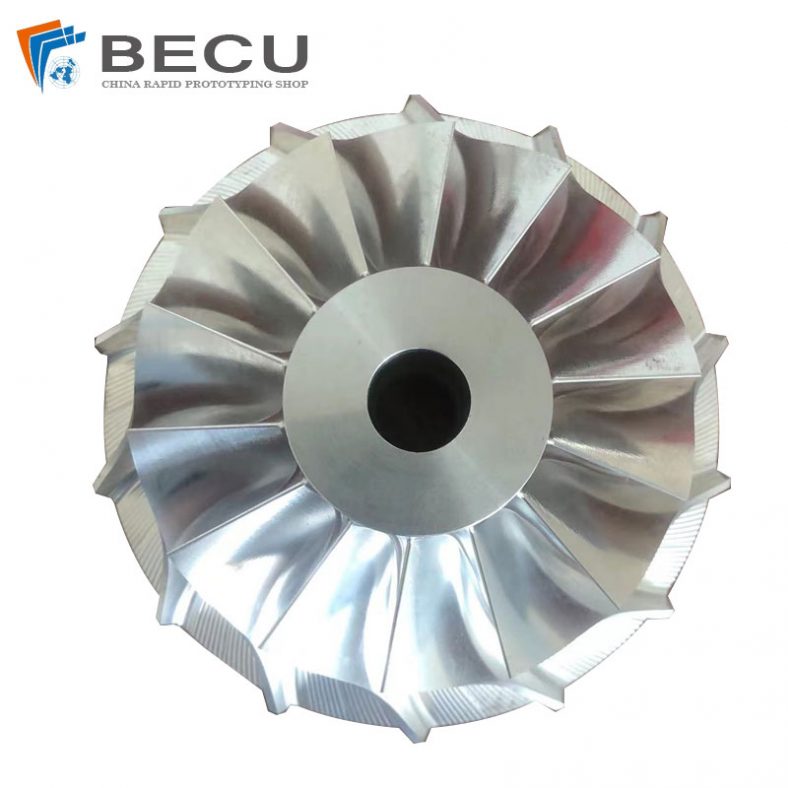
3-Way Centrifugal Compressor Closed Impeller By 5 Axis Machining
-

3/4/5 Axis Precision Milling Custom Vehicle Parts
-
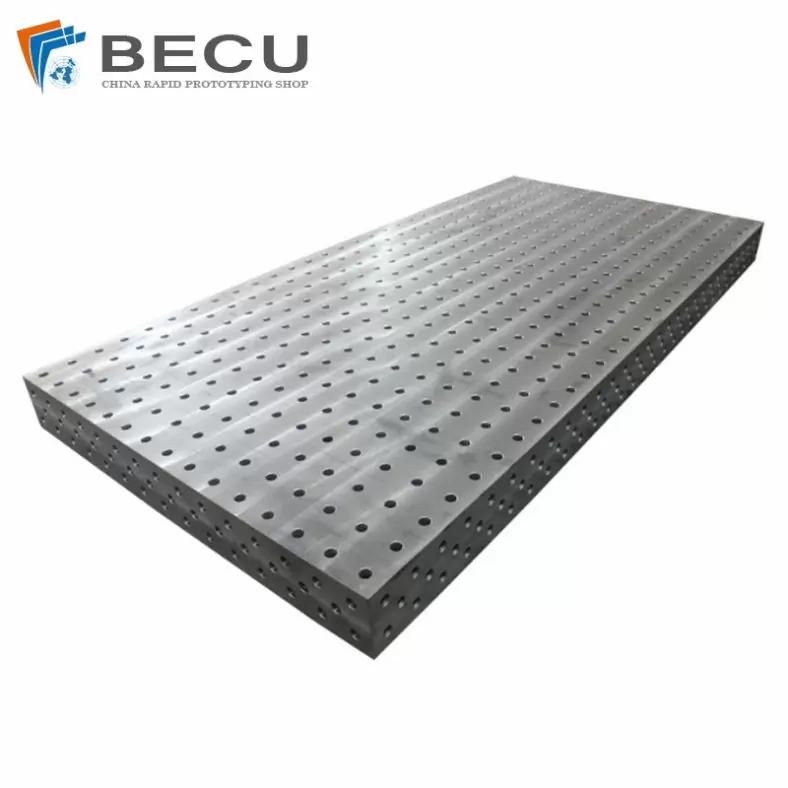
3D Flexible Welding Platform By Large Machining
-
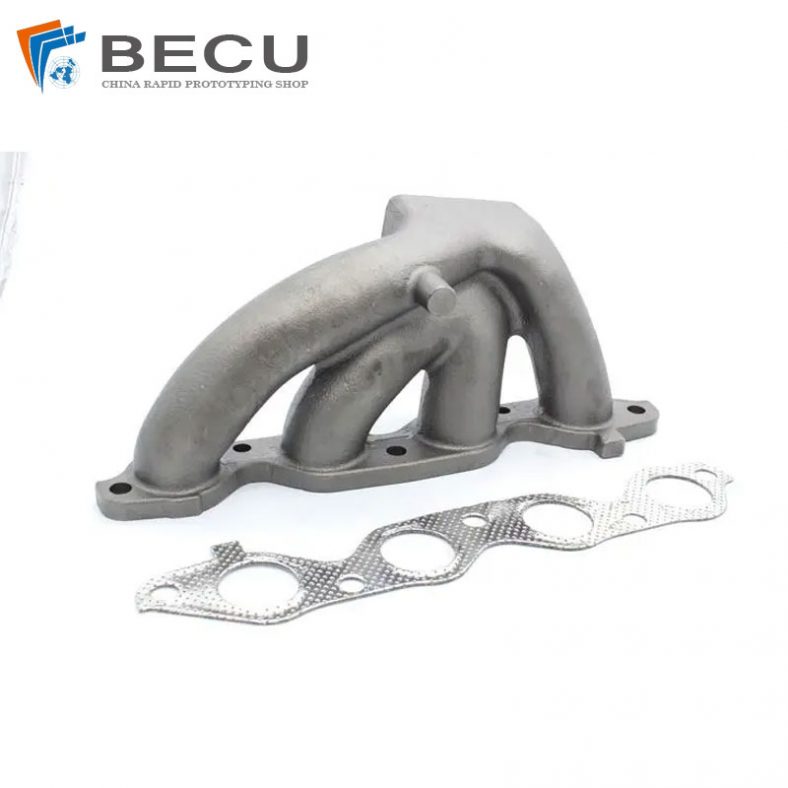
3D Printed Inconel Exhaust Manifold
-
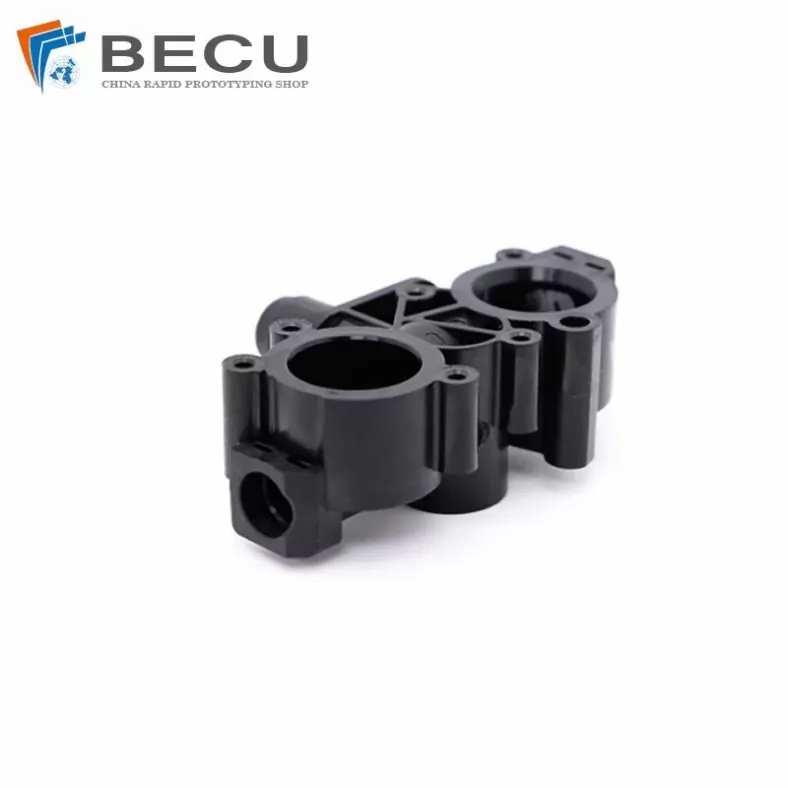
3D Printing And CNC Machining Custom Black PPS Valve
-
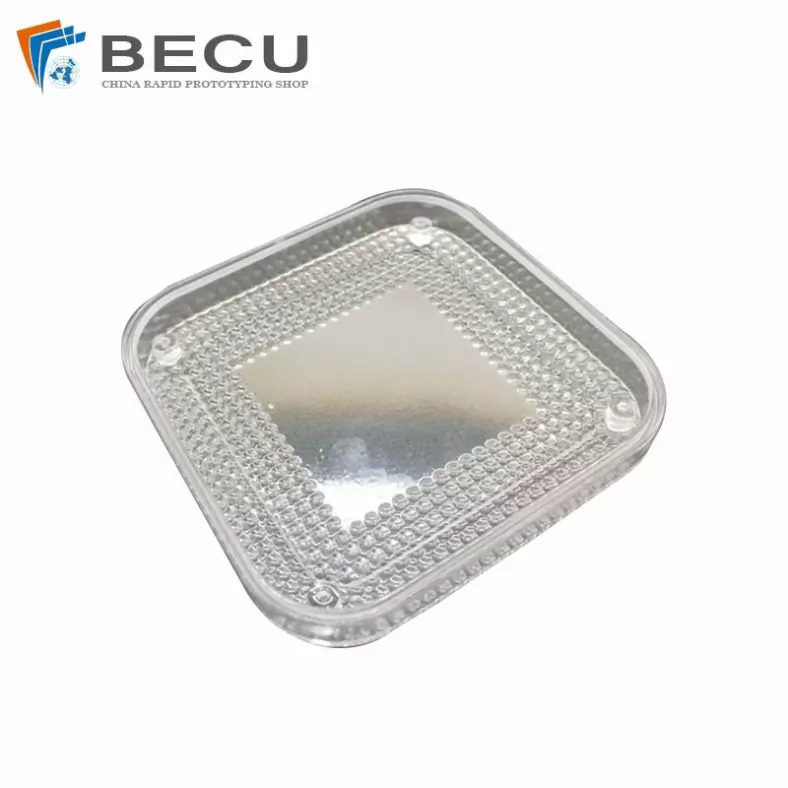
3D Printing Full Transparent Acrylic Lampshade Model
-
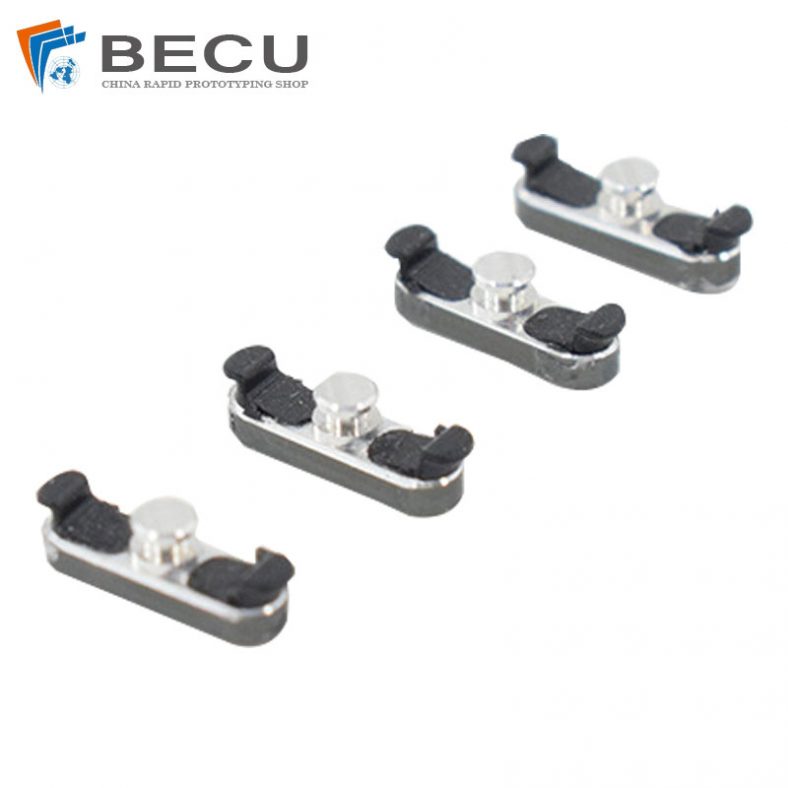
4 Axis CNC Machining Titanium Grade 5 Mobile Phone Buttons
-
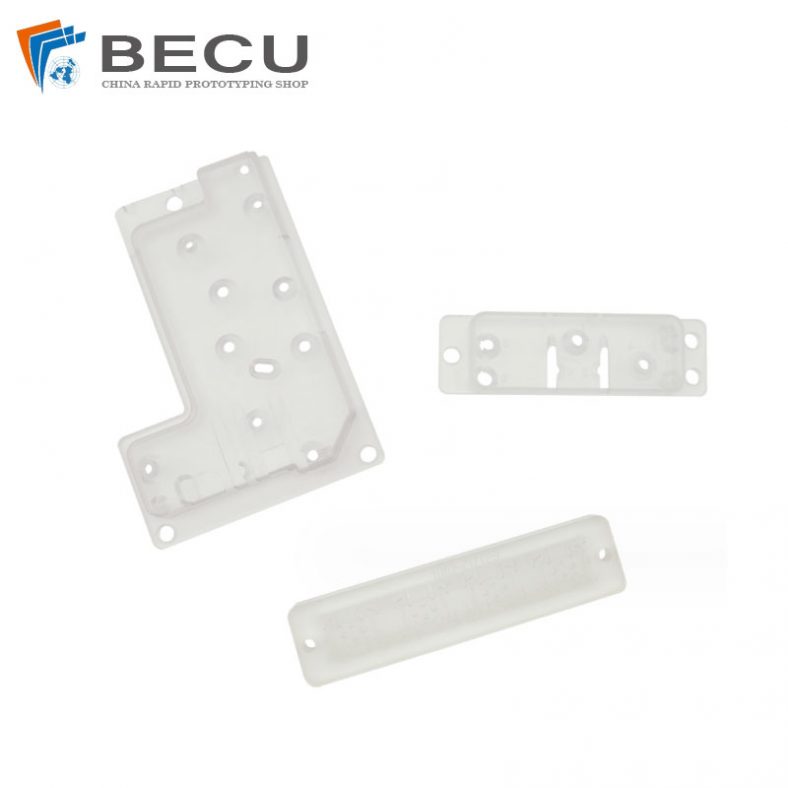
4 Axis Machining Highly Transparent Acrylic LED Tunnel Light Lens