

Shell molding, also known as shell mold casting or shell process casting, is a metal casting process that involves the creation of a mold using a resin-coated sand mixture.
This technique, widely utilized in the manufacturing and metallurgical industries, produces high-precision castings with excellent surface finishes and dimensional accuracy. Developed in Germany during the 1940s by Johannes Croning, shell molding has since become a cornerstone of modern foundry practices, offering a versatile and efficient method for producing complex metal components.
The process is particularly valued for its ability to balance cost, precision, and scalability, making it a preferred choice for applications across automotive, aerospace, and industrial machinery sectors. This article explores the definition, purpose, operational mechanisms, advantages, and practical examples of shell molding, providing a comprehensive examination of its scientific and industrial significance.
At its core, shell molding involves the use of a thin-walled mold made from a mixture of fine silica sand and a thermosetting resin, typically phenolic resin or urea-formaldehyde. The sand-resin mixture is applied to a heated metal pattern, where it hardens into a rigid shell. This shell, once removed from the pattern, serves as the mold into which molten metal is poured to create the desired casting. Unlike traditional sand casting, which uses a fully packed sand mold, shell molding employs only a thin layer of material—typically 6 to 12 millimeters thick—resulting in reduced material usage and improved heat transfer during solidification. The process is distinct for its reliance on thermal curing and its ability to replicate intricate geometries with minimal post-processing.
The purpose of shell molding is multifaceted, addressing both practical and technical needs in metal fabrication. Primarily, it serves to produce castings with superior surface quality and tight dimensional tolerances, often eliminating the need for extensive machining. This is particularly advantageous in industries where precision components—such as engine parts, pump housings, and gear blanks—are required in large quantities. Shell molding also enhances production efficiency by allowing for rapid mold creation and the ability to reuse patterns, thereby reducing lead times and costs compared to other casting methods like investment casting or die casting. Furthermore, the process supports a wide range of metals, including ferrous alloys (e.g., steel, cast iron) and non-ferrous alloys (e.g., aluminum, bronze), broadening its applicability across diverse engineering contexts.
To understand how shell molding works, it is essential to break down the process into its constituent steps, each of which contributes to the formation of a high-quality casting. The procedure begins with the preparation of a metal pattern, typically made of cast iron or steel, which replicates the shape of the final component. This pattern is preheated to a temperature between 175°C and 370°C (347°F to 698°F), depending on the resin type and desired shell thickness. The elevated temperature facilitates the curing of the resin-sand mixture upon contact. Next, a mixture of fine silica sand (usually 100-150 mesh) and thermosetting resin (approximately 3-6% by weight) is prepared. This mixture may also include additives such as hexamethylenetetramine (hexa) to accelerate curing or lubricants to improve mold release.
The resin-coated sand is then applied to the heated pattern, either by dumping it over the surface or blowing it into a pattern cavity using a core-blowing machine. Upon contact with the hot pattern, the resin begins to melt and bond with the sand grains, forming a solid shell within seconds. The thickness of this shell is controlled by the dwell time—the duration the mixture remains in contact with the pattern—typically ranging from 5 to 30 seconds. Excess uncured sand is removed, leaving behind a hardened shell that conforms precisely to the pattern’s contours. The shell is then fully cured in an oven at temperatures between 300°C and 450°C (572°F to 842°F) for 1-3 minutes, ensuring structural integrity. Once cured, the shell is ejected from the pattern, often with the aid of ejector pins, and paired with a complementary shell to form a complete mold. These shells are clamped or glued together, and molten metal is poured into the mold cavity through a gating system. After the metal solidifies, the shell is broken away, revealing the finished casting.
The scientific principles underlying shell molding are rooted in thermodynamics, material science, and fluid dynamics. The curing of the resin-sand mixture is an exothermic reaction, where the thermosetting resin undergoes polymerization, forming a cross-linked network that binds the sand particles. The heat from the pattern initiates this reaction, while the subsequent oven curing ensures complete cross-linking, enhancing the mold’s strength and thermal stability. During pouring, the thin shell promotes rapid heat dissipation, leading to faster solidification and finer grain structures in the casting—a phenomenon governed by the Chvorinov’s rule, which states that solidification time is proportional to the square of the volume-to-surface-area ratio. The reduced thermal mass of the shell also minimizes gas entrapment, a common defect in thicker molds, thereby improving casting integrity.
The advantages of shell molding are numerous, making it a standout process in the realm of metal casting. One of its most significant benefits is the exceptional surface finish it imparts to castings, often achieving roughness values (Ra) as low as 1.6 to 3.2 micrometers without additional finishing. This is due to the fine sand and smooth pattern surfaces used in the process. Dimensional accuracy is another key advantage, with tolerances typically within ±0.003 to ±0.005 inches (±0.076 to ±0.127 mm), rivaling those of more expensive methods like investment casting. The process also excels in producing complex shapes, including thin-walled sections and intricate details, which are challenging for traditional sand casting. Additionally, shell molding offers excellent reproducibility, as the reusable metal patterns ensure consistent mold quality across production runs.
From an economic perspective, shell molding strikes a balance between cost and performance. While the initial investment in metal patterns is higher than for green sand casting, the reduced material consumption (due to thin shells) and lower labor costs for finishing offset this expense in medium- to high-volume production. The process also generates less waste, as excess sand can often be reclaimed and reused after resin burnout. Furthermore, the automation potential of shell molding—through mechanized sand application and shell assembly—enhances throughput, making it suitable for industrial-scale operations. Environmentally, the process produces fewer emissions than some alternatives, though resin fumes require proper ventilation and control.
Examples of shell molding applications abound in engineering and manufacturing. In the automotive industry, it is commonly used to produce cylinder heads, connecting rods, and transmission housings, where precision and durability are paramount. For instance, a typical aluminum cylinder head cast via shell molding might weigh 10-15 kilograms and feature intricate cooling channels, with a production run of 10,000 units annually. In aerospace, shell molding is employed to fabricate turbine blades and structural brackets from high-strength alloys like stainless steel or titanium, leveraging its ability to handle high-melting-point metals. Industrial machinery benefits from shell-molded components such as pump impellers and valve bodies, which require smooth surfaces to minimize fluid friction. A notable historical example is the production of cast iron artillery shell casings during World War II, where shell molding’s speed and accuracy proved invaluable.
To further elucidate the process, consider the following detailed comparison tables, which juxtapose shell molding with other prominent casting methods across technical, economic, and practical dimensions.
| Parameter | Shell Molding | Green Sand Casting | Investment Casting | Die Casting |
|---|---|---|---|---|
| Surface Finish (Ra) | 1.6–3.2 µm | 6.3–12.5 µm | 0.8–3.2 µm | 0.8–1.6 µm |
| Tolerance | ±0.003–0.005 in | ±0.010–0.020 in | ±0.002–0.005 in | ±0.001–0.003 in |
| Max Part Size | Up to 50 kg | Up to 1000 kg | Up to 100 kg | Up to 20 kg |
| Complexity | High | Moderate | Very High | High |
| Material Range | Ferrous & Non-Ferrous | Ferrous & Non-Ferrous | Ferrous & Non-Ferrous | Non-Ferrous (mostly) |
| Mold Life | Reusable Patterns (10,000+ uses) | Single-Use Molds | Single-Use Molds | Reusable Dies (100,000+ uses) |
| Cooling Rate | Fast | Slow | Moderate | Very Fast |
| Parameter | Shell Molding | Green Sand Casting | Investment Casting | Die Casting |
|---|---|---|---|---|
| Tooling Cost | Moderate ($1,000–$5,000) | Low ($100–$1,000) | High ($5,000–$20,000) | Very High ($10,000–$100,000) |
| Material Cost | Low (thin shells) | Moderate (bulk sand) | High (ceramic slurry) | Moderate (metal only) |
| Labor Cost | Low–Moderate | Moderate | High | Low |
| Production Rate | 50–200 molds/hour | 10–50 molds/hour | 5–20 molds/hour | 100–500 parts/hour |
| Setup Time | 1–2 hours | 1–3 hours | 4–8 hours | 2–4 hours |
| Scrap Rate | 2–5% | 5–10% | 1–3% | 1–2% |
| Parameter | Shell Molding | Green Sand Casting | Investment Casting | Die Casting |
|---|---|---|---|---|
| Typical Applications | Engine parts, pump housings | Large frames, bases | Turbine blades, jewelry | Gears, housings |
| Volume Suitability | Medium–High (100–100,000) | Low–Medium (1–1,000) | Low–Medium (1–10,000) | High (10,000–1,000,000) |
| Automation Potential | High | Moderate | Low | Very High |
| Environmental Impact | Moderate (resin fumes) | Low (sand reuse) | High (ceramic disposal) | Moderate (metal recycling) |
| Skill Requirement | Moderate | Low | High | Moderate |
These tables underscore shell molding’s niche as a process that bridges the gap between low-cost, low-precision methods like green sand casting and high-cost, high-precision methods like investment casting or die casting. Its ability to deliver consistent results with moderate investment makes it a pragmatic choice for manufacturers seeking quality without excessive overhead.
Delving deeper into the scientific nuances, the resin-sand interaction in shell molding merits closer examination. The phenolic resin, a common binder, consists of phenol and formaldehyde monomers that polymerize under heat to form a rigid, heat-resistant matrix. This reaction releases water vapor and volatile organic compounds (VOCs), necessitating proper ventilation during curing. The sand grain size also plays a critical role—finer grains (e.g., AFS 90-120) enhance surface finish but reduce permeability, while coarser grains (e.g., AFS 60-80) improve gas escape but compromise detail. The optimal grain size is thus a compromise, tailored to the casting’s requirements. Thermal expansion of the shell, governed by the coefficient of thermal expansion (approximately 15–20 × 10⁻⁶/°C for silica sand), must also be managed to prevent cracking during metal pouring, often by incorporating zircon or olivine sands with lower expansion rates.
The metallurgical outcomes of shell molding further highlight its technical merits. The rapid cooling afforded by the thin shell results in a finer dendritic structure in the casting, enhancing mechanical properties such as tensile strength and hardness. For example, a shell-molded gray cast iron component might exhibit a tensile strength of 250–300 MPa, compared to 200–250 MPa in green sand casting, due to reduced porosity and inclusions. This is particularly beneficial for alloys prone to shrinkage defects, such as aluminum-silicon alloys, where shell molding’s controlled solidification minimizes hot tearing. The process also supports the use of cores—preformed sand inserts placed within the mold—to create internal cavities, expanding its capability for hollow or multi-featured parts.
Historically, shell molding’s development marked a significant advancement in casting technology. Johannes Croning’s innovation, patented in 1944 as the “Croning process,” emerged from wartime demands for rapid, precise production of munitions. Post-war, its adoption spread to civilian industries, with American foundries like the Hayes Industries pioneering its use in automotive manufacturing by the 1950s. Today, advancements in resin chemistry and automation have further refined the process, with modern variants incorporating water-based resins or 3D-printed patterns to enhance sustainability and flexibility.
In practice, shell molding’s versatility shines through in real-world case studies. Consider the production of a bronze marine propeller, weighing 8 kilograms, with a complex helical blade design. Shell molding allows the foundry to cast the propeller with a surface finish of Ra 2.5 µm and dimensional tolerances of ±0.1 mm, reducing machining time by 40% compared to sand casting. The process begins with a machined aluminum pattern, heated to 200°C, onto which a 4% phenolic resin-sand mix is applied for 20 seconds, forming a 10-mm-thick shell. After curing at 350°C, the mold is assembled, and molten bronze (at 1150°C) is poured, solidifying in under 2 minutes due to the shell’s thinness. The resulting propeller requires only minor polishing, showcasing shell molding’s efficiency.
Another example is the mass production of steel valve bodies for oil and gas pipelines. A typical valve body, weighing 12 kilograms, features internal passages and threaded ports, necessitating precise core placement. Shell molding produces 500 units per day, with each mold cycle taking 5 minutes from sand application to shell ejection. The steel, poured at 1600°C, benefits from the shell’s high thermal conductivity, achieving a uniform microstructure with minimal defects. The process’s repeatability ensures that each valve meets API 6D standards, with a scrap rate below 3%, illustrating its reliability in critical applications.
Expanding on these examples, shell molding’s adaptability to different scales and materials is noteworthy. For small-batch artisanal castings, such as brass decorative fittings, the process can be performed manually with simple patterns, costing as little as $500 in equipment. Conversely, in automated foundries producing thousands of aluminum gearbox housings, robotic arms and conveyor systems elevate output to 200 units per hour, with capital investments exceeding $1 million. This scalability underscores shell molding’s role as a bridge between craft and industry, accommodating both bespoke and mass-production needs.
The environmental considerations of shell molding, while generally favorable compared to investment casting’s ceramic waste, warrant scrutiny. The resin burnout during mold breaking releases CO₂ and VOCs, contributing approximately 0.5–1 kg of CO₂ per kilogram of casting, depending on resin content. Mitigation strategies include using bio-based resins or installing scrubbers to capture emissions, aligning with modern sustainability goals. Sand reclamation, achieved through thermal or mechanical processes, recovers up to 80% of the sand, further reducing the ecological footprint. These advancements reflect ongoing efforts to refine shell molding in an era of heightened environmental awareness.
In conclusion, shell molding stands as a testament to the ingenuity of modern metallurgy, blending precision, efficiency, and versatility into a single process. Its definition as a resin-sand casting technique belies the complexity of its execution, from thermal curing to metallurgical control. Its purpose—to deliver high-quality castings with minimal waste—resonates across industries, while its operational mechanics reveal a sophisticated interplay of heat, chemistry, and material behavior. The advantages, from superior finishes to economic scalability, position it as a vital tool in manufacturing, as evidenced by its diverse applications. Through detailed tables and scientific analysis, this exploration affirms shell molding’s enduring relevance, offering a window into the artistry and engineering that shape the metal objects of our world.
The Detail Of BE-CU Investment Casting Company
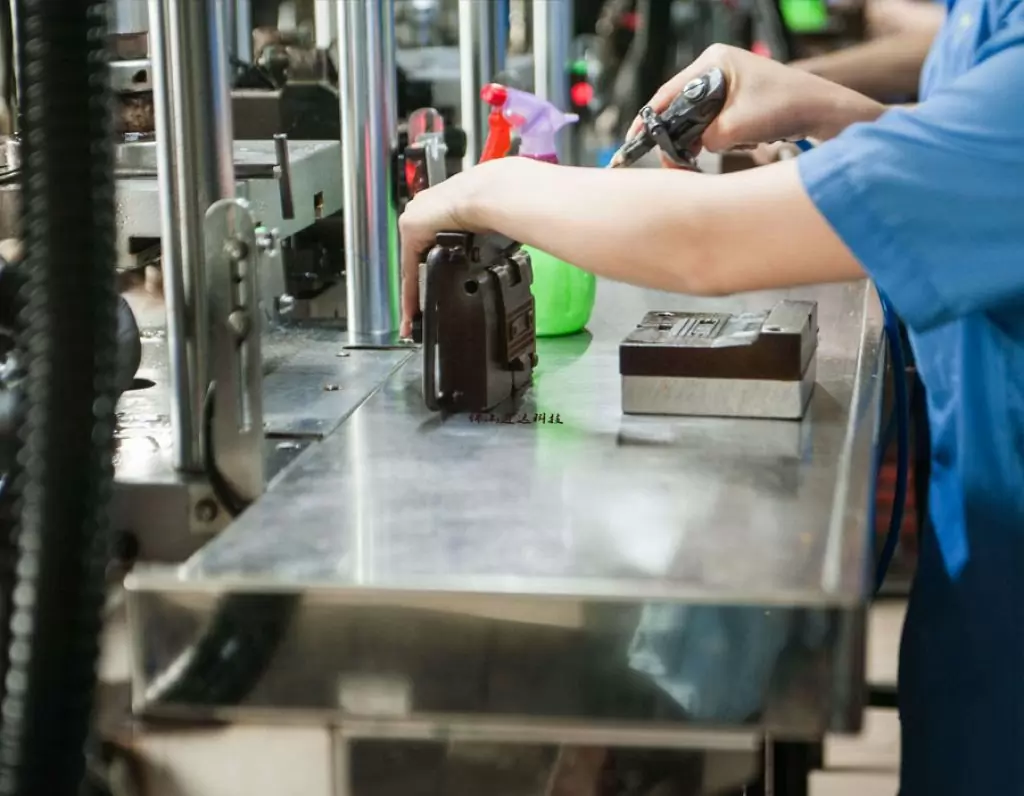
In order to meet the mass production requirements of some customers and reduce the cost, we work with our suppliers to assist your project. BE-CU investment casting service can reduce the custom parts time and cost of CNC machining parts, as we can manufacture a large number of prototypes in batch quickly and modify the appearance with CNC techniques to deliver the final desired parts. Whether you want to look for an lost wax castings manufacturer casting stainless steel, carbon steel, aluminum, or brass, professional technicians will perform investing casting process with a wide variety of metals, and be able to offer complex detail, smooth surface finish, and high definition in an economic way for clients.BE-CU.COM investment casting parts are used across broad fields, such as energy, automotive, gas, and oil, food, etc. ISO 9001 certification and multiple-stage quality inspection implementation will ensure the quality and performance of the lost wax casting products to be delivered.
-

Large CNC Turning Inconel 625 Automobile Engine Camshafts
-
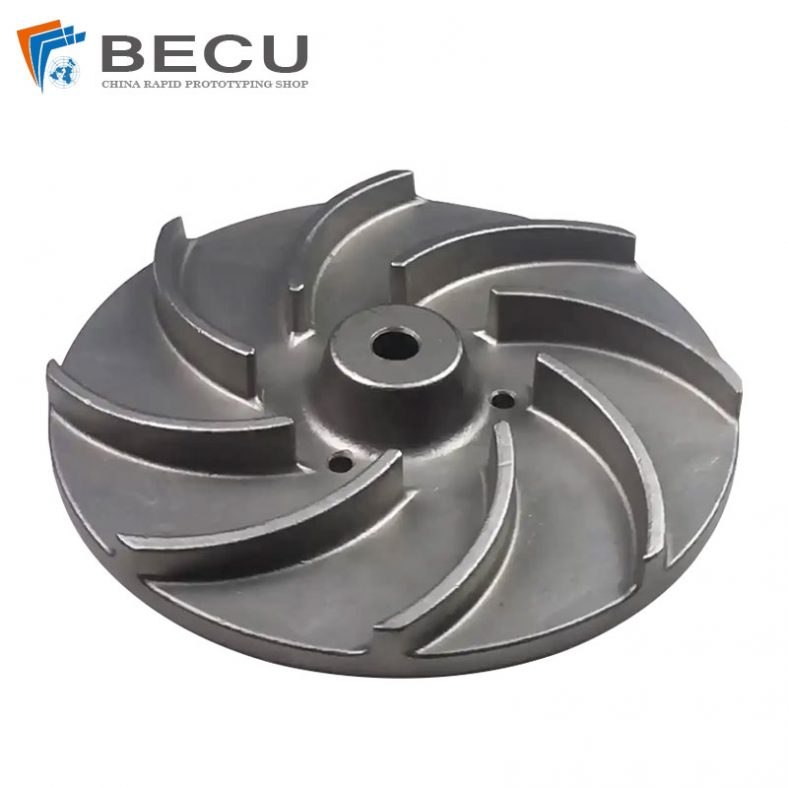
Precision CNC Machining Inconel 718 Cast Impeller
-
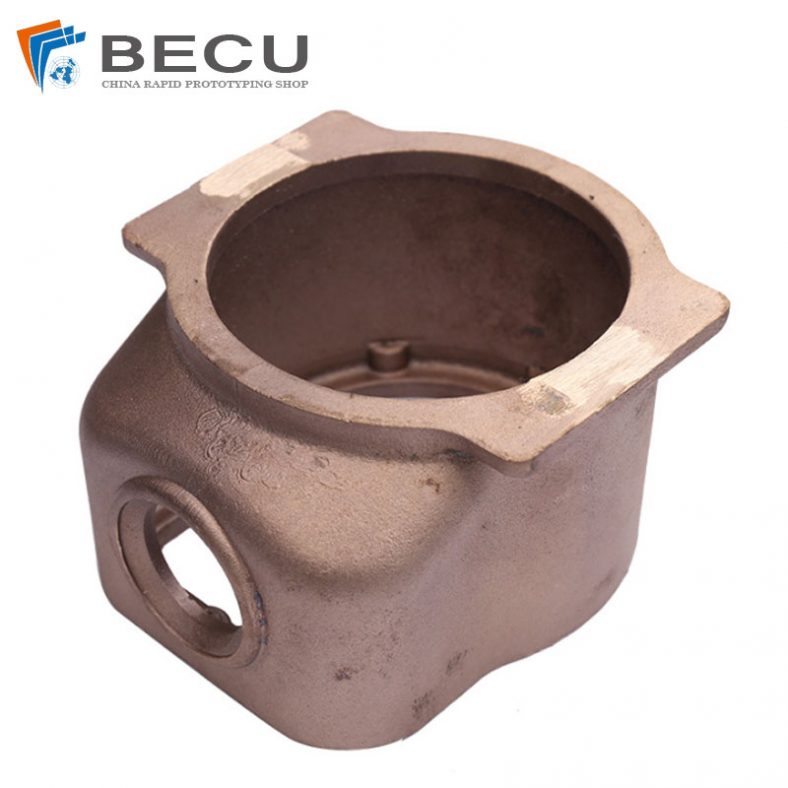
Tin Bronze Cast Valve Body And Bonnet
-
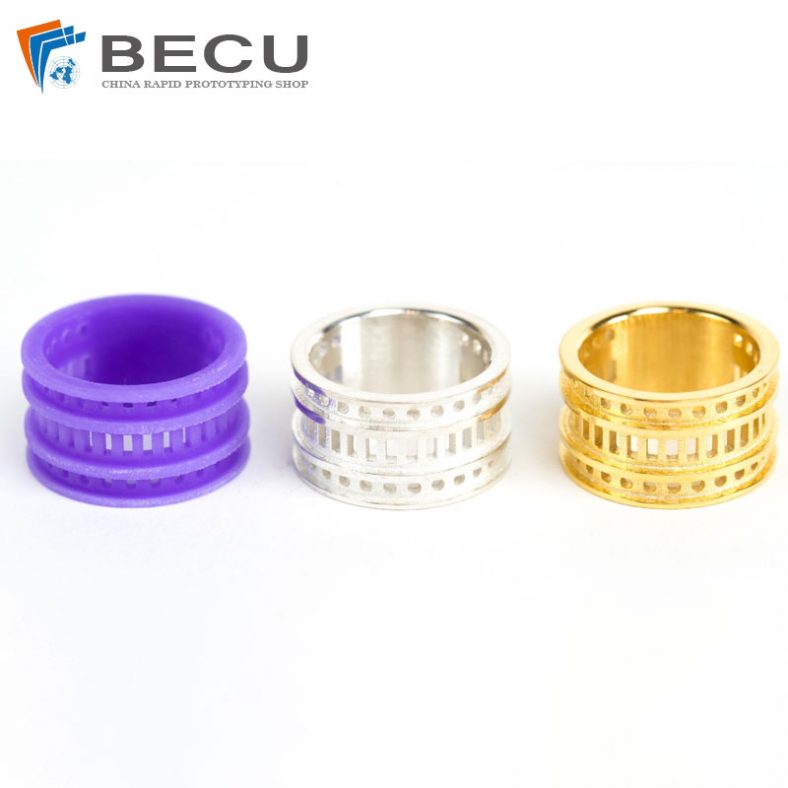
Casting Silver Rings