
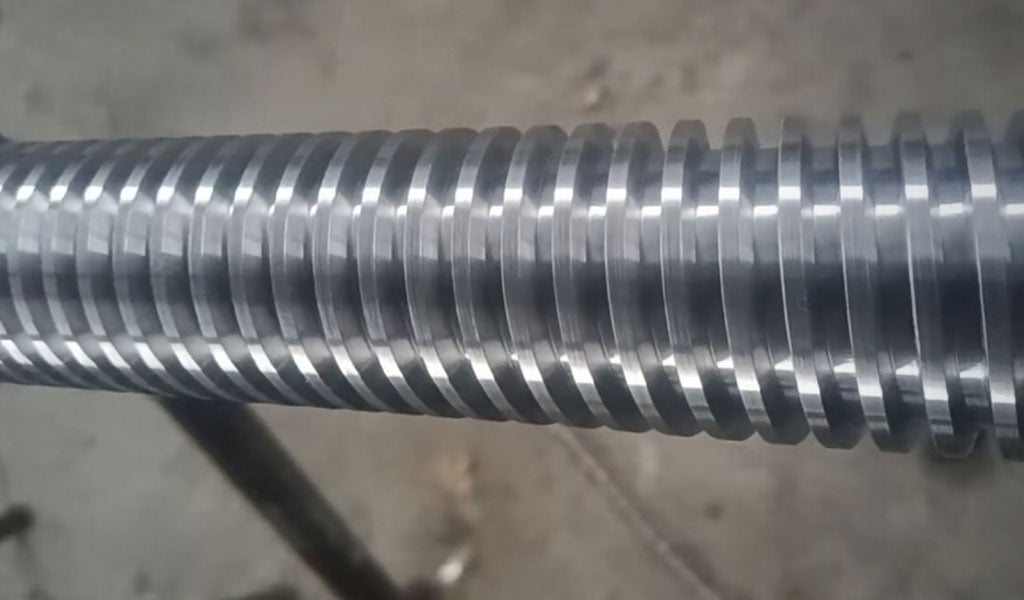
In mechanical engineering, the square thread represents a specialized screw thread profile renowned for its unique geometric properties and exceptional efficiency in power transmission applications.
Characterized by a square-shaped cross-section, this thread form is distinguished by its ability to minimize friction and maximize mechanical advantage, making it a preferred choice in high-load scenarios such as jackscrews, lead screws, and other heavy-duty machinery. Unlike trapezoidal threads, such as the Acme or metric trapezoidal forms, square threads lack a thread angle, which eliminates radial pressure on the nut and enhances durability.
However, their complex manufacturing requirements and limitations in load-carrying capacity compared to other thread forms have led to a gradual decline in their use in favor of more easily fabricated alternatives. This article provides a comprehensive exploration of the square thread, covering its definition, historical development, applications, thread angle characteristics, calculation methods, standardization, and detailed dimensional charts, offering a thorough resource for engineers, machinists, and researchers.
What Is Square Thread
A square thread is a type of screw thread with a distinctive square-shaped cross-section when viewed in a plane perpendicular to the thread axis. The thread’s flanks are parallel to the screw axis, resulting in a 0-degree thread angle, which differentiates it from V-shaped threads (e.g., ISO metric threads with a 60-degree thread angle) or trapezoidal threads (e.g., Acme threads with a 29-degree thread angle). The square thread’s geometry consists of a crest (the outermost surface of the thread), a root (the innermost surface), and flanks (the vertical sides connecting the crest and root).
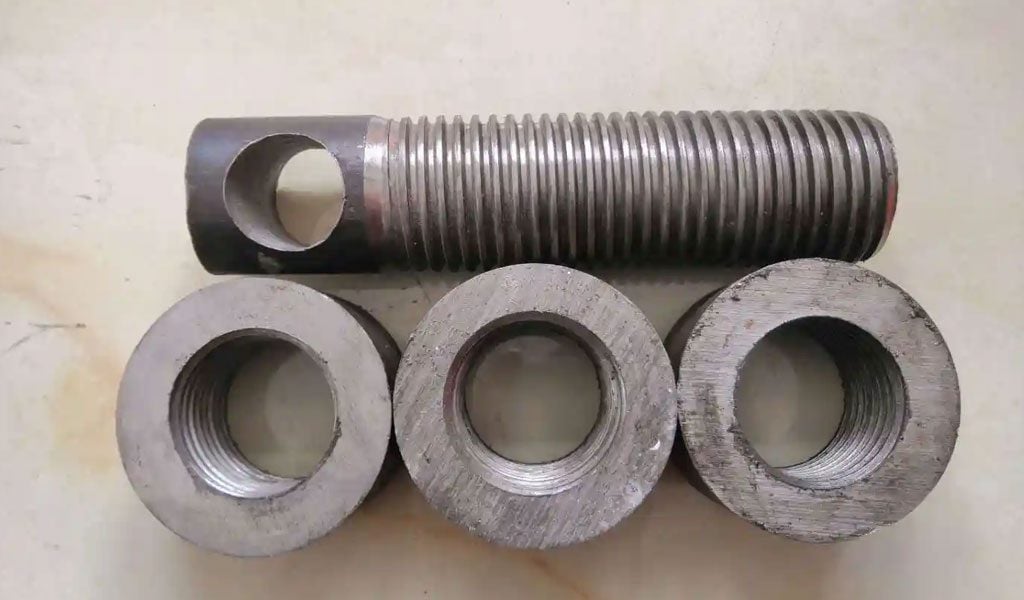
The pitch, defined as the distance between corresponding points on adjacent threads, is equal to the lead in single-start square threads, where lead is the axial distance a screw advances in one full rotation.The square thread’s defining feature is its high mechanical efficiency, which arises from the absence of radial forces that typically act to expand or burst the nut in V-shaped or trapezoidal threads. This efficiency makes square threads particularly suitable for applications requiring significant power transmission with minimal energy loss to friction. However, the square thread’s perpendicular flanks make it challenging to machine, as cutting tools require precise alignment and lack effective rake or relief angles, leading to slower and more labor-intensive fabrication processes. Additionally, square threads have a smaller root diameter compared to trapezoidal threads, which can limit their load-carrying capacity under certain conditions.
Square threads are designated by standards such as ISO, where they are denoted by the prefix “Sq” followed by the nominal diameter and pitch in millimeters (e.g., Sq 60 × 9 indicates a square thread with a 60 mm nominal diameter and a 9 mm pitch). For multi-start threads, the designation includes the lead and pitch, such as Sq 40 × 14 (P7), where 14 mm is the lead and 7 mm is the pitch. The hand of the thread (right-hand or left-hand) may also be specified, as in Sq 30 × 16 (P8) RH for a right-hand thread.
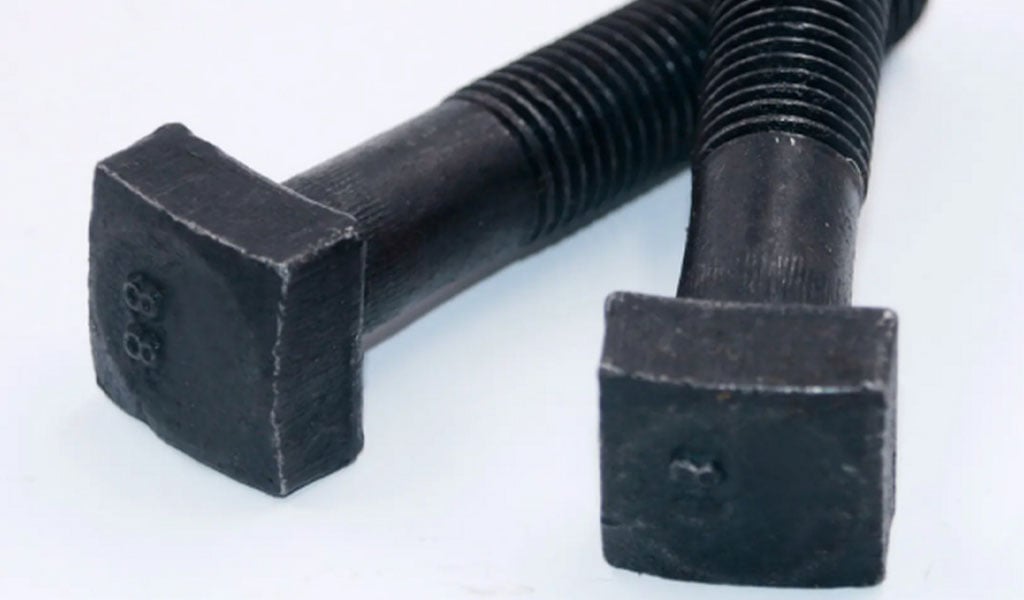
Historical Development of Square Threads
The development of square threads is intertwined with the evolution of screw thread technology, which played a pivotal role in the Industrial Revolution. In the early 19th century, screws were often custom-made, leading to a lack of interchangeability and inconsistent performance. The square thread emerged as a solution for high-load applications due to its superior efficiency compared to the V-shaped threads prevalent at the time. The American industrialist William Sellers, a key figure in standardizing screw threads in the United States, contributed to the prominence of square threads in the late 1800s.
Sellers’ work on thread standardization, including the development of the Sellers Standard Square Thread, laid the groundwork for their use in applications such as coining presses, vises, and early military rifles, including the Springfield 30-06 bolt-action rifles used in World Wars I and II.
The square thread’s prominence waned with the introduction of the Acme thread, also developed by Sellers, which offered a compromise between efficiency and manufacturability. The Acme thread’s 29-degree thread angle allowed for easier machining while retaining much of the square thread’s strength, leading to its widespread adoption in industrial applications. Despite this, square threads remained relevant in niche applications where maximum efficiency was critical, such as in screw jacks and lead screws for precision machinery.
The standardization of screw threads, driven by engineers like Joseph Whitworth in the United Kingdom and international bodies like the International Organization for Standardization (ISO), further refined the specifications for square threads. Whitworth’s thread system, introduced in 1841, influenced British industries, while ISO standards later provided a global framework for thread designations, including square threads. Today, square threads are less common due to their manufacturing challenges but remain a subject of study for their historical significance and unique mechanical properties.
Uses of Square Threads
Square threads are primarily employed in applications requiring high power transmission efficiency and the ability to handle substantial axial loads. Their low friction and high mechanical advantage make them ideal for scenarios where energy efficiency is paramount. Below are the primary applications of square threads, categorized by industry and function:
Industrial Machinery
Square threads are widely used in lead screws and jackscrews, which are critical components in machinery requiring linear motion under heavy loads. For example:
- Screw Jacks: Square threads are a staple in mechanical screw jacks used for lifting heavy loads, such as in automotive repair (e.g., car jacks) or industrial lifting systems. Their efficiency reduces the torque required to lift substantial weights.
- Presses: Early coining presses and other high-load presses utilized square threads to convert rotational motion into linear force with minimal energy loss.
- Vises: Square threads are found in heavy-duty vises, where their ability to withstand high clamping forces without slipping is advantageous.
Precision Equipment
In precision machinery, such as lathes and milling machines, square threads serve as lead screws to provide accurate linear motion. Their low friction ensures smooth operation, which is critical for maintaining precision in machining processes.
Historical Applications
Historically, square threads were used in military applications, such as securing barrels in rifles like the Springfield 30-06. Their ability to maintain tight, secure connections under vibrational loads made them suitable for such uses.
Specialized Applications
Modified square threads, which incorporate a slight flank angle (e.g., 5 degrees), are used in applications requiring a balance between efficiency and manufacturability. These are found in custom machinery where standard square threads are impractical due to cost or machining constraints.
Despite their advantages, square threads are less common in modern applications due to their manufacturing difficulties and the availability of alternatives like Acme and buttress threads, which offer comparable performance with easier fabrication. However, square threads remain relevant in legacy systems and specialized applications where their unique properties are indispensable.
Thread Angle and Its Significance
The thread angle of a screw is defined as the included angle between the thread flanks, measured in a plane containing the thread axis. For square threads, this angle is 0 degrees, as the flanks are perpendicular to the screw axis, resulting in a square cross-section. This absence of a thread angle is the primary factor contributing to the square thread’s high efficiency, as it eliminates radial forces that would otherwise act to expand the nut. In contrast, V-shaped threads (e.g., ISO metric threads with a 60-degree thread angle) and trapezoidal threads (e.g., Acme threads with a 29-degree thread angle) generate radial forces, which increase friction and reduce efficiency.
The 0-degree thread angle of square threads has several implications:
- Efficiency: The lack of radial pressure minimizes friction between the screw and nut, allowing a greater proportion of input torque to be converted into axial force. This makes square threads highly efficient for power transmission.
- Nut Longevity: The absence of radial forces reduces wear on the nut, extending its operational life compared to nuts used with V-shaped or trapezoidal threads.
- Load Distribution: The square thread’s perpendicular flanks ensure that the load is distributed evenly across the thread surface, reducing stress concentrations. However, the smaller root diameter of square threads compared to trapezoidal threads can limit their ability to carry extremely high loads.
The thread angle also affects the self-locking behavior of a screw. Self-locking occurs when the coefficient of friction between the screw and nut is equal to or greater than the tangent of the thread’s helix angle (also known as the lead angle). For square threads, the helix angle is determined by the pitch and diameter of the thread, and the absence of a thread angle simplifies the self-locking calculation. However, square threads are generally not self-locking unless designed with specific friction characteristics, making them suitable for applications requiring continuous motion, such as lead screws.
Calculation of Square Thread Parameters
The design and analysis of square threads involve several key calculations to determine their geometric and mechanical properties. These calculations are essential for ensuring that a square thread meets the requirements of a specific application. Below are the primary parameters and their associated formulas, derived from engineering principles and standards.
Key Parameters
- Major Diameter (d): The largest diameter of the screw, measured over the crests of the thread.
- Minor Diameter (d_m): The smallest diameter of the screw, measured at the root of the thread.
- Pitch (p): The distance between corresponding points on adjacent threads, measured parallel to the screw axis.
- Lead (l): The axial distance a screw advances in one full rotation. For single-start threads, lead equals pitch; for multi-start threads, lead equals pitch multiplied by the number of starts (N).
- Pitch Diameter (d_p): The diameter at which the width of the thread equals the width of the space between threads, approximately halfway between the major and minor diameters.
- Helix Angle (φ): The angle of the thread’s helical path relative to a plane perpendicular to the screw axis.
- Thread Depth (h): The radial distance between the crest and root of the thread, typically equal to half the pitch for square threads.
- Torque (T): The rotational force required to raise or lower a load, influenced by friction and thread geometry.
Calculation Formulas
Helix Angle (φ): The helix angle is calculated using the formula
tanϕ=l/πdp
where l l is the lead, and dp d_p is the pitch diameter. For single-start threads, l=p, and for multi-start threads, l=N⋅p . The pitch diameter can be approximated as:dp≈{d+dm}/2
The helix angle is critical for determining the screw’s efficiency and self-locking behavior.
Thread Depth (h): For square threads, the thread depth is:
h=p/2
This reflects the square thread’s equal thread and space widths, ensuring a balanced load distribution.
Torque for Raising a Load (T_r): The torque required to raise a load F is given by:
Tt={Fdp/2}{[tan ϕ+u]/1-utan ϕ}
where μ \mu is the coefficient of friction. For square threads, the thread angle ( α ) is 0, simplifying the equation since there is no wedging action (i.e., no cos \cos \alpha term as in Acme threads).
Torque for Lowering a Load (T_l): The torque required to lower a load is
Tt={Fdp/2}{[u-tan ϕ]/1+utan ϕ}
If < tan \mu < \tan \phi, the screw is not self-locking, and a negative torque indicates that the load will lower itself without external effort.
Efficiency( η) : The efficiency of a square thread is calculated as:
η=tanϕ/tan(ϕ+ϕf)
where ϕf=arctanμ is the friction angle. For square threads, efficiency is maximized because there is no thread angle to increase frictional losses.
Self-Locking Condition: A screw is self-locking if:
μ≥tanϕ
This condition ensures that the screw will not rotate under the load without external torque.
Example Calculation Consider a single-start square-threaded screw with a major diameter d=64 mm , pitch p=8 mm , coefficient of friction μ=0.08 , and an axial load F=10 kN . The mean collar diameter for a thrust collar is dc=80 mm , with a collar friction coefficient μc=0.08 .
Step 1: Calculate Pitch Diameter:
dm=d-2h=64-2*8/2=64-8=56mm
dp={d+dm}/2= {64+56}/2 =60mm
Step 2: Calculate Helix Angle:
tanϕ=p/πdp=8/π⋅60≈0.04244
ϕ=arctan(0.04244)≈2.43∘
Step 3: Calculate Torque for Raising
Tr={Fdp/2}*{[tanϕ+u]/1-utanϕ}=10000*0.060/2*[0.04244+0.08/1-0.08*0.04244]
Tr=300*0.12244*0.99661=36.87N/cdotpm
Step 4: Add Collar Friction Torque
Tc=Fμcdc/2 ={10000*0.08*0.08}/2=32 N/cdotpm
Total torque:Ttotal=Tr+Tc =36.87+32=68.87 N/cdotpm
Step 5: Check Self-Locking:
μ=0.08>tanϕ=0.04244,The screw is self-locking, as the friction coefficient exceeds the tangent of the helix angle.
These calculations demonstrate the precision required in designing square threads to ensure they meet load and efficiency requirements while maintaining structural integrity.
Standards for Square Threads
Square threads are governed by international and national standards that define their dimensions, tolerances, and designations to ensure interchangeability and performance. The primary standard for square threads is provided by the International Organization for Standardization (ISO), with additional specifications from historical standards like the Sellers Standard Square Thread in the United States.
ISO Standards
The ISO standard for square threads, part of the broader ISO metric thread framework, defines the thread’s basic profile, including:
- Designation: Square threads are denoted by “Sq” followed by the nominal diameter and pitch (e.g., Sq 60 × 9). For multi-start threads, the lead and pitch are specified, as in Sq 40 × 14 (P7), where 14 mm is the lead and 7 mm is the pitch.
- Dimensions: The ISO standard specifies the major diameter, pitch, and thread depth. The thread depth is typically half the pitch (<math xmlns=”http://www.w3.org/1998/Math/MathML”><semantics><mrow><mi>h</mi><mo>=</mo><mi>p</mi><mi mathvariant=”normal”>/</mi><mn>2</mn></mrow><annotation encoding=”application/x-tex”> h = p/2 </annotation></semantics></math>h=p/2), ensuring equal thread and space widths.
- Tolerances: Square threads have specific tolerance classes to ensure proper fit between the screw and nut. These tolerances are less stringent than those for precision threads like Acme due to the square thread’s simpler geometry.
Historical Standards
- Sellers Standard Square Thread: Developed by William Sellers in the late 19th century, this standard defined square threads for American industrial applications. It specified a thread depth equal to half the pitch and a square profile with no flank angle. The Sellers standard was widely used in early machinery but was largely replaced by the Acme thread due to manufacturing challenges.
- Whitworth Thread Influence: While the Whitworth thread system, introduced in 1841, primarily focused on V-shaped threads with a 55-degree thread angle, it influenced the development of square thread standards in the United Kingdom, particularly for high-load applications.
Comparison with Other Thread Standards
Square threads differ significantly from other standardized thread forms:
- ISO Metric Threads: These have a 60-degree thread angle and are designed for general-purpose fastening. They are easier to manufacture than square threads but less efficient for power transmission due to radial forces.
- Acme Threads: Defined by ASTM B1.5, Acme threads have a 29-degree thread angle and are a compromise between square threads and metric threads, offering good strength and easier manufacturability.
- Buttress Threads: These have a nearly square thrust face and an angled back face, optimized for high loads in one direction, such as in vises or pipe fittings.
Standardization Challenges
The primary challenge in standardizing square threads lies in their manufacturing complexity. The lack of a thread angle requires precise machining, and the absence of standardized tools for square thread cutting has led to variability in thread quality. Modern standards encourage the use of Acme or metric trapezoidal threads for applications where square threads were historically used, reserving square threads for legacy systems or specialized applications.
Dimensions Chart for Square Threads
Below is a detailed dimensions chart for square threads, based on ISO standards and typical engineering practice. The chart includes nominal diameters, pitches, thread depths, and approximate minor and pitch diameters for single-start square threads. Multi-start threads would require additional calculations for lead.
Comparison with Other Thread Forms
To provide context, the following table compares square threads with ISO metric threads, Acme threads, and buttress threads for a nominal diameter of 40 mm.
| Nominal Diameter (mm) | Pitch (mm) | Thread Depth (mm) | Minor Diameter (mm) | Pitch Diameter (mm) |
|---|---|---|---|---|
| 10 | 2 | 1 | 8 | 9 |
| 12 | 3 | 1.5 | 9 | 10.5 |
| 16 | 4 | 2 | 12 | 14 |
| 20 | 4 | 2 | 16 | 18 |
| 24 | 5 | 2.5 | 19 | 21.5 |
| 30 | 6 | 3 | 24 | 27 |
| 36 | 6 | 3 | 30 | 33 |
| 40 | 7 | 3.5 | 33 | 36.5 |
| 50 | 8 | 4 | 42 | 46 |
| 60 | 9 | 4.5 | 51 | 55.5 |
| 80 | 10 | 5 | 70 | 75 |
| 100 | 12 | 6 | 88 | 94 |
Notes:
- Nominal Diameter: The major diameter of the screw, measured over the crests.
- Pitch: The distance between adjacent threads, equal to the lead for single-start threads.
- Thread Depth: Calculated as ( h = p/2 ).
- Minor Diameter: Calculated as ( d_m = d – 2h ).
- Pitch Diameter: Calculated as ( d_p = (d + d_m)/2 ).
- Dimensions are approximate and may vary slightly based on manufacturing tolerances.
- Multi-start threads require separate calculations for lead (e.g., ( l = N \cdot p )).
Advantages and Disadvantages of Square Threads
Advantages
- High Efficiency: The absence of a thread angle eliminates radial forces, reducing friction and maximizing the conversion of torque into axial force.
- Long Nut Life: The lack of radial pressure reduces wear on the nut, extending its lifespan compared to other thread forms.
- Even Load Distribution: The square profile ensures uniform load distribution across the thread surface, minimizing stress concentrations.
- Suitability for High Loads: Square threads are ideal for applications requiring significant axial loads, such as screw jacks and presses.
Disadvantages
- Manufacturing Difficulty: The perpendicular flanks require precise machining, and cutting tools lack effective rake and relief angles, making production slow and costly.
- Limited Load Capacity: The smaller root diameter compared to trapezoidal threads reduces the screw’s ability to carry extremely high loads.
- Wear Adjustment: Square threads do not allow for wear compensation in the nut, necessitating replacement when worn.
- Non-Self-Locking: In most cases, square threads are not self-locking, requiring additional mechanisms to prevent unintended motion under load.
Manufacturing Considerations
The fabrication of square threads presents unique challenges due to their geometry. Unlike V-shaped or trapezoidal threads, which can be cut with standard taps and dies, square threads require specialized tools and techniques. Key considerations include:
Machining Techniques
- Single-Point Cutting: Square threads are typically machined using single-point cutting tools on a lathe. The tool must be precisely aligned to maintain the perpendicular flanks, and the lack of rake and relief angles increases cutting forces and tool wear.
- Thread Rolling: Thread rolling is not typically used for square threads due to the difficulty in forming the square profile. However, rolling can enhance thread strength by work-hardening the material, and some modified square threads with slight flank angles may be rolled.
- Grinding: For high-precision applications, square threads may be ground to achieve tight tolerances. This is particularly common in lead screws for precision machinery.
Material Selection
Square threads are typically made from high-strength materials such as carbon steel, alloy steel, or stainless steel to withstand axial loads. The choice of material depends on the application:
- Carbon Steel: Used in general-purpose applications due to its strength and cost-effectiveness.
- Alloy Steel: Preferred for high-load applications requiring enhanced durability.
- Stainless Steel: Used in corrosive environments, such as marine or chemical processing equipment.
Tolerances and Quality Control
Square threads require tight tolerances to ensure proper fit and function. ISO standards specify tolerance classes for square threads, but the lack of standardized cutting tools can lead to variability. Quality control measures, such as thread gauging and profilometry, are essential to verify thread geometry and surface finish.
Conclusion:Future Trends and Innovations
While square threads have been largely supplanted by Acme and metric trapezoidal threads in modern applications, ongoing research and technological advancements may revive interest in their use. Potential trends include:
- Advanced Manufacturing Techniques: Developments in additive manufacturing (3D printing) and precision CNC machining may reduce the cost and complexity of producing square threads, making them more competitive.
- Hybrid Thread Designs: Modified square threads with slight flank angles (e.g., 5 degrees) offer a balance between efficiency and manufacturability, potentially expanding their use in niche applications.
- Material Innovations: The use of advanced materials, such as composites or coatings with low friction coefficients, could enhance the performance of square threads in high-load applications.
- Automation and Robotics: As automation increases, square threads may find new applications in robotic actuators and precision linear motion systems, where their efficiency is advantageous.
The square thread remains a cornerstone of mechanical engineering, valued for its high efficiency and ability to handle substantial axial loads in applications like screw jacks, lead screws, and presses. Its unique 0-degree thread angle eliminates radial forces, maximizing mechanical advantage and extending nut life. However, its manufacturing challenges and limitations in load capacity have led to its gradual replacement by more versatile thread forms like Acme and metric trapezoidal threads. Through detailed calculations, standardized dimensions, and a thorough understanding of its properties, engineers can leverage square threads in specialized applications where their benefits outweigh their drawbacks. The provided dimensions and comparison charts serve as a valuable resource for designing and analyzing square threads, ensuring their continued relevance in legacy systems and niche engineering solutions.
The Detail Of BE-CU Cnc Machining Shop
BE-CU.COM – As an accomplished CNC machining Service Manufacturer and CNC shop, BE-CU Prototype has been specialized in OEM CNC lathing, custom CNC machining parts production and rapid CNC machining services China for over 35 years and always maintaining the highest standard in delivery speed and reliable quality of precision CNC manufacturing components. With the help of high-level technology and efficient equipment, as well as rigorous attitude, BE-CU passed the ISO9001:2015 quality certification, which supports the long-term development of CNC milling services, CNC turning services, CNC milling-turning, CNC drilling services, 3/4/5 axis machining, gear machining services, CNC machining China custom parts and service, small parts machining, etc.Our CNC machining products can be utilized in a broad range of industries. Contact us for email: [email protected]
-
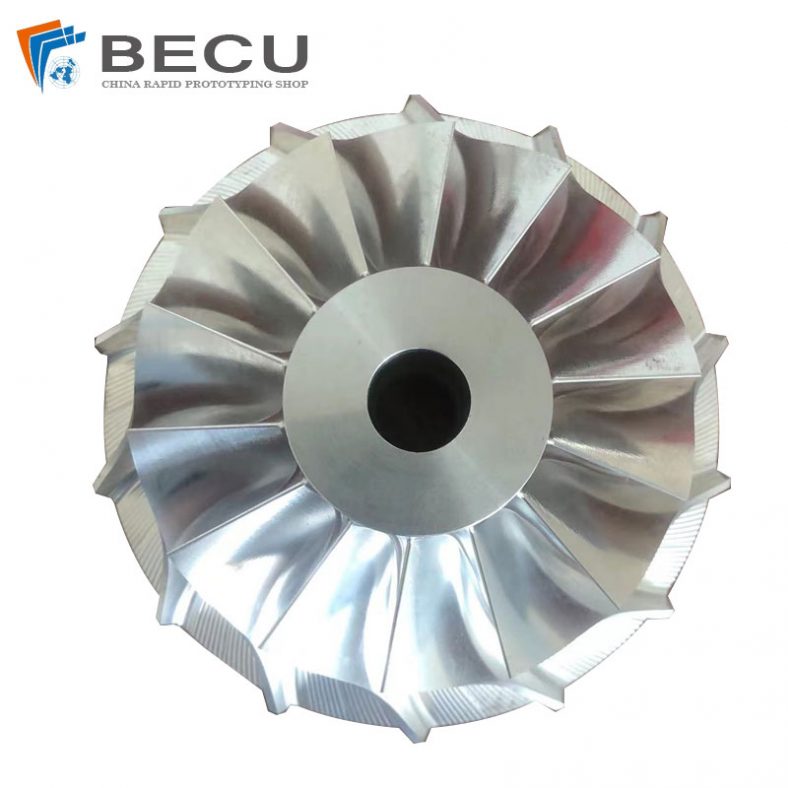
3-Way Centrifugal Compressor Closed Impeller By 5 Axis Machining
-
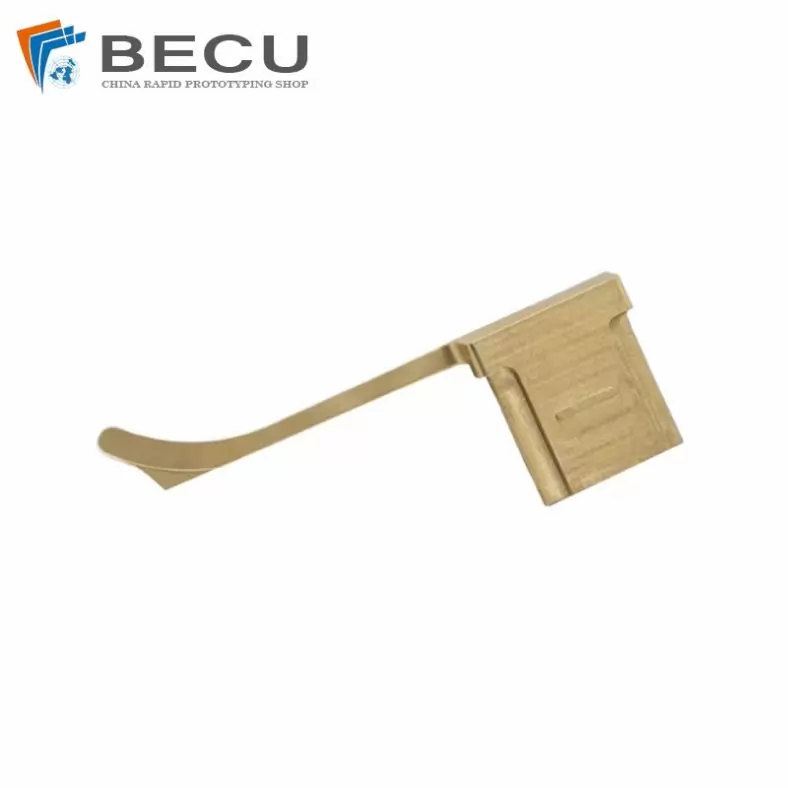
3/4/5 Axis Precision Milling Custom Vehicle Parts
-
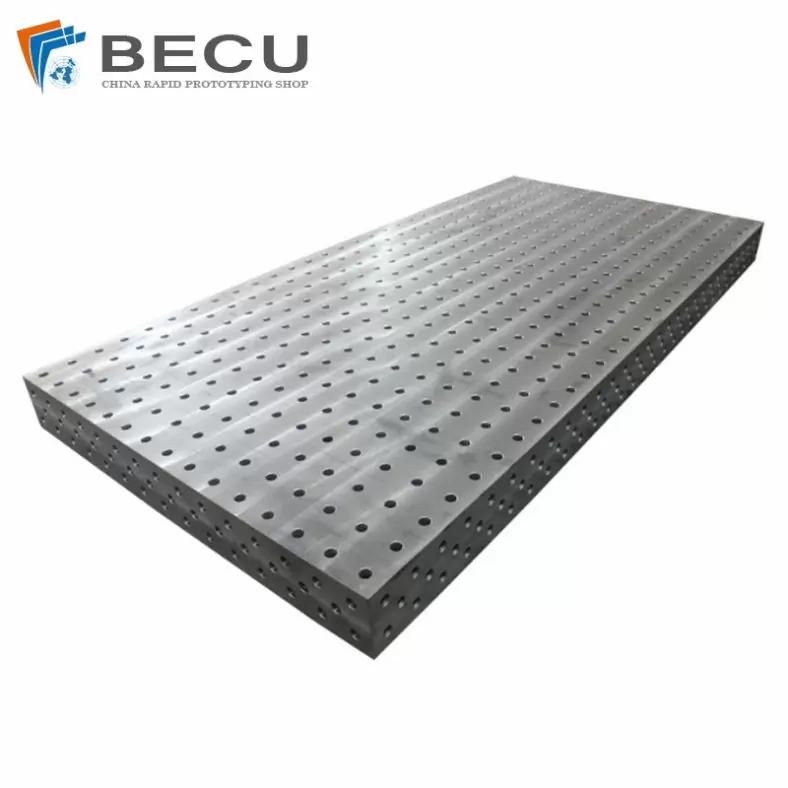
3D Flexible Welding Platform By Large Machining
-
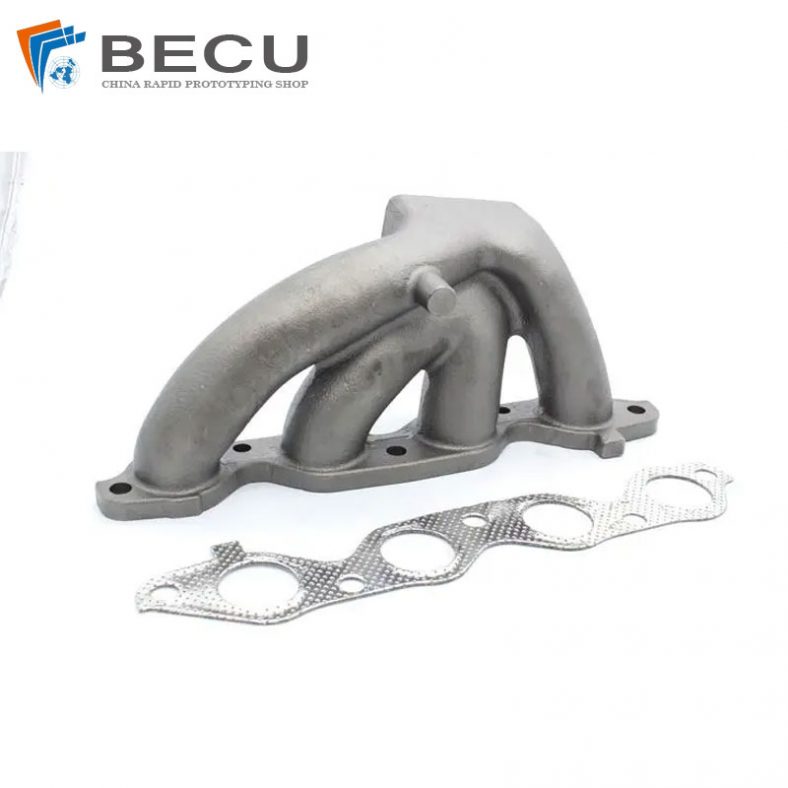
3D Printed Inconel Exhaust Manifold
-
3D Printing And CNC Machining Custom Black PPS Valve
-
3D Printing Full Transparent Acrylic Lampshade Model
-
4 Axis CNC Machining Titanium Grade 5 Mobile Phone Buttons
-
4 Axis Machining Highly Transparent Acrylic LED Tunnel Light Lens