
G80T high-temperature bearing steel is a specialized material designed for applications requiring superior mechanical properties at elevated temperatures. This steel is commonly utilized in the aerospace, automotive, and industrial machinery sectors, where performance and durability are paramount. Solution treatment is a crucial heat treatment process that significantly influences the microstructure and, consequently, the mechanical properties of G80T steel. This article aims to explore the intricacies of solution treatment, its effects on G80T high-temperature bearing steel, and its implications for practical applications.
Overview of G80T High-Temperature Bearing Steel
G80T steel is an alloy that primarily consists of iron, carbon, chromium, molybdenum, and other alloying elements. Its specific composition is engineered to enhance wear resistance, toughness, and resistance to thermal degradation.
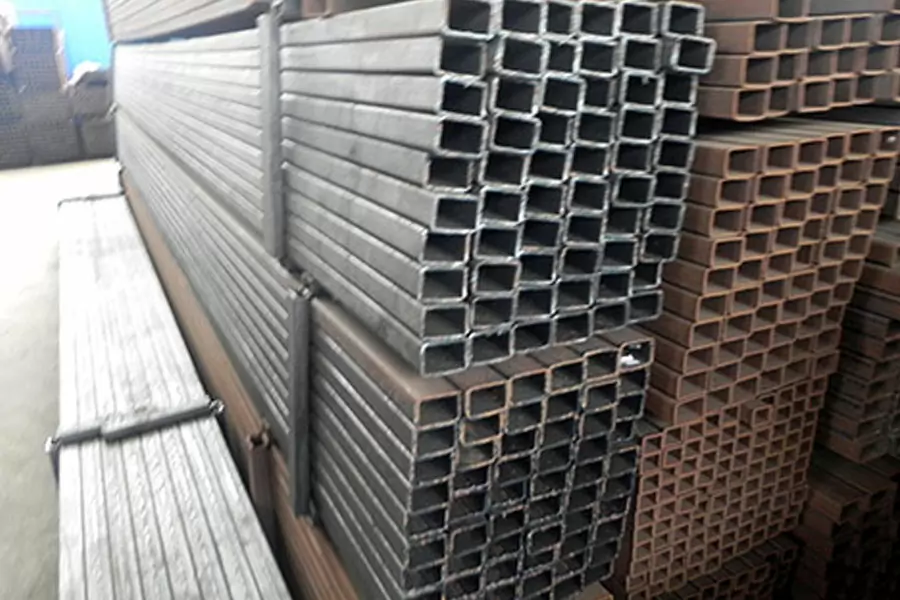
The properties of G80T steel make it suitable for high-load applications, particularly in conditions where high temperatures are prevalent.
Chemical Composition
- Iron (Fe): Balance
- Carbon (C): Approximately 0.6% to 0.7%
- Chromium (Cr): Around 1.5% to 2.0%
- Molybdenum (Mo): Approximately 0.3% to 0.5%
- Other Elements: May include vanadium, nickel, and silicon to enhance specific properties.
Mechanical Properties
Hardness: High hardness values are maintained even at elevated temperatures.
Tensile Strength: Exceptional tensile strength, crucial for load-bearing applications.
Fatigue Resistance: Excellent resistance to fatigue, allowing for prolonged service life under cyclic loads.
Solution Treatment Process
Definition and Purpose
Solution treatment involves heating the steel to a temperature where alloying elements dissolve into a solid solution. This process aims to achieve a homogeneous microstructure, which is essential for optimizing mechanical properties. The solution treatment process typically involves several key stages:
- Heating: The steel is heated to a specific temperature, usually within the range of 950°C to 1050°C, depending on the specific grade and desired properties.
- Holding: The steel is maintained at the target temperature for a predetermined period, allowing for the dissolution of precipitates and the formation of a solid solution.
- Quenching: Rapid cooling is applied to lock in the microstructure achieved during the heating phase. This step is critical for retaining the desired properties.
Factors Influencing Solution Treatment
Several factors can influence the effectiveness of solution treatment on G80T steel:
- Temperature: The chosen heating temperature plays a crucial role in determining the solubility of alloying elements. Too low a temperature may result in insufficient dissolution, while too high a temperature can lead to grain coarsening.
- Holding Time: The duration for which the steel is held at the solution treatment temperature affects the extent of dissolution. Prolonged holding times may lead to over-aging, negatively impacting mechanical properties.
- Cooling Rate: The rate of quenching affects the final microstructure. Rapid cooling helps retain the high-temperature microstructure, while slow cooling can lead to the formation of undesirable phases.
Effects of Solution Treatment on Microstructure
Solution treatment induces significant changes in the microstructure of G80T steel, primarily affecting grain size, phase distribution, and the presence of precipitates.
- Grain Size Refinement: Solution treatment often results in grain refinement, leading to improved mechanical properties. Finer grains enhance strength and toughness, which are critical for high-temperature applications.
- Phase Distribution: The distribution of different phases within the steel, such as martensite and austenite, is affected by solution treatment. An optimized phase distribution contributes to enhanced hardness and toughness.
- Precipitate Formation: Alloying elements may form carbides or other precipitates during the cooling process. The size, shape, and distribution of these precipitates significantly influence the mechanical properties.
Mechanical Property Enhancements
- Hardness and Wear Resistance : One of the most notable effects of solution treatment on G80T steel is the enhancement of hardness and wear resistance. The refined microstructure and optimized phase distribution contribute to superior hardness values, making the steel highly resistant to wear and deformation under load.
- Tensile Strength : Solution treatment leads to an increase in tensile strength, which is vital for applications involving high loads and stress. The homogeneity achieved during the treatment process minimizes weak points in the material, allowing it to withstand greater forces without failure.
- Fatigue Resistance : Enhanced fatigue resistance is another significant benefit of solution treatment. The improved microstructure reduces the likelihood of crack initiation and propagation, thereby extending the service life of components made from G80T steel.
Practical Applications of G80T Steel
- Aerospace Industry : In the aerospace sector, G80T high-temperature bearing steel is employed in components such as bearings, shafts, and structural elements. The exceptional mechanical properties achieved through solution treatment make it ideal for applications that experience high stress and temperature variations.
- Automotive Sector : G80T steel is used in various automotive components, including engine parts and transmission systems. The enhanced hardness and fatigue resistance ensure reliable performance in demanding conditions.
- Industrial Machinery : Industrial machinery often operates under high loads and temperatures, making G80T steel an excellent choice for bearings and other load-bearing components. The benefits of solution treatment further enhance the durability and reliability of these components.
Conclusion
The solution treatment process is integral to optimizing the mechanical properties of G80T high-temperature bearing steel. By influencing the microstructure through controlled heating, holding, and quenching, manufacturers can achieve superior hardness, tensile strength, and fatigue resistance. As a result, G80T steel finds extensive applications in critical industries such as aerospace, automotive, and industrial machinery. Understanding the effects of solution treatment on this material is essential for engineers and manufacturers seeking to maximize performance and reliability in high-temperature environments.
G80T steel is a special type of M50 steel smelted by electroslag directional solidification, which belongs to the second-generation bearing steel with medium temperature resistance to 350℃. Judging from the current domestic and foreign reports, M50 steel is still the main material for the manufacture of aero-engine main shaft bearings, with a maximum operating temperature of 315°C. The ever-increasing DN value (the product of the bearing diameter and the bearing speed) requires the main bearing of the engine to have higher bending and torsion resistance, which puts higher requirements on the toughness of the bearing material. The existing research results show that the original material of G80T steel can be refined through dynamic recrystallization, thereby achieving the purpose of improving the toughness of the bearing material and increasing the strength of the material. In order to ensure that the grains of the hot-deformed G80T steel have both fine grains and high hardness after solution treatment, the researchers selected G80T steel with fine structure grains after dynamic recrystallization as the raw material, and studied the austenitizing temperature And the influence of austenitizing time on structural properties.
The test material is a directional electroslag remelting smelting, a cast high temperature bearing steel G80T steel ingot with a diameter of Φ150cm, and its composition (mass fraction, %) is C0.82, Cr4.11, Mo4.19, V0.97, and the balance Fe .
After the ingot is subjected to high temperature diffusion annealing for 5 hours, it is sampled and processed into a cylindrical sample of Φ8mm×15mm. In order to refine the grain size through dynamic recrystallization, the thermal simulation tester Gleeble-3800 was kept at 1200°C for 2 minutes, then cooled to 1050°C at 5°C/min, and 60% compression was performed at a deformation rate of 10s-1. Deformed, then cooled to 600°C at 5°C/min and then cooled to room temperature to obtain a deformed sample.
The hot-compressed sample is solid-solution treated in a box-type resistance furnace at a temperature of 950, 1000, 1050, 1100, 1150, 1200 ℃, to the warm charging furnace, the holding time is 5, 10, 30, 60 min, Quick oil quenching after being out of the furnace. The sample was uniformly slit into two halves along the direction of pressure loading during thermal compression, and the structure and hardness of the central part of the longitudinal section were observed.
The results show that with the increase of the solution temperature, the austenite grain size slowly increases to about 7-8μm before 1050℃, and then grows abnormally with the further increase of the solution temperature. The microhardness of the test steel first increases and then decreases with the solid solution temperature. The microhardness reaches 921HV0.2 at 1050℃, which is caused by the combined effect of fine-grain strengthening and carbide precipitation strengthening. The thermodynamic calculation results show that the grain growth behavior of the 60% hot-compressed G80T steel during the re-austenitization process is controlled by the diffusion of alloying elements, and its diffusion activation energy is 333kJ/mol.
The Detail Of BE-CU Die Casting Company
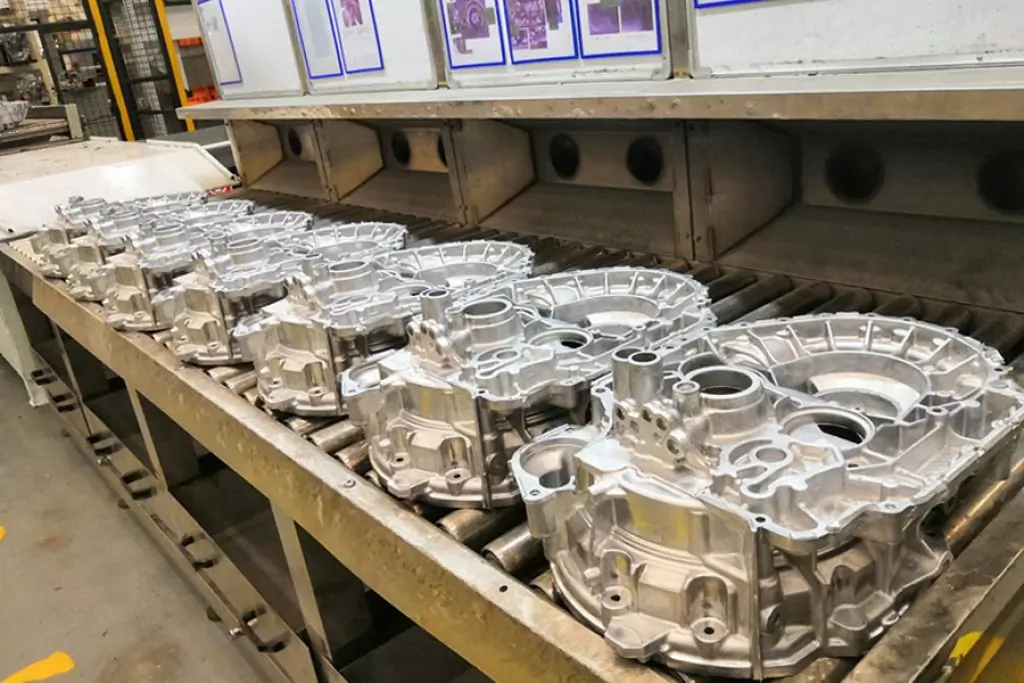
If you are looking for dependable volume manufacturing metal parts supplier with High pressure die casting service who offers you competitive price, good service and quality for aluminium die casting, zinc, or magnesium die casting, then BE-CU Prototype are surely a partner you are looking for to fulfill all your die casting needs. With quality service and state of art technology, BE-CU indeed claim in providing quality pressure die casting including aluminum/zamak/magnesium alloy castings to our customers all over the world.
To work with us,be-cu don’t just stop at taking your order and delivering your die casting products. be-cu are there for you at every step right from your preferred selection of aluminum die casting, Zamak die casting (Zamak 2, Zamak 3, Zamak 5, Zamak 8) or magnesium die casting products and services to post-order phase. In brief, once you become our customer, be-cu are with you every step on the way.
-
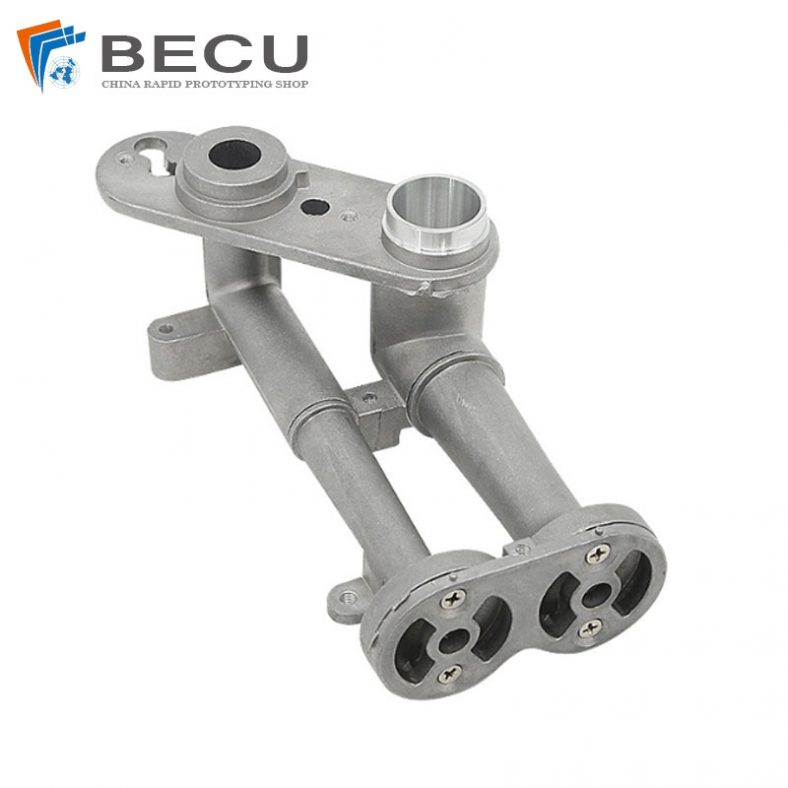
CNC Machining Gas Stove Bottom Joint
-
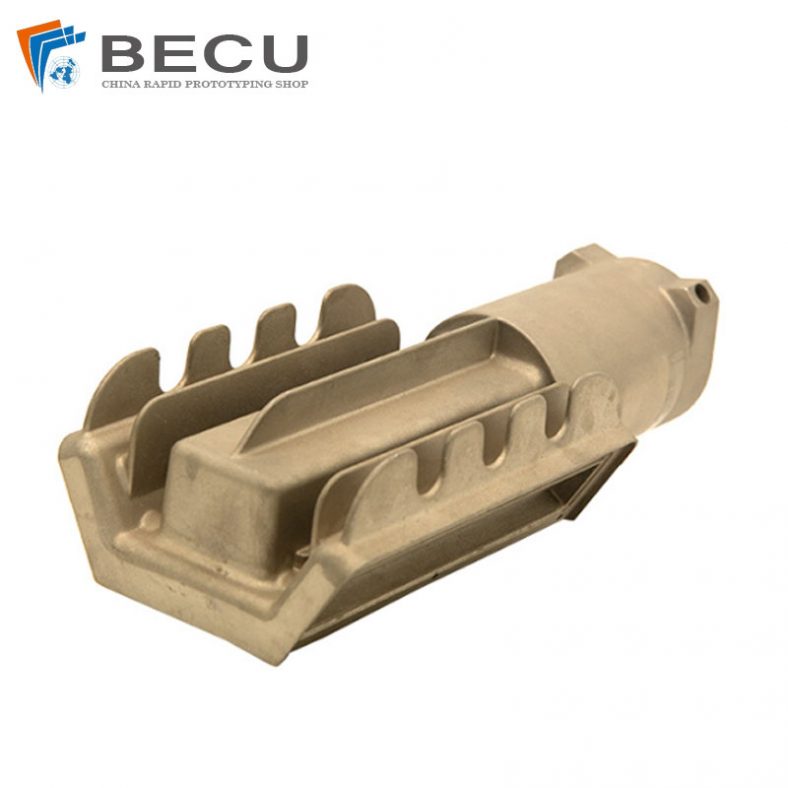
Gravity Die Casting Custom Street Light Heat Sink
-
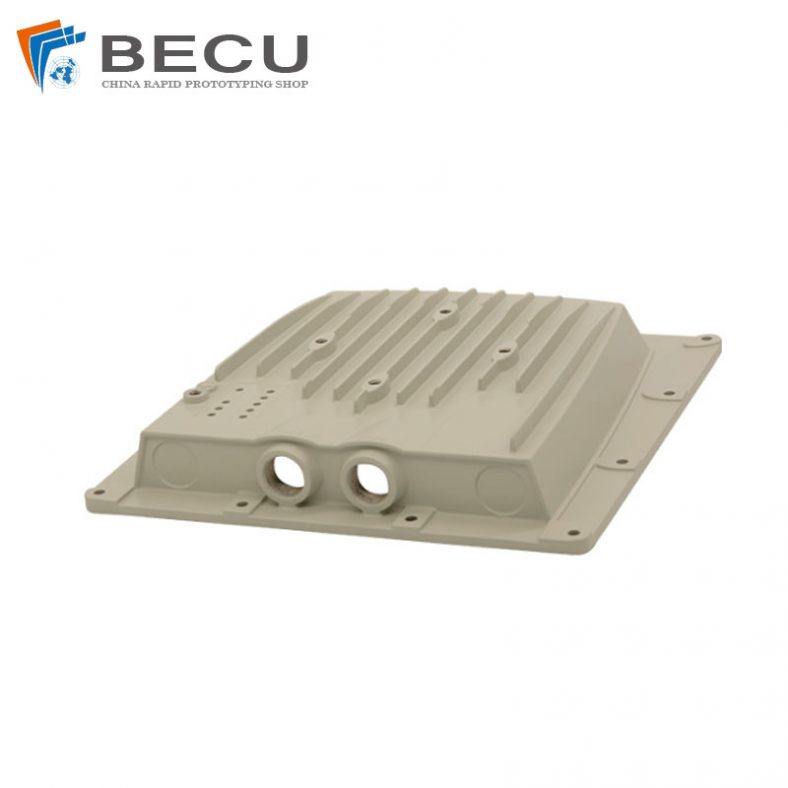
Die Casting LED Canopy Lights Heatsink For Gas Station
-
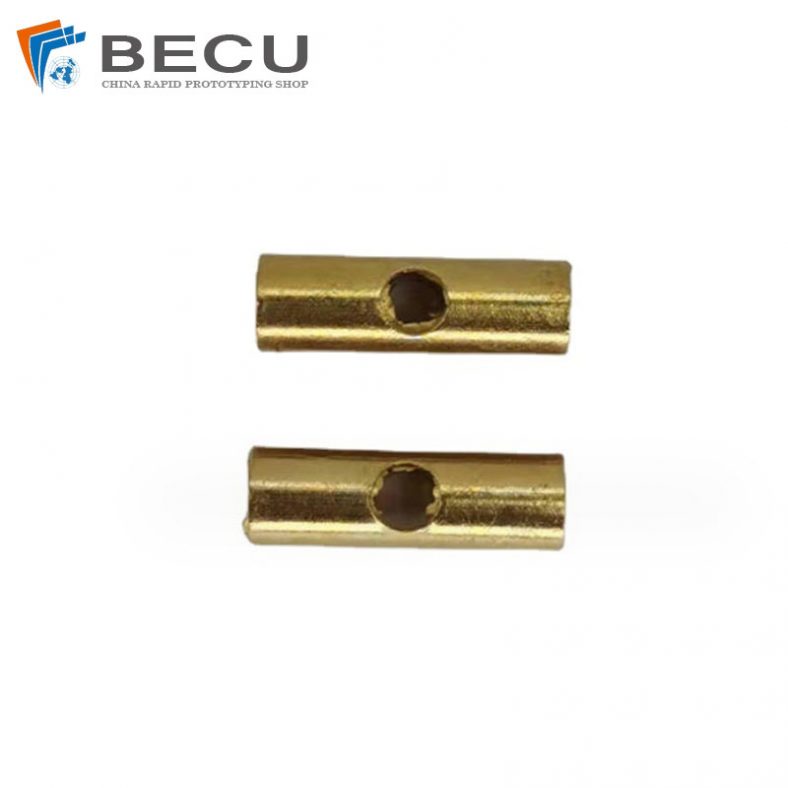
Zinc Die Casting PA10 Transformer Connector Terminal
-
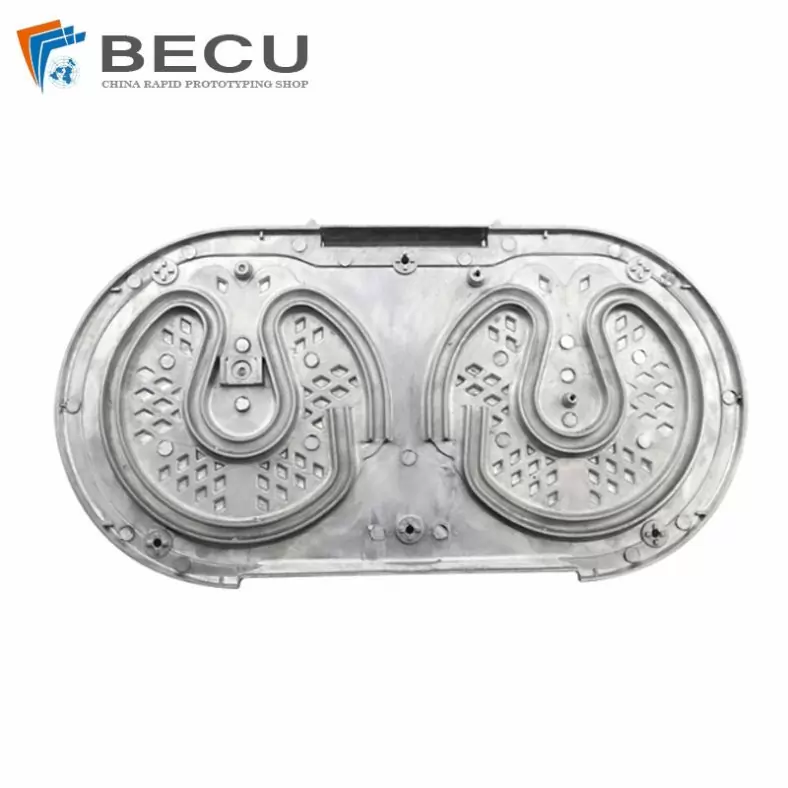
Die Casting Aluminium Cookware Chassis
-
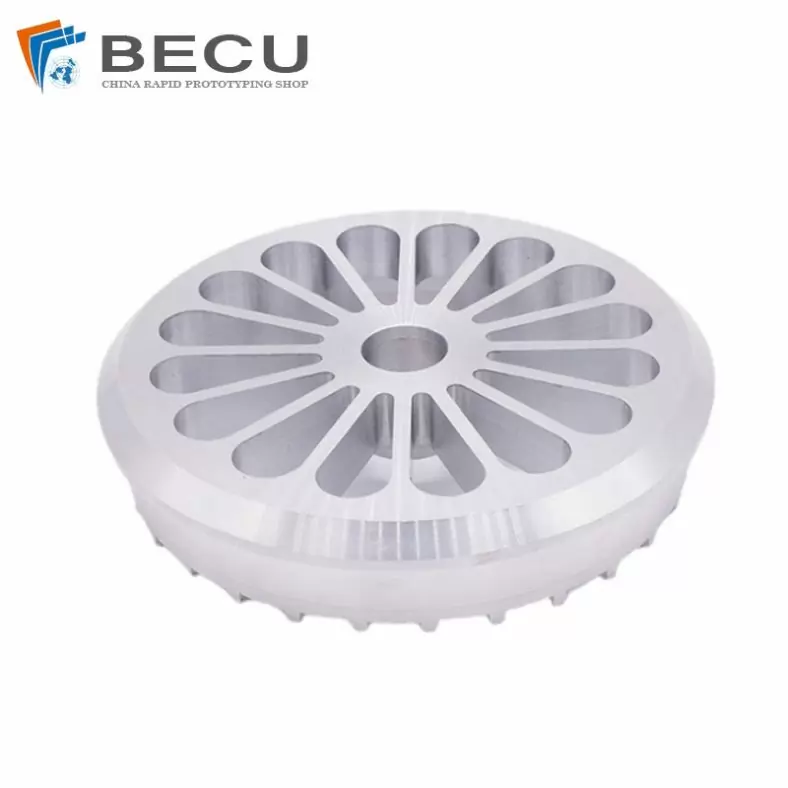
Die Casting Wheels With Aluminum Alloy 5 Axis CNC Machining
-
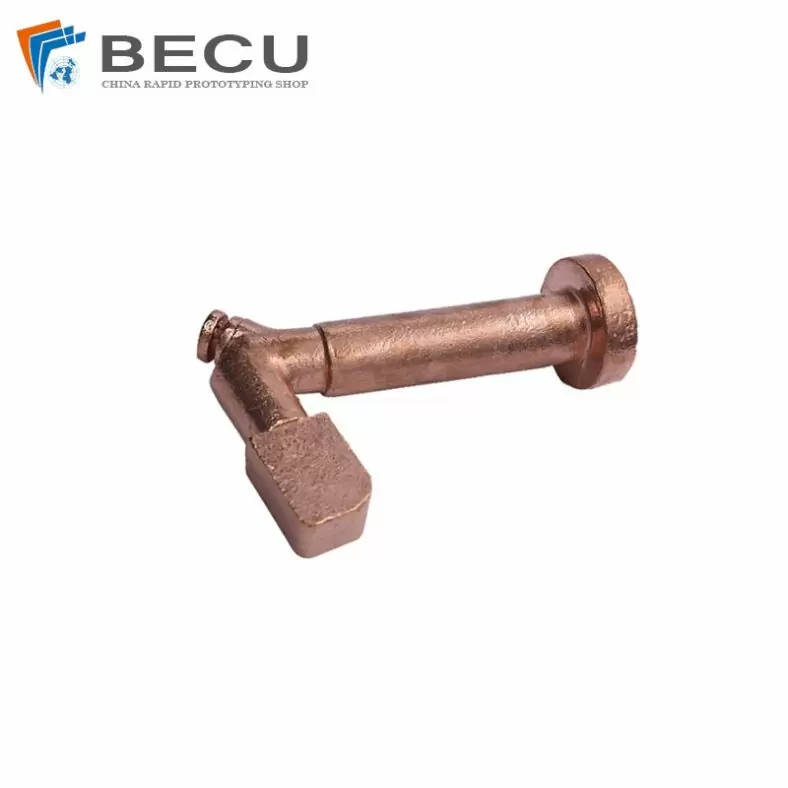
Precision Machined Copper Die Casting Parts
-
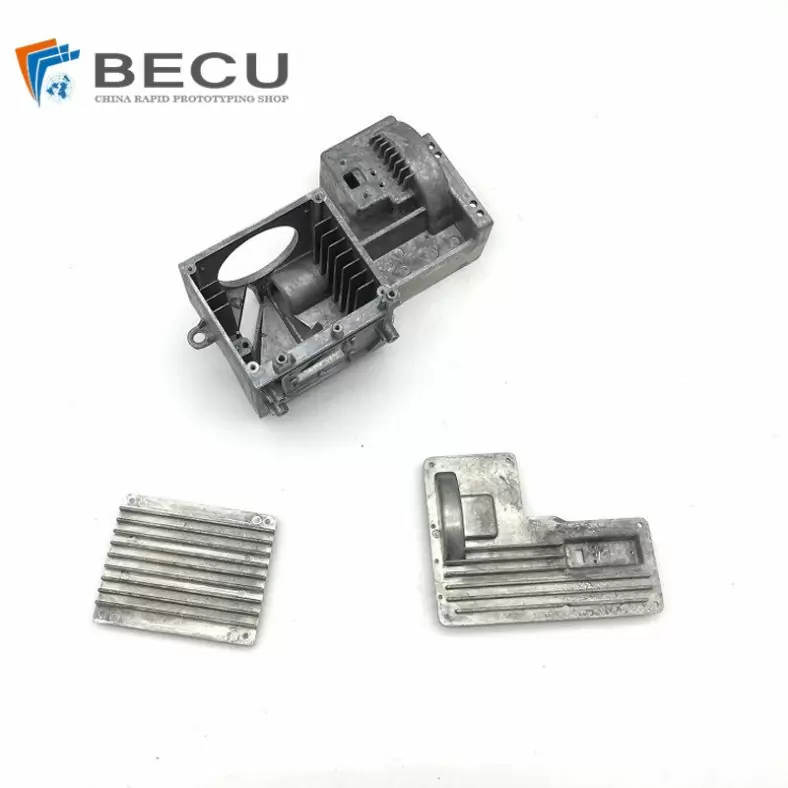
Professional Small Baler Aluminum Alloy Die-casting Mold Production
-
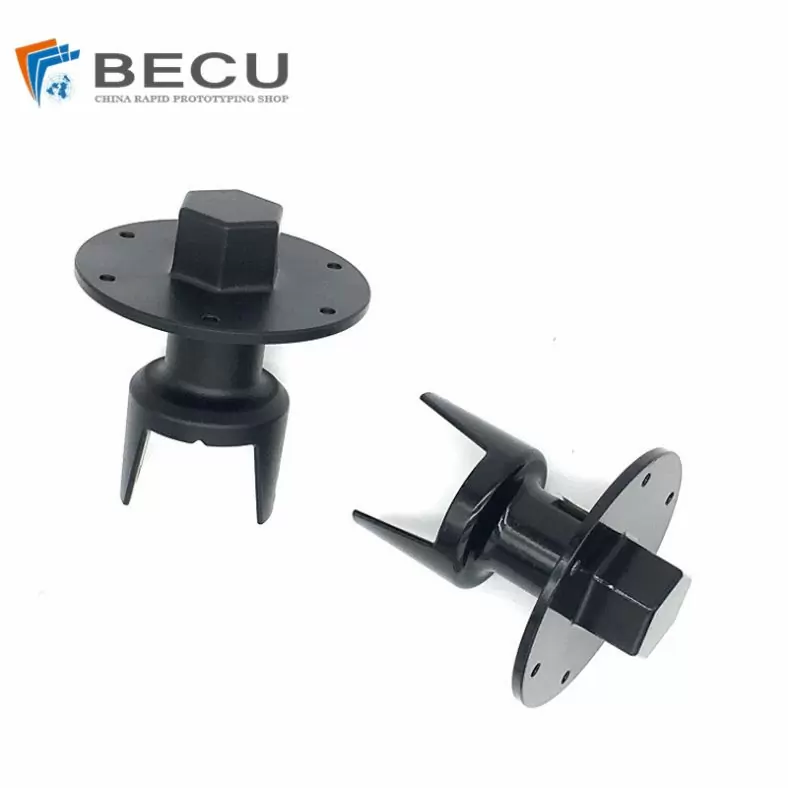
China Die Casting Factory Manufactures Surface Sprayed Aluminum Valve Body
-
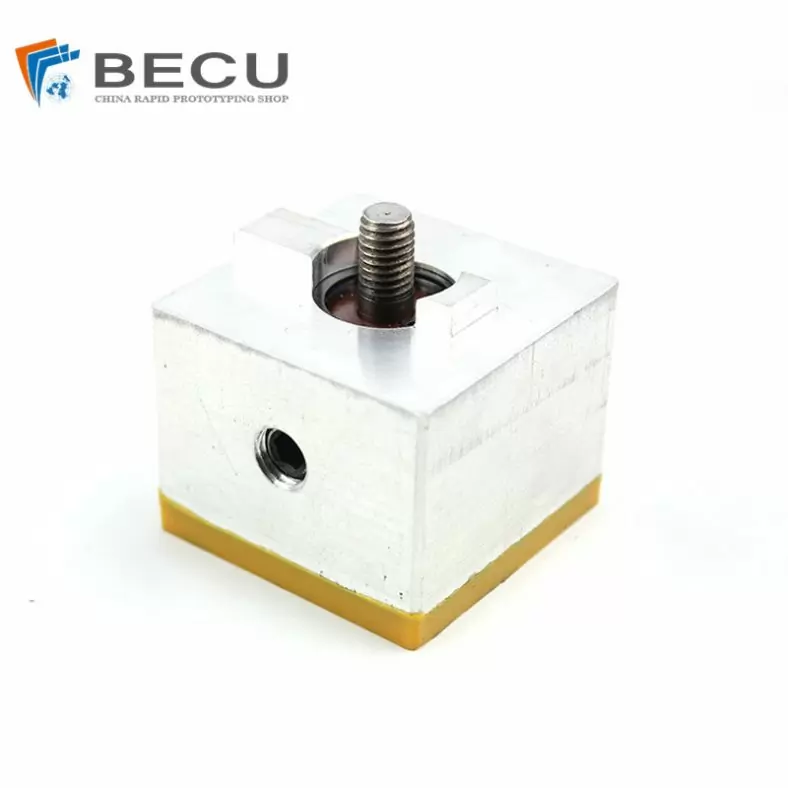
Extrusion Die-casting Polyurethane-Coated Aluminum Alloy Profiles
-
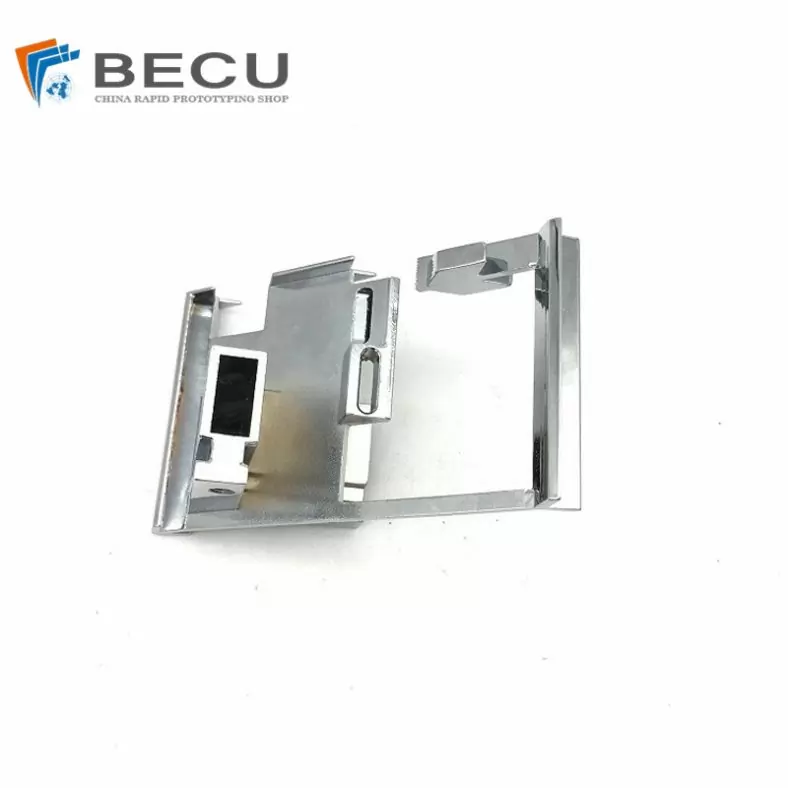
Custom Precision Aluminum Die Cast Brackets and Finishes
-
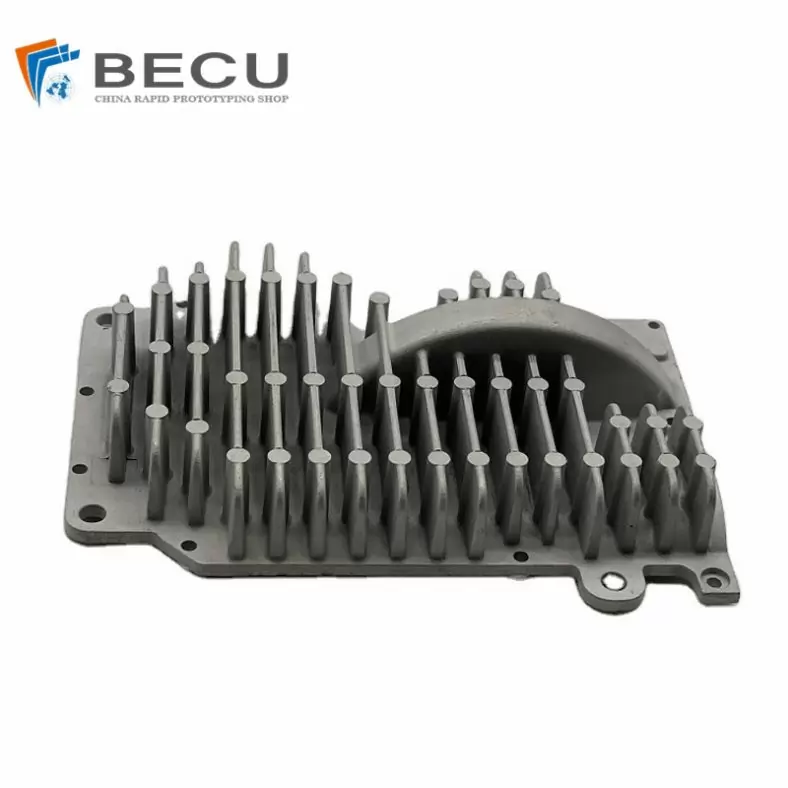
Extrusion Die-casting Magnesium Alloy Heat Sink Shell