
Two-tone electroplating is a specialized form of electroplating that involves the application of two distinct metal coatings onto a substrate, typically a base metal. This process is often employed for decorative purposes, but it can also serve functional roles in industries ranging from automotive to electronics. The goal of two-tone electroplating is to achieve a visually striking effect, combining the properties and aesthetics of different metals. The metal coatings may be applied in various patterns or regions of the substrate, allowing for a dynamic contrast in appearance, which can enhance the aesthetic appeal of the final product.
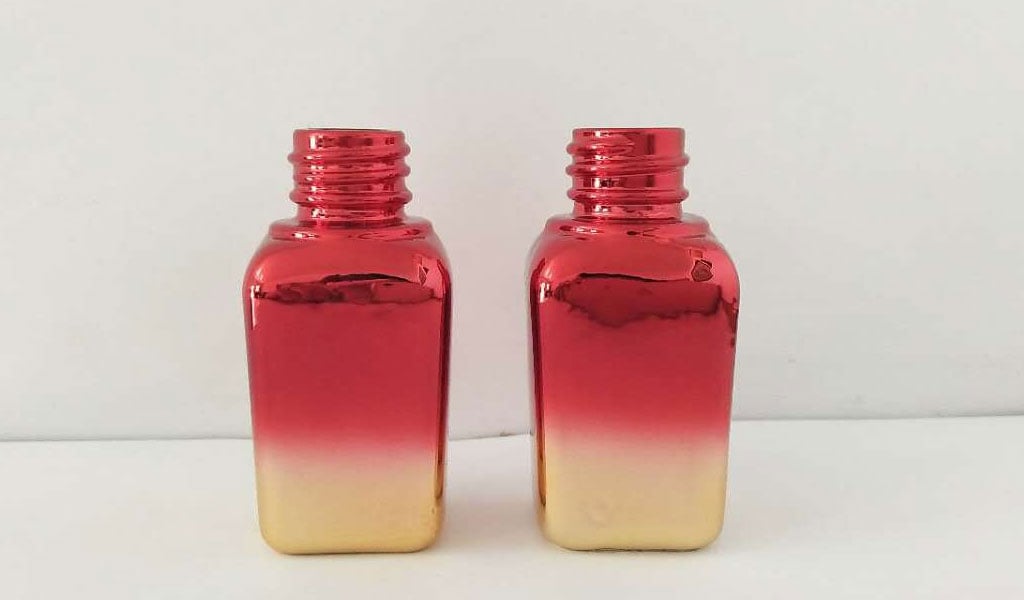
Two-Tone Electroplating Basics
Electroplating is a process that uses electrical current to reduce dissolved metal cations from a solution and deposit a metal coating onto a conductive surface. The substrate, often a base metal or non-metal, serves as the cathode in the electroplating cell, while the anode is typically composed of the metal that will be plated onto the surface. A plating bath containing metal salts, usually in the form of an aqueous solution, is used to facilitate the process. When current passes through the electrolyte solution, metal ions are reduced and adhere to the cathode.
Electroplating serves many purposes, including enhancing corrosion resistance, providing a smoother surface finish, increasing wear resistance, and improving the appearance of a product. Commonly plated metals include gold, silver, nickel, copper, and chrome. In two-tone electroplating, the process is altered to allow for the simultaneous deposition of two different metals or the precise masking of areas of the substrate to apply different metals in a controlled manner.
The Process of Two-Tone Electroplating
Two-tone electroplating is typically more complex than single-metal plating due to the need for multiple stages and careful control of the plating environment. The general process can be broken down into several key steps: preparation, masking, plating, and finishing.
1. Preparation
Before any plating can occur, the substrate must undergo a thorough cleaning process. This step is crucial because the presence of oils, dirt, or oxidation on the surface can prevent the metal from adhering properly.
Cleaning can involve a variety of techniques, including ultrasonic cleaning, abrasive cleaning, or chemical etching. For example, acid cleaning solutions may be used to remove oxidation and contaminants, while a mild abrasive may be used to ensure that the surface is smooth and free of debris.
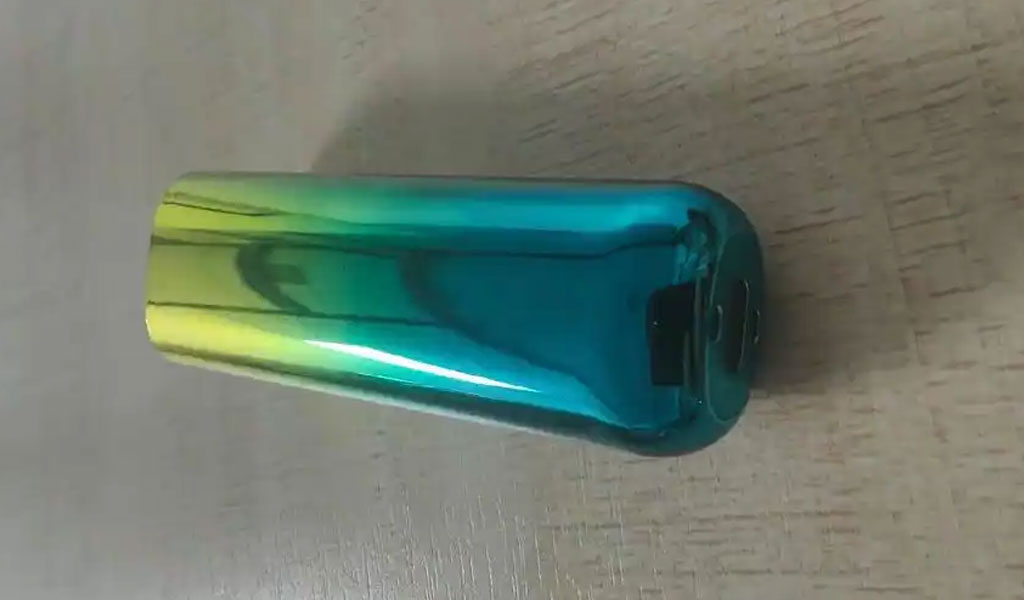
Once the substrate is cleaned, it is often subjected to a surface activation step to ensure that the metal ions will bond effectively to the surface. This may include processes such as immersion in a solution of activating agents or an electrolytic cleaning step to create a fresh, receptive surface for the metal ions.
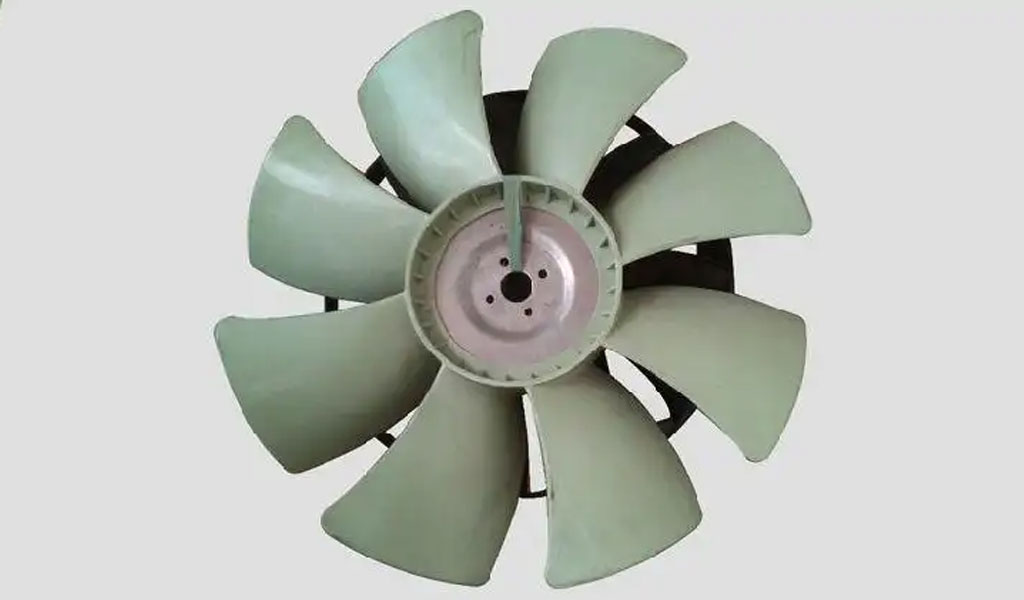
2. Masking
Masking is a critical aspect of the two-tone electroplating process. It involves covering parts of the substrate with a protective layer that prevents the metal from being deposited in certain areas.
Masking can be done using various materials, such as tape, lacquer, or specialized electroplating masks. The masking material must be selected carefully to ensure it adheres well to the substrate and is resistant to the plating solution.
In two-tone electroplating, precise masking is essential for achieving distinct areas of plating with different metals. Depending on the desired result, the substrate may be masked in various patterns or sections, leaving exposed areas that will be electroplated with one metal, while the masked regions will be electroplated with a different metal.
3. Plating
With the substrate prepared and masked, the actual electroplating process can begin. The substrate is immersed in a plating bath that contains the first metal to be applied. This metal may be a base metal, such as copper or nickel, or it may be a precious metal, such as gold or silver. The plating bath is carefully controlled to ensure the correct concentration of metal salts and the appropriate pH level, which directly influences the rate of deposition and the quality of the coating.
During this phase, electrical current is passed through the bath, causing metal ions to be reduced and deposited onto the exposed areas of the substrate. The plating time and current density are controlled to achieve the desired thickness and quality of the first metal layer.
Once the first metal layer is applied, the substrate is removed from the bath and cleaned to remove any remaining solution or plating residue. The next step is to remove or protect the areas that should not receive the second metal coating.
4. Stripping the Masking or Reapplying New Masking
If the initial layer was plated on certain regions while leaving others exposed, the next step involves removing the initial masking or applying a new masking layer to expose the remaining areas of the substrate. In some cases, a specific stripping solution may be used to remove the first layer of masking, while in other cases, only certain areas are selectively re-masked to prepare for the application of the second metal layer.
Alternatively, the second plating bath may be used with a different metal. Common combinations include gold and silver, chrome and gold, or nickel and copper. The second plating process is carried out in a similar manner to the first but with the second metal solution.
5. Second Plating Bath
The substrate is then immersed in the second plating bath, which contains the second metal to be deposited. Depending on the type of metal chosen, the plating solution will contain the appropriate metal salts. Once again, current is passed through the solution to reduce the metal ions and deposit them onto the exposed areas of the substrate. The conditions of the plating bath are monitored and adjusted to ensure a smooth and even coating.
At the end of this stage, the substrate will have two distinct metal coatings, each applied to different sections of the surface. These coatings will be bonded strongly to the substrate, providing both aesthetic appeal and functional benefits.
6. Finishing
After the two-tone electroplating process is complete, the final product is cleaned, dried, and sometimes subjected to additional processes, such as polishing, buffing, or coating with a protective clear layer. Polishing is often necessary to remove any imperfections or to enhance the sheen of the metal coatings, giving the product a smooth, glossy finish.
Applications of Two-Tone Electroplating
Two-tone electroplating has a wide range of applications in various industries, both for decorative and functional purposes. By combining the unique properties of different metals, manufacturers can create products that offer the benefits of both materials while also achieving a high-quality aesthetic.

1. Jewelry and Watches
One of the most common applications of two-tone electroplating is in the jewelry and watchmaking industries. Two-tone electroplating allows for the creation of intricate designs that feature contrasting metals, such as gold and silver or platinum and palladium. This technique enables the production of pieces that have a sophisticated and luxurious appearance. Watches, rings, bracelets, necklaces, and other jewelry items can be plated with two distinct metals to create eye-catching designs with varying textures and hues.
Two-tone electroplating is also used in watch movements and cases, where different metals can be used for different parts to enhance both the durability and appearance of the timepiece. For example, the case may be plated with a durable metal like stainless steel, while the decorative elements, such as the bezel or clasp, may be plated with gold or another precious metal.

2. Automotive Industry
In the automotive industry, two-tone electroplating is used to produce decorative parts for vehicles, including trim pieces, emblems, and logos. Plating automotive parts with two different metals can create visually appealing components that enhance the aesthetic value of the vehicle. Common combinations include chrome and gold or nickel and black chrome. These parts are designed not only for their decorative value but also for their ability to resist corrosion and wear.
Two-tone electroplating is also used in the production of interior car components, such as dashboard accents, door handles, and gear shifts. The application of different metals can create a high-end look and feel while ensuring the durability of the parts in harsh automotive environments.
3. Consumer Electronics
In consumer electronics, such as mobile phones, tablets, and laptops, two-tone electroplating is often used to create sleek and stylish product finishes. The technique is applied to metal parts, such as buttons, cases, and frames, to provide a unique contrast between metals, enhancing the appearance of the device. Additionally, two-tone plating can also improve the longevity of these parts by providing both decorative appeal and additional layers of protection against scratches and wear.

4. Aerospace and Defense
In the aerospace and defense industries, two-tone electroplating can be applied to various parts for both decorative and functional purposes. For example, certain parts of aircraft, such as turbine blades, nozzles, or connecting elements, may be plated with different metals to improve their performance and appearance. The use of corrosion-resistant coatings in combination with decorative finishes helps to ensure the longevity and functionality of critical aerospace components.
Moreover, military applications, such as equipment or insignia, often feature two-tone electroplating to create durable and attractive surfaces. These applications may involve more specialized coatings to provide additional performance benefits, such as anti-corrosive properties or heat resistance.

5. Medical Devices
In the medical device industry, two-tone electroplating is used to enhance both the function and appearance of medical instruments and implants. Certain components may be plated with biocompatible metals to improve their durability and resistance to corrosion in the human body. For example, surgical instruments or implants may feature a gold or titanium coating, combined with other metals such as stainless steel, to improve the overall strength and corrosion resistance of the part.
Two-tone plating is also used in the production of medical connectors, electrodes, and diagnostic devices, where the contrast between metals can improve the overall performance and longevity of the products.
6. Architectural Design
Two-tone electroplating is increasingly being used in architectural design, where it is applied to both structural and decorative elements. Metal finishes on items like door hardware, railing components, and decorative facades can be enhanced through the use of two-tone electroplating. Architectural components plated with different metals can provide a striking contrast that enhances the overall aesthetic appeal of buildings, bridges, and other structures.
Advantages and Challenges of Two-Tone Electroplating
While two-tone electroplating offers many advantages, there are also challenges associated with the process. Some of the main advantages include:
- Aesthetic Appeal: Two-tone electroplating allows for intricate designs and contrasting finishes that can greatly enhance the appearance of a product.
- Customization: The ability to combine different metals offers a high level of customization for specific applications, enabling manufacturers to tailor the appearance and properties of the final product.
- Durability: By using a combination of metals, manufacturers can create coatings that provide both aesthetic value and additional protection against wear, corrosion, and oxidation.
However, the process also presents some challenges:
- Complexity: The masking and plating process requires a high degree of precision, and any errors can result in uneven plating or defects.
- Cost: The materials and labor required for two-tone electroplating can increase the overall cost of the finished product, especially when precious metals are involved.
- Environmental Impact: As with other electroplating processes, two-tone electroplating generates waste materials that must be carefully managed to minimize environmental impact.
In conclusion, two-tone electroplating is a versatile and valuable technique used across various industries to create visually striking products that combine the unique properties of different metals. Whether for decorative or functional purposes, the ability to plate two distinct metals onto a single substrate provides manufacturers with the opportunity to offer high-quality, customizable products with enhanced durability and aesthetic appeal.
The Detail Of BE-CU Plastic Injection Company
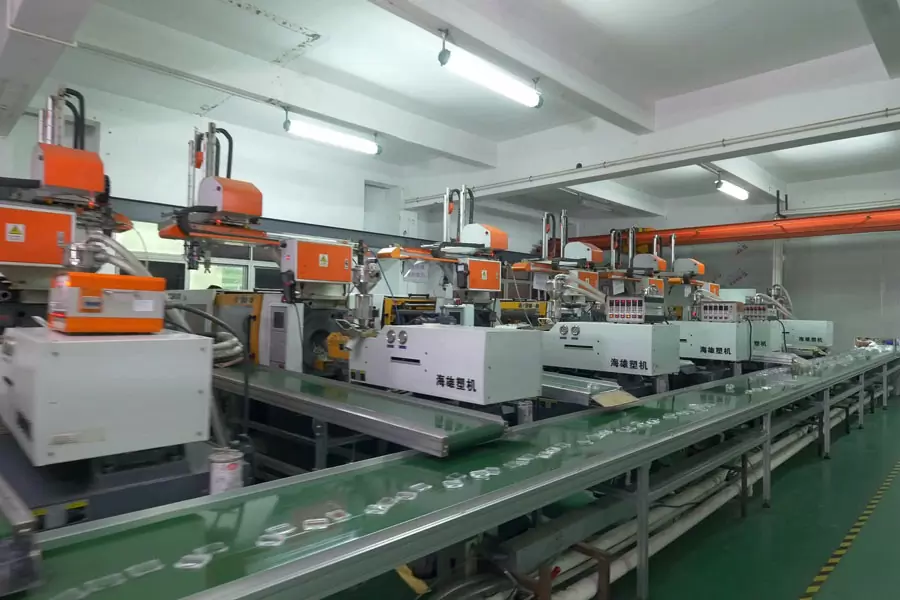
The core cooperative injection molding supplier has twelve 50T-200T injection molding machines, all of which are equipped with manipulators, mold temperature controllers, automatic assembly lines, and dust-free purification workshops. There are 4 automatic production lines in the oil spraying department: one 10,000-level automatic spraying production line (two sprays and two baking), 1 production line (one spray and one baking); 1 manual spraying production line, with a daily output of 150,000 pieces above. With brand-new professional technology, with an environmentally friendly anti-static, fully air-conditioned, dust-free workshop, the working environment is superior, the production equipment is complete, and the product testing equipment is perfect. Need mold making supplies for large quantities of production parts? Looking for a more cost effective and time efficient way of manufacturing parts? Don’t miss our injection molding services! At be-cu.com, we provide high quality and affordable injection molding for prototypes and production parts with quick turnaround times.
-

5 Axis CNC Machining Spiral Bevel Gear Mold
-
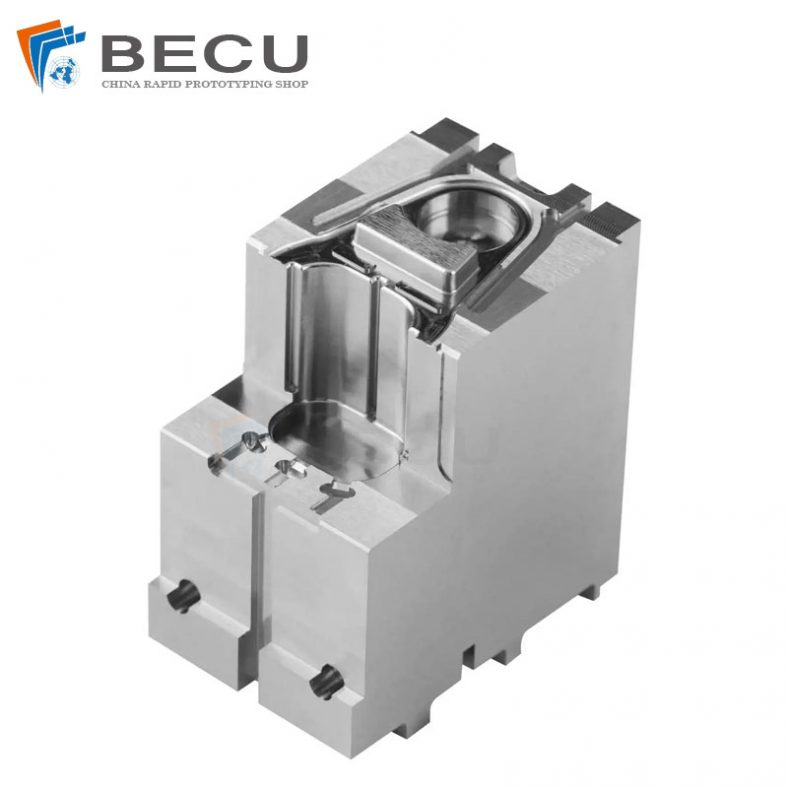
Small Precision Injection Molding Inserts
-
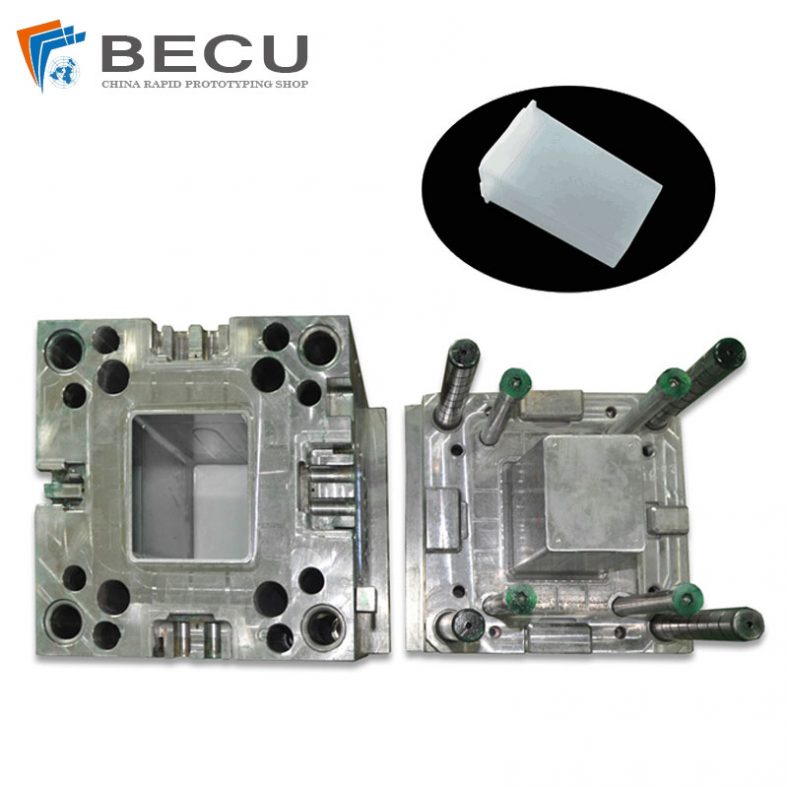
Plastic Storage Box Plastic Injection Mold
-
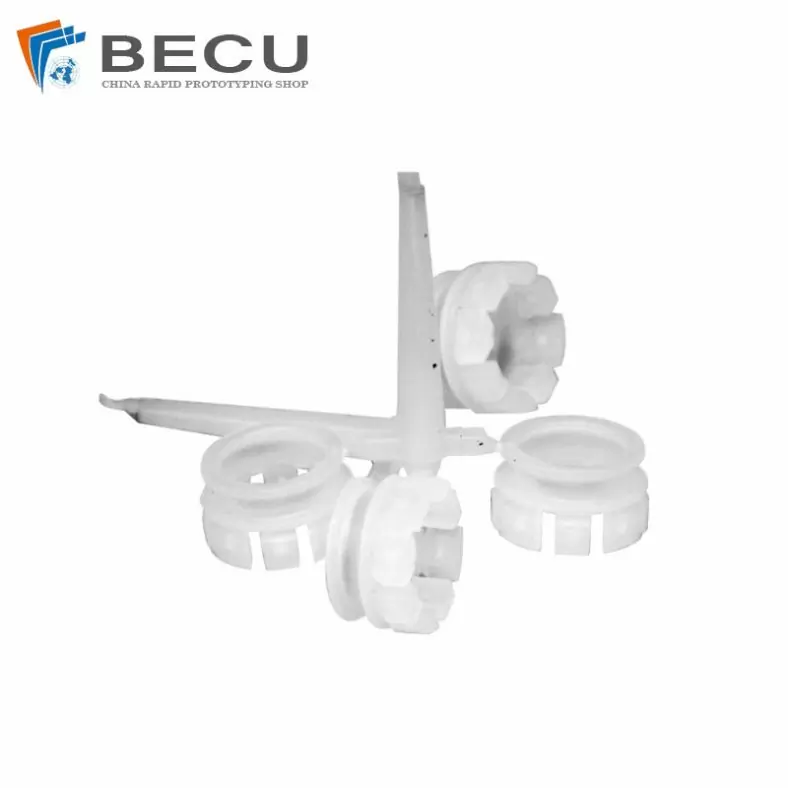
Injection Molding PE-UHMW Retaining Buckle And Ring
-
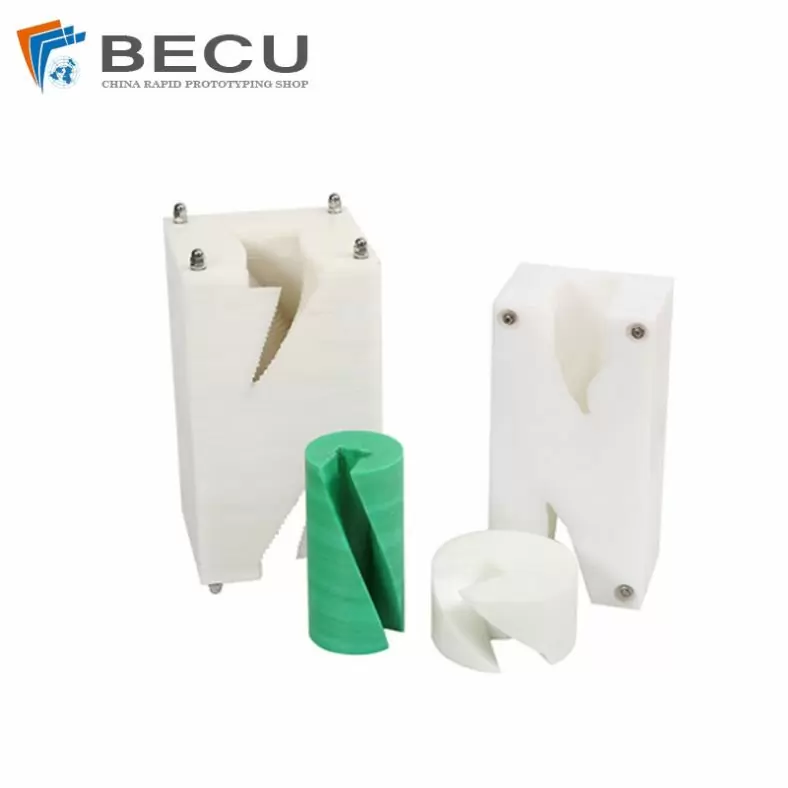
Cnc Machined UHMW-PE Bottle Turner
-
Shower Inclosure Sleeve By Plastic Injection
-
Injection Secret Security Machine Control Shell
-
Sewing Machine Industrial Control Shell By Plastic Injection