
Polymers are a diverse class of materials that have become integral to modern industrial applications. They are typically divided into two main categories: thermoplastics and thermosets. While both types of polymers share certain characteristics, they differ significantly in their behavior, properties, and applications. Understanding the distinctions between thermoplastics and thermosets is essential for selecting the appropriate material for a given application.
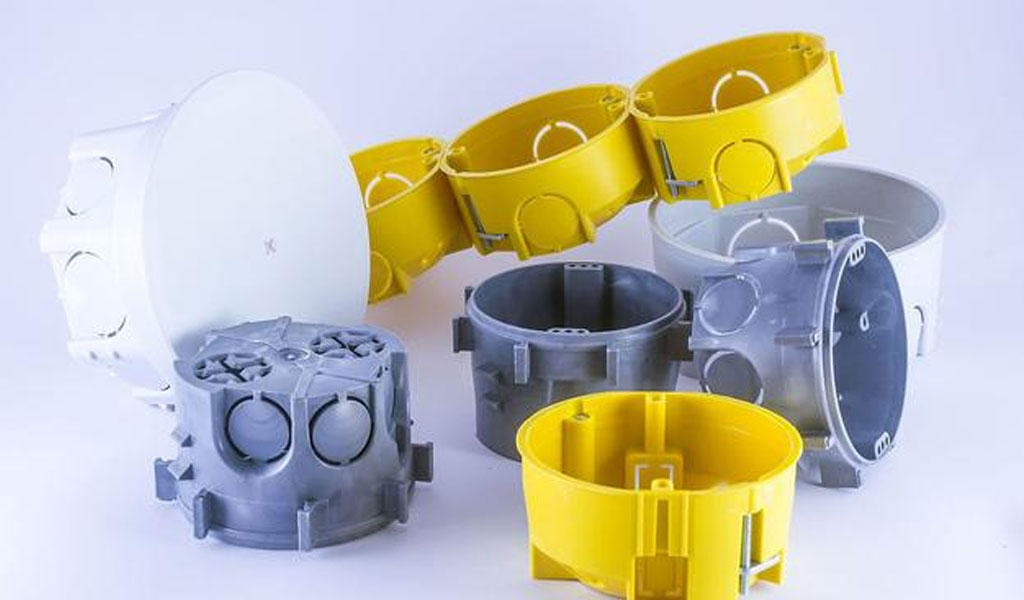
General Overview of Polymers
Polymers are large molecules composed of repeating structural units called monomers, which are chemically bonded in long chains. The properties of a polymer depend on its molecular structure, the type of monomers used, and the arrangement of the polymer chains.
Thermoplastics and thermosets represent two different ways that polymers can behave under heat and stress, which in turn affects their processing, performance, and utility.
Thermoplastics
Thermoplastics are a class of polymers that soften and become moldable or pliable when heated and harden again upon cooling. This reversible process is the key characteristic of thermoplastic behavior, making these polymers easy to process and recycle. The structure of thermoplastics typically consists of linear or branched molecular chains that are not cross-linked. This allows the chains to move past each other when heat is applied, leading to a decrease in viscosity and making the material easier to shape.
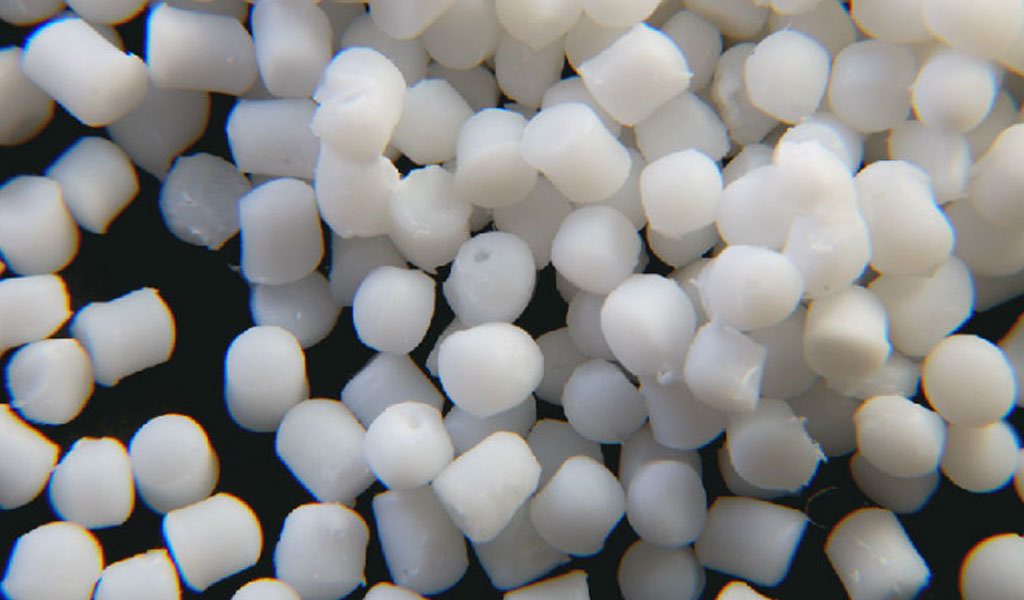
Properties of Thermoplastics
- Reversible Softening and Hardening: As mentioned, thermoplastics soften when heated and harden when cooled. This property allows them to be repeatedly melted and reformed without significantly altering their chemical structure. This feature makes thermoplastics highly versatile in manufacturing processes such as injection molding, extrusion, blow molding, and thermoforming.
- Strength and Durability: Thermoplastics can possess excellent mechanical properties, including high tensile strength, impact resistance, and fatigue resistance. The specific strength of a thermoplastic depends on its molecular weight and the nature of its monomers. Many thermoplastics are designed to be strong and durable, making them suitable for a wide range of applications.
- Transparency and Aesthetic Qualities: Some thermoplastics, such as polymethyl methacrylate (PMMA), polycarbonate (PC), and polystyrene (PS), offer excellent optical clarity, making them ideal for applications such as lenses, displays, and packaging materials. The ability to manipulate the color and appearance of thermoplastics also contributes to their aesthetic flexibility.
- Low Thermal Stability: One disadvantage of thermoplastics is their relatively low thermal stability. At high temperatures, they can begin to soften, degrade, or lose structural integrity. This limits their use in applications requiring exposure to high heat or flame resistance, though certain high-performance thermoplastics like polyetheretherketone (PEEK) can withstand elevated temperatures.
- Chemical Resistance: Many thermoplastics, including polypropylene (PP), polyvinyl chloride (PVC), and polyethylene (PE), exhibit good resistance to chemicals and moisture. This makes them ideal for applications in industries such as packaging, automotive, and medical devices, where exposure to aggressive chemicals or harsh environments is common.
- Flexibility: Thermoplastics can be designed to be flexible or rigid depending on the molecular arrangement and additives used in their production. They can be made into soft, flexible films, rigid sheets, or strong structural components, offering a wide range of options for manufacturers.
Common Thermoplastic Materials
- Polyethylene (PE): One of the most widely used thermoplastics, polyethylene is known for its versatility, low cost, and resistance to moisture. It is used in a variety of applications, including packaging, plastic bags, and containers.
- Polypropylene (PP): Polypropylene is another commonly used thermoplastic, known for its high chemical resistance and excellent fatigue resistance. It is used in products such as automotive parts, food containers, and textiles.
- Polyvinyl Chloride (PVC): PVC is widely used for its durability and versatility, particularly in plumbing pipes, flooring, and medical devices. It is also available in both rigid and flexible forms, depending on the application.
- Polystyrene (PS): Polystyrene is often used in packaging materials, disposable cutlery, and insulation materials. It is available in both solid and foamed forms, the latter being widely used for packaging.
- Polycarbonate (PC): Polycarbonate is a strong, impact-resistant thermoplastic used in applications such as eyewear lenses, optical discs, and protective covers.
- Acrylic (PMMA): Acrylic, or polymethyl methacrylate, is commonly used in the production of transparent components such as signage, displays, and automotive parts.
- Nylon (PA): Nylon is a strong, wear-resistant thermoplastic that is used in a wide variety of applications, including clothing, automotive parts, and industrial components.
Processing of Thermoplastics
Thermoplastics are processed through a variety of methods that utilize their ability to melt when heated. These methods include:
- Injection Molding: Thermoplastic material is melted and injected into a mold cavity, where it cools and solidifies to take the shape of the mold.
- Extrusion: Thermoplastic pellets are heated and forced through a die to produce long shapes such as pipes, sheets, and films.
- Blow Molding: Thermoplastic materials are heated and inflated into hollow shapes, commonly used for bottles and containers.
- Thermoforming: Sheets of thermoplastic are heated and molded over a mold to create products such as trays, packaging, and clamshells.
The ease of processing and recyclability of thermoplastics are significant advantages in many industries.
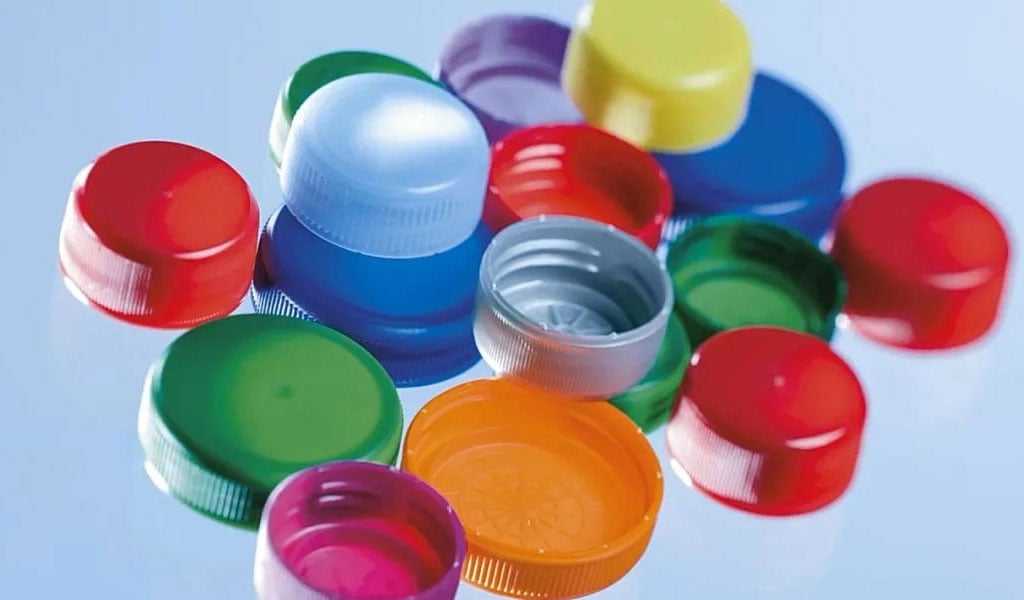
Thermosets
Thermosets, in contrast to thermoplastics, are a class of polymers that undergo a chemical change during the curing process, forming a three-dimensional network of cross-linked polymer chains. Once set, thermosets cannot be re-melted or reprocessed.
This irreversibility distinguishes thermosets from thermoplastics, making them ideal for applications where high dimensional stability and resistance to heat and chemicals are required.
Properties of Thermosets
- Irreversible Hardening: Unlike thermoplastics, which can be repeatedly softened and reformed, thermosets undergo a chemical reaction during the curing process that results in the formation of cross-links between the polymer chains. This cross-linking creates a rigid, three-dimensional structure that cannot be re-melted. This process gives thermosets excellent heat resistance and dimensional stability.
- High Thermal Stability: Thermosets can withstand much higher temperatures than thermoplastics. The cross-linked structure makes it difficult for the chains to move past each other, which in turn gives thermosets resistance to thermal degradation. This makes thermosets ideal for high-temperature applications, including automotive engines, electrical components, and aerospace technologies.
- Strong Mechanical Properties: The cross-linking in thermosets provides superior strength, stiffness, and hardness compared to thermoplastics. They are more resistant to wear, impact, and deformation under load, which makes them well-suited for structural applications in demanding environments.
- Chemical and Electrical Resistance: Thermosets are typically more resistant to chemical degradation, oxidation, and electrical conductivity than thermoplastics. This makes them suitable for use in applications where exposure to aggressive chemicals or electrical insulation is required.
- Limited Processability: Once a thermoset material has been cured, it cannot be re-melted or reprocessed. This makes thermosets difficult to recycle and limits their versatility compared to thermoplastics. However, this limitation is often compensated for by the superior performance characteristics of thermosets in demanding environments.
Common Thermosetting Materials
- Epoxy Resins: Epoxies are one of the most widely used thermosetting polymers, prized for their excellent adhesive properties, chemical resistance, and strength. Epoxies are commonly used in coatings, adhesives, and composites, particularly in the automotive, aerospace, and construction industries.
- Phenolic Resins: Phenolic resins, often simply referred to as phenolics, are known for their high heat resistance, electrical insulating properties, and flame-retardant characteristics. They are commonly used in electrical components, automotive parts, and as bonding agents in composite materials.
- Polyester Resins: Unsaturated polyester resins are used extensively in the production of composites, particularly in the marine, automotive, and construction industries. They offer good mechanical properties and are typically reinforced with fiberglass to form strong, lightweight materials.
- Urea-Formaldehyde Resins: These thermosetting plastics are often used in molded products and adhesives, particularly in the furniture industry. They are known for their hardness, wear resistance, and ability to be molded into complex shapes.
- Melamine Resins: Melamine resins are used in coatings, laminates, and kitchenware due to their durability, scratch resistance, and heat resistance. They are commonly used in the production of countertops and tableware.
- Silicone Resins: Silicone resins are heat-resistant, chemically inert, and water-repellent. They are used in high-temperature applications such as electrical insulation, gaskets, and coatings.
Processing of Thermosets
Thermosets are processed through methods that involve the curing of the material, which forms the cross-linked network of polymer chains. The primary processing techniques for thermosets include:
- Compression Molding: In compression molding, thermoset material is placed into a heated mold, where it undergoes curing under pressure. This method is used for large-scale production of automotive parts and electrical components.
- Transfer Molding: Transfer molding is similar to compression molding, but the thermoset material is transferred into the mold cavity through a channel under pressure. This method is used for intricate shapes and precise molding.
- Reaction Injection Molding (RIM): In RIM, liquid thermoset resins are mixed with a curing agent and injected into a mold, where they undergo a chemical reaction and solidify into the desired shape.
- Casting: Thermoset resins can be poured into molds and cured at room temperature or elevated temperatures to form solid objects, such as composite materials or castings used in industrial applications.
The curing process often requires the use of heat, pressure, or chemical catalysts to initiate the polymerization reaction that results in the formation of the thermoset network.
Comparison of Thermoplastics and Thermosets
While both thermoplastics and thermosets are essential materials in modern industry, they each have advantages and limitations that make them suitable for different applications. The choice between thermoplastics and thermosets depends on factors such as processing requirements, mechanical properties, temperature resistance, and recycling considerations.
| Property | Thermoplastics | Thermosets |
|---|---|---|
| Reprocessability | Can be re-melted and re-formed multiple times | Cannot be re-melted or re-formed after curing |
| Thermal Stability | Lower thermal resistance | High thermal resistance |
| Mechanical Properties | Good, but less durable than thermosets | Superior strength, stiffness, and hardness |
| Chemical Resistance | Good resistance to many chemicals | Superior resistance to chemicals and solvents |
| Flexibility | Can be flexible or rigid depending on design | Generally rigid and stiff |
| Cost | Typically less expensive | Generally more expensive |
| Recycling | Easily recyclable | Difficult to recycle |
| Processing Methods | Injection molding, extrusion, thermoforming | Compression molding, reaction injection molding, casting |
Applications of Thermoplastics and Thermosets
Thermoplastics and thermosets are used in a wide variety of industries, each excelling in different areas:
- Thermoplastics are widely used in consumer goods, packaging, automotive components, medical devices, and electronics. Their ability to be molded into complex shapes and recycled makes them ideal for products that require mass production and reprocessing.
- Thermosets are commonly used in applications requiring high strength, dimensional stability, and resistance to heat and chemicals. These include aerospace components, electrical insulators, automotive parts, and construction materials.
Conclusion
Thermoplastics and thermosets represent two distinct categories of polymers, each with unique advantages and limitations. While thermoplastics offer flexibility, ease of processing, and recyclability, thermosets provide superior mechanical strength, heat resistance, and chemical durability. The selection of one material over the other depends on the specific demands of the application, including processing methods, performance requirements, and environmental considerations. Both thermoplastics and thermosets continue to play essential roles in the development of new technologies and materials, driving innovations across industries ranging from automotive and aerospace to healthcare and electronics.
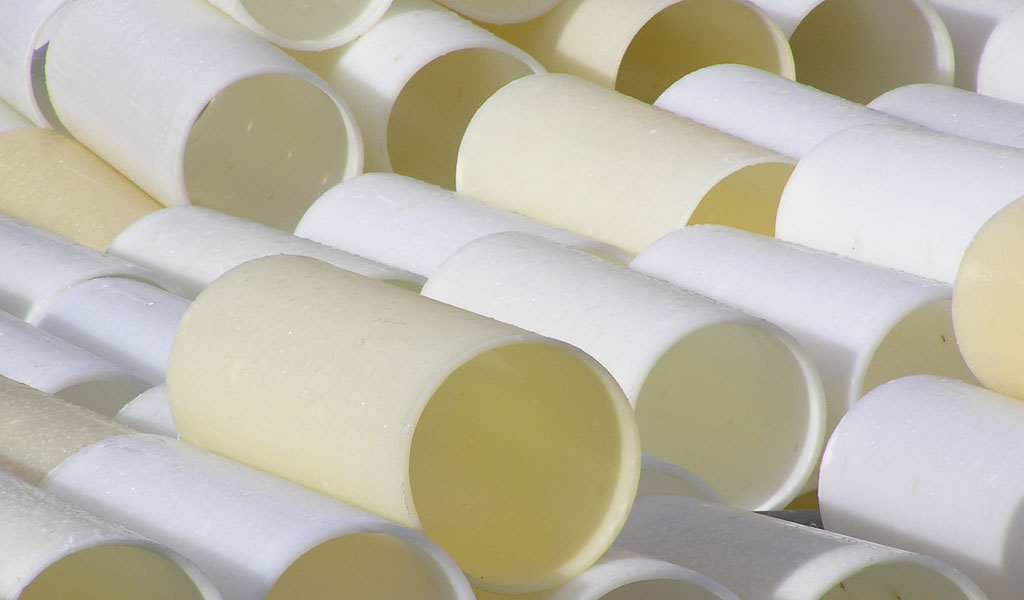
The Detail Of BE-CU Plastic Injection Company
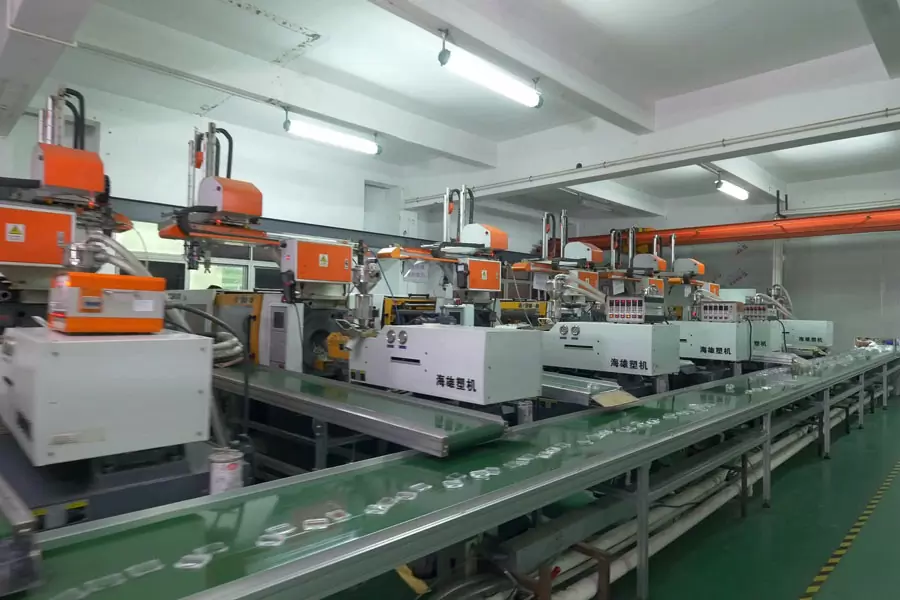
The core cooperative injection molding supplier has twelve 50T-200T injection molding machines, all of which are equipped with manipulators, mold temperature controllers, automatic assembly lines, and dust-free purification workshops. There are 4 automatic production lines in the oil spraying department: one 10,000-level automatic spraying production line (two sprays and two baking), 1 production line (one spray and one baking); 1 manual spraying production line, with a daily output of 150,000 pieces above. With brand-new professional technology, with an environmentally friendly anti-static, fully air-conditioned, dust-free workshop, the working environment is superior, the production equipment is complete, and the product testing equipment is perfect. Need mold making supplies for large quantities of production parts? Looking for a more cost effective and time efficient way of manufacturing parts? Don’t miss our injection molding services! At be-cu.com, we provide high quality and affordable injection molding for prototypes and production parts with quick turnaround times.
-

5 Axis CNC Machining Spiral Bevel Gear Mold
-
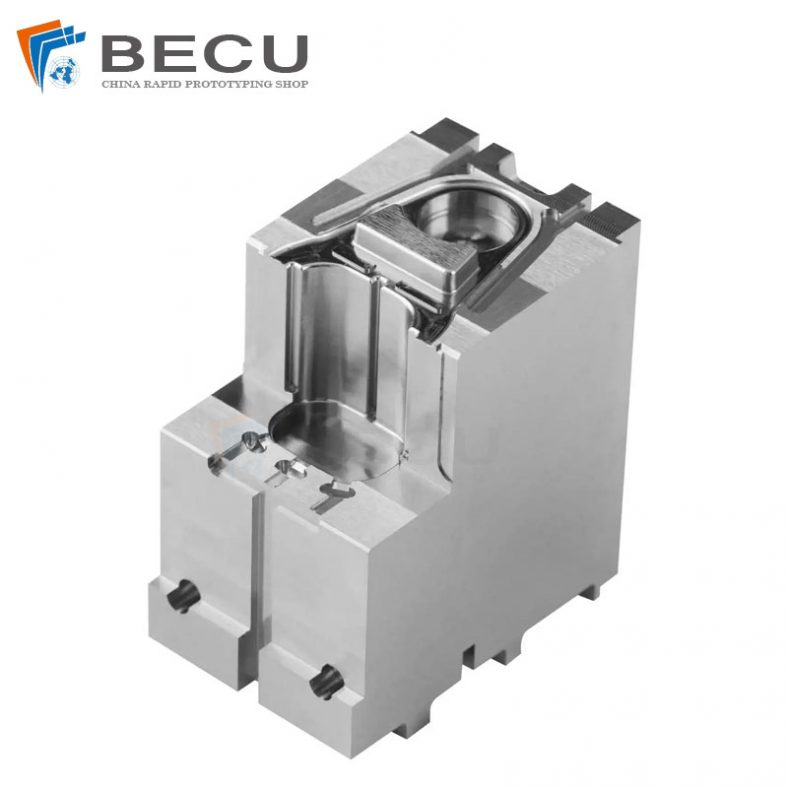
Small Precision Injection Molding Inserts
-
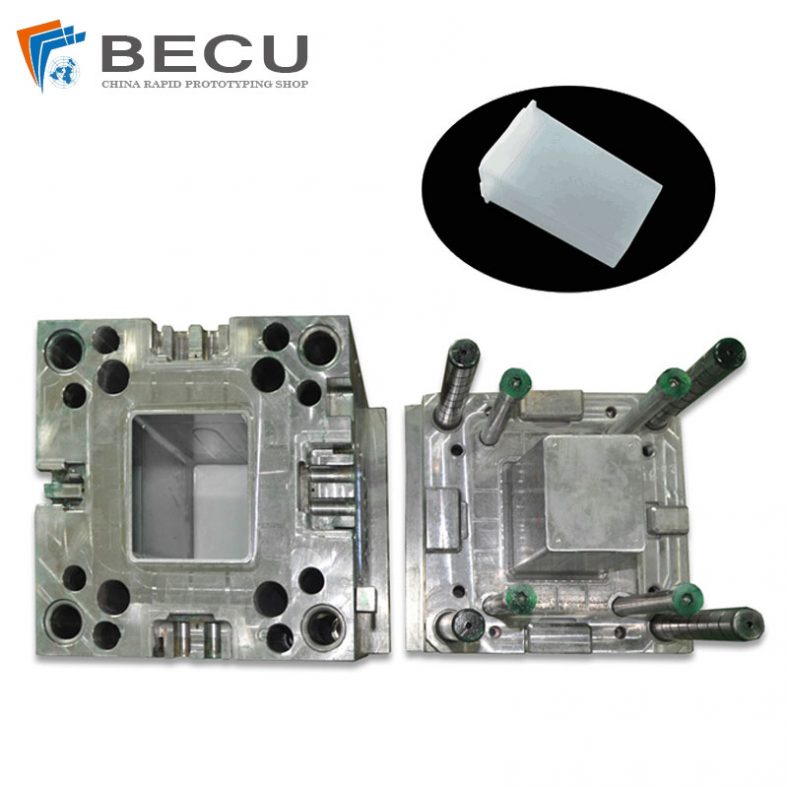
Plastic Storage Box Plastic Injection Mold
-
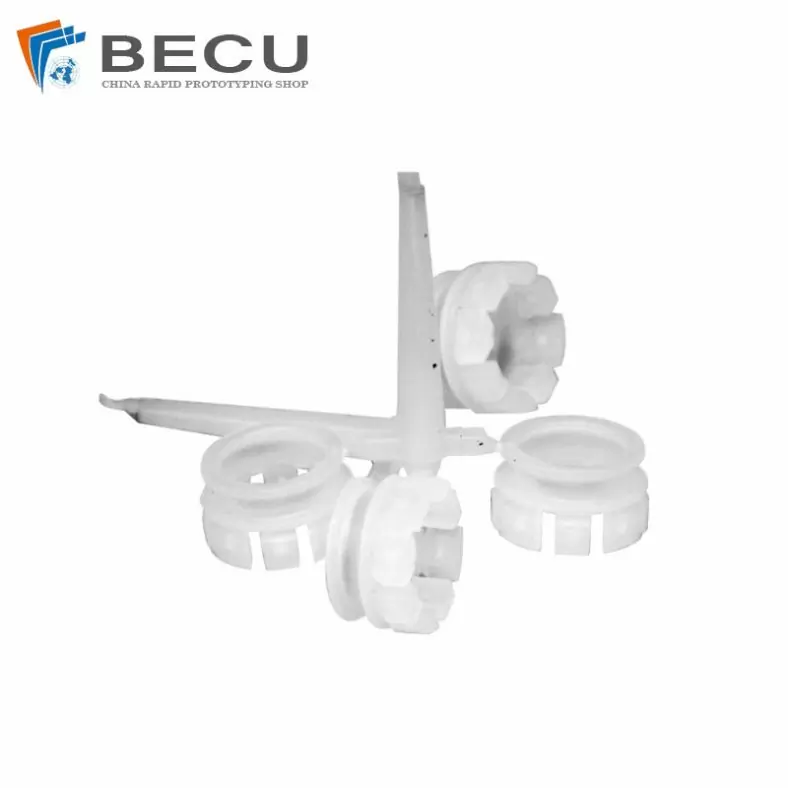
Injection Molding PE-UHMW Retaining Buckle And Ring
-
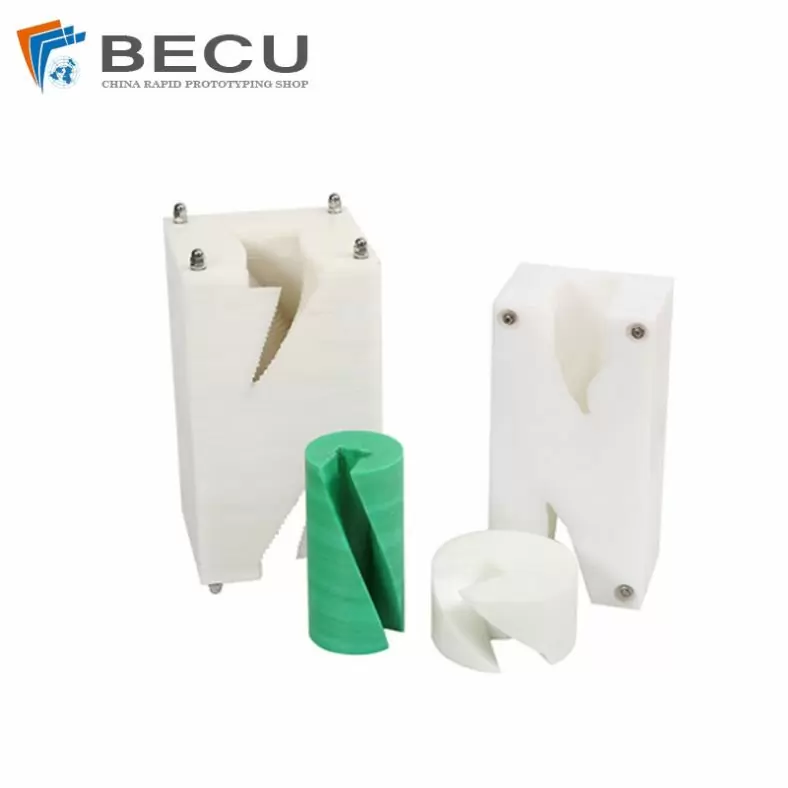
Cnc Machined UHMW-PE Bottle Turner
-
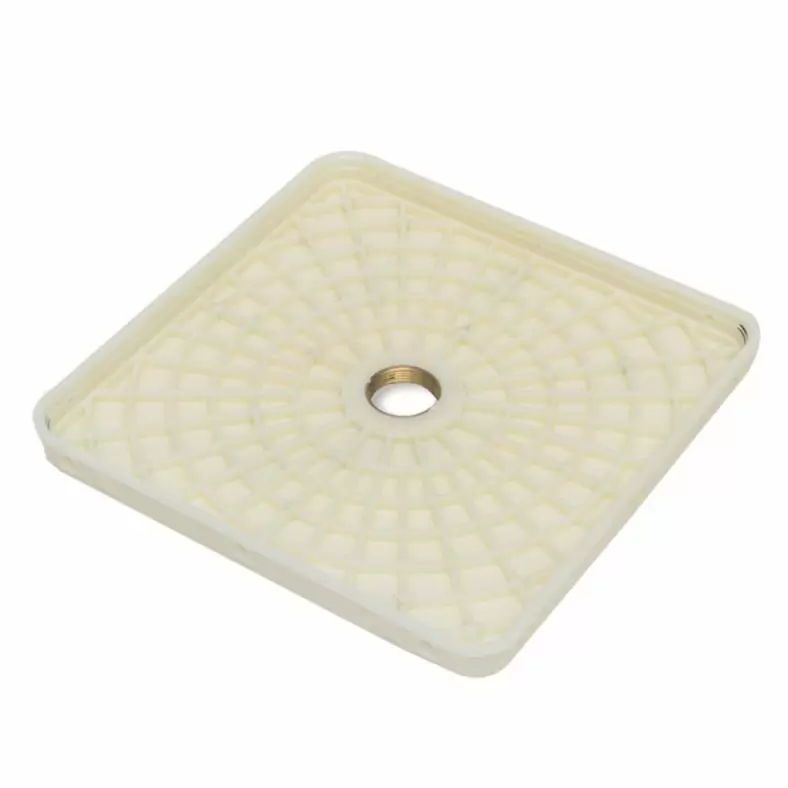
Shower Inclosure Sleeve By Plastic Injection
-
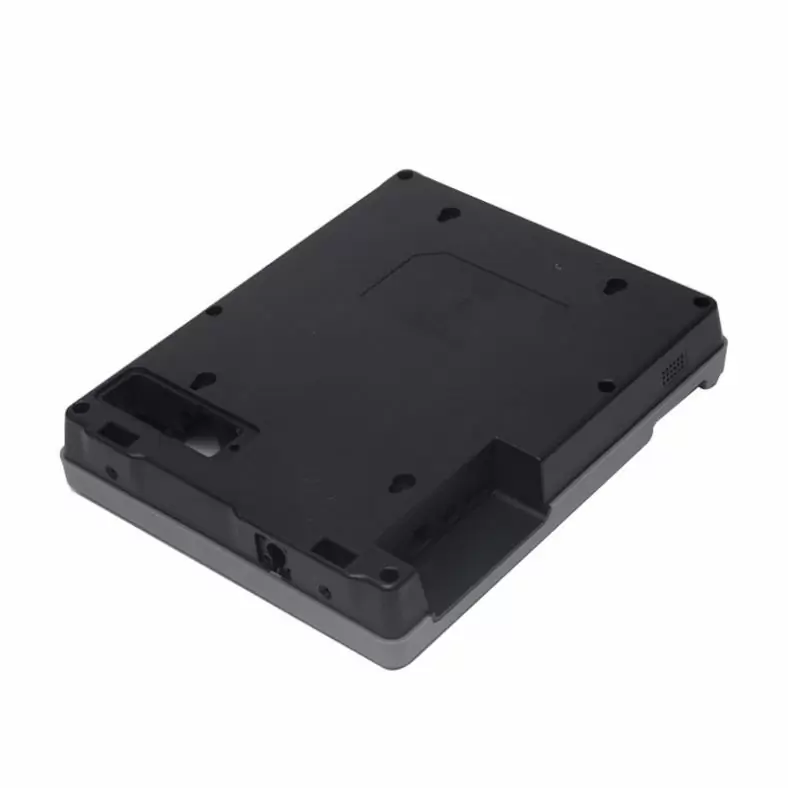
Injection Secret Security Machine Control Shell
-
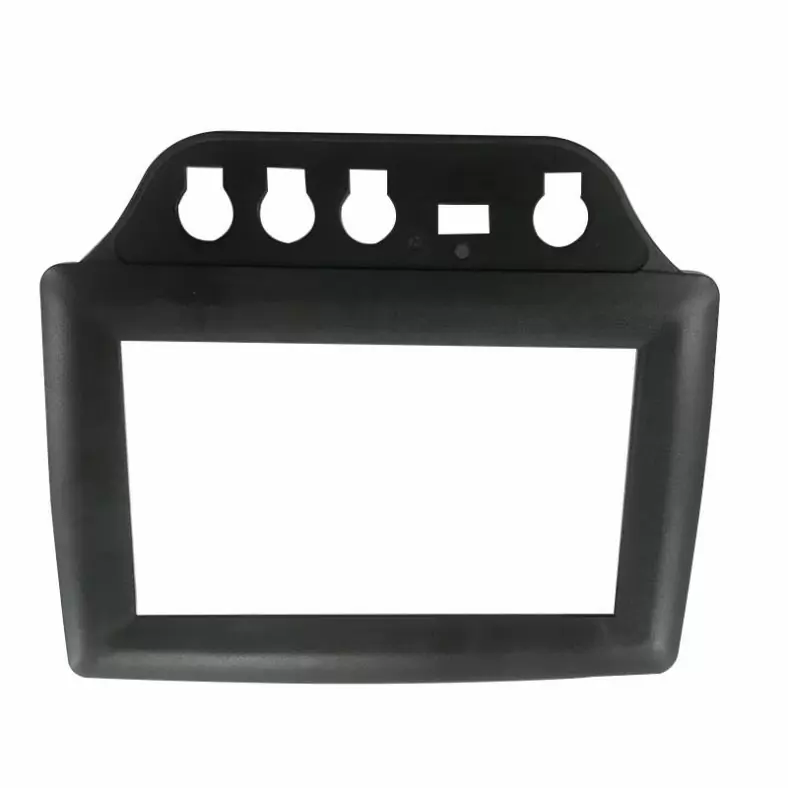
Sewing Machine Industrial Control Shell By Plastic Injection