
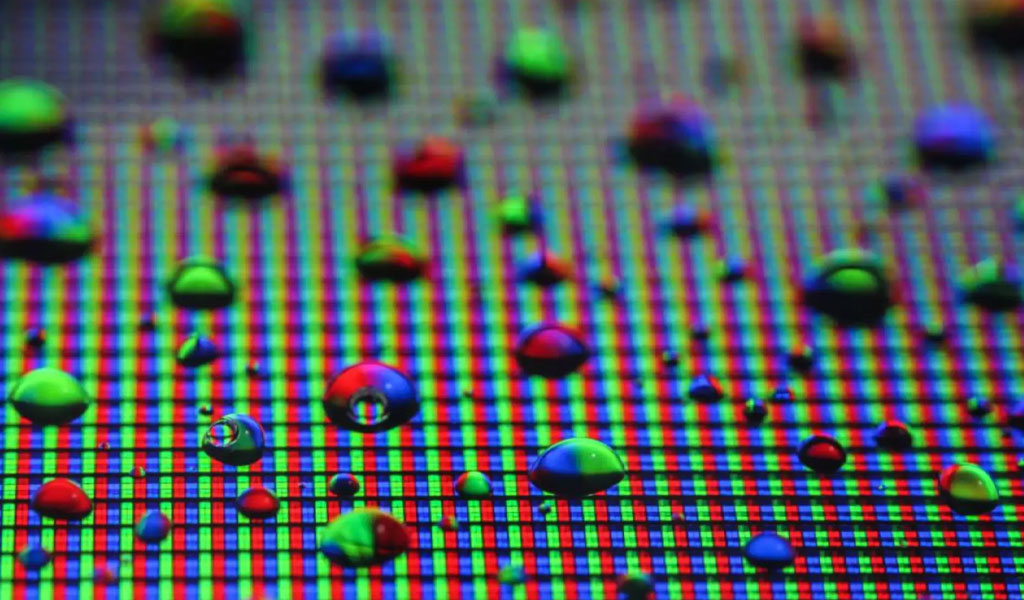
Computer Numerical Control (CNC) machining is a transformative manufacturing technology that utilizes computer-controlled tools to precisely shape materials through subtractive processes. In the realm of Liquid Crystal Displays (LCDs)—flat-panel displays that leverage the light-modulating properties of liquid crystals combined with polarizers—CNC machining plays an indispensable role. LCDs are ubiquitous in modern electronics, from televisions and computer monitors to smartphones and industrial instrumentation, owing to their energy efficiency, thin profiles, and versatility. The integration of CNC machining in LCD production enhances precision, repeatability, and scalability, enabling the fabrication of intricate components critical to their functionality.
This article explores the top 30 applications of CNC machining in the production, assembly, and enhancement of LCDs. These applications span the creation of structural components, optical elements, and auxiliary systems, reflecting the synergy between advanced manufacturing and display technology. Detailed comparisons are provided through tables to elucidate the technical specifications, materials, and performance metrics associated with each application.
1. Fabrication of LCD Frame Housings
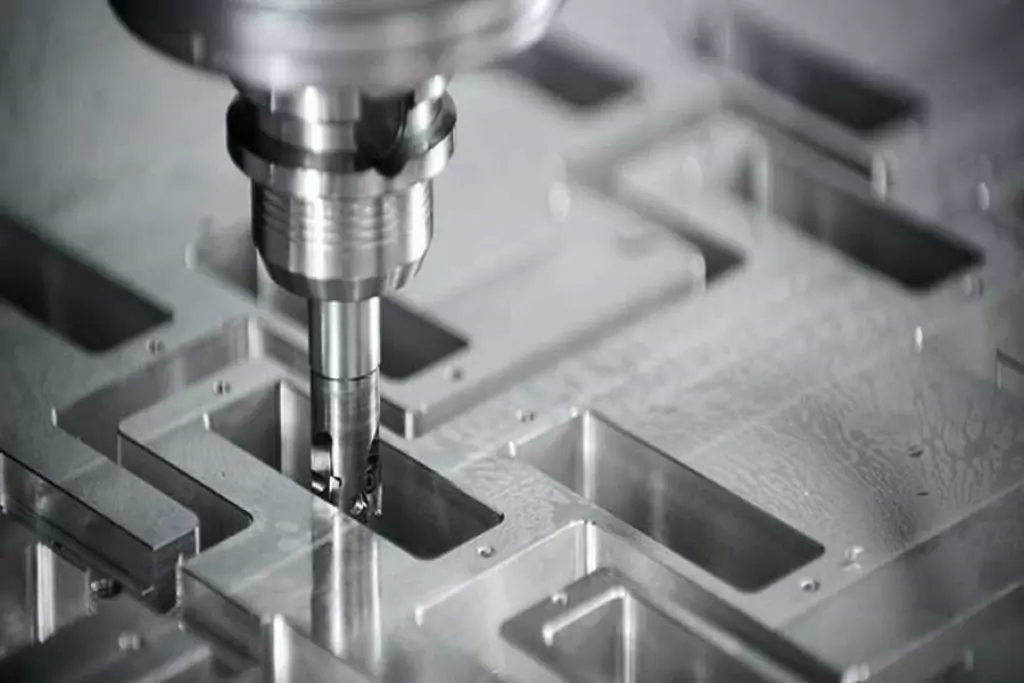
CNC machining is extensively used to craft the frame housings that encase LCD panels. These frames, typically made from aluminum or magnesium alloys, provide structural integrity and alignment for the delicate liquid crystal layers. The precision of CNC milling ensures tight tolerances (e.g., ±0.01 mm), which are crucial for maintaining the uniformity of the LCD assembly. Frames often feature mounting points and channels for backlighting systems, machined with high-speed spindles to achieve smooth surfaces (Ra < 0.8 μm).
2. Production of Backlight Unit (BLU) Reflector Plates
The backlight unit (BLU) is a critical component of LCDs, providing uniform illumination. CNC machining fabricates reflector plates from materials like polished aluminum or stainless steel, enhancing light reflection efficiency (up to 95%). These plates require intricate patterns, such as micro-grooves or prismatic structures, machined with 5-axis CNC systems to optimize light distribution.
3. Machining of Light Guide Plates (LGPs)
Light guide plates (LGPs) direct light from edge-mounted LEDs across the LCD surface. CNC machining employs diamond-tipped tools to create micro-optical patterns (e.g., dots or lines with depths of 10–50 μm) on acrylic or polycarbonate substrates. This process ensures a uniformity of >90% in light output, vital for high-quality displays.
4. Manufacturing of Diffuser Plate Supports
Diffuser plates homogenize light in LCDs, and their supports are CNC-machined from aluminum or engineering plastics like polyetherimide (PEI). These supports feature precise slots and recesses (tolerances ±0.02 mm) to hold diffuser films securely, minimizing light leakage and ensuring mechanical stability.
5. Creation of Polarizer Alignment Fixtures
Polarizers are essential for controlling light transmission in LCDs. CNC machining produces alignment fixtures from stainless steel or titanium, with surface flatness within 5 μm. These fixtures ensure precise orientation of polarizer films during assembly, impacting contrast ratios (e.g., >1000:1 in high-end LCDs).
6. Machining of Electrode Pattern Templates
Transparent electrodes, typically made from indium tin oxide (ITO), require precise patterning. CNC machining creates templates or masks from quartz or hardened steel, with feature sizes as small as 10 μm, used in photolithography processes to define electrode layouts.
7. Production of Glass Substrate Holders
LCDs rely on thin glass substrates (e.g., 0.5–1.1 mm thick) sandwiching liquid crystals. CNC machining fabricates holders from aluminum or PEEK (polyether ether ketone) to secure these substrates during coating and assembly, with tolerances of ±0.005 mm to prevent stress-induced cracking.
8. Fabrication of Spacer Jigs
Spacers maintain the uniform gap (typically 5–10 μm) between LCD glass substrates. CNC machining produces jigs from ceramics or high-precision plastics, ensuring accurate placement of spacer beads or films, which is critical for consistent cell gap and optical performance.
9. Machining of Bezel Components
Bezels are the outer frames visible on LCD devices, often machined from aluminum or ABS plastic using CNC milling. These components require aesthetic finishes (e.g., anodizing or powder coating) and precise cutouts for buttons or ports, achieved with spindle speeds up to 20,000 RPM.
10. Creation of Heat Sink Structures for LED Backlights
LEDs in BLUs generate heat, necessitating heat sinks. CNC machining crafts these from aluminum or copper, with fin designs (e.g., 0.5 mm thickness, 2 mm spacing) optimized for thermal conductivity (>200 W/m·K) and machined to tolerances of ±0.03 mm.
11. Manufacturing of Mounting Brackets
Mounting brackets secure LCDs in devices like monitors or TVs. CNC machining uses steel or aluminum to produce brackets with threaded holes and alignment pins, ensuring positional accuracy within ±0.01 mm for seamless integration.
12. Production of Connector Housings
Connectors link LCD driver circuits to external systems. CNC machining fabricates housings from materials like Delrin or brass, with intricate slots (e.g., 0.2 mm wide) for pins, maintaining electrical insulation and mechanical durability.
13. Machining of Driver Circuit Board Frames
Driver circuits control LCD pixels. CNC machining produces frames from FR4 or aluminum, featuring precise cutouts (e.g., ±0.015 mm tolerance) for ICs and connectors, ensuring reliable electrical performance.
14. Fabrication of Touchscreen Sensor Frames
Many LCDs incorporate touchscreens. CNC machining creates sensor frames from aluminum or glass-reinforced plastics, with tolerances of ±0.02 mm to align capacitive or resistive layers accurately.
15. Creation of Anti-Reflective Coating Masks
Anti-reflective (AR) coatings enhance LCD visibility. CNC machining produces masks from stainless steel or nickel, with apertures (e.g., 50 μm) for vacuum deposition, ensuring uniform coating thickness (typically 100–200 nm).
16. Machining of Prism Sheet Supports
Prism sheets in BLUs enhance brightness. CNC machining fabricates supports from polycarbonate or aluminum, with micro-features (e.g., 10 μm ridges) to align sheets, boosting light output by up to 30%.
17. Production of Alignment Layer Rubbing Tools
Alignment layers orient liquid crystals. CNC machining crafts rubbing tools from steel or ceramics, with surface roughness (Ra < 0.1 μm) to create uniform grooves, influencing LC pretilt angles (e.g., 2–5°).
18. Fabrication of Sealing Frame Templates
Sealing frames enclose liquid crystals. CNC machining produces templates from stainless steel, with channel widths of 0.1–0.5 mm, used in dispensing sealants to prevent leakage.
19. Machining of Test Fixture Bases
Testing LCDs requires precise fixtures. CNC machining creates bases from aluminum or Bakelite, with flatness within 10 μm, ensuring accurate electrical and optical measurements.
20. Creation of Optical Compensation Film Holders
Optical compensation films improve viewing angles. CNC machining fabricates holders from PEEK or steel, with tolerances of ±0.01 mm to maintain film tension and alignment.
21. Production of LCD Panel Cutting Tools
Glass substrates are cut to size using CNC-machined diamond tools. These tools, with edge precision of ±5 μm, ensure clean cuts without micro-cracks, critical for high-resolution displays.
22. Machining of Assembly Line Jigs
Assembly jigs align LCD components during production. CNC machining uses aluminum or steel to create jigs with positional accuracy of ±0.005 mm, enhancing throughput and consistency.
23. Fabrication of Protective Cover Plates
Cover plates shield LCDs from damage. CNC machining crafts these from Gorilla Glass or acrylic, with edge chamfers (e.g., 0.1 mm) and tolerances of ±0.02 mm for a snug fit.
24. Creation of EMI Shielding Frames
Electromagnetic interference (EMI) shields protect LCD electronics. CNC machining produces frames from copper or nickel-plated steel, with slot features (e.g., 0.3 mm) for grounding, reducing noise by >20 dB.
25. Machining of Ventilation Ducts for Thermal Management
Ventilation ducts manage heat in LCD enclosures. CNC machining uses aluminum to create ducts with complex geometries (e.g., 1 mm wall thickness), improving airflow by 15–20%.
26. Production of Lens Array Supports
Lens arrays enhance LCD brightness in specialized displays. CNC machining fabricates supports from PMMA or aluminum, with micro-lens alignment features (e.g., 50 μm spacing) for optical precision.
27. Fabrication of Flexible PCB Mounts
Flexible PCBs connect LCDs to controllers. CNC machining creates mounts from polyimide or aluminum, with tolerances of ±0.015 mm, ensuring reliable flexing without damage.
28. Machining of Calibration Tool Bases
Calibration tools adjust LCD color and brightness. CNC machining produces bases from steel or granite, with flatness within 5 μm, ensuring measurement accuracy.
29. Creation of Vibration Dampening Mounts
Vibration dampening mounts protect LCDs in industrial settings. CNC machining uses rubber-coated aluminum, with tolerances of ±0.03 mm, reducing vibrational stress by up to 50%.
30. Production of Custom Enclosure Panels
Custom enclosures house LCDs in unique applications (e.g., medical devices). CNC machining crafts panels from stainless steel or ABS, with cutouts and finishes tailored to specifications (e.g., Ra < 1.6 μm).
Comparative Analysis
Below are detailed tables comparing key CNC machining applications for LCDs based on material, tolerance, surface finish, and performance metrics.
Table 1: Structural Components
| Application | Material | Tolerance (mm) | Surface Finish (Ra, μm) | Key Performance Metric |
|---|---|---|---|---|
| LCD Frame Housings | Aluminum | ±0.01 | <0.8 | Structural rigidity (>100 MPa) |
| Bezel Components | Aluminum/ABS | ±0.02 | <1.6 | Aesthetic appeal |
| Mounting Brackets | Steel/Aluminum | ±0.01 | <1.2 | Positional accuracy |
| Heat Sink Structures | Aluminum/Copper | ±0.03 | <0.8 | Thermal conductivity (>200 W/m·K) |
| Ventilation Ducts | Aluminum | ±0.05 | <1.6 | Airflow improvement (15–20%) |
Table 2: Optical Components
| Application | Material | Tolerance (mm) | Surface Finish (Ra, μm) | Key Performance Metric |
|---|---|---|---|---|
| Backlight Reflector Plates | Aluminum | ±0.02 | <0.4 | Reflectivity (>95%) |
| Light Guide Plates | Acrylic/Polycarbonate | ±0.01 | <0.1 | Light uniformity (>90%) |
| Diffuser Plate Supports | Aluminum/PEI | ±0.02 | <1.2 | Light leakage (<5%) |
| Prism Sheet Supports | Polycarbonate | ±0.01 | <0.8 | Brightness gain (30%) |
| Lens Array Supports | PMMA/Aluminum | ±0.015 | <0.2 | Optical precision |
Table 3: Assembly and Testing Tools
| Application | Material | Tolerance (mm) | Surface Finish (Ra, μm) | Key Performance Metric |
|---|---|---|---|---|
| Glass Substrate Holders | Aluminum/PEEK | ±0.005 | <0.8 | Substrate stability |
| Spacer Jigs | Ceramic/Plastic | ±0.01 | <0.4 | Cell gap uniformity (±1 μm) |
| Alignment Rubbing Tools | Steel/Ceramic | ±0.005 | <0.1 | Pretilt angle (2–5°) |
| Test Fixture Bases | Aluminum/Bakelite | ±0.01 | <0.8 | Measurement accuracy |
| Calibration Tool Bases | Steel/Granite | ±0.005 | <0.4 | Color accuracy (±0.5 ΔE) |
Technical Insights and Scientific Context
CNC machining’s role in LCD manufacturing is grounded in its ability to achieve micro-scale precision, critical for components like LGPs and alignment tools. The process leverages advanced toolpaths (e.g., trochoidal milling) and multi-axis systems to handle complex geometries, reducing material waste (utilization >80% with tubular targets) and production time. Materials selection—ranging from aluminum (density 2.7 g/cm³, yield strength 95 MPa) to PEEK (1.3 g/cm³, 100 MPa)—balances mechanical strength, thermal properties, and cost.
The interplay between CNC machining and LCD performance is evident in optical quality. For instance, the uniformity of LGPs directly affects motion picture response time (MPRT), a key metric where LCDs aim to match OLEDs (<2 ms at 120 fps). Similarly, heat sink efficiency impacts LED longevity, with thermal management reducing junction temperatures by 10–15°C, extending lifespans beyond 50,000 hours.
Conclusion
The 30 CNC machining applications outlined here underscore its versatility and precision in LCD production. From structural frames to optical enhancements, CNC technology enables the scalability and quality demanded by modern displays. As LCDs evolve—integrating with quantum dots or flexible substrates—CNC machining will remain pivotal, adapting to new materials and tighter tolerances. This synergy drives innovations in consumer electronics, industrial systems, and beyond, cementing CNC’s role in the future of display technology.
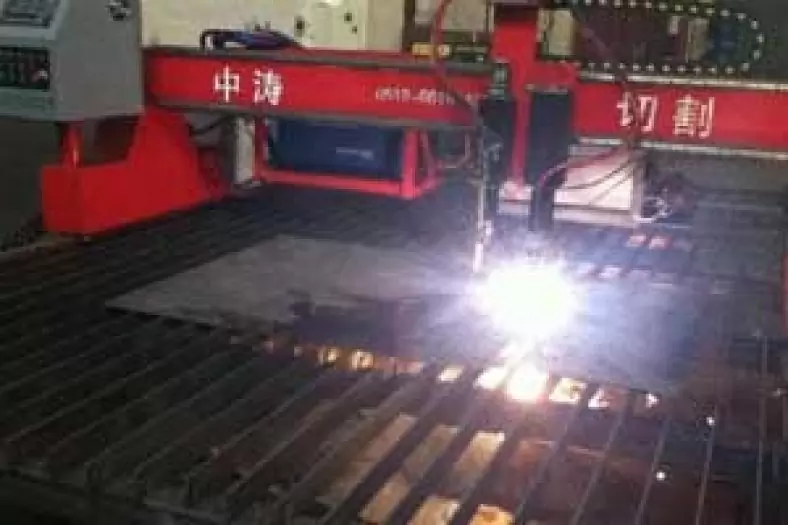
The Detail Of BE-CU Cnc Machining Shop
BE-CU.COM – As an accomplished CNC machining Service Manufacturer and CNC shop, BE-CU Prototype has been specialized in OEM CNC lathing, custom CNC machining parts production and rapid CNC machining services China for over 35 years and always maintaining the highest standard in delivery speed and reliable quality of precision CNC manufacturing components. With the help of high-level technology and efficient equipment, as well as rigorous attitude, BE-CU passed the ISO9001:2015 quality certification, which supports the long-term development of CNC milling services, CNC turning services, CNC milling-turning, CNC drilling services, 3/4/5 axis machining, gear machining services, CNC machining China custom parts and service, small parts machining, etc.Our CNC machining products can be utilized in a broad range of industries. Contact us for email: [email protected]
-
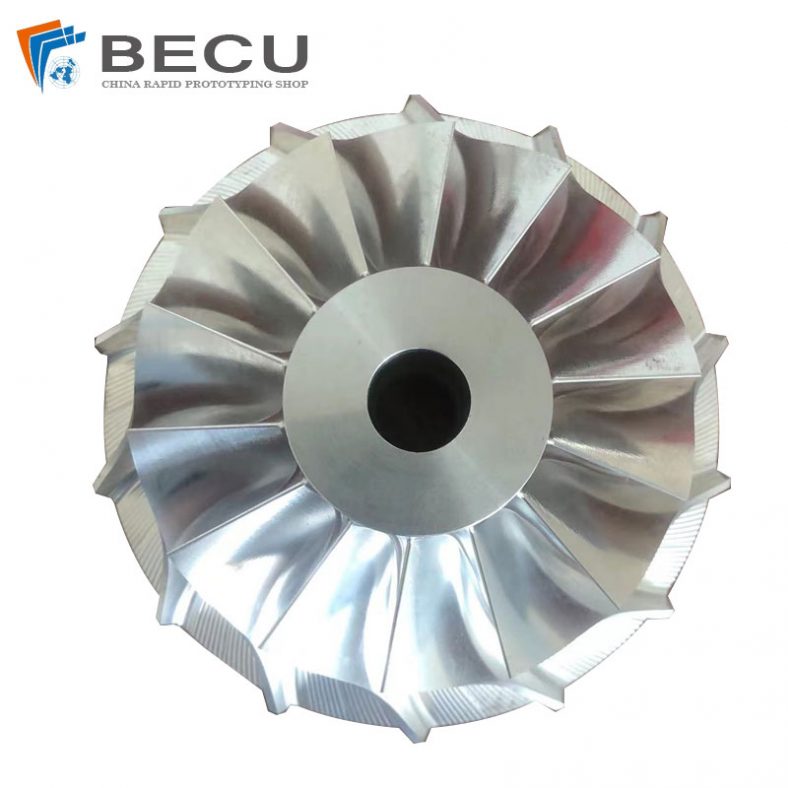
3-Way Centrifugal Compressor Closed Impeller By 5 Axis Machining
-
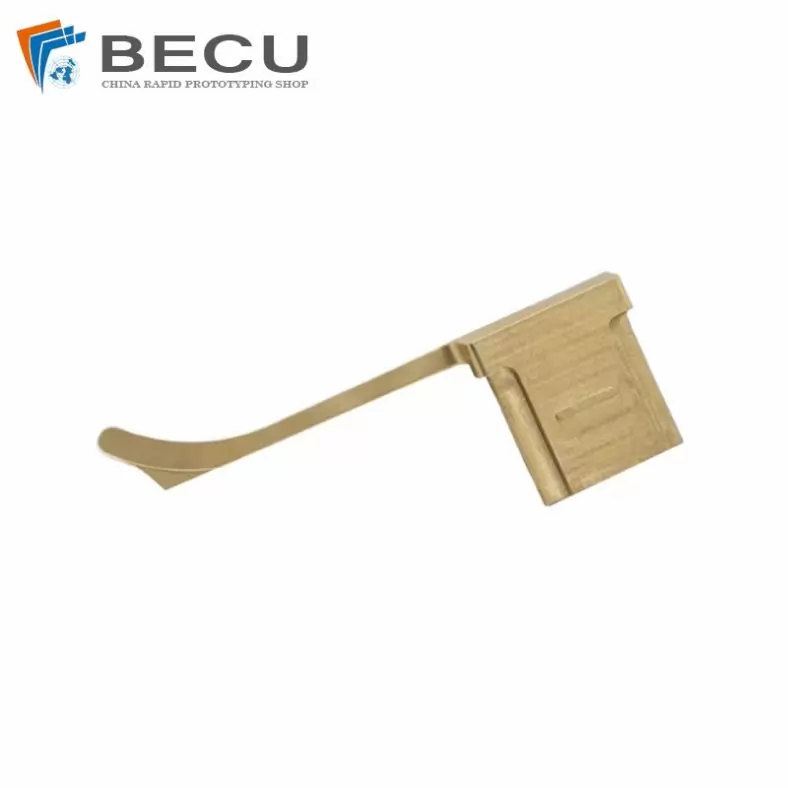
3/4/5 Axis Precision Milling Custom Vehicle Parts
-
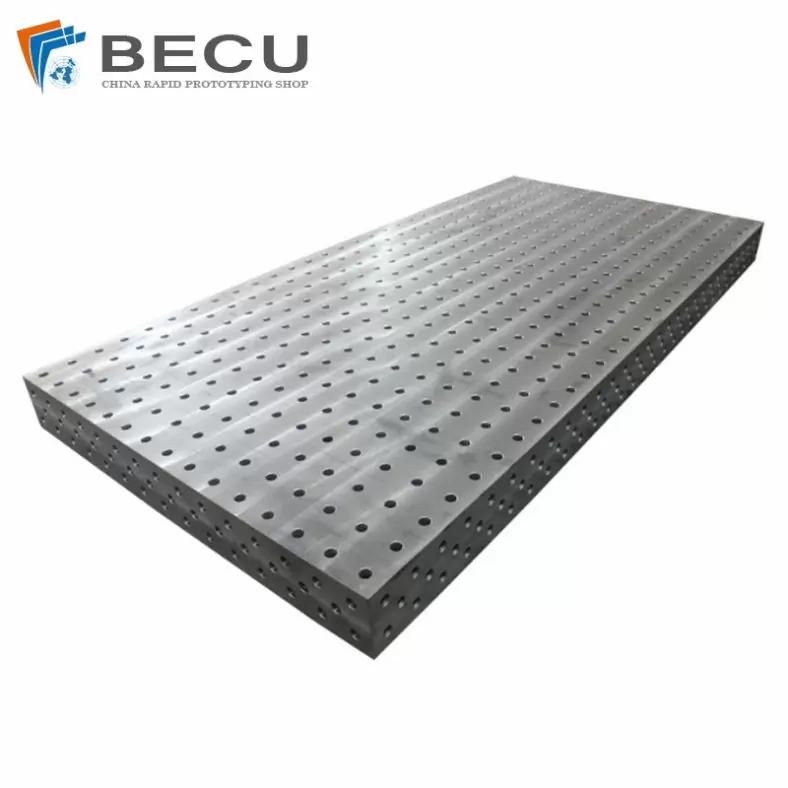
3D Flexible Welding Platform By Large Machining
-
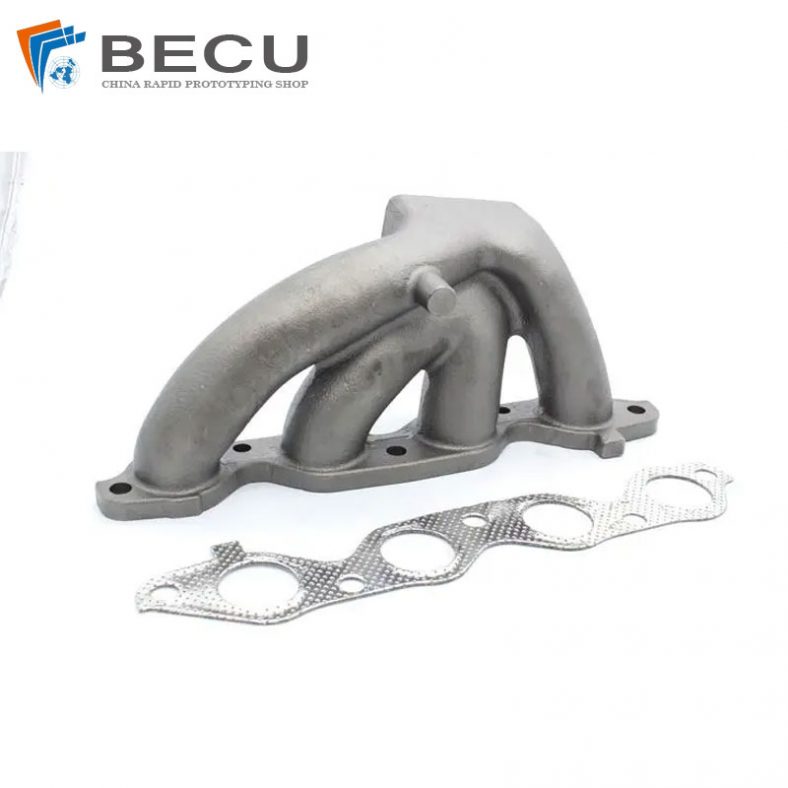
3D Printed Inconel Exhaust Manifold
-
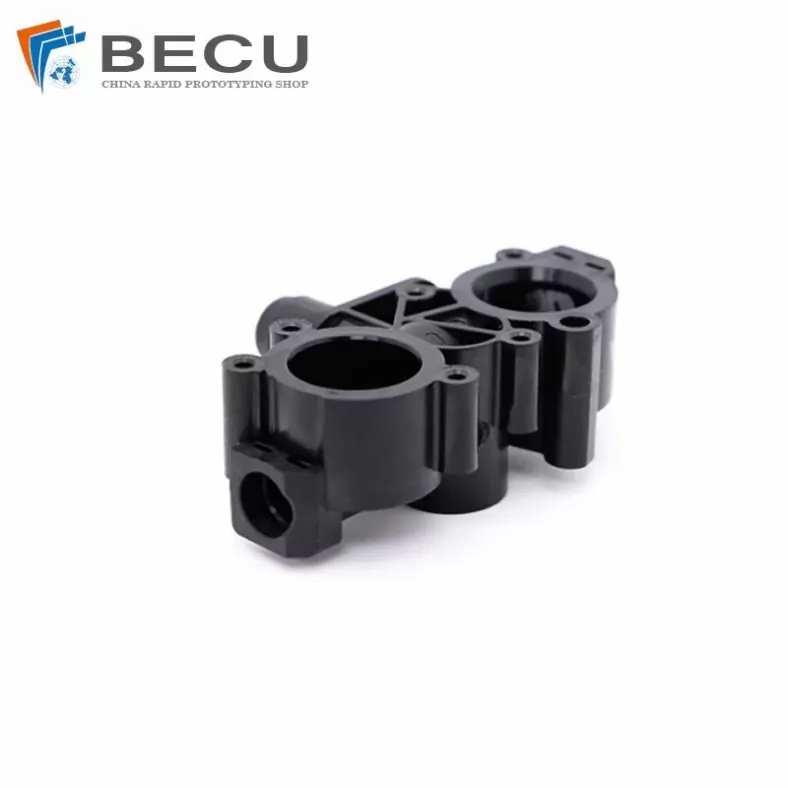
3D Printing And CNC Machining Custom Black PPS Valve
-
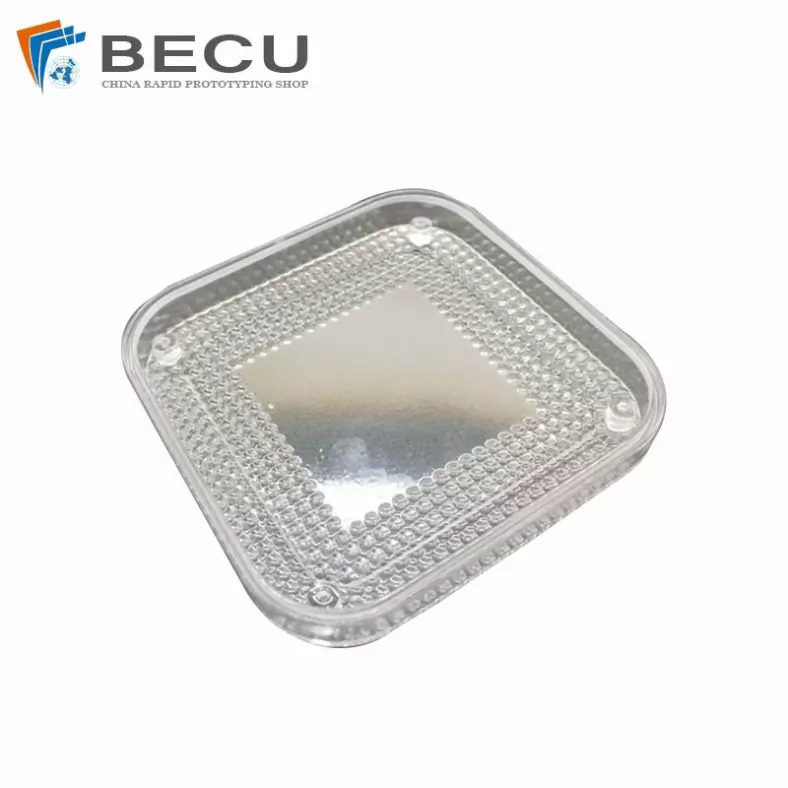
3D Printing Full Transparent Acrylic Lampshade Model
-
4 Axis CNC Machining Titanium Grade 5 Mobile Phone Buttons
-
4 Axis Machining Highly Transparent Acrylic LED Tunnel Light Lens