
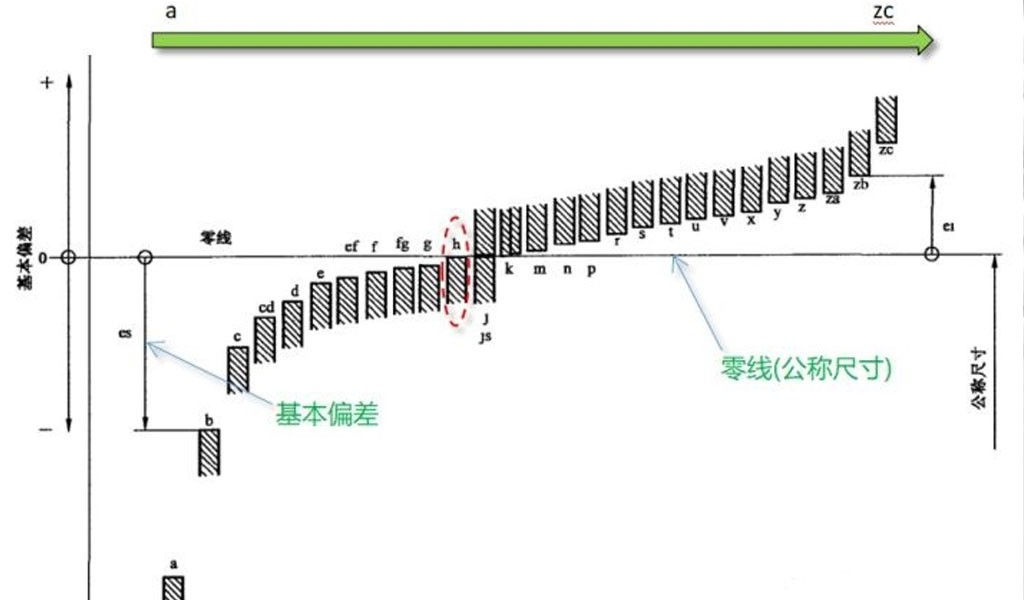
Unilateral tolerance in manufacturing refers to a type of dimensional tolerance where the allowable variation from a nominal dimension is constrained to only one side of the target value.
In other words, the deviation from the specified nominal value can occur in only one direction, either above (positive) or below (negative), but not both.
This contrasts with bilateral tolerance, where the allowed deviation can occur in either direction from the nominal value. Unilateral tolerances are commonly used in industries where certain aspects of a part’s dimension are critical and cannot exceed a specific limit, either larger or smaller, for the component to function properly.
The concept of unilateral tolerance is essential for ensuring precise control over manufacturing processes, particularly when certain design features demand strict limits to avoid interference or failure in the final product. In this article, we will explore the various aspects of unilateral tolerance, its applications, the benefits and challenges associated with it, and its role in quality control and the broader context of manufacturing engineering.
Understanding Tolerance in Manufacturing
Before delving into unilateral tolerance specifically, it is important to understand the broader concept of tolerance in manufacturing. Tolerance refers to the permissible limit or limits of variation in the physical dimensions of a part or component. It defines the range within which a particular dimension can vary without compromising the functionality, fit, or appearance of the final product.
Manufacturing tolerances are critical because no two manufactured parts are identical. Variations in materials, machine performance, environmental conditions, and operator skill contribute to differences in the dimensions of each part. These variations must be controlled to ensure that parts fit together correctly in an assembly and perform their intended function.
In engineering drawings, tolerances are typically indicated by a specified value, and they define the acceptable range of measurement for a part feature. Tolerances can be categorized into several types, including:
- Bilateral Tolerance: The dimension is allowed to vary both above and below the nominal value by the same amount.
- Unilateral Tolerance: The dimension is allowed to vary in only one direction—either above or below the nominal value.
- Limit Tolerance: The maximum and minimum allowable dimensions are specified directly without using a tolerance range.
- Geometrical Tolerance: Defines the allowable variation in the shape, orientation, and location of a part feature.
In the case of unilateral tolerance, the permissible deviation is unidirectional. A part can be larger than the nominal dimension by a certain amount, but it cannot be smaller than the nominal dimension, or vice versa. The specific direction of deviation is clearly indicated in the technical drawing.
The Importance of Unilateral Tolerance
Unilateral tolerance is used when the designer or engineer needs to control one side of a dimension with greater precision. This is often done to ensure that a part fits into an assembly without creating interference or excessive clearance. The application of unilateral tolerance is especially important in cases where one dimension must be maintained within a certain limit, but the other side may be more flexible.
For example, consider a hole in a part that is intended to fit over a shaft. If the hole is specified with a unilateral tolerance (for example, the hole diameter must be at least 10 mm, but no more than 10.5 mm), this ensures that the hole will always accommodate the shaft. If the hole were allowed to vary in both directions (bilateral tolerance), the hole might become too small to fit the shaft, which could result in assembly issues.
Unilateral tolerances also play a key role in applications where specific clearance or interference is critical to the part’s function. For instance, in a bearing assembly, the outer diameter of the bearing might be controlled using unilateral tolerance to ensure that it fits snugly into a housing. Allowing a slight decrease in size (while limiting the increase) could prevent issues with over-tightening, which might affect the performance of the bearing.
Applications of Unilateral Tolerance
Unilateral tolerance is applied in a wide range of manufacturing processes across different industries, from aerospace and automotive to medical device production. Some of the most common applications include:
1. Fits and Clearances
Unilateral tolerances are often used to control fits between mating parts. A common example is in shaft and hole assemblies. When designing the hole for a shaft, the hole’s diameter might be specified with a unilateral tolerance to ensure that the hole is large enough to accommodate the shaft but does not exceed the maximum size that would lead to excessive play or instability.
2. Threads
Threaded components such as bolts, nuts, and screws frequently use unilateral tolerance to control the pitch diameter of the threads. In these cases, the tolerance is often specified to allow for a minimal increase in diameter but no decrease, as reducing the diameter of a bolt thread can make it impossible to screw it into the corresponding nut.
3. Bore and Shaft Sizes
In mechanical assemblies, a shaft may be required to fit tightly into a bore without allowing for excessive looseness or distortion. Unilateral tolerance ensures that the shaft does not exceed a certain size, while the bore can be allowed to vary in a controlled manner, depending on the design requirements.
4. Tolerances for Seals and Gaskets
In applications involving seals, gaskets, and other sealing elements, unilateral tolerance is used to control the dimensions that must fit with extreme accuracy. For example, the inner diameter of a gasket might be specified with a unilateral tolerance to ensure that it fits snugly around a pipe or tube without risk of leakage.
5. Medical Device Manufacturing
In the medical device industry, unilateral tolerance is often applied to components that must fit together in precise ways to avoid malfunction. This could include parts like syringes, injectors, or connectors that need to seal tightly or operate within a narrow range of dimensions.
6. Aerospace and Automotive Components
In high-precision industries like aerospace and automotive manufacturing, unilateral tolerance is crucial for components that must withstand extreme stresses and pressures. For example, certain parts in a turbine engine may use unilateral tolerance to ensure that a particular clearance or fit is maintained between moving components.
Advantages of Unilateral Tolerance
Unilateral tolerance offers several advantages in manufacturing, making it a preferred choice for certain applications:
- Enhanced Control Over Critical Dimensions: By restricting the variation to one side of the nominal dimension, unilateral tolerance ensures that critical aspects of the part are maintained with greater precision.
- Improved Assembly Fit: Components that require tight fits, such as shafts and bearings, benefit from unilateral tolerance because it guarantees that the parts will always fit together as intended, with no risk of being too tight or too loose.
- Cost Savings: By restricting the allowable deviation to one direction, manufacturers can often use a more relaxed manufacturing process for the opposite side, potentially reducing production costs without compromising quality.
- Reduced Risk of Assembly Failure: Since one side of the tolerance is constrained, the risk of failure due to excessive interference or clearance in an assembly is minimized.
- Improved Functionality: In many applications, the functionality of a part depends on a precise fit. Unilateral tolerance helps ensure that a part performs as designed, without risking the adverse effects of excessive play or tightness.
Challenges of Unilateral Tolerance
While unilateral tolerance offers significant benefits, it also presents certain challenges and limitations that manufacturers must consider:
- Manufacturing Complexity: In some cases, implementing unilateral tolerance can complicate the manufacturing process, especially when strict control is required for a large number of parts.
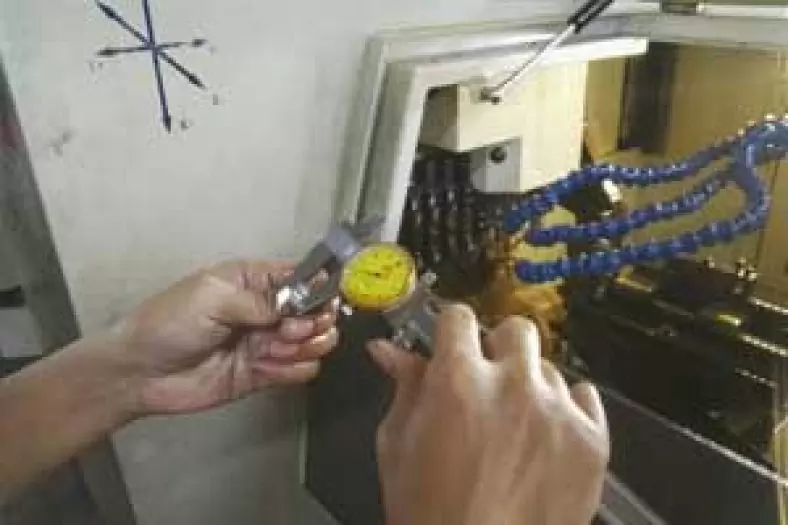
- Measurement Accuracy: Accurately measuring the dimensions of parts with unilateral tolerance can be challenging, particularly if the dimension is close to the upper or lower limit of the tolerance range.
- Design Constraints: Unilateral tolerance may not always be suitable for every type of part. For some components, bilateral tolerance might provide more flexibility and allow for easier design adjustments.
- Material Variability: Material properties can affect the ability to consistently achieve the desired tolerance, particularly in materials that are prone to expansion, contraction, or distortion during the manufacturing process.
Methods of Applying Unilateral Tolerance
The application of unilateral tolerance is typically indicated on engineering drawings using a symbol or notation that specifies the direction of deviation. The most common methods include:
- Plus or Minus Notation: The tolerance is often specified using a plus or minus sign, where the deviation is applied only to one side. For example, a dimension of 10 ±0.2 mm could specify a unilateral tolerance where the dimension can vary by up to +0.2 mm but cannot be smaller than 10 mm.
- Limit Dimensions: Another method is the use of limit dimensions, where the permissible minimum and maximum values are explicitly stated. For instance, a dimension might be specified as a minimum of 10 mm and a maximum of 10.3 mm, indicating unilateral tolerance in the positive direction.
- Geometric Tolerancing Symbols: Geometric dimensioning and tolerancing (GD&T) symbols can also be used to indicate unilateral tolerance, particularly when the deviation is related to a feature’s location or orientation.
Conclusion
Unilateral tolerance is an essential concept in manufacturing that provides critical control over part dimensions to ensure a proper fit and function. By restricting the variation to one direction, it allows manufacturers to achieve precise assembly requirements, reduce the risk of failure, and improve the overall quality of the final product. Although unilateral tolerance presents some challenges in terms of manufacturing complexity and measurement accuracy, its benefits in critical applications, such as fits, seals, and threaded components, make it an invaluable tool in modern manufacturing processes.
The proper use of unilateral tolerance, along with other forms of dimensional control, helps to ensure that the manufacturing process produces parts that meet exact specifications, perform reliably, and fit seamlessly into larger systems. Understanding when and how to apply unilateral tolerance is key to ensuring high-quality, functional parts in industries ranging from aerospace to automotive and beyond.
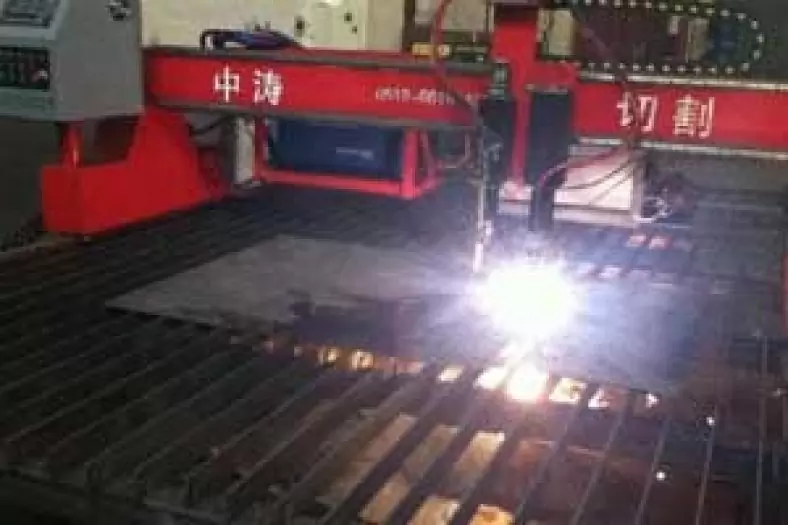
The Detail Of BE-CU Cnc Machining Shop
BE-CU.COM – As an accomplished CNC machining Service Manufacturer and CNC shop, BE-CU Prototype has been specialized in OEM CNC lathing, custom CNC machining parts production and rapid CNC machining services China for over 35 years and always maintaining the highest standard in delivery speed and reliable quality of precision CNC manufacturing components. With the help of high-level technology and efficient equipment, as well as rigorous attitude, BE-CU passed the ISO9001:2015 quality certification, which supports the long-term development of CNC milling services, CNC turning services, CNC milling-turning, CNC drilling services, 3/4/5 axis machining, gear machining services, CNC machining China custom parts and service, small parts machining, etc.Our CNC machining products can be utilized in a broad range of industries. Contact us for email: [email protected]
-
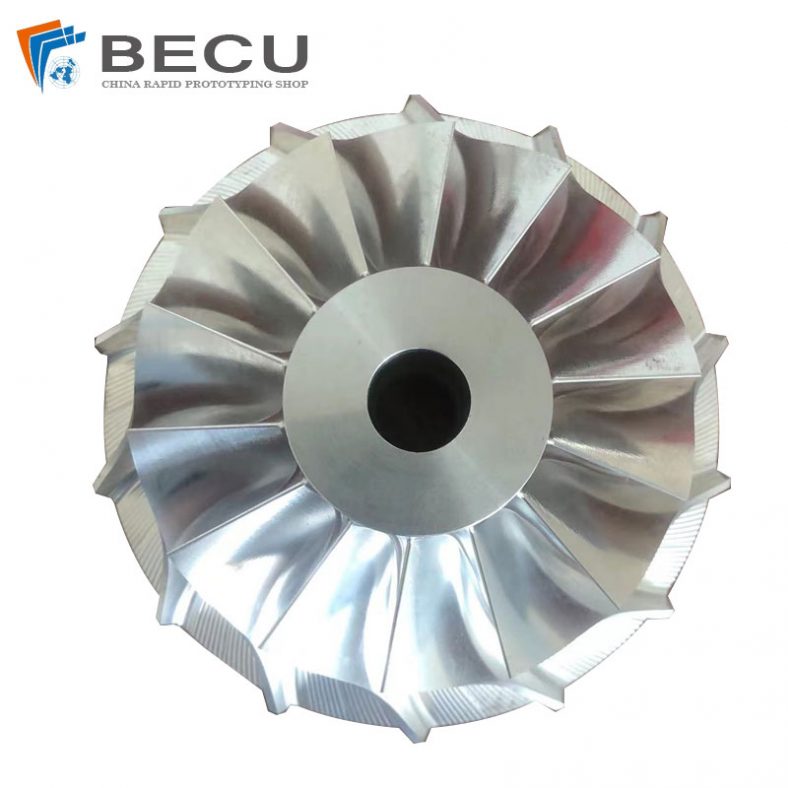
3-Way Centrifugal Compressor Closed Impeller By 5 Axis Machining
-

3/4/5 Axis Precision Milling Custom Vehicle Parts
-
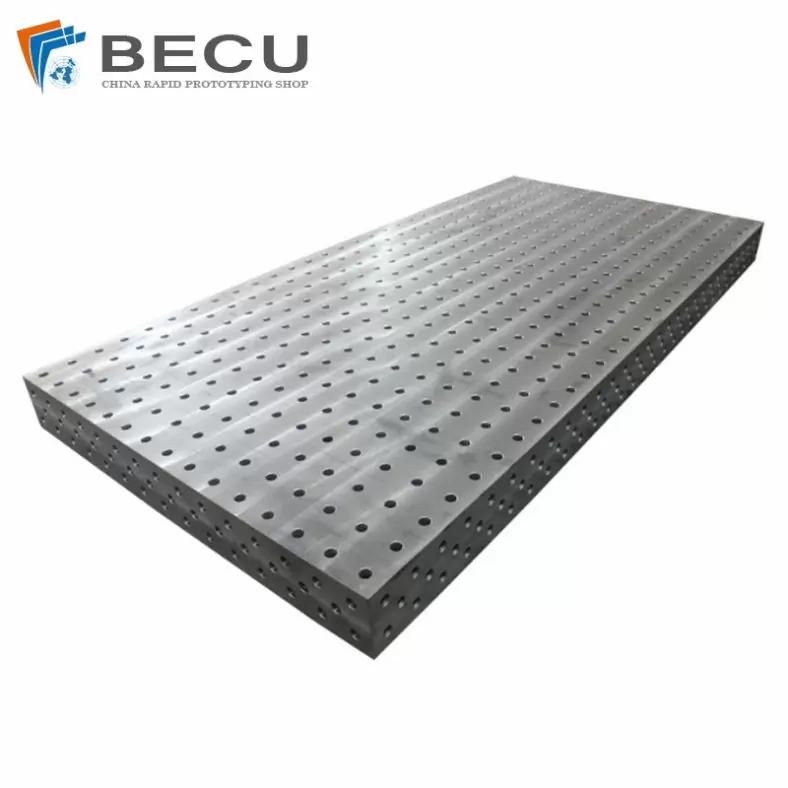
3D Flexible Welding Platform By Large Machining
-
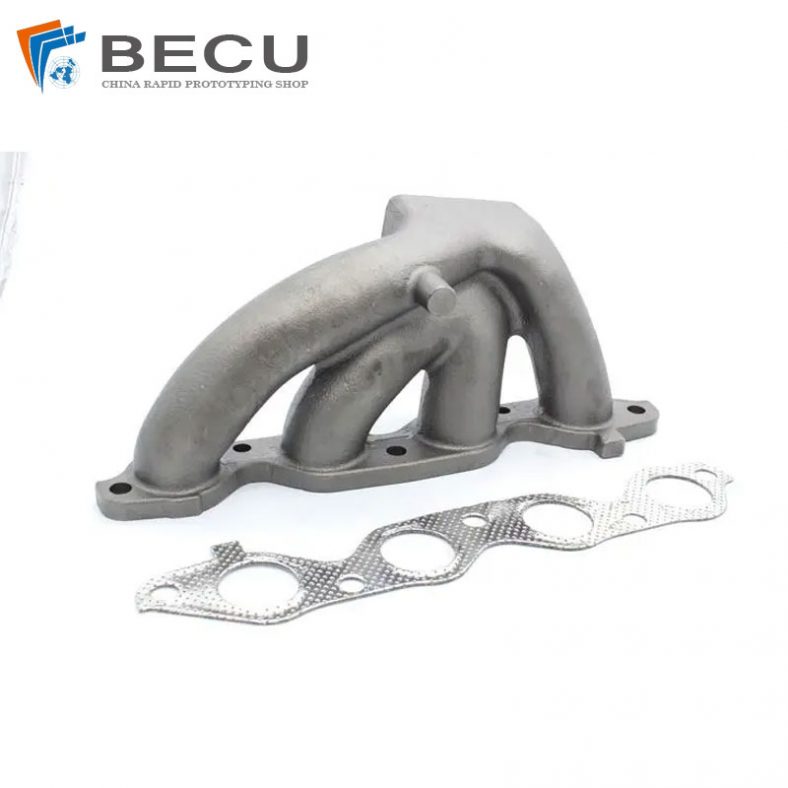
3D Printed Inconel Exhaust Manifold
-
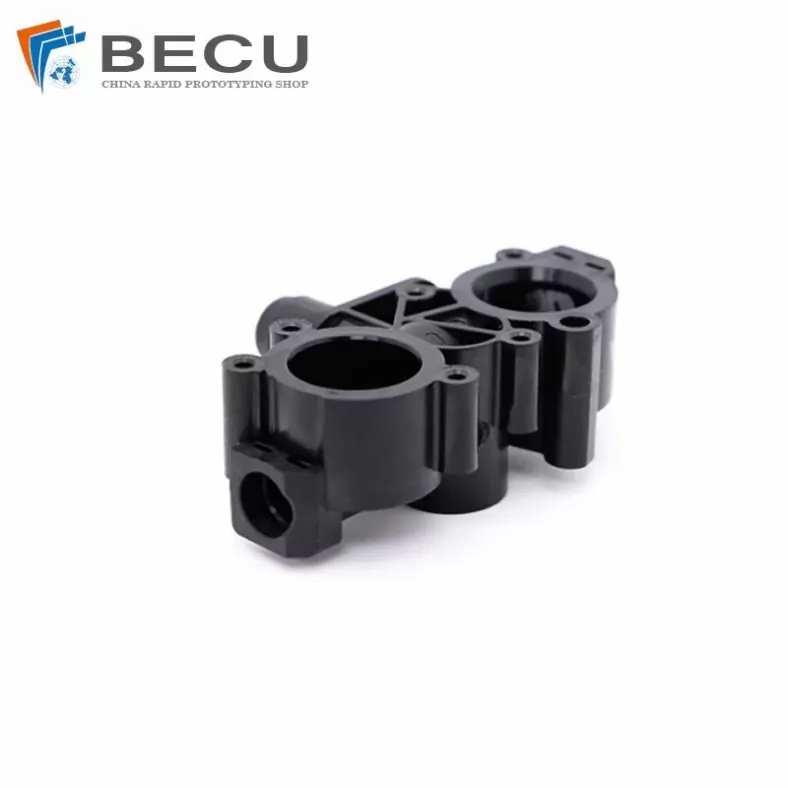
3D Printing And CNC Machining Custom Black PPS Valve
-
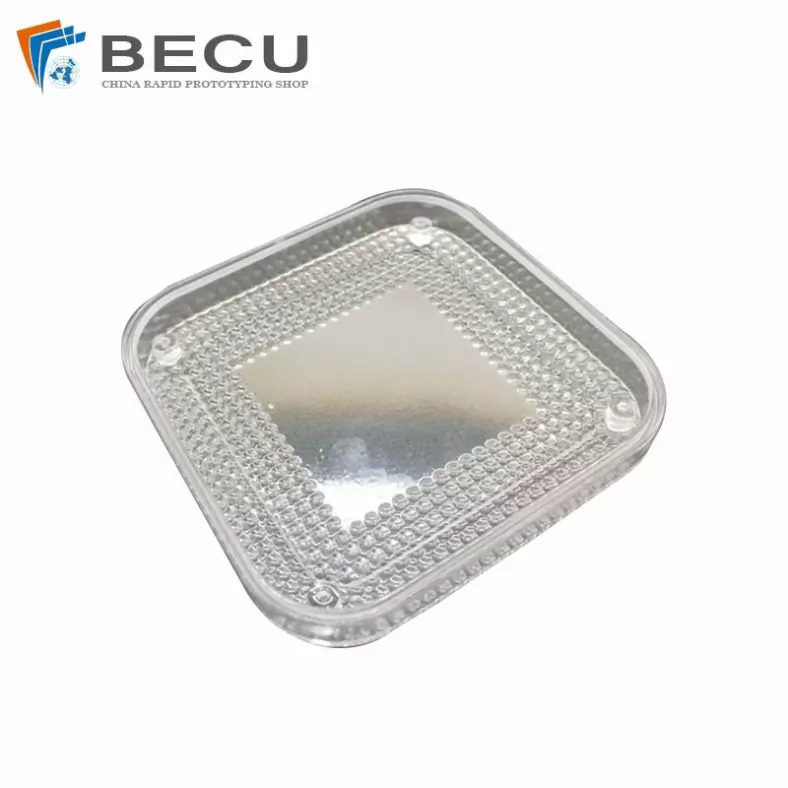
3D Printing Full Transparent Acrylic Lampshade Model
-
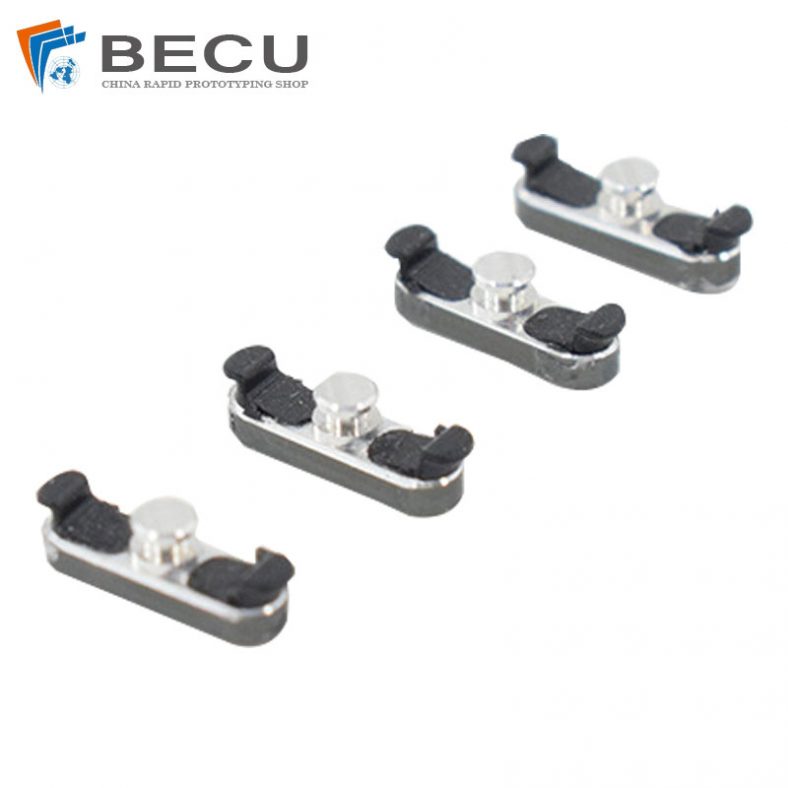
4 Axis CNC Machining Titanium Grade 5 Mobile Phone Buttons
-
4 Axis Machining Highly Transparent Acrylic LED Tunnel Light Lens