
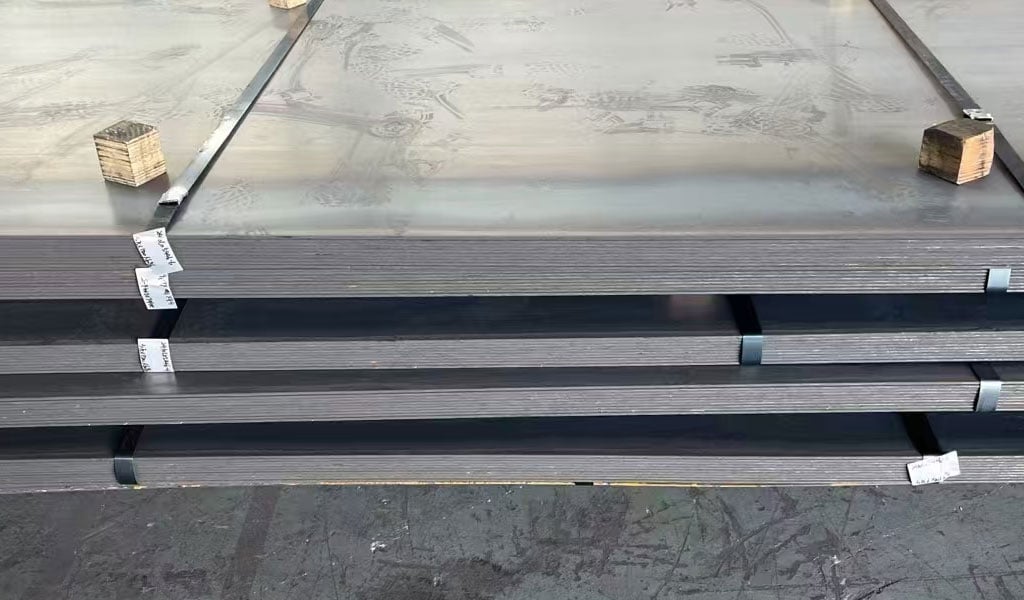
M390 steel is a high-performance martensitic stainless steel renowned for its exceptional combination of wear resistance, corrosion resistance, and edge retention, making it a premier choice in the knife-making industry and other high-precision applications. Developed by Böhler-Uddeholm, a leading Austrian-Swedish steel manufacturer, M390 is produced using third-generation powder metallurgy (PM) technology, which ensures a fine-grained, uniform microstructure that enhances its mechanical properties. Since its introduction in the late 1980s, M390 has earned the moniker “super steel” among knife enthusiasts and professionals due to its ability to maintain a sharp edge over extended use while resisting corrosion in harsh environments.
This article provides an in-depth exploration of M390 steel, covering its chemical composition, mechanical and physical properties, equivalent steels, pricing factors, and a detailed comparison with CPM MagnaCut, a newer stainless steel designed specifically for knives. By examining these aspects through a scientific lens, this article aims to serve as a comprehensive resource for metallurgists, knife makers, enthusiasts, and industrial professionals. The discussion is structured to balance technical rigor with accessibility, incorporating detailed tables to facilitate comparisons and highlight key data.
Historical Background
M390 steel was developed by Böhler, a subsidiary of Böhler-Uddeholm, in Kapfenberg, Austria, during the late 1980s. Originally designed for use in injection molding molds, where high wear resistance and corrosion resistance were critical, M390 was later adopted by the knife-making industry due to its outstanding performance characteristics. The steel’s development was driven by advancements in powder metallurgy, a process that allowed for the production of high-alloy steels with superior homogeneity compared to traditional ingot metallurgy.
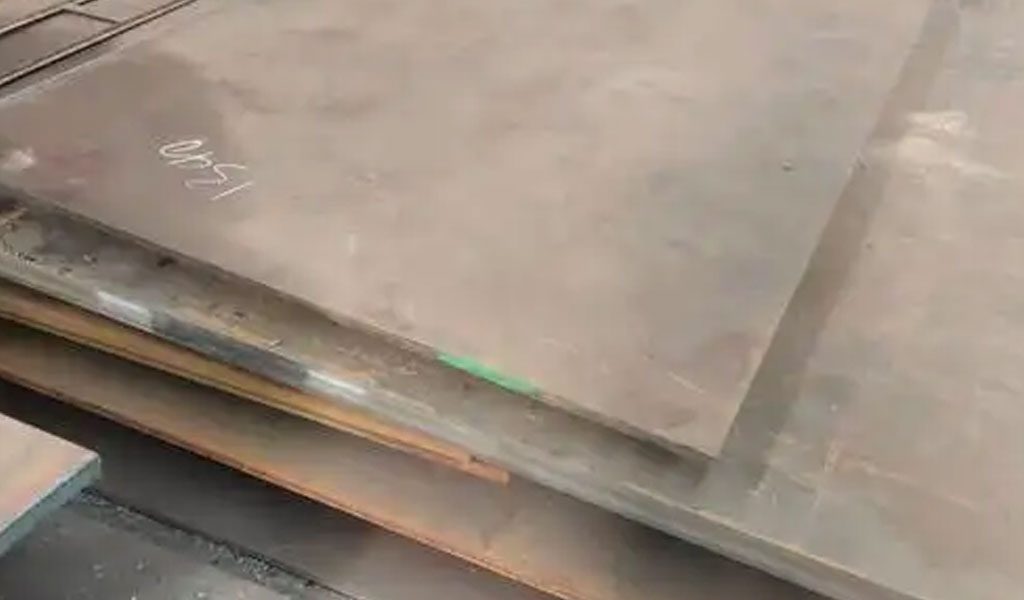
Powder metallurgy involves atomizing molten steel into fine particles, which are then consolidated under high pressure and temperature to form a solid material. This process minimizes segregation of alloying elements and reduces the size of carbides, resulting in a cleaner, more uniform microstructure. Böhler’s third-generation PM technology, branded as “Microclean,” was instrumental in optimizing M390’s properties, enabling it to achieve high hardness (60–62 HRC) while maintaining sufficient toughness for cutting applications.
Evolution of Knife Steels
The adoption of M390 in knife making reflects broader trends in the evolution of blade materials. Prior to the 1980s, knife steels were primarily carbon steels (e.g., 1095) or simpler stainless steels (e.g., 440C), which offered a trade-off between edge retention and corrosion resistance. The introduction of powder metallurgy steels, such as CPM S30V and M390, marked a significant advancement, allowing manufacturers to combine high hardness, wear resistance, and corrosion resistance in a single alloy. M390’s success in the knife industry can be attributed to its ability to outperform earlier steels in demanding applications, such as everyday carry (EDC) knives, tactical knives, and high-end collectibles.
Böhler-Uddeholm’s Role
Böhler-Uddeholm, formed by the merger of Austria’s Böhler and Sweden’s Uddeholm, is a global leader in tool and specialty steels. The company’s expertise in metallurgy and its investment in advanced manufacturing processes have positioned it at the forefront of high-performance steel production. M390, alongside other Böhler steels like Elmax and N690, exemplifies the company’s commitment to innovation in materials science. The steel’s popularity has also spurred the development of variants, such as M390MK, an exclusive version tweaked for Microtech Knives with slightly modified carbon content for enhanced edge retention.
Chemical Composition
Overview of Alloying Elements
M390 steel is a high-alloy martensitic stainless steel characterized by a complex composition that includes significant amounts of carbon, chromium, vanadium, molybdenum, and tungsten. These elements work synergistically to impart the steel’s signature properties, including high hardness, excellent wear resistance, and superior corrosion resistance. The following table details the chemical composition of M390, based on Böhler’s specifications.
Table 1: Chemical Composition of M390 Steel
| Element | Percentage (%) | Role in Steel Properties |
|---|---|---|
| Carbon (C) | 1.90 | Increases hardness and wear resistance by forming carbides; enhances edge retention. |
| Chromium (Cr) | 20.00 | Provides corrosion resistance by forming a passive oxide layer; contributes to hardness. |
| Vanadium (V) | 4.00 | Forms hard vanadium carbides, enhancing wear resistance and edge retention. |
| Molybdenum (Mo) | 1.00 | Improves corrosion resistance and high-temperature strength; refines grain structure. |
| Tungsten (W) | 0.60 | Enhances wear resistance and hardness; stabilizes carbides at high temperatures. |
| Manganese (Mn) | 0.30 | Improves hardenability and toughness; deoxidizes the steel during production. |
| Silicon (Si) | 0.70 | Enhances strength and toughness; improves resistance to scaling at high temperatures. |
| Iron (Fe) | Balance | Forms the matrix of the steel, providing structural integrity. |
Role of Key Alloying Elements
- Carbon (1.90%): The high carbon content in M390 is critical for achieving high hardness and forming carbides with vanadium, chromium, and tungsten. These carbides are responsible for the steel’s exceptional wear resistance and edge retention. However, excessive carbon can reduce toughness, which is mitigated by the steel’s powder metallurgy process.
- Chromium (20.00%): Chromium is the primary element responsible for M390’s stainless properties. A chromium content above 12% enables the formation of a passive chromium oxide layer on the steel’s surface, which protects against rust and corrosion. The high chromium content also contributes to hardness by forming chromium carbides, though these are less hard than vanadium carbides.
- Vanadium (4.00%): Vanadium is a key contributor to M390’s wear resistance. It forms extremely hard vanadium carbides, which are dispersed throughout the steel’s microstructure. These carbides resist abrasion and maintain the edge’s sharpness during prolonged cutting tasks.
- Molybdenum (1.00%): Molybdenum enhances corrosion resistance, particularly in environments with chloride ions (e.g., saltwater). It also improves the steel’s strength at elevated temperatures and refines the grain structure, contributing to toughness.
- Tungsten (0.60%): Tungsten forms hard carbides that enhance wear resistance and stabilize the steel’s microstructure during heat treatment. Its presence complements vanadium and chromium carbides, ensuring a balanced carbide distribution.
- Manganese and Silicon: These elements are present in smaller amounts to improve hardenability, toughness, and resistance to oxidation during processing. They play a secondary role compared to the primary alloying elements.
Microstructure and Carbide Formation
The powder metallurgy process used to produce M390 results in a fine, uniform microstructure with a high volume of small, evenly distributed carbides. Approximately 20–25% of M390’s microstructure consists of carbides, primarily chromium and vanadium carbides, with minor contributions from tungsten and molybdenum carbides. The fine carbide size (typically 1–2 microns) and uniform distribution minimize the risk of carbide pull-out during sharpening and enhance the steel’s polishability, making it suitable for mirror-finished blades.
The absence of large, coarse carbides, which are common in conventionally produced steels, reduces the likelihood of chipping and improves edge stability. However, the high carbide volume limits M390’s toughness compared to steels with lower carbide content, such as MagnaCut or CPM 4V.
Mechanical and Physical Properties
Hardness
M390 steel is typically heat-treated to achieve a Rockwell hardness (HRC) of 60–62, though hardness can vary slightly depending on the heat treatment protocol. This high hardness is attributed to the steel’s high carbon content and the presence of hard vanadium and chromium carbides. The following table summarizes M390’s hardness compared to other premium knife steels.
Table 2: Hardness Comparison of M390 and Other Knife Steels
| Steel Type | Typical Hardness (HRC) | Notes |
|---|---|---|
| M390 | 60–62 | High hardness due to high carbon and vanadium content. |
| CPM MagnaCut | 60–65 | Flexible heat treatment allows higher hardness with cryogenic quench. |
| CPM S30V | 58–61 | Slightly lower hardness than M390; balanced properties. |
| Elmax | 60–62 | Similar hardness to M390; slightly better toughness. |
| CPM S90V | 59–61 | High hardness with exceptional wear resistance; lower toughness. |
Toughness
Toughness refers to a steel’s ability to resist chipping, cracking, or breaking under impact or stress. M390’s toughness is moderate due to its high carbide volume, which makes it less resistant to shock loading compared to steels like MagnaCut or CPM 3V. Independent Charpy impact tests indicate that M390 achieves toughness values of approximately 10–15 ft-lbs, significantly lower than MagnaCut’s 30+ ft-lbs. This makes M390 less suitable for heavy-duty tasks like chopping or batoning, where high toughness is critical.
Wear Resistance
M390’s wear resistance is among the highest of any stainless steel, thanks to its high volume of hard vanadium and chromium carbides. Wear resistance is measured using tests like the CATRA (Cutlery and Allied Trades Research Association) test, which simulates abrasive cutting. M390 outperforms steels like S30V and S35VN in edge retention during abrasive tasks, such as cutting cardboard or rope, but it is surpassed by ultra-high-wear-resistance steels like S90V.
Corrosion Resistance
M390’s corrosion resistance is excellent due to its high chromium content (20%), which ensures a robust passive oxide layer. The steel performs well in humid, saline, and acidic environments, making it ideal for marine applications, EDC knives, and culinary tools. Comparative corrosion tests, such as salt spray exposure, show that M390 resists rust better than S30V (14% Cr) but is slightly less corrosion-resistant than MagnaCut, which optimizes free chromium content by eliminating chromium carbides.
Edge Retention
Edge retention is M390’s standout property, driven by its high hardness and wear-resistant carbides. In real-world cutting tasks, M390 blades maintain sharpness longer than most stainless steels, reducing the frequency of sharpening. However, its high carbide volume can lead to micro-chipping in thin edge geometries, requiring careful edge design to maximize performance.
Sharpenability
M390 is moderately difficult to sharpen due to its high hardness and carbide content. While it can achieve a razor-sharp edge with proper technique, sharpening requires abrasives like diamond or ceramic stones to effectively cut through the hard carbides. Compared to softer steels like 440C or MagnaCut, M390 demands more time and skill to sharpen, which may be a drawback for users who prioritize ease of maintenance.
Table 3: Mechanical Properties of M390 Steel
| Property | Value/Description |
|---|---|
| Hardness | 60–62 HRC |
| Toughness | 10–15 ft-lbs (Charpy impact test); moderate due to high carbide volume. |
| Wear Resistance | Excellent; high volume of vanadium and chromium carbides. |
| Corrosion Resistance | Excellent; 20% chromium ensures robust passive oxide layer. |
| Edge Retention | Outstanding; maintains sharpness through prolonged abrasive cutting. |
| Sharpenability | Moderate; requires diamond or ceramic abrasives due to hard carbides. |
Manufacturing Process
Powder Metallurgy Process
M390 is produced using Böhler’s third-generation powder metallurgy process, which involves the following steps:
- Melting and Atomization: The alloying elements are melted in a vacuum induction furnace to ensure purity. The molten steel is then atomized into fine particles (typically <100 microns) using a high-pressure gas jet, creating a powder with uniform composition.
- Hot Isostatic Pressing (HIP): The powder is encapsulated in a steel canister and subjected to high pressure (1000–2000 bar) and temperature (1100–1200°C) in an inert gas environment. This consolidates the powder into a dense, homogeneous ingot with minimal porosity.
- Rolling and Annealing: The HIPed ingot is hot-rolled into sheets or bars, then annealed to reduce internal stresses and prepare the steel for further processing.
- Blanchard Grinding: To remove the thin HIP canister residue (approximately 0.007 inches thick), M390 sheets are blanchard ground to precise tolerances (±0.001 inches across 12 inches), ensuring a clean surface for knife makers.
This process results in a steel with a fine carbide size (1–2 microns) and uniform distribution, minimizing defects like inclusions or segregation. The Microclean branding reflects the steel’s high purity and structural integrity.
Heat Treatment Protocol
Heat treatment is critical for optimizing M390’s properties. A typical heat treatment protocol includes:
- Austenitizing: Heating to 1950–2150°F (1065–1175°C) for 20–30 minutes to dissolve carbides and form austenite.
- Quenching: Rapid cooling in oil or air to form martensite, locking in hardness.
- Cryogenic Treatment: Submerging in liquid nitrogen (-196°C) to convert retained austenite to martensite, enhancing hardness and dimensional stability.
- Tempering: Heating to 350–500°F (175–260°C) for 2–4 hours to relieve stresses and improve toughness.
This protocol achieves a hardness of 60–62 HRC, balancing edge retention and toughness. Over-tempering can reduce hardness, while insufficient cryogenic treatment may leave retained austenite, compromising performance.
Comparison with Conventional Steelmaking
Compared to conventional ingot metallurgy, powder metallurgy offers several advantages for M390:
- Uniform Microstructure: Eliminates macro-segregation and reduces carbide size, improving toughness and edge stability.
- Higher Alloy Content: Allows for higher percentages of vanadium and chromium without compromising forgeability.
- Cleaner Steel: Minimizes inclusions and impurities, enhancing corrosion resistance and polishability.
However, powder metallurgy is more expensive due to the complex production process, contributing to M390’s premium price.
Equivalent Steels
M390 is closely related to other high-performance powder metallurgy stainless steels produced by different manufacturers. These equivalents share similar compositions and properties, though minor differences in alloying elements or processing can affect performance. The following table compares M390 with its primary equivalents.
Table 4: Equivalent Steels to M390
| Steel Type | Manufacturer | Composition (Key Elements) | Properties Comparison |
|---|---|---|---|
| M390 | Böhler-Uddeholm | C: 1.90%, Cr: 20%, V: 4%, Mo: 1%, W: 0.6% | Baseline: High wear resistance, excellent corrosion resistance, moderate toughness. |
| CPM 20CV | Crucible Industries | C: 1.90%, Cr: 20%, V: 4%, Mo: 1%, W: 0.6% | Nearly identical to M390; slightly better toughness in some heat treatments. |
| CTS-204P | Carpenter Technology | C: 1.90%, Cr: 20%, V: 4%, Mo: 1%, W: 0.6% | Virtually indistinguishable from M390 and 20CV; minor processing differences. |
| Elmax | Uddeholm | C: 1.70%, Cr: 18%, V: 3%, Mo: 1% | Slightly lower wear resistance; better toughness and easier to sharpen than M390. |
| M390MK | Böhler (Microtech) | C: ~2.00%, Cr: 20%, V: 4%, Mo: 1%, W: 0.6% | Tweaked for higher carbon; marginally better edge retention, same corrosion resistance. |
CPM 20CV and CTS-204P
CPM 20CV (Crucible Industries) and CTS-204P (Carpenter Technology) are direct equivalents to M390, with nearly identical compositions and properties. Differences arise primarily from manufacturing processes and heat treatment protocols. For example, Crucible’s CPM process may result in slightly finer carbides in 20CV, while Carpenter’s CTS-204P is optimized for consistency in large-scale production. In practice, these steels are interchangeable for most knife-making applications, with performance differences often negligible.
Elmax
Elmax, produced by Uddeholm, is a close competitor to M390 but contains less carbon (1.70%) and vanadium (3%), resulting in lower wear resistance but improved toughness. Elmax is easier to sharpen and more forgiving in thin edge geometries, making it a viable alternative for users who prioritize maintenance ease over maximum edge retention.
M390MK
M390MK is a proprietary variant developed by Böhler for Microtech Knives, featuring a slightly higher carbon content (~2.00%) for enhanced edge retention. The modification is minor, and independent testing suggests that the performance difference is subtle, often overshadowed by variations in heat treatment or edge geometry. M390MK is exclusive to Microtech, limiting its availability to other manufacturers.
Applications
Knife Making
M390 is widely used in premium knives due to its exceptional edge retention, corrosion resistance, and aesthetic appeal when polished. Common applications include:
- Everyday Carry (EDC) Knives: M390’s wear resistance ensures long-lasting sharpness for daily tasks like cutting rope, cardboard, or food.
- Tactical Knives: Its corrosion resistance and edge retention make it suitable for military and law enforcement applications.
- Collectible Knives: The steel’s ability to achieve a mirror polish enhances the visual appeal of high-end custom knives.
- Culinary Knives: M390’s corrosion resistance is ideal for kitchen environments, though its high hardness can make sharpening challenging for home cooks.
Brands like Benchmade, Spyderco, and Microtech frequently use M390 in their flagship models, such as the Benchmade 581 Barrage and Microtech Ultratech.
Industrial Applications
Originally designed for injection molding molds, M390 is used in industrial applications requiring high wear and corrosion resistance, such as:
- Cutting Tools: Punches, dies, and shear blades benefit from M390’s durability.
- Medical Instruments: The steel’s corrosion resistance and polishability make it suitable for surgical tools.
- Aerospace Components: M390 is used in precision parts exposed to corrosive environments.
Other Uses
M390’s properties make it suitable for niche applications, such as high-end razors, watch components, and marine fittings, where corrosion resistance and durability are paramount.
Price and Availability
Factors Influencing Price
M390 is a premium steel, and its price reflects the complexity of its production process and high alloy content. Key factors influencing its cost include:
- Powder Metallurgy Process: The energy-intensive atomization and HIP processes increase production costs compared to conventional steels.
- Alloying Elements: High percentages of chromium, vanadium, and molybdenum add to raw material costs.
- Machining Difficulty: M390’s high hardness and carbide content make it challenging to grind and machine, increasing labor costs for knife makers.
- Market Demand: The steel’s popularity in the premium knife market drives up prices due to limited supply and high demand.
As of June 2025, M390 sheet stock for knife making typically costs $20–$30 per pound, depending on thickness and supplier. Finished knives with M390 blades range from $100 for budget models to over $500 for custom or high-end production knives.
Comparison with Other Steels
M390 is more expensive than conventional stainless steels like 440C ($5–$10 per pound) or VG-10 ($10–$15 per pound) but comparable to other PM steels like S30V or Elmax. MagnaCut, while slightly cheaper due to lower chromium content and optimized production, remains in a similar price range ($15–$25 per pound).
Availability
M390 is widely available through specialty steel suppliers like Alpha Knife Supply and Bohler’s authorized distributors. However, its high demand can lead to periodic shortages, particularly for specific thicknesses or dimensions. Knife makers often purchase M390 in blanchard-ground sheets to ensure a clean surface free of HIP canister residue.
MagnaCut vs M390: A Detailed Comparison
CPM MagnaCut, developed by Dr. Larrin Thomas and produced by Crucible Industries, is a powder metallurgy stainless steel designed specifically for knives. Introduced in 2021, MagnaCut aims to overcome the traditional trade-offs between toughness, wear resistance, and corrosion resistance by eliminating chromium carbides and optimizing the balance of vanadium, niobium, and nitrogen. Its composition and properties make it a direct competitor to M390, prompting widespread comparisons in the knife community.
Table 5: Chemical Composition Comparison of M390 and MagnaCut
| Element | M390 (%) | MagnaCut (%) | Impact on Properties |
|---|---|---|---|
| Carbon (C) | 1.90 | 1.15 | M390: Higher hardness, wear resistance. MagnaCut: Lower carbon improves toughness. |
| Chromium (Cr) | 20.00 | 10.70 | M390: Superior corrosion resistance. MagnaCut: Optimized free Cr for rust resistance. |
| Vanadium (V) | 4.00 | 4.00 | Both: High wear resistance via vanadium carbides. |
| Molybdenum (Mo) | 1.00 | 2.00 | MagnaCut: Better corrosion resistance in chloride environments. |
| Tungsten (W) | 0.60 | 0.00 | M390: Minor contribution to wear resistance. |
| Niobium (Nb) | 0.00 | 2.00 | MagnaCut: Forms hard niobium carbides, enhancing toughness and wear resistance. |
| Nitrogen (N) | 0.00 | 0.20 | MagnaCut: Improves corrosion resistance and refines microstructure. |
| Manganese (Mn) | 0.30 | 0.50 | Both: Minor role in hardenability and toughness. |
| Silicon (Si) | 0.70 | 0.50 | Both: Enhances strength and toughness. |
Microstructure Comparison
M390’s microstructure contains a high volume (20–25%) of chromium and vanadium carbides, which contribute to its wear resistance but reduce toughness. MagnaCut, by contrast, eliminates chromium carbides, relying on smaller, harder vanadium and niobium carbides (carbide volume ~10–12%). This results in a finer microstructure with toughness comparable to non-stainless steels like CPM 4V, while maintaining stainless properties.
Property Comparison
- Hardness: MagnaCut can achieve 62–65 HRC with cryogenic treatment, slightly higher than M390’s 60–62 HRC. Its flexible heat treatment allows knife makers to prioritize either hardness or toughness.
- Toughness: MagnaCut’s toughness is significantly higher (30+ ft-lbs vs. M390’s 10–15 ft-lbs), making it more resistant to chipping and suitable for thin edge geometries or hard-use tasks.
- Wear Resistance: M390 has superior wear resistance due to its higher carbide volume, outperforming MagnaCut in abrasive cutting tasks like rope or cardboard cutting.
- Corrosion Resistance: Despite its lower chromium content (10.7%), MagnaCut’s lack of chromium carbides maximizes free chromium, resulting in corrosion resistance comparable to or better than M390 in salt spray tests.
- Edge Retention: M390 excels in abrasive edge retention, but MagnaCut’s higher toughness and edge stability prevent chipping, making it more durable in real-world cutting tasks involving impact.
- Sharpenability: MagnaCut is easier to sharpen due to its finer carbides and lower carbide volume, requiring less time and effort than M390.
Table 6: Property Comparison of M390 and MagnaCut
| Property | M390 | MagnaCut |
|---|---|---|
| Hardness (HRC) | 60–62 | 60–65 (with cryo) |
| Toughness (ft-lbs) | 10–15 | 30+ |
| Wear Resistance | Excellent | Very Good |
| Corrosion Resistance | Excellent | Excellent (slightly better) |
| Edge Retention | Outstanding (abrasive tasks) | Very Good (impact-resistant) |
| Sharpenability | Moderate (hard carbides) | Good (finer carbides) |
Applications Comparison
- M390: Best suited for EDC knives, tactical knives, and collectibles where edge retention and corrosion resistance are priorities. Less ideal for heavy-duty fixed blades due to lower toughness.
- MagnaCut: Ideal for hard-use knives, outdoor knives, and tactical applications requiring high toughness and edge stability. Its versatility makes it suitable for both folding and fixed blades.
Cost and Availability
M390 is slightly more expensive due to its higher chromium content and established market presence. MagnaCut, while premium, benefits from lower production costs and increasing availability as demand grows. Both steels are accessible through specialty suppliers, with MagnaCut gaining traction among major knife brands like Spyderco and Benchmade.
User Considerations
Choosing between M390 and MagnaCut depends on the intended application:
- Prioritize Edge Retention: M390 is the better choice for tasks involving prolonged abrasive cutting, such as processing fibrous materials.
- Prioritize Toughness: MagnaCut excels in hard-use scenarios, such as survival or bushcraft, where chipping resistance is critical.
- Ease of Maintenance: MagnaCut’s easier sharpenability appeals to users who frequently maintain their blades.
- Budget: MagnaCut offers comparable performance at a slightly lower cost, making it attractive for cost-conscious buyers.
Advantages and Disadvantages
M390 Advantages
- Exceptional edge retention for prolonged cutting tasks.
- Excellent corrosion resistance for harsh environments.
- High hardness ensures durability and wear resistance.
- Aesthetic appeal with mirror polish capability.
M390 Disadvantages
- Moderate toughness limits use in high-impact applications.
- Difficult to sharpen due to hard carbides.
- Premium price reflects complex production process.
- Prone to micro-chipping in thin edge geometries.
MagnaCut Advantages
- Outstanding toughness for hard-use applications.
- Excellent corrosion resistance despite lower chromium.
- Easier to sharpen than M390.
- Versatile for both folding and fixed blades.
MagnaCut Disadvantages
- Slightly lower wear resistance than M390.
- Newer steel with less widespread adoption.
- Higher hardness requires precise heat treatment.
Conclusion
M390 steel is a cornerstone of the premium knife industry, celebrated for its exceptional edge retention, corrosion resistance, and wear resistance. Its powder metallurgy process and high-alloy composition make it a versatile material for knives, industrial tools, and other precision applications. However, its moderate toughness and sharpening difficulty limit its suitability for heavy-duty tasks, where newer steels like CPM MagnaCut offer significant advantages.
Advances in Steel Metallurgy
The success of M390 and MagnaCut highlights the potential for further innovation in knife steels. Future developments may focus on:
- Hybrid Steels: Combining the high wear resistance of M390 with the toughness of MagnaCut.
- Sustainable Production: Reducing the energy intensity of powder metallurgy to lower costs and environmental impact.
- Custom Alloys: Tailoring steel compositions for specific applications, such as culinary or medical tools.
Market Trends
The knife industry is witnessing a shift toward balanced steels like MagnaCut, driven by consumer demand for low-maintenance, high-performance blades. However, M390’s established reputation ensures its continued dominance in premium markets. The rise of custom knife making and online communities, such as Reddit’s r/knifeclub, is also influencing steel preferences, with MagnaCut gaining popularity among enthusiasts.
Research and Testing
Ongoing research by metallurgists like Dr. Larrin Thomas and organizations like Crucible Industries is likely to yield new insights into steel performance. Standardized testing protocols, such as CATRA and Charpy impact tests, will play a critical role in evaluating future steels and informing consumer choices.
MagnaCut represents a paradigm shift in knife steel design, prioritizing toughness and corrosion resistance while maintaining competitive edge retention. Its innovative microstructure, free of chromium carbides, sets a new standard for balanced performance, challenging M390’s dominance in the market. By comparing these steels across composition, properties, and applications, this article underscores the importance of selecting the right material based on specific needs and preferences.
As metallurgy continues to evolve, both M390 and MagnaCut will serve as benchmarks for future innovations, driving advancements in performance, sustainability, and accessibility. Whether for everyday carry, outdoor adventures, or industrial applications, these steels exemplify the cutting edge of materials science, offering users unparalleled reliability and performance.
The Detail Of BE-CU Die Casting Company
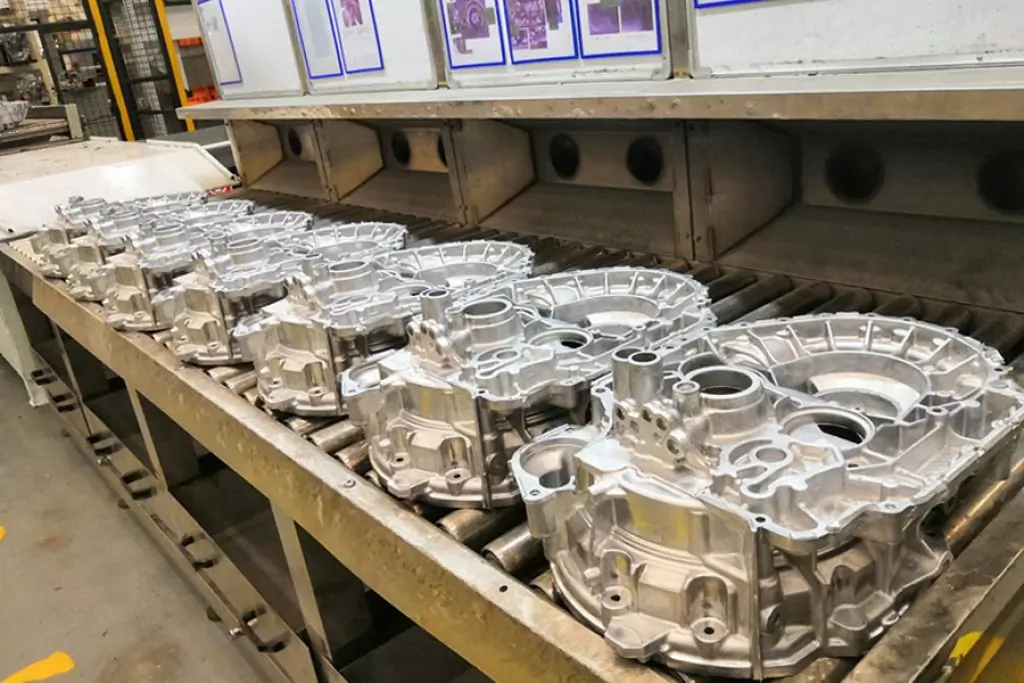
If you are looking for dependable volume manufacturing metal parts supplier with High pressure die casting service who offers you competitive price, good service and quality for aluminium die casting, zinc, or magnesium die casting, then BE-CU Prototype are surely a partner you are looking for to fulfill all your die casting needs. With quality service and state of art technology, BE-CU indeed claim in providing quality pressure die casting including aluminum/zamak/magnesium alloy castings to our customers all over the world.
To work with us,be-cu don’t just stop at taking your order and delivering your die casting products. be-cu are there for you at every step right from your preferred selection of aluminum die casting, Zamak die casting (Zamak 2, Zamak 3, Zamak 5, Zamak 8) or magnesium die casting products and services to post-order phase. In brief, once you become our customer, be-cu are with you every step on the way.
-
CNC Machining Gas Stove Bottom Joint
-
Gravity Die Casting Custom Street Light Heat Sink
-
Die Casting LED Canopy Lights Heatsink For Gas Station
-
Zinc Die Casting PA10 Transformer Connector Terminal
-
Die Casting Aluminium Cookware Chassis
-
Die Casting Wheels With Aluminum Alloy 5 Axis CNC Machining
-
Precision Machined Copper Die Casting Parts
-
Professional Small Baler Aluminum Alloy Die-casting Mold Production
-
China Die Casting Factory Manufactures Surface Sprayed Aluminum Valve Body
-
Extrusion Die-casting Polyurethane-Coated Aluminum Alloy Profiles
-
Custom Precision Aluminum Die Cast Brackets and Finishes
-
Extrusion Die-casting Magnesium Alloy Heat Sink Shell