
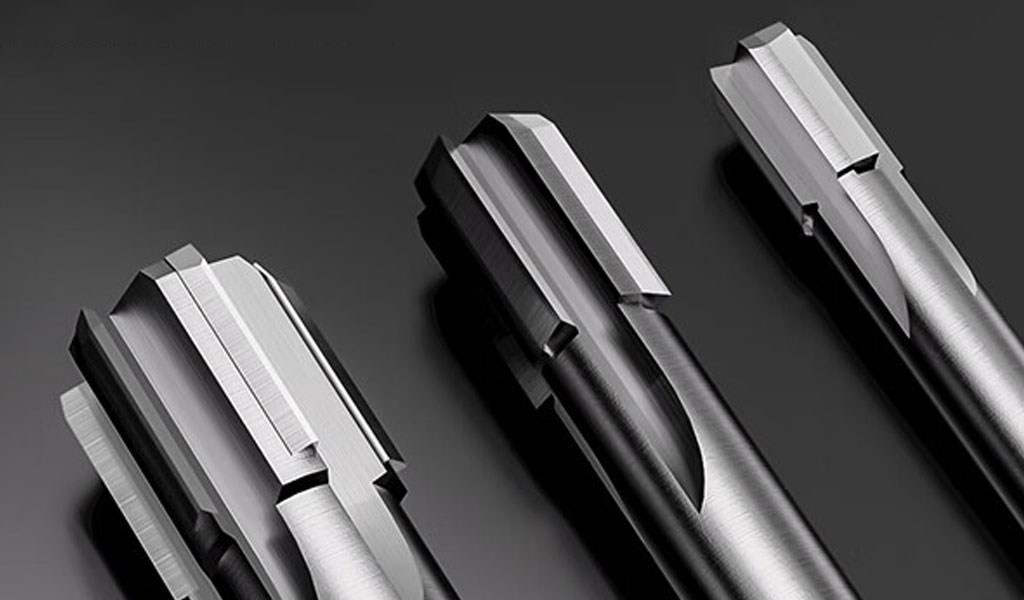
Reaming is a machining process that is used to enlarge and finish a hole to a precise diameter with a high degree of accuracy and surface finish. It typically follows the drilling process but may also follow other processes such as boring or tapping.
The key objective of reaming is to improve the hole quality by smoothing its surface, improving its dimensional accuracy, and achieving a more consistent finish across the hole’s length.
Reaming is an essential operation in industries requiring high precision, such as aerospace, automotive, medical, and manufacturing.
A reamer, on the other hand, is a cutting tool used in the reaming process. It is designed to remove small amounts of material from the sides of a pre-drilled or bored hole to refine its shape, diameter, and finish. Unlike other cutting tools like drills, which are used to create the hole initially, reamers are typically used to bring a hole to its final size and improve its characteristics after the initial formation. The reaming process can be done manually, mechanically, or with CNC machines, depending on the requirements of the job.
The Reaming Process
The process of reaming typically involves rotating the reamer inside the hole, which removes small amounts of material from the hole’s sides.
The operation can be performed at varying speeds and feeds, depending on the material being worked on, the reamer design, and the desired outcome. Reaming is commonly done with a slightly larger cutting tool compared to the hole’s diameter to ensure that only a minimal amount of material is removed.
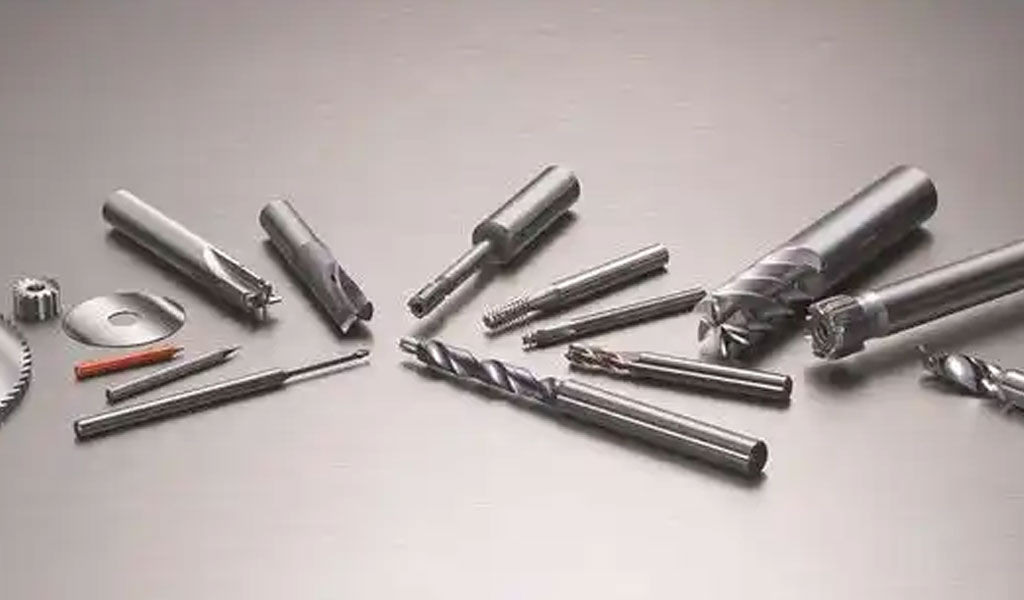
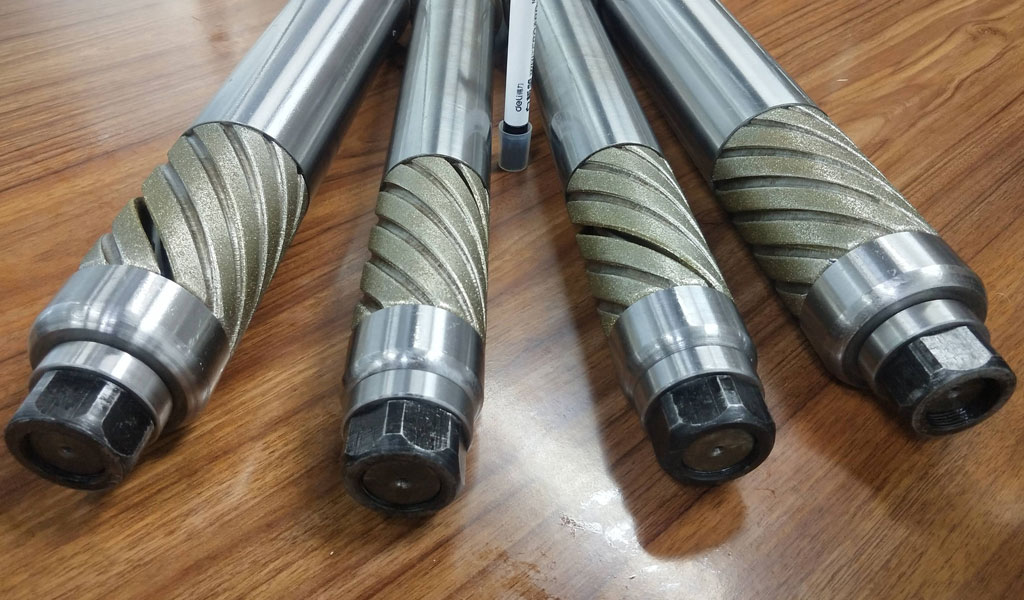
Reaming differs from other hole-finishing processes like drilling and boring because it is a more precise operation that focuses on improving the final quality of the hole rather than simply creating it.
A reamer is designed to produce a much smoother surface, tighter tolerances, and greater concentricity than other machining tools. The process can achieve tolerances as tight as ±0.001 inches (0.025 mm) or even better in some cases, making it an ideal operation for applications where accuracy is critical.Reaming is typically performed using either a hand reamer, a machine reamer, or a CNC reaming tool. The choice of reamer depends on several factors, including the size of the hole, the material being machined, and the level of precision required.
Types of Reamers
There are several different types of reamers, each designed for specific applications and requirements. The most common types of reamers include:
- Hand Reamers: These are manually operated tools typically used for smaller-scale operations or in situations where machine tools are not available. Hand reamers are commonly used for general-purpose reaming in applications where only moderate precision is required.
- Machine Reamers: These reamers are designed for use in industrial machines such as lathes, drills, and CNC machines. Machine reamers come in a variety of designs, with some being straight, while others feature spiral flutes or other geometries to enhance cutting efficiency.
- CNC Reamers: These are specialized reamers designed to be used with computer numerical control (CNC) machines. CNC reamers are highly precise and are typically used for high-volume manufacturing processes. The use of CNC technology ensures that the reaming operation is consistent, accurate, and repeatable, even when working with complex geometries.
- Carbide Reamers: Carbide reamers are made from tungsten carbide, a material known for its hardness and wear resistance. These reamers are ideal for high-performance applications, particularly when working with tough materials such as stainless steel, titanium, or hardened alloys.
- Adjustable Reamers: Adjustable reamers allow for fine adjustments to be made to the cutting diameter during the reaming process. This feature is useful when a specific hole diameter is required, and it allows for greater flexibility in machining.
- Expansion Reamers: Expansion reamers, also known as tapered reamers, are designed to expand holes that have been drilled to a smaller size. These reamers have a tapered cutting edge that increases the hole diameter while maintaining a smooth surface finish. This type of reamer is often used in applications where a precise fit is required, such as in bearing housings or precision bushings.
- Fluted Reamers: Fluted reamers have spiral grooves along their length, which allow for better chip removal during the reaming process. These reamers are ideal for high-speed operations and for use in materials that tend to produce long, stringy chips.
- Tapered Reamers: Tapered reamers have a slight taper to the cutting edge and are used to create conical holes or to improve the fit of tapered parts. They are often used in the aerospace industry for applications requiring precise tolerances.
Differences Between Reaming and Other Machining Processes
While reaming shares similarities with other machining processes such as drilling and boring, it is distinct in several important ways. Understanding these differences is essential when selecting the appropriate method for a given application.
- Drilling vs. Reaming: Drilling is the process of creating a hole in a material by rotating a drill bit, which removes material to create the desired hole size. Drilling typically leaves a rough surface finish and does not guarantee precise tolerances. Reaming, on the other hand, is performed after drilling and serves to refine the hole by removing small amounts of material to improve the finish and achieve tighter tolerances. While drilling is primarily used to create the hole, reaming is used to enhance the quality of that hole.
- Boring vs. Reaming: Boring is similar to reaming in that both processes are used to enlarge an existing hole. However, boring typically involves removing larger amounts of material compared to reaming, and is usually performed on larger holes. Reaming, by contrast, is a finer finishing operation that is used to achieve the final dimensions and surface finish of a hole. While boring may be used to achieve a rougher size, reaming ensures the hole reaches its exact dimensions with a smooth surface.
- Tapping vs. Reaming: Tapping involves creating internal threads within a hole to accommodate screws, bolts, or other threaded fasteners. Reaming, however, does not involve creating threads. While both processes can be performed on a hole after it has been drilled, tapping is focused on producing threads for fastening, while reaming focuses on improving the hole’s dimensional accuracy and surface finish.
Factors Affecting Reaming Quality
The quality of a reamed hole is influenced by several factors, which must be carefully considered to achieve the desired results. Some of the key factors affecting reaming quality include:
- Material Properties: The material being machined plays a significant role in determining the cutting parameters used during reaming. Softer materials, such as aluminum, require different reaming techniques compared to harder materials like steel or titanium. Carbide reamers are often used for hard materials, while high-speed steel (HSS) reamers are more suitable for softer materials.
- Reamer Design: The design of the reamer itself, including the number of cutting edges, flute geometry, and cutting angle, directly affects the quality of the reaming operation. A well-designed reamer ensures efficient material removal and minimizes the likelihood of tool wear, vibration, and other issues that can compromise hole quality.
- Cutting Parameters: The cutting speed, feed rate, and depth of cut must be optimized to achieve the best results. If the cutting speed is too high, it can lead to excessive heat generation, tool wear, and poor surface finish. Similarly, if the feed rate is too low, it can result in poor chip removal and a rough surface.
- Coolant Use: The use of coolant during reaming is essential to reduce heat buildup, improve surface finish, and prolong tool life. Coolant also helps in flushing away chips from the cutting zone, preventing them from interfering with the reaming process.
- Tool Condition: The condition of the reamer itself plays a crucial role in the success of the operation. A dull or worn-out reamer will result in poor surface finish, reduced accuracy, and shorter tool life. Regular inspection and maintenance of the reaming tool are essential to ensure consistent results.
Applications of Reaming
Reaming is used in a wide range of industries and applications, where high precision and quality are required. Some of the most common applications of reaming include:
- Aerospace: In aerospace manufacturing, reaming is critical for achieving the tight tolerances required in the production of structural components, such as fuselages, wings, and landing gear. The aerospace industry often uses reaming to produce holes for rivets, bolts, and fasteners that must fit together with high accuracy.
- Automotive: The automotive industry uses reaming to produce precise holes for engine components, transmission parts, suspension systems, and other critical elements. Reamed holes are often required for parts that must fit together with tight tolerances, such as bushings and bearings.
- Medical Device Manufacturing: In the production of medical devices, such as surgical instruments, implants, and diagnostic equipment, reaming is used to create precise holes that require a smooth finish and dimensional accuracy. For example, reaming is used to make the holes for screws in orthopedic implants or to refine the holes in catheters and other medical tubing.
- Tooling and Die Making: Reaming is commonly used in the tooling and die-making industries to create precise holes for ejector pins, alignment pins, and other features. These holes must have precise tolerances and smooth finishes to ensure that the parts produced are of high quality.
- Construction and Infrastructure: Reaming is used in construction and infrastructure applications for tasks such as creating holes for dowels, anchor bolts, and other fastening devices. Reamed holes are critical to ensuring the proper alignment and secure fastening of structural elements.
Conclusion
Reaming is a highly specialized machining operation that is crucial for achieving precise hole dimensions, smooth finishes, and tight tolerances. While it follows processes such as drilling or boring, it serves a unique purpose in improving the final quality of the hole. By understanding the types of reamers available, the factors affecting reaming quality, and the differences between reaming and other machining processes, manufacturers can achieve high-quality results in a wide variety of industries. As technology advances, reaming continues to be an essential technique for achieving the level of precision required in modern manufacturing.
The Detail Of BE-CU Cnc Machining Shop
BE-CU.COM – As an accomplished CNC machining Service Manufacturer and CNC shop, BE-CU Prototype has been specialized in OEM CNC lathing, custom CNC machining parts production and rapid CNC machining services China for over 35 years and always maintaining the highest standard in delivery speed and reliable quality of precision CNC manufacturing components. With the help of high-level technology and efficient equipment, as well as rigorous attitude, BE-CU passed the ISO9001:2015 quality certification, which supports the long-term development of CNC milling services, CNC turning services, CNC milling-turning, CNC drilling services, 3/4/5 axis machining, gear machining services, CNC machining China custom parts and service, small parts machining, etc.Our CNC machining products can be utilized in a broad range of industries. Contact us for email: [email protected]
-
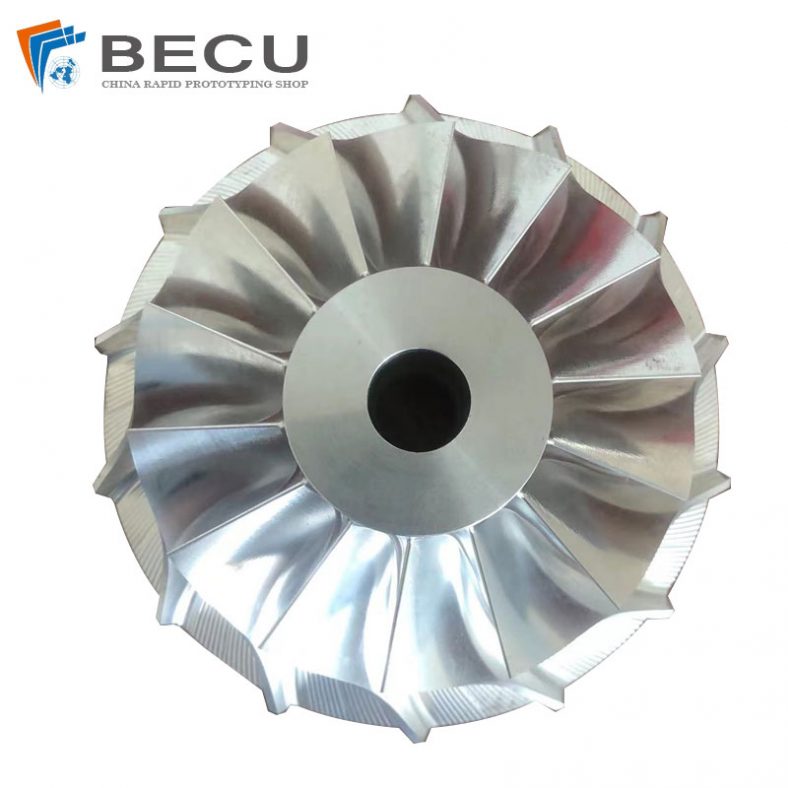
3-Way Centrifugal Compressor Closed Impeller By 5 Axis Machining
-
3/4/5 Axis Precision Milling Custom Vehicle Parts
-
3D Flexible Welding Platform By Large Machining
-
3D Printed Inconel Exhaust Manifold
-
3D Printing And CNC Machining Custom Black PPS Valve
-
3D Printing Full Transparent Acrylic Lampshade Model
-
4 Axis CNC Machining Titanium Grade 5 Mobile Phone Buttons
-
4 Axis Machining Highly Transparent Acrylic LED Tunnel Light Lens