
Resin molds are essential tools in various manufacturing and crafting processes, enabling the production of precise, high-quality components and products. These molds, typically made from materials such as silicone, epoxy, or polyurethane, are used in industries ranging from automotive and aerospace to jewelry making and art. The production of resin molds involves a series of intricate steps, each requiring careful consideration of material properties, mold design, and application requirements. This article provides a comprehensive exploration of the production methods for resin molds, detailing the processes, materials, techniques, and considerations involved. It aims to present a scientific and systematic overview suitable for both technical and general audiences.
What Is Resin Molds
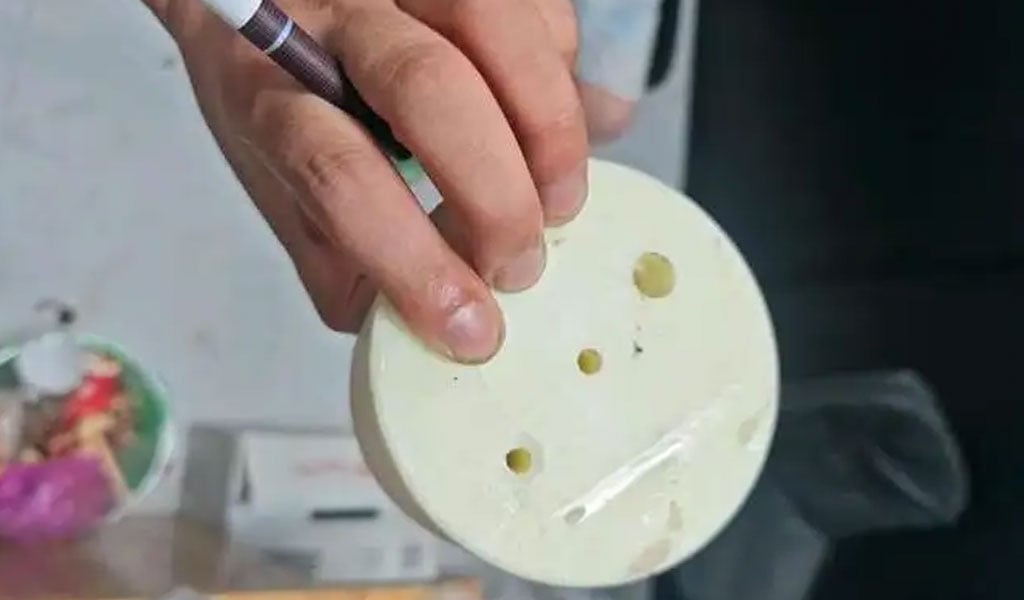
Resin molds are specialized tools used to shape liquid resin into solid forms during the curing process. These molds are critical in applications requiring precision, repeatability, and durability.
Resin molds are employed in casting processes to produce parts ranging from small decorative items to large industrial components. The choice of mold material and production method depends on factors such as the type of resin used, the complexity of the part, production volume, and desired mold lifespan.
The production of resin molds involves creating a negative impression of a master model, which is then used to cast multiple replicas. The mold must withstand the chemical and thermal properties of the resin, maintain dimensional accuracy, and allow for easy release of the cured part. Common mold materials include silicone rubber, polyurethane, and epoxy, each offering distinct advantages and limitations. The production process encompasses design, material selection, mold creation, and post-processing, with each step tailored to meet specific application needs.
This article delves into the detailed methodologies for producing resin molds, covering the types of molds, materials, manufacturing techniques, and quality control measures. It also includes comparative analyses through tables to highlight differences in materials, methods, and performance metrics.
Types of Resin Molds
Resin molds can be categorized based on their material composition, construction method, and intended application. Understanding the types of resin molds is crucial for selecting the appropriate production method.
Silicone Molds
Silicone molds are among the most widely used due to their flexibility, durability, and ease of use. Made from silicone rubber, these molds are ideal for casting intricate designs with undercuts, as their elasticity allows for easy demolding. Silicone molds are commonly used in low-volume production, prototyping, and crafting applications, such as jewelry and figurine casting.
Polyurethane Molds
Polyurethane molds are known for their toughness and abrasion resistance, making them suitable for high-volume production and industrial applications. These molds are less flexible than silicone but offer greater durability and resistance to wear, making them ideal for casting abrasive resins or producing large quantities of parts.
Epoxy Molds
Epoxy molds are rigid and highly durable, often used in applications requiring high precision and thermal stability. These molds are typically employed in industrial settings where complex geometries and high temperatures are involved. However, epoxy molds are less flexible, which can complicate demolding for intricate designs.
Composite and Hybrid Molds
Composite molds combine materials, such as silicone and rigid backing materials, to balance flexibility and strength. Hybrid molds may incorporate metal or plastic frameworks to enhance structural integrity for large-scale or high-pressure casting processes.
| Mold Type | Material | Flexibility | Durability | Typical Applications | Cost | Lifespan (Casts) |
|---|---|---|---|---|---|---|
| Silicone | Silicone Rubber | High | Moderate | Jewelry, Crafts, Prototyping | Low-Moderate | 20-100 |
| Polyurethane | Polyurethane | Low-Moderate | High | Industrial, High-Volume | Moderate | 100-500 |
| Epoxy | Epoxy Resin | Low | High | Precision Industrial Parts | High | 50-200 |
| Composite/Hybrid | Mixed Materials | Variable | High | Large-Scale, Complex Parts | High | 100-1000 |
Materials Used in Resin Mold Production
The choice of material for resin mold production is a critical decision that affects the mold’s performance, cost, and suitability for specific applications. The following sections explore the primary materials used and their properties.
Silicone Rubber
Silicone rubber is a versatile material available in various formulations, such as tin-cure and platinum-cure silicones. Tin-cure silicones are cost-effective and suitable for general-purpose molding, while platinum-cure silicones offer superior chemical resistance and longevity, making them ideal for casting aggressive resins like polyesters. Silicone’s flexibility allows it to capture fine details and facilitates demolding without release agents in many cases.
Polyurethane
Polyurethane mold materials are available in a range of hardness levels, from soft (Shore A) to rigid (Shore D). These materials are formulated to withstand repeated casting cycles and resist abrasion, making them suitable for high-volume production. Polyurethane molds require precise mixing and curing to achieve optimal properties.
Epoxy Resin
Epoxy resins used for mold-making are typically reinforced with fillers, such as aluminum powder or glass fibers, to enhance strength and thermal stability. These molds are ideal for high-temperature resins and applications requiring tight tolerances. However, epoxy molds are prone to cracking under stress and may require release agents for demolding.
Additives and Fillers
Additives, such as thixotropic agents, accelerators, and inhibitors, are often incorporated into mold materials to modify their properties. Fillers like silica, calcium carbonate, or metal powders improve dimensional stability, thermal conductivity, and wear resistance. The choice of additives depends on the casting resin and production requirements.
| Material | Hardness (Shore) | Tensile Strength (MPa) | Tear Resistance (kN/m) | Thermal Stability (°C) | Chemical Resistance | Cost per kg ($) |
|---|---|---|---|---|---|---|
| Tin-Cure Silicone | 10-40 A | 3-6 | 15-30 | Up to 200 | Moderate | 10-20 |
| Platinum-Cure Silicone | 10-50 A | 5-10 | 20-40 | Up to 250 | High | 20-40 |
| Polyurethane | 30 A-80 D | 10-50 | 20-60 | Up to 120 | High | 15-30 |
| Epoxy Resin | 70-90 D | 50-80 | Low | Up to 150 | Moderate-High | 25-50 |
Mold Design Considerations
Designing a resin mold requires careful planning to ensure functionality, durability, and ease of use. Key considerations include the master model, mold structure, and casting requirements.
Master Model Preparation
The master model, or pattern, serves as the template for the mold. It must be dimensionally accurate and made from a material compatible with the mold-making process. Common master materials include wood, plastic, metal, or 3D-printed polymers. The surface of the master is often polished or coated to achieve a smooth finish in the mold.
Mold Structure
Molds can be designed as single-piece (open) or multi-piece (closed) structures. Single-piece molds are simpler and suitable for flat or simple shapes, while multi-piece molds are used for complex geometries with undercuts. The mold structure must account for parting lines, draft angles, and venting to ensure proper resin flow and air escape during casting.
Shrinkage and Dimensional Accuracy
Resin molds must compensate for material shrinkage during curing. Silicone molds, for example, may shrink by 0.1-2%, depending on the formulation. Designers incorporate shrinkage allowances into the master model or mold design to maintain dimensional accuracy.
Release Agents and Surface Treatments
Release agents, such as silicone sprays or wax-based coatings, are applied to molds to facilitate demolding. Some mold materials, like platinum-cure silicone, have inherent release properties, reducing the need for external agents. Surface treatments, such as polishing or texturing, can also enhance mold performance.
Production Methods for Resin Molds
The production of resin molds involves several distinct methods, each suited to specific applications and production scales. The following sections outline the primary techniques used in mold fabrication.
Hand Lay-Up Method
The hand lay-up method is a manual process commonly used for silicone molds. The mold material is mixed, degassed to remove air bubbles, and poured over the master model in a mold box. The material is allowed to cure at room temperature or with mild heating, depending on the formulation. This method is cost-effective and suitable for low-volume production or prototyping.
Steps in Hand Lay-Up:
- Prepare the master model and secure it in a mold box.
- Mix the mold material (e.g., silicone or polyurethane) according to manufacturer specifications.
- Degas the mixture in a vacuum chamber to remove air bubbles.
- Pour the material over the master, ensuring complete coverage.
- Allow the mold to cure, typically for 4-24 hours.
- Demold the master and trim excess material.
Advantages: Low cost, simple equipment, suitable for intricate designs. Limitations: Labor-intensive, limited to small-scale production.
Vacuum Casting Method
Vacuum casting is used for high-precision molds, particularly polyurethane and epoxy molds. The process involves placing the master model in a vacuum chamber, where the mold material is poured under vacuum to eliminate air entrapment. This method produces molds with superior surface finish and dimensional accuracy.
Steps in Vacuum Casting:
- Prepare the master model and place it in a vacuum chamber.
- Mix and degas the mold material.
- Pour the material into the mold box under vacuum.
- Cure the mold, often with heat to accelerate the process.
- Demold and post-process the mold.
Advantages: High precision, minimal air bubbles, suitable for complex geometries. Limitations: Requires specialized equipment, higher cost.
Injection Molding for Molds
For high-volume mold production, injection molding can be used to create polyurethane or epoxy molds. The mold material is injected into a metal mold cavity under high pressure, ensuring rapid production and consistent quality. This method is typically used for industrial applications requiring large quantities of molds.
Steps in Injection Molding:
- Design and fabricate a metal mold cavity.
- Mix and preheat the mold material.
- Inject the material into the mold cavity under high pressure.
- Cool and cure the mold.
- Eject the mold and perform finishing operations.
Advantages: High throughput, consistent quality, suitable for mass production. Limitations: High initial cost for metal mold fabrication, limited to rigid materials.
3D Printing for Mold Production
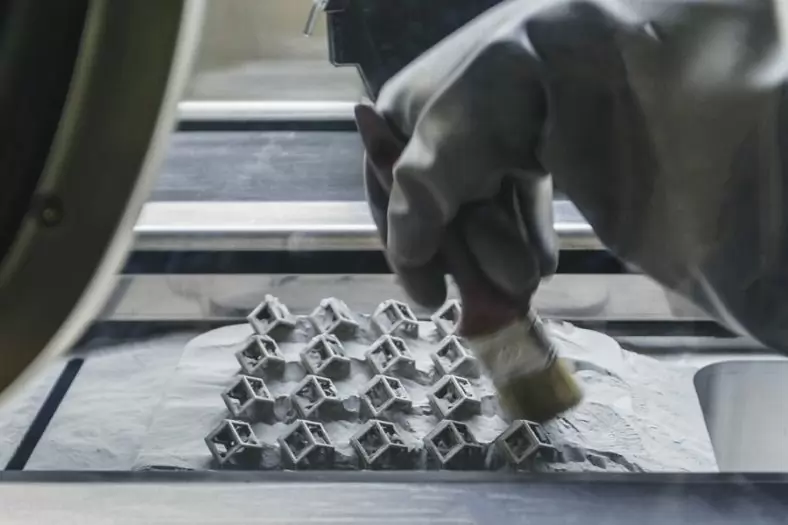
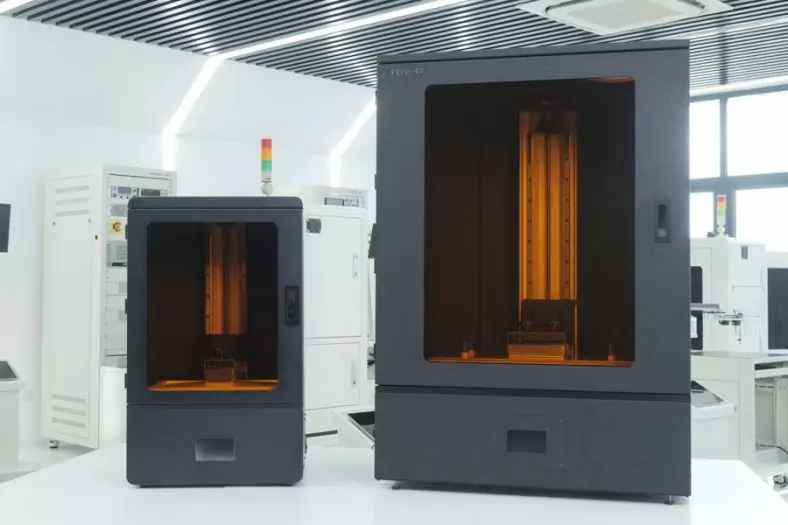
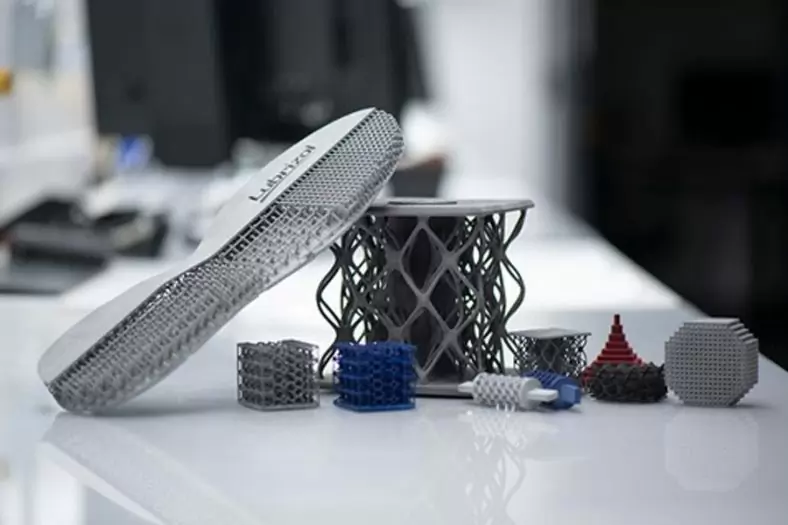
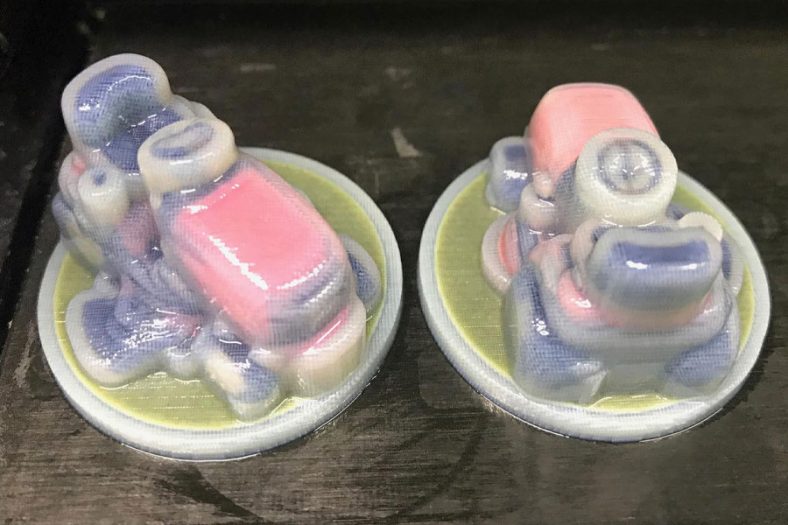
Advancements in additive manufacturing have enabled the use of 3D printing for mold production. Resin-based 3D printers, such as stereolithography (SLA) or digital light processing (DLP), can create molds directly or produce master models for traditional molding. 3D-printed molds are ideal for prototyping and small-batch production.
Steps in 3D Printing:
- Design the mold or master model using CAD software.
- Print the mold or master using a resin-based 3D printer.
- Post-process the print (e.g., cleaning, curing, polishing).
- Use the printed mold directly or as a master for casting.
Advantages: Rapid prototyping, complex geometries, customizable designs. Limitations: Limited material options, potential for lower durability.
| Method | Equipment Cost | Production Speed | Precision | Scalability | Typical Materials |
|---|---|---|---|---|---|
| Hand Lay-Up | Low | Slow | Moderate | Low-Volume | Silicone, Polyurethane |
| Vacuum Casting | Moderate-High | Moderate | High | Low-Medium Volume | Polyurethane, Epoxy |
| Injection Molding | High | Fast | High | High-Volume | Polyurethane, Epoxy |
| 3D Printing | Moderate | Moderate | High | Low-Volume | Photopolymer Resins |
Curing and Post-Processing
After the mold material is applied to the master, it undergoes curing to achieve its final properties. Post-processing steps ensure the mold is ready for use.
Curing Processes
Curing times and conditions vary by material:
- Silicone Molds: Cure at room temperature (4-24 hours) or with heat (1-2 hours at 50-80°C).
- Polyurethane Molds: Require 12-48 hours at room temperature or 2-6 hours with heat.
- Epoxy Molds: Typically cured at elevated temperatures (80-120°C) for 4-12 hours to enhance strength.
Post-Processing Techniques
- Trimming: Excess material is removed using cutting tools.
- Surface Treatment: Polishing or texturing to achieve desired surface finish.
- Reinforcement: Adding rigid backing or frames to enhance structural integrity.
- Inspection: Checking for defects, such as air bubbles or incomplete curing.
Quality Control and Testing
Ensuring the quality of resin molds is critical to their performance. Quality control measures include dimensional verification, material testing, and performance evaluation.
Dimensional Verification
Molds are measured using precision tools, such as calipers or coordinate measuring machines (CMM), to ensure they meet design specifications. Shrinkage and warpage are assessed to confirm dimensional accuracy.
Material Testing
Tests, such as hardness (Shore scale), tensile strength, and tear resistance, verify the mold material’s properties. Chemical resistance is evaluated by exposing the mold to the intended casting resin.
Performance Testing
Trial castings are performed to assess mold performance, including release properties, surface finish, and durability. Molds are subjected to repeated casting cycles to determine their lifespan.
| Metric | Test Method | Acceptable Range | Purpose |
|---|---|---|---|
| Dimensional Accuracy | CMM, Calipers | ±0.01-0.1 mm | Ensure mold meets specifications |
| Hardness | Shore Durometer | Varies by material | Verify material strength |
| Tear Resistance | ASTM D624 | 15-60 kN/m | Assess durability |
| Chemical Resistance | Exposure Testing | No degradation after 24 hr | Ensure compatibility with resin |
| Mold Lifespan | Cycle Testing | 20-1000 casts | Evaluate durability |
Applications of Resin Molds
Resin molds are used across a wide range of industries, each with specific requirements for mold performance.
Industrial Manufacturing
In automotive, aerospace, and electronics industries, resin molds are used to produce components such as dashboards, housings, and connectors. Polyurethane and epoxy molds are preferred for their durability and precision.
Art and Craft
Silicone molds dominate the art and craft sector, used for creating jewelry, sculptures, and decorative items. Their flexibility and ease of use make them ideal for hobbyists and small-scale producers.
Medical and Dental
Resin molds are used to create dental models, prosthetics, and medical device components. High-precision epoxy or polyurethane molds are often employed to meet stringent regulatory standards.
Prototyping
3D-printed and silicone molds are widely used in prototyping to create functional models for testing and design validation.
Challenges in Resin Mold Production
Producing resin molds involves several challenges that must be addressed to ensure quality and performance.
Air Entrapment
Air bubbles trapped during mixing or pouring can weaken the mold and affect surface quality. Vacuum degassing is commonly used to mitigate this issue.
Material Compatibility
The mold material must be compatible with the casting resin to prevent chemical reactions or degradation. For example, polyester resins can damage tin-cure silicone molds.
Mold Wear
Repeated casting cycles can cause wear, particularly in molds used with abrasive resins. Selecting durable materials and applying proper maintenance can extend mold life.
Cost Considerations
High-precision methods, such as injection molding, involve significant upfront costs for equipment and mold fabrication, which may not be feasible for low-volume production.
Advances in Resin Mold Technology
Recent advancements have improved the efficiency and capabilities of resin mold production.
Automated Mold Production
Automation, including robotic mixing and pouring systems, has increased production speed and consistency, particularly for high-volume applications.
Advanced Materials
New formulations of silicone and polyurethane offer improved tear resistance, chemical compatibility, and thermal stability, expanding the range of applications for resin molds.
Digital Design and Simulation
Computer-aided design (CAD) and simulation tools allow for precise mold design and performance prediction, reducing trial-and-error in the production process.
Sustainable Practices
Eco-friendly mold materials, such as bio-based resins, and recycling programs for used molds are gaining traction to reduce environmental impact.
Conclusion
The production of resin molds is a complex process that requires careful consideration of materials, methods, and application requirements. From silicone molds for crafting to polyurethane and epoxy molds for industrial applications, each type offers unique advantages and challenges. The choice of production method—whether hand lay-up, vacuum casting, injection molding, or 3D printing—depends on factors such as production volume, precision needs, and budget constraints. Advances in materials, automation, and digital tools continue to enhance the efficiency and capabilities of resin mold production, making it an indispensable part of modern manufacturing and creative industries.
By understanding the intricacies of resin mold production, manufacturers and artisans can optimize their processes to achieve high-quality, cost-effective results. This comprehensive exploration, supported by detailed comparisons, provides a foundation for further research and practical application in the field of resin mold technology.
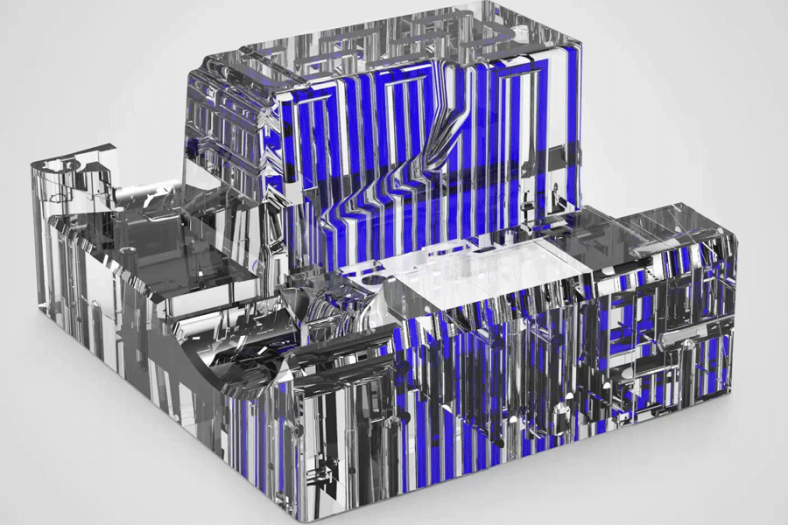
The Detail Of BE-CU 3D Printing Company
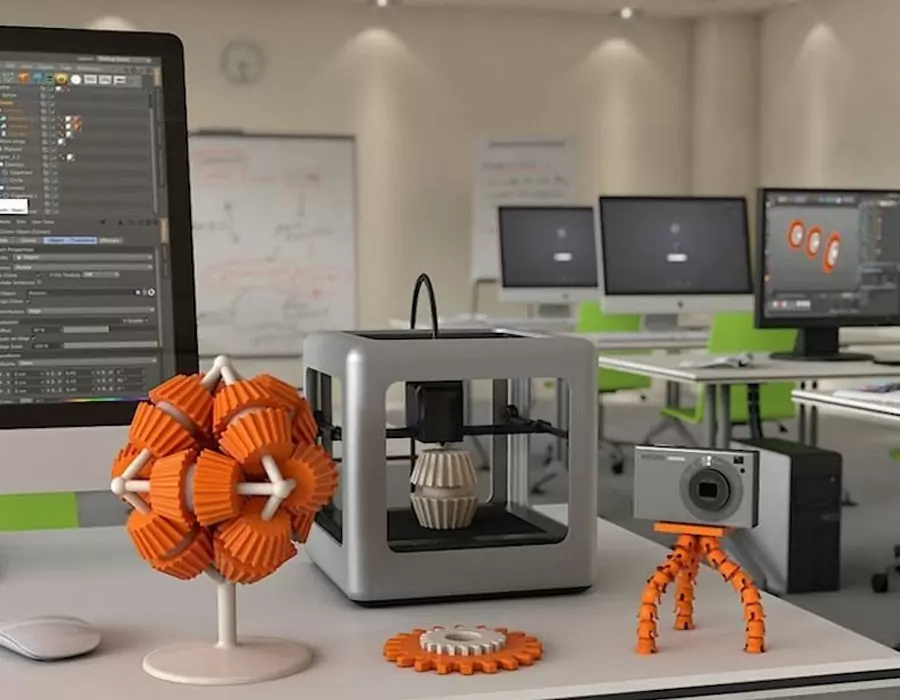
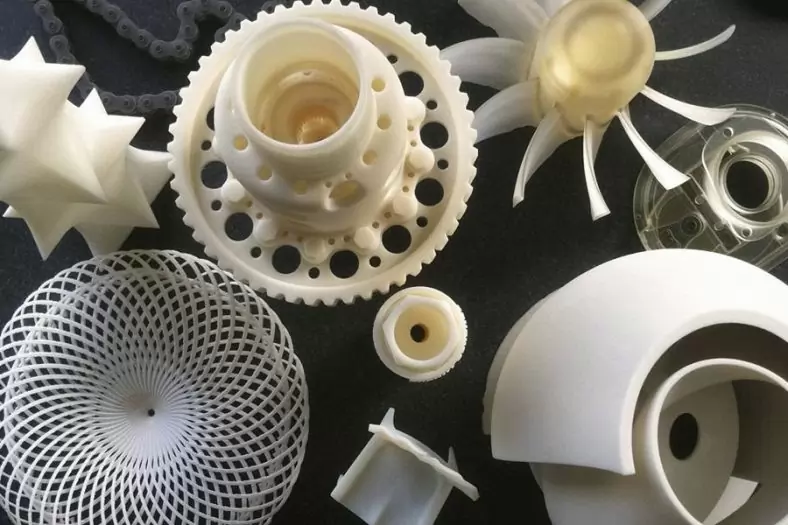
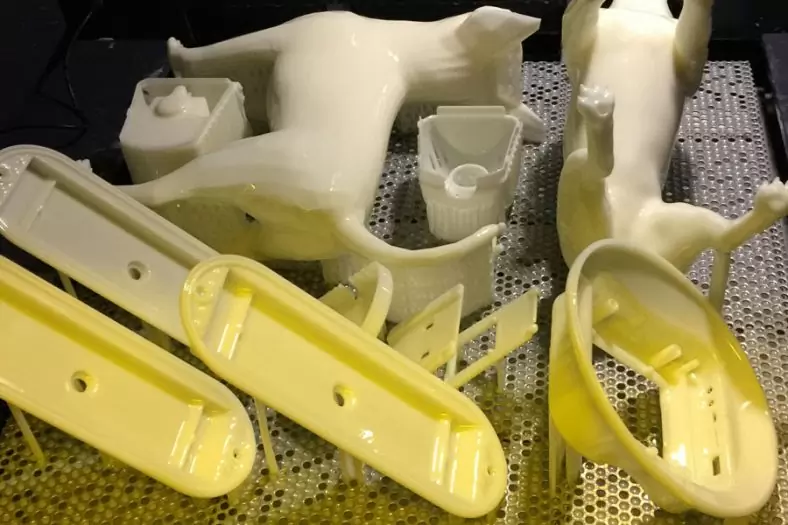
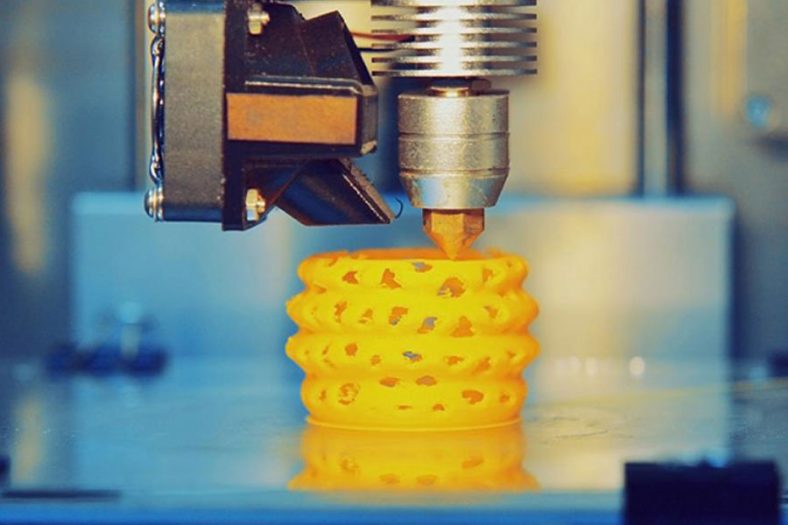
BE-CU.COM offers online 3D printing services for rapid prototyping and production in volume. Our clients are across a wide variety of industries and companies, including automotive, construction, aerospace, defense, electronics, machinery, industrial automation, medical, healthcare, consumer production, oil & gas, etc. Accelerate your product development and manufacturing process with our industry-leading metal & plastic 3D printing service and 3D printed parts. We’ll find the best 3D printing solution for your projects, to lower your cost and shorten the lead time based on your needs, while maintaining the quality. From 3D prototyping to end-use parts production, multiple materials are available for custom 3D printing parts. Need an alternative to the traditional solution? Submit your 3D CAD file to get an online quotation quickly. Our 3D printing service ensures accuracy and speed. We can help you choose the most appropriate technology and material to match your applications or request.
-
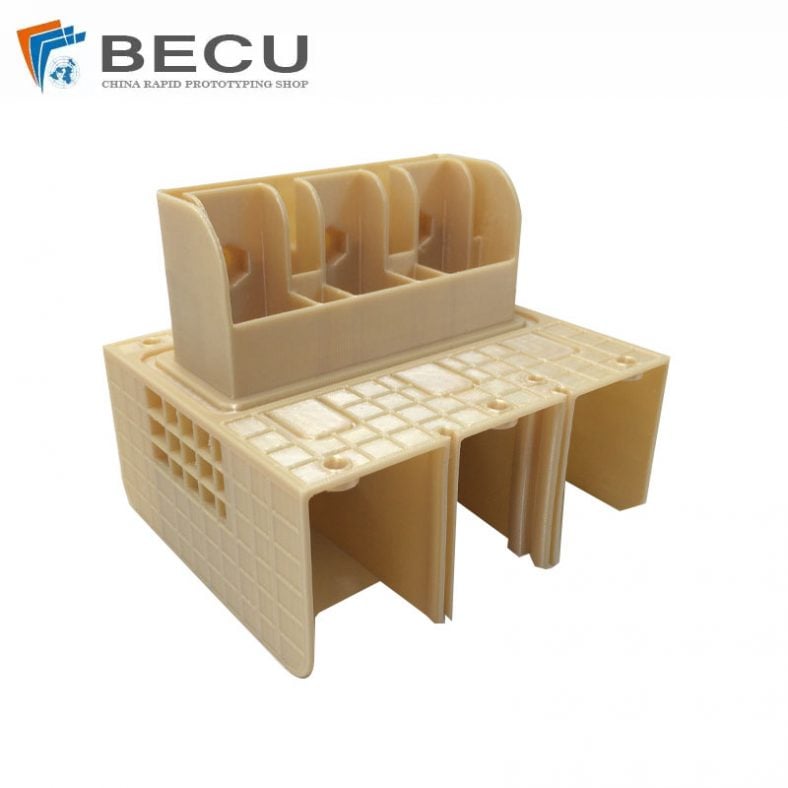
FDM 3D Printing Ultra-High Voltage Strong Electrical Connector
-

3D Printed Jet Engine Model
-
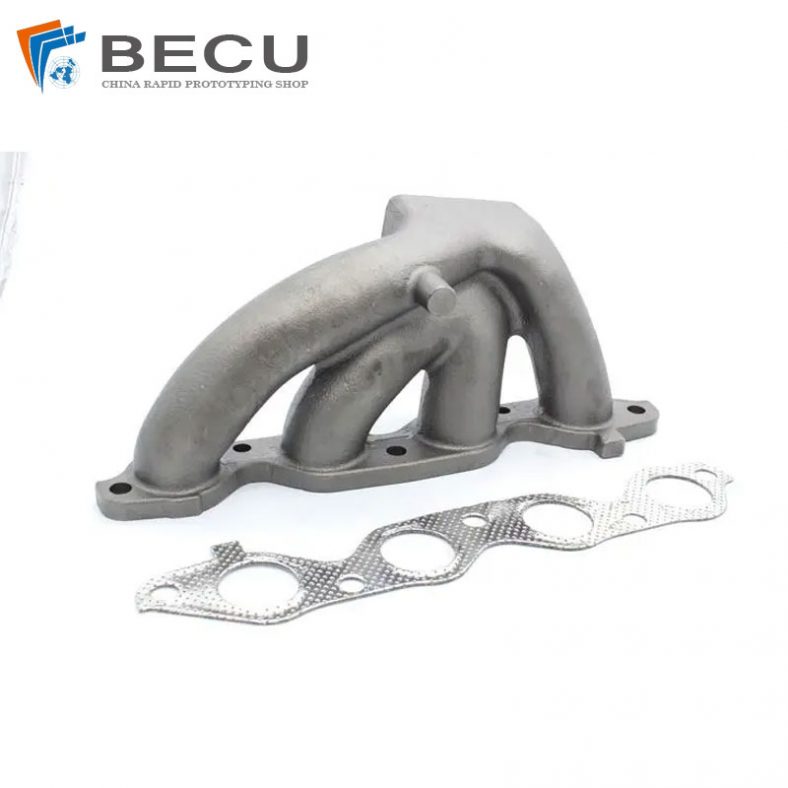
3D Printed Inconel Exhaust Manifold
-

3D Printed Black Myth: Wukong Model
-
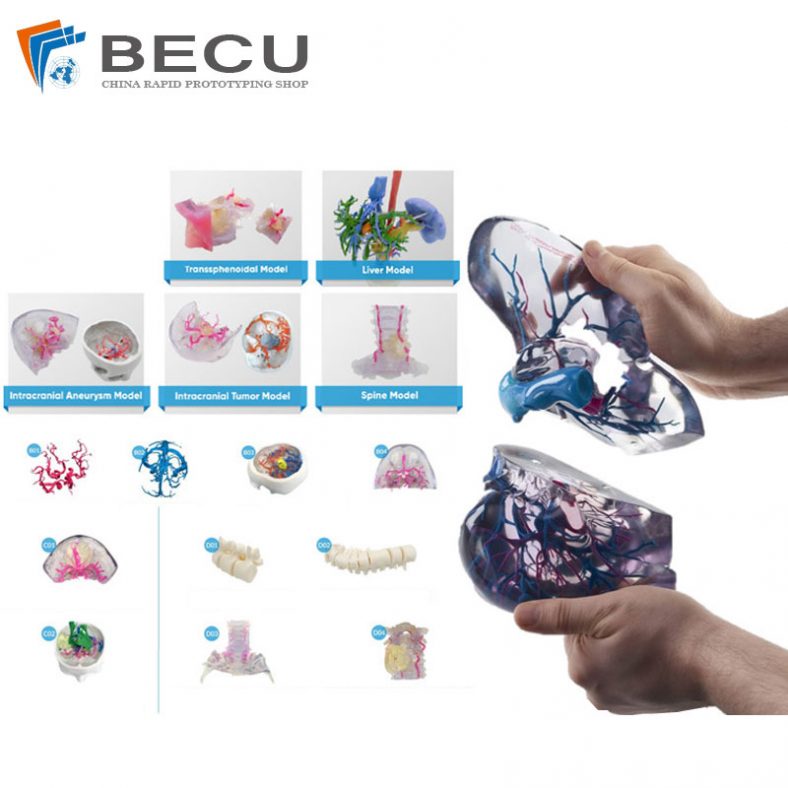
Omni-Directional Surgical Planning Medical Models
-
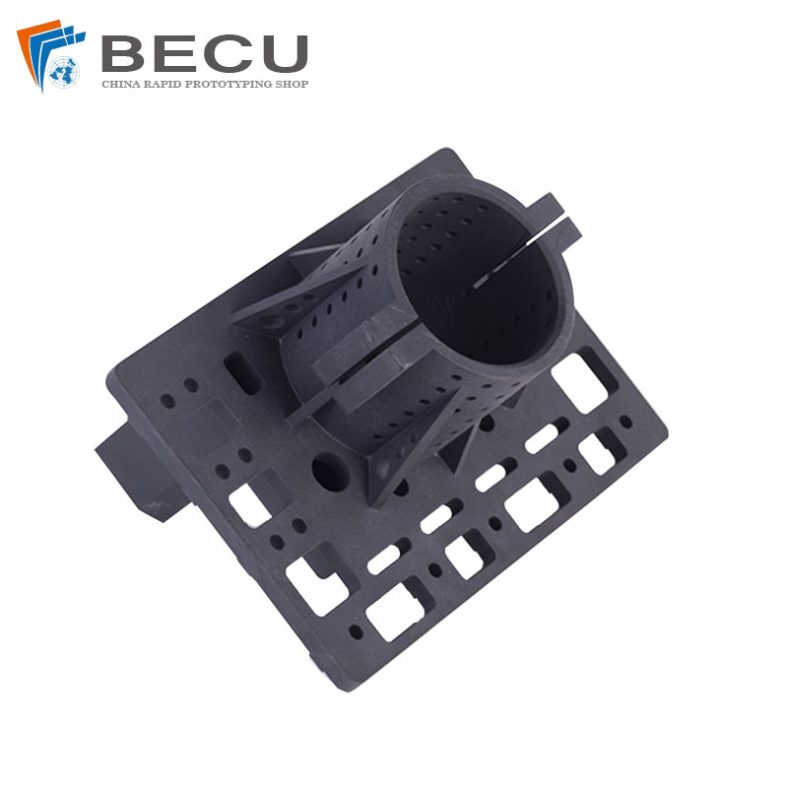
3D Printing Pool Pressure Cleaner Parts and Accessories
-
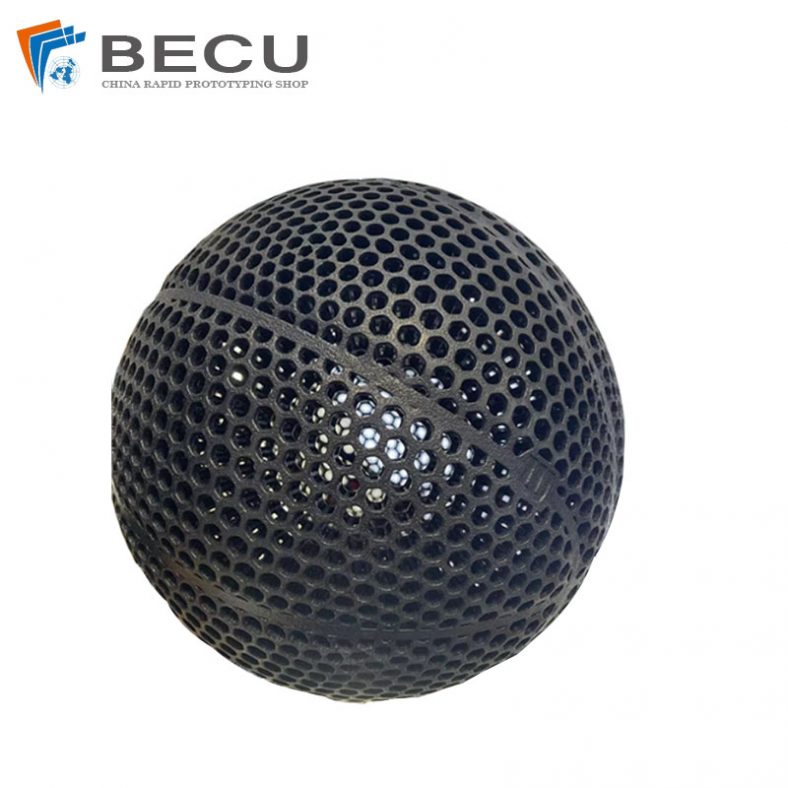
Nylon 3D Printed Size 5 Basketball
-
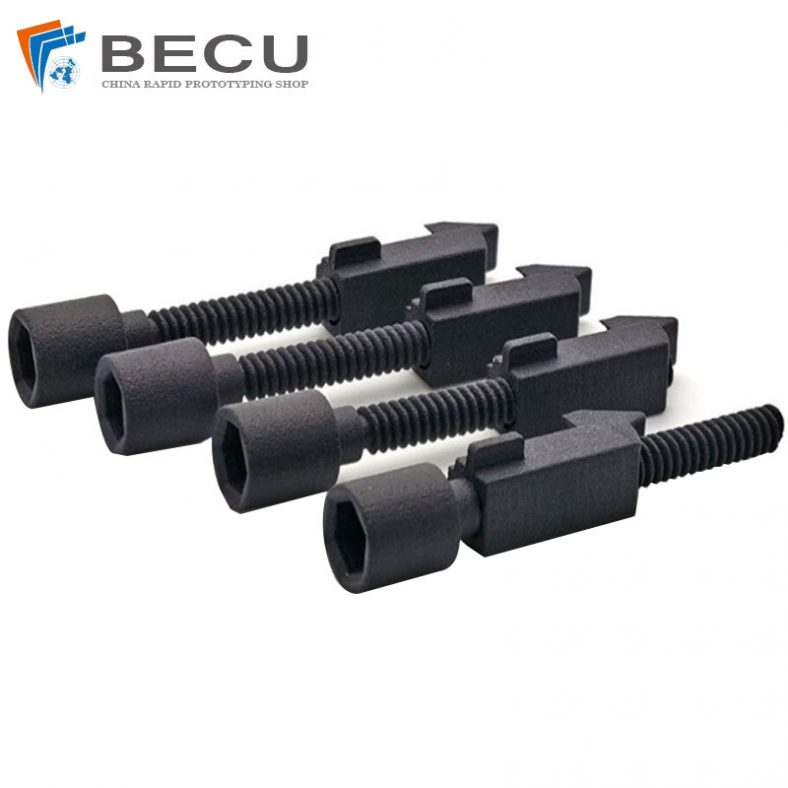
Black Nylon Medical Threaded Screw By MJF 3D Printing