
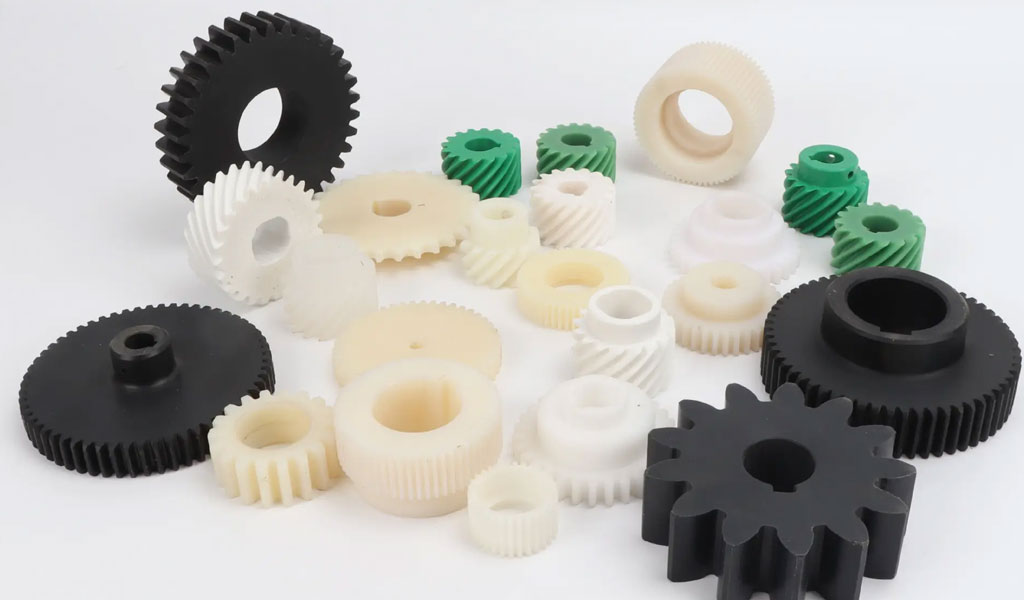
Gears, as fundamental components of mechanical systems, play an essential role in transmitting motion and force between machine elements.
Traditionally, gears were crafted from metal, a material known for its strength, durability, and ability to withstand high loads.
However, with advancements in material science, synthetic resins have emerged as an alternative to metals in gear manufacturing, particularly in applications where weight reduction, cost efficiency, noise reduction, and ease of production are critical factors.
The use of resins in gears is a part of the broader trend of using polymer materials in engineering applications, a trend that has revolutionized industries ranging from automotive to robotics. This article explores the different types of resins used for gears, their properties, advantages, and the industries that rely on resin-based gears.
Resins Used for Gears
There are various types of resins used in gear manufacturing, each offering distinct characteristics suited to specific requirements. The most common resins used for gears include thermoplastic and thermosetting polymers. These resins differ in their chemical composition, physical properties, and manufacturing processes, and their selection depends on the application’s demands, such as mechanical load, temperature resistance, chemical exposure, and production volume.
1. Nylon (Polyamide)
Nylon, or polyamide (PA), is one of the most widely used resins for gear production. Known for its excellent mechanical properties, such as high tensile strength, low friction, and wear resistance, nylon is an ideal material for gears that need to withstand moderate loads in high-volume production applications. Nylon gears are commonly used in the automotive, electronics, and consumer goods industries.
Properties of Nylon:
- Strength and Durability: Nylon offers a high degree of strength and impact resistance, making it suitable for gears that must endure repetitive stress and sudden load changes.
- Low Friction Coefficient: One of the key advantages of nylon is its low coefficient of friction, which reduces wear and tear, increases efficiency, and reduces the need for lubrication in many applications.
- Self-Lubricating: Nylon has natural lubrication properties, which contribute to smooth gear operation and further minimize the need for external lubrication.
- Moisture Absorption: A downside of nylon is its tendency to absorb moisture, which can lead to dimensional changes and reduced mechanical properties in humid environments.
Applications: Nylon gears are used in automotive components such as window regulators, power steering systems, and cooling fans, as well as in household appliances, office equipment, and other mechanical systems that require lightweight and durable gears.
2. Acetal (Polyoxymethylene, POM)
Acetal, also known as polyoxymethylene (POM), is another widely used thermoplastic resin in gear manufacturing. Known for its excellent dimensional stability, high stiffness, and low friction, acetal is particularly effective in high-precision applications where tight tolerances and high wear resistance are crucial.
Properties of Acetal:
- High Strength and Stiffness: Acetal provides a combination of strength and rigidity, making it suitable for gears that operate under higher loads and demanding conditions.
- Low Friction and Wear Resistance: Like nylon, acetal has low frictional properties and high wear resistance, which contribute to its longevity and efficient performance in gear systems.
- Good Dimensional Stability: Acetal resins exhibit excellent dimensional stability, particularly in varying temperature and humidity conditions. This is critical for gears that must maintain precise tooth profiles and gear meshing.
- Chemical Resistance: Acetal is resistant to many chemicals, including oils, fuels, and solvents, which makes it ideal for applications in automotive and industrial systems.
Applications: Acetal gears are commonly used in precision instruments, robotics, automotive applications (such as steering systems and engine components), and industrial machinery that require high strength, precision, and wear resistance.
3. Polycarbonate (PC)
Polycarbonate is a tough, high-performance thermoplastic known for its impact resistance, optical clarity, and ability to withstand extreme conditions. While not as widely used as nylon or acetal for gears, polycarbonate finds application in specific instances where high transparency or extreme toughness is required.
Properties of Polycarbonate:
- High Impact Resistance: Polycarbonate is well-known for its high impact strength, making it suitable for gears that need to operate in environments where sudden shocks or impacts are likely.
- Dimensional Stability: Polycarbonate maintains its shape and mechanical properties over a wide range of temperatures.
- Transparency: Although not a key feature for gears, polycarbonate’s optical properties make it useful in specialized applications where visibility or transparency is required.
- Moderate Wear Resistance: Polycarbonate does not offer the same level of wear resistance as nylon or acetal, but it can be used in light-duty applications where wear is not a significant concern.
Applications: Polycarbonate gears are used in electronic devices, automotive systems, and some specialty machinery where impact resistance and toughness are required, particularly in environments where clarity or specific optical properties are needed.
4. Polyethylene (PE)
Polyethylene, particularly high-density polyethylene (HDPE) and ultra-high-molecular-weight polyethylene (UHMWPE), is used in gear applications that require chemical resistance, low friction, and excellent wear properties. Polyethylene resins are typically used for gears in low-load, low-speed applications, but they offer certain benefits in specific industrial sectors.
Properties of Polyethylene:
- Low Friction: Polyethylene exhibits a low coefficient of friction, making it ideal for gears that need to operate smoothly with minimal lubrication.
- Good Chemical Resistance: Polyethylene is highly resistant to chemicals, including acids, bases, and solvents, which makes it suitable for gears in industries where exposure to harsh chemicals is common.
- Wear Resistance: HDPE and UHMWPE offer decent wear resistance, although they may not perform as well as acetal or nylon in high-load or high-speed applications.
- Lightweight: Polyethylene is a very lightweight material, which makes it beneficial in applications where weight reduction is important.
Applications: Polyethylene gears are often used in food processing, chemical handling, and material handling equipment, where chemical resistance and low friction are critical, but the load requirements are relatively low.
5. Polyurethane (PU)
Polyurethane is a versatile resin that is used for gears requiring high flexibility, abrasion resistance, and load-bearing capacity. It can be formulated to offer a broad range of hardness values, making it adaptable for different gear applications.
Properties of Polyurethane:
- High Wear and Abrasion Resistance: Polyurethane has excellent resistance to wear, making it suitable for gears that operate in harsh conditions and need to endure constant friction.
- Flexibility: Polyurethane offers flexibility and resilience, which allows gears made from this material to absorb shocks and vibrations.
- Load-Bearing Capacity: Depending on the formulation, polyurethane can handle moderate to high loads, making it ideal for gears in both light-duty and heavy-duty applications.
- Noise Reduction: Polyurethane gears are known for their ability to reduce noise, which is a desirable property in applications requiring quiet operation.
Applications: Polyurethane gears are used in applications such as industrial machinery, automotive systems, and material handling equipment, particularly in systems where noise reduction and wear resistance are critical factors.
6. Polyphenylene Sulfide (PPS)
Polyphenylene sulfide (PPS) is a high-performance thermoplastic resin that is known for its excellent thermal stability, chemical resistance, and dimensional stability. Although more expensive than other resins, PPS is used in specialized gear applications where extreme conditions are encountered.
Properties of PPS:
- High Temperature Resistance: PPS can withstand elevated temperatures (up to 260°C), making it suitable for gears that must perform in hot environments.
- Chemical and Wear Resistance: PPS offers superior chemical resistance and low wear, making it ideal for gears used in harsh chemical processing applications.
- Dimensional Stability: PPS maintains its shape and mechanical properties even when exposed to high temperatures or aggressive chemicals.
Applications: PPS is used in gears that must operate under extreme conditions, such as in the automotive, aerospace, and chemical processing industries.
Advantages of Resin-Based Gears
Resin-based gears offer a range of advantages compared to traditional metal gears, particularly in specialized applications where performance, cost, and weight are crucial factors. Some of the key advantages include:
- Weight Reduction: Resins are significantly lighter than metals, which makes resin-based gears ideal for applications where weight is a concern, such as in automotive or aerospace industries.
- Lower Noise and Vibration: Many resins, such as polyurethane and nylon, are known for their ability to dampen noise and vibration, making them suitable for applications where quiet operation is essential.
- Cost-Effective Production: The molding processes used for resins, such as injection molding, are generally more cost-effective than traditional metal machining, especially for high-volume production runs.
- Ease of Manufacturing: Resin gears can be molded into complex shapes with tight tolerances, which reduces the need for post-processing and enhances the overall precision and efficiency of production.
- Lubrication-Free Operation: Many resins have inherent self-lubricating properties, reducing the need for external lubrication systems and lowering maintenance costs.
Challenges of Resin-Based Gears
While resin-based gears offer numerous advantages, they also face some challenges that limit their use in certain applications. These include:
- Lower Load-Bearing Capacity: Resins generally have lower strength and load-bearing capacity compared to metals, making them less suitable for high-load applications.
- Moisture Absorption: Some resins, such as nylon, can absorb moisture, which may lead to dimensional changes and loss of mechanical properties in humid environments.
- Temperature Sensitivity: Many resins have limited high-temperature resistance compared to metals, making them unsuitable for extreme thermal environments without modification.
- Wear Resistance Limitations: While many resins offer good wear resistance, they may not perform as well as metals in heavy-duty applications with high friction and stress.
Conclusion
Resins are increasingly being used in the production of gears due to their lightweight, cost-effective nature and favorable properties such as low friction, good wear resistance, and the ability to be molded into complex shapes. Common resins used for gears include nylon, acetal, polycarbonate, polyethylene, polyurethane, and polyphenylene sulfide, each of which offers distinct advantages for different applications. While resin-based gears may not be suitable for all high-performance applications, they are a valuable option in industries that prioritize cost, weight reduction, and noise reduction. With further advancements in material science and polymer technology, the use of resin-based gears is likely to expand in the coming years, offering innovative solutions across a range of mechanical and industrial systems.
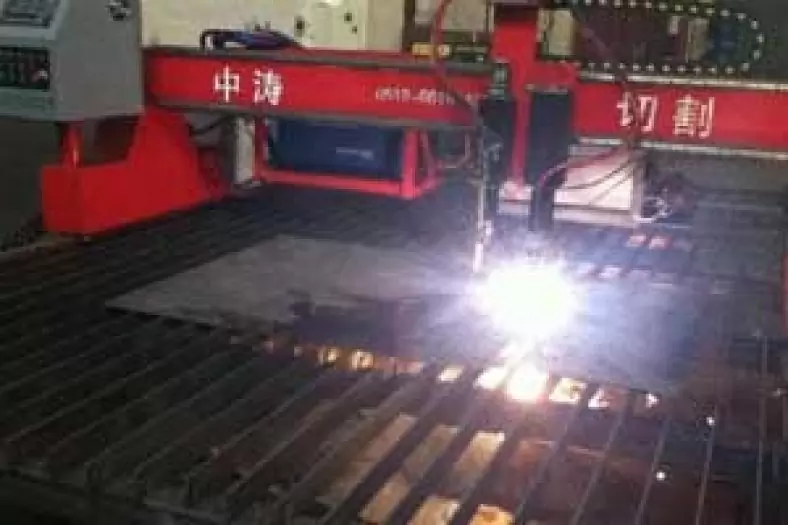
The Detail Of BE-CU Cnc Machining Shop
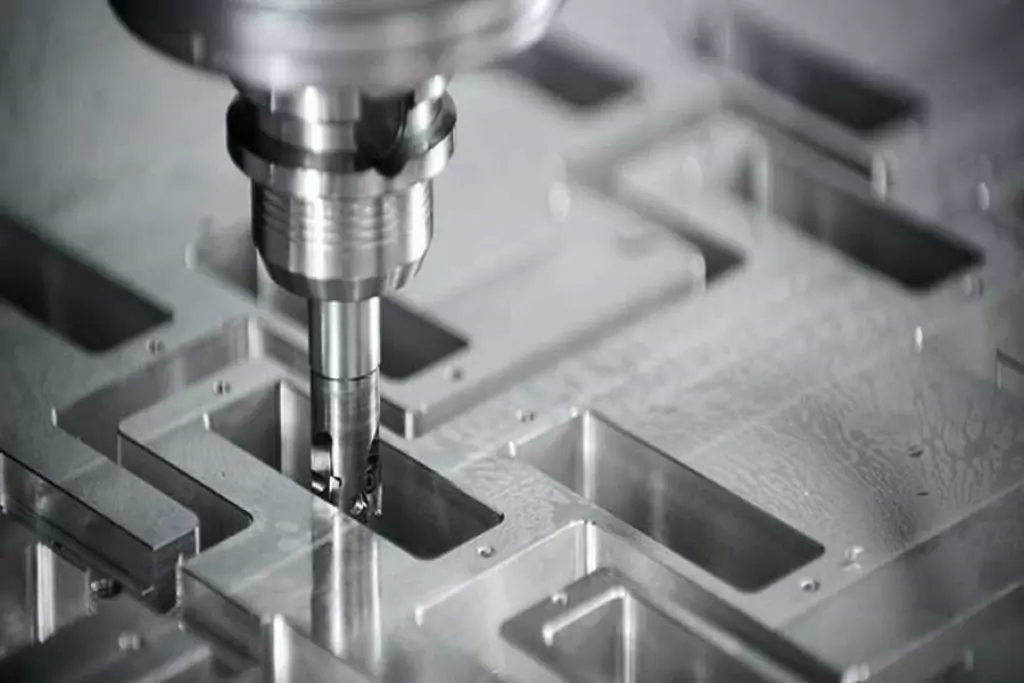
BE-CU.COM – As an accomplished CNC machining Service Manufacturer and CNC shop, BE-CU Prototype has been specialized in OEM CNC lathing, custom CNC machining parts production and rapid CNC machining services China for over 35 years and always maintaining the highest standard in delivery speed and reliable quality of precision CNC manufacturing components. With the help of high-level technology and efficient equipment, as well as rigorous attitude, BE-CU passed the ISO9001:2015 quality certification, which supports the long-term development of CNC milling services, CNC turning services, CNC milling-turning, CNC drilling services, 3/4/5 axis machining, gear machining services, CNC machining China custom parts and service, small parts machining, etc.Our CNC machining products can be utilized in a broad range of industries. Contact us for email: [email protected]
-
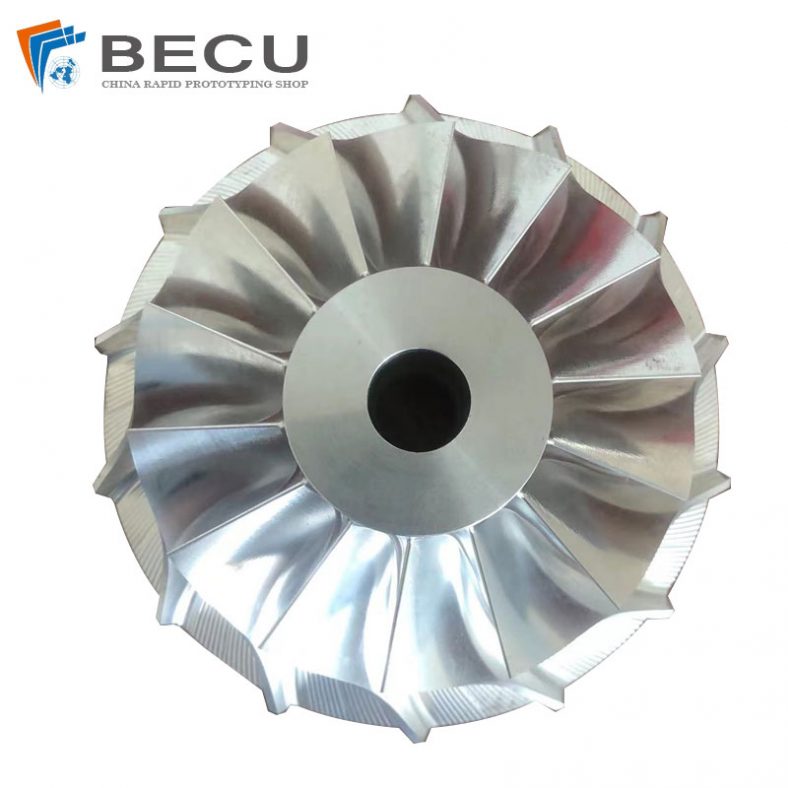
3-Way Centrifugal Compressor Closed Impeller By 5 Axis Machining
-
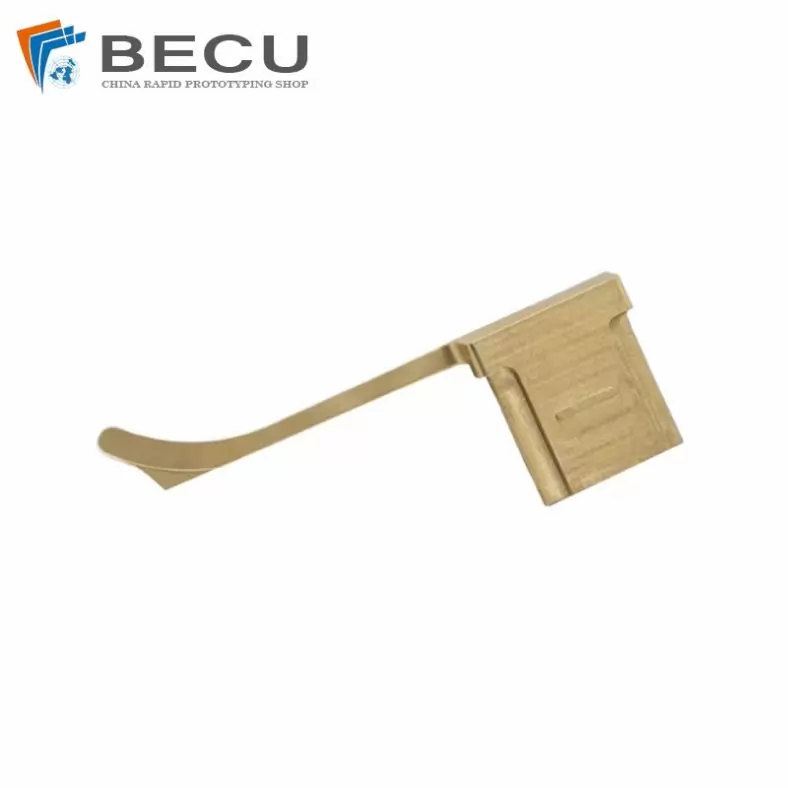
3/4/5 Axis Precision Milling Custom Vehicle Parts
-
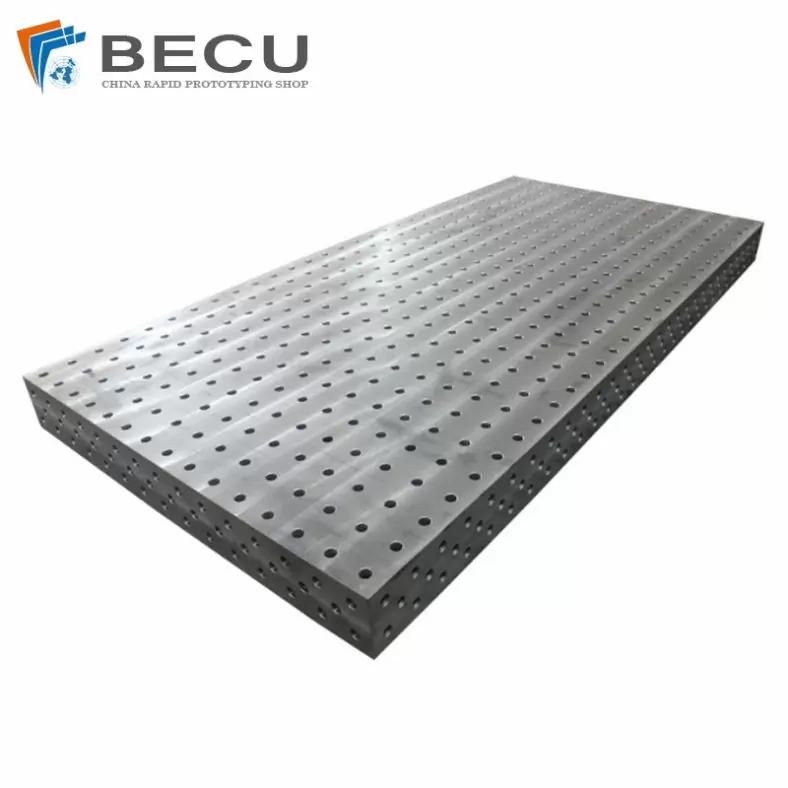
3D Flexible Welding Platform By Large Machining
-
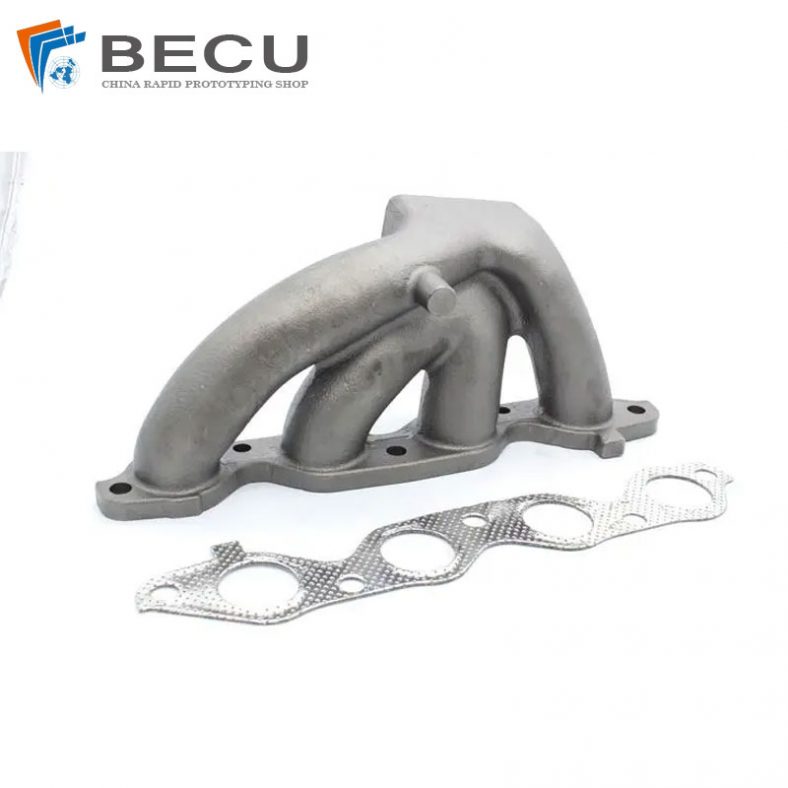
3D Printed Inconel Exhaust Manifold
-
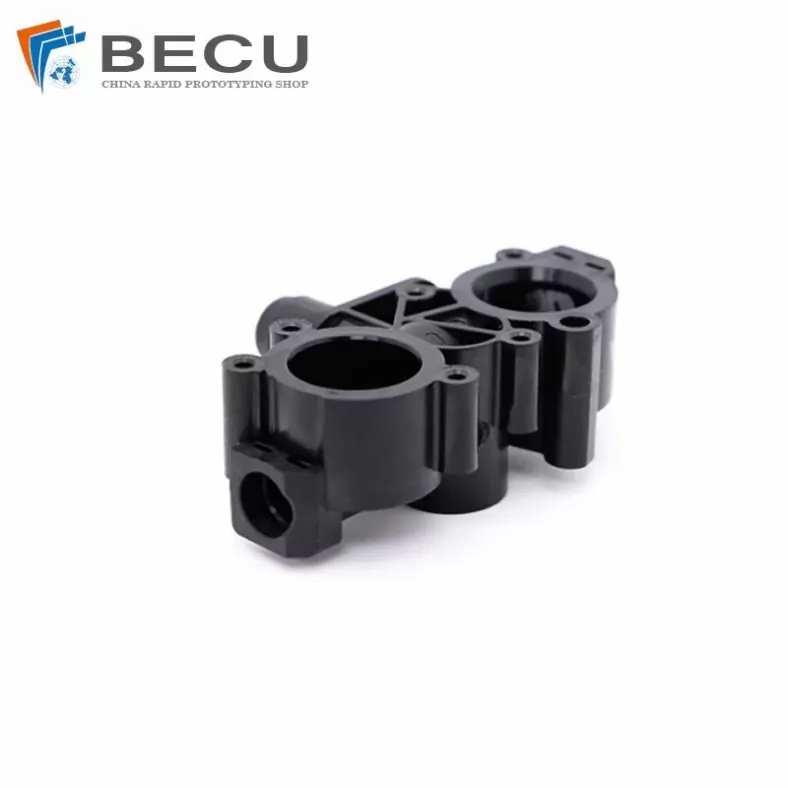
3D Printing And CNC Machining Custom Black PPS Valve
-
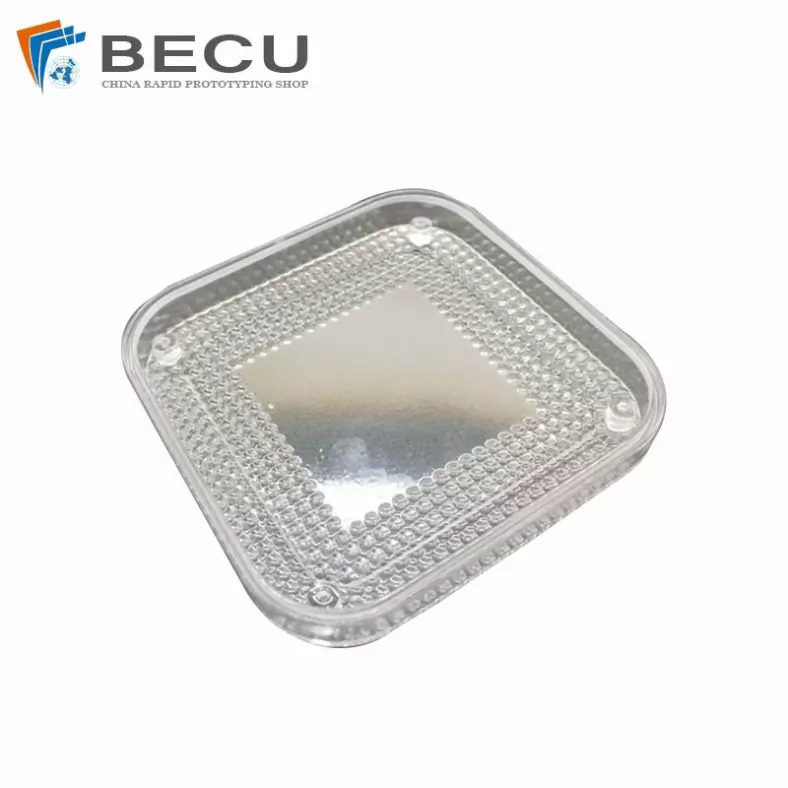
3D Printing Full Transparent Acrylic Lampshade Model
-
4 Axis CNC Machining Titanium Grade 5 Mobile Phone Buttons
-
4 Axis Machining Highly Transparent Acrylic LED Tunnel Light Lens