
Gear pressure angles are a critical component of gear design, affecting the performance, efficiency, and longevity of gear systems. The pressure angle is one of the fundamental parameters that defines the geometry of gear teeth and directly influences the force transmission between meshing gears. This comprehensive guide will explore the concept of gear pressure angles, their significance in gear design, the factors that influence them, and the different pressure angles commonly used in gear manufacturing.
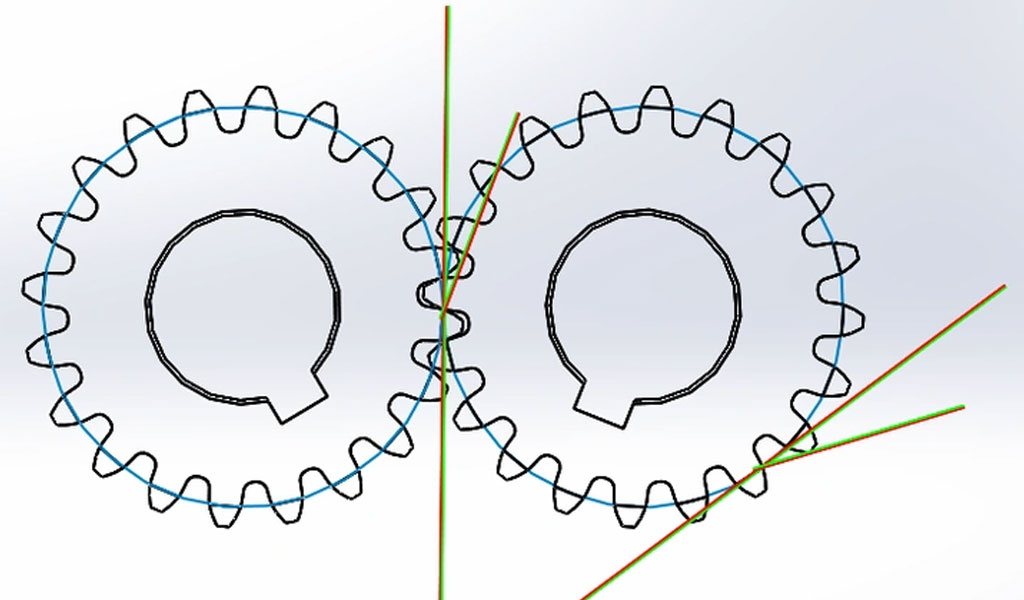
Introduction to Gear Pressure Angles
In gear systems, gears transmit rotary motion and torque through meshing teeth. The pressure angle, also known as the “contact angle,” is the angle between the line of action (the line along which the force is transmitted between two meshing teeth) and the tangent to the pitch circle of the gear.
It determines how the teeth of two gears come into contact, affecting the contact ratio, load distribution, and efficiency of the gear set.
When gears mesh, the teeth come into contact at a specific point where the angle of the force vector is crucial. The pressure angle is measured at the point where the line of action intersects the pitch circle of the driving gear. Typically, the pressure angle is expressed in degrees and is standardized for different types of gears, influencing the geometry of the gear teeth, including their shape, size, and the way the teeth engage.
The Significance of Pressure Angles in Gear Design
The pressure angle has a profound impact on several aspects of gear performance, including:
- Load Distribution: The pressure angle affects the distribution of forces across the gear teeth. A larger pressure angle results in higher load distribution across the tooth surface, which can enhance the gear’s ability to transmit power. However, larger angles can also lead to increased wear and higher stresses.
- Contact Ratio: The contact ratio is the average number of teeth in contact between two meshing gears. A larger pressure angle typically increases the contact ratio, resulting in smoother power transmission and less noise. However, excessive pressure angles can also result in decreased efficiency due to frictional losses.
- Tooth Strength: Gears with larger pressure angles generally have stronger teeth, capable of handling higher torque. However, the geometry of the teeth changes, and the resulting tooth profile may become more prone to undercutting at certain values.
- Efficiency: Pressure angle affects the friction between meshing gears. Smaller pressure angles tend to reduce friction, making gears more efficient, but they may result in weaker tooth forms. Conversely, larger pressure angles increase friction, potentially decreasing efficiency but improving tooth strength.
- Manufacturing Considerations: The pressure angle influences the ease of manufacturing gear teeth. Gears with smaller pressure angles are often easier to machine and less prone to dimensional errors, making them more cost-effective in large-scale production.
Standard Pressure Angles in Gear Systems
Over time, different industries and gear manufacturers have standardized a set of pressure angles to ensure compatibility and interchangeability of gears. These standardized values include:
- 14.5° Pressure Angle: The 14.5° pressure angle was one of the earliest standard angles for gears and is still in use today. It offers a good balance between strength and efficiency, making it suitable for many general-purpose applications. The 14.5° angle is commonly used in older machines and in specific applications where low friction and high tooth strength are important.
- 20° Pressure Angle: The 20° pressure angle is perhaps the most widely used in modern gears, particularly for applications requiring high efficiency and strength. It offers a good trade-off between load-bearing capacity and efficiency, making it the standard for many types of gears, including automotive, industrial machinery, and power transmission systems.
- 25° Pressure Angle: The 25° pressure angle is used in applications that require very high torque and strength. It provides a larger tooth form, which helps improve the load-carrying capacity of the gears. However, it may result in higher friction and less efficiency compared to smaller pressure angles. It is often used in heavy-duty applications, such as in high-power machinery, mining equipment, and automotive transmissions.
- Other Pressure Angles: In addition to the common pressure angles of 14.5°, 20°, and 25°, there are other specialized pressure angles that may be used depending on the specific requirements of the gear system. For instance, specialized gears, such as hypoid gears and bevel gears, may have pressure angles tailored for their unique geometry and operational needs.
Factors Affecting the Choice of Pressure Angle
Several factors play a role in determining the appropriate pressure angle for a given gear design. These factors include:
- Load Requirements: The expected load on the gear system is one of the primary determinants of the pressure angle. Higher torque applications generally require larger pressure angles, as they provide more tooth strength and better load-bearing capacity. For light-duty or low-torque applications, smaller pressure angles may be sufficient.
- Efficiency Considerations: Smaller pressure angles reduce friction between meshing gears, which can improve efficiency. However, this comes at the cost of reduced tooth strength. The trade-off between efficiency and tooth strength must be carefully considered when selecting the pressure angle.
- Space Constraints: In compact or confined spaces, smaller pressure angles may be preferred because they lead to smaller tooth profiles, which can help save space. On the other hand, larger pressure angles may result in larger gears, which can require more space.
- Noise and Vibration: Gear noise is influenced by the pressure angle, with larger angles typically resulting in smoother, quieter operation. Smaller pressure angles may lead to more abrupt engagement between teeth, increasing noise levels and vibrations. This is particularly important in precision machinery and automotive applications, where noise reduction is often a priority.
- Manufacturing Considerations: The ease of manufacturing gears with a particular pressure angle depends on the design and available manufacturing processes. For instance, gears with smaller pressure angles may be easier to manufacture due to simpler tooth forms. However, manufacturing gears with larger angles may require specialized machinery and tooling.
The Geometry of Gear Teeth and Pressure Angle
The pressure angle directly influences the geometry of gear teeth, including their profile, tooth shape, and the resulting contact pattern. In a typical involute gear system, the tooth profile is based on the involute curve, which is a logarithmic curve that ensures smooth engagement between meshing gears.
- Involute Curve: The involute curve is designed to maintain a constant angle of contact as gears rotate, which minimizes sliding friction and wear. The pressure angle determines the steepness of this curve and thus the profile of the teeth. A larger pressure angle results in a more robust and thicker tooth form, while a smaller angle results in a more streamlined tooth profile.
- Tooth Thickness: The pressure angle affects the thickness of the gear teeth at the pitch circle. Larger pressure angles result in thicker teeth, which can handle more significant loads but may have reduced contact areas, potentially leading to increased friction and wear. Smaller pressure angles result in thinner teeth, which are better for high-efficiency applications but may not be as durable under heavy loads.
- Tooth Engagement and Contact Pattern: The angle at which teeth engage influences the contact pattern between meshing gears. A larger pressure angle typically results in fewer teeth in contact at any given moment, which can lead to higher stresses on individual teeth. A smaller pressure angle allows for more teeth to be in contact simultaneously, distributing the load more evenly but potentially reducing the overall strength of the teeth.
Impact of Pressure Angle on Gear Systems
The pressure angle plays a crucial role in the overall performance of gear systems, influencing key characteristics such as:
- Efficiency: As mentioned, the pressure angle affects friction levels in gear systems. Smaller pressure angles tend to offer higher efficiency due to lower friction, but they may lead to weaker tooth profiles. In contrast, larger pressure angles improve strength but at the cost of increased friction and reduced efficiency.
- Load Capacity: Larger pressure angles generally result in gears that can carry more load. This is because the teeth are thicker and stronger, with better load distribution. For applications requiring high power transmission, larger pressure angles are preferred to prevent tooth failure.
- Durability and Wear Resistance: The increased tooth strength associated with larger pressure angles contributes to improved durability and wear resistance. This is particularly important in heavy-duty gear systems where the teeth are subjected to significant forces over long periods of operation.
- Tooth Interference and Undercutting: One of the potential drawbacks of larger pressure angles is the risk of undercutting. Undercutting occurs when the tooth profile becomes too steep, leading to a reduction in the strength of the teeth. Careful consideration must be given to the pressure angle to avoid this issue.
- Lubrication Requirements: Gears with larger pressure angles often require better lubrication due to the higher frictional forces involved. Insufficient lubrication can result in increased wear, overheating, and eventual failure of the gear teeth. Proper lubrication is essential for maintaining the performance and longevity of gears with larger pressure angles.
Conclusion
In summary, the pressure angle is a critical factor in gear design, influencing various aspects of gear performance, including load-bearing capacity, efficiency, tooth strength, and wear resistance. Choosing the appropriate pressure angle requires careful consideration of the specific requirements of the application, including load demands, efficiency goals, space constraints, and manufacturing limitations. While the most common pressure angles are 14.5°, 20°, and 25°, there are numerous other options depending on the particular requirements of the gear system.
As gear technology continues to evolve, new advancements in materials, coatings, and manufacturing techniques will likely influence the role of pressure angles in gear design. However, understanding the fundamental principles of gear pressure angles remains essential for ensuring optimal gear performance and longevity in a wide range of industrial applications.

The Detail Of BE-CU Cnc Machining Shop
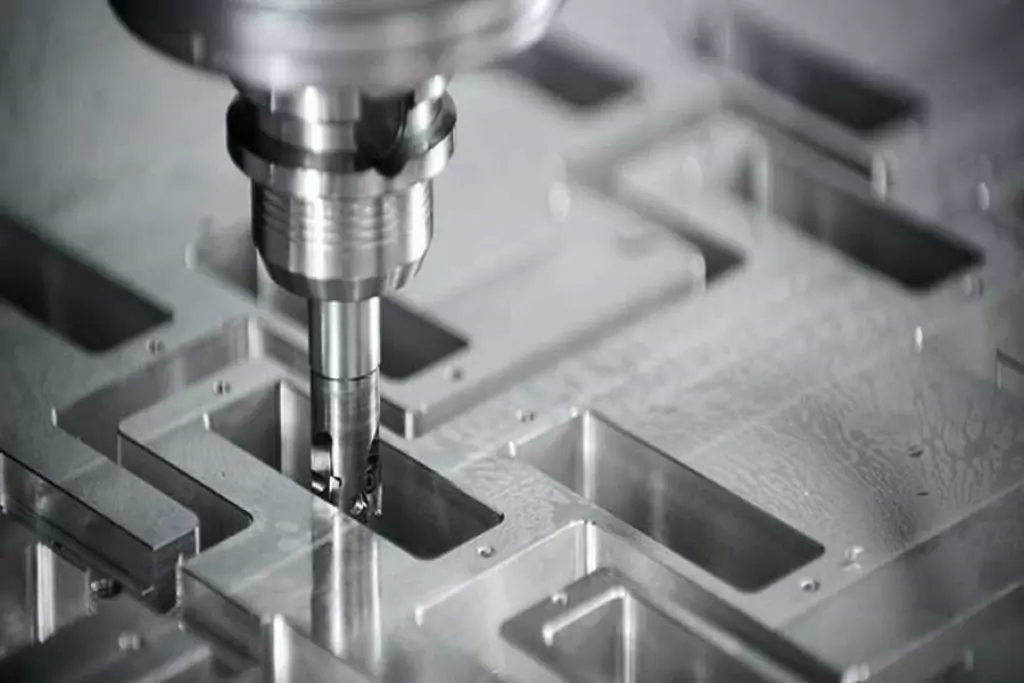
BE-CU.COM – As an accomplished CNC machining Service Manufacturer and CNC shop, BE-CU Prototype has been specialized in OEM CNC lathing, custom CNC machining parts production and rapid CNC machining services China for over 35 years and always maintaining the highest standard in delivery speed and reliable quality of precision CNC manufacturing components. With the help of high-level technology and efficient equipment, as well as rigorous attitude, BE-CU passed the ISO9001:2015 quality certification, which supports the long-term development of CNC milling services, CNC turning services, CNC milling-turning, CNC drilling services, 3/4/5 axis machining, gear machining services, CNC machining China custom parts and service, small parts machining, etc.Our CNC machining products can be utilized in a broad range of industries. Contact us for email: [email protected]
-
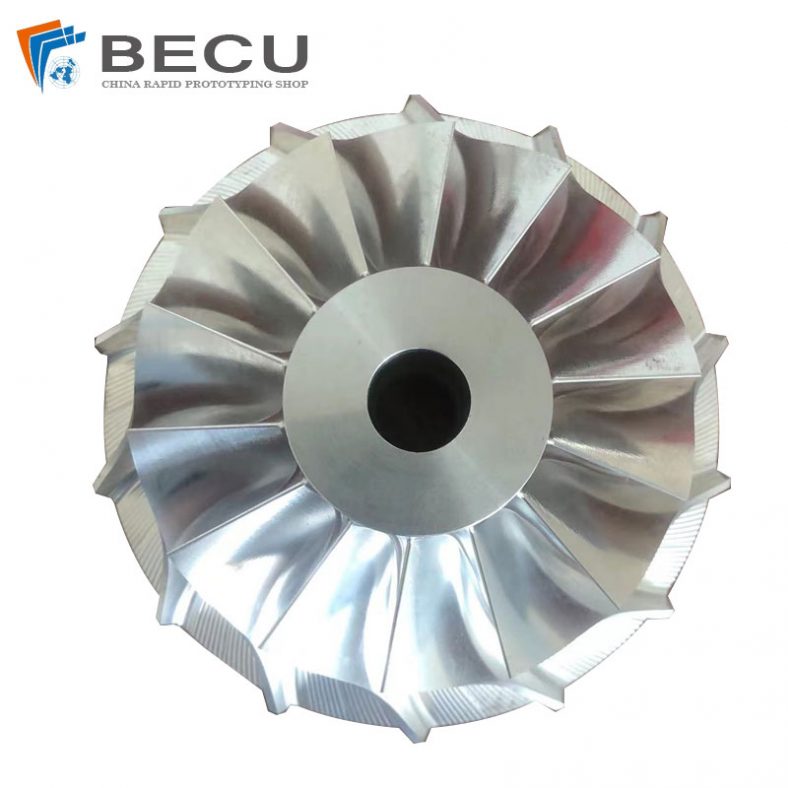
3-Way Centrifugal Compressor Closed Impeller By 5 Axis Machining
-

3/4/5 Axis Precision Milling Custom Vehicle Parts
-
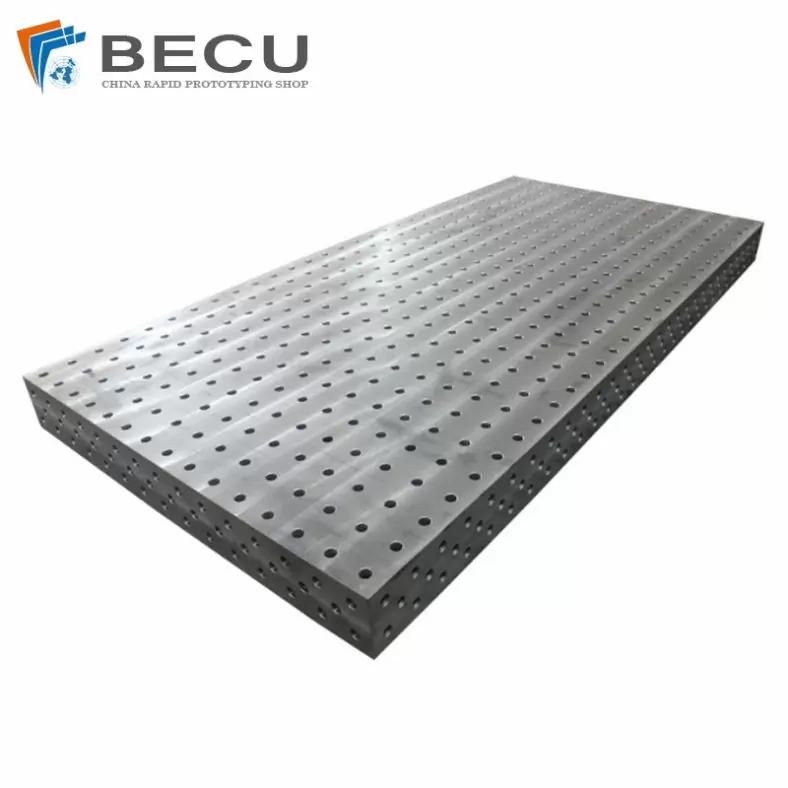
3D Flexible Welding Platform By Large Machining
-
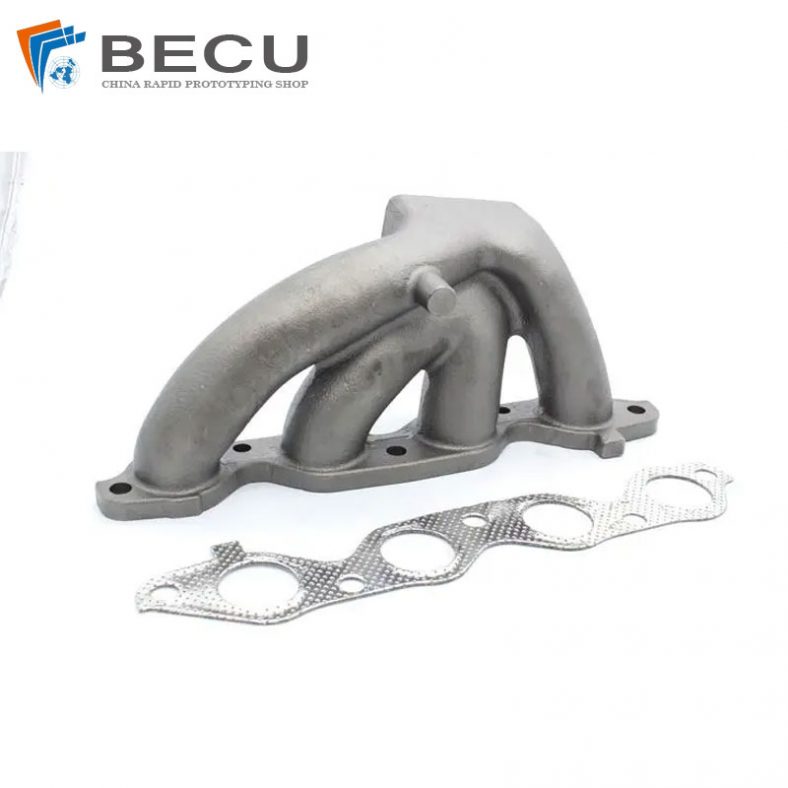
3D Printed Inconel Exhaust Manifold
-
3D Printing And CNC Machining Custom Black PPS Valve
-
3D Printing Full Transparent Acrylic Lampshade Model
-
4 Axis CNC Machining Titanium Grade 5 Mobile Phone Buttons
-
4 Axis Machining Highly Transparent Acrylic LED Tunnel Light Lens