
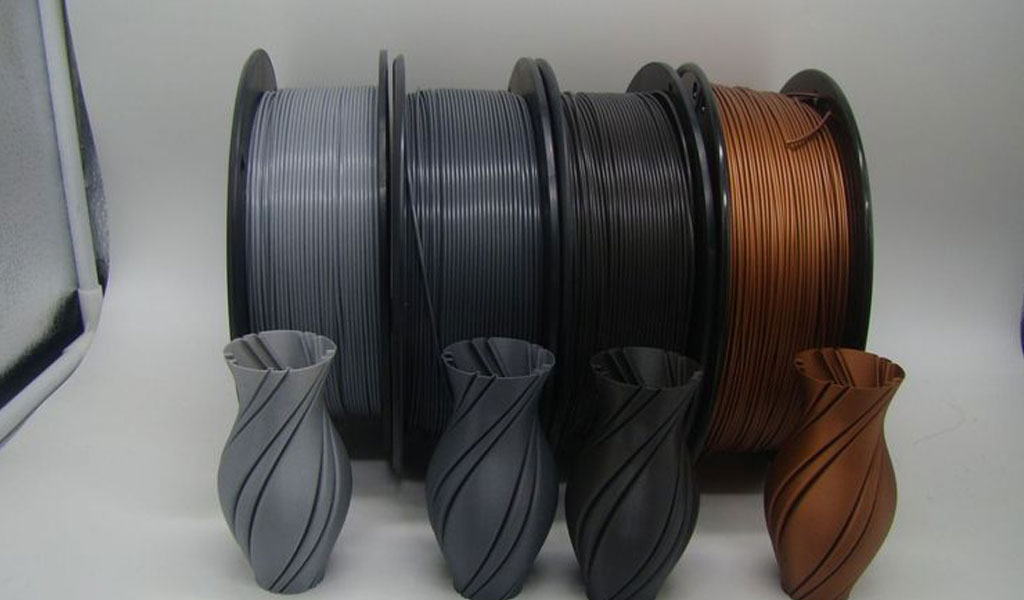
Magnetic iron 3D printing filament is a specialized composite material used in additive manufacturing, particularly within the realm of fused filament fabrication (FFF), a widely adopted 3D printing technology.
This filament combines a thermoplastic polymer matrix, typically polylactic acid (PLA), with finely dispersed iron particles, imparting ferromagnetic properties to the printed objects. These properties enable the material to interact with magnetic fields, offering unique applications ranging from educational tools to industrial prototypes.
This article explores the definition, materials, properties, historical development, manufacturing processes, applications, and scientific underpinnings of magnetic iron 3D printing filament, providing a detailed examination suitable for researchers, engineers, and hobbyists alike.
What Is Magnetic Iron 3D Printing Filament
Magnetic iron 3D printing filament is defined as a composite thermoplastic filament designed for use in FFF 3D printers, consisting of a polymer base infused with iron particles. The term “magnetic” refers to its ferromagnetic behavior, meaning it is attracted to magnetic fields but does not retain permanent magnetization after the field is removed (distinguishing it from ferrimagnetic or permanently magnetic materials). The filament is typically supplied in spools with standard diameters of 1.75 mm or 2.85 mm, compatible with most desktop 3D printers. The iron content, often in the form of powdered iron or iron oxide, varies by manufacturer but commonly constitutes 20–40% by weight, balancing printability with magnetic functionality.
The development of magnetic iron filament stems from the broader evolution of metal-filled filaments, which aim to replicate metallic properties in cost-effective, polymer-based 3D printing. Unlike pure metal 3D printing methods such as direct metal laser sintering (DMLS), which require expensive equipment and high-energy processes, magnetic iron filament leverages the accessibility of FFF technology, making it a versatile option for prototyping and creative applications.
Historical Context
The origins of magnetic iron 3D printing filament are tied to the advancement of composite materials in additive manufacturing. The concept of metal-filled filaments emerged in the late 1990s and early 2000s, following the commercialization of FFF by companies like Stratasys in the 1990s. Early research focused on integrating metal powders into thermoplastics to enhance mechanical, thermal, or aesthetic properties. By 2010, hobbyist and commercial interest in 3D printing surged, driven by the expiration of key FFF patents, which democratized the technology.
Magnetic iron filament specifically gained prominence around 2014–2015, with brands like Proto-pasta and ColorFabb introducing metal-infused PLA filaments to the consumer market. Proto-pasta’s Magnetic Iron PLA, for instance, combined PLA with iron powder to create a filament that mimicked the appearance and magnetic behavior of cast iron. This innovation built on earlier work in polymer composites, where fillers like carbon fibers or metal particles were used to tailor material properties. Scientific studies, such as those published in ScienceDirect and MDPI, later explored the magnetic and mechanical characteristics of these filaments, refining their composition and applications.
Materials Composition
The primary components of magnetic iron 3D printing filament are the polymer matrix and the iron-based filler. Below is a detailed breakdown:
Polymer Matrix
- Polylactic Acid (PLA): The most common base material due to its ease of printing, biodegradability, and low melting point (typically 180–220°C). PLA is derived from renewable resources like corn starch or sugarcane, making it environmentally friendly compared to petroleum-based plastics like acrylonitrile butadiene styrene (ABS).
- Alternative Polymers: While PLA dominates, some formulations use thermoplastic polyurethane (TPU) for flexibility or acrylonitrile butadiene styrene (ABS) for higher durability. However, these are less common due to increased printing complexity (e.g., higher temperatures or warping tendencies).
Iron Filler
- Particle Type: The iron component is typically finely ground iron powder or iron oxide (Fe₃O₄, magnetite). Particle sizes range from 10–50 µm, though nanoparticles (<100 nm) are occasionally used for enhanced dispersion.
- Concentration: Iron content varies between 15–40% by weight, depending on the desired magnetic strength and printability. Higher concentrations improve magnetic properties but increase brittleness and nozzle wear.
- Shape and Distribution: Particles are often irregular or flake-like, as opposed to spherical, to maximize surface area and magnetic interaction. Uniform dispersion within the polymer is critical to avoid clogging during extrusion.
Additives
- Plasticizers: Enhance flexibility and reduce brittleness caused by high filler content.
- Pigments: Added for aesthetic purposes, though magnetic iron filament typically retains a metallic, gunmetal-gray finish.
- Stabilizers: Prevent thermal degradation of the polymer during extrusion.
The manufacturing process involves blending the iron powder with molten PLA in a twin-screw extruder, followed by cooling and spooling. Quality control ensures consistent diameter and particle distribution, critical for reliable printing.
Physical and Mechanical Properties
Magnetic iron 3D printing filament exhibits a unique combination of properties derived from its composite nature. These properties distinguish it from standard PLA and other metal-filled filaments.
- Density : Magnetic iron filament has a higher density than pure PLA (1.24 g/cm³), typically ranging from 1.6–2.0 g/cm³, depending on iron content. This increased density contributes to a metallic feel and improved structural stability.
- Tensile Strength : Pure PLA has a tensile strength of approximately 50–60 MPa. The addition of iron particles reduces this to 30–45 MPa due to stress concentrations around the filler particles, making prints more brittle. Studies, such as those in Scientific.Net, report a maximum tensile strength of 40.2 MPa for PLA/iron composites printed at optimal conditions (280°C, 60 mm/s).
- Flexibility and Brittleness : The filament is less flexible than pure PLA, with elongation at break dropping from 5–10% to 2–5%. This brittleness stems from the rigid iron particles disrupting the polymer chains.
- Thermal Properties : Melting Point: Slightly higher than pure PLA (190–230°C vs. 180–220°C) due to the thermal conductivity of iron, which affects heat distribution during extrusion.
- Glass Transition Temperature: Remains around 55–60°C, typical of PLA, limiting its use in high-temperature environments.
- Magnetic Properties : Ferromagnetism: Objects printed with magnetic iron filament are attracted to magnets and can be manipulated by magnetic fields. However, they exhibit low coercivity (<10 Oe) and do not retain magnetization, classifying them as soft magnetic materials.
- Susceptibility: Research in ScienceDirect demonstrates that printing in a magnetic field (via Magnetic Field Assisted Additive Manufacturing, MFAAM) can double susceptibility compared to zero-field printing, enhancing magnetic performance.
- Surface Finish : Prints display a metallic sheen with a rough, grainy texture due to exposed iron particles. Post-processing, such as sanding or rusting (via saline exposure), can enhance the aged-metal aesthetic.
Printing Parameters
Successful printing with magnetic iron filament requires adjustments to standard PLA settings due to its abrasive nature and higher density. Recommended parameters include:
- Nozzle Temperature: 195–230°C, slightly higher than pure PLA to account for iron’s thermal conductivity.
- Bed Temperature: 50–60°C, with adhesion aids like blue painter’s tape or glue stick.
- Print Speed: 30–60 mm/s to prevent clogging and ensure layer bonding.
- Nozzle Material: Hardened steel (preferred) or stainless steel, as brass nozzles wear rapidly due to iron’s abrasiveness.
- Nozzle Diameter: ≥0.4 mm to reduce clogging risks from larger particles.
Applications
Magnetic iron 3D printing filament finds use across diverse fields due to its unique properties:
- Educational Tools : Interactive models demonstrating magnetic principles, such as field lines or electromagnetic induction, are popular in classrooms. The filament’s accessibility allows students to design and print custom experiments.
- Prototyping : Engineers use magnetic iron filament to create prototypes for magnetic sensors, actuators, or fixtures in manufacturing. Its ferromagnetic nature enables testing of magnetic interactions without requiring expensive metal printing.
- Artistic and Decorative Objects : Artists leverage the metallic finish and magnetic properties to craft sculptures, jewelry, or fridge magnets. The ability to induce rusting adds a weathered aesthetic, appealing to steampunk or industrial design enthusiasts.
- Functional Components : Small-scale applications include magnetic gears, clasps, or toys (e.g., magnetic building blocks). Research in MDPI highlights its potential in biomimetic actuators, where magnetic fields control printed structures.
Scientific Insights
Recent studies provide deeper insights into the filament’s behavior:
- Magnetic Anisotropy: A 2024 ResearchGate study found that print orientation and infill patterns influence magnetic properties, with aligned iron particles enhancing field response.
- Particle Dispersion: Uniform distribution is critical, as agglomeration can lead to nozzle clogging or inconsistent magnetic performance. Nanoparticle fillers (e.g., 20 nm cobalt ferrite) improve homogeneity, per MDPI research.
- Mechanical Trade-offs: High iron content boosts magnetism but compromises ductility. A balance of 20–30 wt.% is often optimal, as noted in Scientific.Net.
Comparison with Other Filaments
The following tables compare magnetic iron PLA with pure PLA, stainless steel PLA, and copper-filled PLA, based on available data:
| Filament Type | Base Polymer | Filler Material | Filler Content (wt.%) | Particle Size (µm) |
|---|---|---|---|---|
| Magnetic Iron PLA | PLA | Iron Powder | 20–40 | 10–50 |
| Pure PLA | PLA | None | 0 | N/A |
| Stainless Steel PLA | PLA | Stainless Steel | 15–80 | 10–50 |
| Copper-Filled PLA | PLA | Copper Powder | 15–80 | <50 |
| Filament Type | Density (g/cm³) | Tensile Strength (MPa) | Elongation at Break (%) | Brittleness |
|---|---|---|---|---|
| Magnetic Iron PLA | 1.6–2.0 | 30–45 | 2–5 | High |
| Pure PLA | 1.24 | 50–60 | 5–10 | Low |
| Stainless Steel PLA | 1.8–2.5 | 25–40 | 2–4 | High |
| Copper-Filled PLA | 3.0–4.0 | 20–35 | 1–3 | High |
| Filament Type | Nozzle Temp (°C) | Bed Temp (°C) | Print Speed (mm/s) | Nozzle Material |
|---|---|---|---|---|
| Magnetic Iron PLA | 195–230 | 50–60 | 30–60 | Hardened Steel |
| Pure PLA | 180–220 | 0–60 | 40–100 | Brass |
| Stainless Steel PLA | 200–240 | 50–70 | 30–50 | Hardened Steel |
| Copper-Filled PLA | 190–220 | 50–60 | 30–50 | Hardened Steel |
| Filament Type | Magnetic | Conductive | Aesthetic Finish | Post-Processing Options |
|---|---|---|---|---|
| Magnetic Iron PLA | Yes | No | Metallic, Grainy | Rusting, Sanding |
| Pure PLA | No | No | Smooth, Glossy | Painting, Sanding |
| Stainless Steel PLA | No | No | Polished Steel | Polishing, Sanding |
| Copper-Filled PLA | No | Slightly | Copper Patina | Polishing, Chemical Patina |
Conclusion
Advances in magnetic iron filament could involve:
- Nanoparticle Integration: Smaller particles for improved dispersion and strength.
- Hybrid Composites: Combining iron with conductive or reinforcing fillers (e.g., carbon nanotubes).
- Magnetic Field Printing: MFAAM techniques to align particles during printing, enhancing anisotropy and performance.
Magnetic iron 3D printing filament represents a fusion of accessibility and functionality in additive manufacturing. Its ferromagnetic properties, metallic aesthetic, and compatibility with standard FFF printers make it a valuable material for education, prototyping, and creative endeavors. While challenges like brittleness and hardware wear persist, ongoing research continues to refine its composition and applications, promising broader adoption in scientific and industrial contexts.
- Abrasion: Iron particles accelerate nozzle wear, necessitating durable hardware.
- Brittleness: High filler content reduces flexibility, limiting use in dynamic applications.
- Thermal Limits: PLA’s low glass transition temperature restricts high-heat environments.
- Cost: Magnetic iron filament is more expensive than pure PLA (e.g., $40–60/kg vs. $20–30/kg), reflecting the added material and processing complexity.
The Detail Of BE-CU 3D Printing Company
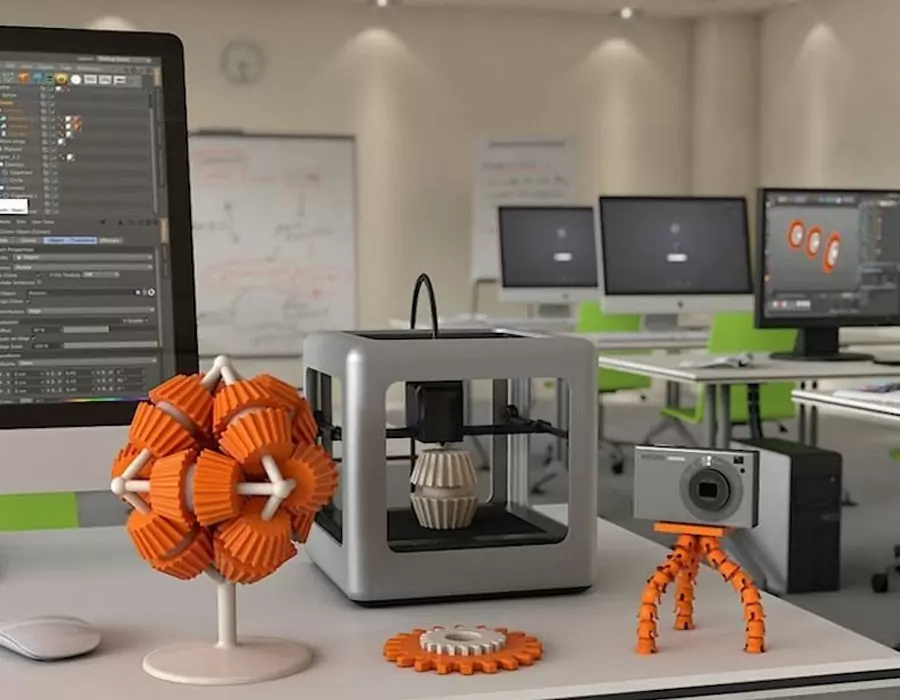
BE-CU.COM offers online 3D printing services for rapid prototyping and production in volume. Our clients are across a wide variety of industries and companies, including automotive, construction, aerospace, defense, electronics, machinery, industrial automation, medical, healthcare, consumer production, oil & gas, etc. Accelerate your product development and manufacturing process with our industry-leading metal & plastic 3D printing service and 3D printed parts. We’ll find the best 3D printing solution for your projects, to lower your cost and shorten the lead time based on your needs, while maintaining the quality. From 3D prototyping to end-use parts production, multiple materials are available for custom 3D printing parts. Need an alternative to the traditional solution? Submit your 3D CAD file to get an online quotation quickly. Our 3D printing service ensures accuracy and speed. We can help you choose the most appropriate technology and material to match your applications or request.
-
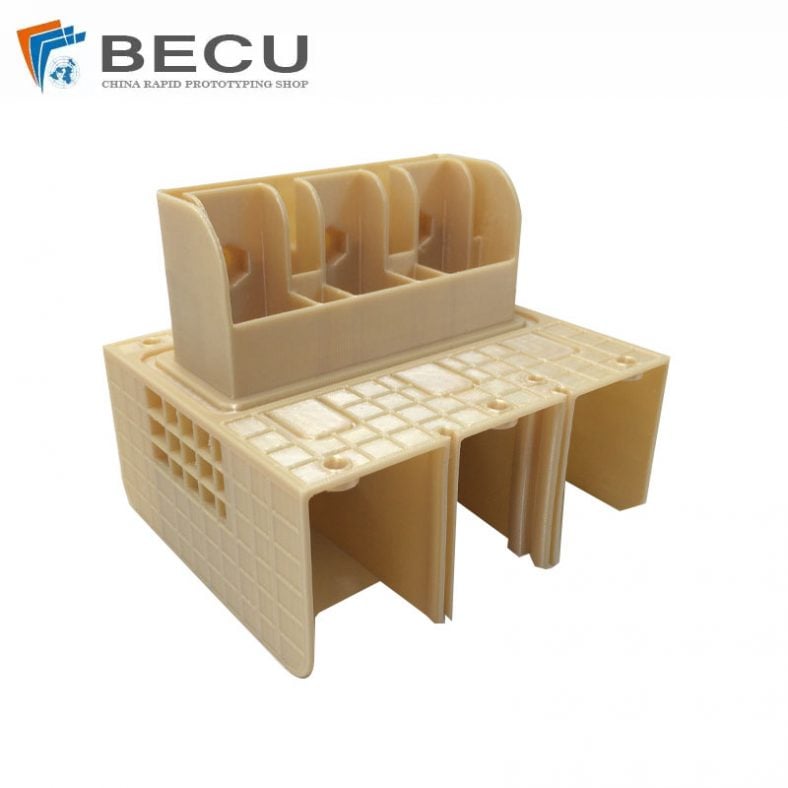
FDM 3D Printing Ultra-High Voltage Strong Electrical Connector
-
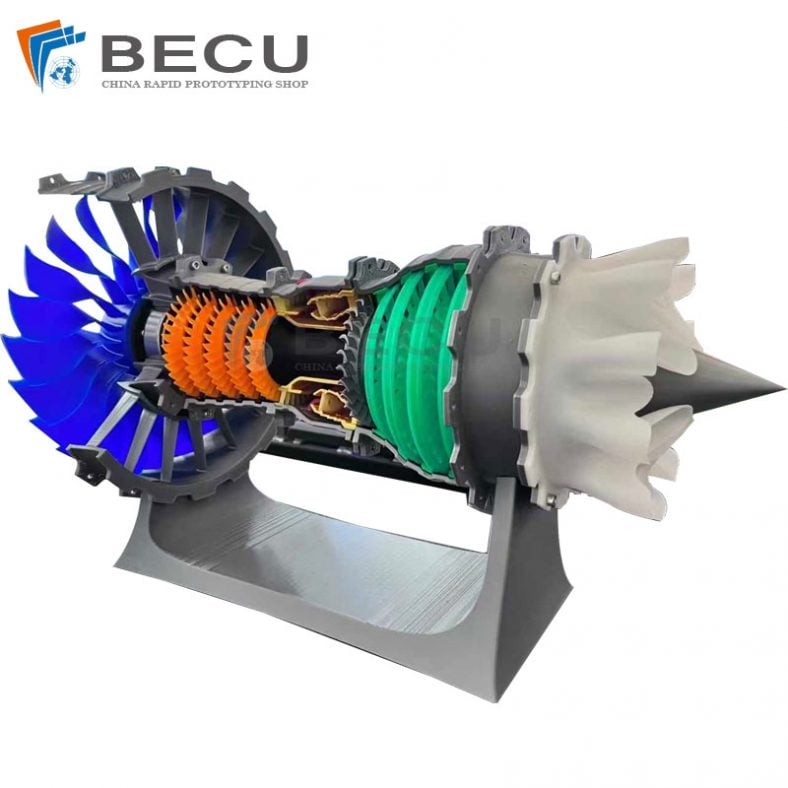
3D Printed Jet Engine Model
-
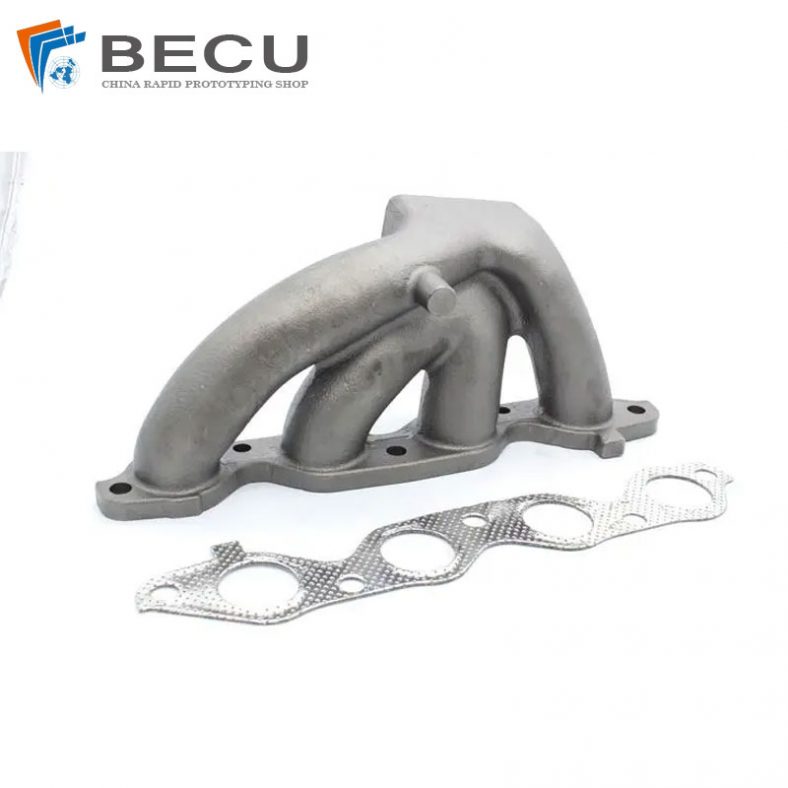
3D Printed Inconel Exhaust Manifold
-
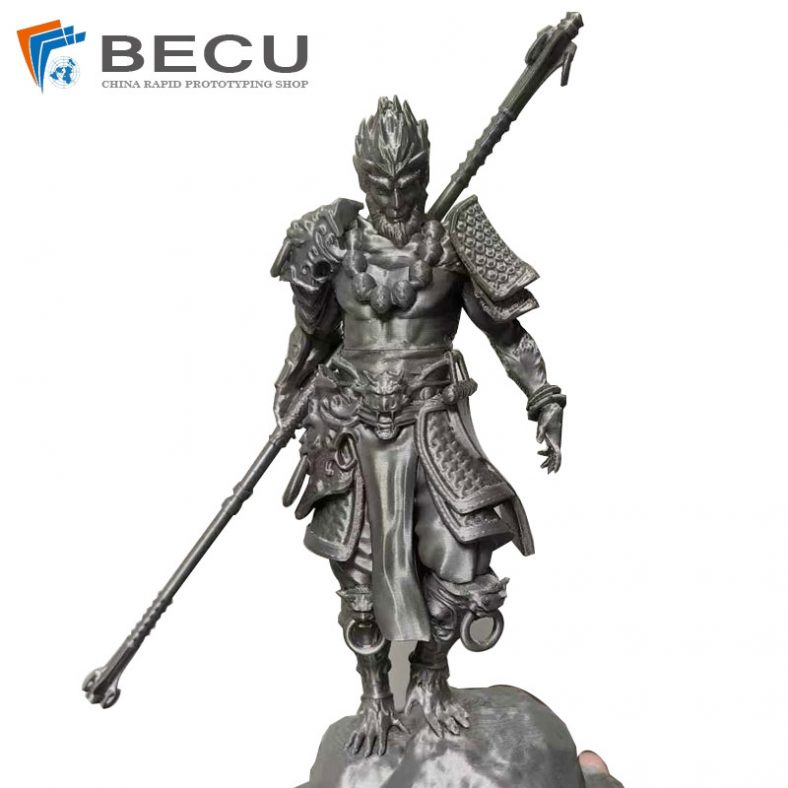
3D Printed Black Myth: Wukong Model
-

Omni-Directional Surgical Planning Medical Models
-
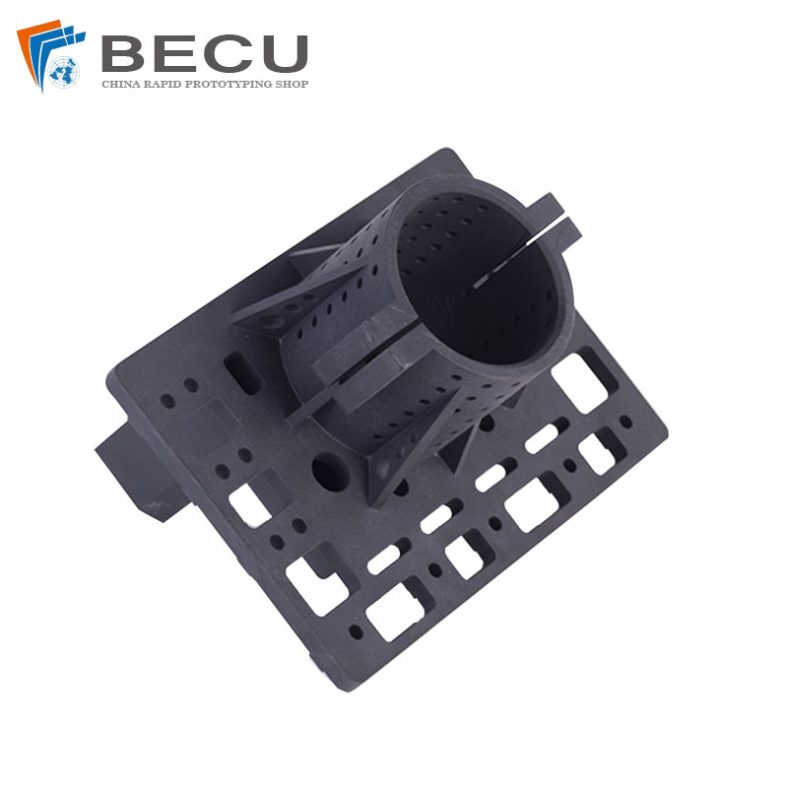
3D Printing Pool Pressure Cleaner Parts and Accessories
-
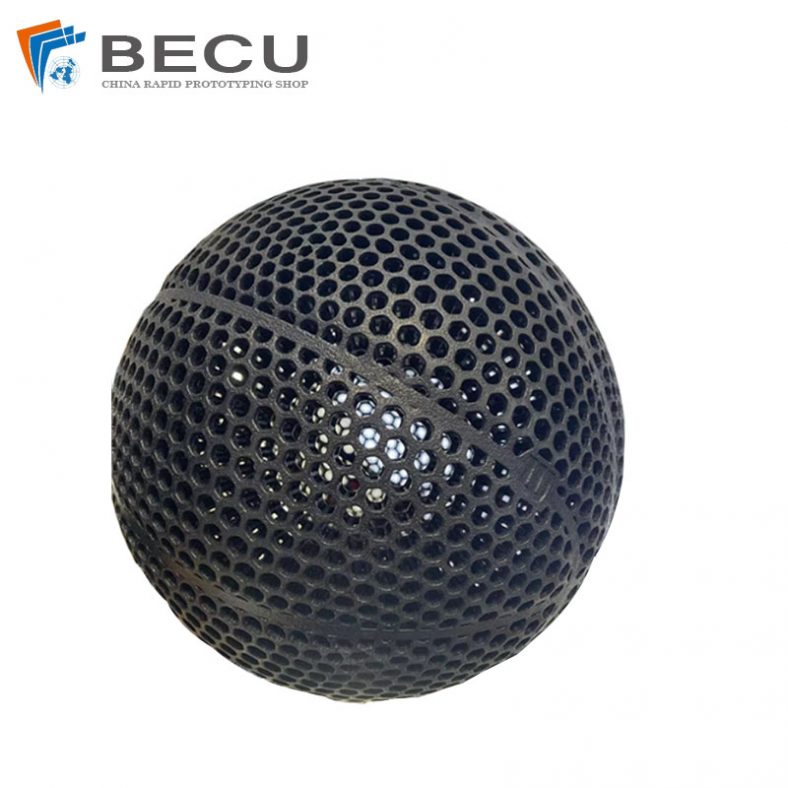
Nylon 3D Printed Size 5 Basketball
-
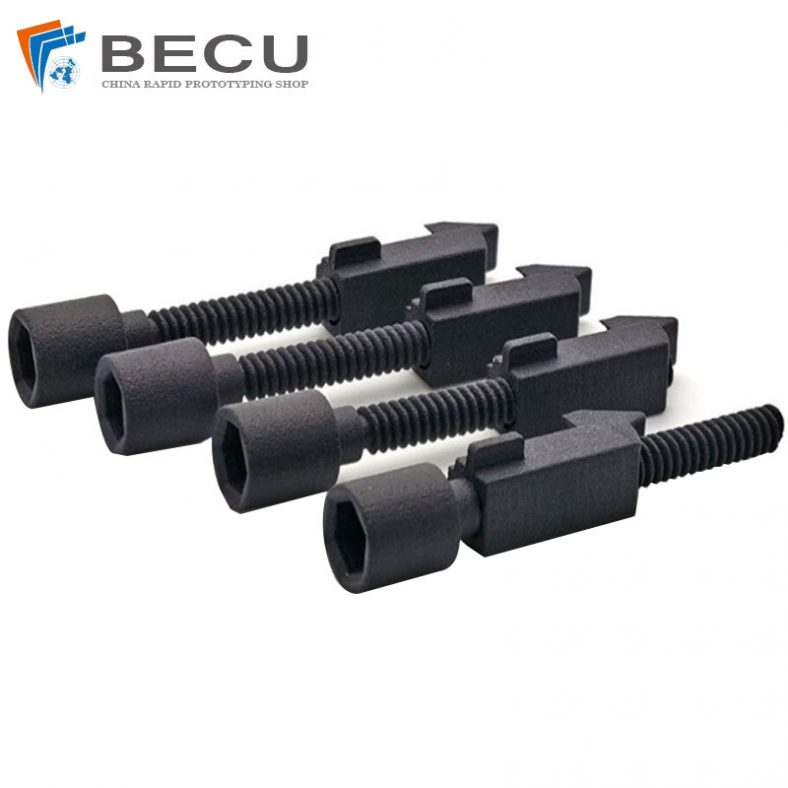
Black Nylon Medical Threaded Screw By MJF 3D Printing