
Airplane model collecting and building is a popular hobby that combines historical appreciation, technical craftsmanship, and aesthetic display. Among the various scales available, 1/200, 1/400, and 1/500 are three of the most prominent for die-cast and plastic model airplanes. These scales represent different levels of detail, size, cost, and suitability for collectors, hobbyists, and professionals. This article provides a comprehensive analysis of these scales, comparing their characteristics, advantages, and limitations to determine which scale is better suited for specific purposes. The discussion is structured to cover historical context, technical specifications, practical considerations, and comparative analyses, supported by detailed tables for clarity.

Historical Context of Airplane Model Scales
The development of airplane model scales emerged alongside advancements in aviation and manufacturing. In the early 20th century, model airplanes were primarily handcrafted, often at arbitrary scales dictated by the builder’s resources or display constraints. The standardization of scales, such as 1/200, 1/400, and 1/500, gained traction post-World War II as die-cast and injection-molded plastics became prevalent. These scales were chosen to balance detail, size, and production costs, catering to both casual collectors and serious enthusiasts.
The 1/200 scale became popular for larger, more detailed models, often used in professional displays or by collectors seeking high fidelity. The 1/400 scale, introduced later, became a standard for commercial aviation models, particularly for airline-branded collectibles, due to its compact size and affordability. The 1/500 scale, being even smaller, emerged as a cost-effective option for collectors aiming to amass large fleets without requiring significant display space. Each scale reflects a compromise between realism, practicality, and market demand, shaped by the evolution of manufacturing techniques and consumer preferences.
Technical Specifications of Airplane Model Scales
Definition of Scale
In modeling, scale refers to the ratio of a model’s dimensions to those of the real object. For example, a 1/200 scale model is 1/200th the size of the actual airplane, meaning a 200-meter-long aircraft would be 1 meter long in the model. The scales 1/200, 1/400, and 1/500 thus produce progressively smaller models, with corresponding impacts on detail, weight, and material requirements.
Size Comparison
The size of a model is a critical factor influencing its appeal and utility. Below is a comparison of model sizes for a Boeing 747-8, which has a real-world length of approximately 76.3 meters, wingspan of 68.4 meters, and height of 19.4 meters:
| Scale | Length (cm) | Wingspan (cm) | Height (cm) |
|---|---|---|---|
| 1/200 | 38.15 | 34.20 | 9.70 |
| 1/400 | 19.08 | 17.10 | 4.85 |
| 1/500 | 15.26 | 13.68 | 3.88 |
This table illustrates the significant size reduction as the scale decreases. A 1/200 model is over twice as large as a 1/400 model and nearly 2.5 times larger than a 1/500 model, impacting both visual impact and storage requirements.
Detail and Fidelity
Detail is a primary consideration for collectors and modelers. Larger scales like 1/200 allow for intricate features, such as visible rivets, detailed landing gear, and accurate livery reproductions. The 1/400 scale, while less detailed, still captures essential features like window placements and engine nacelles but may omit finer elements like antenna or panel lines. The 1/500 scale, being the smallest, sacrifices significant detail, often presenting simplified liveries and basic structural outlines.
| Scale | Detail Level | Examples of Visible Features |
|---|---|---|
| 1/200 | High | Rivets, panel lines, detailed landing gear, antennas |
| 1/400 | Moderate | Windows, basic landing gear, simplified liveries |
| 1/500 | Low | Basic shapes, minimal livery details, no small features |
Material and Construction
Most airplane models in these scales are made from die-cast metal, plastic, or a combination of both. The 1/200 scale models often use a higher proportion of metal for weight and durability, with plastic components for delicate parts like wings or tail fins. The 1/400 and 1/500 scales lean more heavily on plastic to reduce costs and weight, though high-end models may incorporate metal for stability.
| Scale | Common Materials | Typical Weight (g) for Boeing 747-8 Model |
|---|---|---|
| 1/200 | Die-cast metal, plastic | 500–800 |
| 1/400 | Plastic, some metal | 100–200 |
| 1/500 | Mostly plastic | 50–100 |
Practical Considerations for Collectors
Display and Storage
The size of a model directly affects its display and storage requirements. A 1/200 scale Boeing 747-8, with a wingspan of 34.2 cm, demands significant shelf or case space, making it ideal for dedicated display areas in homes, offices, or museums. The 1/400 scale, with a wingspan of 17.1 cm, is more manageable for standard shelves or cabinets, while the 1/500 scale, at 13.68 cm, is compact enough for dense collections or small apartments.
| Scale | Display Space Needed (cm³) | Storage Considerations |
|---|---|---|
| 1/200 | ~38 x 34 x 10 | Requires large shelves or cases |
| 1/400 | ~19 x 17 x 5 | Fits standard shelves, moderate density |
| 1/500 | ~15 x 14 x 4 | Highly compact, ideal for large collections |
Cost and Accessibility
Cost is a significant factor for collectors. The 1/200 scale models, due to their size, detail, and material quality, are the most expensive, often ranging from $50 to $200 for commercial airliners and up to $500 for rare or military models. The 1/400 scale strikes a balance, with prices typically between $20 and $80, making it accessible to a broader audience. The 1/500 scale is the most affordable, with models often priced between $15 and $50.
| Scale | Price Range (USD) | Accessibility |
|---|---|---|
| 1/200 | $50–$500 | Premium, often limited editions |
| 1/400 | $20–$80 | Widely available, airline-branded models |
| 1/500 | $15–$50 | Budget-friendly, mass-produced |
Collectibility and Market Trends
The collectibility of a model depends on factors like rarity, brand, and historical significance. The 1/200 scale is favored by serious collectors for its fidelity and presence, often featuring limited-edition runs of iconic aircraft like the Concorde or rare military jets. The 1/400 scale dominates the commercial aviation market, with brands like Gemini Jets and Herpa producing extensive catalogs of modern airliners. The 1/500 scale, while less prestigious, appeals to collectors building comprehensive fleets, such as entire airline histories or global airport dioramas.
| Scale | Collectibility | Popular Brands |
|---|---|---|
| 1/200 | High | Gemini Jets, Inflight200, JC Wings |
| 1/400 | Moderate | Gemini Jets, Dragon Wings, Phoenix Models |
| 1/500 | Low | Herpa, StarJets |
Comparative Analysis
Aesthetic Appeal
The aesthetic appeal of a model is subjective but heavily influenced by scale. The 1/200 scale offers a commanding presence, with details that reward close inspection, making it ideal for centerpiece displays. The 1/400 scale provides a balanced aesthetic, suitable for both casual viewing and detailed examination, while the 1/500 scale prioritizes quantity over individual impact, best suited for dioramas or large collections.
Functionality in Dioramas
Dioramas, which recreate airport scenes or historical events, require models to be proportionate to other elements like terminals, vehicles, and runways. The 1/200 scale is often too large for practical dioramas unless focusing on a single aircraft. The 1/400 scale is the most popular for dioramas, as its size aligns well with standard airport accessories. The 1/500 scale excels in large-scale dioramas, allowing for dense, realistic airport layouts.
| Scale | Diorama Suitability | Notes |
|---|---|---|
| 1/200 | Low | Best for standalone or large-scale displays |
| 1/400 | High | Matches most diorama accessories |
| 1/500 | Very High | Ideal for compact, dense airport scenes |
Durability and Maintenance
Larger models like those in 1/200 scale are more durable due to their robust construction but are prone to damage in delicate areas like antennas or landing gear. The 1/400 and 1/500 scales, being smaller, are less susceptible to major structural damage but may have fragile plastic components. Maintenance, such as dusting or repainting, is more complex for 1/200 models due to their detail but simpler for smaller scales.
Hobby Engagement
For hobbyists who build or customize models, the 1/200 scale offers the most opportunities for scratch-building or kit modification, given its size and detail potential. The 1/400 scale supports moderate customization, such as decal applications, while the 1/500 scale is less suited for hands-on work due to its small size and simplified construction.
Case Studies of Specific Aircraft Models
Boeing 747-8
The Boeing 747-8, a modern icon of aviation, is a popular choice across all three scales. In 1/200, the model captures intricate details like the raked wingtips and engine serrations, making it a favorite for collectors. In 1/400, it remains visually striking but loses some finer details, appealing to airline enthusiasts. In 1/500, the model is compact and affordable, ideal for diorama builders.
Airbus A380
The Airbus A380, the world’s largest passenger aircraft, benefits from the 1/200 scale’s ability to showcase its massive wingspan and detailed livery. The 1/400 scale offers a practical alternative, while the 1/500 scale struggles to convey the aircraft’s grandeur but is popular for fleet collectors.
Concorde
The Concorde, a supersonic legend, is a premium collectible. In 1/200, its sleek design and unique features, like the droop nose, are vividly reproduced. The 1/400 scale is widely available, catering to commercial collectors, while the 1/500 scale is rare and less detailed, appealing to budget-conscious fans.
Consumer Perspectives and Market Dynamics
Collector surveys indicate that 1/400 is the most popular scale due to its balance of cost, size, and detail. Online forums and marketplaces like eBay show robust demand for 1/200 models among high-end collectors, while 1/500 models dominate budget segments. Manufacturers like Gemini Jets and Herpa continue to expand their 1/400 and 1/500 lines, while 1/200 remains a niche but growing market.
Conclusion: Which Scale Is Better?
The “best” scale depends on the collector’s goals. The 1/200 scale excels for those prioritizing detail, aesthetic impact, and premium collectibility, ideal for serious enthusiasts or professional displays. The 1/400 scale offers a versatile middle ground, balancing affordability, detail, and diorama compatibility, making it the most popular choice. The 1/500 scale is best for budget collectors or those building large fleets or compact dioramas, sacrificing detail for accessibility.
Ultimately, no single scale is universally superior; each serves distinct needs within the diverse world of airplane model collecting. Collectors are encouraged to assess their priorities—whether detail, cost, space, or diorama potential—to select the scale that best aligns with their passion for aviation history and craftsmanship.







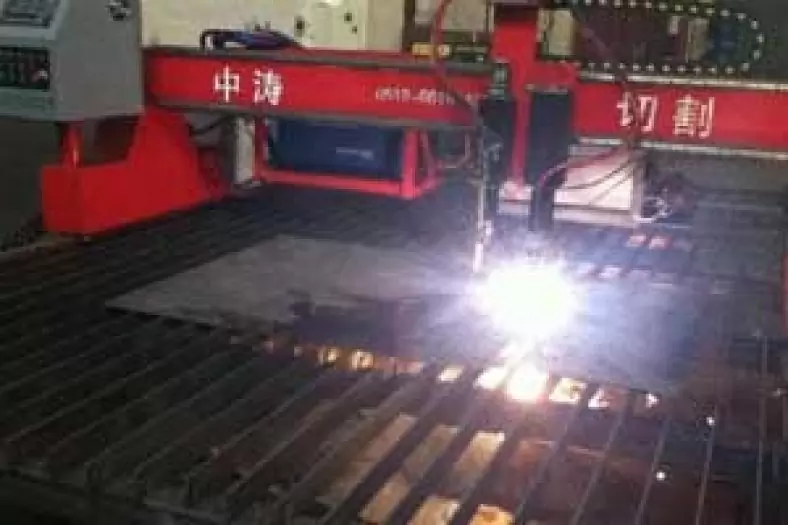
The Detail Of BE-CU Cnc Machining Shop
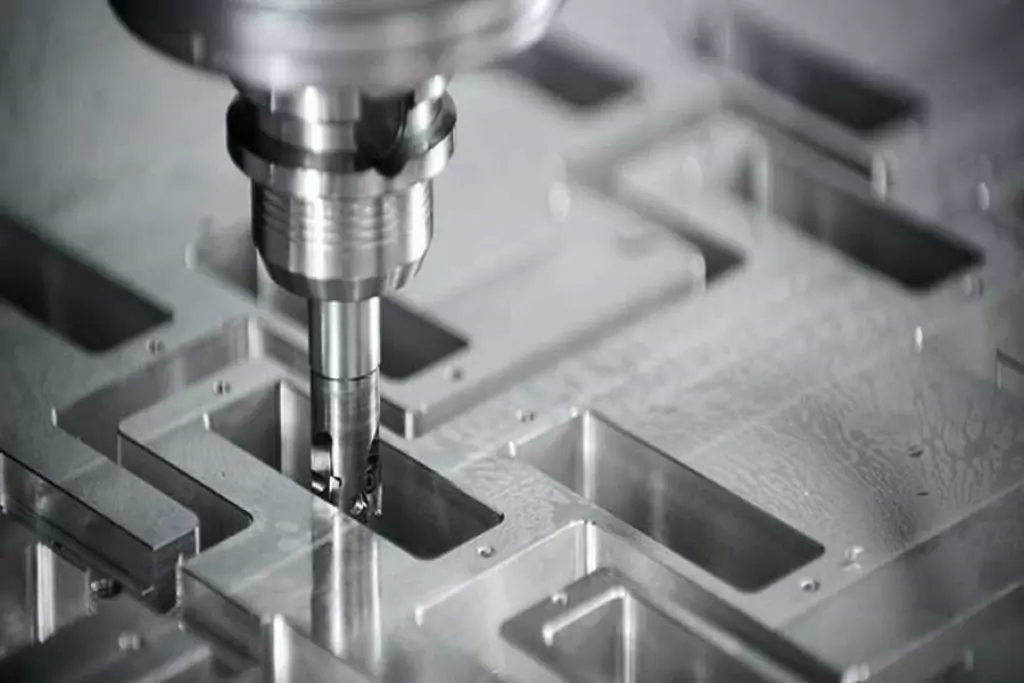
BE-CU.COM – As an accomplished CNC machining Service Manufacturer and CNC shop, BE-CU Prototype has been specialized in OEM CNC lathing, custom CNC machining parts production and rapid CNC machining services China for over 35 years and always maintaining the highest standard in delivery speed and reliable quality of precision CNC manufacturing components. With the help of high-level technology and efficient equipment, as well as rigorous attitude, BE-CU passed the ISO9001:2015 quality certification, which supports the long-term development of CNC milling services, CNC turning services, CNC milling-turning, CNC drilling services, 3/4/5 axis machining, gear machining services, CNC machining China custom parts and service, small parts machining, etc.Our CNC machining products can be utilized in a broad range of industries. Contact us for email: [email protected]
-
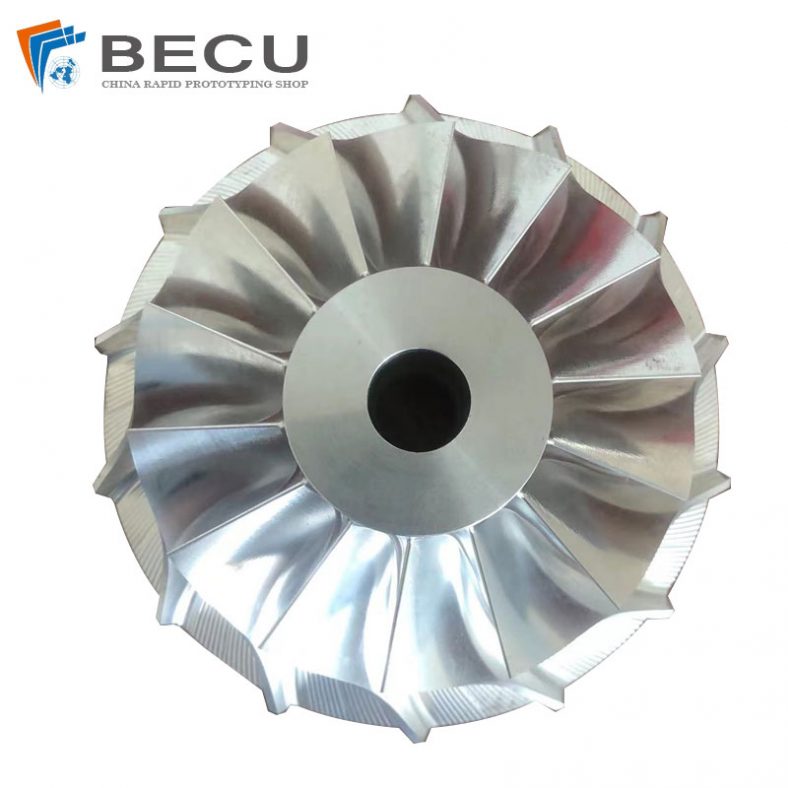
3-Way Centrifugal Compressor Closed Impeller By 5 Axis Machining
-

3/4/5 Axis Precision Milling Custom Vehicle Parts
-
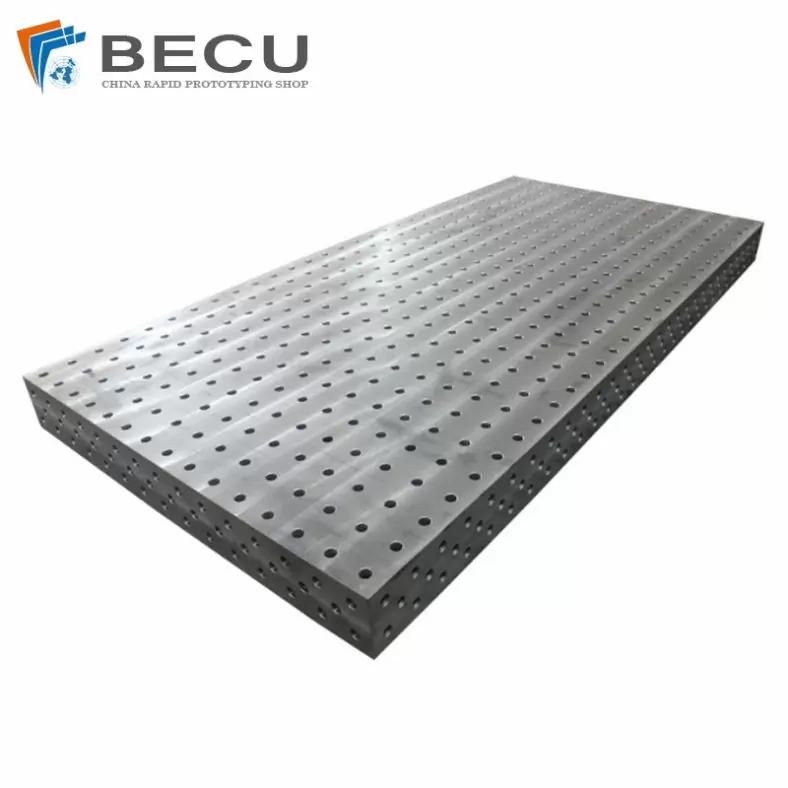
3D Flexible Welding Platform By Large Machining
-
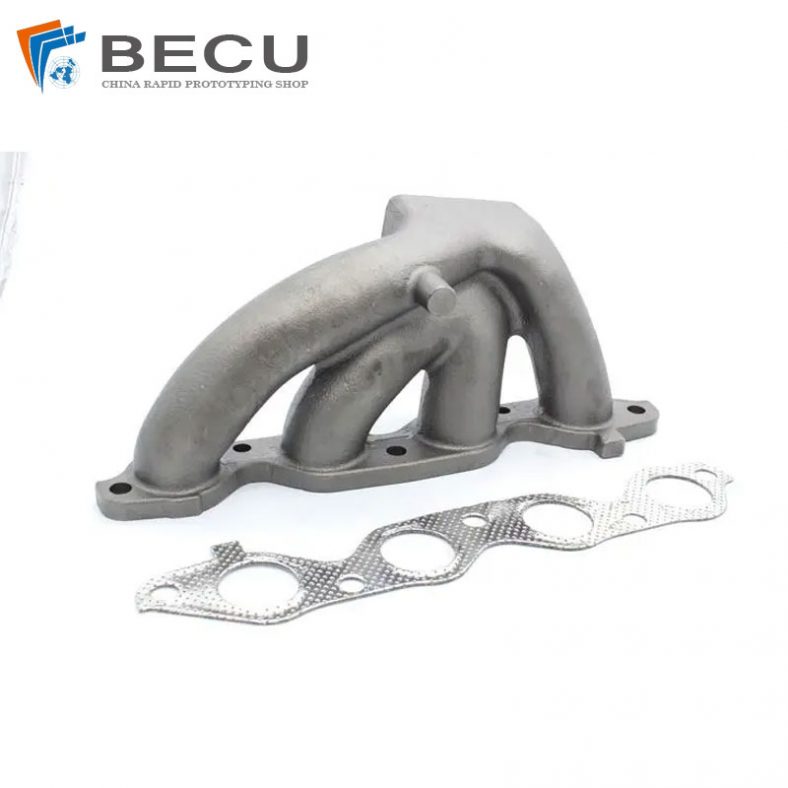
3D Printed Inconel Exhaust Manifold
-
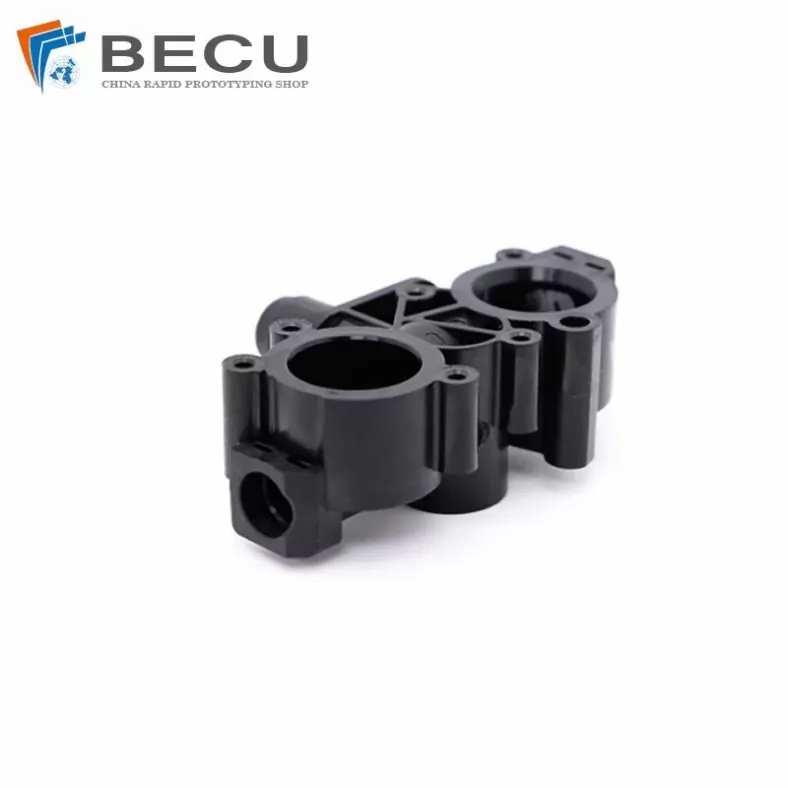
3D Printing And CNC Machining Custom Black PPS Valve
-
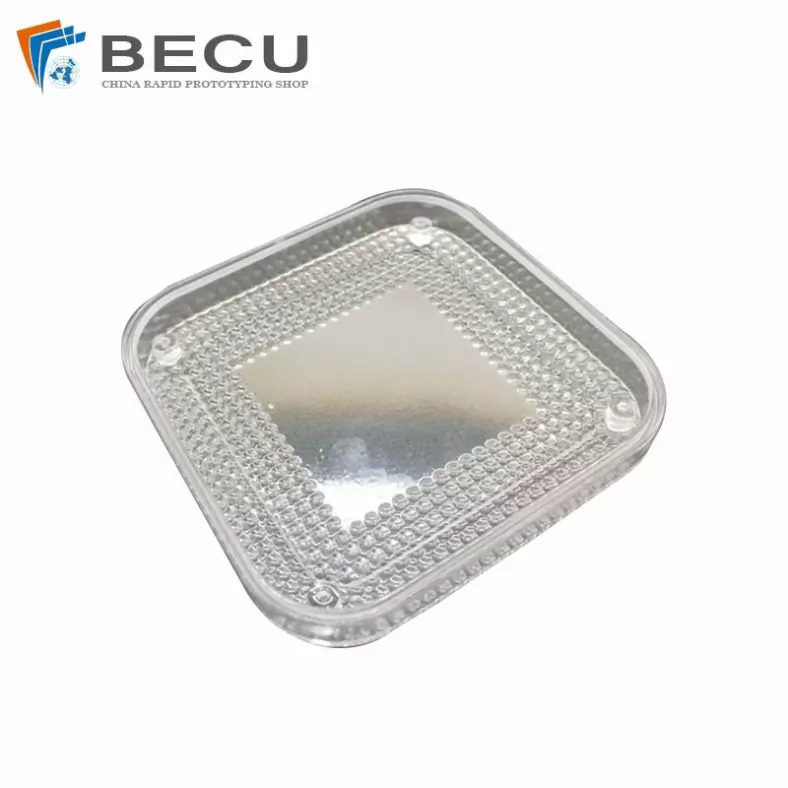
3D Printing Full Transparent Acrylic Lampshade Model
-
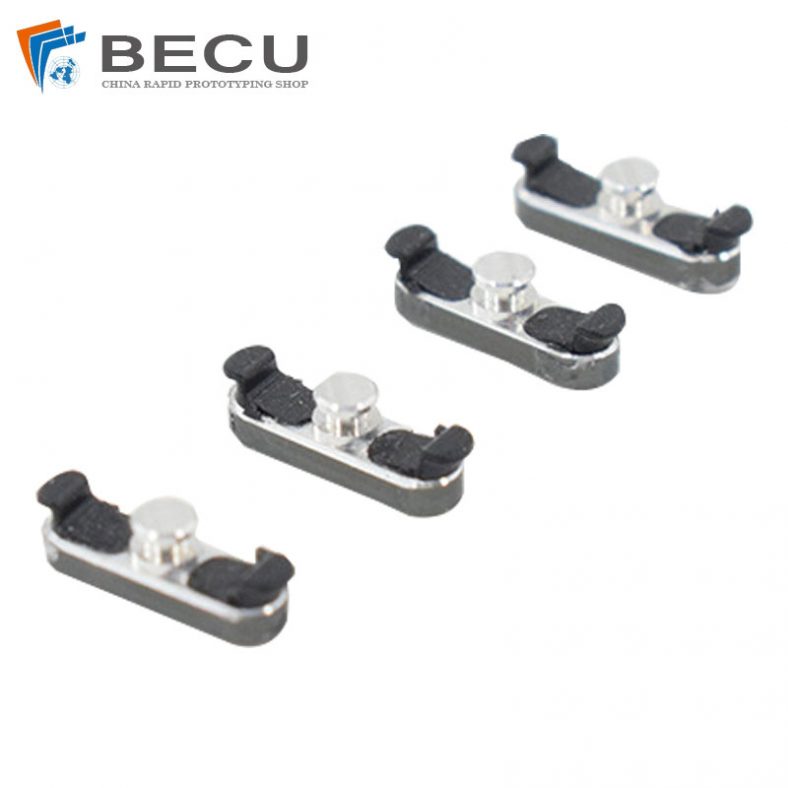
4 Axis CNC Machining Titanium Grade 5 Mobile Phone Buttons
-
4 Axis Machining Highly Transparent Acrylic LED Tunnel Light Lens