
Polymers, the large molecules composed of repeating structural units, are fundamental to modern materials science, underpinning a vast array of applications from everyday plastics to advanced biomedical devices. Among the diverse classifications of polymers, homopolymers and copolymers stand out as two primary categories distinguished by their monomeric composition. This article provides an exhaustive exploration of homopolymers and copolymers, delving into their definitions, chemical structures, synthesis methods, properties, applications, and comparative advantages and disadvantages. By examining these materials through a scientific lens, this analysis aims to elucidate their roles in contemporary technology and industry, supported by detailed comparative tables.
Introduction to Polymers
Polymers are macromolecules formed by the covalent linkage of smaller repeating units called monomers. The term “polymer” derives from the Greek words poly (many) and meros (part), reflecting their structure of multiple repeating units. These materials exhibit a wide range of physical and chemical properties, making them indispensable in industries such as packaging, automotive, electronics, and healthcare. Polymers can be broadly classified based on their origin (natural or synthetic), structure (linear, branched, or cross-linked), or monomeric composition, which is the focus of this article: homopolymers and copolymers.
Homopolymers consist of a single type of monomer, resulting in a uniform repeating unit throughout the polymer chain. Copolymers, in contrast, are composed of two or more different types of monomers, leading to a more complex molecular architecture. The distinction between these two classes profoundly influences their properties, processing, and applications, warranting a detailed comparison.
Definitions and Basic Concepts
2.1 Homopolymers
A homopolymer is a polymer derived from a single type of monomer. The repeating units in a homopolymer are identical, creating a chain with a uniform chemical composition. For example, polyethylene, a widely used homopolymer, is formed from the polymerization of ethylene monomers (C₂H₄), resulting in a chain with the repeating unit –[CH₂–CH₂]–. Similarly, polystyrene is a homopolymer derived from styrene monomers (C₈H₈), with the repeating unit –[CH(C₆H₅)–CH₂]–.
Homopolymers can be represented by the general formula –[A]ₙ–, where A is the repeating monomer unit, and n is the degree of polymerization, indicating the number of repeating units in the chain. The simplicity of their structure often leads to predictable properties, such as consistent melting points and mechanical behavior, which are advantageous in specific applications.
2.2 Copolymers
A copolymer is a polymer formed from two or more different types of monomers, resulting in a chain with varied repeating units. The incorporation of multiple monomers allows for tailored properties that can combine the desirable characteristics of each monomer. For instance, styrene-butadiene rubber (SBR), a copolymer used in tire manufacturing, combines styrene and butadiene monomers to achieve a balance of strength and elasticity.
Copolymers can be represented by a general formula such as –[A]ₘ–[B]ₙ–, where A and B are different monomer units, and m and n indicate the number of each type of repeating unit. The arrangement of these monomers within the chain significantly affects the copolymer’s properties, leading to various structural classifications, which are discussed in the following section.
Structural Classifications
3.1 Homopolymer Structures
Homopolymers, due to their single-monomer composition, typically exhibit simpler structural variations compared to copolymers. Their chains can be linear, branched, or cross-linked, depending on the polymerization conditions and monomer chemistry:
- Linear Homopolymers: These consist of a single, unbranched chain of repeating units. Polyethylene, in its high-density form (HDPE), is an example of a linear homopolymer with minimal branching, resulting in high crystallinity and strength.
- Branched Homopolymers: These contain side chains branching off the main polymer backbone. Low-density polyethylene (LDPE) is a branched homopolymer, where the branches reduce crystallinity, leading to greater flexibility.
- Cross-linked Homopolymers: These feature covalent bonds between polymer chains, forming a three-dimensional network. Cross-linked polystyrene, used in ion-exchange resins, is an example, exhibiting high rigidity and thermal stability.
The uniformity of homopolymer chains often results in predictable crystallization behavior and mechanical properties, but it can limit their versatility compared to copolymers.
3.2 Copolymer Structures
Copolymers are classified based on the arrangement of their different monomer units, leading to a variety of architectures that significantly influence their properties. The primary types of copolymers include:
- Random Copolymers: The different monomers are distributed randomly along the chain, represented as –A–B–A–A–B–B–A–. An example is ethylene-vinyl acetate (EVA), where ethylene and vinyl acetate monomers are randomly arranged, yielding flexible and transparent materials.
- Alternating Copolymers: The monomers alternate in a regular pattern, such as –A–B–A–B–. Poly(styrene-alt-maleic anhydride) is an alternating copolymer with enhanced thermal stability due to its ordered structure.
- Block Copolymers: These consist of long sequences (blocks) of one monomer followed by blocks of another, such as –A–A–A–B–B–B–. Styrene-butadiene-styrene (SBS) block copolymers are used in adhesives and elastomers, combining the rigidity of polystyrene with the elasticity of polybutadiene.
- Graft Copolymers: One type of monomer forms the main chain, with branches of another monomer grafted onto it. Acrylonitrile-butadiene-styrene (ABS) is a graft copolymer, where polybutadiene is grafted onto a styrene-acrylonitrile backbone, offering impact resistance.
- Statistical Copolymers: These have a defined statistical distribution of monomers, often intermediate between random and block copolymers, allowing for fine-tuned properties.
The diverse architectures of copolymers enable precise control over their physical and chemical properties, making them highly adaptable for specialized applications.
Synthesis Methods
4.1 Synthesis of Homopolymers
Homopolymers are synthesized through polymerization techniques that link identical monomers into a chain. The primary methods include:
- Addition Polymerization: This involves the successive addition of monomers without the loss of small molecules. Free radical polymerization, a common technique, is used to produce polyethylene and polystyrene. Initiators, such as peroxides, generate free radicals that propagate the chain growth.
- Condensation Polymerization: This involves monomers reacting with the elimination of small molecules, such as water. While less common for homopolymers, it is used for certain materials like polyesters.
- Ionic Polymerization: Cationic or anionic initiators drive the polymerization of monomers like isobutylene to form polyisobutylene, a homopolymer used in adhesives.
- Coordination Polymerization: Catalysts, such as Ziegler-Natta catalysts, facilitate the stereospecific polymerization of monomers like propylene to produce polypropylene.
The choice of synthesis method depends on the monomer’s reactivity, desired molecular weight, and chain architecture. Homopolymer synthesis is generally simpler due to the uniformity of the monomer, allowing for well-established industrial processes.
4.2 Synthesis of Copolymers
Copolymer synthesis is more complex due to the need to control the incorporation and arrangement of multiple monomers. Key methods include:
- Free Radical Copolymerization: This is widely used for random and statistical copolymers. The relative reactivity ratios of the monomers determine their distribution in the chain. For example, styrene and methyl methacrylate can be copolymerized to form random copolymers for optical applications.
- Living Polymerization: Techniques like anionic living polymerization or atom transfer radical polymerization (ATRP) enable the synthesis of block copolymers with precise control over block lengths. Polystyrene-block-polybutadiene is synthesized using living anionic polymerization.
- Graft Copolymerization: This involves attaching monomer chains to an existing polymer backbone, often via irradiation or chemical initiation. ABS is produced by grafting styrene and acrylonitrile onto polybutadiene.
- Step-Growth Copolymerization: This is used for alternating copolymers, where monomers with complementary functional groups react. Poly(ethylene terephthalate-co-isophthalate) is an example, combining different diacids for enhanced properties.
- Coordination Copolymerization: Catalysts control the insertion of different monomers, as in the production of ethylene-propylene copolymers for elastomers.
Copolymer synthesis requires careful control of monomer feed ratios, reaction conditions, and catalyst systems to achieve the desired architecture and properties.
Physical and Chemical Properties
5.1 Properties of Homopolymers
The properties of homopolymers are largely determined by their single-monomer composition, molecular weight, and chain architecture. Key properties include:
- Crystallinity: Homopolymers often exhibit high crystallinity due to their uniform structure, which enhances mechanical strength and thermal stability. For example, HDPE has a high degree of crystallinity, contributing to its rigidity.
- Melting Point: Homopolymers typically have well-defined melting points. Polypropylene, for instance, melts at approximately 160–170°C, making it suitable for high-temperature applications.
- Mechanical Properties: The uniform chain structure results in consistent tensile strength, modulus, and elongation. Polystyrene is brittle, with high tensile strength but low impact resistance.
- Chemical Resistance: Homopolymers like polytetrafluoroethylene (PTFE) exhibit exceptional chemical inertness due to their stable, uniform structure.
- Thermal Stability: The absence of varied monomer units simplifies thermal degradation pathways, as seen in poly(methyl methacrylate) (PMMA), which decomposes predictably.
While homopolymers offer predictability, their properties are less tunable, limiting their adaptability to diverse applications.
5.2 Properties of Copolymers
Copolymers exhibit a broader range of properties due to their varied monomer composition and architecture:
- Crystallinity: Copolymers often have reduced crystallinity compared to homopolymers, as the different monomers disrupt chain packing. Random ethylene-propylene copolymers are amorphous, enhancing flexibility.
- Melting Behavior: Copolymers may have broader or multiple melting points. Block copolymers like SBS exhibit phase-separated domains, each with distinct thermal transitions.
- Mechanical Properties: The combination of monomers allows for tailored mechanical behavior. ABS combines the toughness of polybutadiene with the rigidity of styrene-acrylonitrile, offering excellent impact resistance.
- Chemical Resistance: Copolymers can be engineered for specific chemical resistances. Fluorinated copolymers like poly(vinylidene fluoride-co-hexafluoropropylene) resist aggressive solvents.
- Thermal Stability: The presence of multiple monomers can complicate thermal degradation, but strategic monomer selection enhances stability, as in poly(ether ether ketone) copolymers.
The versatility of copolymers stems from their ability to combine the strengths of different monomers, enabling customized properties for specific applications.
Applications
6.1 Applications of Homopolymers
Homopolymers are widely used due to their simplicity, cost-effectiveness, and well-characterized properties:
- Polyethylene (PE): Used in packaging films (LDPE), pipes, and containers (HDPE) due to its flexibility, strength, and chemical resistance.
- Polypropylene (PP): Employed in automotive parts, textiles, and medical devices for its high melting point and fatigue resistance.
- Polystyrene (PS): Found in disposable cutlery, insulation, and packaging due to its clarity and rigidity.
- Polyvinyl Chloride (PVC): Used in pipes, cables, and flooring for its durability and flame resistance.
- Polytetrafluoroethylene (PTFE): Applied in non-stick coatings and electrical insulation due to its chemical inertness and low friction.
Homopolymers dominate applications where consistent, predictable performance is required, and cost is a significant factor.
6.2 Applications of Copolymers
Copolymers are preferred in applications requiring tailored properties or enhanced performance:
- Styrene-Butadiene Rubber (SBR): Used in tire treads and conveyor belts for its elasticity and abrasion resistance.
- Acrylonitrile-Butadiene-Styrene (ABS): Employed in automotive components, electronics, and toys for its impact resistance and aesthetic appeal.
- Ethylene-Vinyl Acetate (EVA): Found in footwear soles, solar cell encapsulants, and adhesives due to its flexibility and transparency.
- Poly(ethylene-co-vinyl alcohol) (EVOH): Used in food packaging for its excellent gas barrier properties.
- Poly(styrene-block-butadiene-block-styrene) (SBS): Applied in asphalt modification and adhesives for its elastomeric properties.
Copolymers are critical in advanced applications where specific combinations of properties, such as flexibility, strength, and barrier performance, are essential.
Comparative Analysis
7.1 Advantages and Disadvantages
Homopolymers and copolymers each offer unique advantages and face specific limitations, which are summarized below:
Homopolymers
- Advantages:
- Simpler synthesis processes, reducing production costs.
- Predictable and uniform properties, facilitating quality control.
- High crystallinity in some cases, enhancing mechanical strength.
- Well-established industrial applications, such as polyethylene in packaging.
- Disadvantages:
- Limited property tunability, restricting versatility.
- Often lack the multifunctional properties required for advanced applications.
- Susceptibility to specific weaknesses, such as the brittleness of polystyrene.
Copolymers
- Advantages:
- Highly tunable properties through monomer selection and architecture.
- Ability to combine desirable traits, such as toughness and clarity in ABS.
- Enhanced performance in specialized applications, like gas barriers in EVOH.
- Versatility across diverse industries, from biomedical to automotive.
- Disadvantages:
- More complex synthesis, increasing production costs.
- Challenges in controlling monomer distribution and chain architecture.
- Potential for phase separation in block copolymers, affecting uniformity.
7.2 Comparative Tables
The following tables provide a detailed comparison of homopolymers and copolymers across various parameters, enhancing the understanding of their differences.
| Parameter | Homopolymers | Copolymers |
|---|---|---|
| Monomer Composition | Single type of monomer (e.g., ethylene in polyethylene). | Two or more types of monomers (e.g., styrene and butadiene in SBR). |
| Chain Structure | Uniform repeating units (–[A]ₙ–). | Varied repeating units (e.g., –A–B–A–B– or –A–A–B–B–). |
| Structural Types | Linear, branched, cross-linked. | Random, alternating, block, graft, statistical. |
| Crystallinity | Often high due to uniform structure (e.g., HDPE). | Typically lower due to disrupted chain packing (e.g., EVA). |
| Example Materials | Polyethylene, polystyrene, polypropylene. | SBR, ABS, EVA, SBS. |
Table 2: Synthesis and Processing Comparison
| Parameter | Homopolymers | Copolymers |
|---|---|---|
| Synthesis Methods | Addition, condensation, ionic, coordination polymerization. | Free radical, living, graft, step-growth, coordination copolymerization. |
| Complexity | Simpler, single monomer feed. | More complex, requires control of multiple monomers. |
| Control Parameters | Molecular weight, initiator concentration. | Monomer ratios, reactivity ratios, sequence control. |
| Cost | Generally lower due to simpler processes. | Higher due to complex synthesis and purification. |
| Industrial Scalability | Highly scalable (e.g., polyethylene production). | Scalable but requires precise control (e.g., ABS production). |
| Parameter | Homopolymers | Copolymers |
|---|---|---|
| Mechanical Properties | Consistent but limited tunability (e.g., brittle polystyrene). | Highly tunable (e.g., tough ABS). |
| Thermal Properties | Well-defined melting points (e.g., PP at 160–170°C). | Broader or multiple transitions (e.g., SBS with phase-separated domains). |
| Chemical Resistance | Depends on monomer (e.g., PTFE is inert). | Tailored resistance (e.g., fluorinated copolymers). |
| Optical Properties | Often clear or opaque (e.g., clear PMMA). | Can be engineered for clarity or opacity (e.g., transparent EVA). |
| Flexibility | Limited by single monomer (e.g., rigid PVC). | Enhanced by monomer combination (e.g., flexible EVA). |
| Parameter | Homopolymers | Copolymers |
|---|---|---|
| Common Applications | Packaging, pipes, insulation (e.g., PE, PP, PS). | Tires, electronics, adhesives (e.g., SBR, ABS, SBS). |
| Specialized Applications | Non-stick coatings, medical implants (e.g., PTFE). | Gas barriers, biomedical devices (e.g., EVOH, polyurethane copolymers). |
| Cost-Effectiveness | High for commodity applications. | Higher for specialized applications. |
| Market Share | Dominant in bulk plastics (e.g., PE, PP). | Growing in high-performance materials. |
| Versatility | Limited to specific uses. | Broad due to tailored properties. |
Advances in Polymer Science
8.1 Innovations in Homopolymers
Recent advancements in homopolymer research focus on enhancing their performance and sustainability:
- High-Performance Homopolymers: Developments in metallocene catalysts have enabled the production of polyethylene and polypropylene with precise molecular weight distributions, improving mechanical properties.
- Biopolymers: Homopolymers like polylactic acid (PLA), derived from renewable resources, are gaining traction for sustainable packaging and biomedical applications.
- Nanocomposites: Incorporating nanoparticles into homopolymers, such as clay in polyethylene, enhances barrier properties and strength.
- Recyclability: Advances in chemical recycling allow homopolymers like polystyrene to be depolymerized into monomers, supporting a circular economy.
These innovations expand the scope of homopolymers, addressing some of their traditional limitations.
8.2 Innovations in Copolymers
Copolymer research is driven by the need for multifunctional materials:
- Self-Healing Copolymers: Block copolymers with dynamic bonds enable self-healing materials for coatings and electronics.
- Shape-Memory Copolymers: Polyurethane copolymers exhibit shape-memory properties, used in medical devices and aerospace.
- Biocompatible Copolymers: Copolymers like poly(ethylene glycol-co-lactic acid) are developed for drug delivery and tissue engineering.
- Smart Materials: Stimuli-responsive copolymers, such as those changing properties with temperature or pH, are explored for sensors and actuators.
These advancements highlight the adaptability of copolymers in addressing complex technological challenges.
Environmental and Economic Considerations
9.1 Environmental Impact of Homopolymers
Homopolymers, particularly commodity plastics like polyethylene and polypropylene, dominate global plastic production, raising environmental concerns:
- Production: High energy consumption and greenhouse gas emissions during synthesis.
- Waste: Non-biodegradable homopolymers contribute to plastic pollution, with polyethylene bags being a major issue.
- Recycling: Mechanical recycling is common, but degradation of properties limits cycles. Chemical recycling is emerging but costly.
Efforts to mitigate these impacts include developing bio-based homopolymers and improving recycling technologies.
9.2 Environmental Impact of Copolymers
Copolymers face similar environmental challenges, compounded by their complexity:
- Production: More energy-intensive due to complex synthesis and purification.
- Waste: Heterogeneous composition complicates recycling, as seen in multilayer packaging with EVOH copolymers.
- Biodegradability: Some copolymers, like PLA-based copolymers, are biodegradable, but most are not.
Research focuses on designing recyclable copolymers and incorporating bio-based monomers to reduce environmental footprints.
9.3 Economic Factors
- Homopolymers: Their simpler production and scalability make them cost-effective for mass-market applications. Polyethylene and polypropylene account for a significant share of the global plastics market, valued at over $600 billion in 2024.
- Copolymers: Higher production costs are offset by their value in high-performance applications. The market for engineering copolymers like ABS and polycarbonate copolymers is growing, driven by demand in automotive and electronics.
Economic considerations drive the choice between homopolymers and copolymers, with homopolymers dominating commodity markets and copolymers leading in specialized sectors.
Conclusion
Homopolymers and copolymers represent two fundamental classes of polymers, each with distinct advantages and limitations. Homopolymers, with their single-monomer composition, offer simplicity, cost-effectiveness, and predictable properties, making them ideal for commodity applications like packaging and construction. Copolymers, with their multi-monomer structures, provide unparalleled versatility, enabling tailored properties for advanced applications in electronics, automotive, and biomedical fields. The choice between homopolymers and copolymers depends on the specific requirements of the application, balancing cost, performance, and environmental considerations.
The future of homopolymers and copolymers lies in addressing global challenges such as sustainability, performance, and scalability:
- Sustainable Polymers: Both homopolymers and copolymers are being developed from renewable feedstocks, with PLA and bio-based polyethylene as examples.
- Advanced Functionalities: Copolymers will lead in smart materials, with applications in wearable electronics and responsive drug delivery systems.
- Recycling Technologies: Innovations in chemical recycling and depolymerization will enhance the circularity of both polymer types.
- Hybrid Materials: Combining homopolymers and copolymers in composites or blends will yield materials with synergistic properties.
The interplay between homopolymers and copolymers will continue to shape materials science, with each playing complementary roles in a sustainable, technology-driven future.
Through detailed comparisons and tables, this article has highlighted the structural, synthetic, and applicative differences between these polymer types. Advances in polymer science continue to expand their capabilities, with a focus on sustainability and multifunctionality. As materials science evolves, homopolymers and copolymers will remain at the forefront, driving innovation across industries and addressing global challenges.
The Detail Of BE-CU 3D Printing Company
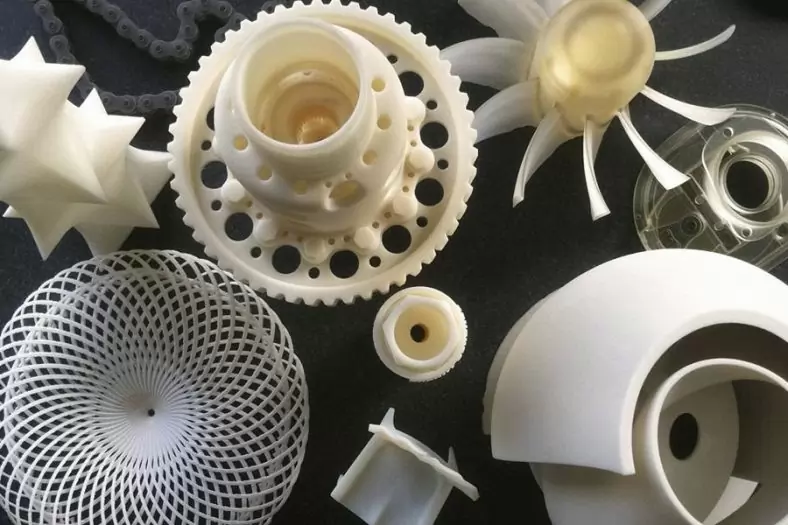
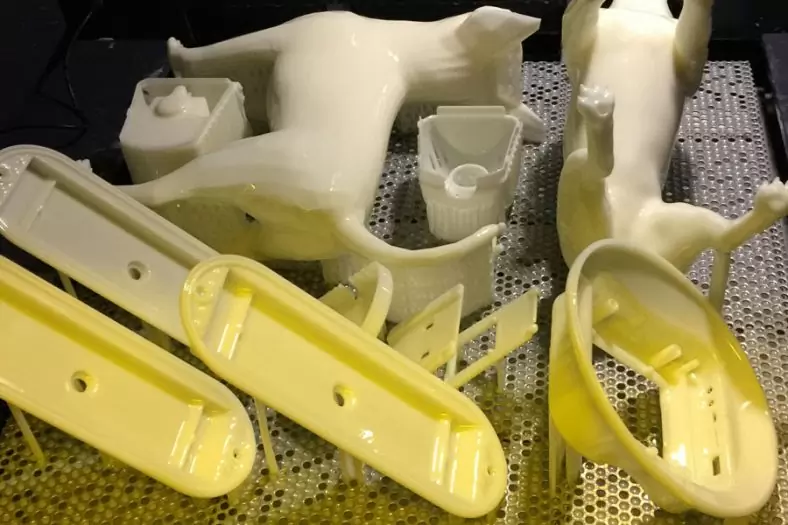
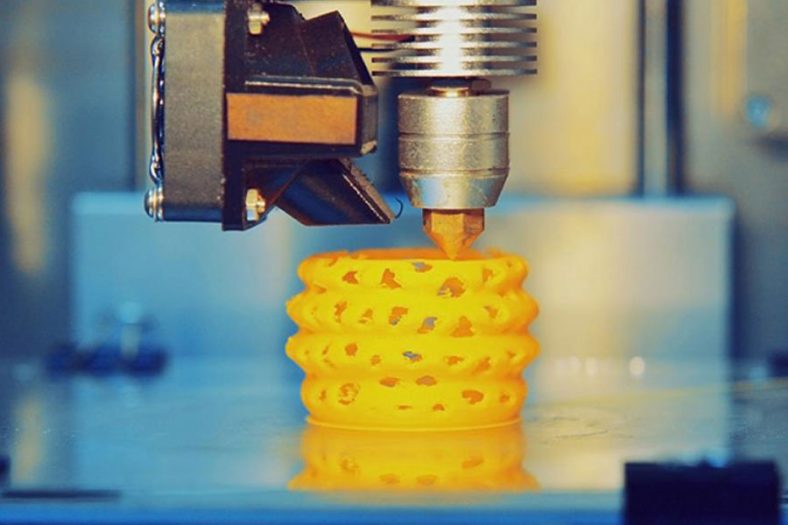
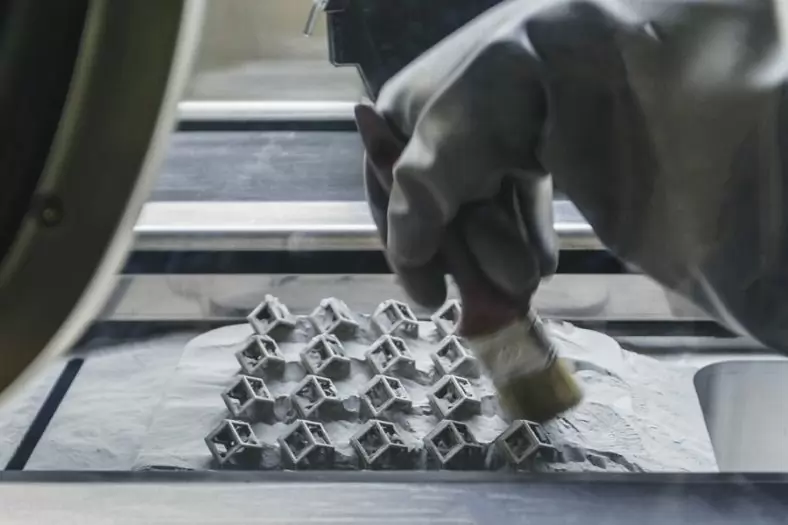
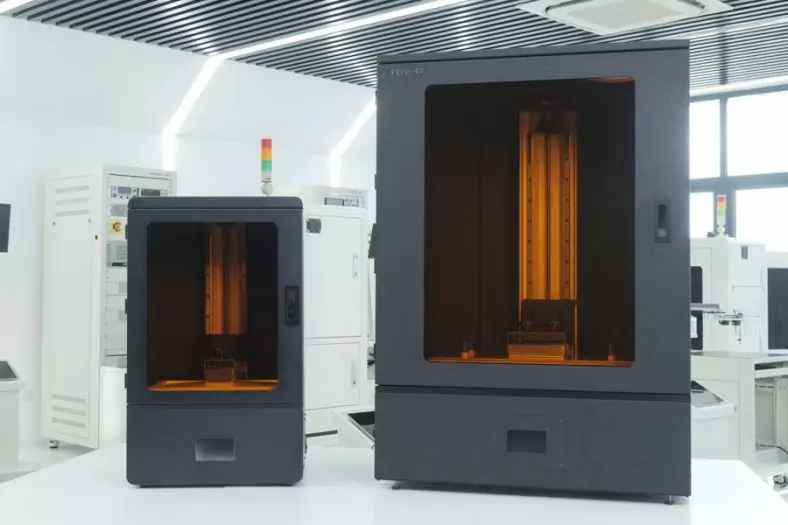
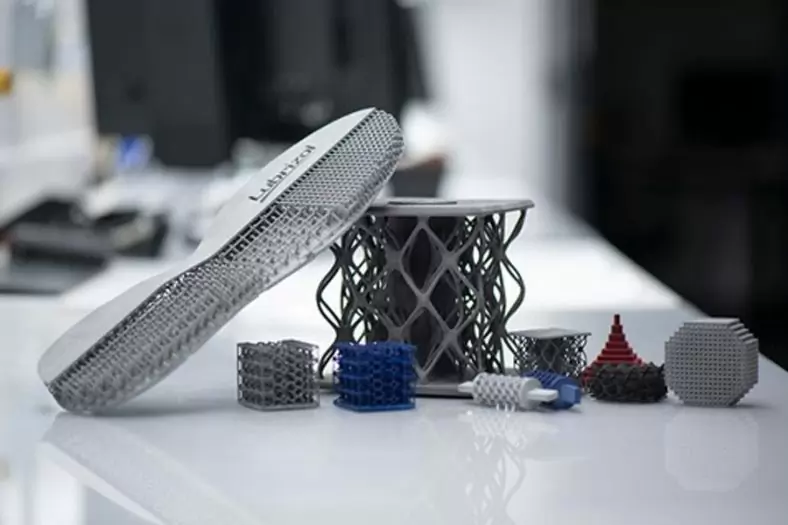
BE-CU.COM offers online 3D printing services for rapid prototyping and production in volume. Our clients are across a wide variety of industries and companies, including automotive, construction, aerospace, defense, electronics, machinery, industrial automation, medical, healthcare, consumer production, oil & gas, etc. Accelerate your product development and manufacturing process with our industry-leading metal & plastic 3D printing service and 3D printed parts. We’ll find the best 3D printing solution for your projects, to lower your cost and shorten the lead time based on your needs, while maintaining the quality. From 3D prototyping to end-use parts production, multiple materials are available for custom 3D printing parts. Need an alternative to the traditional solution? Submit your 3D CAD file to get an online quotation quickly. Our 3D printing service ensures accuracy and speed. We can help you choose the most appropriate technology and material to match your applications or request.
-
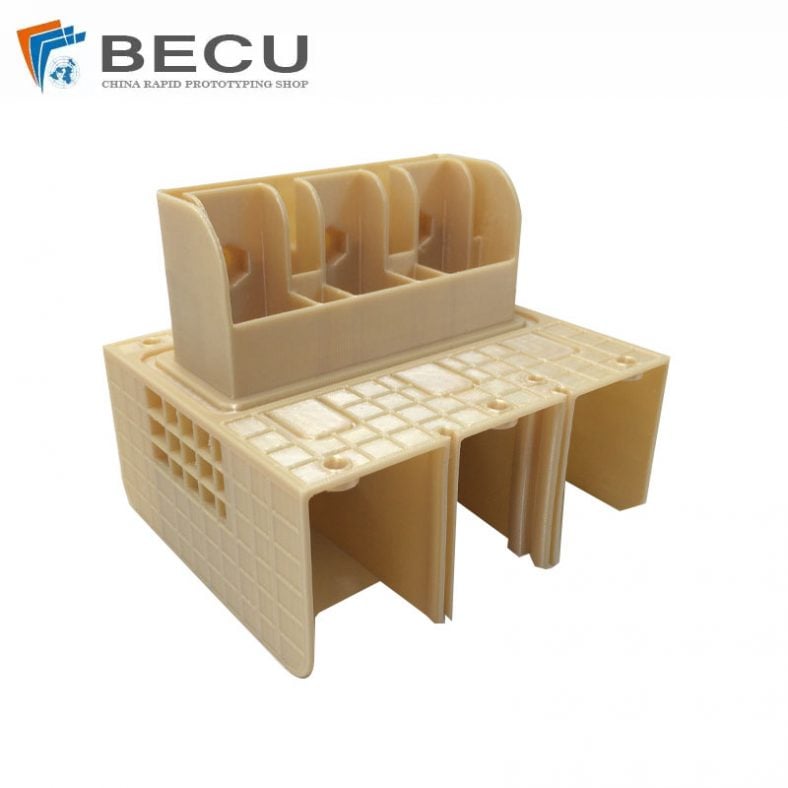
FDM 3D Printing Ultra-High Voltage Strong Electrical Connector
-
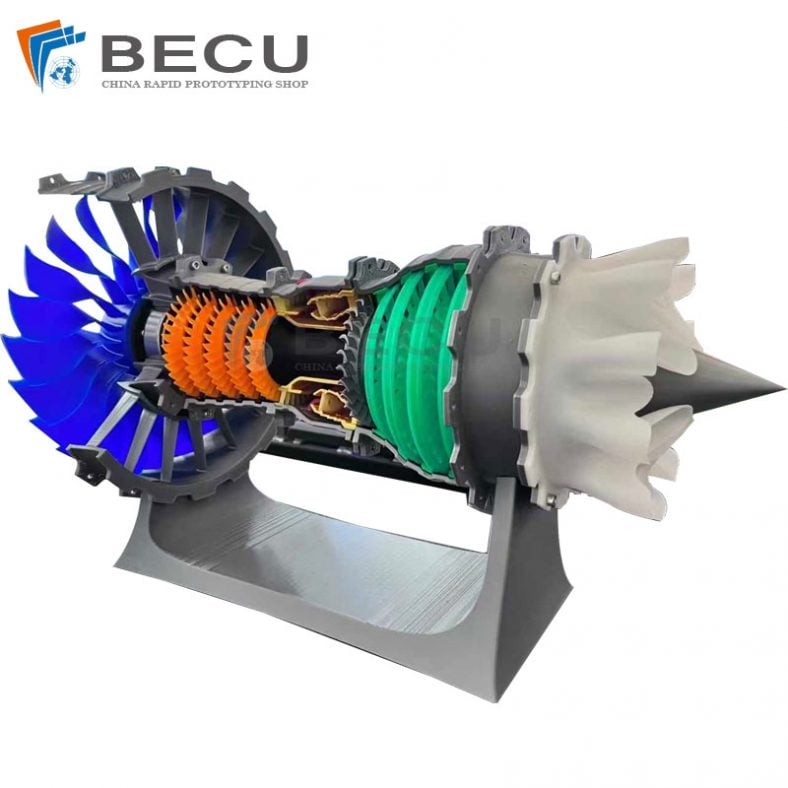
3D Printed Jet Engine Model
-
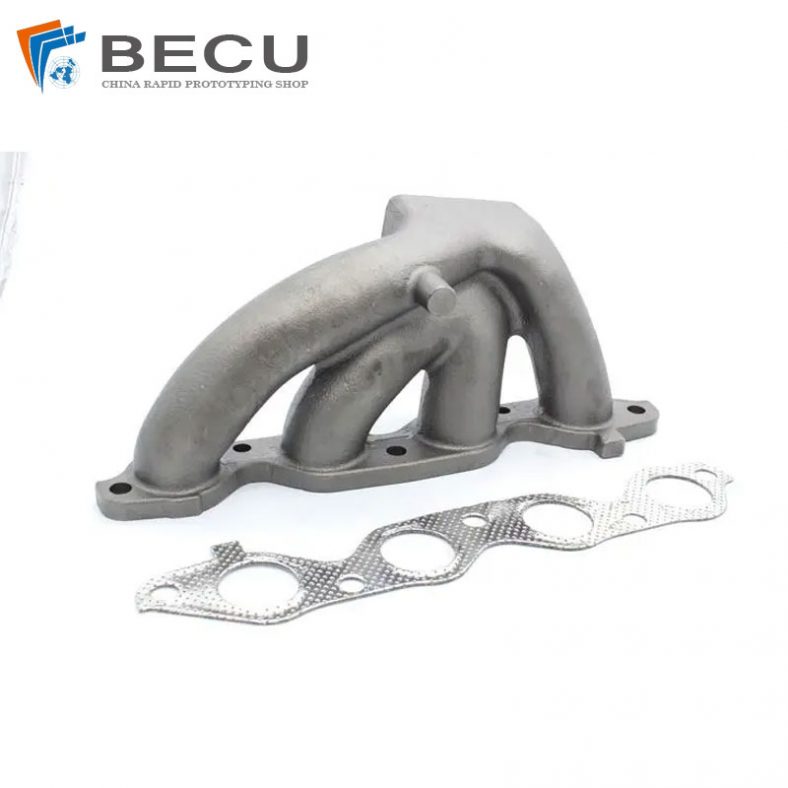
3D Printed Inconel Exhaust Manifold
-

3D Printed Black Myth: Wukong Model
-
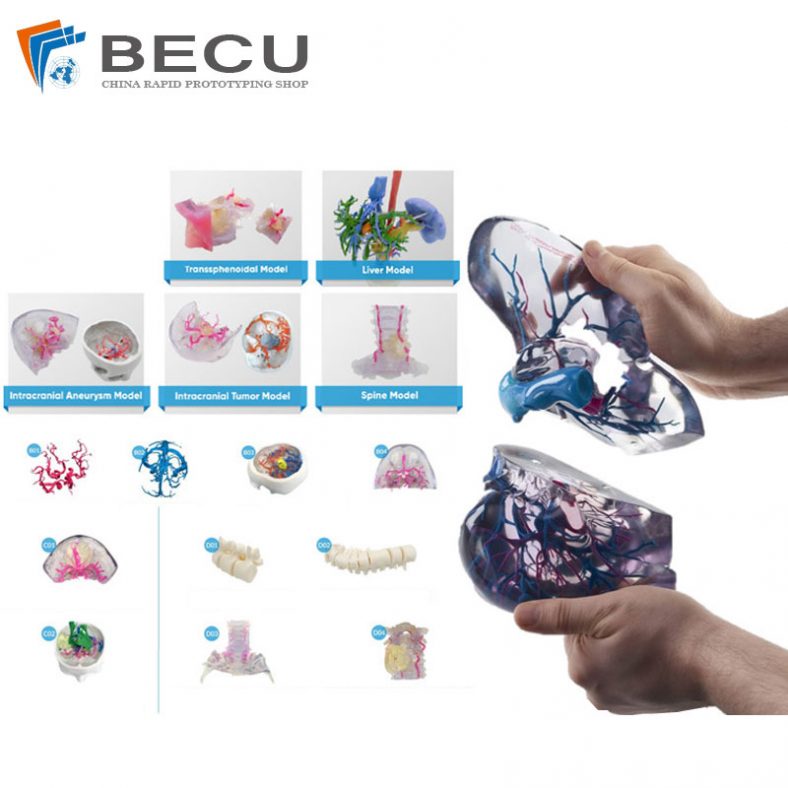
Omni-Directional Surgical Planning Medical Models
-
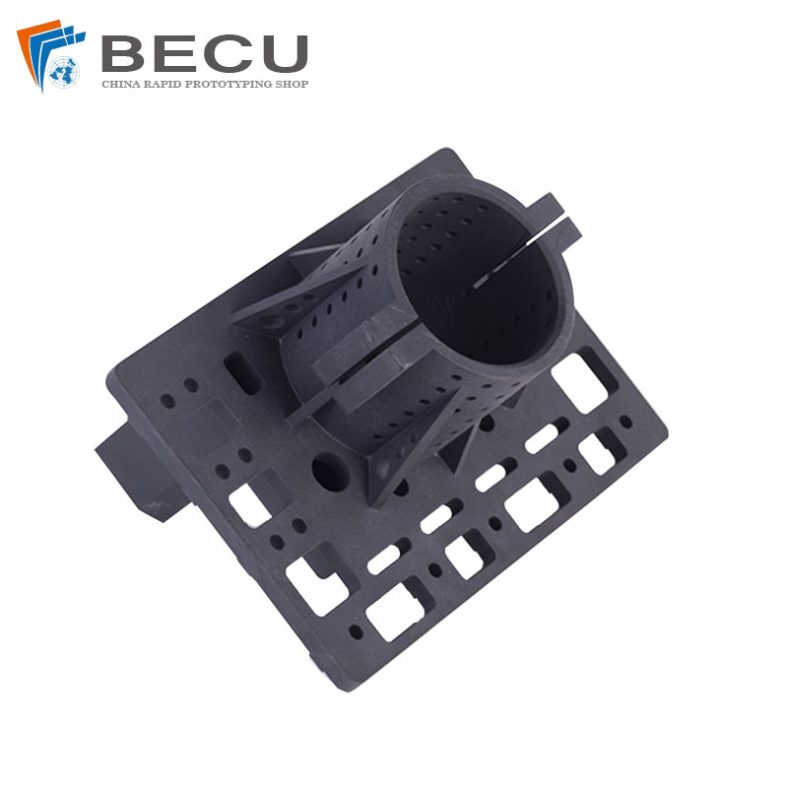
3D Printing Pool Pressure Cleaner Parts and Accessories
-
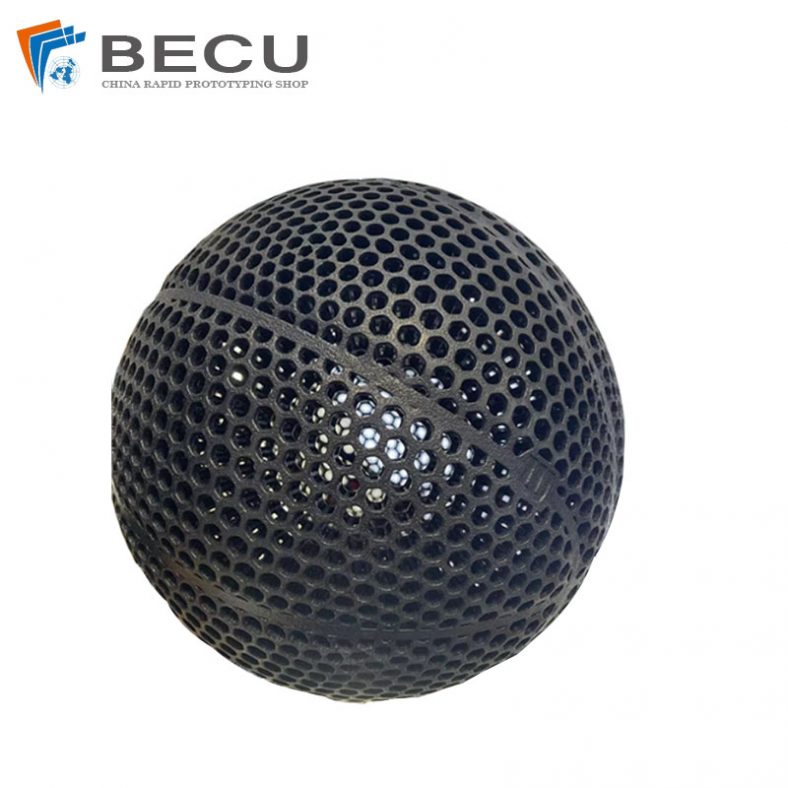
Nylon 3D Printed Size 5 Basketball
-
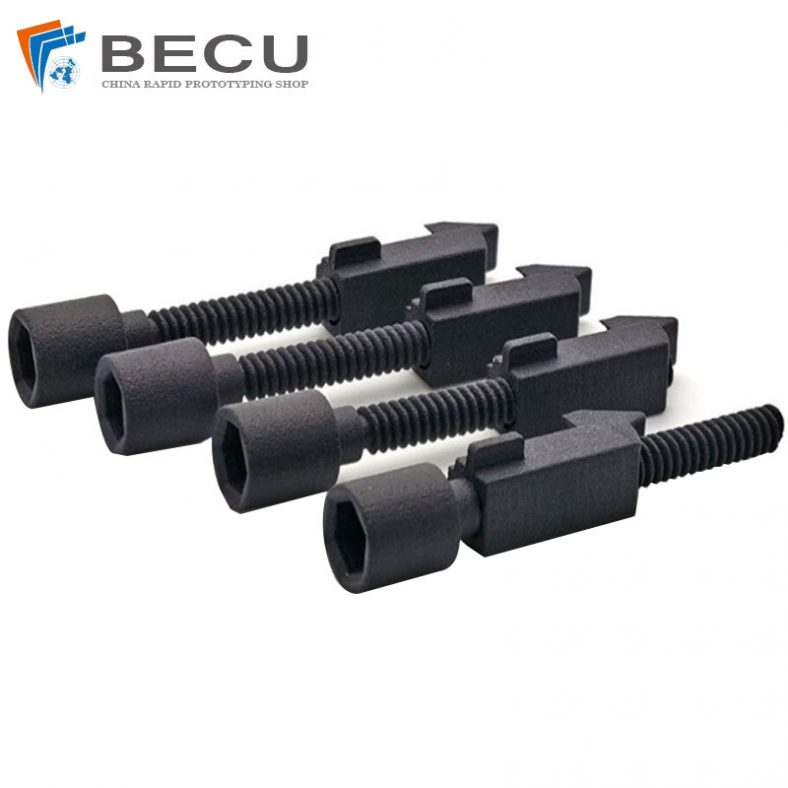
Black Nylon Medical Threaded Screw By MJF 3D Printing