
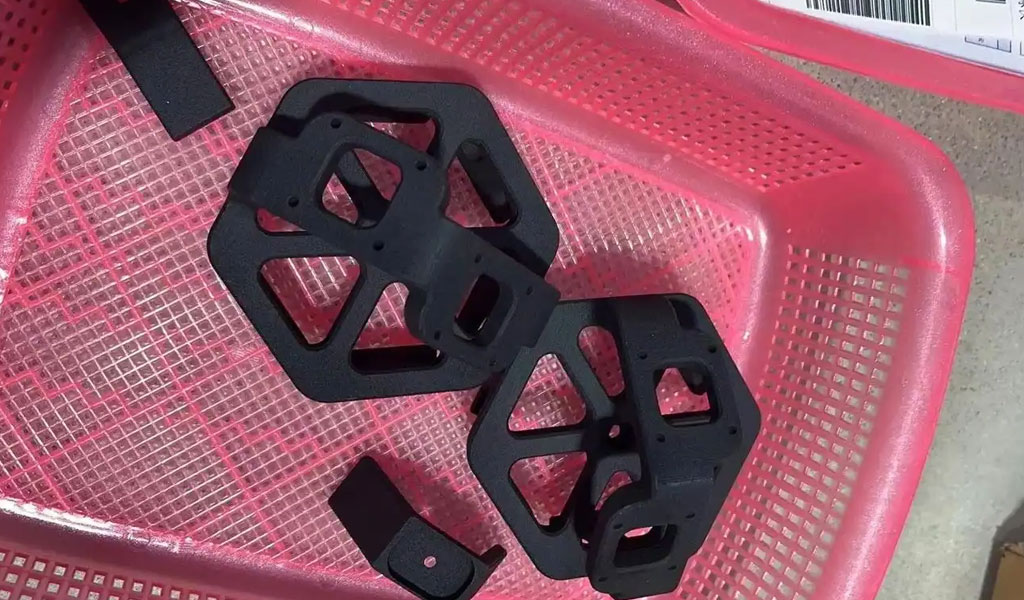
Three-dimensional (3D) printing, also known as additive manufacturing (AM), has undergone transformative advancements by 2025, reshaping industries ranging from healthcare to aerospace, construction, and consumer goods. As of March 4, 2025, the technology has evolved beyond its origins in prototyping to become a cornerstone of industrial production, personalized medicine, and sustainable manufacturing. This article explores the key innovations in 3D printing technology in 2025, focusing on advancements in materials, printing processes, automation, artificial intelligence (AI) integration, and applications across various sectors. Detailed comparative tables are included to elucidate differences in technologies, materials, and their implications.
Historical Context and Evolution
3D printing traces its origins to the 1980s, with Charles Hull’s invention of stereolithography (SLA) in 1984, which used photopolymer resins cured by ultraviolet (UV) light to form solid objects layer by layer. The subsequent decades saw the development of fused deposition modeling (FDM), selective laser sintering (SLS), and other techniques that expanded the range of printable materials from plastics to metals and ceramics. By the early 21st century, 3D printing had gained traction in rapid prototyping, but its limitations in speed, material strength, and cost restricted broader adoption. The period from 2020 to 2025 marked a tipping point, driven by breakthroughs in material science, computational design, and industrial-scale automation, positioning 3D printing as a viable alternative to traditional subtractive manufacturing.
In 2025, the convergence of these advancements has elevated 3D printing to a critical technology in the Fourth Industrial Revolution, often referred to as Industry 4.0. Innovations in this year reflect a synergy of interdisciplinary research, integrating nanotechnology, biotechnology, and data-driven optimization to achieve unprecedented precision, scalability, and sustainability.
Material Innovations
One of the most significant developments in 2025 is the expansion of materials compatible with 3D printing, addressing previous limitations in mechanical properties, biocompatibility, and environmental impact.
Advanced Polymers and Composites
High-performance polymers have seen substantial refinement by 2025. Polyetheretherketone (PEEK), a thermoplastic known for its strength and thermal stability, has been optimized for FDM and SLS processes, with new formulations exhibiting enhanced tensile strength (up to 120 MPa) and heat resistance (continuous use at 250°C). These improvements have made PEEK a preferred material in aerospace for lightweight structural components and in medical implants due to its biocompatibility.
Carbon fiber-reinforced composites have also advanced, with companies like Xtellar introducing polypropylene (PP) filaments infused with carbon fibers. These materials combine low density (0.9 g/cm³) with high impact strength (up to 70 J/m), overcoming previous challenges in printability. Such composites are widely used in automotive parts, reducing vehicle weight and improving fuel efficiency.
Biodegradable and Sustainable Materials
Sustainability is a driving force in 2025, with biodegradable filaments gaining prominence. Polylactic acid (PLA), a plant-based polymer, has been enhanced with additives like cellulose nanofibers, increasing its tensile strength from 50 MPa to 75 MPa while maintaining compostability. New developments in recycled polyethylene terephthalate (rPET) derived from plastic bottles have enabled closed-loop manufacturing, where waste plastics are shredded, extruded into filament, and reprinted into functional products. By 2025, rPET-based 3D printing achieves mechanical properties comparable to virgin PET (tensile strength of 55 MPa), reducing the carbon footprint of additive manufacturing by up to 40%.
Metal Alloys and Powders
Metal 3D printing, particularly through powder bed fusion (PBF) and directed energy deposition (DED), has expanded with the introduction of novel alloys. High-entropy alloys (HEAs), which combine multiple metallic elements in near-equal proportions, offer superior strength (up to 1,200 MPa) and corrosion resistance. In 2025, HEAs like FeCoNiCrMn are printed using laser powder bed fusion (LPBF), enabling complex geometries unachievable through traditional casting. These alloys are critical in aerospace for turbine blades and in energy sectors for durable reactor components.
Copper-based alloys, optimized for thermal conductivity (up to 400 W/m·K), have been refined for selective laser melting (SLM), with NASA employing them in rocket engine combustion chambers under the Low-Cost Upper Stage Propulsion (LCUSP) program. Hot-fire tests in 2025 demonstrate their efficacy in high-thrust applications, reducing production costs by 30% compared to conventional methods.
Smart and Functional Materials
The advent of 4D printing—where 3D-printed objects change shape or function over time in response to stimuli—has matured by 2025. Smart materials with embedded sensors or actuators, such as shape-memory polymers (SMPs) and piezoelectric ceramics, are printed using multi-material systems. SMPs, with glass transition temperatures tunable between 30°C and 100°C, are used in biomedical devices like stents that expand in the body. Piezoelectric materials, capable of generating electric charges under mechanical stress, are integrated into wearable electronics, enhancing energy harvesting capabilities.
Printing Process Innovations
Advancements in 3D printing processes have improved speed, precision, and scalability, addressing long-standing barriers to industrial adoption.
High-Speed Printing
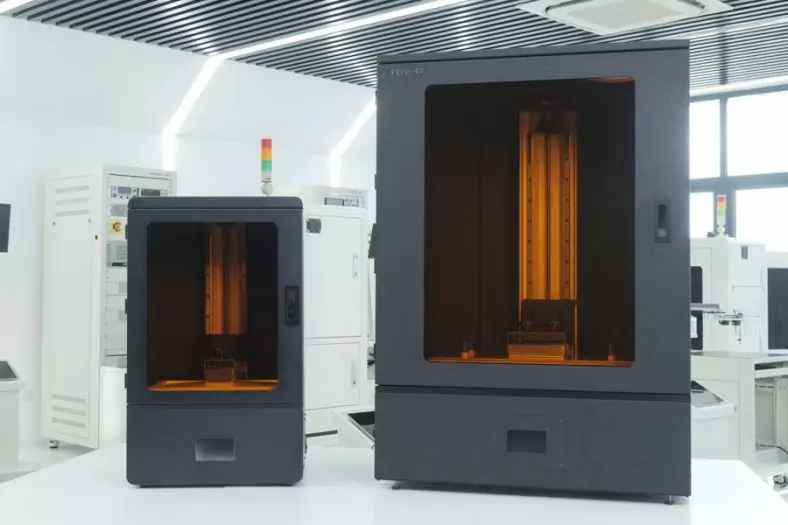
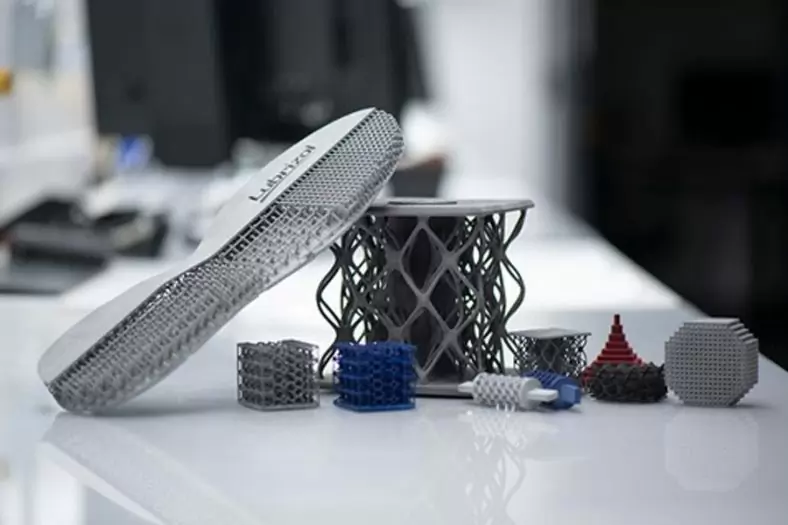
Continuous Liquid Interface Production (CLIP), pioneered by Carbon, has evolved into a high-speed standard by 2025. Using oxygen-permeable optics and UV-curable resins, CLIP achieves print speeds of 500 mm/h, a fivefold increase over traditional SLA. This technology is widely adopted in footwear manufacturing, producing midsoles with lattice structures in under 20 minutes.
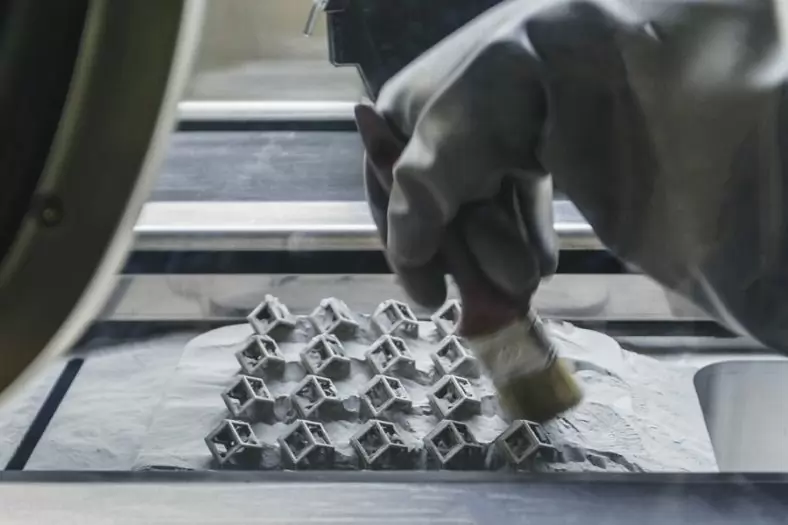
Binder jetting, another high-speed process, has been optimized for metals and ceramics. By 2025, systems like Desktop Metal’s Production System P-50 achieve deposition rates of 12,000 cm³/h, enabling mass production of small, intricate parts like gears and medical tools. The process reduces post-processing time by 50% through improved binder formulations that enhance green part strength.
Multi-Material and Hybrid Printing
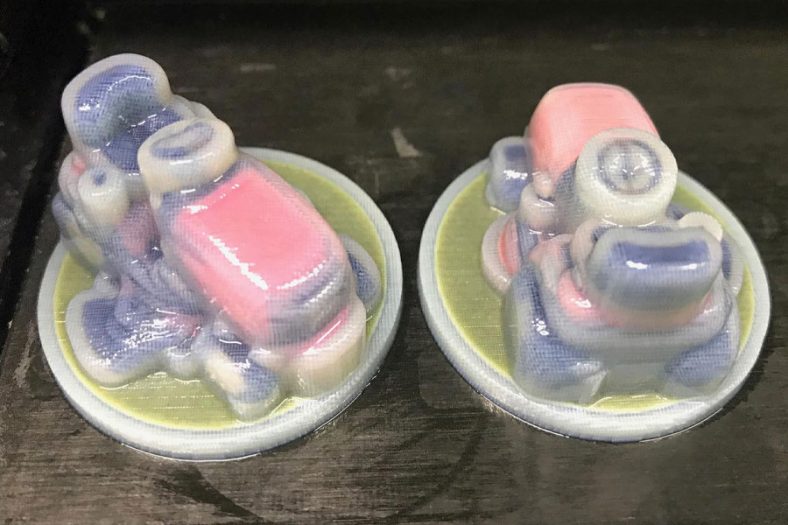
Multi-material 3D printing has reached new heights, with printers capable of combining polymers, metals, and ceramics in a single build. The Original Prusa XL, enhanced in 2025, integrates five independent toolheads, allowing simultaneous deposition of PLA, ABS, nylon, and stainless steel. This capability is transformative in electronics, where conductive and insulating materials are printed together to form functional circuits.
Hybrid manufacturing, blending additive and subtractive techniques, has gained traction. Systems like the DMG Mori Lasertec 65 combine LPBF with CNC milling, achieving surface finishes of Ra 0.4 µm and tolerances of ±10 µm. This hybrid approach is critical in aerospace, where precision and strength are paramount.
Micro and Nano-Scale Printing
Micro-3D printing, enabled by two-photon polymerization (TPP), has achieved resolutions below 100 nm by 2025. Boston Micro Fabrication (BMF) systems produce microneedles and microfluidic devices with feature sizes as small as 2 µm, revolutionizing drug delivery and diagnostics. At the nanoscale, innovations in electron beam-induced deposition (EBID) allow printing of structures with atomic precision, opening applications in quantum computing and nanotechnology.
Automation and AI Integration
Automation and AI have become integral to 3D printing in 2025, enhancing efficiency and quality control.
AI-Driven Design and Optimization
Generative design, powered by AI algorithms, optimizes 3D-printed parts for weight, strength, and material use. Software like Autodesk Fusion 360 integrates machine learning to analyze millions of design iterations in hours, producing organic geometries that reduce material consumption by up to 30%. In 2025, AI also predicts print failures by monitoring sensor data, reducing waste in FDM processes by 25%.
In-Print Monitoring
Real-time monitoring systems, such as Bambu Lab’s Spaghetti Detection, use computer vision to identify defects like layer shifting or filament tangling. By 2025, these systems are standard in industrial printers, with AI correcting errors mid-print, achieving near-zero failure rates in high-stakes applications like aerospace.
Robotic Automation
Robotic arms, integrated with wire arc additive manufacturing (WAAM), enable large-scale printing of metal structures. Caracol’s systems in 2025 print components up to 3 meters in length, used in construction for bridge trusses and in shipbuilding for hull reinforcements. Automation reduces labor costs by 60% and accelerates production timelines.
Applications Across Industries
Healthcare
In 2025, bioprinting has advanced significantly, with elastic hydrogels patented by researchers like Guohao Dai at Northeastern University enabling the printing of vascularized tissues. These hydrogels, with elastic moduli of 10–50 kPa, mimic soft tissue properties, supporting cell viability for over 90 days. Clinical trials for 3D-printed blood vessels are underway, with potential organ printing (e.g., kidneys) projected within a decade.
Custom implants, such as titanium cranial plates, are printed with patient-specific geometries using SLM, reducing surgery times by 20%. Micro-3D printing produces bio-inspired catheters with 0.4 mm features, improving drug delivery precision in cancer treatments by 183 times compared to traditional methods.
Aerospace
Aerospace benefits from lightweight, complex components printed with HEAs and composites. SpaceX’s Raptor engines, incorporating Velo3D’s Sapphire-printed parts, achieve thrust-to-weight ratios of 150:1, a 10% improvement over 2020 designs. Large-format LPBF systems, like SLM Solutions’ 1.5-meter Z-axis printer, produce airframe sections for the U.S. Air Force, cutting lead times from months to weeks.
Construction
3D-printed construction has scaled up, with companies like ICON printing multi-story buildings using concrete extrusion. In 2025, a 500 m² house is completed in 48 hours, with walls reinforced by recycled aggregates, reducing material costs by 25%. Modular components, such as decorative facades, leverage multi-material printing for aesthetic and structural enhancements.
Consumer Goods
Home-use 3D printers, like the Creality K2 Plus, offer multicolor printing at 300 mm/s, democratizing bespoke product creation. Consumers print everything from toys to furniture, with online platforms providing thousands of open-source designs, fostering a maker culture.
Comparative Tables
Table 1: Material Properties Comparison (2025)
| Material | Process | Tensile Strength (MPa) | Density (g/cm³) | Thermal Conductivity (W/m·K) | Key Applications |
|---|---|---|---|---|---|
| PEEK | FDM, SLS | 120 | 1.3 | 0.25 | Aerospace, implants |
| Carbon Fiber PP | FDM | 70 | 0.9 | 0.3 | Automotive parts |
| Enhanced PLA | FDM | 75 | 1.24 | 0.13 | Sustainable packaging |
| FeCoNiCrMn (HEA) | LPBF | 1,200 | 8.0 | 15 | Turbine blades |
| Copper Alloy | SLM | 300 | 8.9 | 400 | Rocket engines |
| Shape-Memory Polymer | Multi-Material | 20–50 | 1.1 | 0.2 | Biomedical stents |
Table 2: Printing Process Comparison (2025)
| Process | Speed (mm/h or cm³/h) | Resolution (µm) | Material Compatibility | Cost per Part (USD) | Industry Use |
|---|---|---|---|---|---|
| CLIP | 500 mm/h | 50 | Resins | 5–20 | Footwear, dental |
| Binder Jetting | 12,000 cm³/h | 100 | Metals, ceramics | 2–10 | Mass production |
| Multi-Material (Prusa XL) | 300 mm/s | 50 | Polymers, metals | 10–50 | Electronics |
| TPP (Micro) | 1 mm/h | 0.1 | Resins | 50–200 | Microfluidics |
| WAAM | 1,000 cm³/h | 1,000 | Metals | 20–100 | Construction, shipbuilding |
Table 3: Industry Application Metrics (2025)
| Industry | Key Innovation | Production Time Reduction (%) | Cost Reduction (%) | Performance Improvement (%) |
|---|---|---|---|---|
| Healthcare | Bioprinted vessels | 30 | 20 | 183 (drug delivery) |
| Aerospace | HEA components | 50 | 25 | 10 (thrust-to-weight) |
| Construction | Concrete extrusion | 70 | 25 | 15 (structural strength) |
| Consumer Goods | Multicolor FDM | 40 | 15 | 20 (design flexibility) |
Conclusion
Despite these advancements, challenges remain. The high cost of advanced materials (e.g., HEAs at $500/kg) limits widespread adoption, and energy consumption in metal printing (up to 100 kWh/kg) raises sustainability concerns. Regulatory hurdles in healthcare, particularly for bioprinted organs, delay commercialization, with full approval expected by 2030.
Looking ahead, 2025 innovations pave the way for 6D printing (combining 4D and 5D techniques), where objects adapt to multiple stimuli over time. Quantum-dot printing for electronics and fully autonomous print farms are also on the horizon, promising further disruption.
By March 4, 2025, 3D printing has solidified its role as a transformative technology, driven by material diversity, process efficiency, and AI integration. Its applications span critical industries, offering solutions to global challenges like sustainability and healthcare access. As research continues, the boundaries of what can be printed—and how—will only expand, heralding a future of limitless manufacturing potential.
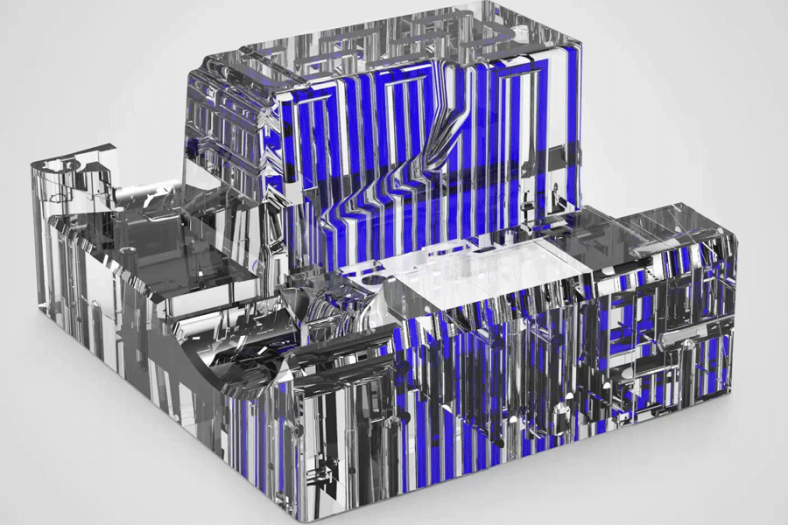
The Detail Of BE-CU 3D Printing Company
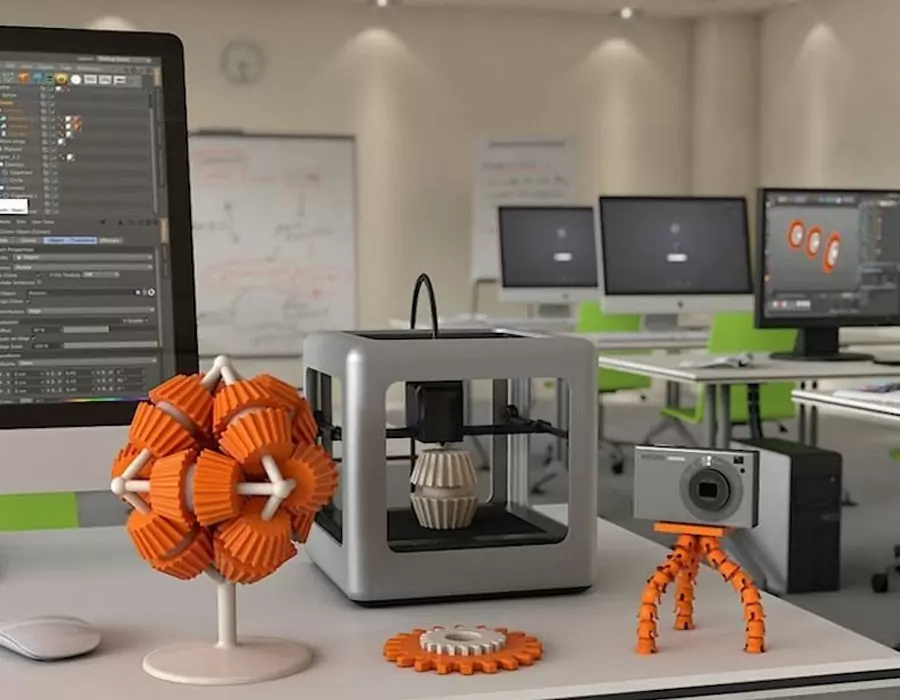
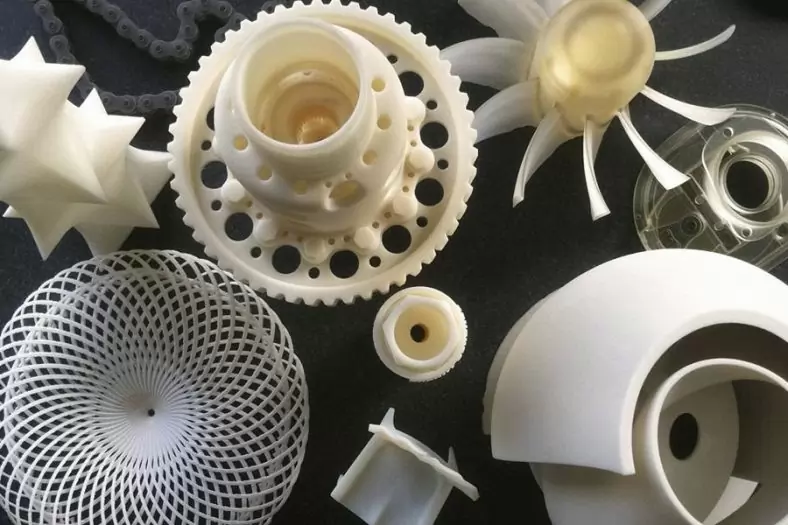
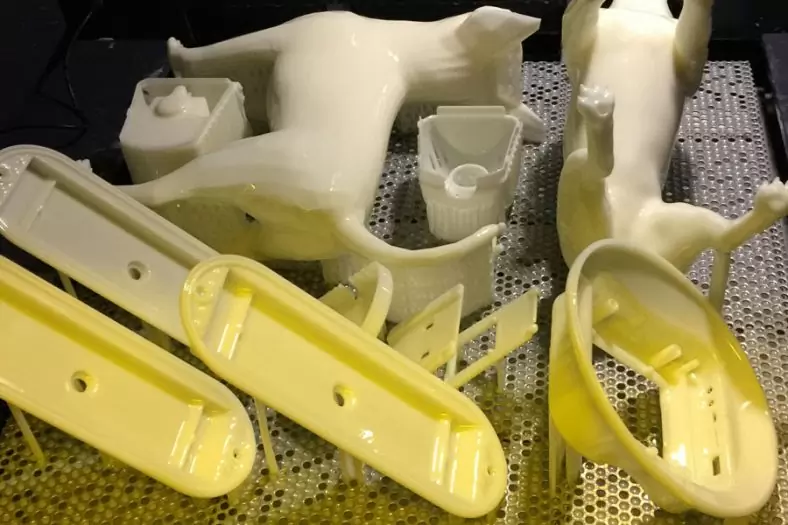
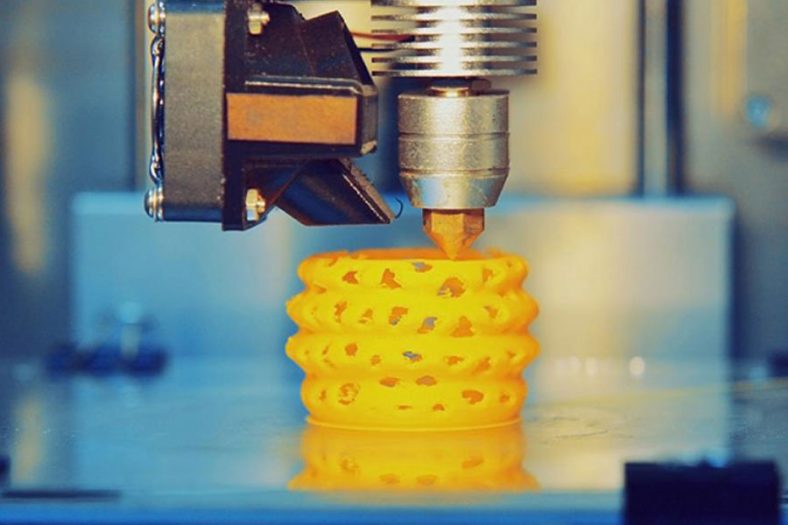
BE-CU.COM offers online 3D printing services for rapid prototyping and production in volume. Our clients are across a wide variety of industries and companies, including automotive, construction, aerospace, defense, electronics, machinery, industrial automation, medical, healthcare, consumer production, oil & gas, etc. Accelerate your product development and manufacturing process with our industry-leading metal & plastic 3D printing service and 3D printed parts. We’ll find the best 3D printing solution for your projects, to lower your cost and shorten the lead time based on your needs, while maintaining the quality. From 3D prototyping to end-use parts production, multiple materials are available for custom 3D printing parts. Need an alternative to the traditional solution? Submit your 3D CAD file to get an online quotation quickly. Our 3D printing service ensures accuracy and speed. We can help you choose the most appropriate technology and material to match your applications or request.
-
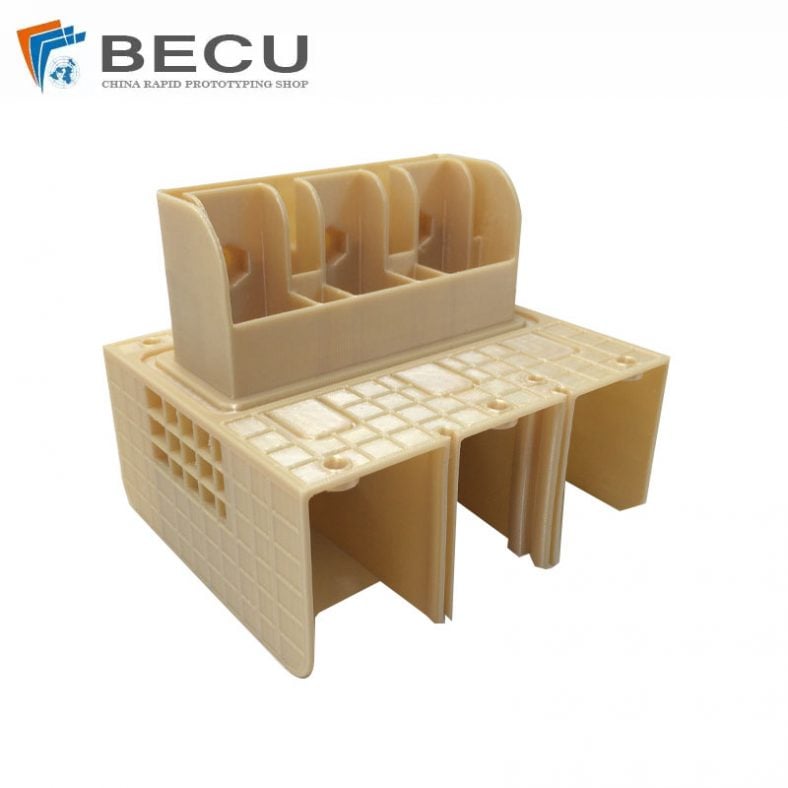
FDM 3D Printing Ultra-High Voltage Strong Electrical Connector
-

3D Printed Jet Engine Model
-
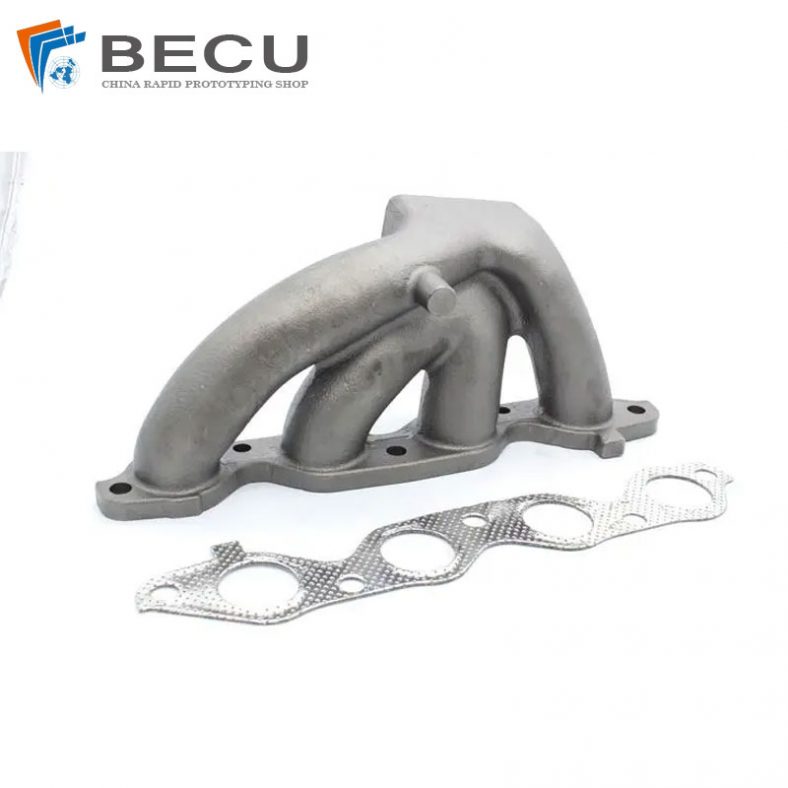
3D Printed Inconel Exhaust Manifold
-

3D Printed Black Myth: Wukong Model
-
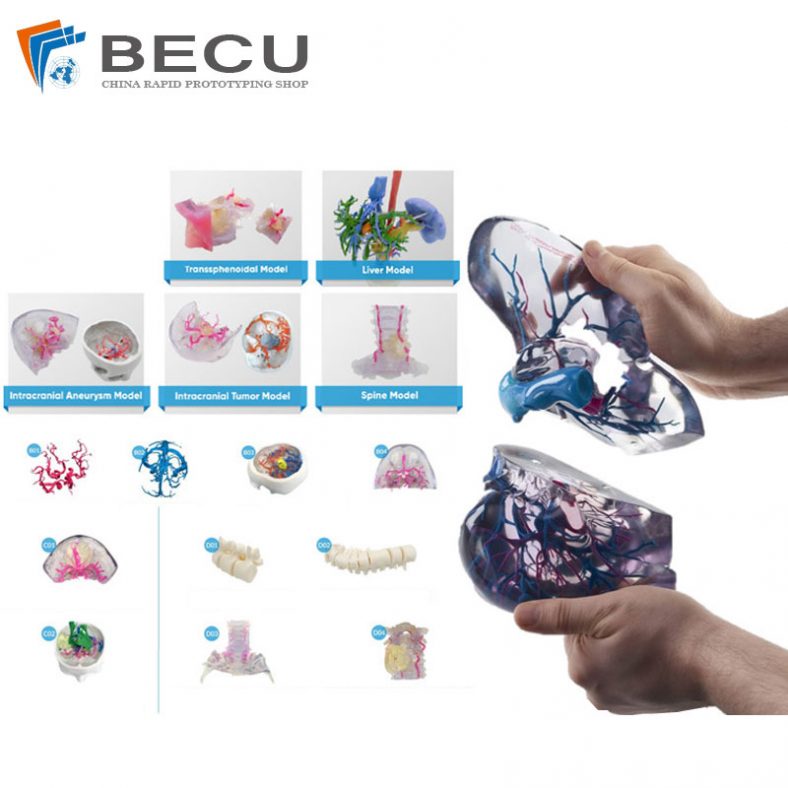
Omni-Directional Surgical Planning Medical Models
-
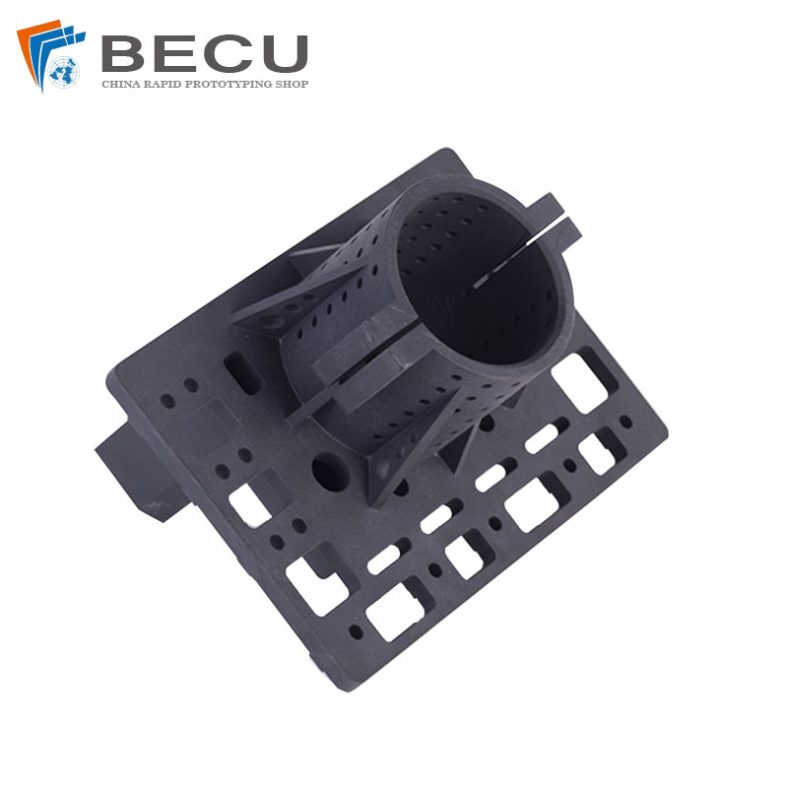
3D Printing Pool Pressure Cleaner Parts and Accessories
-
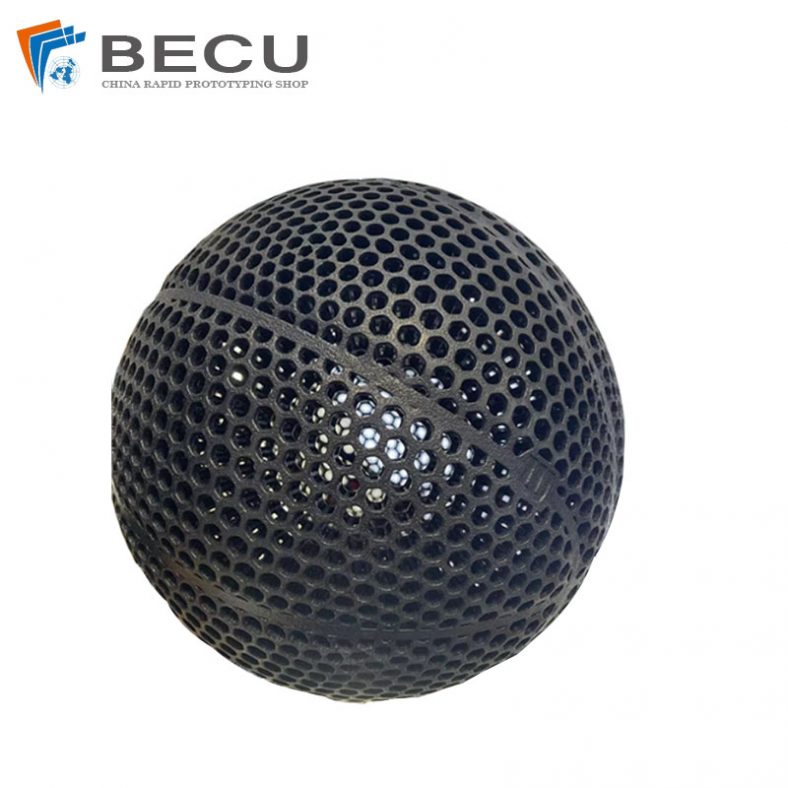
Nylon 3D Printed Size 5 Basketball
-
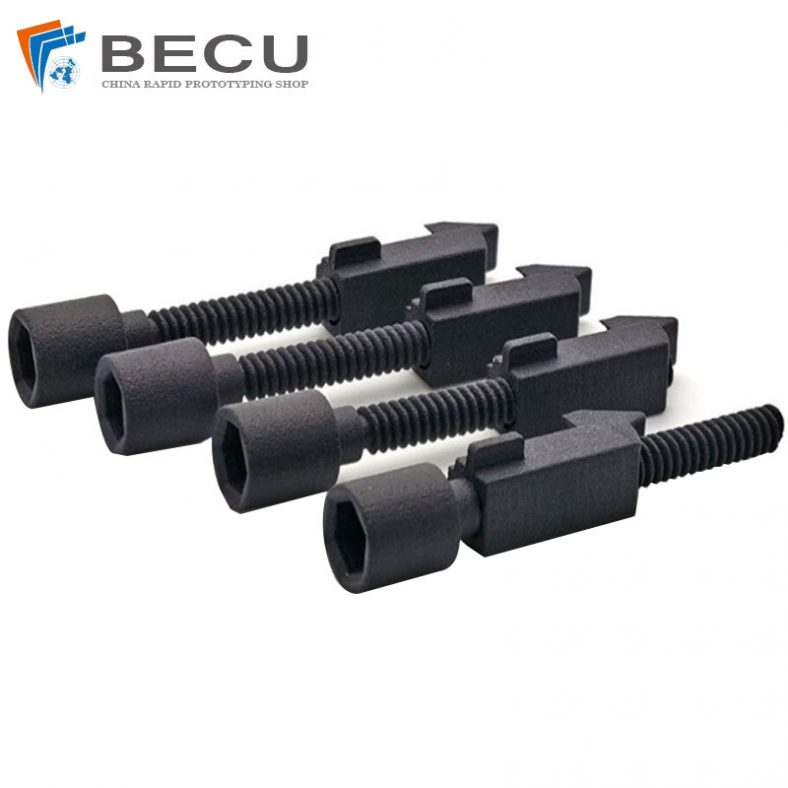
Black Nylon Medical Threaded Screw By MJF 3D Printing