
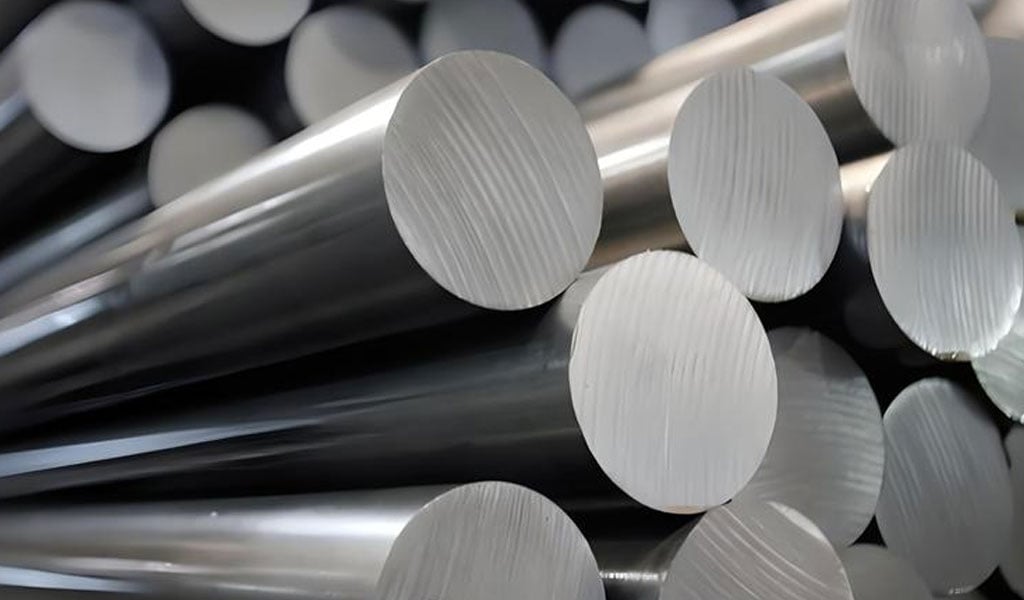
Aluminum alloys are critical materials in modern manufacturing, valued for their lightweight nature, corrosion resistance, and versatility across a wide range of applications. Among the numerous aluminum alloys available, 6063 and 7075 stand out as two of the most widely used in industries such as aerospace, automotive, construction, and consumer electronics. While both alloys share the common base of aluminum, their distinct chemical compositions, mechanical properties, and processing characteristics make them suitable for different purposes. This article provides an in-depth, scientific comparison of 6063 and 7075 aluminum alloys, with a particular focus on their performance in computer numerical control (CNC) machining, their applications, and their material properties.
Detailed tables are included to facilitate a clear understanding of their differences, and the discussion is structured to offer a comprehensive resource for engineers, designers, and researchers.
The comparison between 6063 and 7075 aluminum is particularly relevant in CNC machining, where material selection directly impacts the quality, cost, and performance of the final product. 6063 aluminum, part of the 6xxx series, is known for its excellent extrudability, corrosion resistance, and aesthetic appeal, making it a preferred choice for architectural and decorative applications. In contrast, 7075 aluminum, a member of the 7xxx series, is renowned for its high strength-to-weight ratio and is often used in high-stress environments such as aerospace and defense. By examining their composition, mechanical properties, machinability, and practical applications, this article aims to guide professionals in selecting the appropriate alloy for their specific needs.
Historical Background and Development of Aluminum Alloys
Aluminum, discovered in the early 19th century, was initially a rare and expensive material due to the complexity of its extraction. The development of the Hall-Héroult process in 1886 revolutionized aluminum production, making it economically viable for industrial use. By the early 20th century, researchers began experimenting with alloying elements to enhance aluminum’s inherent properties, such as strength, corrosion resistance, and workability. These efforts led to the creation of various aluminum alloy series, classified by the Aluminum Association based on their primary alloying elements.
Evolution of the 6xxx Series: 6063 Aluminum
The 6xxx series, which includes 6063 aluminum, emerged as a versatile group of alloys alloyed primarily with magnesium and silicon. These elements form magnesium silicide (Mg₂Si), which contributes to the alloy’s strength and formability. 6063 aluminum was developed to optimize extrudability, allowing for the production of intricate shapes used in architectural and structural applications. Its introduction in the mid-20th century addressed the growing demand for lightweight, corrosion-resistant materials in construction and transportation. The alloy’s ability to achieve a smooth surface finish after anodizing further enhanced its appeal for aesthetic applications.
Evolution of the 7xxx Series: 7075 Aluminum
The 7xxx series, characterized by zinc as the primary alloying element, was developed to meet the need for high-strength materials in demanding industries such as aviation. 7075 aluminum, introduced in the 1940s, became a cornerstone of aerospace engineering due to its exceptional strength, comparable to some steels, while maintaining a low density. The alloy’s development was driven by the requirements of World War II aircraft, where weight reduction without sacrificing structural integrity was critical. Over time, 7075 aluminum found applications in other high-performance sectors, including defense, automotive racing, and sporting goods.
Standardization and Nomenclature
The Aluminum Association established a four-digit nomenclature system to classify wrought aluminum alloys. The first digit indicates the primary alloying element, while the subsequent digits denote specific compositions and modifications. For example, 6063 belongs to the 6xxx series (magnesium and silicon), and 7075 belongs to the 7xxx series (zinc). Temper designations, such as T6 (solution heat-treated and artificially aged), further specify the alloy’s processing condition and mechanical properties. This standardized system ensures consistency in material identification and application across industries.
Chemical Composition and Microstructure
Chemical Composition of 6063 Aluminum
6063 aluminum is a heat-treatable alloy primarily composed of aluminum, with magnesium and silicon as the main alloying elements. The presence of magnesium silicide (Mg₂Si) enhances the alloy’s strength and extrudability. Trace amounts of other elements, such as iron, copper, and manganese, are included to refine grain structure and improve specific properties. The typical chemical composition of 6063 aluminum, as per the Aluminum Association standards, is shown in Table 1.
| Element | Weight Percentage (%) |
|---|---|
| Aluminum (Al) | 97.5 – 99.0 |
| Magnesium (Mg) | 0.45 – 0.9 |
| Silicon (Si) | 0.2 – 0.6 |
| Iron (Fe) | 0.35 max |
| Copper (Cu) | 0.1 max |
| Manganese (Mn) | 0.1 max |
| Chromium (Cr) | 0.1 max |
| Zinc (Zn) | 0.1 max |
| Titanium (Ti) | 0.1 max |
| Others (each) | 0.05 max |
| Others (total) | 0.15 max |
Chemical Composition of 7075 Aluminum
7075 aluminum is a high-strength alloy alloyed primarily with zinc, with secondary additions of magnesium, copper, and chromium. The high zinc content contributes to its exceptional strength, while copper enhances precipitation hardening. Chromium improves corrosion resistance and controls grain structure. The chemical composition of 7075 aluminum is detailed in Table 2.
| Element | Weight Percentage (%) |
|---|---|
| Aluminum (Al) | 87.1 – 91.4 |
| Zinc (Zn) | 5.1 – 6.1 |
| Magnesium (Mg) | 2.1 – 2.9 |
| Copper (Cu) | 1.2 – 2.0 |
| Chromium (Cr) | 0.18 – 0.28 |
| Iron (Fe) | 0.5 max |
| Silicon (Si) | 0.4 max |
| Manganese (Mn) | 0.3 max |
| Titanium (Ti) | 0.2 max |
| Others (each) | 0.05 max |
| Others (total) | 0.15 max |
Microstructural Differences
The microstructure of an aluminum alloy significantly influences its mechanical properties and processing behavior. In 6063 aluminum, the formation of Mg₂Si precipitates during heat treatment strengthens the alloy while maintaining its ductility. The microstructure is relatively uniform, with fine grains that facilitate extrusion and surface finishing. In contrast, 7075 aluminum exhibits a more complex microstructure due to the presence of zinc, magnesium, and copper-based precipitates, such as MgZn₂ and Al₂CuMg. These precipitates contribute to the alloy’s high strength but increase its susceptibility to stress corrosion cracking. The grain structure of 7075 is typically coarser than that of 6063, affecting its machinability and fatigue performance.
Impact of Alloying Elements
- Magnesium and Silicon (6063): Magnesium and silicon form Mg₂Si, which provides moderate strength and excellent extrudability. Silicon also lowers the melting point, aiding in extrusion and brazing processes.
- Zinc, Magnesium, and Copper (7075): Zinc is the primary strengthener in 7075, forming MgZn₂ precipitates during aging. Copper enhances hardness and fatigue resistance but reduces corrosion resistance. Chromium improves resistance to stress corrosion cracking.
- Trace Elements: Iron in both alloys can form intermetallic compounds that affect surface quality and corrosion resistance. Chromium and manganese refine grain structure, while titanium improves weldability and grain refinement.
Mechanical Properties
Mechanical properties, such as tensile strength, yield strength, hardness, and fatigue resistance, determine an alloy’s suitability for specific applications. 6063 aluminum offers moderate strength and excellent ductility, while 7075 aluminum is prized for its high strength and toughness. The mechanical properties of both alloys in the T6 temper (solution heat-treated and artificially aged) are compared in Table 3.
| Property | 6063-T6 | 7075-T6 |
|---|---|---|
| Ultimate Tensile Strength (MPa) | 241 – 290 | 510 – 572 |
| Yield Strength (MPa) | 214 – 241 | 434 – 503 |
| Elongation at Break (%) | 8 – 12 | 7 – 11 |
| Modulus of Elasticity (GPa) | 68.9 | 71.7 |
| Shear Strength (MPa) | 152 | 331 |
| Brinell Hardness (HB) | 73 – 83 | 150 – 160 |
| Density (g/cm³) | 2.70 | 2.81 |
| Fatigue Strength (MPa) | 70 – 100 (at 10⁷ cycles) | 150 – 190 (at 10⁷ cycles) |
Tensile Strength and Yield Strength
6063-T6 aluminum exhibits an ultimate tensile strength (UTS) of approximately 241–290 MPa and a yield strength of 214–241 MPa, suitable for applications requiring moderate strength and formability. In contrast, 7075-T6 aluminum has a significantly higher UTS of 510–572 MPa and a yield strength of 434–503 MPa, making it ideal for high-stress environments. The higher strength of 7075 is attributed to its zinc-based precipitates, which provide greater resistance to deformation.
Hardness and Wear Resistance
The Brinell hardness of 7075-T6 (150–160 HB) is nearly double that of 6063-T6 (73–83 HB), reflecting its superior resistance to wear and surface damage. This makes 7075 suitable for components exposed to abrasive conditions, such as gears and bearings, while 6063 is preferred for applications where surface aesthetics are prioritized.
Ductility and Elongation
6063-T6 offers slightly higher elongation at break (8–12%) compared to 7075-T6 (7–11%), indicating better ductility. This property allows 6063 to be formed into complex shapes without cracking, making it ideal for extrusion processes. 7075, while less ductile, provides sufficient toughness for high-strength applications.
Fatigue Resistance
Fatigue resistance is critical for components subjected to cyclic loading, such as aircraft structures and automotive parts. 7075-T6 exhibits superior fatigue strength (150–190 MPa at 10⁷ cycles) compared to 6063-T6 (70–100 MPa at 10⁷ cycles), due to its higher strength and refined microstructure. However, 7075’s susceptibility to stress corrosion cracking can reduce its fatigue life in corrosive environments.
Modulus of Elasticity and Density
The modulus of elasticity for 7075-T6 (71.7 GPa) is slightly higher than that of 6063-T6 (68.9 GPa), indicating greater stiffness. The density of 7075 (2.81 g/cm³) is marginally higher than that of 6063 (2.70 g/cm³), reflecting its higher alloying content. Both alloys remain significantly lighter than steel (7.85 g/cm³), making them attractive for weight-sensitive applications.
Thermal and Electrical Properties
Thermal Conductivity
Thermal conductivity is a key consideration for applications involving heat dissipation, such as heat sinks and electronic enclosures. 6063-T6 aluminum has a thermal conductivity of approximately 200–210 W/m·K, higher than that of 7075-T6 (130–150 W/m·K). The higher silicon content in 6063 enhances its ability to conduct heat, making it a preferred choice for thermal management components. The lower thermal conductivity of 7075 is due to its complex alloying elements, which disrupt the lattice structure and impede heat flow.
Melting Point and Temperature Resistance
6063 aluminum has a melting point range of 582–652°C, slightly higher than that of 7075 aluminum (477–635°C). The lower melting point of 7075 is attributed to its higher zinc and copper content, which form low-melting eutectics. In high-temperature environments, 6063 maintains structural integrity better than 7075, which loses strength above 150°C. For applications requiring elevated temperature resistance, 6063 is often preferred, while 7075 is typically used in ambient or low-temperature conditions.
Electrical Conductivity
Electrical conductivity is important for applications in power distribution and electronic components. 6063-T6 aluminum offers an electrical conductivity of approximately 43% IACS (International Annealed Copper Standard), higher than that of 7075-T6 (33% IACS). The higher conductivity of 6063 is due to its lower alloying content, which results in fewer lattice imperfections. 6063 is thus favored for electrical fittings and conductive parts, while 7075 is rarely used in electrical applications due to its lower conductivity and higher cost.
| Property | 6063-T6 | 7075-T6 |
|---|---|---|
| Thermal Conductivity (W/m·K) | 200 – 210 | 130 – 150 |
| Melting Point (°C) | 582 – 652 | 477 – 635 |
| Electrical Conductivity (% IACS) | 43 | 33 |
| Coefficient of Thermal Expansion (µm/m·K) | 23.4 | 23.6 |
Coefficient of Thermal Expansion
The coefficient of thermal expansion (CTE) measures how much a material expands per degree of temperature increase. Both 6063-T6 (23.4 µm/m·K) and 7075-T6 (23.6 µm/m·K) have similar CTE values, indicating comparable dimensional stability under temperature changes. This similarity ensures that both alloys can be used in applications requiring thermal cycling, such as aerospace and automotive components, without significant distortion.
Corrosion Resistance
General Corrosion Behavior
Corrosion resistance is a critical factor in material selection, particularly for components exposed to harsh environments. 6063 aluminum exhibits excellent corrosion resistance due to its magnesium and silicon content, which forms a protective oxide layer on the surface. This makes 6063 ideal for outdoor applications, such as architectural profiles and marine structures. 7075 aluminum, however, has reduced corrosion resistance due to its high zinc and copper content, which can promote galvanic corrosion in the presence of electrolytes. Protective coatings or anodizing are often required to enhance 7075’s durability in corrosive environments.
Stress Corrosion Cracking
7075 aluminum is more susceptible to stress corrosion cracking (SCC), particularly in the T6 temper, due to its high strength and zinc-based precipitates. SCC occurs when a combination of tensile stress and a corrosive environment causes cracking along grain boundaries. 6063 aluminum, with its lower strength and simpler microstructure, is less prone to SCC, making it a safer choice for applications under sustained stress in corrosive conditions.
Anodizing and Surface Treatments
Both alloys respond well to anodizing, a process that enhances corrosion resistance and surface hardness. 6063 aluminum produces a smooth, aesthetically pleasing anodized finish, making it popular for decorative applications. 7075 aluminum, while anodizable, may exhibit a mottled appearance (gray, blue-gray, or brown-black) due to its complex alloying elements. Hard anodizing (Type III) is often applied to 7075 for functional wear resistance, particularly in aerospace components.
| Property | 6063-T6 | 7075-T6 |
|---|---|---|
| General Corrosion Resistance | Excellent | Moderate |
| Stress Corrosion Cracking Susceptibility | Low | High |
| Anodizing Response | Smooth, aesthetic | Mottled, functional |
| Coating Requirement | Optional | Often required |
CNC Machining Characteristics
Computer numerical control (CNC) machining is a subtractive manufacturing process that uses computer-controlled tools to remove material from a workpiece, creating precise components. Aluminum alloys are widely used in CNC machining due to their lightweight nature, machinability, and versatility. The machinability of an alloy depends on its hardness, chip formation, tool wear, and surface finish quality. This section compares the CNC machining performance of 6063 and 7075 aluminum, focusing on milling, turning, drilling, and other processes.
Machinability of 6063 Aluminum
6063 aluminum is highly machinable due to its moderate hardness (73–83 HB) and low strength. Key characteristics include:
- Chip Formation: 6063 produces long, continuous chips during machining, which can be managed with proper chip-breaking tools and coolant. The soft nature of the alloy reduces the risk of tool clogging.
- Tool Wear: The low hardness of 6063 minimizes wear on cutting tools, allowing for high-speed machining with standard carbide or high-speed steel (HSS) tools. Tool life is extended compared to harder alloys.
- Surface Finish: 6063 achieves excellent surface finishes, often requiring minimal post-processing. Its uniform microstructure ensures consistent results in milling, turning, and drilling.
- Cutting Parameters: High cutting speeds (up to 300 m/min) and moderate feed rates are recommended for 6063 to optimize productivity and surface quality. Coolant is typically used to manage heat and improve chip evacuation.
6063’s machinability makes it ideal for producing intricate components, such as architectural profiles, heat sinks, and decorative parts, where precision and aesthetics are prioritized.
Machinability of 7075 Aluminum
7075 aluminum, with its higher hardness (150–160 HB) and strength, presents greater challenges in CNC machining but remains widely used for high-performance components. Key characteristics include:
- Chip Formation: 7075 produces smaller, more abrasive chips due to its hardness, which can increase tool wear and require effective chip evacuation strategies. Mist or flood coolant is essential to prevent chip buildup.
- Tool Wear: The high hardness of 7075 accelerates wear on cutting tools, necessitating the use of sharp, durable carbide tools designed for hard materials. Tool life is shorter than with 6063, increasing machining costs.
- Surface Finish: 7075 can achieve good surface finishes with proper tooling and parameters, but its complex microstructure may result in minor surface imperfections. Polishing or anodizing is often required for aesthetic applications.
- Cutting Parameters: Lower cutting speeds (100–150 m/min) and reduced feed rates are recommended for 7075 to manage heat generation and tool wear. Rigid machine setups are critical to maintain accuracy and minimize vibration.
Despite its challenges, 7075’s machinability is sufficient for producing precision components, such as aerospace gears, military hardware, and sporting equipment, where strength is paramount.
Comparison of CNC Machining Performance
| Property | 6063-T6 | 7075-T6 |
|---|---|---|
| Machinability Rating | Excellent | Moderate |
| Chip Type | Long, continuous | Small, abrasive |
| Tool Wear | Low | High |
| Surface Finish Quality | Excellent | Good |
| Recommended Cutting Speed (m/min) | 200 – 300 | 100 – 150 |
| Coolant Requirement | Moderate | High |
| Tool Material | Carbide, HSS | Carbide |
Challenges and Solutions in CNC Machining
- 6063 Aluminum:
- Challenge: Long chips can entangle tools, leading to downtime.
- Solution: Use chip breakers, high-pressure coolant, or peck drilling to manage chip flow.
- Challenge: Soft material may deform under high clamping forces.
- Solution: Employ low-pressure fixtures and distribute clamping forces evenly.
- 7075 Aluminum:
- Challenge: High hardness increases tool wear and machining time.
- Solution: Use sharp carbide tools with coatings (e.g., TiAlN) and optimize cutting parameters to reduce heat.
- Challenge: Abrasive chips can damage tools and workpieces.
- Solution: Implement effective coolant systems and chip evacuation strategies, such as vacuum systems or air blasts.
Post-Machining Considerations
Post-machining processes, such as deburring, anodizing, and heat treatment, are often required to enhance the performance and appearance of CNC-machined parts. 6063 aluminum requires minimal deburring due to its soft nature and produces smooth edges. Anodizing is commonly applied to 6063 to improve corrosion resistance and achieve a decorative finish. 7075 aluminum, however, generates more burrs due to its hardness, necessitating additional deburring operations. Hard anodizing is often used on 7075 to enhance wear resistance, particularly for functional components. Heat treatment of 7075 (e.g., T6 or T73 temper) must be carefully controlled to avoid residual stresses and dimensional changes.
Applications of 6063 Aluminum
Architectural and Structural Applications
6063 aluminum’s excellent extrudability, corrosion resistance, and aesthetic appeal make it a preferred material for architectural and structural applications. Common uses include:
- Window and Door Frames: 6063’s ability to be extruded into complex profiles allows for the production of lightweight, durable frames with smooth finishes. Its corrosion resistance ensures longevity in outdoor environments.
- Curtain Walls: The alloy’s strength and formability are ideal for curtain wall systems in high-rise buildings, providing structural support and aesthetic versatility.
- Roofing and Cladding: 6063 is used in non-load-bearing roofing and cladding systems, where its smooth surface and anodizing response enhance building aesthetics.
- Furniture and Decorative Elements: The alloy’s ability to achieve high-quality finishes makes it popular for furniture frames, railings, and decorative panels.
Transportation and Infrastructure
6063 aluminum is widely used in transportation and infrastructure due to its lightweight nature and corrosion resistance:
- Railway Vehicles: The alloy is used for interior fittings, such as handrails and seating frames, in trains and subways, where weight reduction and durability are critical.
- Marine Applications: 6063’s resistance to saltwater corrosion makes it suitable for marine fittings, such as boat railings and deck components.
- Bridges and Walkways: The alloy is employed in lightweight structural elements, such as pedestrian walkways and bridge railings, where corrosion resistance is essential.
Electronic and Thermal Management Components
6063 aluminum’s high thermal conductivity and machinability make it ideal for electronic and thermal management applications:
- Heat Sinks: The alloy’s ability to dissipate heat efficiently is critical for heat sinks used in computers, LEDs, and power electronics.
- Electrical Enclosures: 6063’s electrical conductivity and corrosion resistance make it suitable for enclosures housing sensitive electronic components.
- Cable Trays and Conduits: The alloy is used in electrical infrastructure, such as cable trays and conduits, due to its lightweight and durable properties.
Consumer Products
6063 aluminum is found in a variety of consumer products, where its aesthetic appeal and formability are valued:
- Sporting Goods: The alloy is used in bicycle frames, golf club shafts, and other lightweight equipment, balancing strength and weight.
- Household Items: 6063 is employed in kitchen utensils, frames for mirrors, and decorative hardware, where its smooth finish enhances product appeal.
- Lighting Fixtures: The alloy’s extrudability allows for the creation of intricate lighting profiles, such as those used in LED fixtures.
Applications of 7075 Aluminum
Aerospace and Defense
7075 aluminum’s high strength-to-weight ratio and fatigue resistance make it a cornerstone material in aerospace and defense:
- Aircraft Structures: The alloy is used in wing panels, fuselage frames, and landing gear components, where its strength and lightness reduce fuel consumption and enhance performance.
- Missile and Spacecraft Components: 7075’s ability to withstand high stresses and cyclic loading is critical for missile casings, satellite structures, and propulsion systems.
- Military Hardware: The alloy is employed in armor plating, weapon components, and tactical gear, where its hardness and toughness provide superior protection.
Automotive and Racing
7075 aluminum is used in high-performance automotive applications, where weight reduction and strength are critical:
- Racing Components: The alloy is found in gears, suspension components, and chassis parts for race cars, motorcycles, and Formula 1 vehicles, improving speed and handling.
- High-Performance Vehicles: 7075 is used in luxury and sports cars for components such as engine mounts and lightweight wheels, enhancing efficiency and performance.
- Electric Vehicles: The alloy’s lightweight properties contribute to battery range improvements in electric vehicles, where weight is a key factor.
Sporting Goods and Outdoor Equipment
7075 aluminum is popular in sporting goods due to its strength and durability:
- Bicycle Components: High-end bicycle frames, handlebars, and seat posts use 7075 for their ability to withstand high stresses and fatigue.
- Climbing Gear: The alloy is used in carabiners, pitons, and other climbing equipment, where strength and reliability are critical.
- Firearms: 7075 is employed in firearm receivers and components, such as AR-15 rifles, due to its strength and machinability.
Industrial and Tooling Applications
7075 aluminum’s high hardness and strength make it suitable for industrial and tooling applications:
- **Molds and Dies: The alloy is used in plastic injection molds and die-casting dies, where its durability extends tool life and improves production efficiency.
- Machinery Components: 7075 is employed in gears, shafts, and bearings for heavy machinery, where its wear resistance and strength are critical.
- Precision Instruments: The alloy is used in high-precision components, such as optical mounts and measurement fixtures, due to its dimensional stability and machinability.
Table 7: Applications of 6063 vs. vs. 7075
| Industry/Application | 6063-T6 | 7075-T6 |
|---|---|---|
| Aerospace | Limited use (fittings) | Wing panels, gears, fuselage |
| Architecture | Window frames, railings | – |
| Automotive | Interior fittings | Racing components, chassis |
| Electronics | Heat sinks, enclosures | Limited use |
| Sporting Goods | Bicycle frames, golf shafts | High-end bike components, firearms |
| Defense | – | Armor, missile components |
| Infrastructure | Walkways, bridges | – |
| Industrial Tooling | – | Molds, dies, gears |
Cost and Availability
Cost Factors
The cost of aluminum alloys is influenced by raw material prices, alloying element content, manufacturing processes, and market demand. 6063 aluminum alloy is generally less expensive than 7075 aluminum due to several factors:
- Alloying Elements: 6063 contains higher amounts of magnesium and silicon, which are relatively abundant and affordable compared to zinc and copper used in 7075.
- Production Volume: 6063 is widely produced for extrusion applications, benefiting from economies of scale. 7075, used in specialized applications, has lower production volumes, increasing its price.
- Processing Costs: 6063’s excellent extrudability and machinability costs are lower than those of 7075, which requires more robust tooling and heat treatment processes.
Market Availability
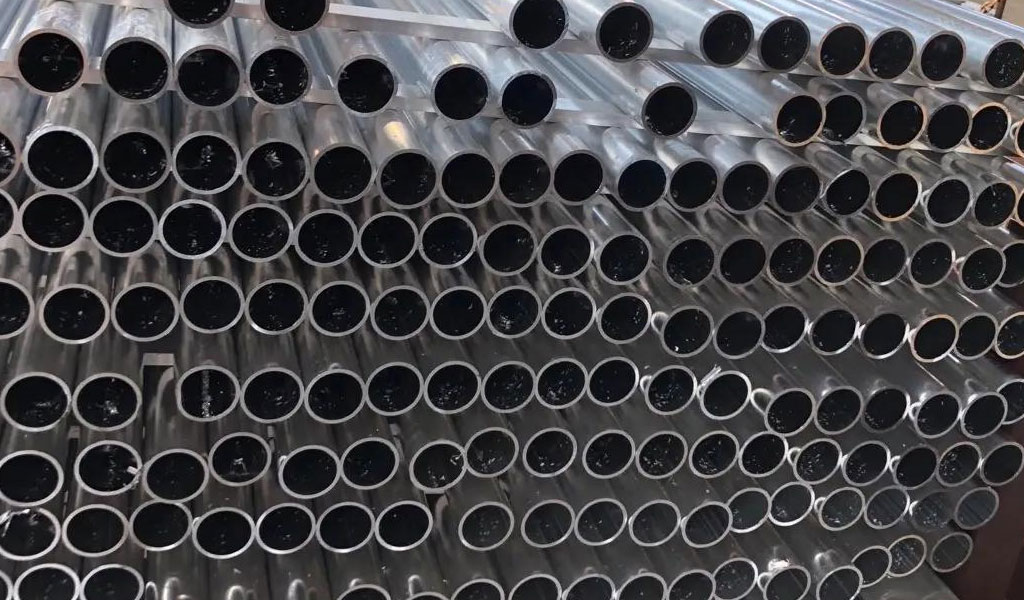
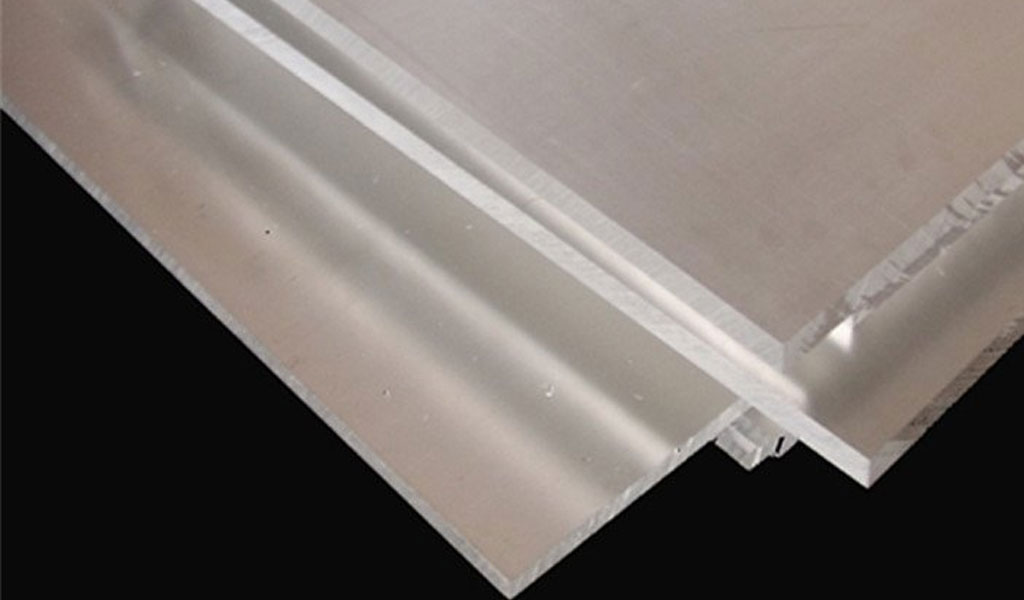
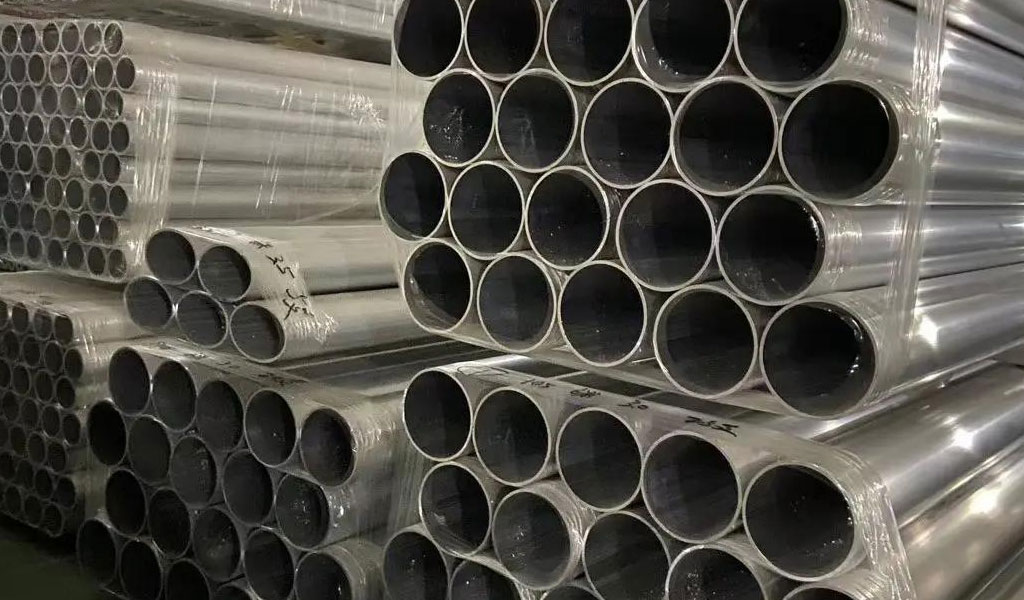
6063 aluminum alloy is readily available in various forms, such as extrusions, sheets, plates, and tubes, due to its widespread use in construction and general-purpose applications. 7075 aluminum is also available but typically in fewer forms, such as plates, bars, and sheets, reflecting its specialized applications. Stock shapes for 6063 include architectural profiles and standard extrusions, while 7075 is commonly stocked in round bars and blocks for aerospace and machining purposes.
Cost-Benefit Analysis
For cost-sensitive projects, such as 6063 aluminum alloy, it offers a favorable balance of performance and affordability, making it suitable for general-purpose and architectural applications. 7075 aluminum alloy, while more expensive, justifies its cost in high-performance applications where strength and weight savings are critical. Engineers must weigh initial material costs against long-term benefits, such as reduced maintenance for corrosion-resistant 6063 or enhanced durability for high-stress 7075 components.
Environmental and Sustainability Considerations
Recyclability
Both 6063 and 7075 aluminum alloys are highly recyclable, with aluminum requiring only 5% of the energy used in primary production to recycle. Recycling preserves the alloys’ properties, making them sustainable choices for manufacturing. 6063’s widespread use in construction results in a robust recycling stream, while 7075’s use in aerospace generates high-value scrap due to its alloying content.
Energy Consumption in Production
The production of 7075 aluminum alloy consumes more energy than 6063 due to its complex alloying and heat treatment processes. The extraction and refining of zinc and copper, key components of 7075, also contribute to higher environmental impacts. 6063’s simpler composition and extrusion-based manufacturing reduce its energy footprint, making it a more environmentally friendly option.
Lifecycle Assessment
A lifecycle assessment (LCA) of aluminum alloys considers raw material extraction, production, use, and end-of-life recycling. 6063 aluminum alloy’s corrosion resistance and low maintenance requirements extend the lifespan of components, reducing environmental impacts. 7075 aluminum alloy’s high strength enables lightweight designs, improving fuel efficiency in aerospace and automotive applications, which offsets some of its production impacts. Both alloys contribute to sustainability when used appropriately.
Future Developments and Research
Advances in Alloy Composition
Ongoing research aims to enhance the properties of 6063 and 7075 aluminum alloys through modified compositions and processing techniques. For 6063, efforts focus on improving strength without sacrificing extrudability, potentially by optimizing magnesium and silicon ratios. For 7075, researchers are developing corrosion-resistant variants by reducing copper content or adding rare earth elements to improve stress corrosion resistance.
Innovations in CNC Machining
Advancements in CNC machining, such as high-speed machining, cryogenic cooling, and adaptive control systems, are improving the efficiency of processing 6063 and 7075 aluminum alloys. For 6063, new tooling designs reduce chip entanglement, while for 7075, advanced coatings and lubricants extend tool life and reduce machining costs. These innovations enhance the competitiveness of both alloys in precision manufacturing.
Emerging Applications
Emerging technologies, such as additive manufacturing (3D printing) and electric vehicles, are expanding the applications of 6063 and 7075 aluminum alloys. 6063’s thermal conductivity makes it a candidate for 3D-printed heat exchangers, while 7075’s strength is being explored for lightweight battery enclosures in electric vehicles. These developments underscore the continued relevance of both alloys in modern engineering.
Conclusion
6063 and 7075 aluminum alloys represent two distinct approaches to meeting the demands of modern manufacturing. 6063, with its excellent extrudability, corrosion resistance, and aesthetic appeal, excels in architectural, transportation, and electronic applications where formability and cost are priorities. 7075, with its exceptional strength-to-weight ratio and fatigue resistance, is indispensable in aerospace, defense, and high-performance automotive applications where structural integrity is paramount. Their performance in CNC machining reflects their material properties, with 6063 offering ease of machining and 7075 requiring specialized techniques to achieve precision.
The choice between 6063 and 7075 aluminum depends on the specific requirements of the application, including strength, corrosion resistance, machinability, and cost. Detailed comparisons, as provided in the tables throughout this article, enable engineers and designers to make informed decisions. As research and technology advance, both alloys are poised to remain critical materials in the pursuit of lightweight, durable, and sustainable solutions across industries.
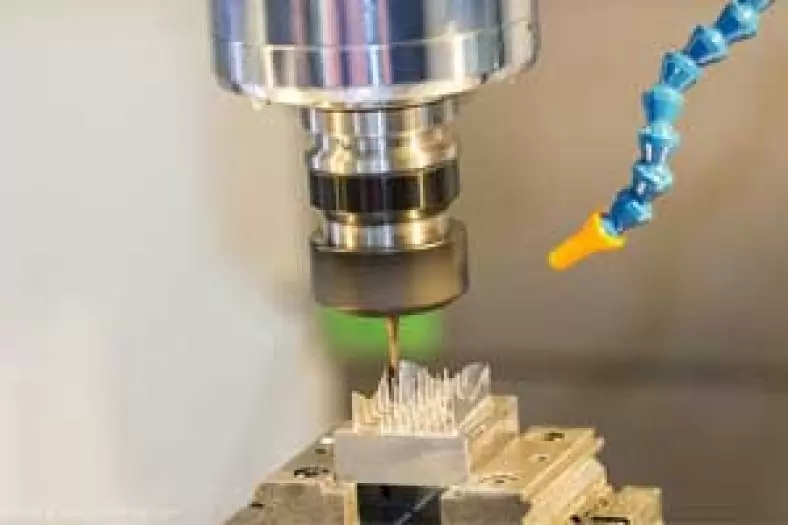
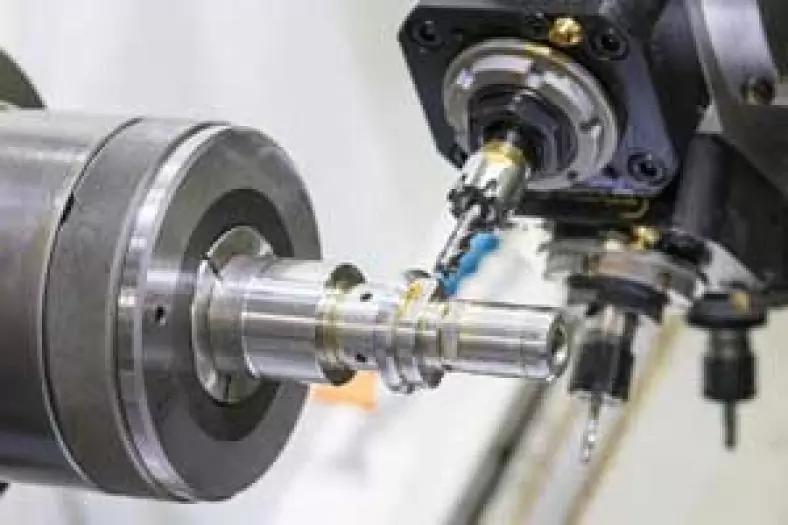
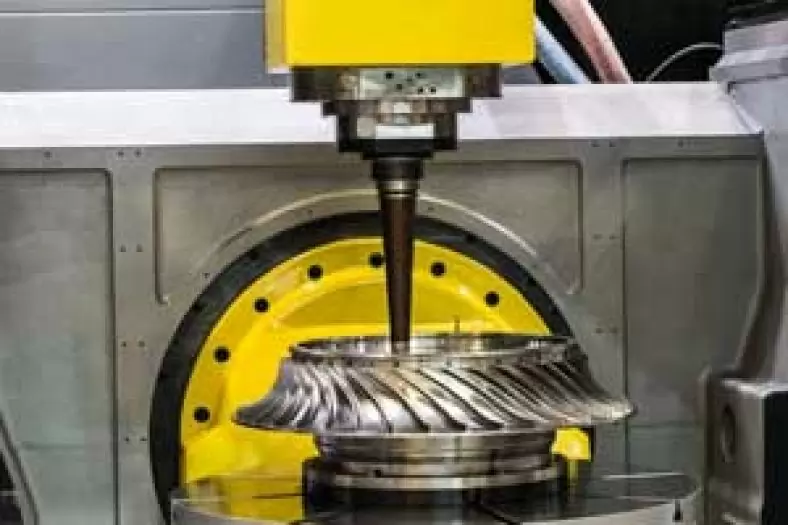

The Detail Of BE-CU Cnc Machining Shop
BE-CU.COM – As an accomplished CNC machining Service Manufacturer and CNC shop, BE-CU Prototype has been specialized in OEM CNC lathing, custom CNC machining parts production and rapid CNC machining services China for over 35 years and always maintaining the highest standard in delivery speed and reliable quality of precision CNC manufacturing components. With the help of high-level technology and efficient equipment, as well as rigorous attitude, BE-CU passed the ISO9001:2015 quality certification, which supports the long-term development of CNC milling services, CNC turning services, CNC milling-turning, CNC drilling services, 3/4/5 axis machining, gear machining services, CNC machining China custom parts and service, small parts machining, etc.Our CNC machining products can be utilized in a broad range of industries. Contact us for email: [email protected]
-
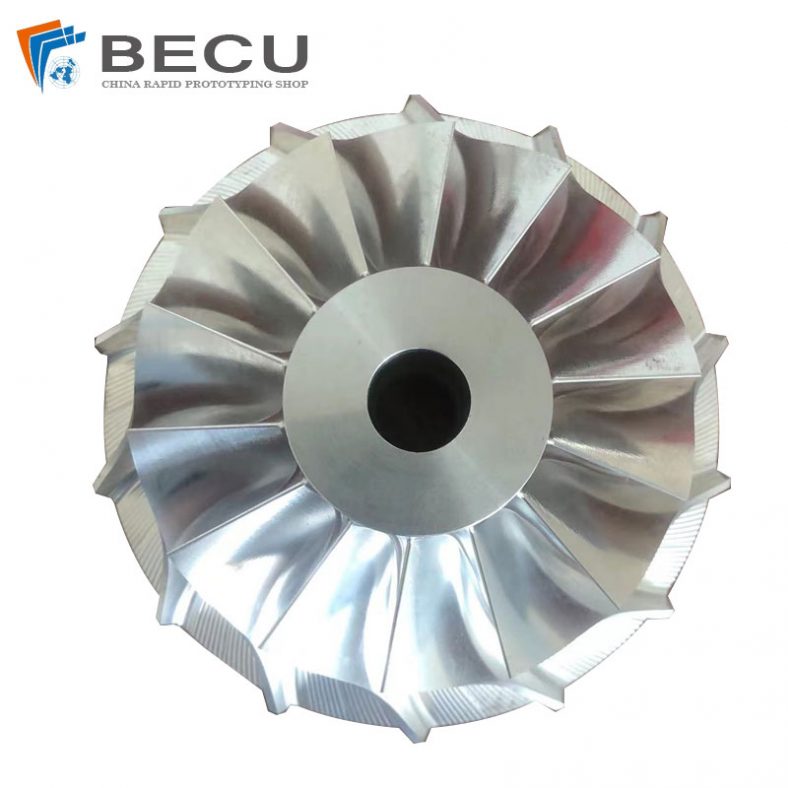
3-Way Centrifugal Compressor Closed Impeller By 5 Axis Machining
-
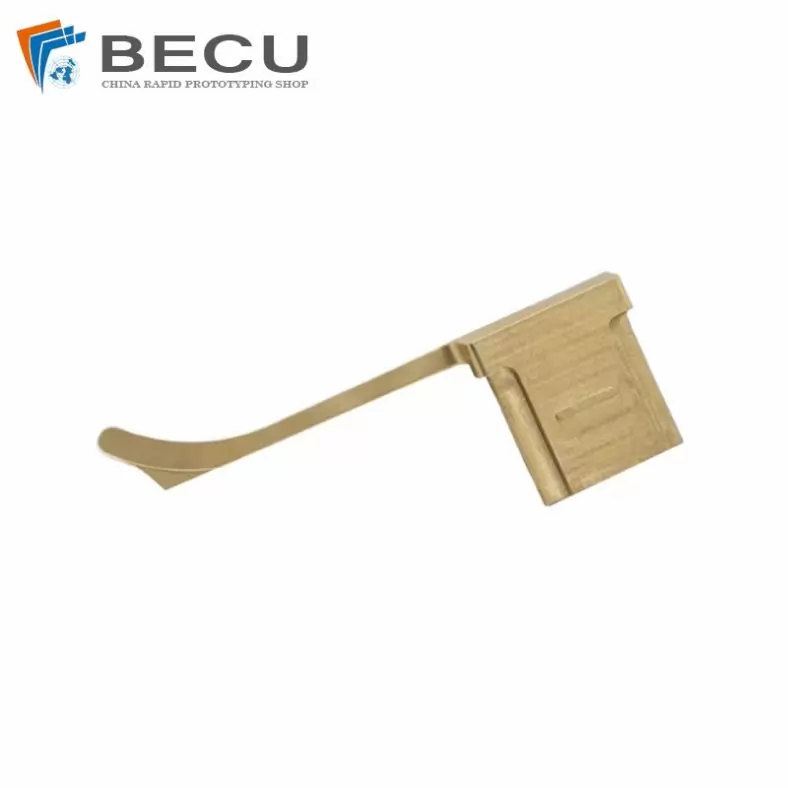
3/4/5 Axis Precision Milling Custom Vehicle Parts
-
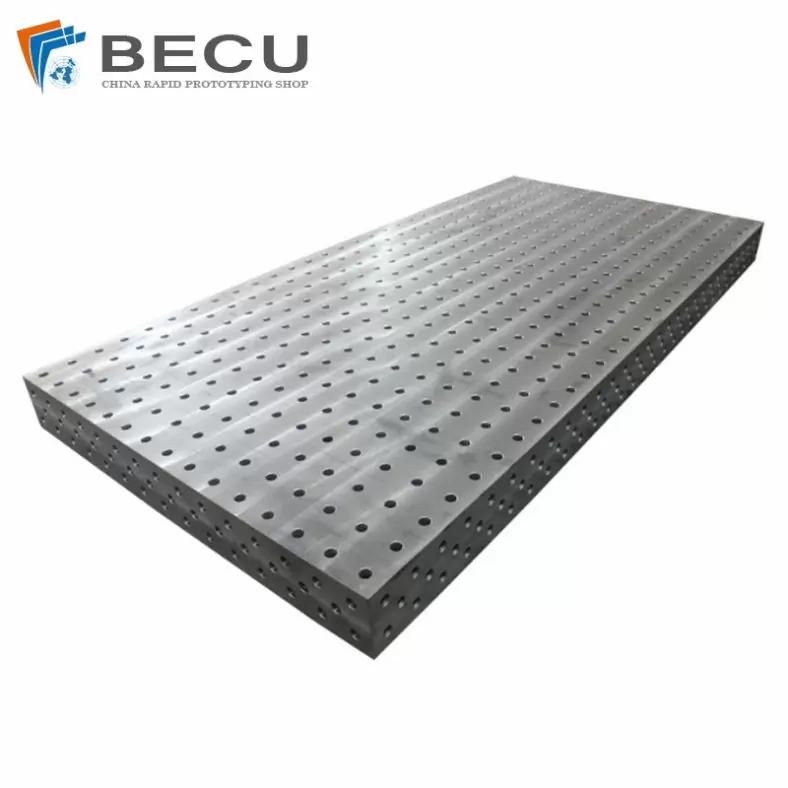
3D Flexible Welding Platform By Large Machining
-
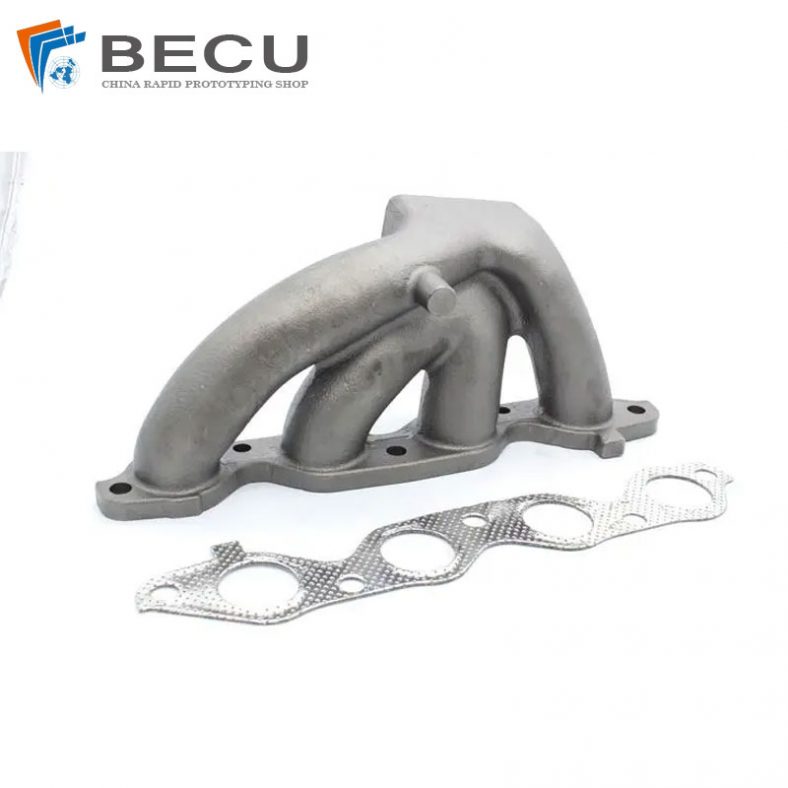
3D Printed Inconel Exhaust Manifold
-
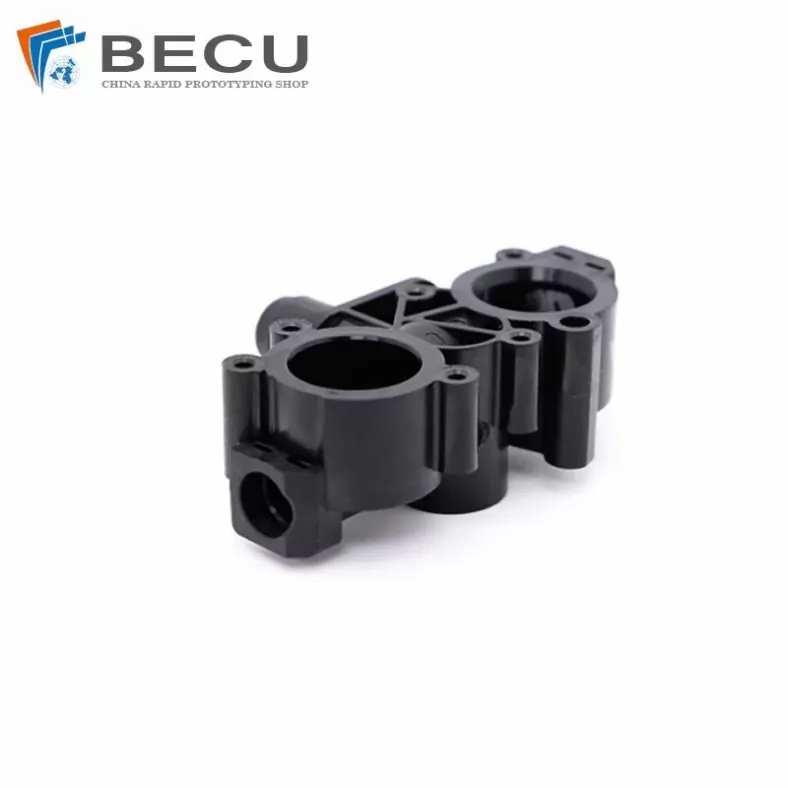
3D Printing And CNC Machining Custom Black PPS Valve
-
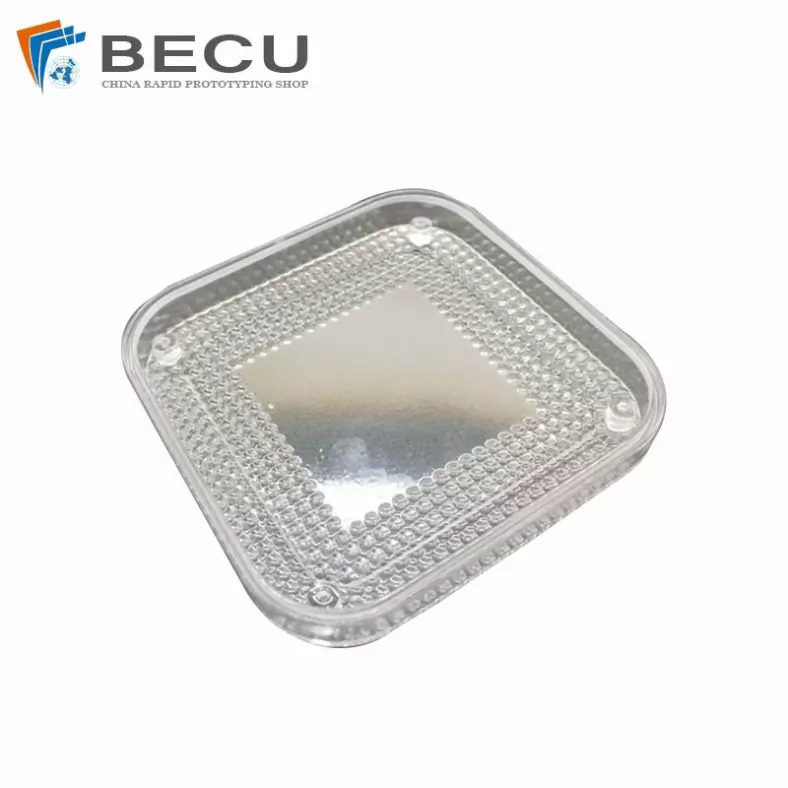
3D Printing Full Transparent Acrylic Lampshade Model
-
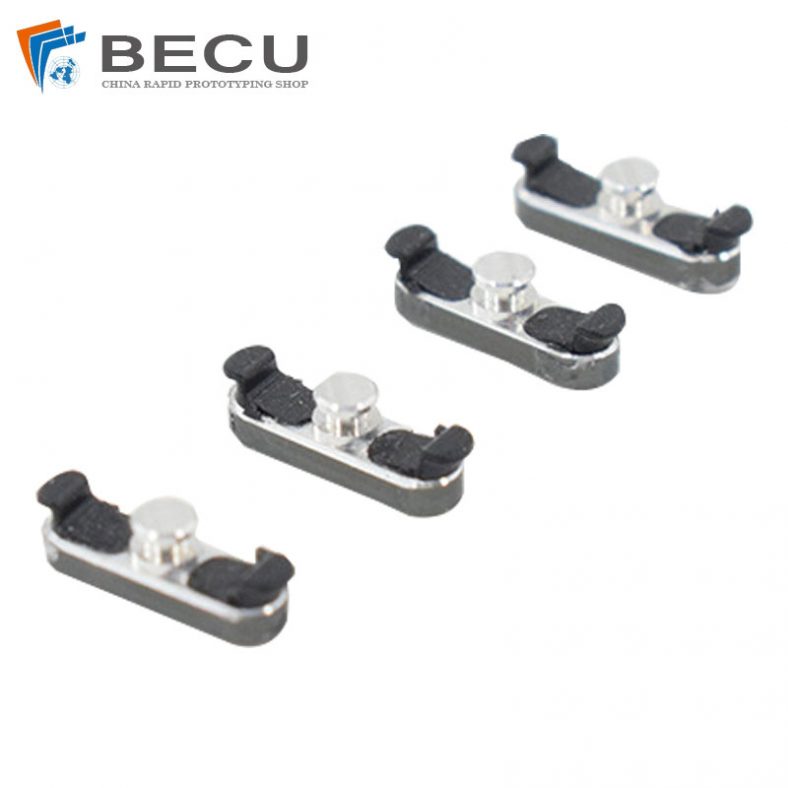
4 Axis CNC Machining Titanium Grade 5 Mobile Phone Buttons
-
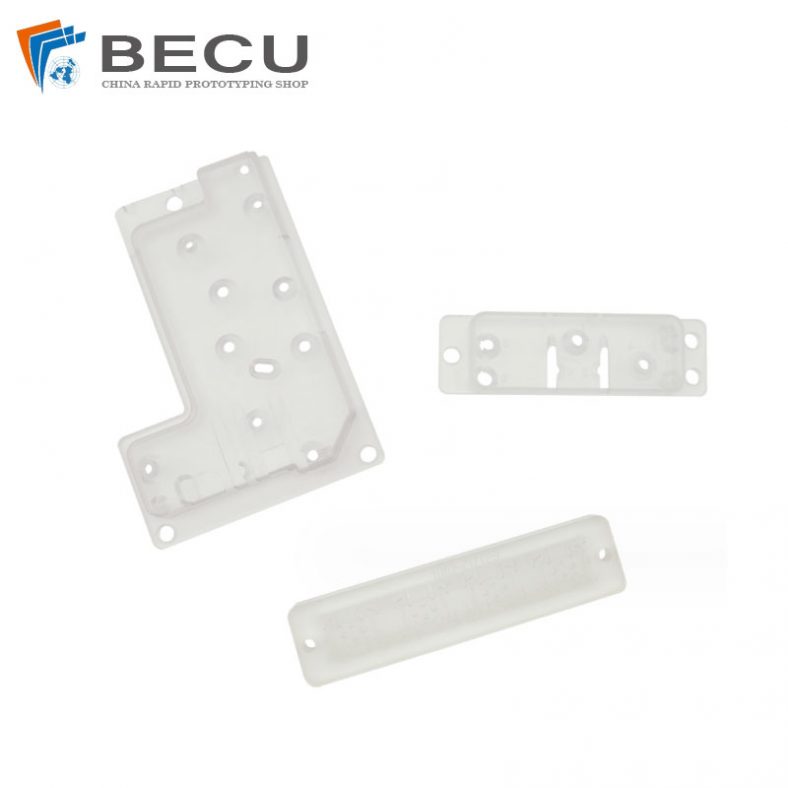
4 Axis Machining Highly Transparent Acrylic LED Tunnel Light Lens