
The quartic displacement curve acceleration and deceleration method is a sophisticated approach employed in CNC machining to optimize the control of the motion of cutting tools and workpieces. This method is particularly significant in the context of improving machining precision, surface quality, and overall efficiency. Its application addresses several limitations inherent in traditional acceleration and deceleration strategies, such as the constant and linear methods, which can result in undesirable effects like excessive vibration, tool wear, and reduced cutting speed efficiency. The quartic displacement curve method is favored for its ability to deliver smoother transitions between motion phases, allowing for higher-speed operations while minimizing risks to the integrity of the machining process.
Fundamentals of the Quartic Displacement Curve Method
To understand the advantages of the quartic displacement curve acceleration and deceleration method, it is essential to first explore the basic principles underlying it. In CNC machining, the motion of the tool or workpiece is governed by specific acceleration and deceleration profiles. These profiles control how quickly the tool speeds up and slows down, directly impacting machining time, quality, and machine load.
The quartic displacement curve method is based on a mathematical approach that uses a fourth-degree polynomial to describe the acceleration and deceleration processes. This curve is characterized by smooth transitions between speed changes, unlike simpler methods like linear or exponential acceleration, which may cause abrupt shifts in velocity. The quartic curve provides a more gradual change in speed, ensuring that the tool’s velocity increases and decreases smoothly without sudden jerks or pauses.
This method is referred to as “quartic” because the relationship between the displacement (or position) and time is described by a fourth-degree polynomial function. The primary advantage of using a quartic function over simpler linear or quadratic functions lies in its ability to offer greater control over the speed of motion, reducing both mechanical stresses and operational inefficiencies.
Advantages of the Quartic Displacement Curve Method
1. Enhanced Precision in Machining
Precision is paramount in CNC machining, particularly when working with high-tolerance materials and components. The quartic displacement curve method significantly enhances machining precision by providing a more controlled acceleration and deceleration profile. This smooth transition between motion phases reduces the likelihood of overshooting or undershooting the desired position, resulting in more accurate cuts.
Traditional methods, such as linear acceleration, can cause the machine tool to overshoot the desired position due to abrupt changes in speed. The quartic method, by contrast, allows for gradual speed changes that help maintain precise control over the position of the cutting tool, minimizing errors in positioning and ultimately leading to higher-quality finished parts.
2. Reduced Mechanical Stress
The transition between high-speed motion and stopping in CNC machining can place significant mechanical stress on both the tool and the machine itself. Abrupt changes in speed can lead to vibrations, tool deflection, and even damage to machine components over time. By using a quartic displacement curve for acceleration and deceleration, the tool experiences a smoother and more gradual change in velocity, minimizing mechanical stress and prolonging the lifespan of the machine and tools.
In traditional linear acceleration methods, the machine may experience sharp transitions between high-speed and low-speed operations, which can cause increased wear and tear on mechanical components such as bearings, spindles, and drive motors. The quartic method, with its smooth transitions, reduces these stresses, contributing to the overall longevity and reliability of the CNC equipment.
3. Improved Surface Finish Quality
Surface finish is one of the most critical aspects of CNC machining, especially in industries where high-quality finishes are required, such as aerospace, automotive, and medical manufacturing. The smoothness of the acceleration and deceleration phases has a direct impact on the surface quality of the machined part.
When the tool accelerates or decelerates suddenly, it can introduce undesirable vibrations or jerks that manifest as defects on the surface of the workpiece. These defects can include scratches, ripples, and other imperfections that reduce the overall quality of the finish. The quartic displacement curve, by providing a smoother transition between motion phases, helps to eliminate or reduce these unwanted vibrations, resulting in a finer surface finish.
Additionally, the improved control over the motion of the tool allows for better adaptation to the cutting forces, reducing the likelihood of chatter or other forms of instability during the machining process. This leads to a more consistent and aesthetically pleasing surface, which is crucial for parts that will be exposed or need to meet strict tolerances for aesthetic and functional purposes.
4. Increased Machining Efficiency
Machining efficiency is not only defined by the speed at which a part is produced but also by the optimization of cutting conditions and tool usage. The quartic displacement curve method enables the cutting tool to operate at higher speeds while maintaining control over the acceleration and deceleration phases. This allows for faster processing times without compromising the quality or integrity of the finished part.
By reducing the time required for tool changes between acceleration and deceleration phases, the quartic method helps maximize the efficiency of the entire machining process. The smoother transitions also reduce the need for excessive pauses or corrections, streamlining the operation and ultimately reducing machining cycle times. Additionally, smoother operations may reduce the need for post-processing, saving both time and cost.
5. Minimization of Tool Wear
Tool wear is an inevitable part of the CNC machining process, but its rate can be influenced by the acceleration and deceleration profiles used during operation. Abrupt changes in speed can generate additional friction and heat, which can accelerate the wear of the cutting tool. By employing the quartic displacement curve method, the speed transitions are smoother, resulting in less abrupt force exertion on the tool and a reduction in tool wear.
This not only extends the tool life but also ensures more consistent cutting performance over time. A reduction in tool wear also means fewer tool changes, which contributes to overall cost savings and improved productivity. By mitigating the risk of rapid tool degradation, the quartic method contributes to a more sustainable and cost-effective machining process.
6. Enhanced Machine Stability and Reduced Vibrations
CNC machines, especially high-speed machines, are highly susceptible to vibrations caused by sudden speed changes. These vibrations can lead to inaccuracies in machining, poor surface finishes, and even damage to the machine itself. The quartic displacement curve method mitigates this risk by ensuring that the transitions between speeds are smooth and gradual, reducing the likelihood of vibrations that can adversely affect machining accuracy.
In applications where stability is critical, such as when machining delicate or highly detailed components, the ability to reduce vibrations is particularly beneficial. The quartic acceleration and deceleration curve provides enhanced machine stability, allowing the tool to maintain a consistent cutting force without being disturbed by fluctuations in speed. This is especially important when working with hard or brittle materials that may be more prone to damage from excessive vibrations.
7. Versatility Across Applications
The quartic displacement curve acceleration and deceleration method is versatile and can be applied across a wide range of CNC machining operations, including turning, milling, drilling, and grinding. Its ability to control the motion of the tool in a way that reduces stress and vibrations makes it suitable for both high-speed and precision machining tasks.
Whether working with soft materials such as aluminum or more challenging materials like titanium or hardened steel, the quartic method offers significant advantages in terms of motion control, tool life, and surface quality. This makes it an ideal choice for industries that require a wide range of machining capabilities and have varying demands for speed, accuracy, and finish.
8. Energy Efficiency
Energy consumption in CNC machining can be a significant operational cost, particularly when machines are running for extended periods at high speeds. The quartic displacement curve method can contribute to energy efficiency by reducing the power required during acceleration and deceleration phases. Since the method allows for smoother transitions and less mechanical stress, it minimizes the need for excessive energy input to overcome sudden changes in velocity.
Moreover, the smoother motion profiles reduce the overall load on the machine, leading to more efficient energy use. This can be especially beneficial in high-volume production environments, where energy savings can add up over time and contribute to lower operating costs.
Conclusion
The quartic displacement curve acceleration and deceleration method offers numerous advantages in CNC machining, from enhancing precision and surface quality to reducing mechanical stress and tool wear. By providing a smoother and more controlled approach to acceleration and deceleration, this method addresses several limitations of traditional motion profiles, improving both the efficiency and effectiveness of machining processes.
Its application in CNC machining enables manufacturers to achieve higher speeds without sacrificing quality, making it an invaluable technique in industries where precision, reliability, and cost-efficiency are paramount. As CNC technology continues to advance, the quartic displacement curve method remains an essential tool for optimizing machining performance and achieving superior results across a broad spectrum of applications.
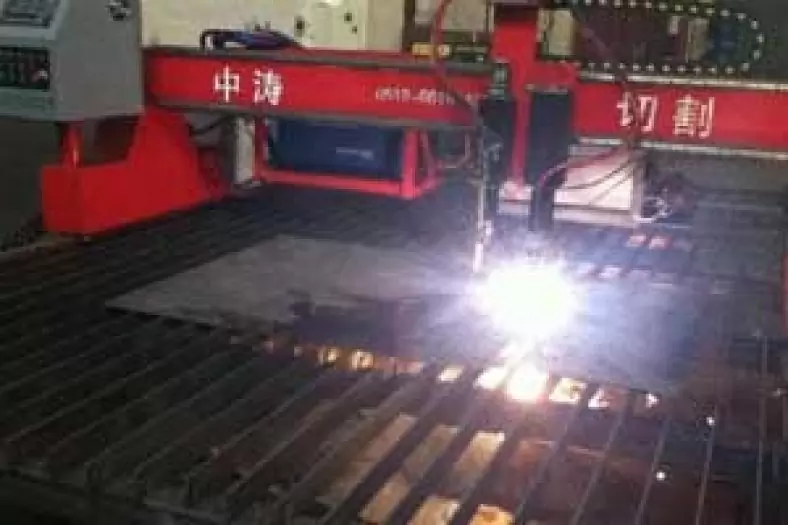
The Detail Of BE-CU Cnc Machining Shop
BE-CU.COM – As an accomplished CNC machining Service Manufacturer and CNC shop, BE-CU Prototype has been specialized in OEM CNC lathing, custom CNC machining parts production and rapid CNC machining services China for over 35 years and always maintaining the highest standard in delivery speed and reliable quality of precision CNC manufacturing components. With the help of high-level technology and efficient equipment, as well as rigorous attitude, BE-CU passed the ISO9001:2015 quality certification, which supports the long-term development of CNC milling services, CNC turning services, CNC milling-turning, CNC drilling services, 3/4/5 axis machining, gear machining services, CNC machining China custom parts and service, small parts machining, etc.Our CNC machining products can be utilized in a broad range of industries. Contact us for email: [email protected]
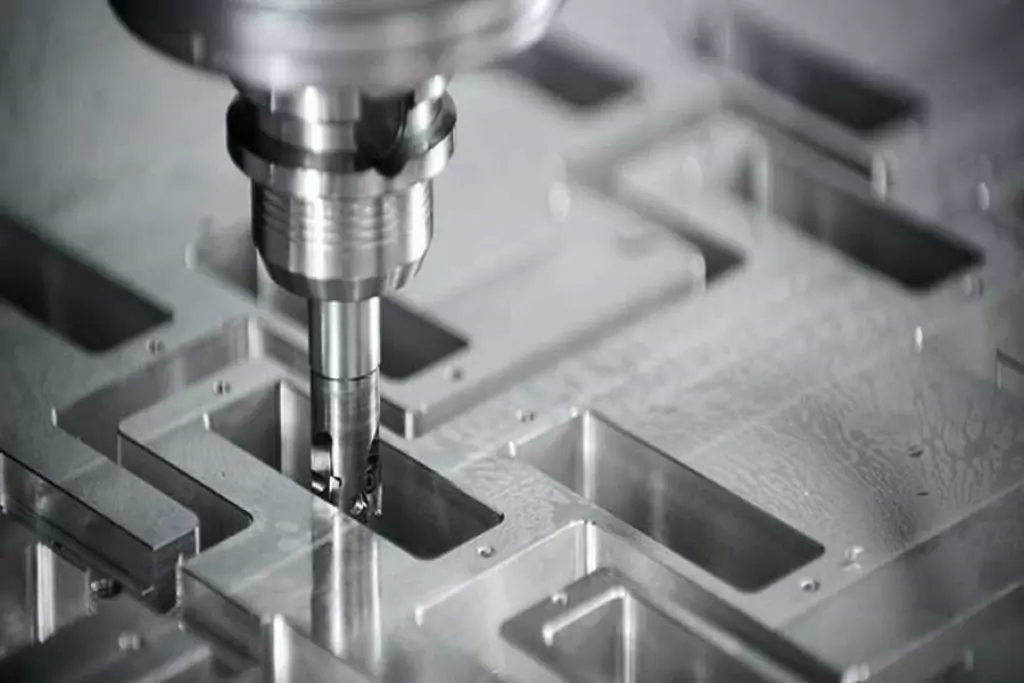
-
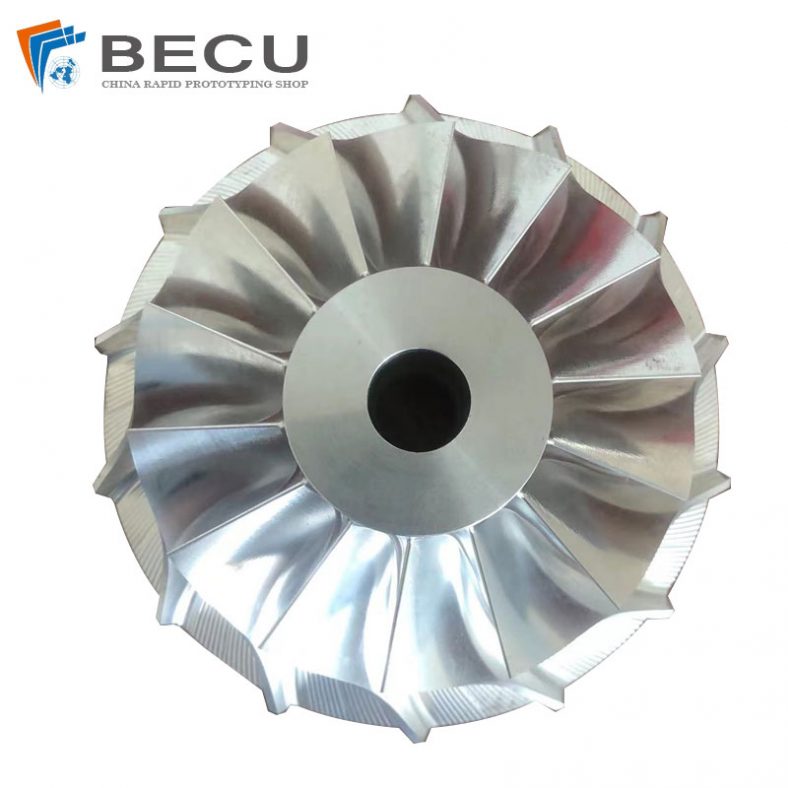
3-Way Centrifugal Compressor Closed Impeller By 5 Axis Machining
-
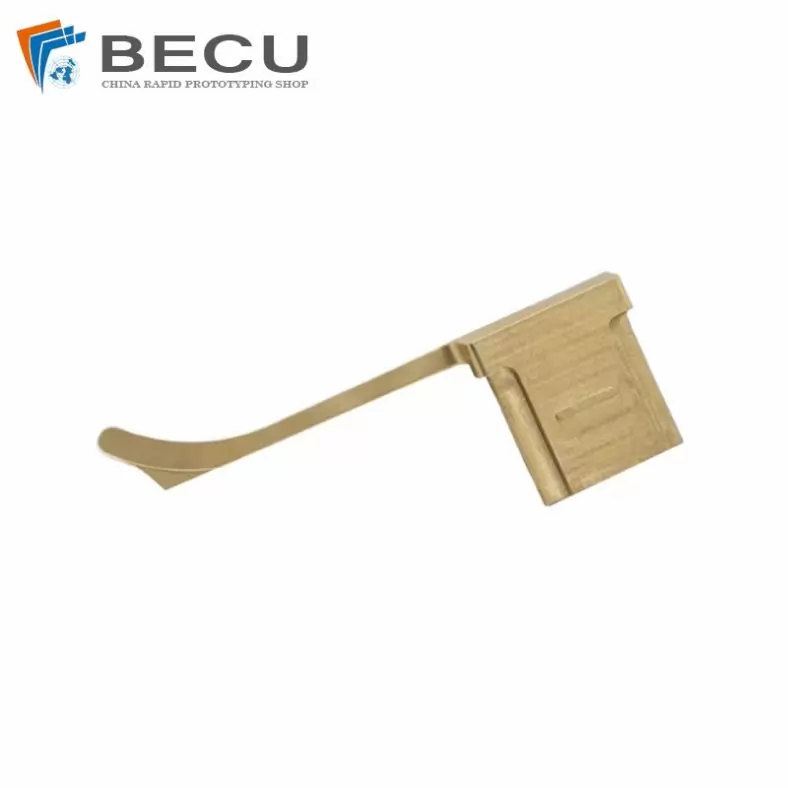
3/4/5 Axis Precision Milling Custom Vehicle Parts
-
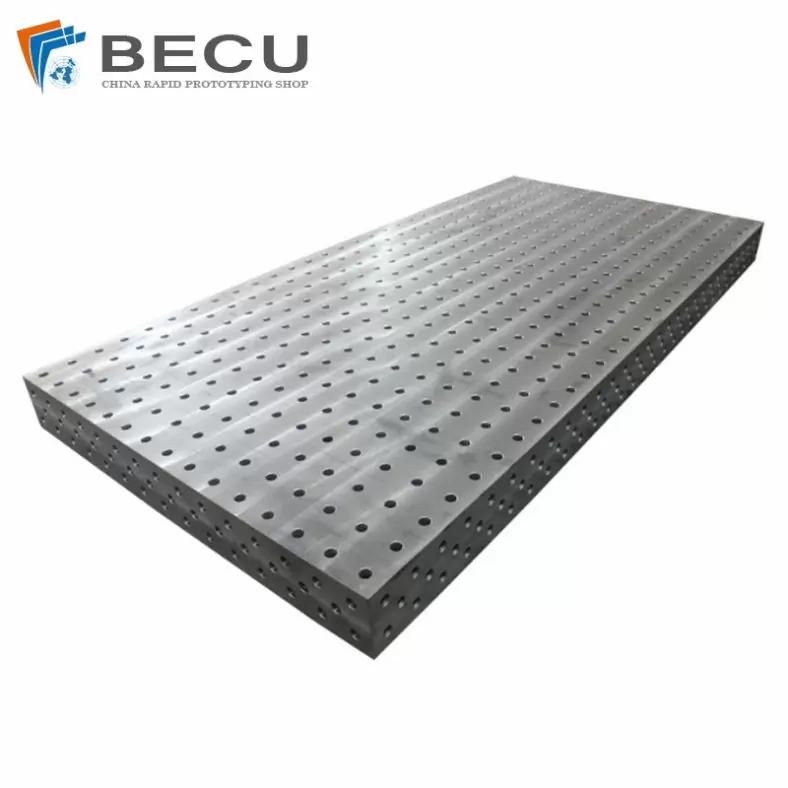
3D Flexible Welding Platform By Large Machining
-
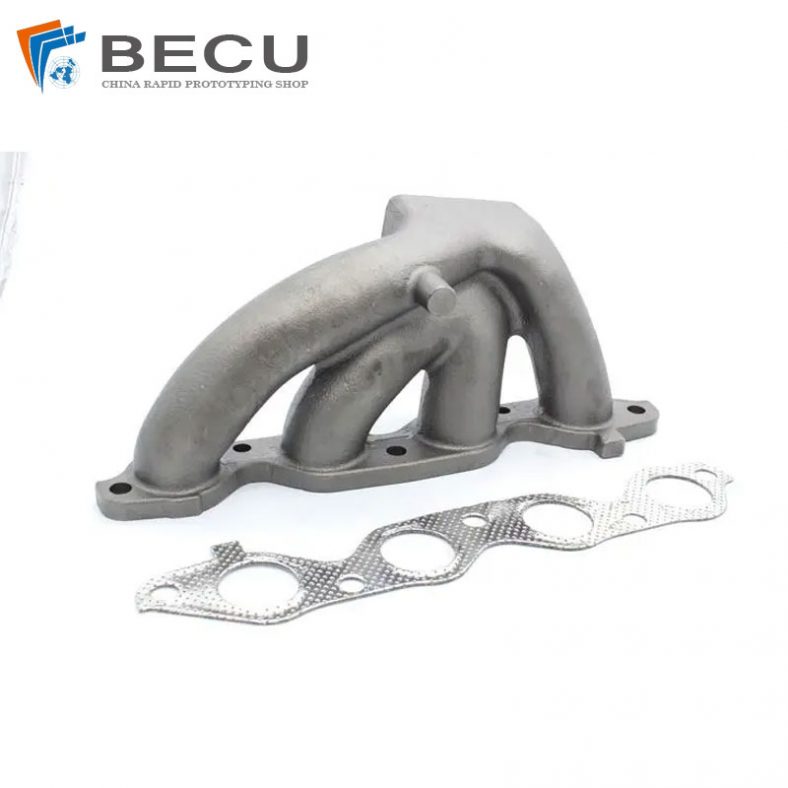
3D Printed Inconel Exhaust Manifold
-
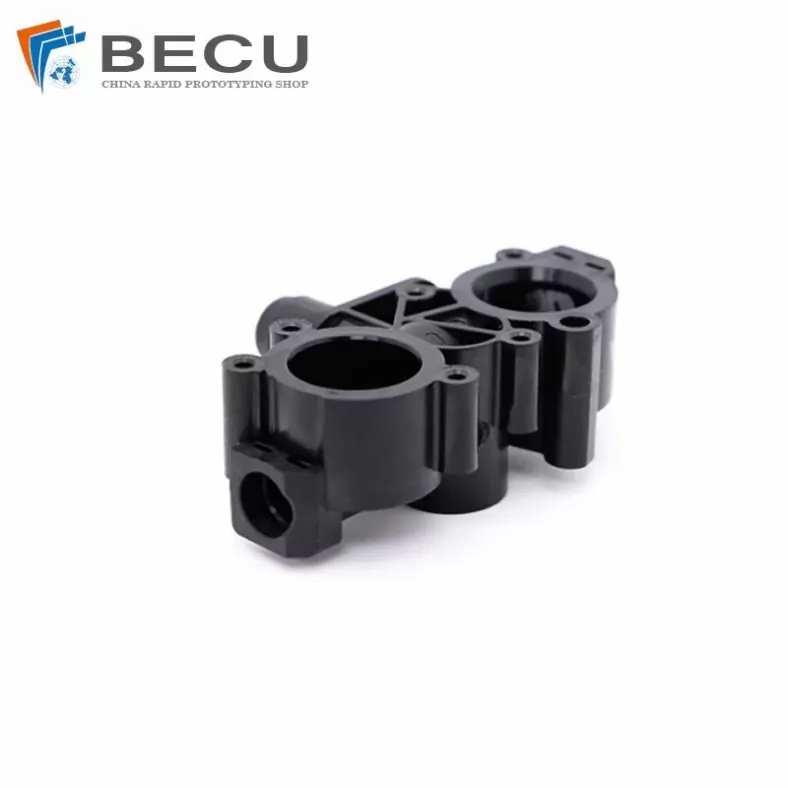
3D Printing And CNC Machining Custom Black PPS Valve
-
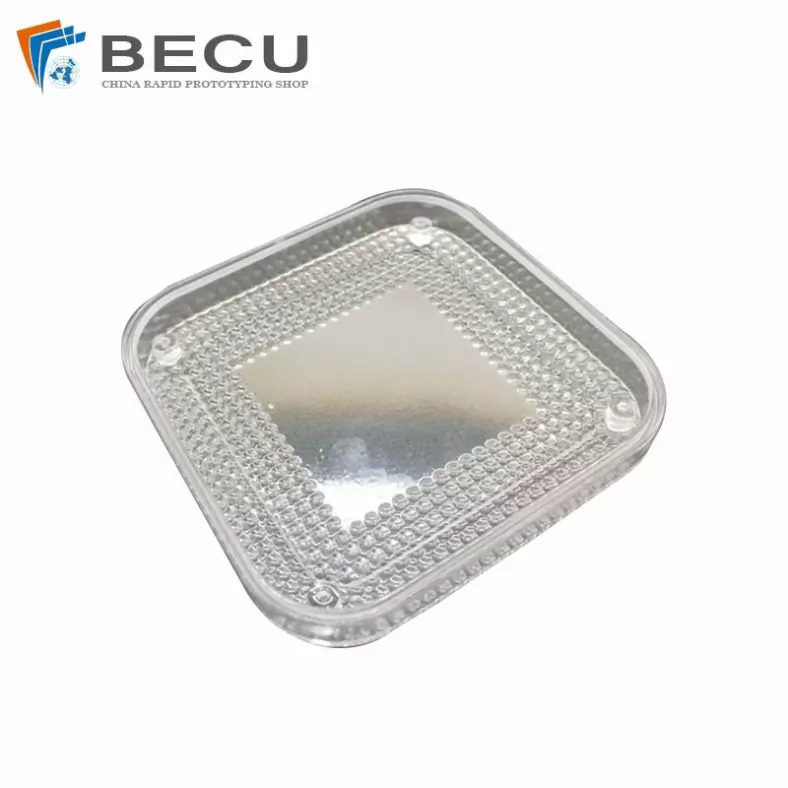
3D Printing Full Transparent Acrylic Lampshade Model
-
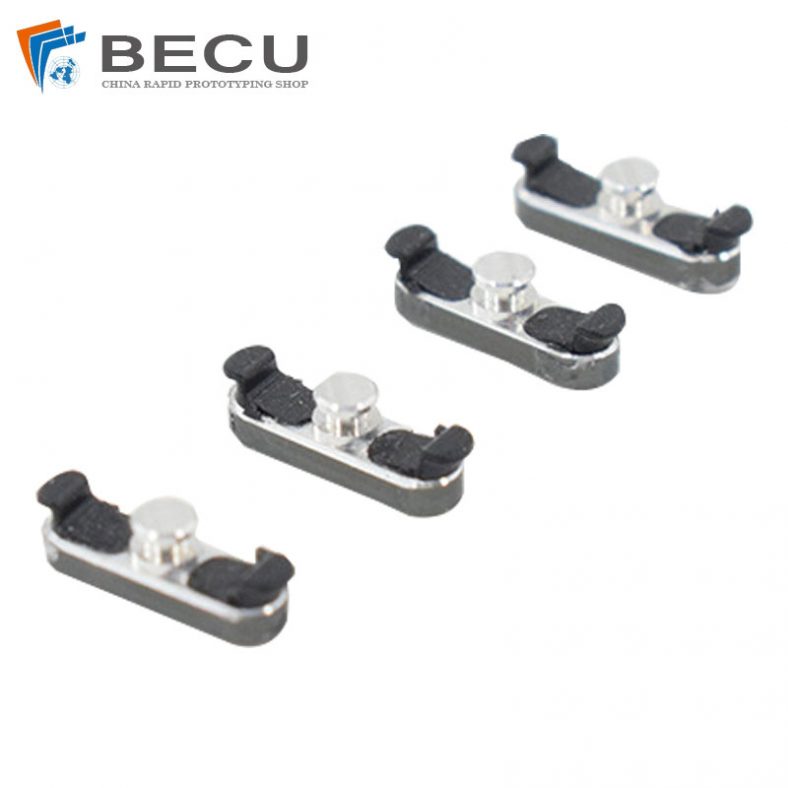
4 Axis CNC Machining Titanium Grade 5 Mobile Phone Buttons
-
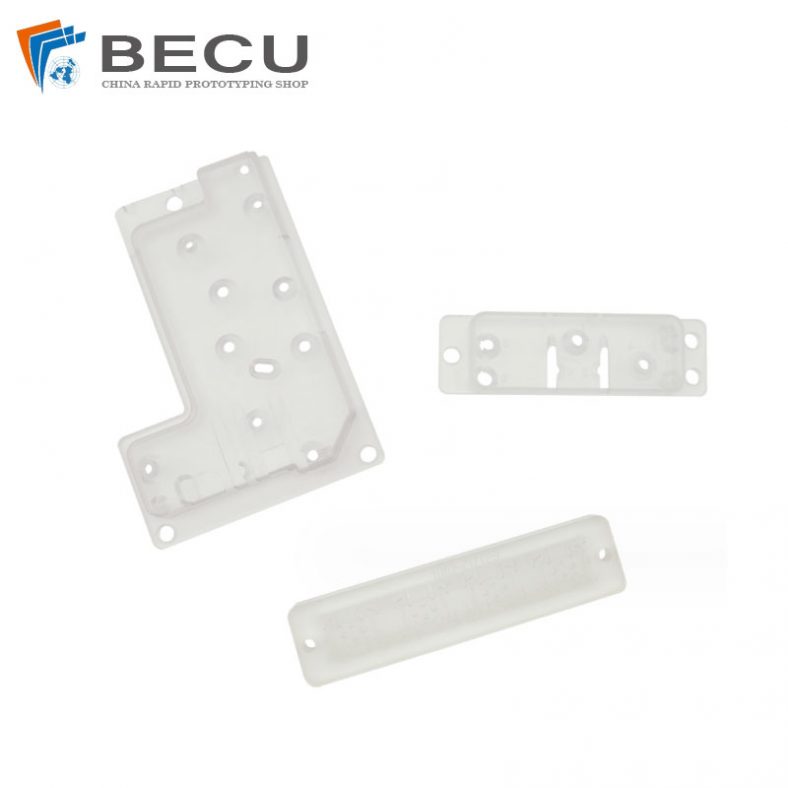
4 Axis Machining Highly Transparent Acrylic LED Tunnel Light Lens