
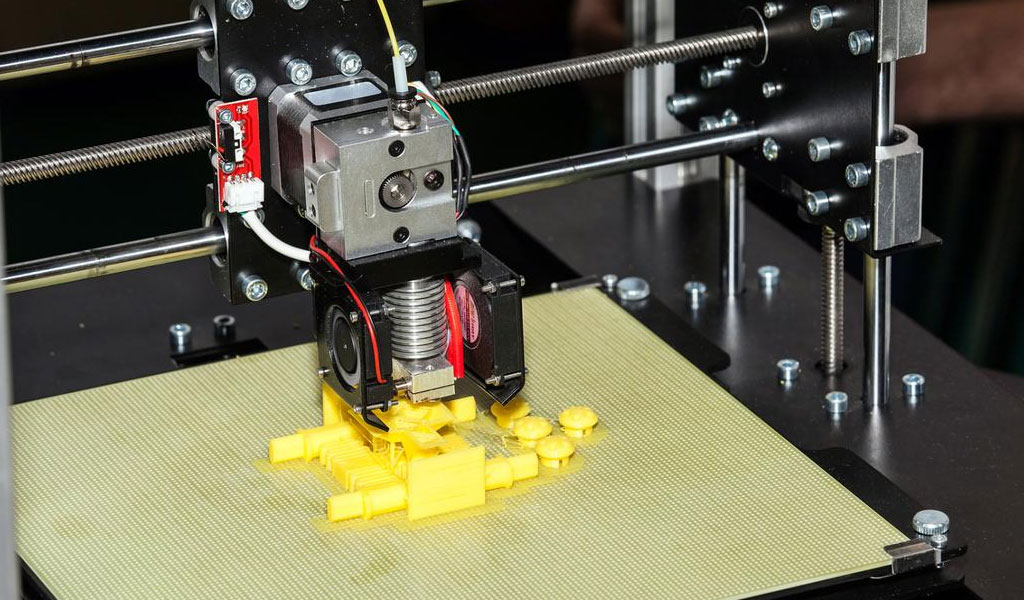
Compression set testing is a critical evaluation method in materials science and engineering, particularly relevant to the burgeoning field of 3D printing, also known as additive manufacturing. This testing assesses a material’s ability to recover its original shape after being subjected to compressive forces, a property that is especially significant for 3D-printed components intended for applications involving repeated or sustained loading, such as seals, gaskets, or structural supports. As 3D printing technologies evolve, understanding the compression set behavior of printed materials becomes essential for ensuring their reliability and performance in real-world conditions. This article explores the principles, methodologies, applications, and implications of compression set testing in the context of 3D printing, providing a detailed examination of how this property influences material selection, design, and manufacturing processes.
Introduction to Compression Set Testing
In materials science, the compression set is defined as the permanent deformation remaining in a material after it has been compressed and then allowed to recover. This property is typically expressed as a percentage of the original thickness or volume that does not return to its initial state. For 3D printing, where materials are often layered and fused in unique ways, compression set testing provides insights into how well a printed part can withstand compressive loads over time without losing its functional integrity.
Unlike traditional manufacturing methods such as injection molding or machining, 3D printing introduces variables like layer adhesion, infill patterns, and anisotropic properties, all of which can affect a material’s compression set behavior.
The importance of compression set testing in 3D printing stems from the technology’s ability to produce complex geometries and customized parts. For instance, a 3D-printed elastomeric seal must maintain its shape under pressure to prevent leaks, while a structural component in a prosthetic device needs to endure repeated compression without permanent deformation. By quantifying the compression set, engineers and designers can predict how a 3D-printed part will perform under specific conditions, making this test a cornerstone of quality control and material characterization in additive manufacturing.
Fundamentals of Compression Set
The compression set is a measure of a material’s elastic recovery, reflecting the balance between its elastic and plastic deformation properties. When a material is compressed, it undergoes elastic deformation (reversible) and, if the stress exceeds a certain threshold, plastic deformation (irreversible). The compression set quantifies the extent of this irreversible deformation after the load is removed. For 3D-printed materials, this property is influenced by factors such as the polymer type, printing parameters (e.g., layer height, print orientation), and post-processing techniques (e.g., annealing or curing).
Mathematically, the compression set (CS) is calculated using the following formula:
CS={t0−tr/t0−tc}×100
Where:
- t0 t_0 t0 = Original thickness of the specimen
- tr t_r tr = Recovered thickness after compression and relaxation
- tc t_c tc = Thickness under compression (typically a fixed percentage of t0 t_0 t0)
A lower compression set percentage indicates better recovery and greater elasticity, while a higher value suggests more permanent deformation and reduced resilience. In 3D printing, materials like thermoplastic elastomers (TPEs), polyurethanes (TPUs), and certain resins exhibit varying compression set values, making this test crucial for material selection.
Relevance to 3D Printing
3D printing differs from conventional manufacturing in its layer-by-layer construction, which introduces unique mechanical properties. The anisotropic nature of 3D-printed parts—where strength and elasticity vary depending on the direction of the print—complicates the prediction of compression set behavior. For example, a part printed with layers perpendicular to the compressive force may exhibit different recovery characteristics than one printed parallel to the force due to differences in interlayer bonding strength.
Additionally, the infill pattern and density used in 3D printing significantly affect the compression set. A solid infill (100% density) typically results in a more uniform response to compression, while a lower infill (e.g., 20%) introduces porosity that can increase permanent deformation. These variables necessitate tailored testing protocols to ensure that 3D-printed parts meet the demands of their intended applications.
Testing Methodologies
Compression set testing for 3D-printed materials follows standardized procedures, such as ASTM D395 for rubbers and elastomers, adapted to account for the unique characteristics of additive manufacturing. The process typically involves the following steps:
- Specimen Preparation: Samples are 3D printed in a specified geometry, often cylindrical or rectangular, with dimensions dictated by the testing standard (e.g., ASTM D395 recommends a 29 mm diameter and 12.5 mm height for rubber specimens). Print parameters like orientation, infill, and layer height are controlled to reflect the intended use case.
- Compression Application: The specimen is placed in a compression apparatus, typically between two parallel platens, and compressed to a predetermined strain (e.g., 25% of its original thickness) using a specified load. The compression is maintained for a set duration, often 22 hours, at a controlled temperature (e.g., 23°C or 70°C).
- Recovery Period: After the compression period, the load is removed, and the specimen is allowed to recover for a specified time (e.g., 30 minutes). The recovered thickness is then measured using a micrometer or similar precision tool.
- Calculation: The compression set is calculated using the formula provided earlier, yielding a percentage that indicates the material’s recovery capability.
For 3D-printed parts, additional considerations include testing multiple orientations (e.g., XY, XZ, ZX planes) to capture anisotropic effects and varying infill densities to assess structural impacts. Advanced setups may incorporate environmental chambers to simulate real-world conditions like elevated temperatures or humidity.
Materials Commonly Tested in 3D Printing
A wide range of materials used in 3D printing can be evaluated for compression set, each with distinct properties:
- Thermoplastic Elastomers (TPEs): Flexible materials like TPEs, commonly used in fused deposition modeling (FDM), exhibit moderate to low compression sets, making them suitable for seals and gaskets. Typical values range from 20% to 50%, depending on formulation and print settings.
- Thermoplastic Polyurethanes (TPUs): TPUs offer excellent elasticity and are popular in applications requiring flexibility, such as wearable devices. Their compression set can be as low as 10%–30% with proper curing.
- Photopolymer Resins: Used in stereolithography (SLA) and digital light processing (DLP), resins vary widely in compression set. Rigid resins may have higher values (e.g., 40%–60%), while flexible resins can achieve lower values (e.g., 15%–25%).
- Polyamides (Nylons): Reinforced nylons, often used in selective laser sintering (SLS), show moderate compression sets (e.g., 30%–40%), enhanced by fiber additives like carbon or glass.
| Material | Printing Method | Compression Set (%) | Typical Applications |
|---|---|---|---|
| TPE | FDM | 20–50 | Seals, gaskets, flexible hinges |
| TPU | FDM | 10–30 | Wearables, cushioning |
| Flexible Resin | SLA/DLP | 15–25 | Soft prototypes, medical models |
| Rigid Resin | SLA/DLP | 40–60 | Structural components |
| Nylon (unreinforced) | SLS | 30–40 | Functional parts, gears |
| Carbon Fiber Nylon | SLS | 25–35 | High-strength supports |
Factors Influencing Compression Set in 3D Printing
Several factors unique to 3D printing influence the compression set of printed parts:
- Print Orientation: Layers aligned perpendicular to the compressive force often exhibit weaker interlayer bonding, leading to higher compression sets compared to parallel orientations.
- Infill Density and Pattern: Lower infill densities (e.g., 20%) increase porosity, raising the compression set, while patterns like gyroid or honeycomb may distribute stress more evenly, potentially lowering it.
- Layer Height: Thinner layers (e.g., 0.1 mm) improve bonding and reduce the compression set, whereas thicker layers (e.g., 0.3 mm) may weaken interlayer adhesion.
- Post-Processing: Techniques like annealing for thermoplastics or UV curing for resins can enhance molecular crosslinking, reducing the compression set.
- Material Composition: Additives such as plasticizers in TPEs or fibers in composites alter elasticity and recovery, directly impacting the compression set.
Applications in 3D Printing
Compression set testing is pivotal in various 3D printing applications:
- Seals and Gaskets: In automotive or aerospace components, 3D-printed elastomeric seals must maintain their shape under pressure to prevent leaks. A low compression set (e.g., <20%) is critical.
- Medical Devices: Prosthetic cushions or orthopedic supports require materials with low compression sets to ensure comfort and durability under repeated loading.
- Structural Components: Lattice structures or supports in engineering applications benefit from moderate compression sets to balance flexibility and strength.
- Consumer Goods: Flexible 3D-printed items like shoe insoles or phone cases rely on good recovery to maintain functionality over time.
Comparative Analysis with Traditional Manufacturing
Compared to traditionally manufactured parts (e.g., injection-molded or cast), 3D-printed parts often exhibit higher compression sets due to their layered structure. For instance, an injection-molded TPU part might have a compression set of 5%–15%, while a 3D-printed equivalent could range from 10%–30%. This disparity arises from the isotropic nature of molded parts versus the anisotropic properties of printed ones. However, advancements in 3D printing, such as continuous fiber reinforcement or optimized infill designs, are narrowing this gap.
| Material | Manufacturing Method | Compression Set (%) | Notes |
|---|---|---|---|
| TPU | Injection Molding | 5–15 | Isotropic, strong bonding |
| TPU | FDM | 10–30 | Anisotropic, layer-dependent |
| Silicone | Casting | 5–10 | Highly elastic, uniform structure |
| Flexible Resin | SLA | 15–25 | Post-curing improves recovery |
| Nylon | Injection Molding | 20–30 | Consistent properties |
| Nylon | SLS | 30–40 | Porosity affects recovery |
Conclusion
The future of compression set testing in 3D printing lies in developing tailored standards that account for additive manufacturing’s nuances. Research is ongoing to integrate real-time monitoring during printing (e.g., using sensors to detect layer adhesion) and advanced simulation tools like finite element analysis (FEA) to predict compression set behavior. Additionally, the development of hybrid materials—combining elastomers with reinforcing fibers—promises to reduce compression sets, enhancing the viability of 3D-printed parts in demanding applications.
Compression set testing for 3D printing faces several challenges:
- Anisotropy: The directional dependence of properties complicates standardized testing, requiring multiple orientations to be evaluated.
- Material Variability: Inconsistent filament or resin quality can lead to variable compression set results, necessitating rigorous quality control.
- Lack of Specific Standards: While ASTM D395 is widely used, it was not designed for 3D-printed parts, potentially overlooking unique failure modes like delamination.
- Time and Cost: Testing multiple configurations (e.g., orientations, infills) is resource-intensive, posing challenges for rapid prototyping.
Compression set testing is an indispensable tool for evaluating the performance of 3D-printed materials under compressive loads. By understanding how factors like print orientation, infill, and material composition affect recovery, engineers can optimize designs and select appropriate materials for specific applications. While challenges remain, particularly in standardizing tests for additive manufacturing, ongoing advancements in technology and methodology are poised to elevate the reliability of 3D-printed components. As the field progresses, compression set testing will continue to play a vital role in bridging the gap between innovative design and practical functionality in 3D printing.
The Detail Of BE-CU 3D Printing Company
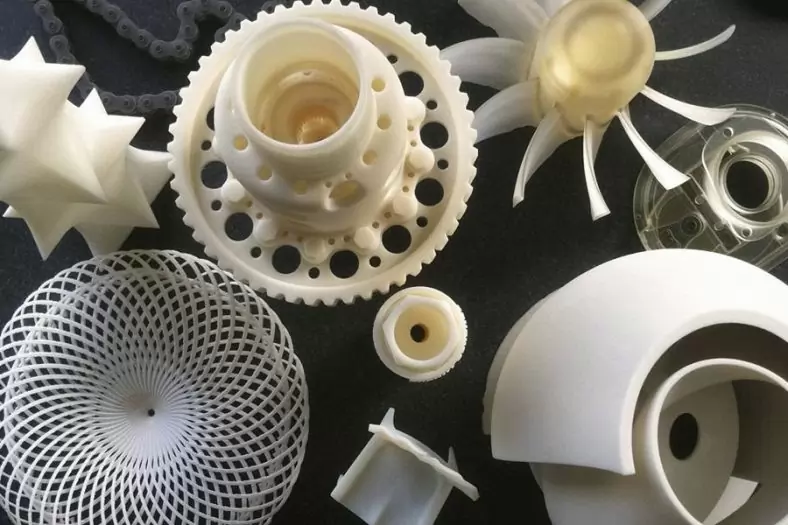
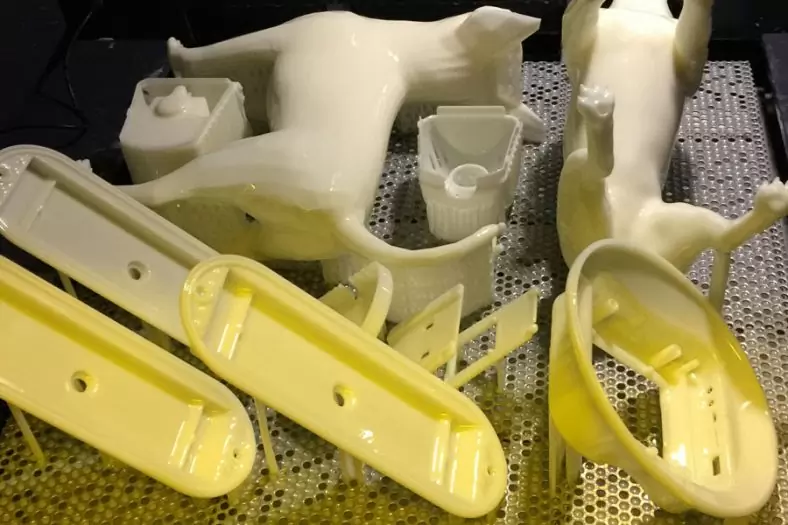
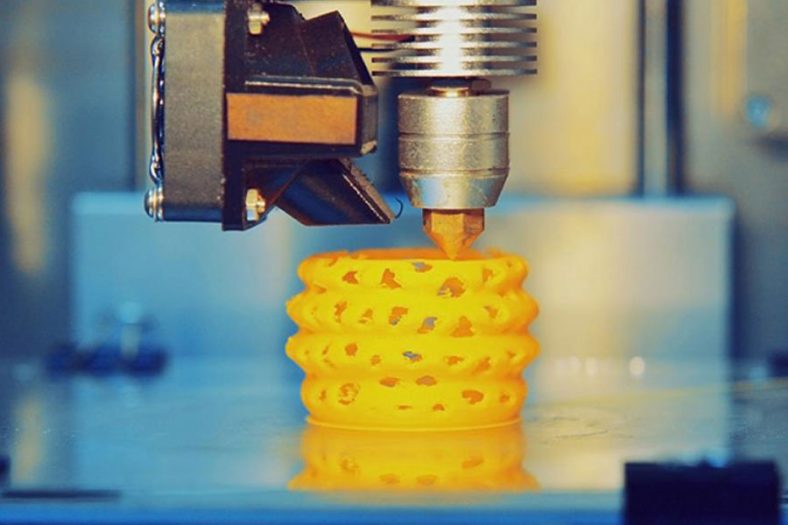
BE-CU.COM offers online 3D printing services for rapid prototyping and production in volume. Our clients are across a wide variety of industries and companies, including automotive, construction, aerospace, defense, electronics, machinery, industrial automation, medical, healthcare, consumer production, oil & gas, etc. Accelerate your product development and manufacturing process with our industry-leading metal & plastic 3D printing service and 3D printed parts. We’ll find the best 3D printing solution for your projects, to lower your cost and shorten the lead time based on your needs, while maintaining the quality. From 3D prototyping to end-use parts production, multiple materials are available for custom 3D printing parts. Need an alternative to the traditional solution? Submit your 3D CAD file to get an online quotation quickly. Our 3D printing service ensures accuracy and speed. We can help you choose the most appropriate technology and material to match your applications or request.
-
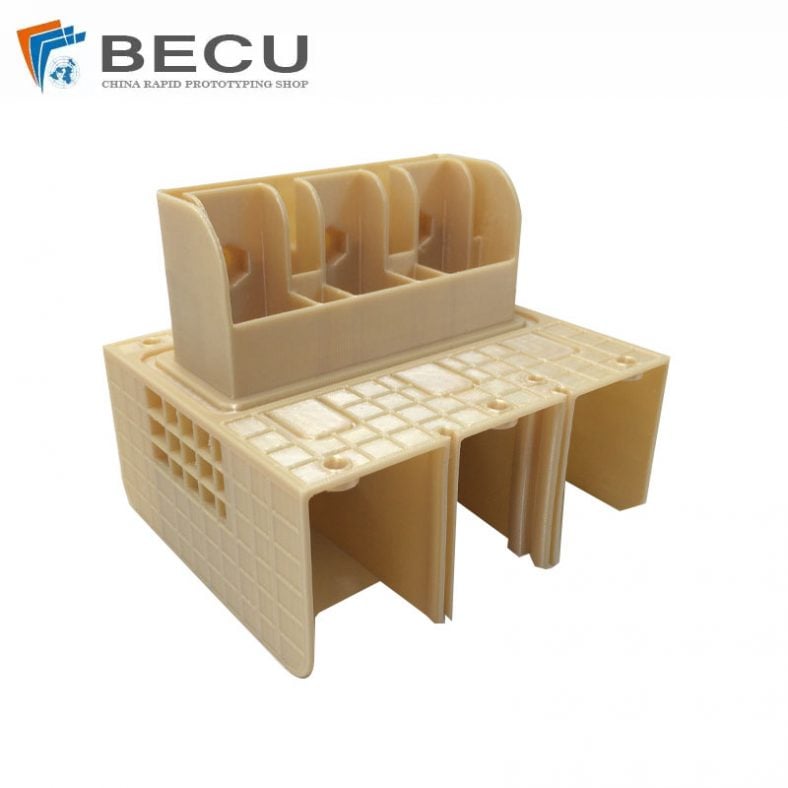
FDM 3D Printing Ultra-High Voltage Strong Electrical Connector
-
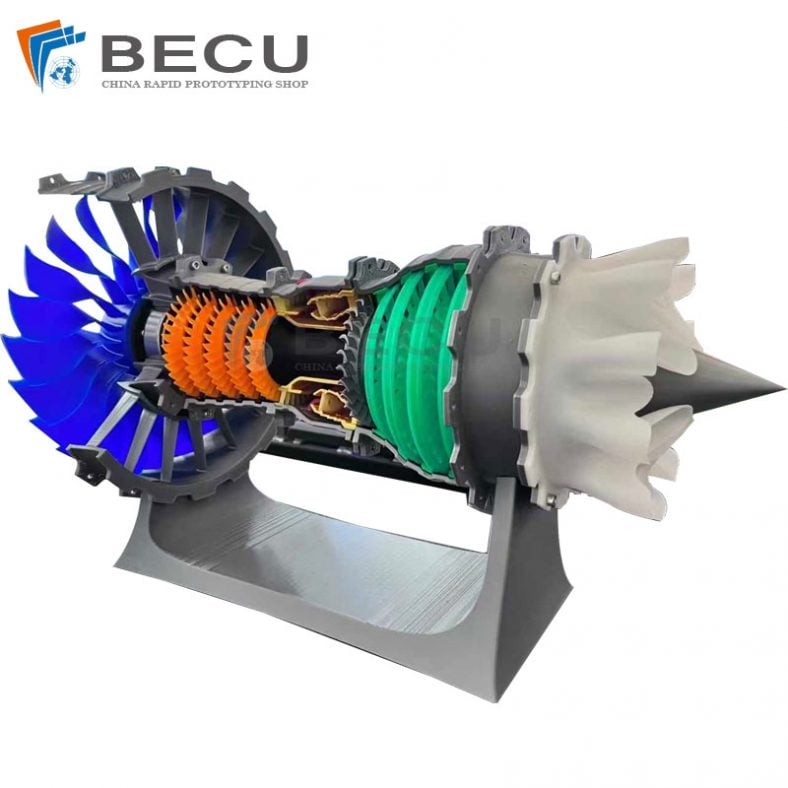
3D Printed Jet Engine Model
-
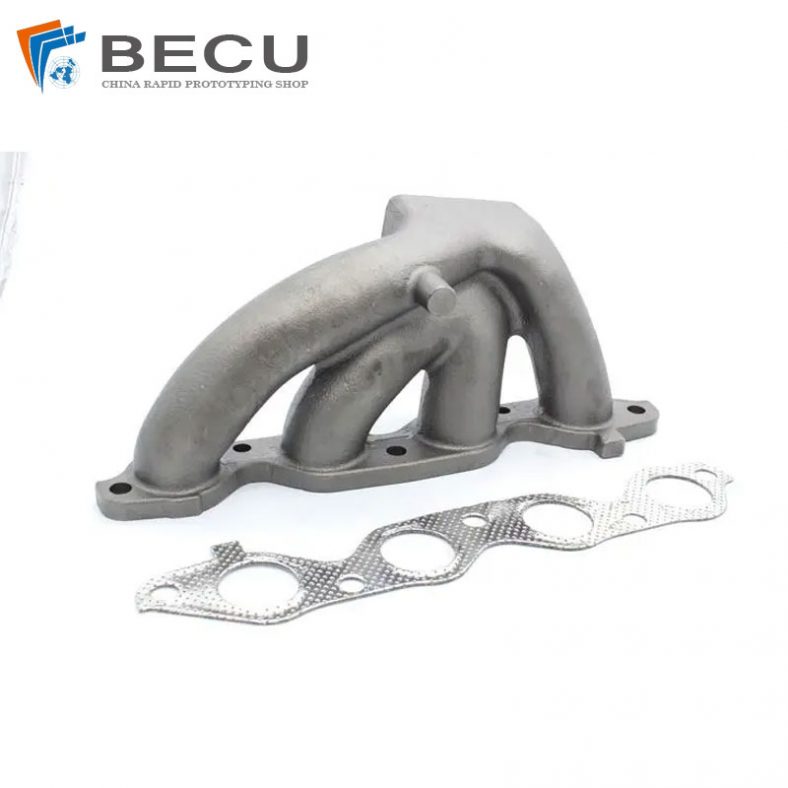
3D Printed Inconel Exhaust Manifold
-

3D Printed Black Myth: Wukong Model
-
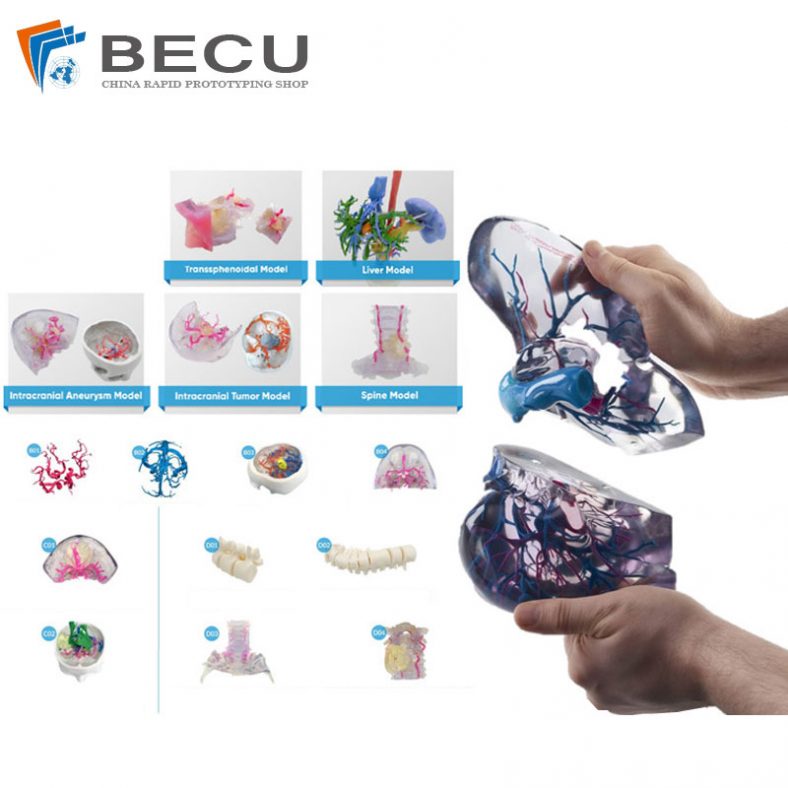
Omni-Directional Surgical Planning Medical Models
-
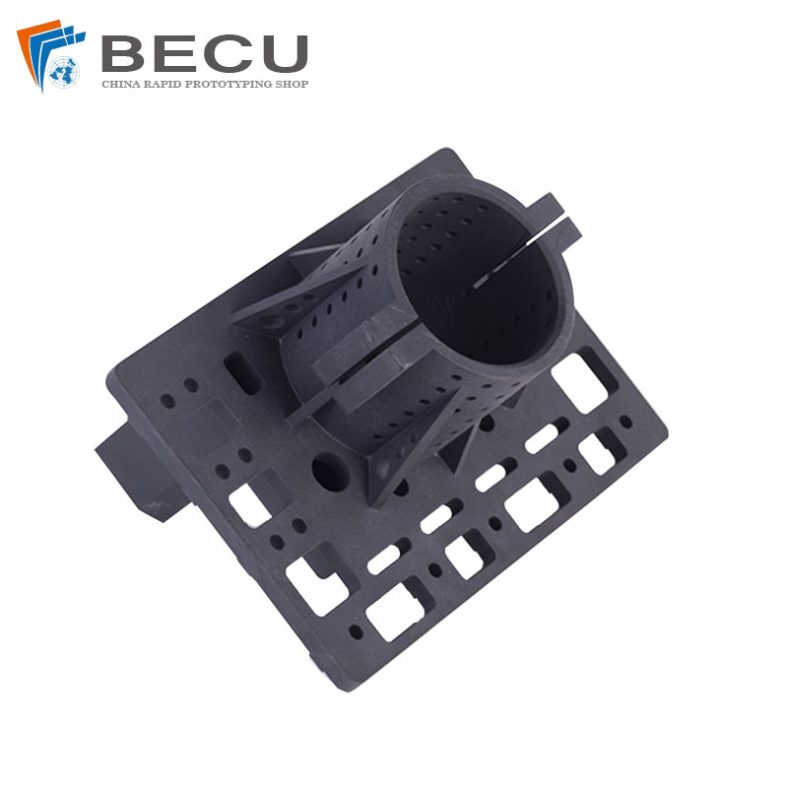
3D Printing Pool Pressure Cleaner Parts and Accessories
-
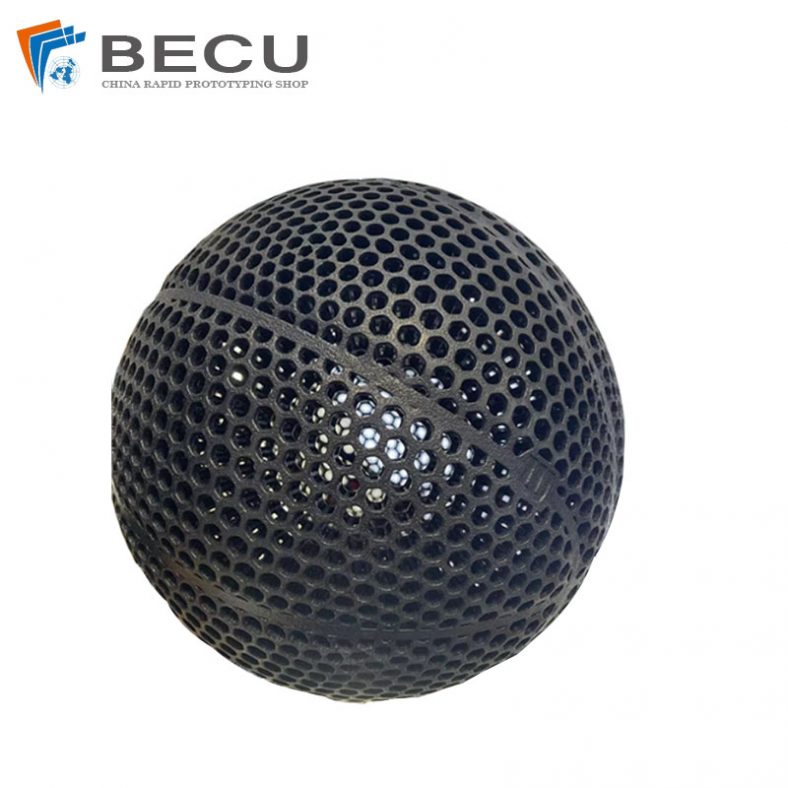
Nylon 3D Printed Size 5 Basketball
-
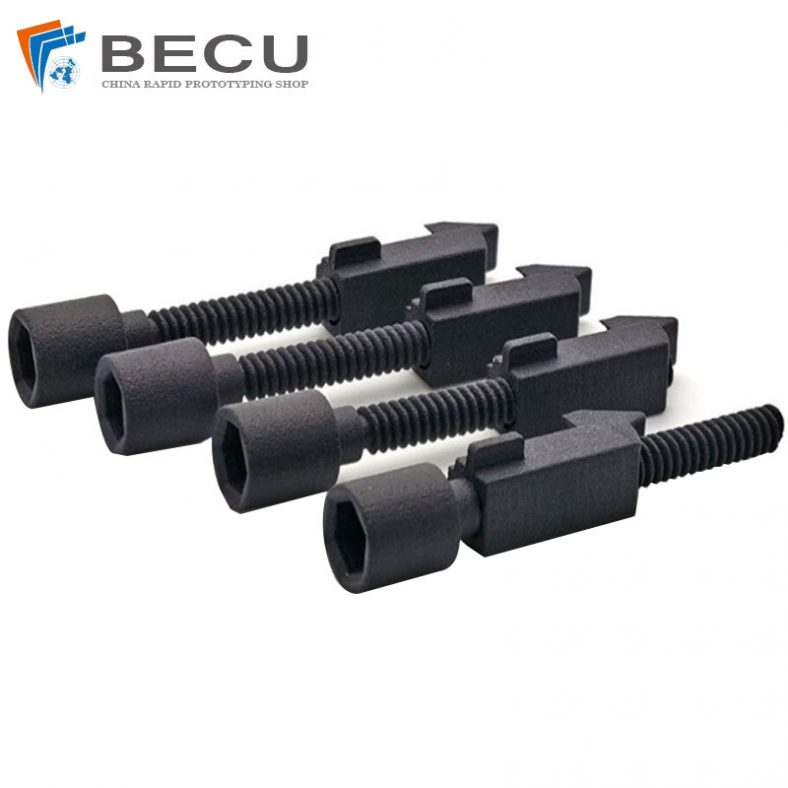
Black Nylon Medical Threaded Screw By MJF 3D Printing