
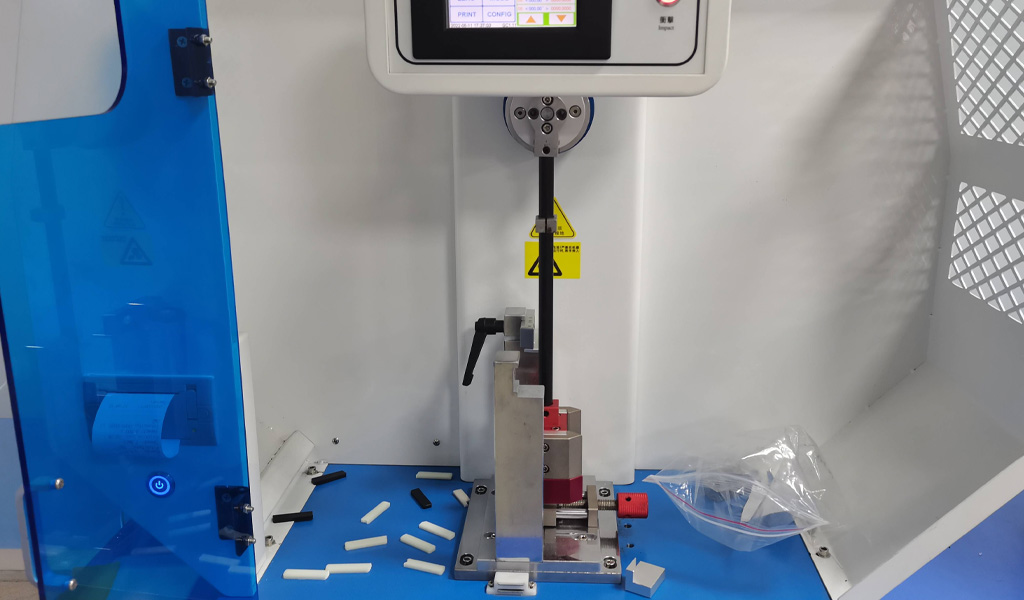
The Izod impact strength test is a standardized method used to evaluate the impact resistance or toughness of materials, primarily plastics, composites, and occasionally metals. Named after English engineer Edwin Gilbert Izod (1876–1946), who first described the technique in a 1903 address to the British Association, the test measures the energy absorbed by a notched specimen when struck by a swinging pendulum. This energy absorption provides critical insight into a material’s ability to withstand sudden, high-strain-rate loading, making it a cornerstone of materials science and engineering. The test is widely utilized across industries such as automotive, aerospace, construction, and consumer goods manufacturing, where understanding a material’s behavior under impact is essential for ensuring safety, reliability, and performance.
Historical Development
The Izod impact test emerged during the early 20th century as industrialization demanded more rigorous methods to assess material properties. Edwin Gilbert Izod, an engineer with a focus on mechanical testing, introduced the concept of using a cantilevered, notched specimen struck by a pendulum to quantify impact resistance. His work, published in Engineering following his 1903 presentation, built on earlier efforts to measure material toughness, notably the Charpy impact test developed by Georges Augustin Albert Charpy in 1901. While the Charpy test used a three-point bending configuration, Izod’s innovation lay in the cantilevered arrangement, which offered a distinct approach to simulating real-world impact scenarios.
The test gained prominence as standardized procedures were established by organizations such as the American Society for Testing and Materials (ASTM). The ASTM D256 standard, first formalized in the mid-20th century, codified the Izod test for plastics, while ASTM E23 adapted it for metals. Concurrently, the International Organization for Standardization (ISO) developed ISO 180, aligning the test with global practices. These standards have evolved over decades, incorporating advancements in instrumentation, specimen preparation, and data analysis to enhance precision and reproducibility.
Test Methodology
The Izod impact test involves a straightforward yet precise procedure. A specimen, typically a rectangular bar with a machined notch, is clamped vertically in a fixture such that one end is fixed and the other is free, resembling a cantilever beam. A pendulum, mounted on a pivoting arm, is raised to a predetermined height, imparting a known potential energy. Upon release, the pendulum swings downward, striking the specimen just above the notch and fracturing it. The energy absorbed during fracture is calculated by measuring the pendulum’s residual swing height after impact, with the difference in potential energy indicating the material’s impact strength.
The standard specimen for ASTM D256 measures 63.5 mm × 12.7 mm × 3.2 mm (2.5 in × 0.5 in × 0.125 in), with a V-shaped notch 2.54 mm (0.1 in) deep and a 0.25 mm (0.01 in) radius at its tip. The notch serves as a stress concentrator, initiating fracture at a controlled location and enabling the assessment of notch sensitivity—a material’s susceptibility to crack propagation from pre-existing flaws. ISO 180 specifies a slightly different specimen, typically 80 mm × 10 mm × 4 mm, reflecting metric preferences in Europe.
Results are reported as energy absorbed per unit thickness (e.g., J/cm or ft·lb/in) under ASTM D256, or per unit cross-sectional area at the notch (e.g., J/m²) under ISO 180. The test is typically conducted at room temperature (23°C), though variations at subzero or elevated temperatures are possible with specialized equipment to simulate service conditions.
Apparatus and Instrumentation
The Izod impact tester comprises several key components:
- Pendulum: A weighted arm, often with interchangeable hammers (e.g., 2.75 J to 22.5 J capacity), calibrated to deliver consistent energy.
- Specimen Fixture: A vise-like clamp securing the specimen vertically, aligned to ensure the pendulum strikes precisely above the notch.
- Energy Scale: A dial or digital display measuring the pendulum’s post-impact swing height, often with a drag pointer to record maximum displacement.
- Frame: A rigid structure minimizing vibration, critical for accurate energy transfer.
Modern instruments may include electronic sensors and data acquisition systems, enabling high-resolution measurement of impact force, velocity, and energy dissipation over time. Instrumented Izod testing, though not standardized under ASTM D256, provides detailed load-displacement curves, offering deeper insights into fracture mechanics.
Comparison with Charpy Impact Test
The Izod and Charpy impact tests share the goal of measuring impact toughness but differ significantly in execution and application. The Charpy test positions the specimen horizontally in a three-point bending configuration, supported at both ends, with the pendulum striking the unnotched side opposite the notch. In contrast, the Izod test uses a cantilevered setup, with the specimen fixed at one end and struck on the notched side. These differences influence the stress states induced during impact: Izod imposes a combination of tensile and shear stresses at the notch, while Charpy primarily induces bending stresses.
Table 1 provides a detailed comparison of the two methods:
| Parameter | Izod Impact Test | Charpy Impact Test |
|---|---|---|
| Specimen Orientation | Vertical, cantilevered | Horizontal, three-point bending |
| Notch Position | Facing the pendulum | Opposite the pendulum |
| Specimen Dimensions | 63.5 × 12.7 × 3.2 mm (ASTM D256) | 55 × 10 × 10 mm (ASTM E23) |
| Notch Types | V-notch only (ASTM D256) | V-notch or U-notch (ASTM E23) |
| Striker Type | Framing hammer | Ball-pin hammer |
| Energy Units (ASTM) | J/cm or ft·lb/in | J or ft·lb |
| Primary Materials | Plastics, composites | Metals, occasionally plastics |
| Temperature Range | Typically room temperature; limited range | -320°F to 2000°F with adaptations |
| Standards | ASTM D256, ISO 180 | ASTM E23, ISO 148, ASTM D6110 |
The Izod test’s cantilevered design makes it less adaptable to extreme temperatures, as the fixture is often integral to the machine base and difficult to heat or cool. Conversely, Charpy’s horizontal setup facilitates testing across a broader temperature spectrum, making it preferred for metals subject to ductile-to-brittle transitions.
Scientific Principles
The Izod test quantifies toughness by measuring the energy required to initiate and propagate a crack from the notch. This energy, E E E, is derived from the difference in potential energy of the pendulum before and after impact:
E=mgh1−mgh2
where:
- m = mass of the pendulum,
- g = gravitational acceleration (9.81 m/s²),
- h1= initial height,
- h2= final height.
The absorbed energy reflects the material’s resistance to fracture under high-strain-rate conditions, typically exceeding 10³ s⁻¹, far higher than static tensile tests (10⁻³ to 10⁻¹ s⁻¹). Notch sensitivity is a key factor: brittle materials exhibit low energy absorption due to rapid crack propagation, while ductile materials absorb more energy through plastic deformation.
The stress concentration at the notch is governed by the stress intensity factor, K K K, approximated as:
K=σ∫πa⋅Y
where:
- σ \sigma σ = applied stress,
- a a a = notch depth,
- Y Y Y = geometric correction factor.
For a V-notch, Y Y Y depends on specimen geometry and notch radius, amplifying local stresses and triggering fracture. This makes the Izod test particularly sensitive to material flaws, mirroring real-world failure modes in notched components.
Applications in Materials Science
The Izod test is indispensable for characterizing polymers, where impact resistance varies widely with composition, molecular structure, and processing conditions. For example, amorphous plastics like polycarbonate exhibit high Izod impact strengths (e.g., 600–850 J/m), reflecting extensive plastic deformation, while brittle polymers like polystyrene show values below 50 J/m due to limited energy dissipation.
Composites, such as fiber-reinforced plastics, also benefit from Izod testing. The orientation of fibers relative to the notch influences results: longitudinal fibers enhance toughness, while transverse fibers may reduce it due to weak matrix-fiber interfaces. Table 2 compares Izod impact strengths for common materials:
| Material | Izod Impact Strength (J/m) | Notch Type | Notes |
|---|---|---|---|
| Polycarbonate | 600–850 | Notched | Highly ductile, energy-absorbing |
| Polystyrene | 20–50 | Notched | Brittle, low toughness |
| ABS | 200–400 | Notched | Balanced strength and ductility |
| Glass-Fiber Reinforced Nylon | 100–300 | Notched | Fiber content increases toughness |
| Steel (Mild) | 50–150 | Notched | Tested per ASTM E23 |
| Aluminum (6061-T6) | 20–40 | Notched | Brittle at notch under impact |
In quality control, the test ensures materials meet specifications for applications like automotive dashboards, protective gear, and packaging. It also aids research into toughening mechanisms, such as rubber particle dispersion in acrylonitrile-butadiene-styrene (ABS), which boosts impact strength by promoting craze formation.
Factors Affecting Test Results
Several variables influence Izod impact outcomes:
- Notch Geometry: A sharper notch (smaller radius) increases stress concentration, reducing measured toughness. ASTM D256 mandates a 0.25 mm radius, but deviations alter results.
- Temperature: Lower temperatures embrittle many materials, decreasing energy absorption. For example, PVC’s Izod strength drops from 80 J/m at 23°C to 20 J/m at -20°C.
- Specimen Preparation: Machining the notch versus molding it affects reproducibility; molded notches may introduce residual stresses or defects.
- Strain Rate: The pendulum’s impact velocity (typically 3–4 m/s) imposes a high strain rate, distinguishing Izod results from static tests.
- Material Anisotropy: In composites, fiber orientation relative to the notch plane significantly alters energy absorption.
Table 3 illustrates temperature effects on selected plastics:
| Material | Temp (°C) | Izod Strength (J/m) | Behavior |
|---|---|---|---|
| Polycarbonate | 23 | 750 | Ductile |
| Polycarbonate | -40 | 200 | Brittle transition |
| Polypropylene | 23 | 50 | Semi-ductile |
| Polypropylene | 0 | 20 | Increased brittleness |
Limitations and Criticisms
Despite its widespread use, the Izod test has limitations. Its reliance on a notched specimen may not reflect unnotched component behavior, where flaws are less controlled. The cantilevered setup restricts temperature versatility, limiting its applicability to cryogenic or high-temperature environments compared to Charpy. Additionally, the test provides a single energy value, lacking detailed insight into fracture dynamics unless instrumented.
Critics argue that Izod results are less reproducible across laboratories due to variations in notch machining and fixture alignment. The test’s focus on high-strain-rate loading also makes it less representative of low-velocity impacts, prompting the development of alternative methods like drop-weight testing.
Advancements and Future Directions
Recent advancements include instrumented Izod testing, which records force-time data during impact, revealing crack initiation and propagation phases. Finite element analysis (FEA) complements experimental results, simulating stress distributions and predicting failure under complex loading. Researchers are also exploring unnotched Izod tests to assess intrinsic material toughness, though these lack standardization.
Future developments may integrate machine learning to correlate Izod data with material composition and processing parameters, enhancing predictive design. Expanding the test’s scope to nanomaterials and bio-composites could further its relevance in emerging fields.
Conclusion
The Izod impact test remains a vital tool in materials science, offering a simple yet effective measure of impact resistance. Its standardized methodology, historical significance, and broad applicability underscore its enduring value, despite limitations. As materials evolve and testing technologies advance, the Izod test continues to adapt, providing critical data for engineering innovation and safety.
The Detail Of BE-CU 3D Printing Company
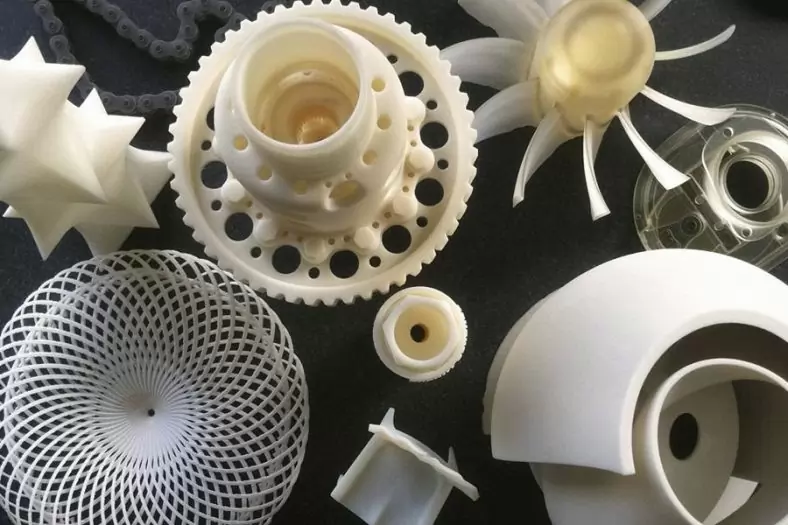
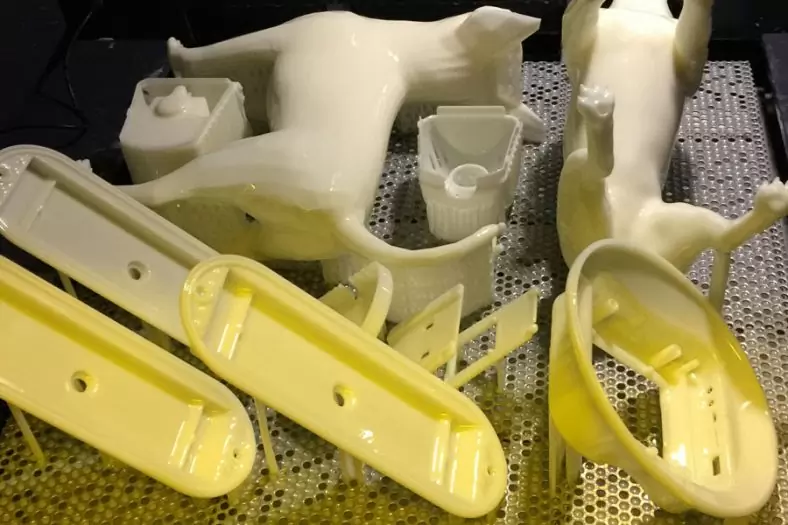
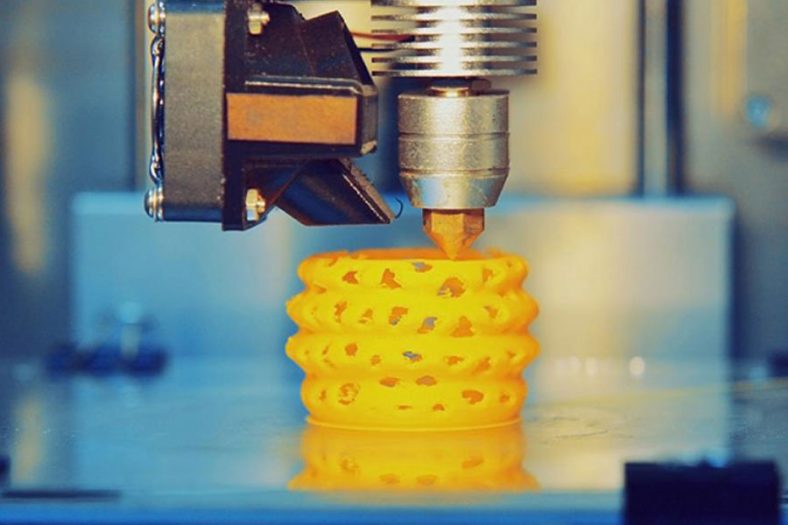
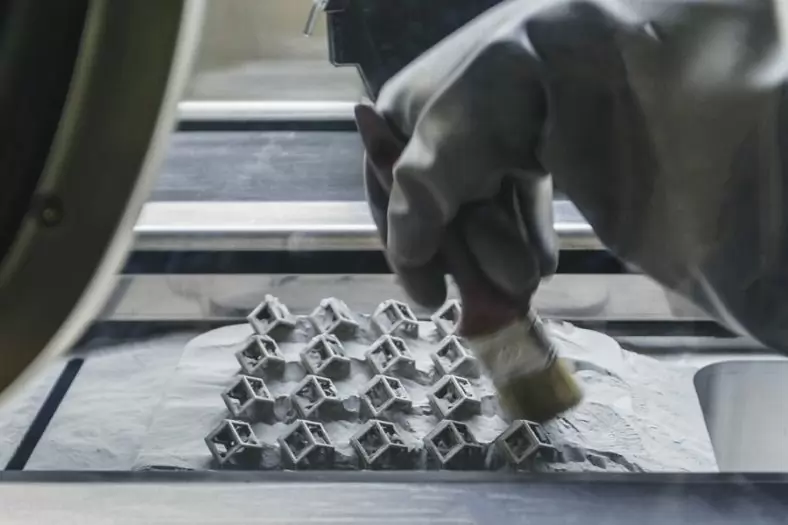
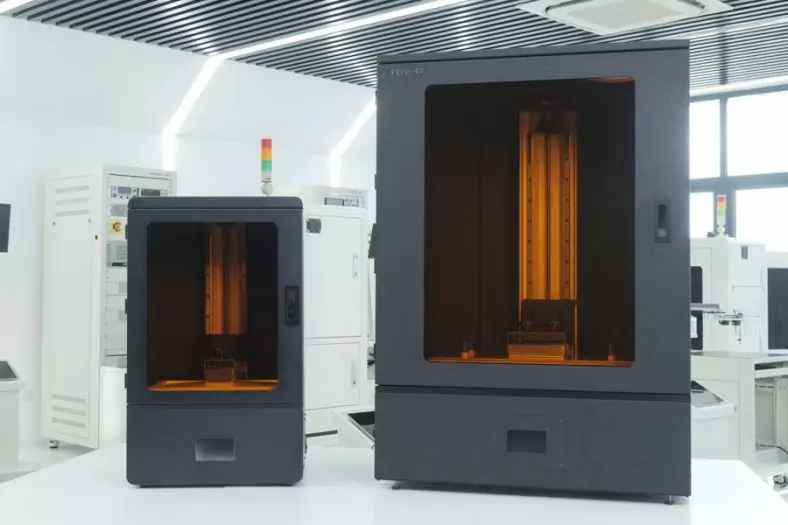
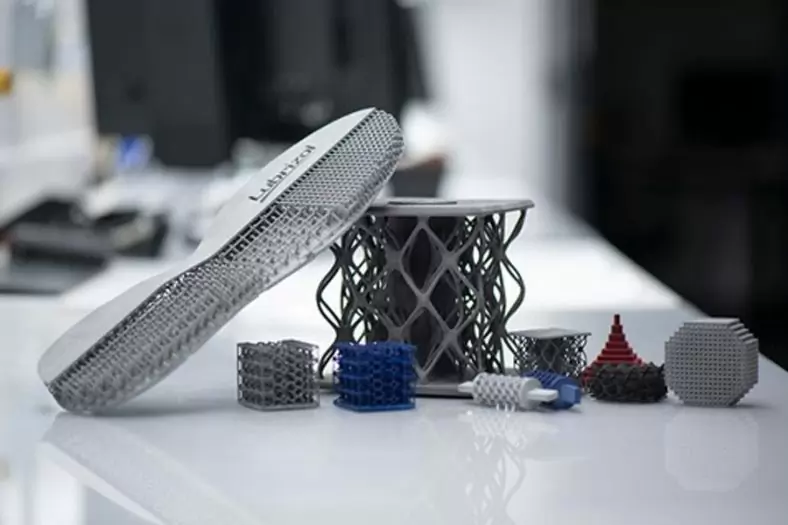
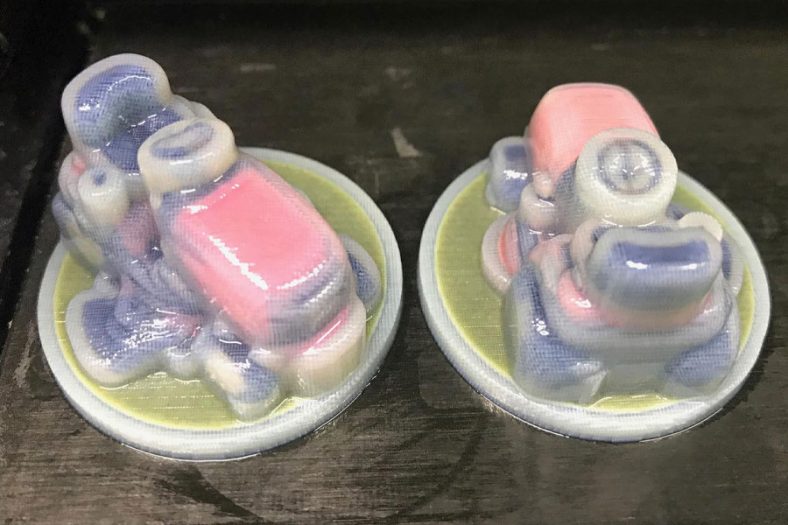
BE-CU.COM offers online 3D printing services for rapid prototyping and production in volume. Our clients are across a wide variety of industries and companies, including automotive, construction, aerospace, defense, electronics, machinery, industrial automation, medical, healthcare, consumer production, oil & gas, etc. Accelerate your product development and manufacturing process with our industry-leading metal & plastic 3D printing service and 3D printed parts. We’ll find the best 3D printing solution for your projects, to lower your cost and shorten the lead time based on your needs, while maintaining the quality. From 3D prototyping to end-use parts production, multiple materials are available for custom 3D printing parts. Need an alternative to the traditional solution? Submit your 3D CAD file to get an online quotation quickly. Our 3D printing service ensures accuracy and speed. We can help you choose the most appropriate technology and material to match your applications or request.
-
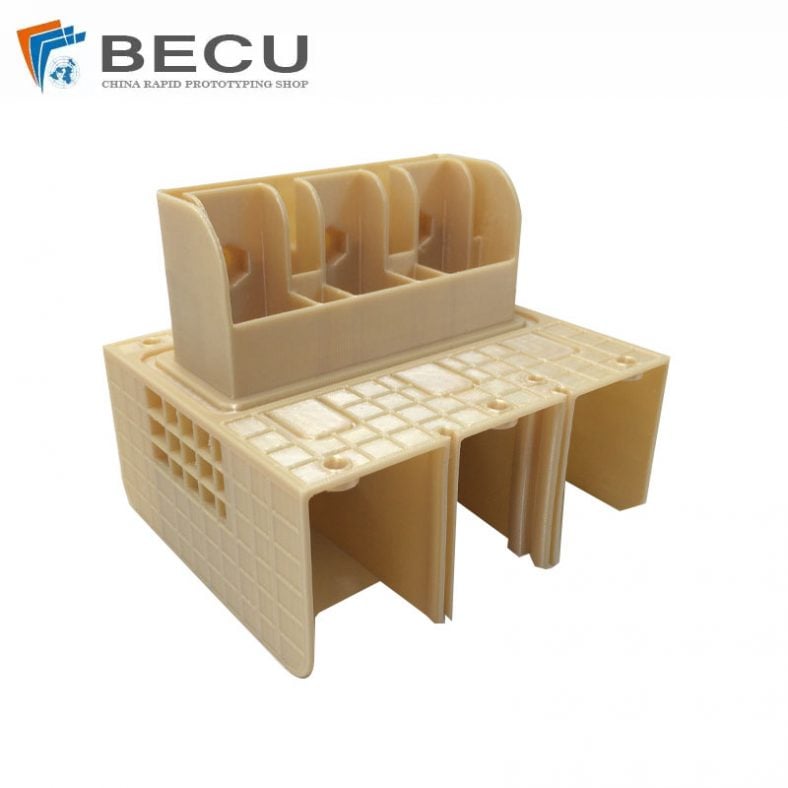
FDM 3D Printing Ultra-High Voltage Strong Electrical Connector
-
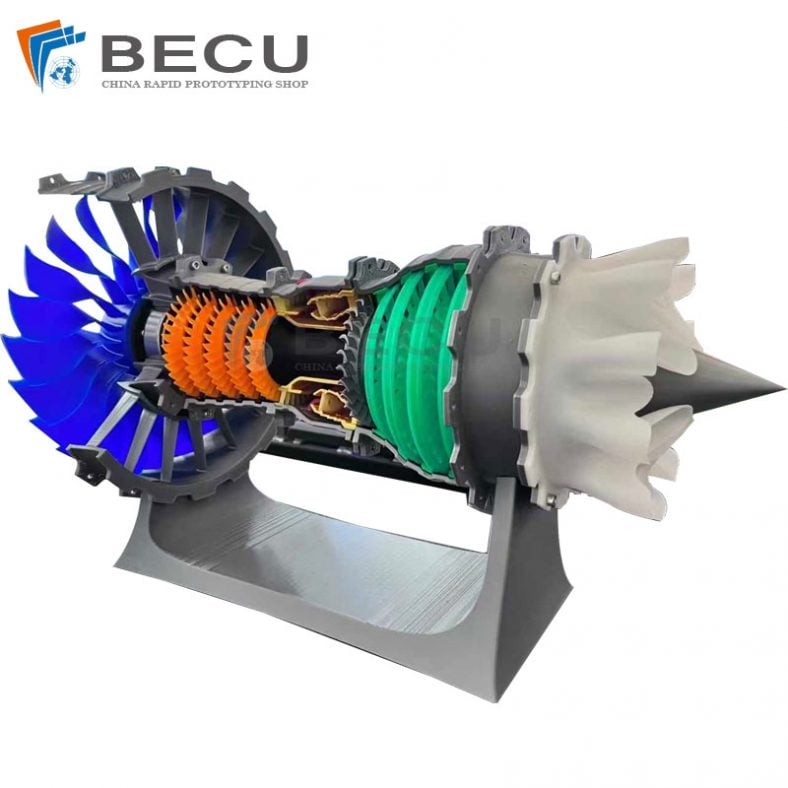
3D Printed Jet Engine Model
-
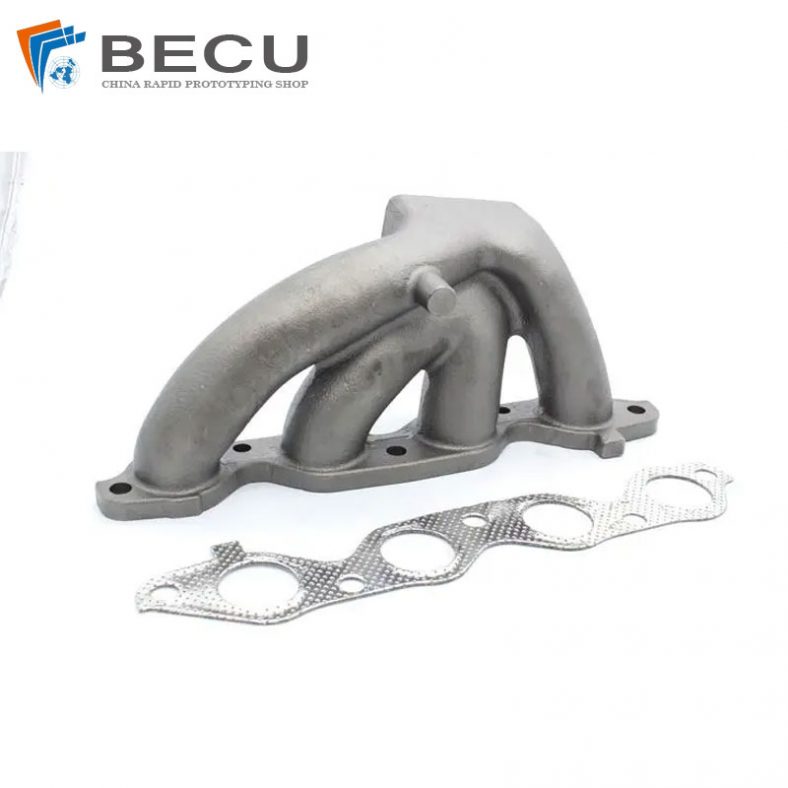
3D Printed Inconel Exhaust Manifold
-
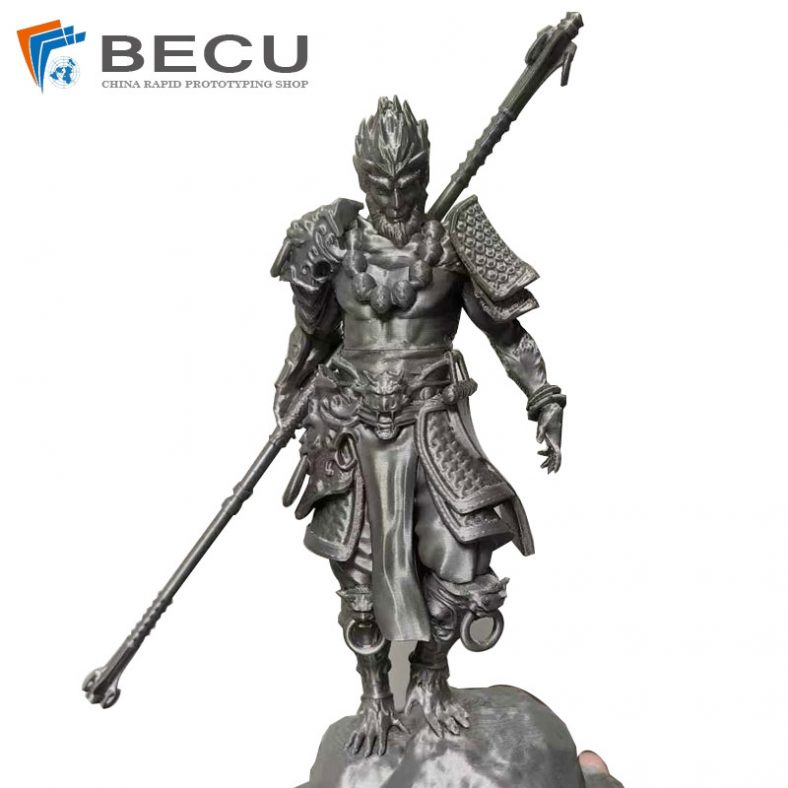
3D Printed Black Myth: Wukong Model
-
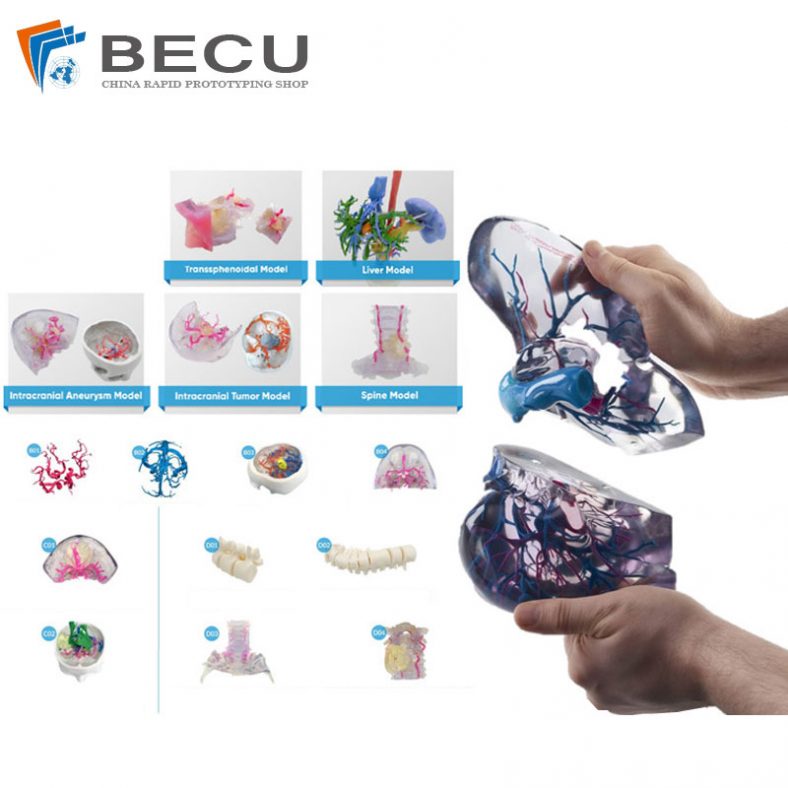
Omni-Directional Surgical Planning Medical Models
-
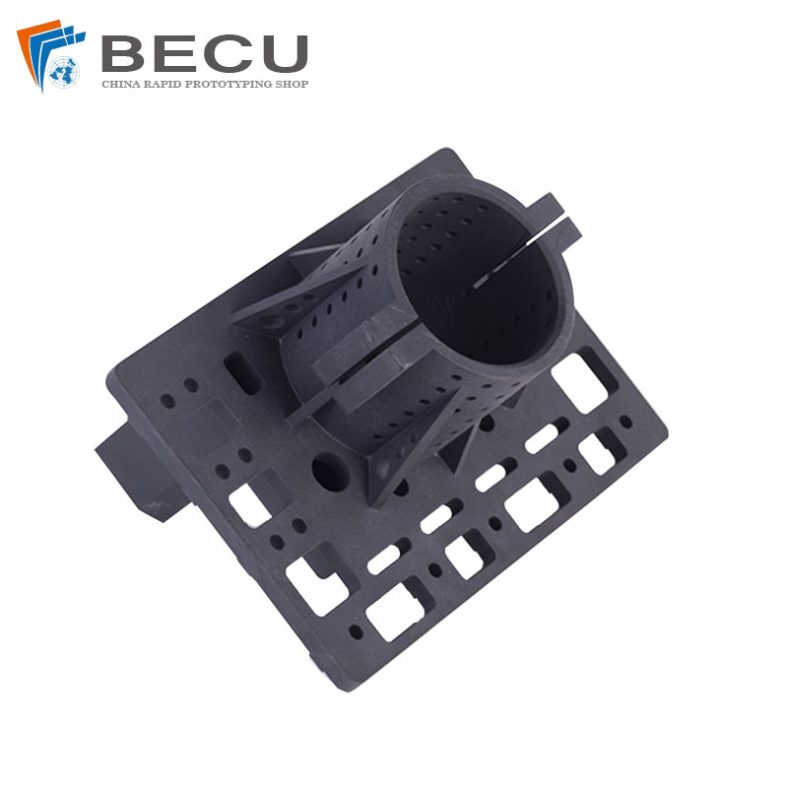
3D Printing Pool Pressure Cleaner Parts and Accessories
-
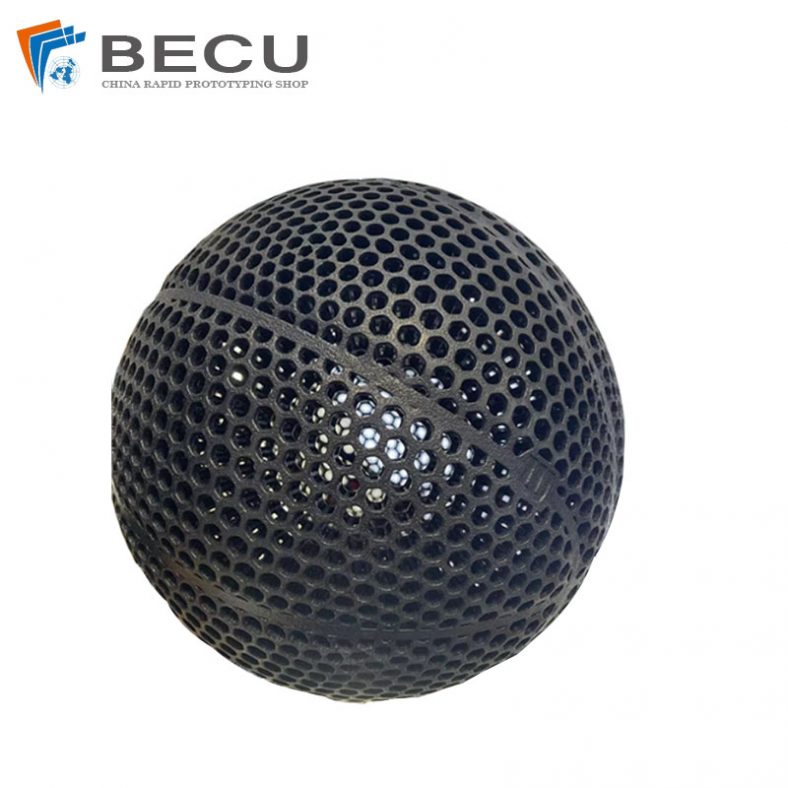
Nylon 3D Printed Size 5 Basketball
-
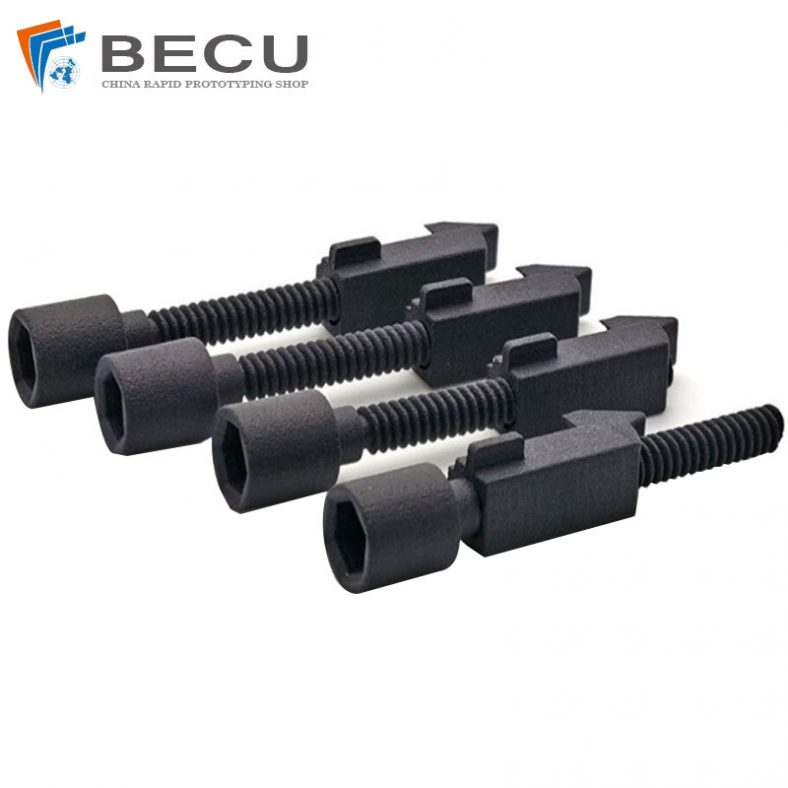
Black Nylon Medical Threaded Screw By MJF 3D Printing