
Aluminum, a lightweight, durable, and corrosion-resistant metal, is one of the most widely used materials in industries ranging from aerospace to construction. Its versatility stems not only from its inherent properties but also from the ability to modify its mechanical characteristics through various processing techniques. One of the critical tools for understanding and applying these modifications is the aluminum temper chart.
A temper chart provides a systematic representation of the designations used to indicate the condition or “temper” of aluminum alloys after specific treatments, such as heat treatment, cold working, or aging.
These designations, standardized by organizations like the Aluminum Association, enable engineers, metallurgists, and manufacturers to select the appropriate aluminum alloy for a given application based on its strength, ductility, formability, and other properties.
The concept of tempering in aluminum alloys revolves around altering the metal’s microstructure to achieve desired performance characteristics. Unlike pure aluminum, which is relatively soft and malleable, aluminum alloys—combinations of aluminum with elements like copper, magnesium, silicon, or zinc—can be tailored through tempering processes to meet stringent requirements. The temper chart serves as a roadmap, detailing how processes such as annealing, solution heat treatment, quenching, and strain hardening influence the final product. This article delves into the intricacies of aluminum temper charts, exploring their structure, the meaning behind temper designations, and their practical applications, while providing detailed tables for comparison to enhance clarity.
Historical Context of Aluminum Temper Designations
The development of aluminum temper designations is closely tied to the evolution of aluminum as an industrial material.
Aluminum was first isolated in the early 19th century by Hans Christian Ørsted and later refined by Friedrich Wöhler, but it wasn’t until the late 19th and early 20th centuries that it became commercially viable, thanks to the Hall-Héroult process.
As aluminum alloys emerged in the early 20th century, particularly with the advent of duralumin (an aluminum-copper alloy) during World War I, the need for standardized descriptions of their properties became apparent. Early alloy specifications were inconsistent, varying between manufacturers and countries, which complicated trade and engineering applications.
In response, the Aluminum Association, established in 1933 in the United States, began developing a unified system for classifying aluminum alloys and their tempers. By the mid-20th century, the temper designation system was formalized, drawing on contributions from metallurgical research and industrial practice. This system, now widely adopted internationally, uses a combination of letters and numbers to denote the temper of an aluminum alloy, reflecting the sequence of mechanical and thermal treatments applied. The temper chart, as a visual and tabular representation of this system, emerged as an essential reference tool, bridging the gap between scientific understanding and practical implementation.
Structure of the Aluminum Temper Designation System
The aluminum temper designation system is a concise yet comprehensive framework that follows the alloy identification number, typically a four-digit code established by the Aluminum Association. The temper designation itself consists of a letter (e.g., F, O, H, T, or W) followed by one or more digits, and occasionally additional letters, to specify the exact condition of the alloy. These designations are appended to the alloy number with a hyphen, such as 6061-T6 or 3003-H14. The temper chart organizes these designations into categories based on the primary treatment method, making it easier to interpret and compare the resulting properties.
Basic Temper Designations
The foundation of the temper chart lies in five basic temper designations, each representing a distinct state of the aluminum alloy:
- F – As Fabricated: This designation applies to aluminum alloys that have undergone no special control over thermal or mechanical conditions after shaping processes like rolling, extrusion, or forging. The properties of F-temper alloys are variable and depend on the specific fabrication method used. This temper is common in products where subsequent processing will refine the material’s characteristics.
- O – Annealed: The O temper indicates that the alloy has been fully annealed, a heat treatment process that involves heating the metal to a specific temperature and then cooling it slowly to reduce internal stresses and increase ductility. Annealed aluminum is in its softest and most formable state, ideal for applications requiring extensive shaping, such as deep drawing or spinning.
- H – Strain-Hardened: The H temper applies to alloys that have been strengthened through cold working, such as rolling or stretching, without subsequent heat treatment. This process increases strength and hardness but reduces ductility. The H designation is followed by digits that specify the degree of strain hardening and any additional treatments.
- T – Thermally Treated: The T temper is used for alloys that have been heat-treated, often involving solution heat treatment followed by quenching and aging, to achieve specific mechanical properties. This category includes some of the strongest and most widely used aluminum alloys, such as those in the 2xxx, 6xxx, and 7xxx series. Subdivisions like T6 or T651 provide further detail on the treatment process.
- W – Solution Heat-Treated (Unstable): The W temper denotes an intermediate state where the alloy has undergone solution heat treatment but has not yet been aged. This temper is unstable because the material’s properties will change over time as natural aging occurs, unless artificial aging is applied to stabilize it.
Subdivisions of the H Temper
The H temper category is further divided to reflect the extent of strain hardening and additional processes:
- H1 – Strain-Hardened Only: The alloy has been cold-worked to increase strength, with a second digit (e.g., H14, H18) indicating the degree of hardening. For example, H18 represents full hard temper, achieved through extensive cold working.
- H2 – Strain-Hardened and Partially Annealed: The alloy has been cold-worked beyond the desired strength and then annealed to reduce it to the specified level, improving formability. H24, for instance, is a common temper in this group.
- H3 – Strain-Hardened and Stabilized: This temper involves cold working followed by a low-temperature heat treatment to stabilize mechanical properties, often used for alloys prone to age softening, such as 5xxx series alloys with magnesium. H34 is an example.
- Additional Digits: A third digit (e.g., H321) may indicate specific variations, such as stress relief or special processing.
Subdivisions of the T Temper
The T temper category is the most complex, with subdivisions reflecting the sequence and type of thermal treatments:
- T1 – Cooled from Elevated Temperature Shaping and Naturally Aged: Used for products like extrusions that cool naturally after hot working.
- T3 – Solution Heat-Treated, Cold-Worked, and Naturally Aged: Common in alloys requiring additional strengthening after heat treatment.
- T4 – Solution Heat-Treated and Naturally Aged: The alloy is quenched after heat treatment and allowed to age at room temperature.
- T6 – Solution Heat-Treated and Artificially Aged: One of the most common tempers, involving quenching and controlled aging at elevated temperatures for maximum strength.
- T7 – Solution Heat-Treated and Overaged: The alloy is aged beyond peak strength to improve stress corrosion resistance.
- T651 – Solution Heat-Treated, Stress-Relieved by Stretching, and Artificially Aged: A variation of T6 with added stress relief for dimensional stability.
Properties Affected by Tempering
Tempering profoundly influences the mechanical and physical properties of aluminum alloys, including tensile strength, yield strength, elongation, hardness, and corrosion resistance. These changes arise from alterations in the alloy’s microstructure, such as grain size, dislocation density, and precipitate distribution.
- Strength: Strain hardening (H tempers) increases strength by introducing dislocations, while thermal treatments (T tempers) enhance strength through precipitation hardening, where fine particles form within the metal to impede dislocation movement.
- Ductility: Annealing (O temper) maximizes ductility by recrystallizing the microstructure, while full-hard tempers (e.g., H18) minimize it.
- Formability: Softer tempers like O and H12 are ideal for forming processes, whereas T6 or H18 tempers are better suited for structural applications requiring rigidity.
- Corrosion Resistance: Overaging (T7) can improve resistance to stress corrosion cracking, particularly in 7xxx series alloys.
Common Aluminum Alloys and Their Tempers
The aluminum temper chart is most meaningful when applied to specific alloy series, each of which responds differently to tempering due to its composition.
1xxx Series (Commercially Pure Aluminum)
- Composition: At least 99% aluminum.
- Tempers: Typically O or H (e.g., 1100-O, 1100-H14).
- Properties: Excellent corrosion resistance and conductivity, low strength.
- Applications: Electrical conductors, chemical equipment.
3xxx Series (Aluminum-Manganese Alloys)
- Composition: Manganese as the primary alloying element.
- Tempers: O, H14, H18 (e.g., 3003-H14).
- Properties: Moderate strength, good formability.
- Applications: Cookware, roofing.
5xxx Series (Aluminum-Magnesium Alloys)
- Composition: Magnesium for strength and corrosion resistance.
- Tempers: H32, H34, H321 (e.g., 5052-H32).
- Properties: High fatigue strength, weldability.
- Applications: Marine components, pressure vessels.
6xxx Series (Aluminum-Magnesium-Silicon Alloys)
- Composition: Magnesium and silicon for heat-treatable strength.
- Tempers: T4, T6, T651 (e.g., 6061-T6).
- Properties: Balanced strength, corrosion resistance, and machinability.
- Applications: Structural components, automotive parts.
7xxx Series (Aluminum-Zinc Alloys)
- Composition: Zinc, often with magnesium and copper, for high strength.
- Tempers: T6, T73, T76 (e.g., 7075-T6).
- Properties: Exceptional strength, susceptible to stress corrosion in some tempers.
- Applications: Aerospace structures, military equipment.
Detailed Comparison Tables
To illustrate the practical implications of temper designations, the following tables compare key mechanical properties across common alloys and tempers. These values are approximate and sourced from typical industry standards, such as those published by the Aluminum Association.
| Alloy-Temper | Tensile Strength (MPa) | Yield Strength (MPa) | Elongation (%) | Hardness (Brinell) | Applications |
|---|---|---|---|---|---|
| 1100-O | 90 | 35 | 35 | 23 | Chemical tanks |
| 1100-H14 | 125 | 115 | 9 | 32 | Sheet metal work |
| 3003-O | 110 | 40 | 30 | 28 | Cookware |
| 3003-H14 | 150 | 145 | 8 | 40 | Roofing |
| 3003-H18 | 200 | 185 | 4 | 55 | High-strength panels |
| Alloy-Temper | Tensile Strength (MPa) | Yield Strength (MPa) | Elongation (%) | Hardness (Brinell) | Applications |
|---|---|---|---|---|---|
| 5052-O | 195 | 90 | 25 | 47 | Marine fittings |
| 5052-H32 | 230 | 195 | 12 | 60 | Sheet metal |
| 5052-H34 | 260 | 215 | 10 | 68 | Pressure vessels |
| 5083-H321 | 317 | 228 | 16 | 88 | Shipbuilding |
| Alloy-Temper | Tensile Strength (MPa) | Yield Strength (MPa) | Elongation (%) | Hardness (Brinell) | Applications |
|---|---|---|---|---|---|
| 6061-O | 125 | 55 | 25 | 30 | Formed components |
| 6061-T4 | 240 | 145 | 22 | 65 | Structural tubing |
| 6061-T6 | 310 | 275 | 12 | 95 | Aircraft fittings |
| 7075-T6 | 570 | 505 | 11 | 150 | Aerospace structures |
| 7075-T73 | 505 | 435 | 13 | 135 | Corrosion-resistant parts |
Practical Applications of Aluminum Temper Charts
Aluminum temper charts are indispensable in industries where material selection is critical. In aerospace, for example, 7075-T6 is prized for its high strength-to-weight ratio, despite its susceptibility to stress corrosion, while 6061-T6 is favored in automotive frames for its balance of strength and weldability. In construction, 3003-H14 is commonly used for roofing due to its formability and moderate strength. The temper chart allows engineers to match alloy properties to specific requirements, such as load-bearing capacity, environmental exposure, or manufacturing constraints.
Manufacturers also rely on temper charts during production to ensure consistency. For instance, achieving the T6 temper in 6061 involves precise control of solution heat treatment at around 530°C, followed by quenching and aging at 175°C for several hours. Deviations in this process can alter the final properties, making the temper designation a quality assurance tool as well as a design guide.
Advanced Metallurgical Insights
From a metallurgical perspective, the tempering process manipulates the alloy’s phase diagram and kinetics. In heat-treatable alloys (e.g., 6xxx and 7xxx series), solution heat treatment dissolves alloying elements into a solid solution, which is then “frozen” by rapid quenching. Subsequent aging allows precipitates—such as Mg₂Si in 6061 or MgZn₂ in 7075—to form, pinning dislocations and enhancing strength. The temper chart encapsulates these complex phenomena into a user-friendly format, abstracting the underlying science for practical use.
Non-heat-treatable alloys (e.g., 3xxx and 5xxx series) rely on cold working to increase dislocation density, which strengthens the material by impeding plastic deformation. Stabilization in H3 tempers prevents softening by locking the microstructure, a process governed by diffusion and recovery mechanisms. Understanding these principles deepens appreciation for the temper chart’s role as a bridge between theory and application.
Global Standards and Variations
While the Aluminum Association’s temper designation system is the most widely recognized, other standards exist. The European EN 515 standard, for instance, aligns closely with the Aluminum Association but includes additional notations for specific processes. In Japan, the JIS H 4000 standard mirrors many aspects of the U.S. system but adapts terminology for local industries. The temper chart remains a universal tool, with minor regional adjustments, ensuring compatibility across global supply chains.
Challenges and Limitations
Despite its utility, the aluminum temper chart has limitations. It assumes standardized processing conditions, which may vary between manufacturers, leading to slight differences in properties for the same temper. Additionally, the system does not account for all possible treatments, such as emerging techniques like cryogenic processing or laser hardening, which may require new designations in the future. Users must also consider that temper alone does not define an alloy’s suitability—factors like composition, surface finish, and environmental exposure play equally critical roles.
Future Directions
As aluminum applications expand into fields like additive manufacturing and sustainable design, the temper chart may evolve. 3D-printed aluminum alloys, for instance, exhibit unique microstructures that challenge traditional temper classifications. Research into eco-friendly processing, such as reduced-energy annealing, could also prompt updates to the system. The temper chart, while rooted in decades of metallurgical knowledge, remains a living document, adapting to technological progress.
The aluminum temper chart is a cornerstone of materials science and engineering, offering a standardized, accessible way to navigate the complex world of aluminum alloys. By categorizing tempers into F, O, H, T, and W designations, and providing detailed subdivisions, it enables precise control over the metal’s properties, from the ductility of annealed 1100-O to the strength of 7075-T6. Through detailed tables and practical examples, this article has explored the chart’s structure, applications, and underlying science, demonstrating its enduring relevance. As industries continue to innovate, the temper chart will remain a vital tool, guiding the use of aluminum in an ever-changing world.
The Detail Of BE-CU Cnc Machining Shop
BE-CU.COM – As an accomplished CNC machining Service Manufacturer and CNC shop, BE-CU Prototype has been specialized in OEM CNC lathing, custom CNC machining parts production and rapid CNC machining services China for over 35 years and always maintaining the highest standard in delivery speed and reliable quality of precision CNC manufacturing components. With the help of high-level technology and efficient equipment, as well as rigorous attitude, BE-CU passed the ISO9001:2015 quality certification, which supports the long-term development of CNC milling services, CNC turning services, CNC milling-turning, CNC drilling services, 3/4/5 axis machining, gear machining services, CNC machining China custom parts and service, small parts machining, etc.Our CNC machining products can be utilized in a broad range of industries. Contact us for email: [email protected]
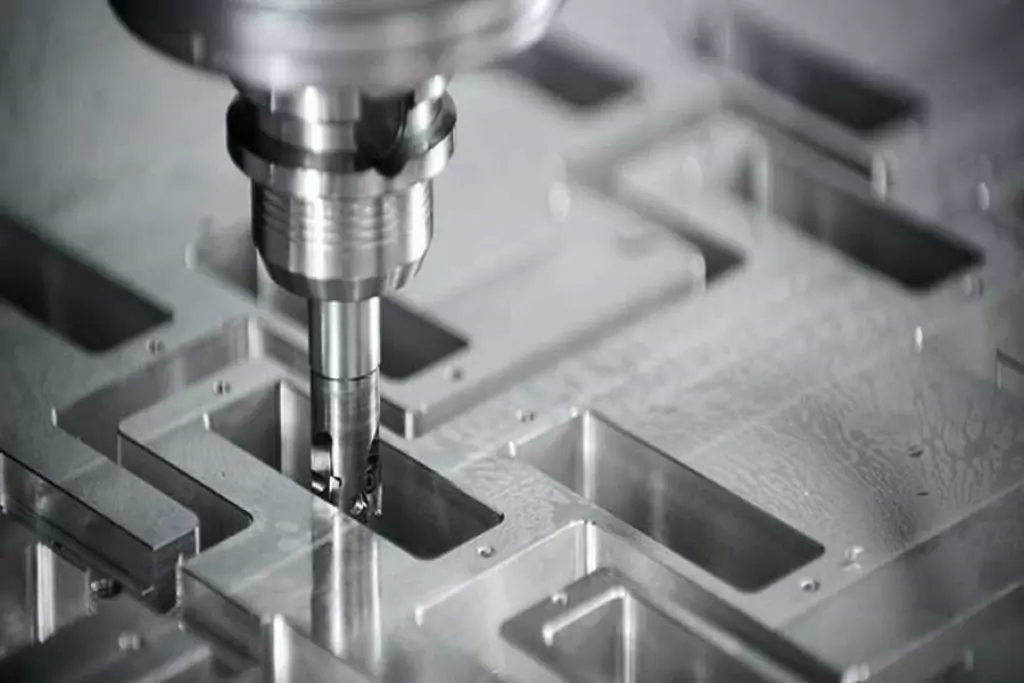
-
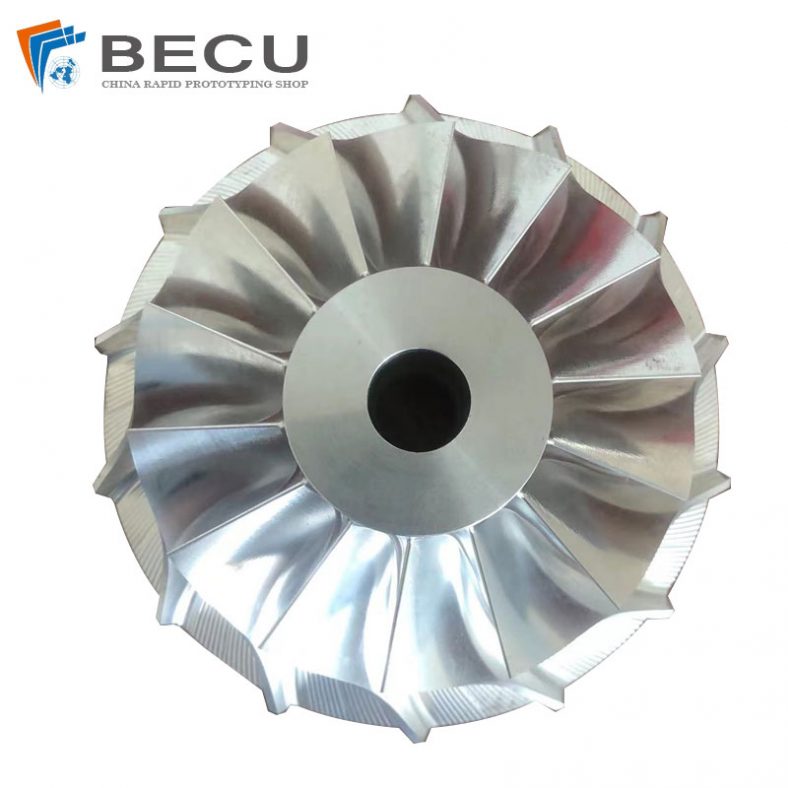
3-Way Centrifugal Compressor Closed Impeller By 5 Axis Machining
-

3/4/5 Axis Precision Milling Custom Vehicle Parts
-
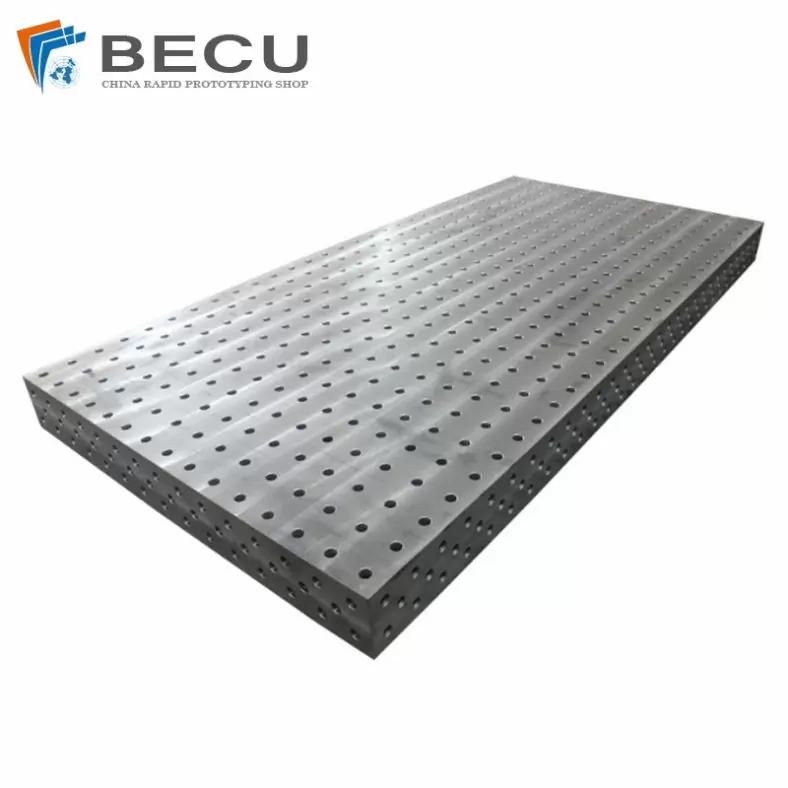
3D Flexible Welding Platform By Large Machining
-
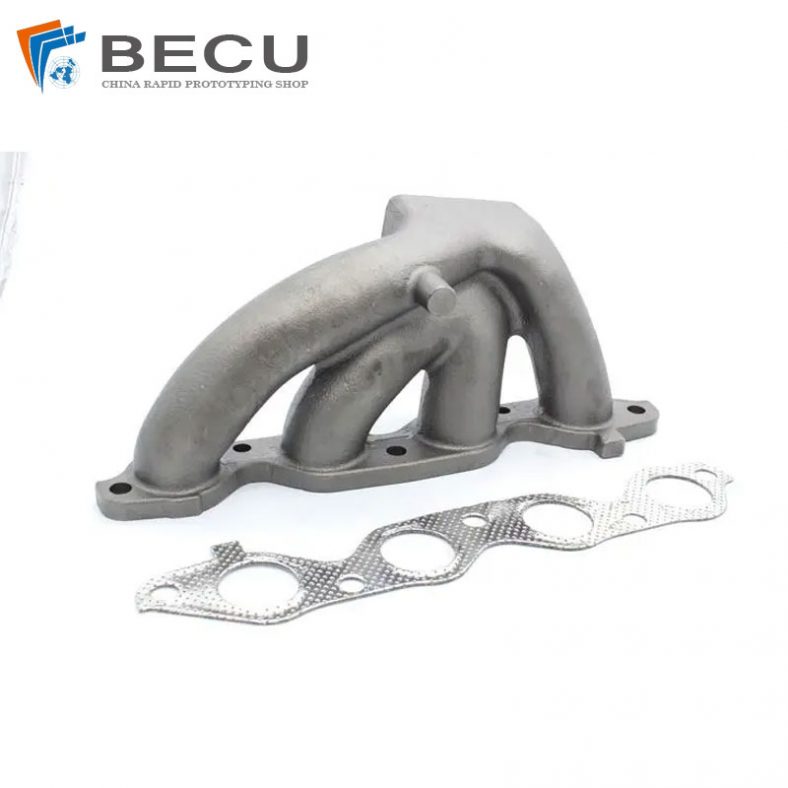
3D Printed Inconel Exhaust Manifold
-
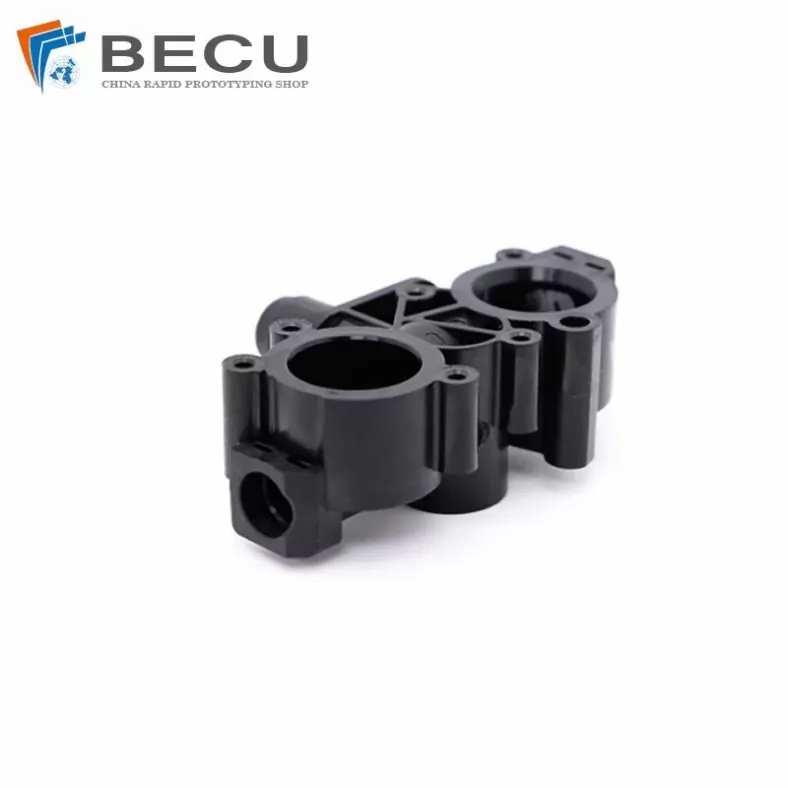
3D Printing And CNC Machining Custom Black PPS Valve
-
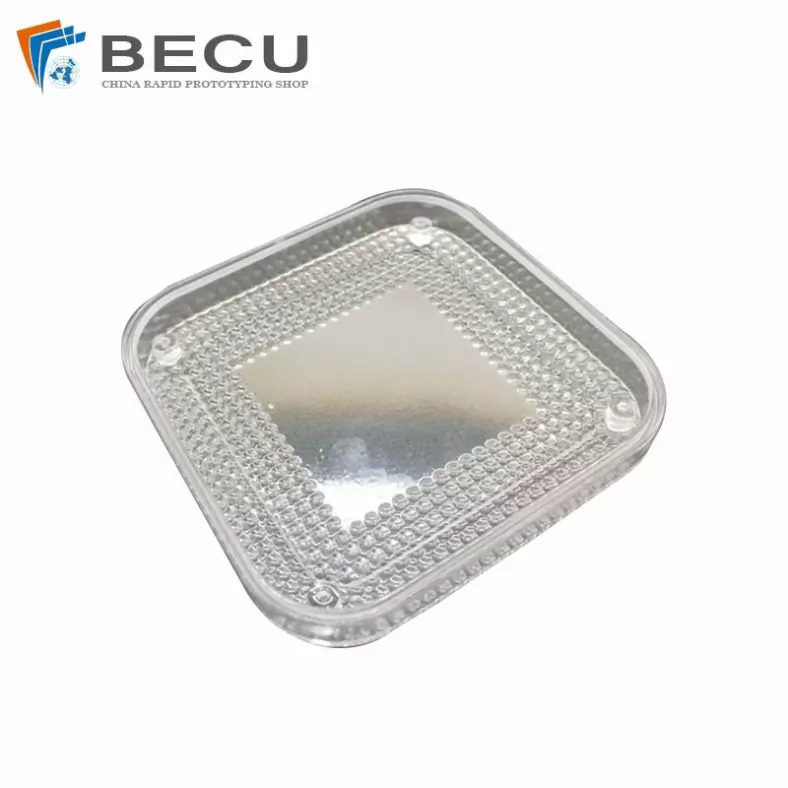
3D Printing Full Transparent Acrylic Lampshade Model
-
4 Axis CNC Machining Titanium Grade 5 Mobile Phone Buttons
-
4 Axis Machining Highly Transparent Acrylic LED Tunnel Light Lens