

The American Wire Gauge (AWG) system is a standardized method for measuring the diameter of electrical wires. It is widely used in the United States, Canada, and various other regions for electrical conductors, ranging from small gauge wires for fine electronics to large gauge cables for heavy-duty electrical installations.
The AWG scale provides a convenient and consistent way to denote the size of a wire, which is essential for various electrical applications, including power transmission, signal processing, and wiring in residential, commercial, and industrial settings.
The history, development, and scientific principles behind the American Wire Gauge system have greatly influenced the design and implementation of electrical systems. In this article, we explore the American Wire Gauge chart in its entirety, its significance, the relationship between wire gauge sizes and electrical properties, as well as practical applications of the system.
History of the American Wire Gauge System
The AWG system has its roots in the early 19th century. It was developed to standardize wire diameters in the United States, primarily for use in the burgeoning telegraph industry.
Before the establishment of the AWG system, wires of different sizes were being manufactured using various ad-hoc methods, leading to confusion and inefficiency. As electrical engineering grew, so did the need for a consistent method to measure wire sizes.

The American Wire Gauge system became particularly important in the mid-1800s with the rise of telegraphy, electrical power systems, and communications. The original system was based on the needs of the wire drawing industry, where the wire’s diameter and weight played a crucial role in its performance. By assigning a numerical value to different wire diameters, the AWG system allowed manufacturers to produce wires that met specific electrical requirements for telegraph lines, telephones, and later, power lines.
As electrical systems evolved and technology advanced, the AWG system became a critical tool for designing cables and wiring that could safely and efficiently transmit electricity across different distances and environments. Today, it remains the most common method used to define wire sizes, though several other systems, such as the metric wire gauge (SWG), are used in different parts of the world.
Understanding the American Wire Gauge Chart
The American Wire Gauge chart is a numerical system that represents wire diameters, and consequently, the current-carrying capacity of the wire. The gauge number indicates the wire’s size: the larger the number, the smaller the wire. This inverse relationship is fundamental to understanding the system and how wire size correlates with electrical conductivity.
For instance, a wire with a gauge of 12 AWG is thicker than a wire with a gauge of 14 AWG, and can carry more current without excessive heat buildup. Conversely, a wire with a larger number, such as 22 AWG, will have a smaller diameter and lower current-carrying capacity.
The AWG chart is often used to determine the appropriate wire size for specific applications, depending on the current it needs to carry, the distance the electricity needs to travel, and the potential for heat generation in the wire. The system is designed to ensure that electrical wires are appropriately sized to minimize losses and prevent hazards such as overheating, electrical fires, and equipment damage.
The AWG Chart and Wire Diameter
One of the most important aspects of the AWG system is the relationship between the gauge number and the actual diameter of the wire. As mentioned earlier, a higher gauge number corresponds to a smaller diameter. The wire diameter in inches is derived from the gauge number using a logarithmic scale, making it non-linear. This means that the difference in diameter between adjacent wire gauges becomes more significant as the wire gauge decreases.
The following table provides a general overview of wire diameters for different AWG sizes:
| AWG | Diameter (inches) | Diameter (mm) | Cross-sectional Area (mm²) | Approximate Weight per 1000 ft (lbs) |
|---|---|---|---|---|
| 0000 (4/0) | 0.4600 | 11.684 | 107.2 | 255.0 |
| 000 (3/0) | 0.4096 | 10.400 | 85.0 | 202.0 |
| 00 (2/0) | 0.3648 | 9.266 | 67.4 | 160.0 |
| 0 (1/0) | 0.3249 | 8.250 | 53.5 | 127.0 |
| 1 | 0.2893 | 7.349 | 42.4 | 100.0 |
| 2 | 0.2576 | 6.544 | 33.6 | 79.0 |
| 3 | 0.2294 | 5.832 | 26.7 | 62.0 |
| 4 | 0.2043 | 5.189 | 21.1 | 49.0 |
| 5 | 0.1819 | 4.620 | 16.8 | 39.0 |
| 6 | 0.1620 | 4.115 | 13.3 | 30.0 |
| 7 | 0.1443 | 3.665 | 10.5 | 24.0 |
| 8 | 0.1285 | 3.264 | 8.37 | 19.0 |
| 9 | 0.1144 | 2.904 | 6.63 | 15.0 |
| 10 | 0.1019 | 2.588 | 5.26 | 11.9 |
| 11 | 0.0907 | 2.304 | 4.17 | 9.42 |
| 12 | 0.0808 | 2.052 | 3.31 | 7.46 |
| 13 | 0.0720 | 1.829 | 2.62 | 5.92 |
| 14 | 0.0641 | 1.630 | 2.08 | 4.68 |
| 15 | 0.0571 | 1.450 | 1.65 | 3.72 |
| 16 | 0.0508 | 1.291 | 1.31 | 2.95 |
| 17 | 0.0453 | 1.151 | 1.04 | 2.34 |
| 18 | 0.0403 | 1.024 | 0.823 | 1.86 |
| 19 | 0.0359 | 0.912 | 0.654 | 1.47 |
| 20 | 0.0320 | 0.812 | 0.518 | 1.17 |
| 21 | 0.0289 | 0.734 | 0.410 | 0.94 |
| 22 | 0.0253 | 0.643 | 0.325 | 0.74 |
| 23 | 0.0226 | 0.574 | 0.258 | 0.59 |
| 24 | 0.0201 | 0.511 | 0.204 | 0.47 |
| 25 | 0.0179 | 0.455 | 0.162 | 0.37 |
| 26 | 0.0159 | 0.404 | 0.128 | 0.29 |
| 27 | 0.0142 | 0.362 | 0.101 | 0.23 |
| 28 | 0.0126 | 0.321 | 0.080 | 0.18 |
| 29 | 0.0113 | 0.287 | 0.063 | 0.14 |
| 30 | 0.0100 | 0.254 | 0.050 | 0.11 |
The table above shows the diameters and cross-sectional areas of wires in the AWG system. Note that as the gauge number increases, the wire’s diameter decreases. These differences in diameter influence several important characteristics of the wire, such as its electrical resistance, current-carrying capacity, and mechanical strength.
Mathematical Relationships and the Logarithmic Scale
The AWG chart follows a logarithmic scale, meaning that the diameter of the wire decreases by a fixed percentage for each increase in gauge number. Specifically, for every 6-gauge number increase, the wire diameter is halved, and its cross-sectional area is quartered. This logarithmic progression ensures that wire sizes follow a precise, consistent pattern that can be applied to a wide range of electrical applications.
The relationship between the gauge number and the wire’s diameter can be described by the following formula:
d=0.005×92((36−AWG)/39)
d is the wire diameter in inches
AWG is the American Wire Gauge number
92 is a constant derived from the original manufacturing methods used in wire drawing
This formula allows for the calculation of wire diameters for any given AWG number. Additionally, the relationship between the cross-sectional area and the wire’s diameter is important because a larger cross-sectional area results in a lower electrical resistance, allowing for greater current-carrying capacity.
Electrical Properties of Wires and Their Relationship with AWG Size
The gauge of a wire directly influences its electrical properties, such as resistance, current-carrying capacity, and power loss due to heating. The following sections explore how these factors are affected by wire size.
Resistance
The electrical resistance of a wire is directly proportional to its length and inversely proportional to its cross-sectional area. A thinner wire, having a smaller cross-sectional area, has higher resistance compared to a thicker wire of the same material and length. As the resistance increases, more energy is lost as heat when current flows through the wire.
The resistance of a wire can be calculated using the formula:
R=ρ(L/A)
R is the electrical resistance (in ohms)
ρ is the resistivity of the material (a constant that depends on the material)
L is the length of the wire
A is the cross-sectional area of the wire
In general, for a given length and material, a smaller gauge wire (higher number) will have higher resistance than a larger gauge wire (lower number). This means that larger wires are more efficient at transmitting electrical current, especially over long distances.
Current-Carrying Capacity
The current-carrying capacity, or ampacity, of a wire refers to the maximum amount of current that can safely flow through it without causing excessive heating or other issues. As the gauge number increases, the wire’s capacity to carry current decreases, as smaller wires have higher resistance and generate more heat.
For safety reasons, electrical standards often provide ampacity charts that specify the maximum current that can be safely carried by wires of various AWG sizes. These charts take into account factors such as wire insulation, ambient temperature, and the presence of other nearby wires, which can affect the wire’s ability to dissipate heat.
Power Loss Due to Heating
Power loss in a wire is primarily caused by resistance, and it increases with the square of the current flowing through the wire. This is known as Joule heating. The formula for power loss is:
P=I2R
P is the power loss in watts
I is the current in amperes
R is the resistance in ohms
Given that a smaller gauge wire (higher number) has higher resistance, it will experience more power loss compared to a larger wire when carrying the same current. In practice, this means that for long distances or high current applications, thicker wires (lower AWG numbers) are used to minimize power loss and heat buildup.
Practical Applications of the AWG System
The AWG system plays a crucial role in a wide range of industries and applications. Below are some of the most common uses of the AWG system.
Power Transmission and Distribution
In power transmission and distribution, wires need to be sized appropriately to handle the electrical load while minimizing losses and ensuring safety. High-voltage transmission lines typically use large gauge wires (lower AWG numbers) to carry the massive amounts of current required over long distances. Lower-voltage distribution lines, which serve residential and commercial buildings, often use wires in the range of 10 AWG to 12 AWG.
Household Wiring
For household wiring, the AWG system is used to select the appropriate wire sizes for different circuits. For example, lighting circuits in homes may use 14 AWG or 16 AWG wires, while circuits for large appliances, such as air conditioners or electric dryers, often require 10 AWG or 8 AWG wires.
Electronics and Communication
In electronics and communication, AWG is used to choose wire sizes for signal transmission. Fine wires, such as 20 AWG, 22 AWG, or even smaller, are commonly used in printed circuit board (PCB) connections, internal wiring, and for interconnecting devices. The smaller gauge wires are particularly useful in applications where space is limited, and the weight of the wire is a consideration.
Automotive and Aerospace
In automotive and aerospace industries, the AWG system is used to specify the size of wires used in electrical systems. Wires in these fields must be capable of handling specific currents while being durable enough to withstand harsh environmental conditions, such as temperature extremes and vibration. Wires in the range of 12 AWG to 18 AWG are commonly used in these applications.
Industrial and Commercial Applications
AWG wiring is also prevalent in industrial and commercial sectors, where machinery and equipment require wiring that can handle substantial loads. For instance, industrial machines may require 6 AWG to 4 AWG wires for power supply connections, while smaller control circuits may use 18 AWG or 20 AWG wires.

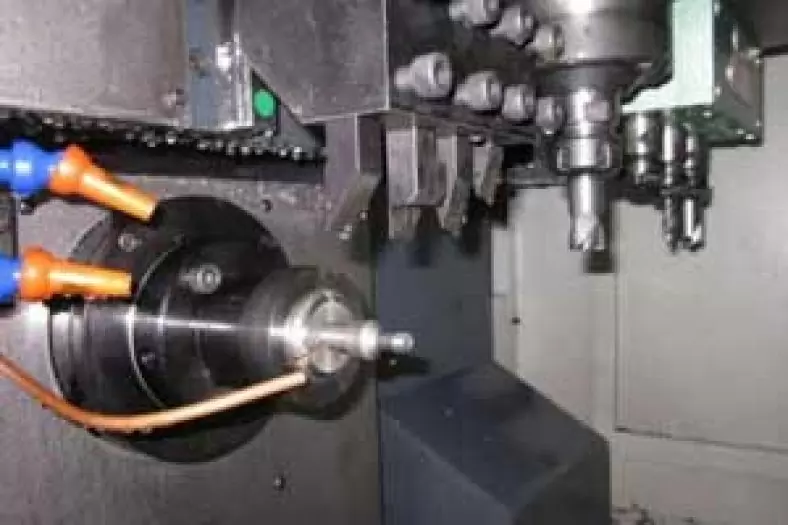

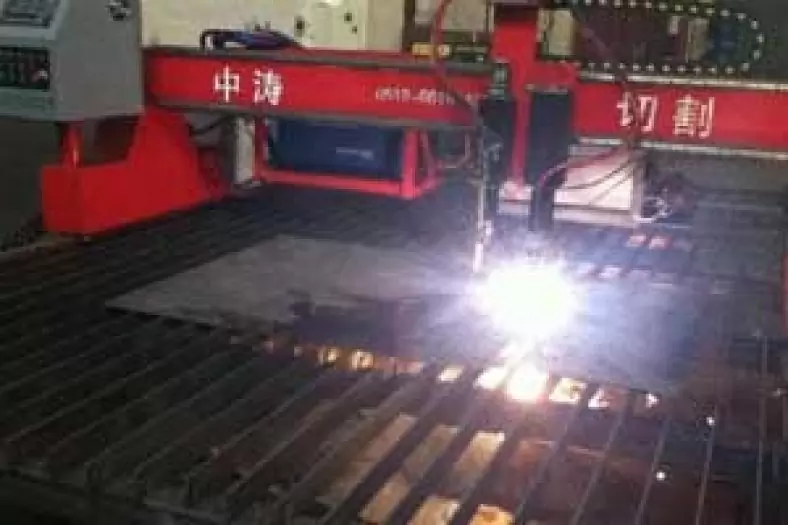
The Detail Of BE-CU Cnc Machining Shop
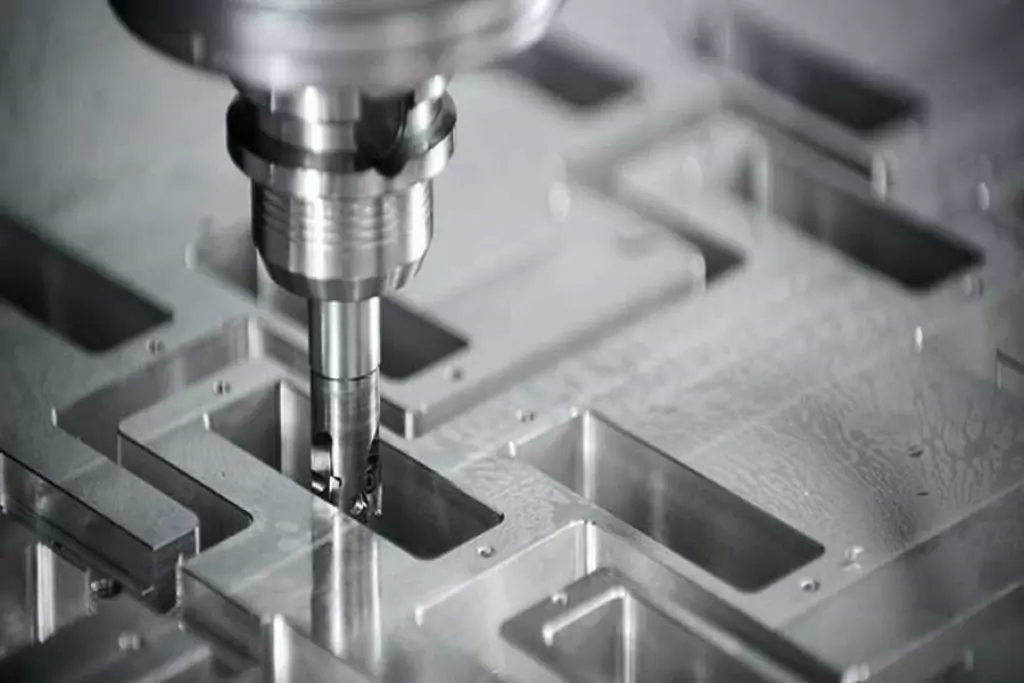
BE-CU.COM – As an accomplished CNC machining Service Manufacturer and CNC shop, BE-CU Prototype has been specialized in OEM CNC lathing, custom CNC machining parts production and rapid CNC machining services China for over 35 years and always maintaining the highest standard in delivery speed and reliable quality of precision CNC manufacturing components. With the help of high-level technology and efficient equipment, as well as rigorous attitude, BE-CU passed the ISO9001:2015 quality certification, which supports the long-term development of CNC milling services, CNC turning services, CNC milling-turning, CNC drilling services, 3/4/5 axis machining, gear machining services, CNC machining China custom parts and service, small parts machining, etc.Our CNC machining products can be utilized in a broad range of industries. Contact us for email: [email protected]
-
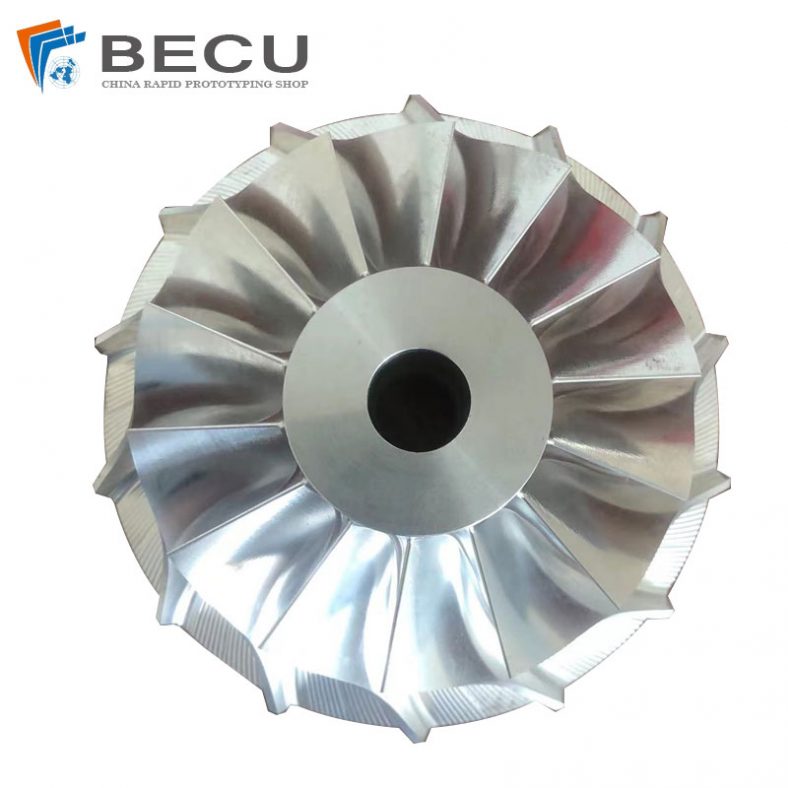
3-Way Centrifugal Compressor Closed Impeller By 5 Axis Machining
-

3/4/5 Axis Precision Milling Custom Vehicle Parts
-
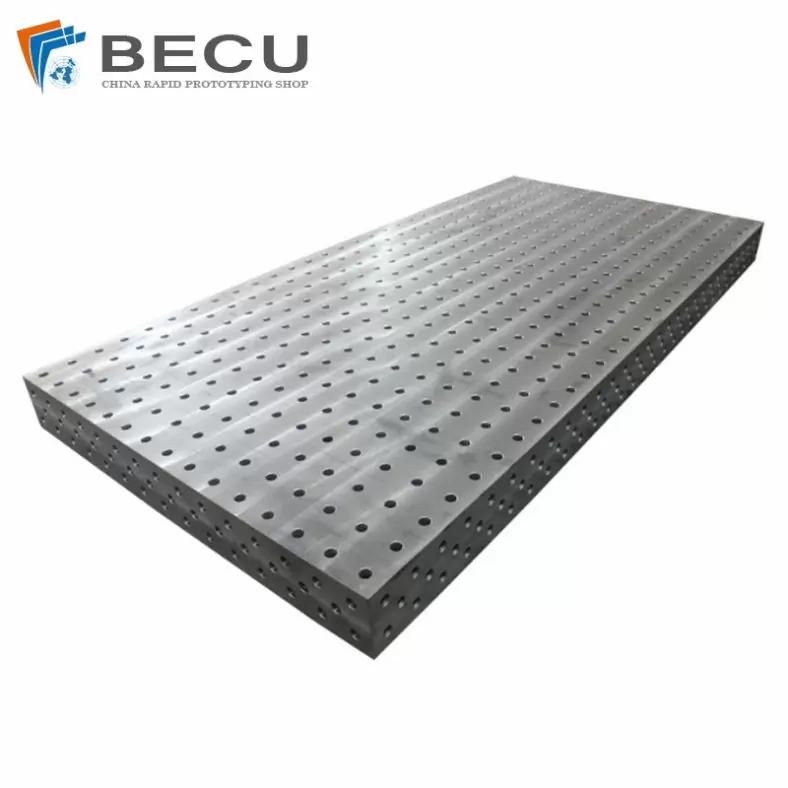
3D Flexible Welding Platform By Large Machining
-
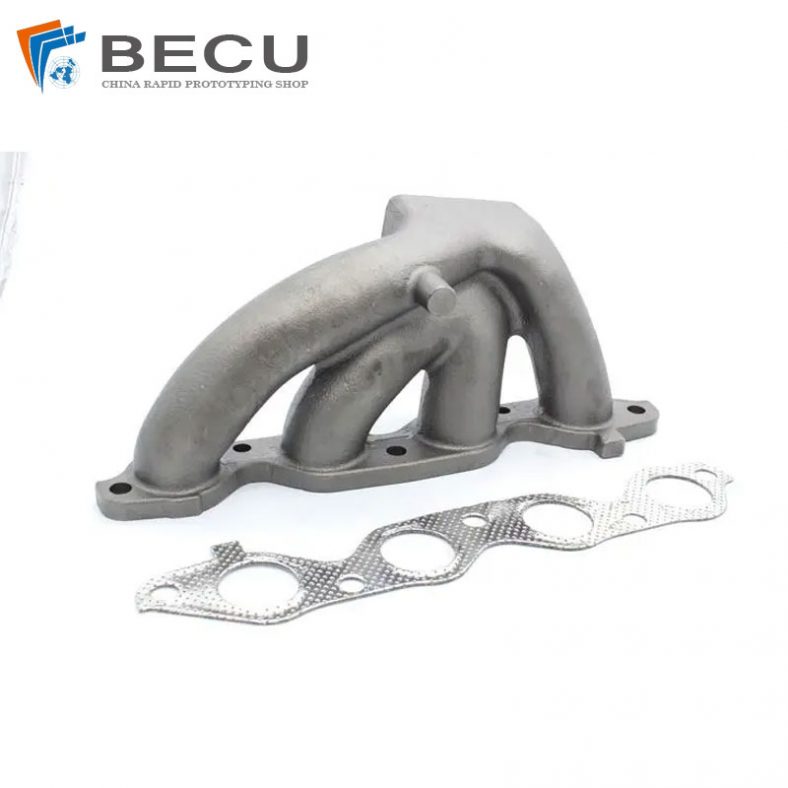
3D Printed Inconel Exhaust Manifold
-
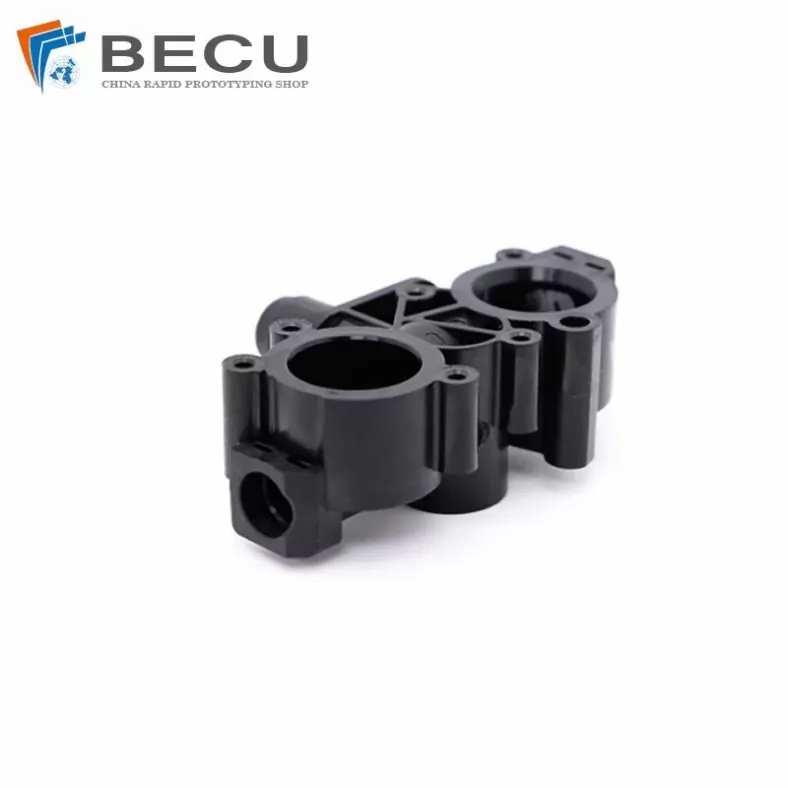
3D Printing And CNC Machining Custom Black PPS Valve
-
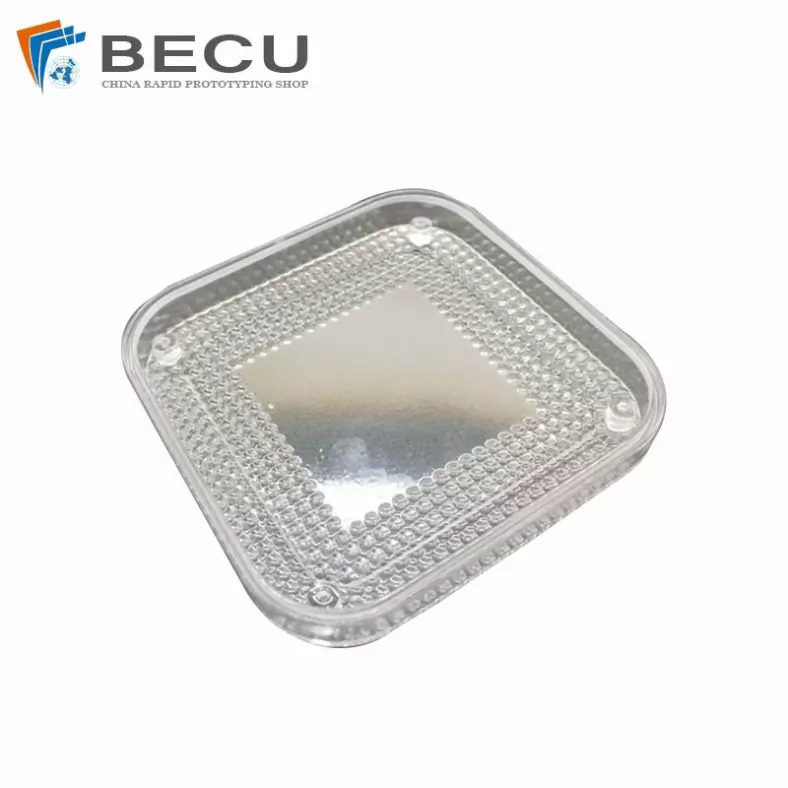
3D Printing Full Transparent Acrylic Lampshade Model
-
4 Axis CNC Machining Titanium Grade 5 Mobile Phone Buttons
-
4 Axis Machining Highly Transparent Acrylic LED Tunnel Light Lens