
Aluminum machining is a critical process in the manufacturing industry, widely used for creating precise components for various applications, from aerospace to automotive and electronics. Calculating the cost of aluminum machining involves a multifaceted approach that considers several factors, including material costs, labor, machine operation, overhead, and additional expenses. This article provides a comprehensive guide to understanding and calculating the cost of aluminum machining, incorporating a professional calculation model to ensure scientific accuracy.

Introduction to Aluminum Machining and Factors Affecting Aluminum Machining Cost
Aluminum machining refers to the process of shaping aluminum parts using various cutting tools and machinery. The process can involve turning, milling, drilling, and other subtractive manufacturing techniques. Aluminum is favored for its lightweight, high strength-to-weight ratio, corrosion resistance, and excellent machinability. However, the cost of machining aluminum can vary significantly based on the complexity of the part, the type of machinery used, and the specific requirements of the project.
Several key factors influence the cost of aluminum machining. Understanding these factors is essential for accurate cost estimation.
- Material Costs : The cost of the raw aluminum material is a primary factor in the overall machining cost. Aluminum is available in various grades, each with different properties and costs. Common grades include 6061, 7075, and 2024, each suited for specific applications. The cost of aluminum can fluctuate based on market conditions, supply and demand, and the purity and quality of the material.
- Labor Costs : Labor costs encompass the wages paid to the machinists and operators involved in the machining process. The skill level required for the job, the complexity of the part, and the local labor market conditions all impact labor costs. Highly skilled machinists command higher wages, especially for complex parts that require precision and expertise.
- Machine Operation Costs : The cost of operating the machinery used in aluminum machining is another significant factor. This includes the cost of the machinery itself, maintenance, and depreciation. Modern CNC (Computer Numerical Control) machines are expensive but offer high precision and efficiency. The cost of operating these machines includes energy consumption, tooling, and wear and tear.
- Overhead Costs : Overhead costs refer to the indirect costs associated with the machining process, such as facility rent, utilities, insurance, and administrative expenses. These costs are allocated to each machining project based on the time and resources used.
- Additional Expenses : Additional expenses can include tooling costs, setup costs, and any special requirements such as surface finishing or quality control. Tooling costs involve the purchase and maintenance of cutting tools, which can be significant for high-precision work. Setup costs include the time and resources needed to prepare the machinery for a specific job.
Professional Calculation Model for Aluminum CNC Machining Cost
To provide a scientific and accurate estimation of aluminum machining costs, a professional calculation model can be employed. This model considers all the factors mentioned above and provides a structured approach to cost estimation.
Step 1: Material Cost Calculation
The material cost is calculated based on the volume of aluminum required and the current market price of the specific grade of aluminum. The formula for material cost is:
Material Cost = Volume of Aluminum × Market Price per Unit Volume
For example, if a part requires 10 cubic inches of 6061 aluminum and the market price is $0.50 per cubic inch, the material cost would be:
\text{Material Cost} = 10 \text{ cubic inches} \times \\$0.50/\text{cubic inch} = \\$5.00
Step 2: Labor Cost Calculation
Labor costs are calculated based on the time required to machine the part and the hourly wage of the machinist. The formula for labor cost is:
Labor Cost=Machining Time×Hourly Wage Labor Cost = Machining Time × Hourly Wage
For example, if a part takes 2 hours to machine and the machinist’s hourly wage is $30, the labor cost would be:
\text{Labor Cost} = 2 \text{ hours} \times \\$30/\text{hour} = \\$60.00
Step 3: Machine Operation Cost Calculation
Machine operation costs include the cost of using the machinery, which can be calculated based on the hourly operation cost of the machine. The formula for machine operation cost is:
Machine Operation Cost=Machining Time×Hourly Operation Cost
For example, if the machining time is 2 hours and the hourly operation cost of the CNC machine is $50, the machine operation cost would be:
\text{Machine Operation Cost} = 2 \text{ hours} \times \\$50/\text{hour} = \\$100.00
Step 4: Overhead Cost Calculation
Overhead costs are allocated based on the machining time and the overhead rate. The formula for overhead cost is:
Overhead Cost=Machining Time×Overhead Rate Overhead Cost = Machining Time × Overhead Rate
For example, if the machining time is 2 hours and the overhead rate is $20 per hour, the overhead cost would be:
\text{Overhead Cost} = 2 \text{ hours} \times \\$20/\text{hour} = \\$40.00
Step 5: Additional Expenses Calculation
Additional expenses such as tooling and setup costs are calculated based on the specific requirements of the job. The formula for additional expenses is:
Additional Expenses=Tooling Cost+Setup Cost+Other Special Requirements
For example, if the tooling cost is $20, the setup cost is $15, and there are no other special requirements, the additional expenses would be:
\text{Additional Expenses} = \\$20 + \\$15 = \\$35.00
Step 6: Total Machining Cost Calculation
The total machining cost is the sum of all the individual costs calculated in the previous steps. The formula for total machining cost is:
Total Machining Cost=Material Cost+Labor Cost+Machine Operation Cost+Overhead Cost+Additional Expenses
Using the example values from the previous steps, the total machining cost would be:
\text{Total Machining Cost} = \\$5.00 + \\$60.00 + \\$100.00 + \\$40.00 + \\$35.00 = \\$240.00
Detailed Breakdown of Each Cost Component
- Material Costs : The material cost is directly proportional to the volume of aluminum required for the part. The volume can be calculated using the dimensions of the part and the specific geometry. For complex parts, CAD (Computer-Aided Design) software can be used to accurately determine the volume. The market price of aluminum can be obtained from suppliers or industry databases. It is essential to consider the grade of aluminum, as different grades have varying prices.
- Labor Costs : Labor costs are influenced by the complexity of the part and the skill level required. Simple parts may require less skilled labor, while complex parts with tight tolerances may need highly skilled machinists. The machining time can be estimated based on the complexity of the part and the efficiency of the machinery. For CNC machining, the programming and setup time should also be considered.
- Machine Operation Costs : Machine operation costs include the cost of the machinery, maintenance, and energy consumption. Modern CNC machines are expensive but offer high precision and efficiency. The hourly operation cost can be calculated by dividing the total cost of the machine by its expected lifespan in hours. Maintenance costs include regular servicing, repairs, and replacement of worn-out components. Energy consumption costs can be estimated based on the power requirements of the machine and the local electricity rates.
- Overhead Costs : Overhead costs are indirect costs that are allocated to each machining project. These costs include facility rent, utilities, insurance, and administrative expenses. The overhead rate can be calculated by dividing the total annual overhead costs by the total annual machining hours. This rate is then applied to the machining time for each project to determine the overhead cost.
- Additional Expenses : Additional expenses can vary significantly based on the specific requirements of the job. Tooling costs include the purchase and maintenance of cutting tools. High-precision work may require specialized tools, which can be expensive. Setup costs include the time and resources needed to prepare the machinery for a specific job. This can involve programming the CNC machine, aligning the workpiece, and calibrating the tools. Other special requirements may include surface finishing, quality control, and packaging.
Case Studies and Examples
To illustrate the calculation model, let’s consider a few case studies and examples.
Case Study 1: Simple Aluminum Bracket
A simple aluminum bracket requires 5 cubic inches of 6061 aluminum. The market price of 6061 aluminum is $0.40 per cubic inch. The machining time is estimated to be 1 hour, and the machinist’s hourly wage is $25. The hourly operation cost of the CNC machine is $40, and the overhead rate is $15 per hour. The tooling cost is $10, and the setup cost is $5.
Using the calculation model:
\text{Material Cost} = 5 \text{ cubic inches} \times \\$0.40/\text{cubic inch} = \\$2.00 \text{Labor Cost} = 1 \text{ hour} \times \\$25/\text{hour} = \\$25.00 \text{Machine Operation Cost} = 1 \text{ hour} \times \\$40/\text{hour} = \\$40.00 \text{Overhead Cost} = 1 \text{ hour} \times \\$15/\text{hour} = \\$15.00 \text{Additional Expenses} = \\$10 + \\$5 = \\$15.00 \text{Total Machining Cost} = \\$2.00 + \\$25.00 + \\$40.00 + \\$15.00 + \\$15.00 = \\$97.00
Case Study 2: Complex Aerospace Component
A complex aerospace component requires 20 cubic inches of 7075 aluminum. The market price of 7075 aluminum is $0.60 per cubic inch. The machining time is estimated to be 4 hours, and the machinist’s hourly wage is $40. The hourly operation cost of the CNC machine is $60, and the overhead rate is $20 per hour. The tooling cost is $50, and the setup cost is $20. Additional requirements include surface finishing, which costs $30.
Using the calculation model:
\text{Material Cost} = 20 \text{ cubic inches} \times \\$0.60/\text{cubic inch} = \\$12.00 \text{Labor Cost} = 4 \text{ hours} \times \\$40/\text{hour} = \\$160.00 \text{Machine Operation Cost} = 4 \text{ hours} \times \\$60/\text{hour} = \\$240.00 \text{Overhead Cost} = 4 \text{ hours} \times \\$20/\text{hour} = \\$80.00 \text{Additional Expenses} = \\$50 + \\$20 + \\$30 = \\$100.00 \text{Total Machining Cost} = \\$12.00 + \\$160.00 + \\$240.00 + \\$80.00 + \\$100.00 = \\$592.00
Advanced Considerations in Aluminum Machining Cost Calculation
While the basic calculation model provides a solid foundation for estimating aluminum machining costs, several advanced considerations can further refine the estimation process.
Economies of Scale
Economies of scale refer to the cost advantages that enterprises obtain due to size, output, or scale of operation, with costs per unit of output generally decreasing with increasing scale as fixed costs are spread out over more units of output. In aluminum machining, economies of scale can significantly reduce the per-unit cost for large production runs. The setup costs, tooling costs, and overhead costs can be distributed over a larger number of parts, reducing the per-unit cost.
Batch Production
Batch production involves producing a specific quantity of parts in a single run. The cost per unit can be lower in batch production due to the efficient use of machinery and labor. However, the lead time for batch production can be longer, and there may be additional costs associated with inventory management and storage.
Just-In-Time (JIT) Production
Just-In-Time (JIT) production is a methodology aimed primarily at reducing flow times within production as well as response times from suppliers and to customers. In aluminum machining, JIT production can reduce inventory costs and improve efficiency. However, it requires precise coordination and may involve additional costs for expedited shipping and flexible scheduling.
Lean Manufacturing
Lean manufacturing is a systematic method for waste minimization within a manufacturing system without sacrificing productivity. In aluminum machining, lean manufacturing principles can be applied to reduce waste, improve efficiency, and lower costs. This can involve optimizing the machining process, reducing setup times, and minimizing material waste.
Automation and Robotics
Automation and robotics can significantly reduce labor costs and improve efficiency in aluminum machining. Automated CNC machines can operate continuously with minimal human intervention, reducing labor costs and increasing productivity. However, the initial investment in automation and robotics can be high, and there may be additional costs for maintenance and programming.
Industry Trends and Future Directions
The aluminum machining industry is continually evolving, driven by advancements in technology, changes in market demands, and shifts in global manufacturing trends.
Additive Manufacturing
Additive manufacturing, also known as 3D printing, is gaining traction in the aluminum machining industry. While traditional machining is a subtractive process, additive manufacturing builds parts layer by layer. This technology can reduce material waste, lower costs, and enable the production of complex geometries that are difficult or impossible to achieve with traditional machining.
Sustainability and Environmental Considerations
Sustainability is becoming an increasingly important consideration in aluminum machining. This includes the use of recycled aluminum, energy-efficient machinery, and waste reduction techniques. Sustainable practices can reduce environmental impact and lower costs by minimizing waste and improving efficiency.
Digital Transformation
Digital transformation is revolutionizing the aluminum machining industry. This includes the use of digital twins, IoT (Internet of Things) sensors, and data analytics to optimize the machining process. Digital technologies can improve efficiency, reduce costs, and enable real-time monitoring and control of the machining process.
Global Supply Chain Dynamics
Global supply chain dynamics are influencing the aluminum machining industry. This includes the impact of trade policies, geopolitical factors, and supply chain disruptions. Companies are increasingly focusing on supply chain resilience, diversification, and localization to mitigate risks and ensure a stable supply of raw materials and components.
Conclusion
Calculating the cost of aluminum machining involves a comprehensive analysis of material costs, labor costs, machine operation costs, overhead costs, and additional expenses. A professional calculation model provides a structured approach to estimating these costs, ensuring scientific accuracy and reliability. By considering advanced factors such as economies of scale, batch production, JIT production, lean manufacturing, automation, and industry trends, manufacturers can further refine their cost estimation processes and optimize their operations.
As the aluminum machining industry continues to evolve, driven by technological advancements and changing market dynamics, accurate cost estimation will remain a critical aspect of successful manufacturing. By adopting a systematic and scientific approach to cost calculation, manufacturers can enhance their competitiveness, improve efficiency, and achieve sustainable growth.





The Detail Of BE-CU Cnc Machining Shop
BE-CU.COM – As an accomplished CNC machining Service Manufacturer and CNC shop, BE-CU Prototype has been specialized in OEM CNC lathing, custom CNC machining parts production and rapid CNC machining services China for over 35 years and always maintaining the highest standard in delivery speed and reliable quality of precision CNC manufacturing components. With the help of high-level technology and efficient equipment, as well as rigorous attitude, BE-CU passed the ISO9001:2015 quality certification, which supports the long-term development of CNC milling services, CNC turning services, CNC milling-turning, CNC drilling services, 3/4/5 axis machining, gear machining services, CNC machining China custom parts and service, small parts machining, etc.Our CNC machining products can be utilized in a broad range of industries. Contact us for email: [email protected]
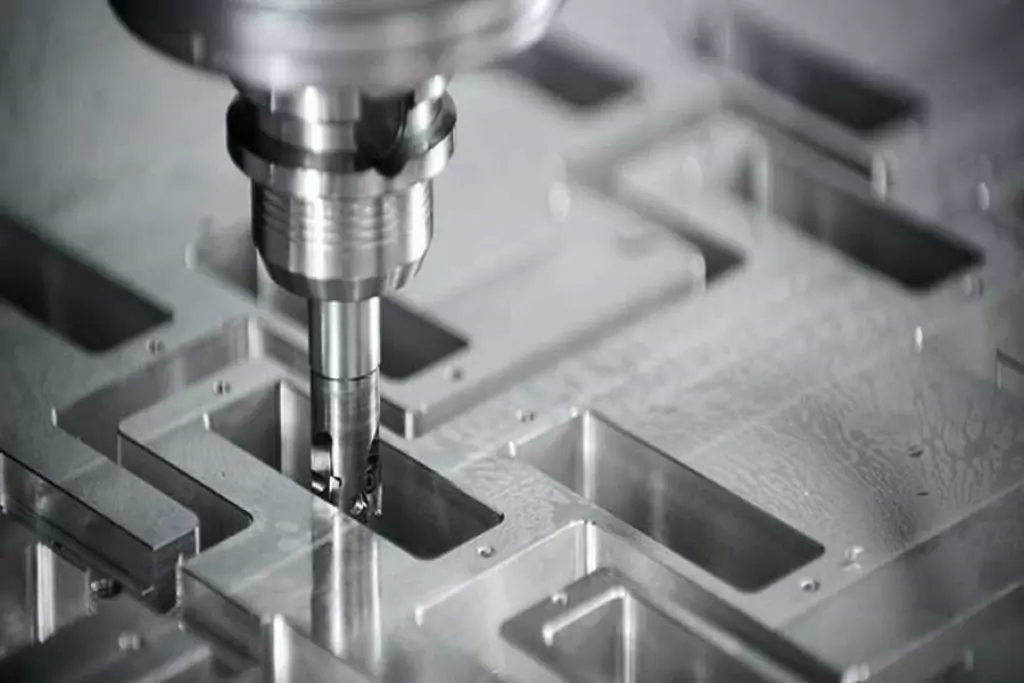
-
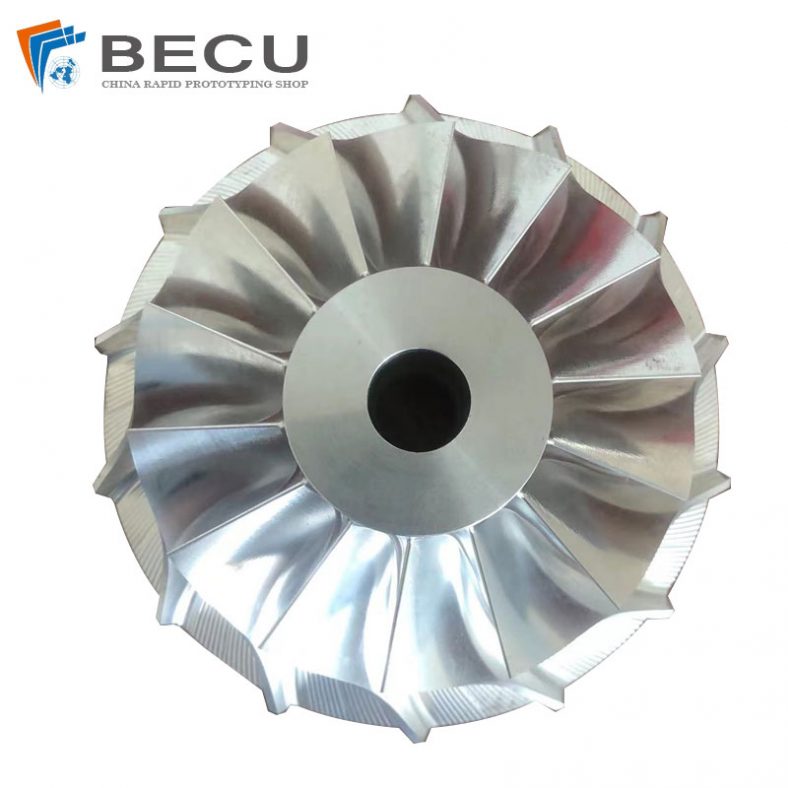
3-Way Centrifugal Compressor Closed Impeller By 5 Axis Machining
-

3/4/5 Axis Precision Milling Custom Vehicle Parts
-
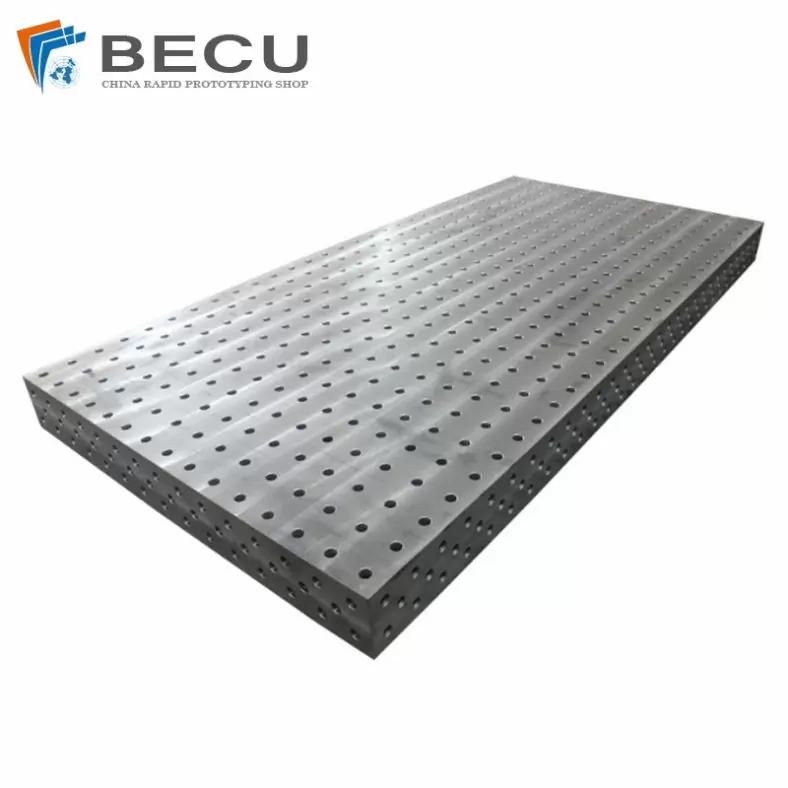
3D Flexible Welding Platform By Large Machining
-
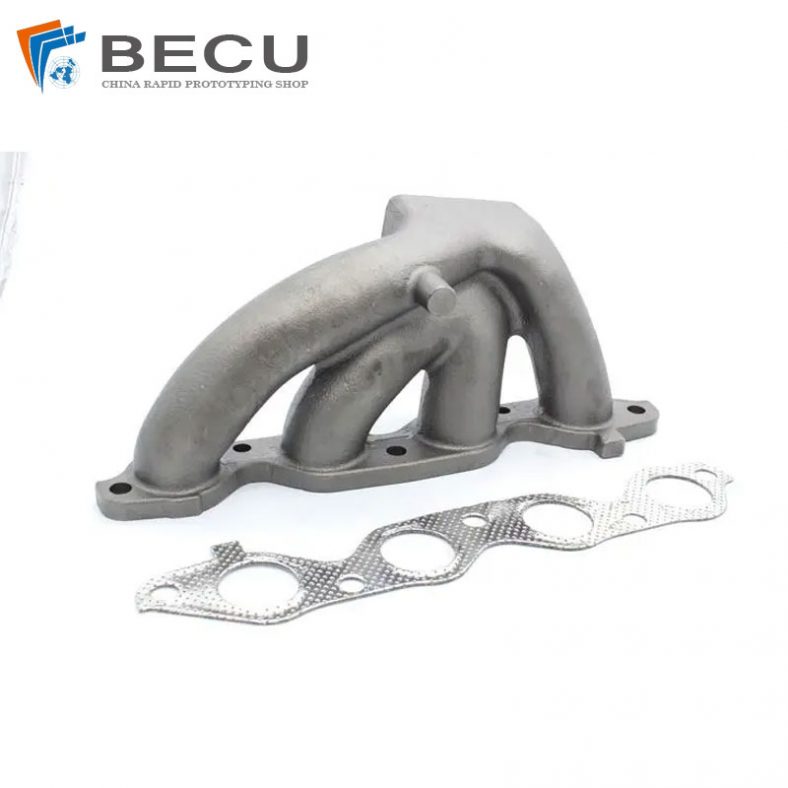
3D Printed Inconel Exhaust Manifold
-
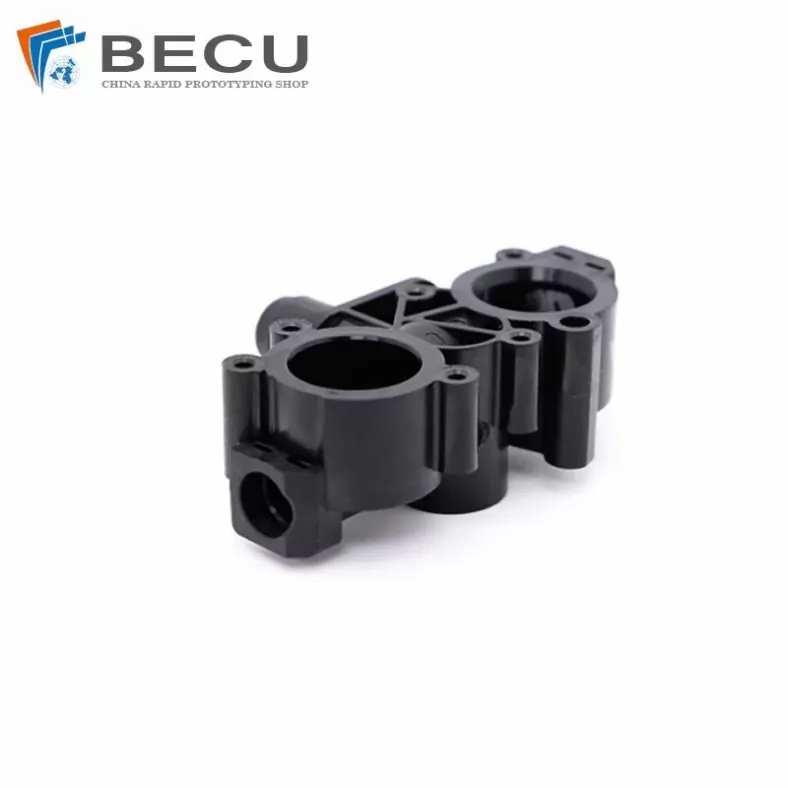
3D Printing And CNC Machining Custom Black PPS Valve
-
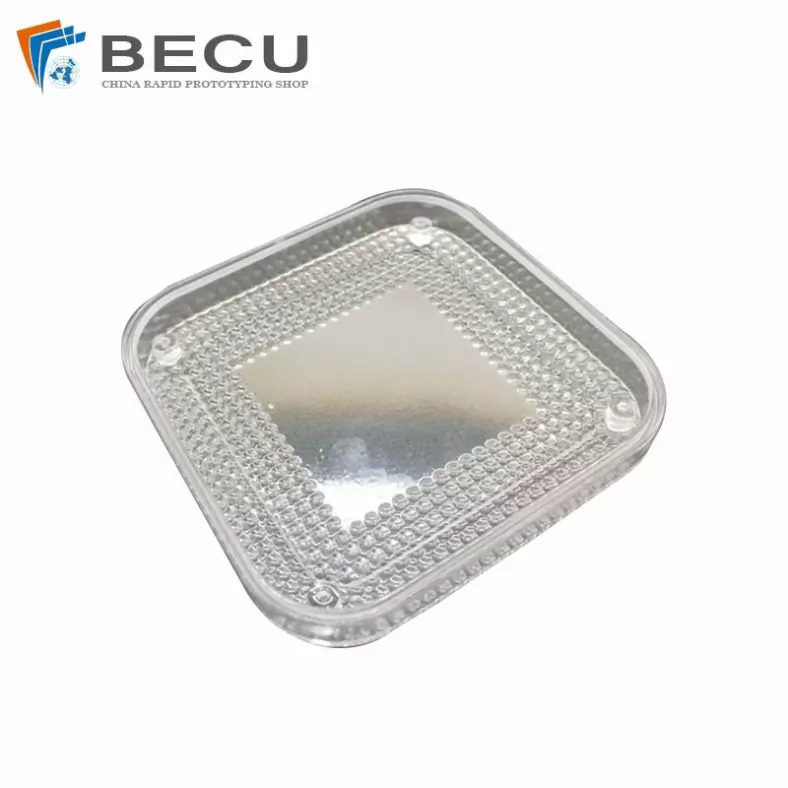
3D Printing Full Transparent Acrylic Lampshade Model
-
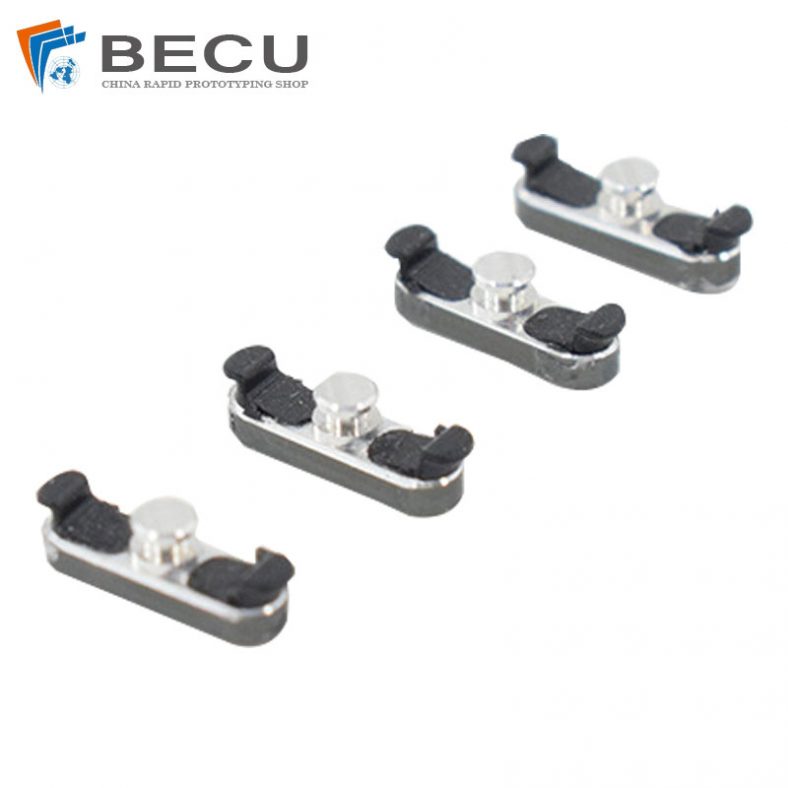
4 Axis CNC Machining Titanium Grade 5 Mobile Phone Buttons
-
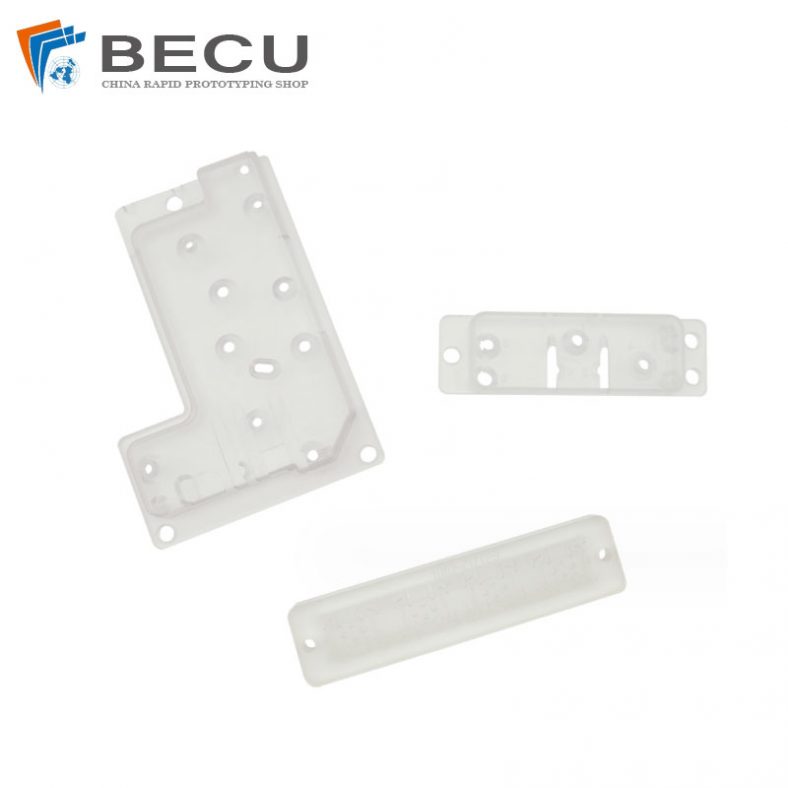
4 Axis Machining Highly Transparent Acrylic LED Tunnel Light Lens