
The advent of Computer Numerical Control (CNC) machining has revolutionized the precision manufacturing industry, allowing for the creation of intricate, high-quality parts with unparalleled repeatability and accuracy. One of the most critical aspects of CNC machining is the concept of tolerances—the permissible limits of variation in a part’s dimensions. Fine-tuning these tolerances can be the key to producing better CNC parts, optimizing performance, and meeting the exacting requirements of industries such as aerospace, medical, automotive, and defense. This article explores the fundamental role of tolerances in CNC machining, the different types of tolerances, the importance of precision in CNC parts, and strategies for achieving superior results through fine-tuning tolerances.
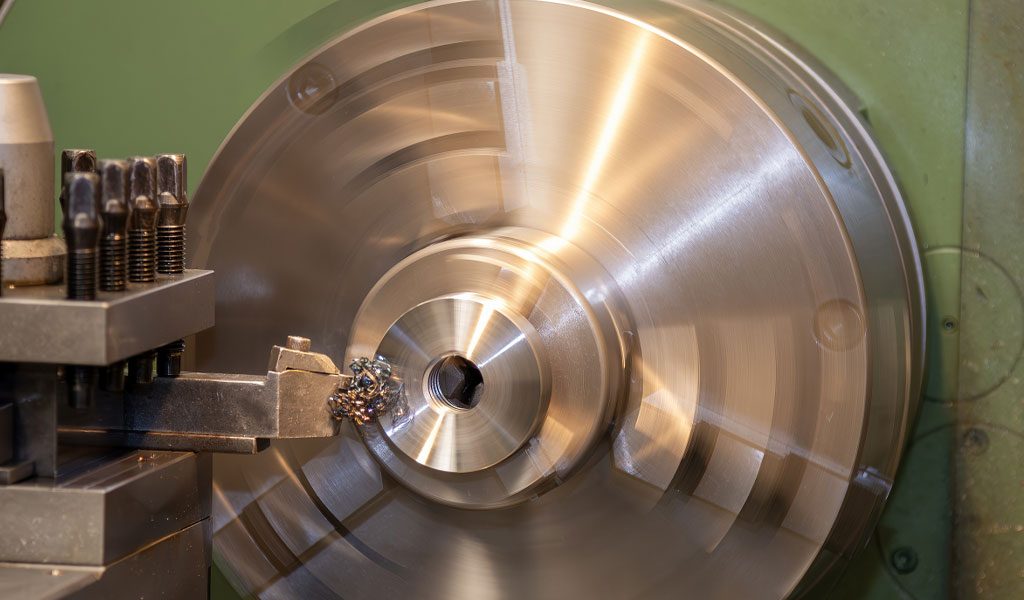
Standardization Through Tolerances – Decisive Criterion
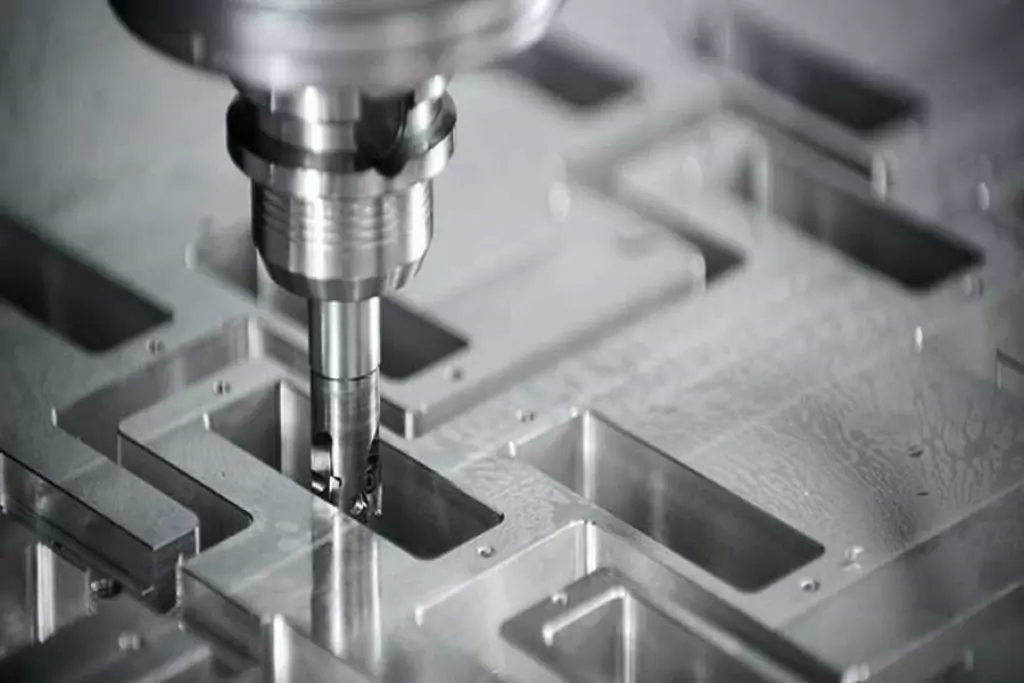
CNC machining involves the use of computerized controls to precisely guide cutting tools, lathes, mills, and other machines to shape materials into a desired form.
This highly automated process can produce parts with an extremely high degree of precision, often reaching tolerances as tight as a few microns. Tolerances are crucial in defining how closely the final product must conform to its specified dimensions.
Without proper attention to tolerances, even the most advanced CNC machines would produce parts that fail to meet the necessary functionality and fit within larger systems.
In simple terms, a tolerance defines the allowable deviation from a given dimension. For example, if a part is specified to be 100 mm in diameter, a tolerance of ±0.05 mm would mean that the actual diameter could be anywhere between 99.95 mm and 100.05 mm, and still be considered acceptable. Tolerances vary depending on the material being used, the complexity of the part, and the specific application of the component.
Types of Tolerances in CNC Machining
To understand how fine-tuning tolerances can lead to better CNC parts, it is essential to recognize the different types of tolerances that exist in CNC machining. Broadly, tolerances can be classified into three categories: linear tolerances, geometric tolerances, and angular tolerances. Each type plays a critical role in ensuring parts meet their intended specifications.
1. Linear Tolerances
Linear tolerances refer to the allowable variation in the length, width, and height of a part. This is the most straightforward form of tolerance and is typically expressed in terms of millimeters or inches. For example, a CNC machinist may be tasked with producing a shaft with a specified length of 150 mm and a tolerance of ±0.1 mm. This means that the shaft could range from 149.9 mm to 150.1 mm, and still meet the required specification.
Linear tolerances are essential for parts that must fit together within an assembly. For instance, in an engine, the shaft must fit precisely within a bearing, and any deviation in the length of the shaft could result in mechanical failure.
2. Geometric Tolerances
Geometric tolerances are used to control the form, orientation, and location of features within a part. These tolerances are particularly important for complex parts with multiple features that must align with each other accurately. Geometric tolerances are often defined using symbols and are governed by standards such as ASME Y14.5 or ISO 1101.
Common geometric tolerances include:
- Flatness: Ensures that a surface remains perfectly flat within a specified tolerance.
- Roundness: Controls the deviation of a circular feature from a perfect circle.
- Cylindricity: Controls the deviation of a cylindrical feature from a perfect cylinder.
- Perpendicularity: Ensures that two surfaces or features are at a precise right angle to each other.
- Parallelism: Ensures that two features maintain a consistent distance and remain parallel throughout their length.
- Position: Defines the exact location of a feature in relation to other features or datums.
Geometric tolerances are especially critical when the functionality of a part depends on the precise relationship between different features. For example, in a gear, the location and orientation of the holes that accept the pins are crucial for the gear’s performance. Fine-tuning these tolerances ensures proper alignment, minimizes wear, and extends the lifespan of the part.
3. Angular Tolerances
Angular tolerances are used to define the allowable deviation from a specified angle. These tolerances are crucial for parts where angular precision is required, such as in gears, shafts, or any component where the orientation of surfaces relative to each other is critical. Angular tolerances are typically specified in degrees or minutes (a minute being 1/60 of a degree).
In CNC machining, angular tolerances are typically achieved through careful tool setup and the use of high-precision measuring instruments. Fine-tuning angular tolerances is essential to achieve the correct fit between mating parts, ensuring that components align properly and function as intended.
The Impact of Fine-Tuning Tolerances on CNC Parts
Achieving the optimal balance between the tightness of tolerances and the cost-effectiveness of production is a central concern in CNC machining. Tight tolerances often lead to better-fitting, higher-performing parts, but they also come at a cost. The more stringent the tolerance, the more time, effort, and resources are required to produce a part that meets these specifications. Conversely, looser tolerances can lead to less expensive parts but may compromise their performance or usability in certain applications.
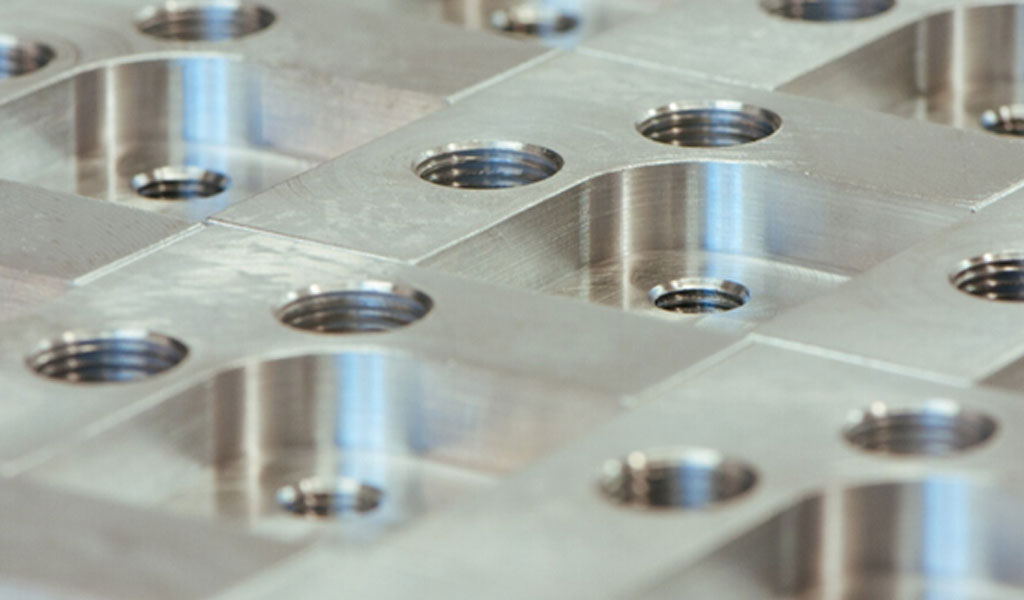
The impact of fine-tuning tolerances is felt across several dimensions:
1. Quality and Performance
Tolerances directly affect the quality and functionality of CNC parts. By fine-tuning tolerances, manufacturers can ensure that parts fit together perfectly within an assembly. For instance, in aerospace components, where failure can result in catastrophic consequences, achieving ultra-tight tolerances is paramount. Similarly, in medical devices, such as implants or surgical instruments, fine-tuning tolerances ensures that the components perform reliably and safely.
2. Material Efficiency
Fine-tuning tolerances can also lead to more efficient use of materials. Parts that are produced within the tightest acceptable tolerances will require less post-processing and finishing, reducing material waste and the need for additional operations. This is particularly important in industries where material costs are high, such as aerospace, where materials like titanium and high-strength alloys are commonly used.
3. Cost-Effectiveness
While tighter tolerances generally result in higher production costs due to increased machining time and the need for more precise tooling and measuring instruments, fine-tuning tolerances allows manufacturers to balance these costs with the benefits of improved part functionality. For example, a part with slightly looser tolerances might be acceptable in less demanding applications, allowing manufacturers to reduce costs while still meeting performance requirements.
Conversely, in industries that require the highest levels of precision, such as the semiconductor or aerospace industries, the cost of achieving tight tolerances is justified by the performance and safety requirements of the final product. In such cases, fine-tuning tolerances is an investment in the quality and reliability of the product.
4. Repeatability and Consistency
Fine-tuning tolerances also plays a critical role in ensuring that CNC machines can consistently reproduce parts with the same dimensions over multiple production cycles. CNC machining is capable of producing highly repeatable results, but even small deviations in tolerances can lead to variations between parts in large production runs. By fine-tuning tolerances, manufacturers can reduce variability and ensure that every part meets the exact specifications, even in high-volume production environments.
5. Durability and Lifespan
The long-term durability and lifespan of CNC parts are influenced by the precision of their dimensions. Parts that are manufactured with tighter tolerances are less likely to experience wear or failure due to improper fits or misalignment. This is particularly important in high-stress applications, such as engine components, where even the smallest deviation in tolerances can lead to failure. Fine-tuning tolerances helps to ensure that parts maintain their integrity over time, minimizing the need for repairs and replacements.
Methods for Fine-Tuning Tolerances in CNC Machining
Achieving the ideal balance of tolerances involves a combination of strategic planning, technological capabilities, and machining techniques. Some of the most effective methods for fine-tuning tolerances in CNC machining include:
1. Tooling and Setup
One of the most significant factors in achieving precise tolerances is the quality and condition of the tooling used in the machining process. Regular maintenance of tools, the selection of the appropriate tool for each operation, and the precise setup of the CNC machine are critical for fine-tuning tolerances. High-quality cutting tools, such as carbide or diamond-coated tools, can provide greater accuracy and longer tool life, reducing the likelihood of deviations in part dimensions.
Proper machine setup is equally important. Ensuring that the CNC machine is correctly calibrated, and that the workpiece is securely held in place, minimizes errors caused by tool deflection or shifting during machining. Advanced CNC machines equipped with automatic tool changers, probe systems, and other precision-enhancing features can further improve tolerance control.
2. Advanced Measuring Techniques
To fine-tune tolerances effectively, manufacturers must employ advanced measuring techniques to verify that parts conform to the desired specifications. Coordinate measuring machines (CMMs) are often used to precisely measure the dimensions of a part, detecting even the smallest deviations from the specified tolerances. CMMs can be equipped with various probes, such as mechanical, optical, or laser probes, to measure complex geometries accurately.
In addition to CMMs, other specialized measuring instruments, such as micrometers, calipers, and profilometers, are used to check linear dimensions, surface roughness, and other critical characteristics. Using a combination of measurement tools ensures that all aspects of a part’s tolerances are thoroughly inspected and adjusted as needed.
3. Optimization of Cutting Parameters
The cutting parameters used during CNC machining, including feed rate, spindle speed, depth of cut, and tool path, all affect the precision of the final part. By optimizing these parameters, manufacturers can minimize the risk of dimensional deviations caused by tool wear, heat buildup, or vibration. Fine-tuning these parameters is particularly important when machining materials that are prone to distortion, such as plastics, composites, or high-strength metals.
4. Post-Processing and Finishing
In some cases, parts may require post-processing or finishing to achieve the desired tolerances. Techniques such as grinding, lapping, honing, and polishing can be used to remove minor deviations and ensure that parts meet the specified dimensions. These processes are often employed after the initial CNC machining operation, particularly when high precision is required for features such as surface finish, roundness, or flatness.
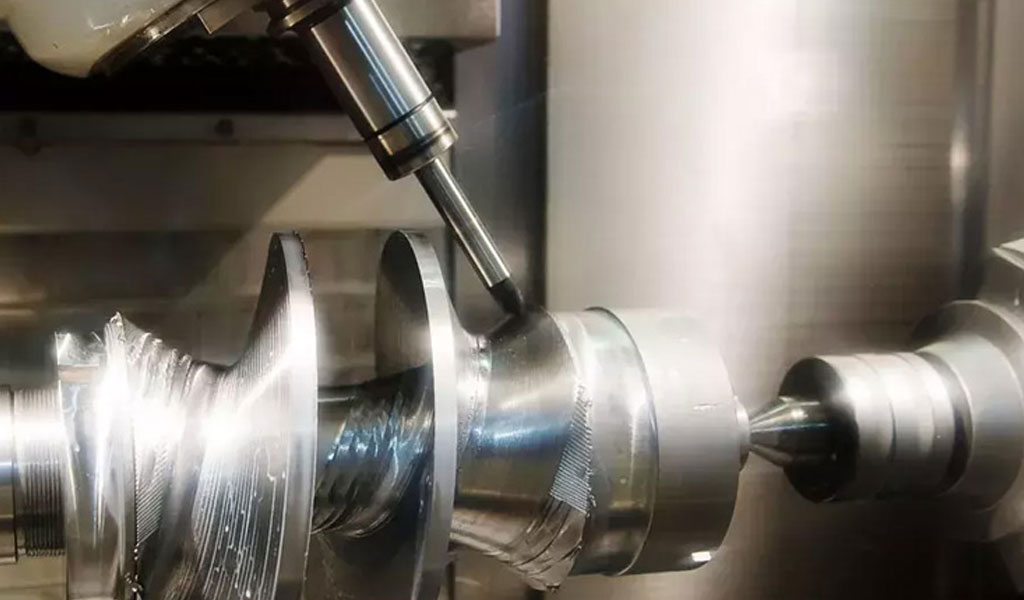
Modification During Assembly
In the context of CNC machining, modifications during assembly refer to the adjustments or corrections made to parts once they are assembled but prior to their final approval or delivery. These modifications are necessary when slight discrepancies are found between the designed tolerances and the actual dimensions of the parts. While CNC machining offers a high level of precision, slight variations in manufacturing can occur due to factors such as tool wear, material behavior, or machine calibration.
As such, modifications during assembly play a critical role in ensuring that parts fit properly, function as intended, and meet all performance requirements.There are several ways that modifications may be made during the assembly process:
1. Manual Adjustments
Sometimes, minor discrepancies in dimensions can be addressed through manual interventions. These may include manual filing, grinding, or polishing of surfaces to achieve the correct fit. Manual adjustments can be particularly useful in cases where a part does not fit into its mating component, or where the part’s surface finish is not smooth enough to meet functional requirements.
For example, in high-precision applications such as aerospace or medical device manufacturing, even small dimensional errors can affect the performance of an assembly. In these cases, skilled technicians may use hand tools to make adjustments to surfaces or edges that do not meet the precise requirements. While this may add time to the overall assembly process, it can help ensure that the final product meets the necessary tolerances.
2. Use of Shims or Tolerances Stack-Up
In some cases, when parts do not align as intended during the assembly, shims or other spacers may be used to correct the alignment. Shims are thin pieces of material inserted between two mating surfaces to adjust the gap and achieve the proper fit. This approach is commonly used in cases where parts have slightly misaligned features due to minor variations in tolerances.
Similarly, tolerance stack-up refers to the cumulative effect of individual part tolerances on the final assembly. If multiple parts are assembled together, each with its own tolerance, the cumulative effect could lead to an assembly that is out of spec. By considering tolerance stack-up during the design phase, engineers can plan for such adjustments, allowing modifications to be made more easily during the assembly process to compensate for these variations.
3. Re-machining or Rework
For more significant deviations from the required tolerances, parts may need to be re-machined or reworked. This process involves removing material from a part using CNC machines or other precision equipment to bring the dimensions back into specification. Rework can be a time-consuming process and may result in additional material waste, so it is generally only used when the modification cannot be made through other means.
Re-machining is particularly common when parts with tight tolerances are involved, such as in the production of high-precision components like engine blocks, turbine blades, or medical instruments. These parts often undergo multiple inspection and adjustment stages during the assembly process, especially when they require a perfect fit or need to meet stringent quality standards.
Quality Control in CNC Machining
Quality control (QC) is an integral part of CNC machining, ensuring that each part meets the required specifications and standards before it is approved for assembly or delivery. Effective quality control during CNC machining helps to identify errors early in the process, minimizing the risk of costly mistakes and ensuring that the final product is safe, functional, and reliable.
There are several stages in the CNC machining process where quality control plays a critical role:
1. Incoming Material Inspection
The first stage of quality control begins with inspecting the raw materials before they are used in the CNC machining process. Incoming material inspection ensures that the materials meet the required specifications, such as composition, surface quality, and dimensional integrity. Materials that do not meet the required standards are rejected or sent back to the supplier.
For example, if the material is a specific grade of stainless steel, such as 304 or 316, the QC team will verify that the material is correctly labeled and free from defects like cracks, corrosion, or surface irregularities that could affect machining accuracy.
2. In-Process Inspection
During the CNC machining process, operators regularly check the progress of the part to ensure it is being machined within the specified tolerances. In-process inspection can involve using measuring instruments like calipers, micrometers, height gauges, and CMMs (Coordinate Measuring Machines) to monitor critical dimensions. Any deviations from the desired tolerances can be addressed in real time, minimizing the need for rework later in the process.
To ensure consistency and accuracy, many advanced CNC machines come equipped with built-in probe systems that automatically check critical features during the machining process. These probes help detect deviations from the desired dimensions before the part progresses too far down the production line, allowing for quick corrections to be made.
3. Final Inspection
Once the part is complete, it undergoes a final inspection to verify that all dimensions and surface finishes meet the specified tolerances. This is often the most critical stage in the quality control process, as it ensures that the part will perform as intended in its final application.
In the final inspection stage, the part is typically measured using high-precision tools, and detailed measurements are taken for every critical dimension. In some cases, the part may undergo additional tests, such as functional testing or stress testing, to assess its performance under actual operating conditions.
For complex geometries, where multiple features must align precisely, a CMM is often used to measure the full 3D shape of the part, comparing it to the design CAD model. This helps detect any misalignment or dimensional errors that might be invisible to the naked eye.
4. Statistical Process Control (SPC)
Many manufacturers use statistical process control (SPC) methods to monitor the quality of parts during production. SPC involves collecting data on various machining parameters, such as tool wear, feed rates, and cutting speeds, and analyzing this data to identify any trends or deviations that could affect part quality.
By using SPC, manufacturers can detect issues early, adjust the process to prevent defects, and ensure that parts continue to be produced within specification. In high-precision industries, such as aerospace or medical device manufacturing, SPC is an essential tool for maintaining the consistency and reliability of parts over time.
Documentation in CNC Machining
Documentation plays a crucial role in maintaining quality standards and ensuring that the CNC machining process meets all required specifications. Proper documentation serves as a record of the entire manufacturing process, from material receipt to final inspection, and provides a traceable history of each part produced.
1. Blueprints and Technical Drawings
Blueprints and technical drawings are the foundational documents that outline the design and specifications of a part. These documents contain detailed information about the part’s geometry, tolerances, material requirements, and surface finishes. Technical drawings must be meticulously followed by machinists to ensure that each part is produced according to the designer’s intent.
For complex parts, the technical drawings often include not only dimensional information but also annotations related to geometric tolerances, surface finishes, and inspection criteria. These annotations help guide the machinist and QC inspectors in verifying that the part meets the exact requirements.
2. Inspection Reports
Inspection reports are essential documents that record the results of both in-process and final inspections. These reports include detailed measurements of key features and a comparison with the specified tolerances. Any deviations from the required dimensions are noted, along with corrective actions taken to address these discrepancies.
In many cases, especially in industries like aerospace or medical device manufacturing, inspection reports must be signed off by qualified personnel, and these documents are stored for future reference or audits. This documentation ensures that there is a clear and traceable history of quality checks, which is critical for compliance with industry standards.
3. Material Certifications and Traceability
Material certification documents verify that the materials used in the CNC machining process meet the required specifications and standards. These certifications may include test results for chemical composition, mechanical properties, and other critical material characteristics. For certain industries, such as aerospace or defense, these certifications are required for regulatory compliance.
Material traceability is also an important aspect of documentation. Each batch of material used in the machining process must be traceable back to its source, and manufacturers must be able to identify the specific batch used for each part. This is important in case there are any issues with the material, as it allows manufacturers to identify and address potential problems quickly.
4. Work Instructions and Process Sheets
Work instructions and process sheets provide step-by-step guidance for operators during the machining process. These documents outline the machining parameters, tools to be used, machine setup instructions, and any specific requirements for handling or assembling the part. By following these instructions, operators can ensure that each part is produced consistently and in accordance with the design specifications.
Process sheets are also helpful for quality control teams, as they outline the inspection points and critical features to check at each stage of production. These documents serve as a reference to ensure that the machining process is being carried out correctly and that quality standards are being maintained.
Conclusion
Fine-tuning tolerances, modifications during assembly, and stringent quality control procedures are critical components of the CNC machining process that directly influence the quality and functionality of the final product.
By addressing dimensional discrepancies, monitoring machining parameters, and carefully documenting every aspect of production, manufacturers can ensure that each CNC part meets the highest standards of performance and reliability.
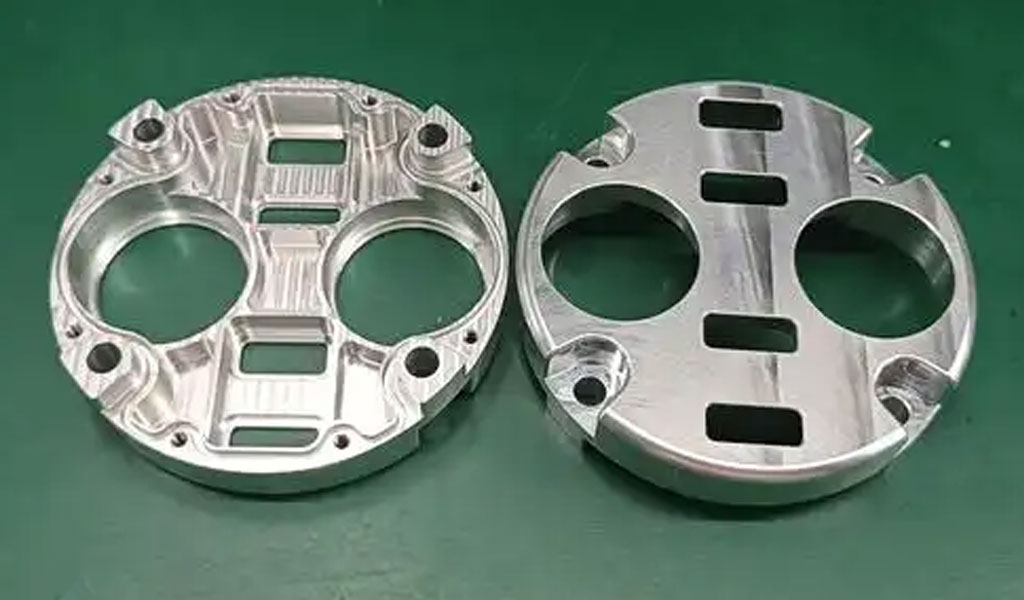
Quality control, when executed effectively throughout the entire manufacturing cycle, not only ensures compliance with engineering specifications but also supports continuous improvement efforts and traceability. As industries demand ever-higher levels of precision and efficiency, the role of tolerances, modifications, and documentation will continue to grow in importance. By honing these practices, manufacturers can achieve better CNC parts, streamline production processes, and maintain a competitive edge in the marketplace.
Fine-tuning tolerances is essential to producing high-quality CNC parts that meet the exacting requirements of modern industries. By understanding the different types of tolerances, their impact on part performance, and the methods available to achieve precise dimensions, manufacturers can optimize their processes and deliver superior products. While achieving the perfect balance of tight tolerances and cost-effectiveness may be challenging, the benefits of producing better CNC parts—improved functionality, enhanced durability, and consistent repeatability—are clear. As CNC machining continues to evolve, the ability to fine-tune tolerances will remain a cornerstone of precision manufacturing, enabling the creation of increasingly complex and high-performance components across a wide range of industries.
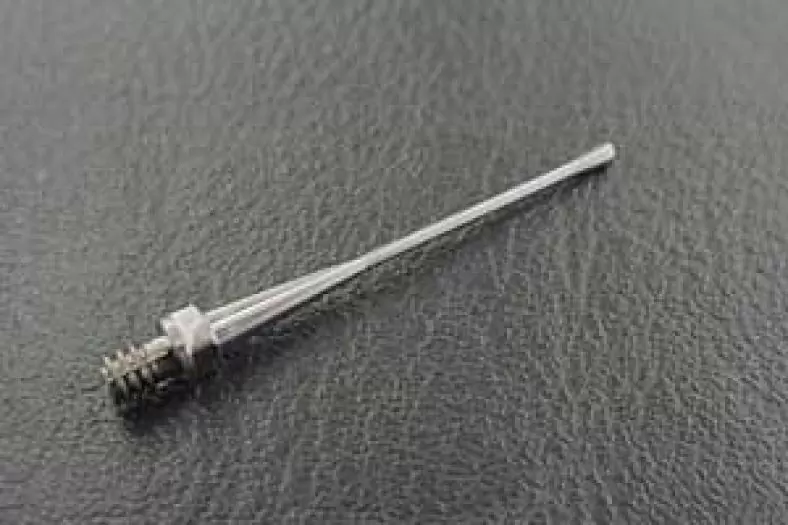
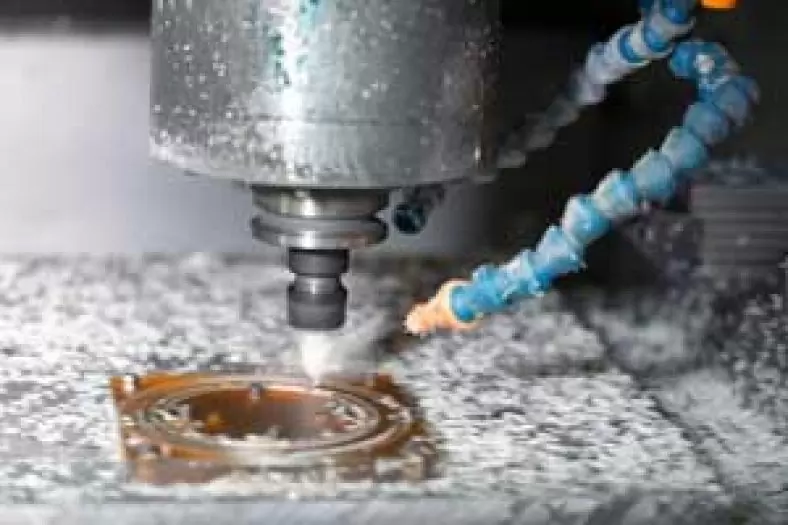
The Detail Of BE-CU Cnc Machining Shop
BE-CU.COM – As an accomplished CNC machining Service Manufacturer and CNC shop, BE-CU Prototype has been specialized in OEM CNC lathing, custom CNC machining parts production and rapid CNC machining services China for over 35 years and always maintaining the highest standard in delivery speed and reliable quality of precision CNC manufacturing components. With the help of high-level technology and efficient equipment, as well as rigorous attitude, BE-CU passed the ISO9001:2015 quality certification, which supports the long-term development of CNC milling services, CNC turning services, CNC milling-turning, CNC drilling services, 3/4/5 axis machining, gear machining services, CNC machining China custom parts and service, small parts machining, etc.Our CNC machining products can be utilized in a broad range of industries. Contact us for email: [email protected]
-
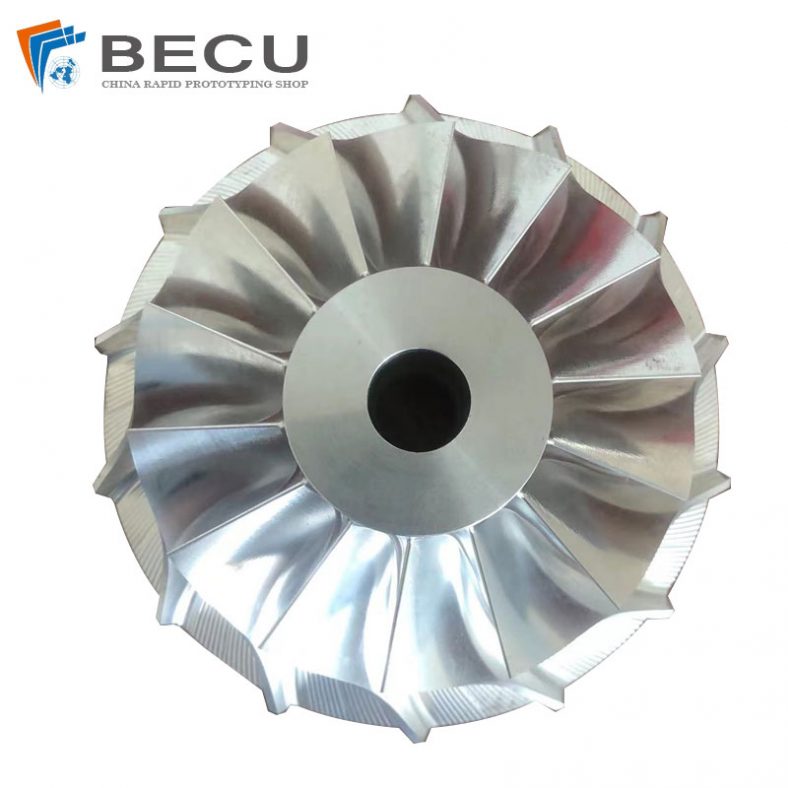
3-Way Centrifugal Compressor Closed Impeller By 5 Axis Machining
-

3/4/5 Axis Precision Milling Custom Vehicle Parts
-
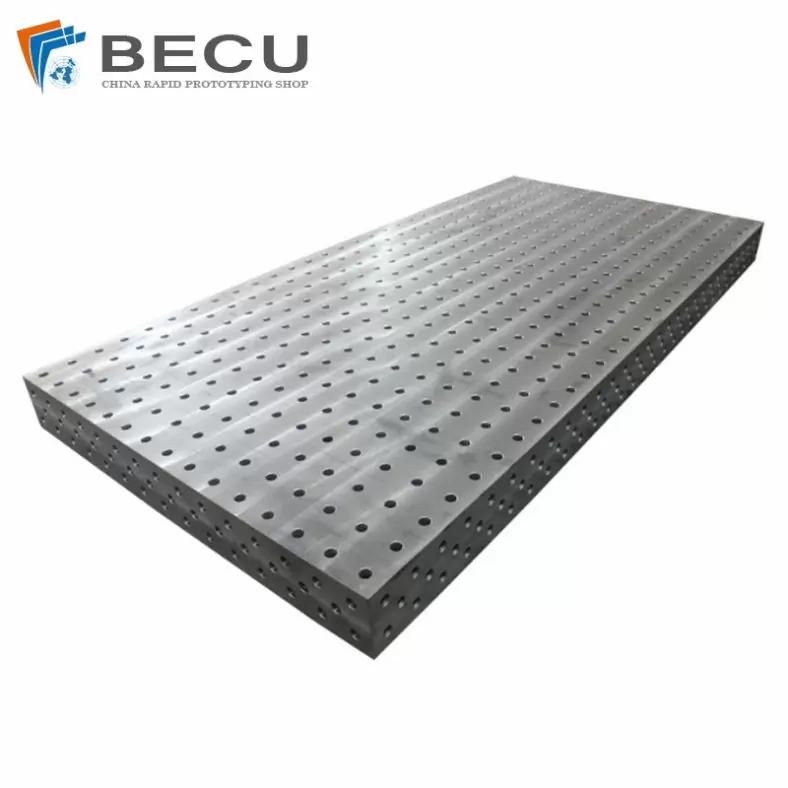
3D Flexible Welding Platform By Large Machining
-
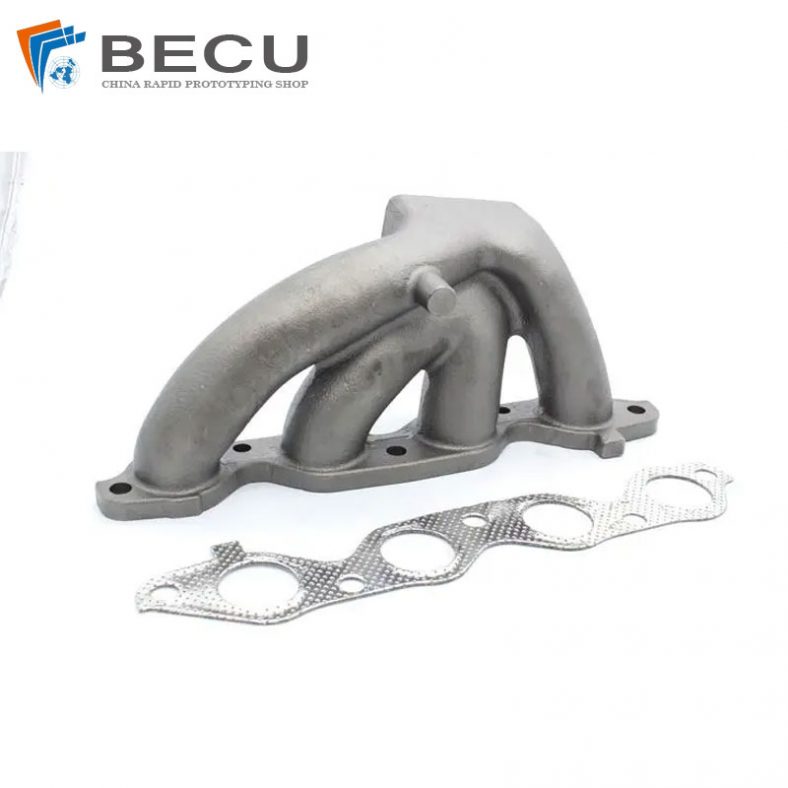
3D Printed Inconel Exhaust Manifold
-
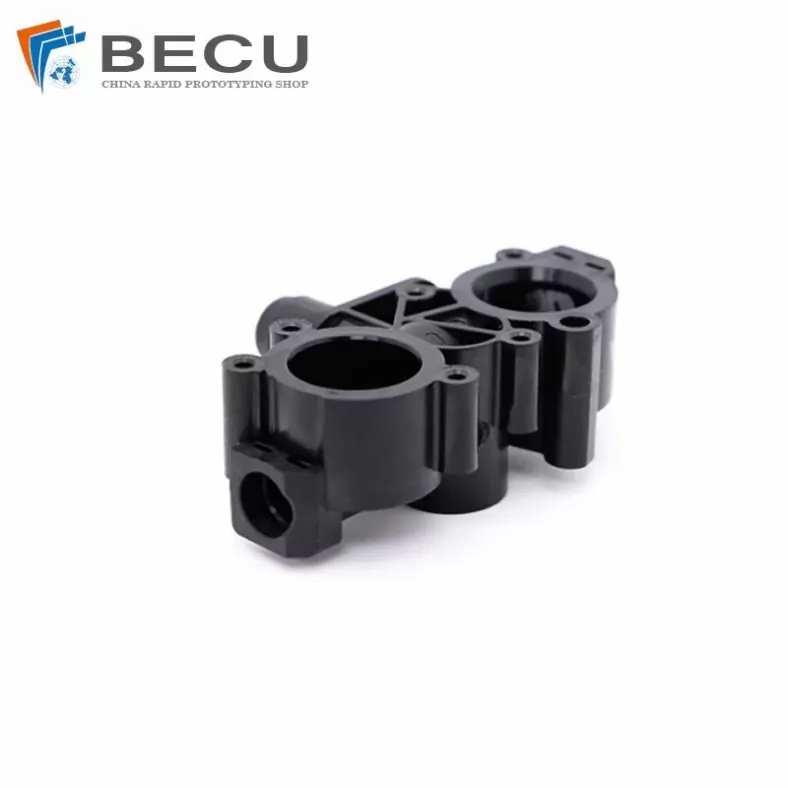
3D Printing And CNC Machining Custom Black PPS Valve
-
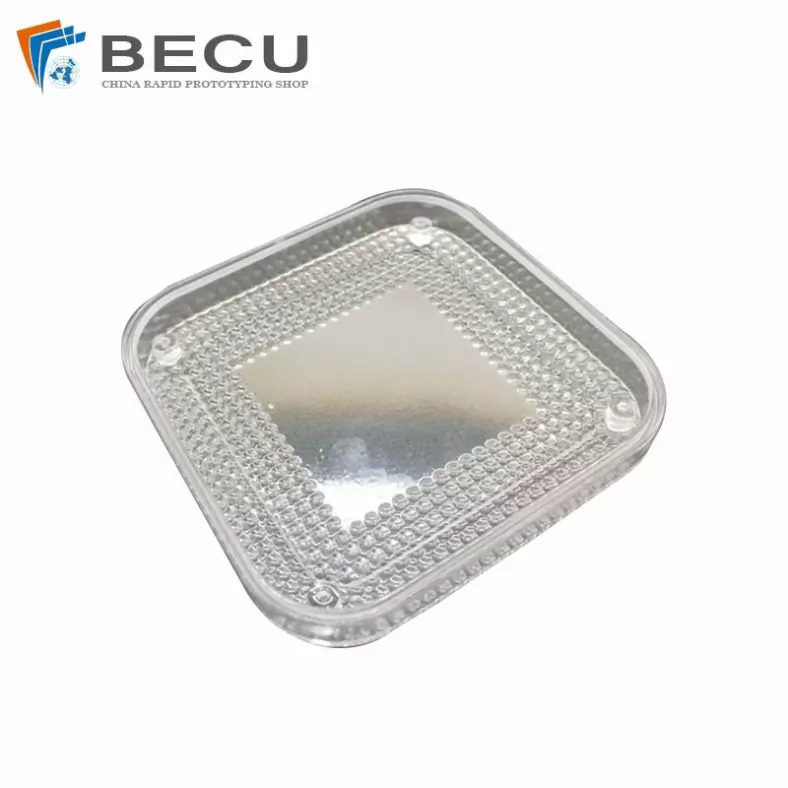
3D Printing Full Transparent Acrylic Lampshade Model
-
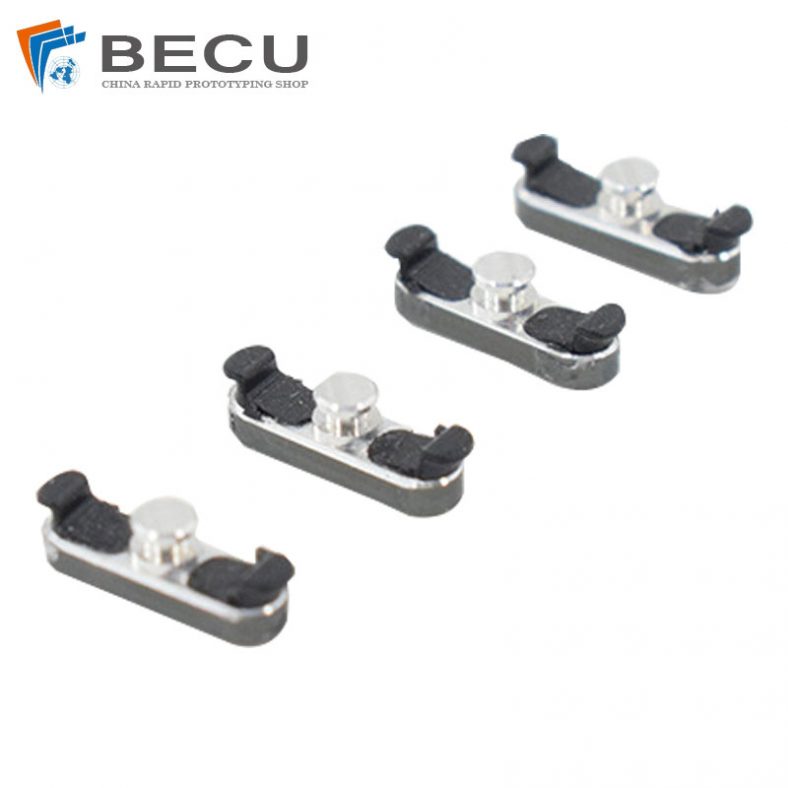
4 Axis CNC Machining Titanium Grade 5 Mobile Phone Buttons
-
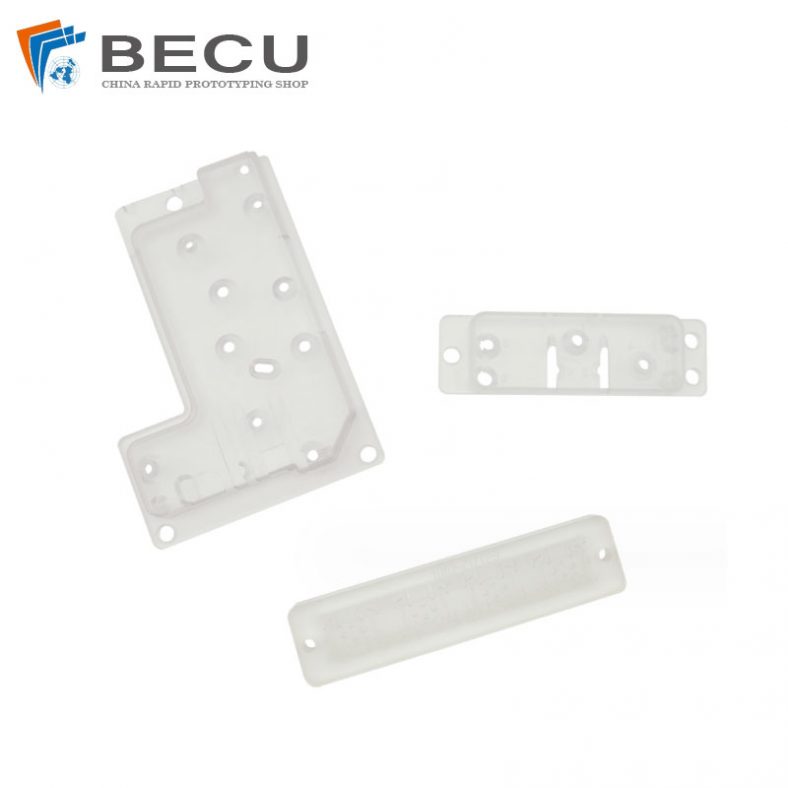
4 Axis Machining Highly Transparent Acrylic LED Tunnel Light Lens