
Brake drum machining is a critical process in the maintenance, repair, and manufacturing of brake drums used in various vehicles, especially those in the automotive, heavy-duty, and industrial sectors. Brake drums are integral components of a vehicle’s braking system, designed to work in tandem with brake shoes to provide reliable and effective stopping power. The machining process ensures that the brake drums maintain proper specifications, contribute to optimal braking performance, and extend the overall life of the braking system. This article provides an in-depth look at brake drum machining, from its importance and types of equipment used, to the techniques, materials, and challenges involved.
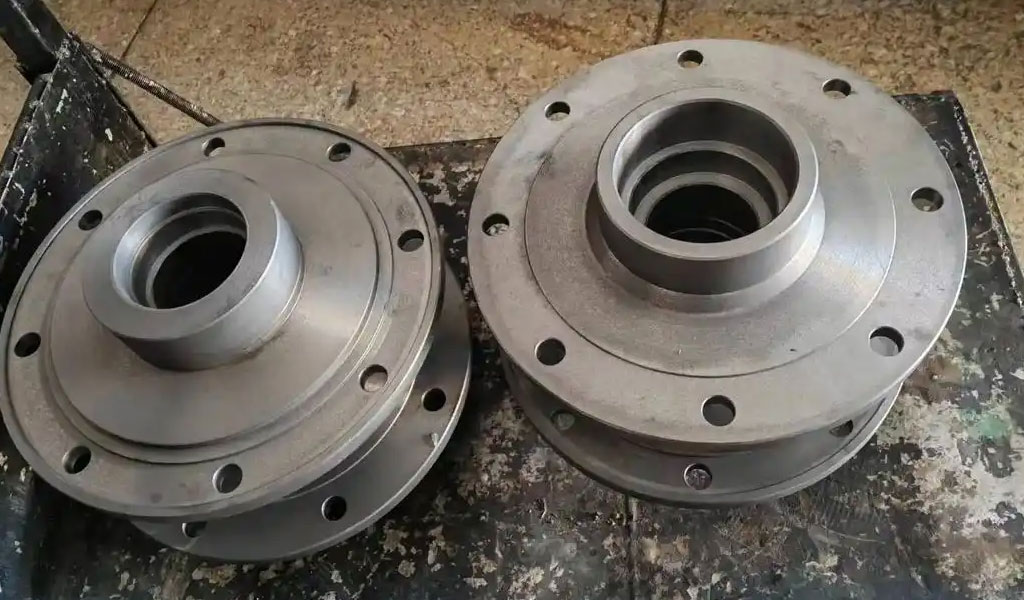
Overview of Brake Drums and Their Role in Braking Systems
A brake drum is a cylindrical component that forms part of a drum brake system. These brakes operate based on the principle of friction, where the brake shoes press against the inner surface of the brake drum to create the necessary friction for slowing down or stopping the vehicle.
Brake drums are primarily used in vehicles that have rear drum brakes, though they may also be used in the front brakes of some older vehicles or heavy-duty applications.
Brake drums are typically made from cast iron or, in some cases, from cast steel or aluminum alloys. The inner surface of the brake drum is highly polished to ensure smooth contact with the brake shoes. Over time, the surface of the drum can become worn, pitted, or uneven, reducing braking efficiency and increasing the risk of damage to the brake shoes. Brake drum machining restores the drum to its original shape and smoothness, ensuring optimal performance and safety.
Types of Brake Drums
- Standard Cast Iron Brake Drums: The most common type of brake drum is made of cast iron, offering durability and strength. Cast iron is an excellent material choice due to its ability to withstand the high heat generated during braking and its relative ease of machinability.
- Aluminum Brake Drums: While less common than cast iron, aluminum brake drums are used in some lighter vehicles due to their lower weight. Aluminum is more resistant to thermal expansion, making it a suitable choice for high-performance braking systems.
- Composite Brake Drums: These are typically used in specialized applications, such as in racing or heavy-duty vehicles. Composite brake drums may combine different materials to achieve a balance of weight reduction, thermal conductivity, and strength.
Brake Drum Machining Process
The brake drum machining process involves several key steps designed to restore the drum to a smooth, functional state while maintaining the correct dimensions and surface finish.
- Inspection and Measurement Before machining begins, the brake drum must be thoroughly inspected. This inspection includes checking for cracks, warping, excessive wear, and other defects. A micrometer or caliper is often used to measure the thickness of the drum. If the drum is severely worn or damaged beyond the minimum allowable thickness, it may need to be replaced rather than machined.
- Preparation Once the brake drum has been inspected and deemed suitable for machining, it is mounted on a brake drum lathe. The lathe is a precision machine tool that allows for the accurate removal of material from the drum. Brake drums are often mounted on the lathe via the wheel hub flange, ensuring that they are centered properly for accurate machining.
- Cutting and Facing The machining process typically begins with cutting, where the worn inner surface of the brake drum is removed using cutting tools such as carbide inserts. These tools are chosen for their ability to maintain sharpness even under the high-speed conditions encountered during brake drum machining. The drum’s inner surface is then “faced” or smoothed to ensure a flat, even surface that ensures proper contact with the brake shoes.
- Turning Turning refers to the process of machining the outer diameter of the brake drum. This step ensures that the drum’s exterior has the correct dimension to fit the vehicle’s axle assembly. The outer surface is often turned to a precise tolerance to ensure the drum fits within specified design limits.
- Grooving and Chamfering Brake drums may also require additional machining steps such as grooving, where grooves are cut into the inner surface of the drum to accommodate the brake shoes. This is particularly important in vehicles that have used their brakes extensively and where the brake shoes have left indentations on the surface. Chamfering, which involves rounding the edges of the drum, is also performed to prevent stress concentrations and enhance the structural integrity of the drum.
- Balancing After the primary machining steps, the brake drum may require balancing to ensure it is free of vibrations. Brake drums that are out of balance can lead to uneven wear of the brake shoes, increased brake noise, and even vehicle instability. Specialized balancing equipment is used to check the brake drum’s balance and make any necessary adjustments.
- Final Inspection and Testing After machining, the brake drum is inspected again to ensure that all machining steps have been carried out correctly. It is checked for dimensional accuracy, surface finish, and overall quality. Some brake drums may undergo additional testing, such as ultrasonic testing, to check for internal defects like cracks or voids that could compromise the drum’s strength.
- Re-coating or Surface Treatment In some cases, the brake drum may require a final surface treatment. This can include applying a protective coating or finish, such as a high-temperature resistant paint, to prevent corrosion and extend the life of the drum. Some drums are also resurfaced with a coating to improve the friction properties between the drum and the brake shoes.
Equipment Used in Brake Drum Machining
- Brake Drum Lathe The most essential machine for brake drum machining is the brake drum lathe. This specialized lathe is designed to handle the heavy-duty nature of brake drum machining, offering precise control over cutting depth, speed, and tool positioning. The lathe is equipped with multiple cutting tools that can be adjusted for different stages of the machining process.
- Measuring Instruments Accurate measurements are crucial in brake drum machining. Tools such as micrometers, calipers, and depth gauges are used to monitor the drum’s dimensions throughout the process. Laser measurement systems are also used in high-precision environments to measure the thickness and roundness of the drum.
- Balancing Equipment After machining, brake drums may be placed on specialized balancing machines to ensure they are free from excessive vibration. This equipment detects any imbalance in the drum and helps make adjustments to restore the drum to the correct specifications.
- Ultrasonic Testing Equipment Ultrasonic testing is used to detect internal flaws in the brake drum material. This technique uses high-frequency sound waves to identify cracks, voids, or other defects that could compromise the structural integrity of the drum.
Materials Used in Brake Drum Machining
Brake drums are typically made from materials that are both strong and heat-resistant. The most common material is cast iron, though other materials such as cast steel, aluminum alloys, and composite materials are used in specific applications.
- Cast Iron: Cast iron is the most common material used in brake drum manufacturing due to its ability to withstand high temperatures and its excellent machinability. The material can be easily cast into the desired shape and is durable under high-friction conditions.
- Cast Steel: Cast steel is used in some heavy-duty applications due to its higher strength and wear resistance compared to cast iron. Steel drums are more durable but harder to machine, requiring specialized tools.
- Aluminum Alloys: Lightweight aluminum alloys are used in high-performance vehicles and applications where weight reduction is critical. Aluminum drums have the advantage of better thermal conductivity and are less prone to cracking, though they tend to wear more quickly than cast iron.
- Composite Materials: Brake drums made from composite materials combine various metals and other materials to provide specific advantages, such as reduced weight or improved heat dissipation.
Factors Affecting Brake Drum Machining
Several factors affect the quality and success of brake drum machining. These include the material of the drum, the condition of the drum before machining, and the precision of the machining equipment.
- Wear and Damage: The extent of wear and damage to the brake drum directly impacts the machining process. Excessive wear or deep grooves can make it difficult to restore the drum to its original specifications. In some cases, if the damage is too severe, it may be more cost-effective to replace the drum rather than attempt to machine it.
- Tolerance Requirements: Brake drums must be machined to very tight tolerances to ensure proper fitment within the vehicle’s brake assembly. Even slight deviations in diameter or surface finish can affect the performance of the braking system.
- Surface Finish: The surface finish of the brake drum is crucial for ensuring effective braking performance. A rough or uneven surface can cause excessive wear on the brake shoes, leading to reduced braking efficiency and increased noise. Brake drums must be machined to a smooth, even finish to maximize contact with the brake shoes and maintain consistent braking force.
- Heat Management: Brake drums are subject to high temperatures during braking, which can affect their performance and longevity. Proper machining and surface treatment can help reduce the likelihood of overheating, warping, or cracking.
Challenges in Brake Drum Machining
- Material Hardness: As the material hardness of modern brake drums increases, machining them becomes more difficult. Cast iron is relatively soft and easy to machine, but newer materials like cast steel and aluminum alloys require more advanced tooling and techniques.
- Precision Requirements: Brake drums must be machined to a very high degree of precision to ensure they fit properly in the brake assembly. Even small deviations from the specified dimensions can cause problems such as vibration, uneven braking, or premature wear.
- Cost of Equipment: The specialized equipment required for brake drum machining, such as brake drum lathes and balancing machines, can be expensive. High-quality equipment is necessary to achieve the precise tolerances and finishes required for effective brake drum machining.
- Environmental Concerns: The machining of brake drums generates dust and waste materials, including metal shavings and used cutting fluids. Proper disposal and recycling of these materials are essential for reducing environmental impact and complying with regulations.
Applications of Brake Drum Machining
Brake drum machining is not limited to the automotive industry. The process is widely used in the following applications:
- Automotive Industry: In passenger vehicles, brake drum machining is a common service for vehicles with drum brakes, particularly for the rear axle. Machining ensures that the brake drums perform optimally throughout the vehicle’s life cycle.
- Heavy-Duty Vehicles: Commercial vehicles, including trucks, buses, and construction machinery, often use drum brakes due to their robustness and ability to handle high braking loads. Brake drum machining ensures the proper functioning of the braking system in these heavy-duty applications.
- Agricultural Equipment: Many agricultural machines, such as tractors and harvesters, rely on drum brakes. Brake drum machining helps maintain the performance of these vehicles in tough working environments.
- Industrial Equipment: Brake drums are used in various industrial machinery applications, where they are subject to heavy loads and frequent use. Brake drum machining ensures that these components continue to provide reliable braking performance.
Conclusion
Brake drum machining is a crucial process that ensures the safety, performance, and longevity of brake drums used in a variety of vehicles and machinery. By restoring worn or damaged brake drums to their original specifications, machining plays a pivotal role in maintaining the effectiveness of the braking system. The process involves careful inspection, cutting, turning, balancing, and surface treatment, all of which require specialized equipment and expertise. Understanding the materials, techniques, and challenges involved in brake drum machining is essential for anyone involved in vehicle maintenance, repair, or manufacturing.
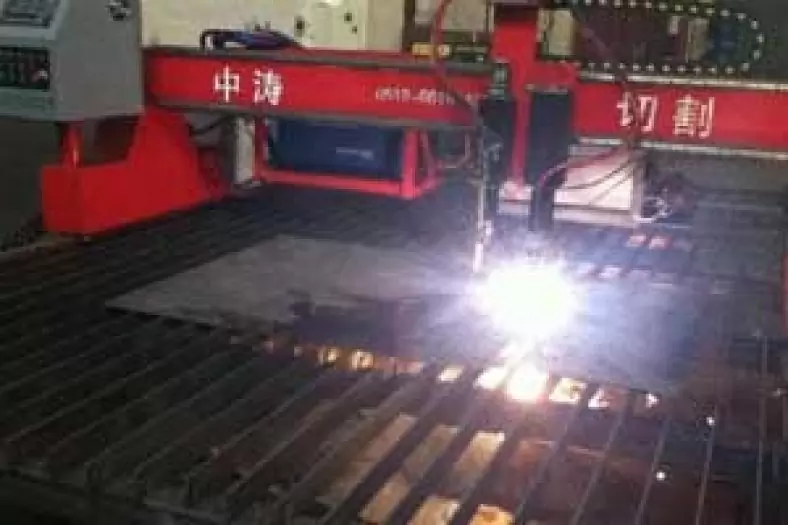
The Detail Of BE-CU Cnc Machining Shop
BE-CU.COM – As an accomplished CNC machining Service Manufacturer and CNC shop, BE-CU Prototype has been specialized in OEM CNC lathing, custom CNC machining parts production and rapid CNC machining services China for over 35 years and always maintaining the highest standard in delivery speed and reliable quality of precision CNC manufacturing components. With the help of high-level technology and efficient equipment, as well as rigorous attitude, BE-CU passed the ISO9001:2015 quality certification, which supports the long-term development of CNC milling services, CNC turning services, CNC milling-turning, CNC drilling services, 3/4/5 axis machining, gear machining services, CNC machining China custom parts and service, small parts machining, etc.Our CNC machining products can be utilized in a broad range of industries. Contact us for email: [email protected]
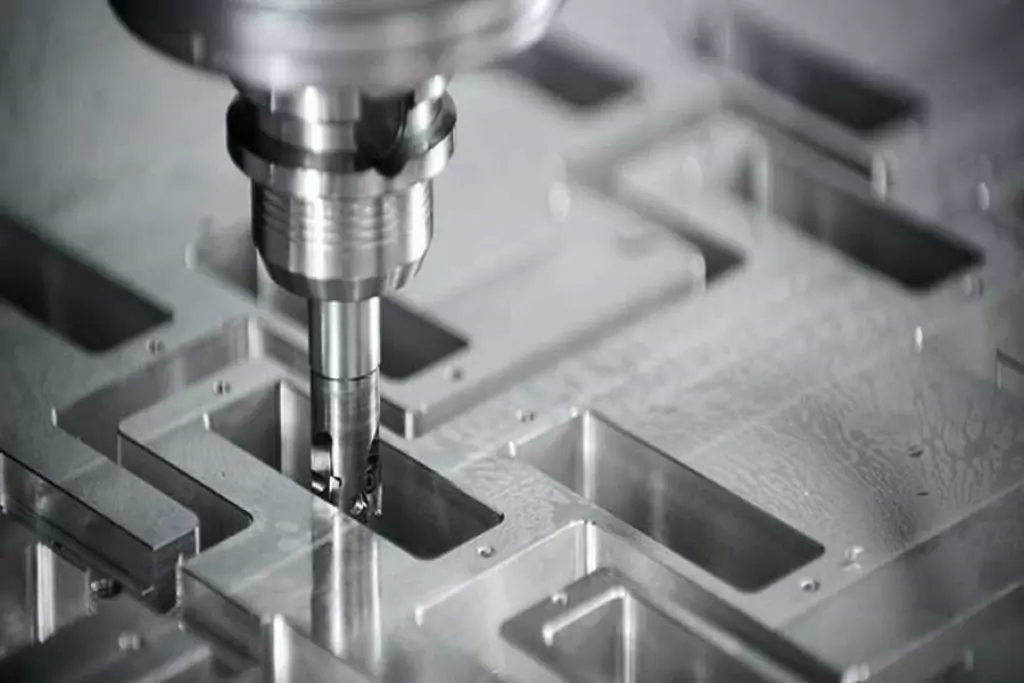
-
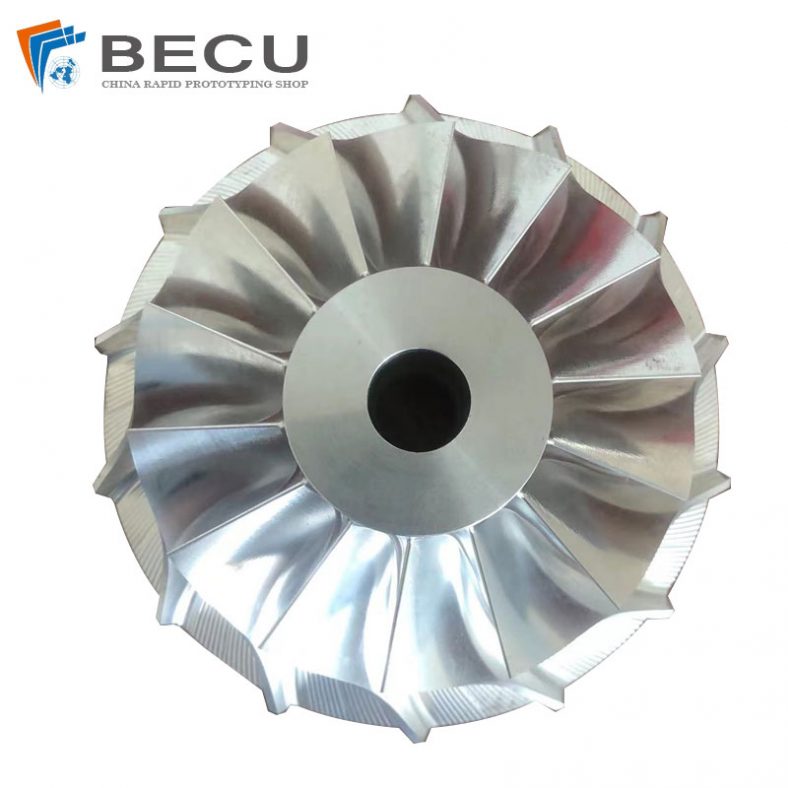
3-Way Centrifugal Compressor Closed Impeller By 5 Axis Machining
-
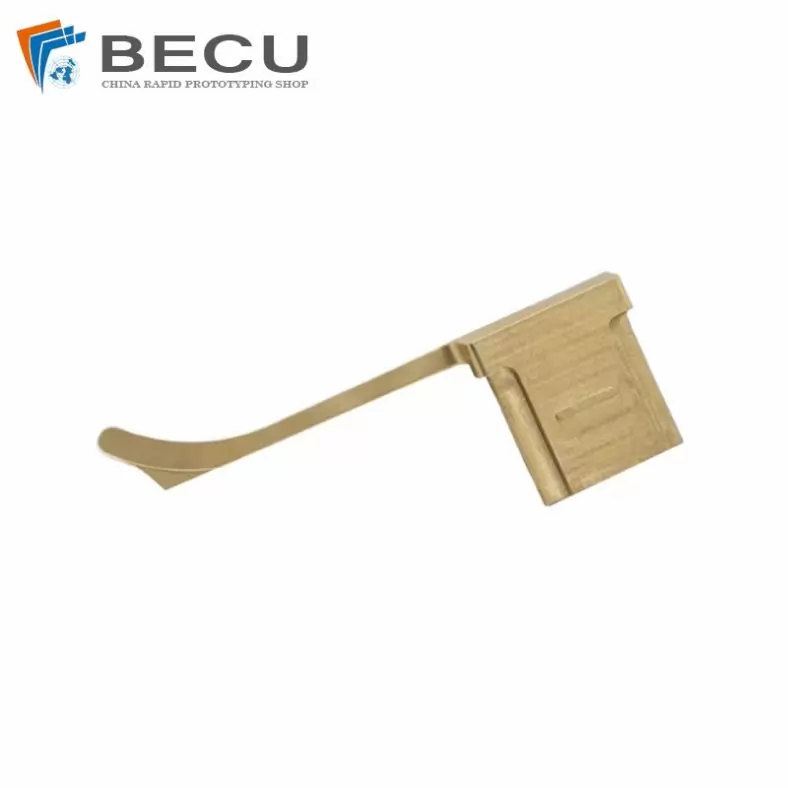
3/4/5 Axis Precision Milling Custom Vehicle Parts
-
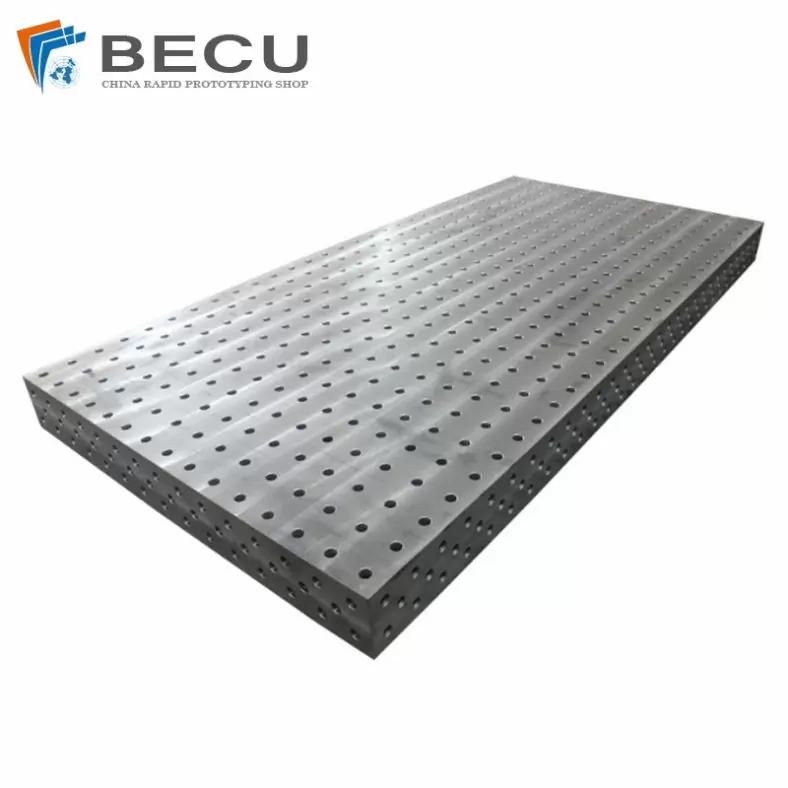
3D Flexible Welding Platform By Large Machining
-
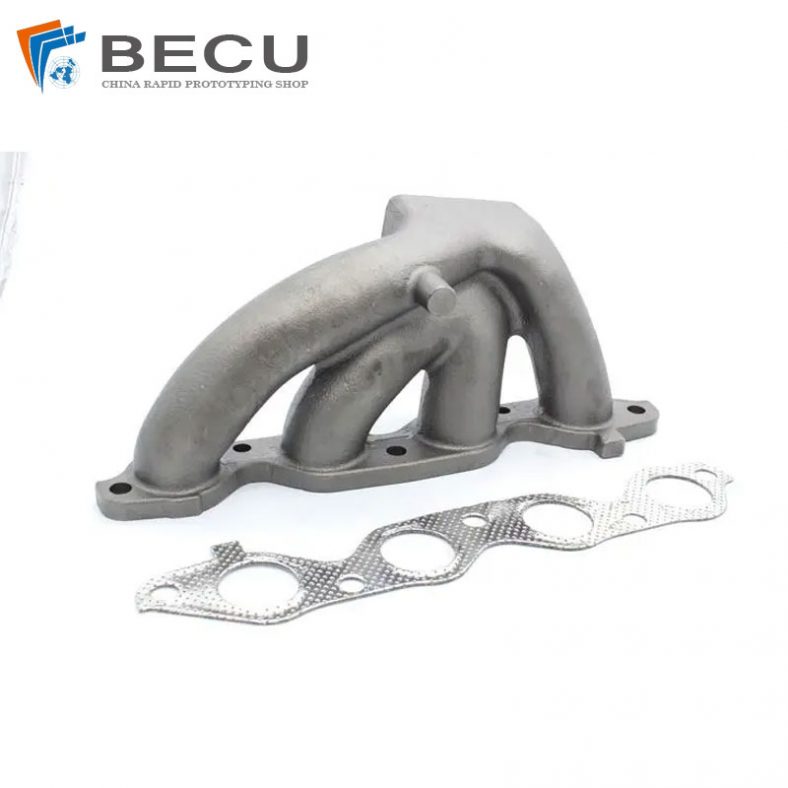
3D Printed Inconel Exhaust Manifold
-
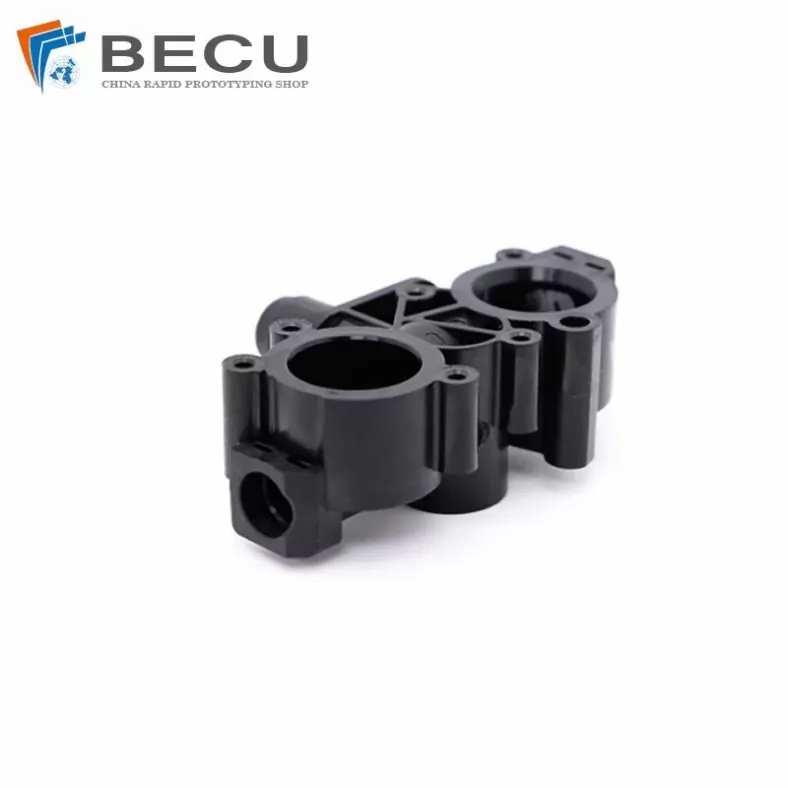
3D Printing And CNC Machining Custom Black PPS Valve
-
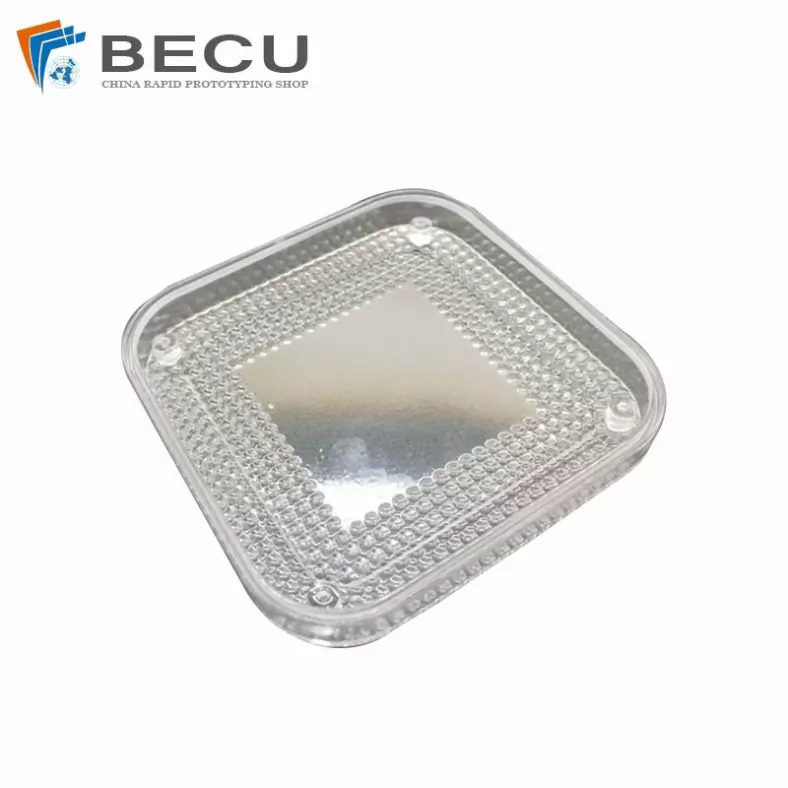
3D Printing Full Transparent Acrylic Lampshade Model
-
4 Axis CNC Machining Titanium Grade 5 Mobile Phone Buttons
-
4 Axis Machining Highly Transparent Acrylic LED Tunnel Light Lens