
CNC (Computer Numerical Control) machining has revolutionized manufacturing processes across a wide array of industries, from aerospace to automotive. One such area where CNC machining has had a profound impact is the production of musical instruments. As an essential part of the modern manufacturing toolkit, CNC machining allows for the precise, repeatable, and efficient creation of various components that are integral to the construction of musical instruments. This article delves into the intricacies of CNC machining for musical instruments, exploring its applications, benefits, challenges, and the types of musical instruments that benefit from this technology.
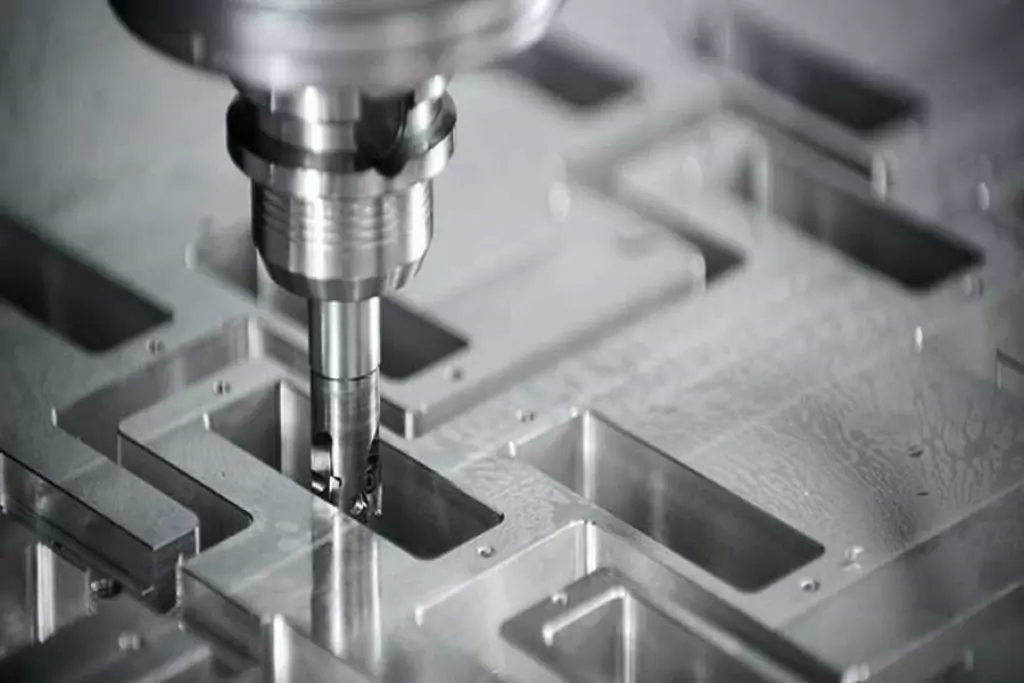
CNC machining refers to the process of using computer-controlled machines to automate the operations of tools such as mills, lathes, routers, and grinders. These machines are programmed to follow specific instructions, enabling them to cut, shape, and finish materials with a high degree of precision. Unlike traditional manual machining, which relies on human operators to control the machines, CNC machining uses pre-programmed software to guide the machine through a series of steps, ensuring that the final product meets exact specifications.
The widespread adoption of CNC machining in industries like automotive and aerospace has also extended to the world of musical instrument manufacturing. CNC allows for the precise crafting of intricate components, including parts for woodwind instruments, brass instruments, stringed instruments, and percussion instruments. The use of CNC technology in the production of musical instruments has significantly improved the consistency and quality of these instruments, while also reducing production time and costs.
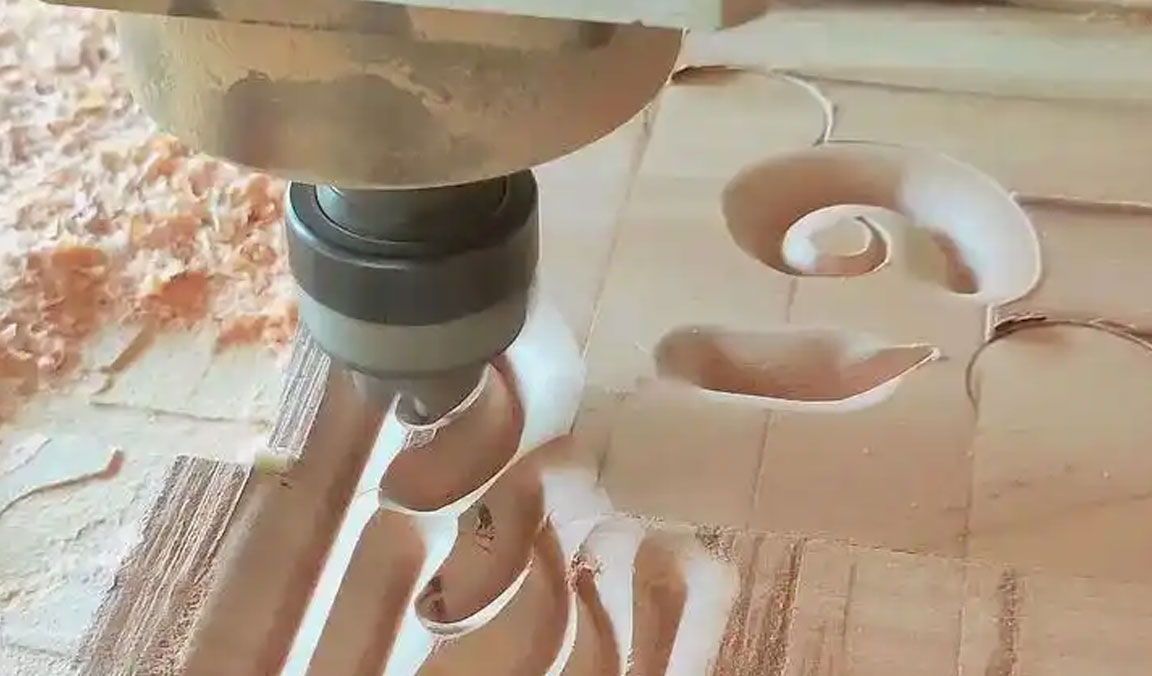
CNC Machining in the Production of Woodwind Instruments
Woodwind instruments are typically made from wood, metal, or a combination of both materials. Common woodwind instruments include flutes, clarinets, saxophones, oboes, and bassoons. Each of these instruments contains a variety of small, intricate components that must be manufactured with precision in order to produce the desired sound.CNC machining plays a critical role in the production of woodwind instruments.
One of the most common applications is in the creation of keywork, the system of levers and rods that allow the musician to open and close the tone holes of the instrument.Keywork must be made to exact specifications to ensure that the keys operate smoothly and consistently, and CNC machining is particularly well-suited for this task. By using a CNC mill or CNC lathe, manufacturers can produce the rods, pads, and keys with an accuracy that is difficult to achieve with manual methods.
Another component that benefits from CNC machining is the body of the instrument. For example, in the case of a flute, the body is typically made from a high-grade metal such as silver, gold, or platinum. CNC machines can be used to carve, shape, and finish the metal tubing to the precise dimensions required for optimal tone production. Similarly, the key cups, springs, and other mechanical components can be fabricated using CNC technology, ensuring that each part fits perfectly and operates with minimal friction.
CNC technology also allows manufacturers to create custom woodwind parts for players who require personalized instruments. Whether it is a specific key configuration, special embouchure hole size, or unique aesthetic features, CNC machines can be programmed to accommodate these requirements, providing musicians with instruments that are tailored to their exact needs.
CNC Machining for Brass Instruments
Brass instruments, such as trumpets, trombones, tubas, and French horns, are typically made from brass or other copper alloys.
The manufacturing process for brass instruments involves creating a number of parts, including the valves, tubing, mouthpieces, and bells. CNC machining is widely used to produce these components due to the high precision required to ensure that the instrument functions correctly.
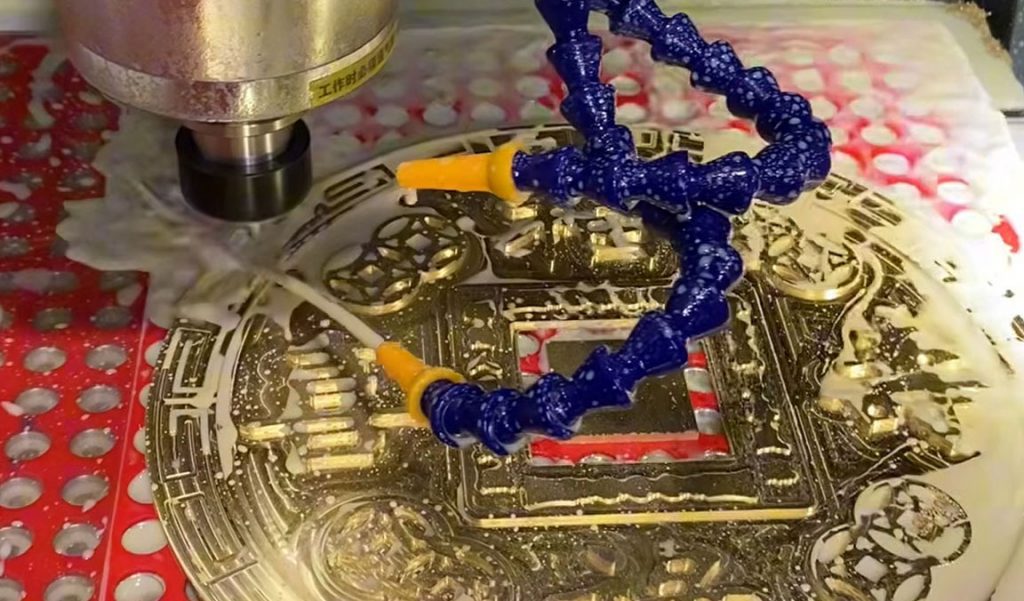
The valves in brass instruments are perhaps one of the most complex parts to manufacture. These valves must be made to extremely tight tolerances in order to allow for smooth operation and accurate pitch control. CNC lathes and mills are commonly used to machine the valve bodies, valve pistons, and valve caps, ensuring that each piece fits precisely and works flawlessly.
Similarly, the tubing of brass instruments is critical to their sound production. CNC machines are capable of producing the smooth, consistent curves that are required for the long brass tubes of instruments like trumpets and trombones. The precision of CNC machining allows for a more accurate formation of these tubes, which in turn improves the instrument’s tonal quality.
Another key aspect of brass instrument manufacturing is the bell. The bell is the flared end of the instrument that helps amplify the sound produced by the player’s lips. CNC machines are used to create the intricate shaping and tapering required to produce a bell that functions effectively. The use of CNC technology ensures that the bell maintains consistent thickness and shape, which is critical for producing the desired resonance and tonal characteristics.
Mouthpieces for brass instruments are also commonly produced using CNC machining. Mouthpieces must be carefully shaped to ensure comfort for the player and optimal sound production. CNC lathes are used to create the precise curves, contours, and tapering that are needed to create a comfortable and functional mouthpiece.
CNC Machining in Stringed Instrument Manufacturing
Stringed instruments, including guitars, violins, cellos, and basses, are primarily made from wood, though some modern instruments also incorporate metal and plastic components. The production of stringed instruments involves a combination of woodworking and metalworking, with CNC technology playing a significant role in both.In the production of guitars, for example, CNC routers are commonly used to carve the body, neck, and headstock from wood or composite materials.
The accuracy of CNC routers allows for the creation of highly detailed contours and shapes, which are crucial for the aesthetic and functional aspects of the instrument.For acoustic guitars, CNC machines are often used to cut and shape the top, back, and side panels, which are then joined together to form the body.
CNC machining is also essential for the production of the neck and fingerboard of stringed instruments. The neck must be precisely shaped to provide the correct angle and curvature, ensuring that the strings are positioned at the proper height above the fretboard. CNC lathes and mills are used to create the required contours and slots for the frets, and CNC machines can even be used to inlay materials like mother-of-pearl into the fingerboard to create decorative patterns.
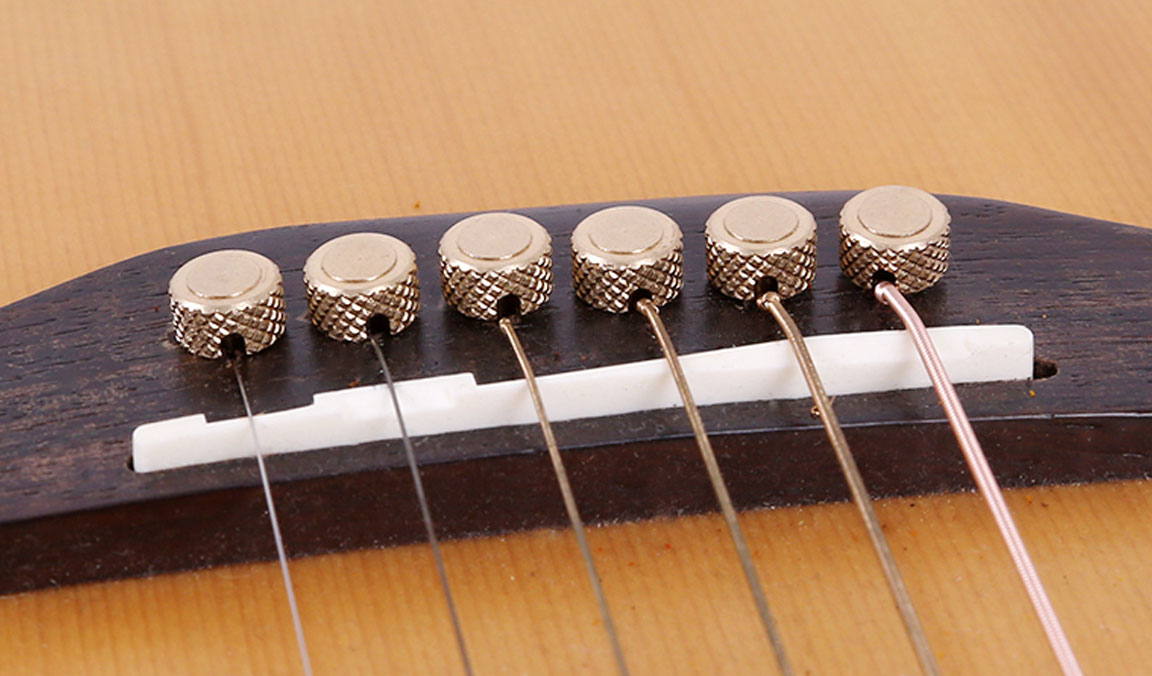
Another key area where CNC technology plays a role in stringed instrument manufacturing is the production of metal parts such as tuning machines, bridge saddles, and tailpieces. These components are often made from brass, steel, or other alloys, and CNC machining allows manufacturers to create these parts with high precision. For example, tuning machines require fine threads to allow for smooth adjustment of the pitch, and CNC machines can be programmed to produce these threads with exceptional accuracy.
CNC Machining in Percussion Instruments
Percussion instruments, such as drums, cymbals, and tambourines, require a wide variety of components, many of which benefit from CNC machining.
In the case of drums, CNC machines are commonly used to create the drum shells, which can be made from materials such as wood, metal, or acrylic. CNC routers are used to carve and shape the shell to the precise dimensions required for the instrument, ensuring that the shell has the correct depth and diameter for optimal sound production.
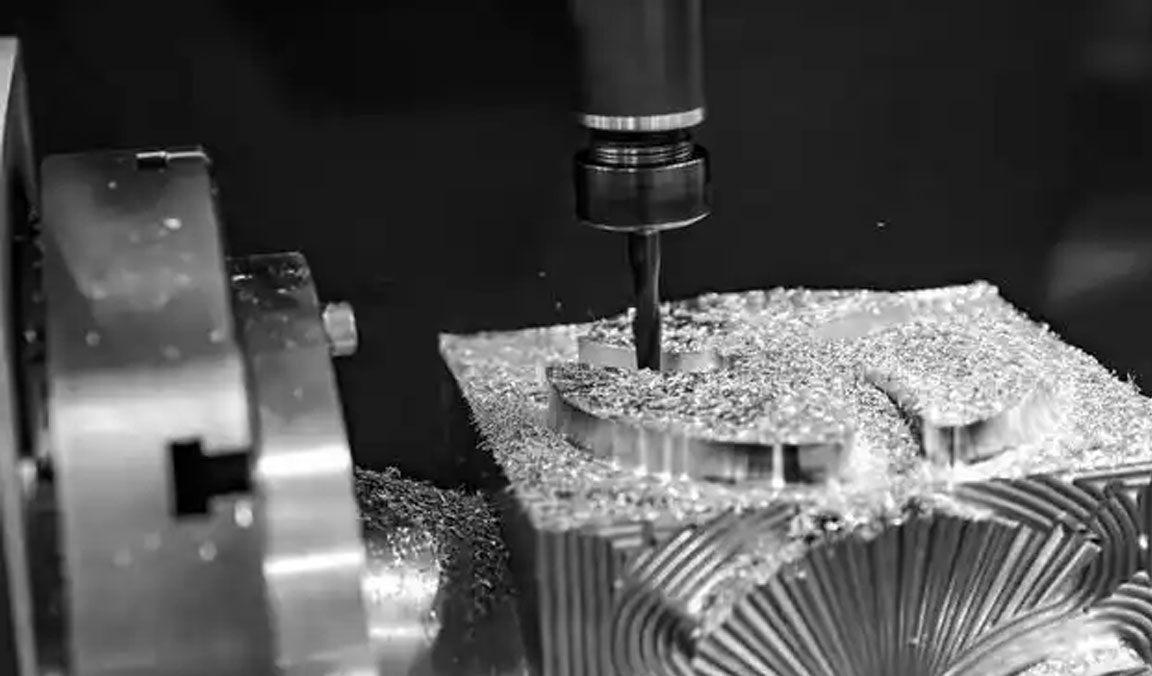
CNC machines are also used to create the hardware for drums, including the drum lugs, tension rods, and hoops. These metal parts must be manufactured to exacting tolerances to ensure that they fit together properly and allow for precise tuning of the drumhead. CNC lathes and mills are commonly used to produce these components, which must be both functional and aesthetically pleasing.
For cymbals, CNC machining is used to shape and finish the metal to achieve the desired tonal characteristics. Cymbals are typically made from bronze or other alloys, and the precision of CNC machining allows manufacturers to control the thickness and curvature of the cymbal, which has a significant impact on its sound. CNC machines can also be used to engrave logos, patterns, or other decorative elements onto the surface of the cymbal.
Benefits of CNC Machining in Musical Instrument Production
The primary benefits of using CNC machining in the production of musical instruments include:
- Precision and Accuracy: CNC machines can produce parts to extremely tight tolerances, ensuring that components fit together perfectly and function as intended. This is particularly important for musical instruments, where even minor variations in dimensions can have a significant impact on sound quality and playability.
- Repeatability: CNC machining allows for the mass production of musical instrument components with consistent quality. Once a part is programmed into the CNC machine, it can be reproduced repeatedly with identical results, making it ideal for high-volume production runs.
- Complex Geometries: CNC machines can create complex shapes and geometries that would be difficult or impossible to achieve with traditional manual machining methods. This capability is particularly useful for crafting intricate components, such as keywork for woodwind instruments or the bell of a brass instrument.
- Efficiency: CNC machines can operate continuously without the need for breaks, resulting in faster production times and reduced labor costs. Additionally, the automation of the manufacturing process reduces the risk of human error, improving overall efficiency.
- Customization: CNC machining allows for the customization of musical instruments to meet the specific needs of individual musicians. Whether it is a custom key configuration for a woodwind instrument or a unique neck profile for a guitar, CNC technology can accommodate these requests.
- Material Versatility: CNC machines can work with a wide variety of materials, from wood and metal to composites and plastics. This flexibility allows manufacturers to produce musical instruments that are not only functional but also aesthetically appealing.
Challenges of CNC Machining for Musical Instruments
While CNC machining offers numerous advantages, there are also challenges associated with its use in musical instrument production. One of the primary challenges is the cost of CNC equipment and software. CNC machines can be expensive to purchase and maintain, and manufacturers must invest in skilled operators who are proficient in programming and operating these machines.
Another challenge is the potential for over-reliance on automation. While CNC machining is an excellent tool for producing precise components, it cannot fully replace the artistry and craftsmanship that is often required in the production of high-quality musical instruments. Many traditional instrument makers still rely on handcrafting techniques to add subtle nuances to the instrument’s sound and appearance. Balancing the efficiency and precision of CNC machining with the artistry of manual craftsmanship is an ongoing challenge for manufacturers.
Conclusion
CNC machining has become an indispensable tool in the production of musical instruments, providing manufacturers with the ability to create high-quality components with precision, efficiency, and repeatability. From woodwind and brass instruments to stringed and percussion instruments, CNC technology has allowed for significant improvements in the consistency and performance of musical instruments. As CNC machining continues to evolve, it will likely play an even greater role in the future of musical instrument production, enabling manufacturers to create instruments that are not only functional but also highly personalized to meet the needs of musicians. The marriage of advanced technology and traditional craftsmanship will ensure that musical instruments continue to meet the highest standards of quality and sound for years to come.
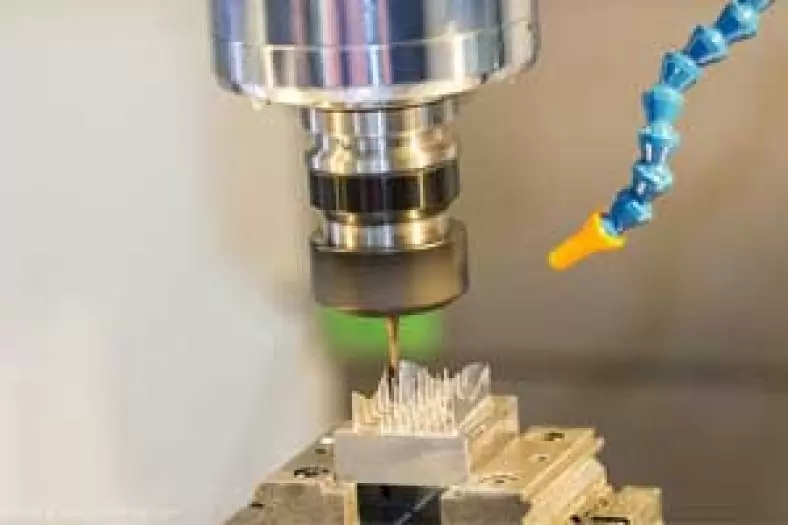
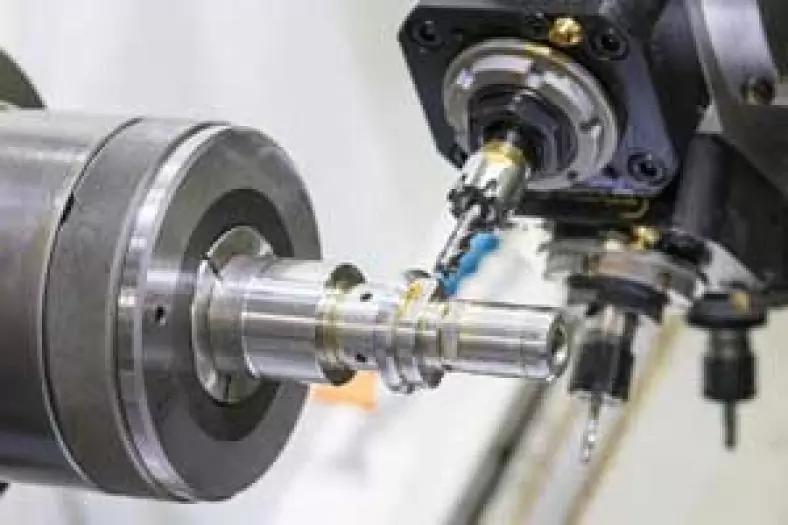
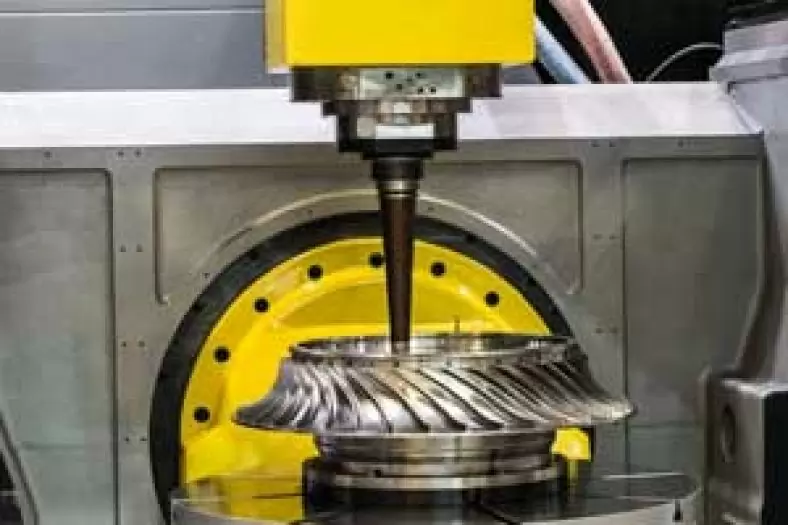
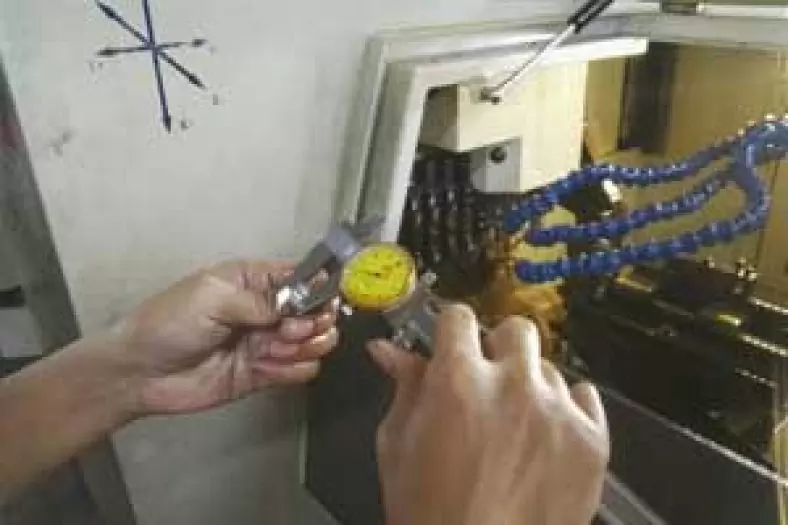
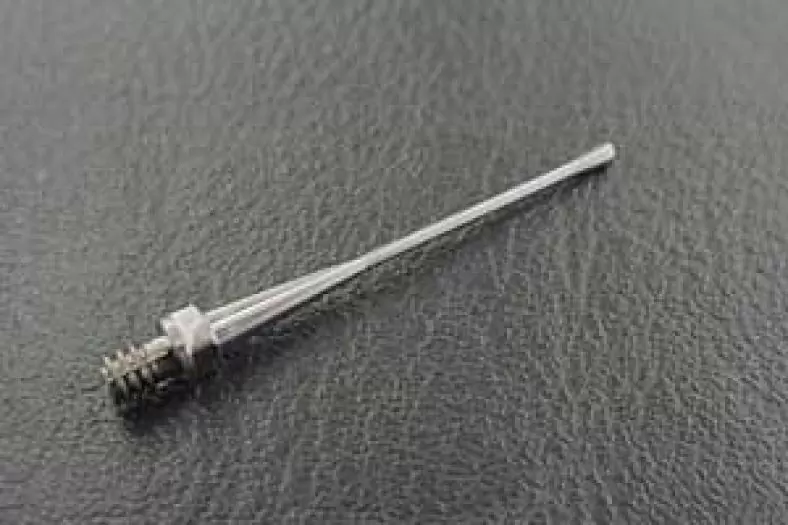
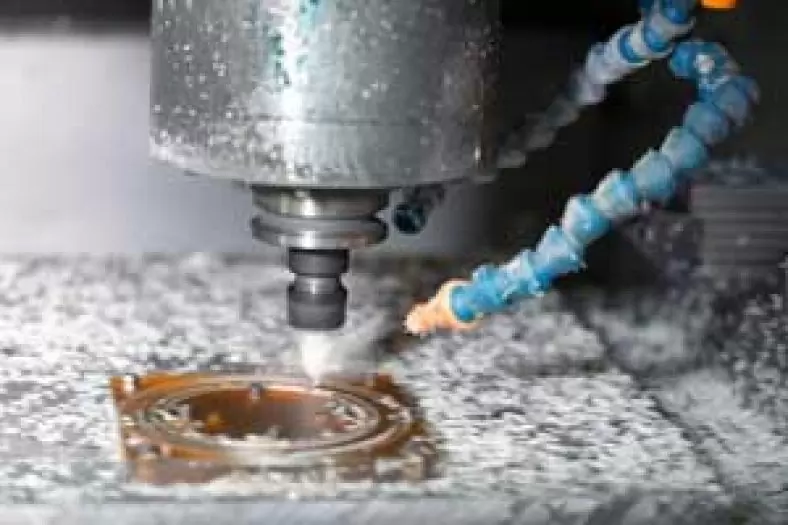
The Detail Of BE-CU Cnc Machining Shop
BE-CU.COM – As an accomplished CNC machining Service Manufacturer and CNC shop, BE-CU Prototype has been specialized in OEM CNC lathing, custom CNC machining parts production and rapid CNC machining services China for over 35 years and always maintaining the highest standard in delivery speed and reliable quality of precision CNC manufacturing components. With the help of high-level technology and efficient equipment, as well as rigorous attitude, BE-CU passed the ISO9001:2015 quality certification, which supports the long-term development of CNC milling services, CNC turning services, CNC milling-turning, CNC drilling services, 3/4/5 axis machining, gear machining services, CNC machining China custom parts and service, small parts machining, etc.Our CNC machining products can be utilized in a broad range of industries. Contact us for email: [email protected]
-
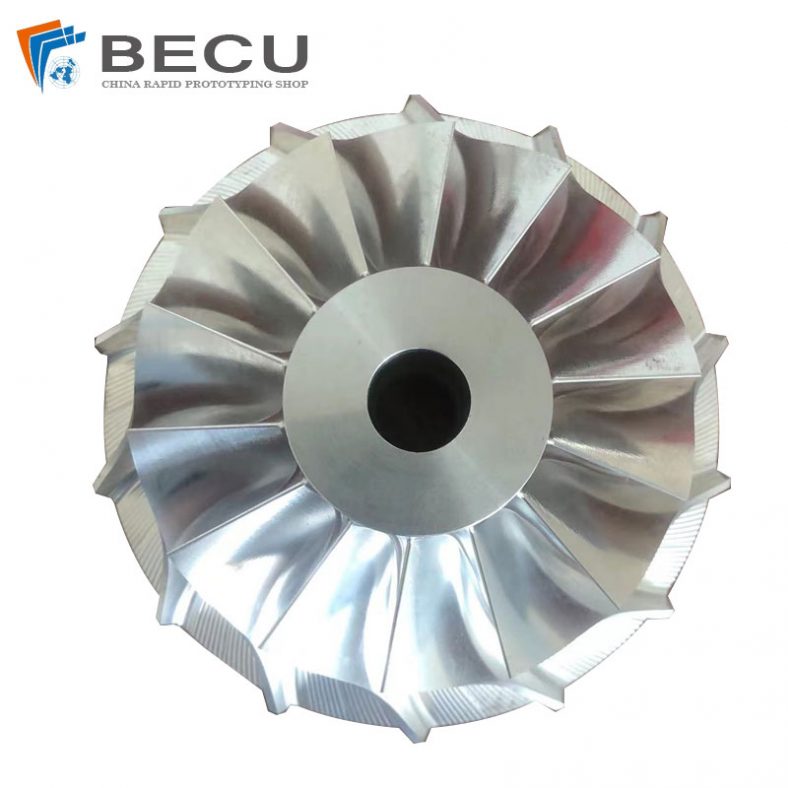
3-Way Centrifugal Compressor Closed Impeller By 5 Axis Machining
-
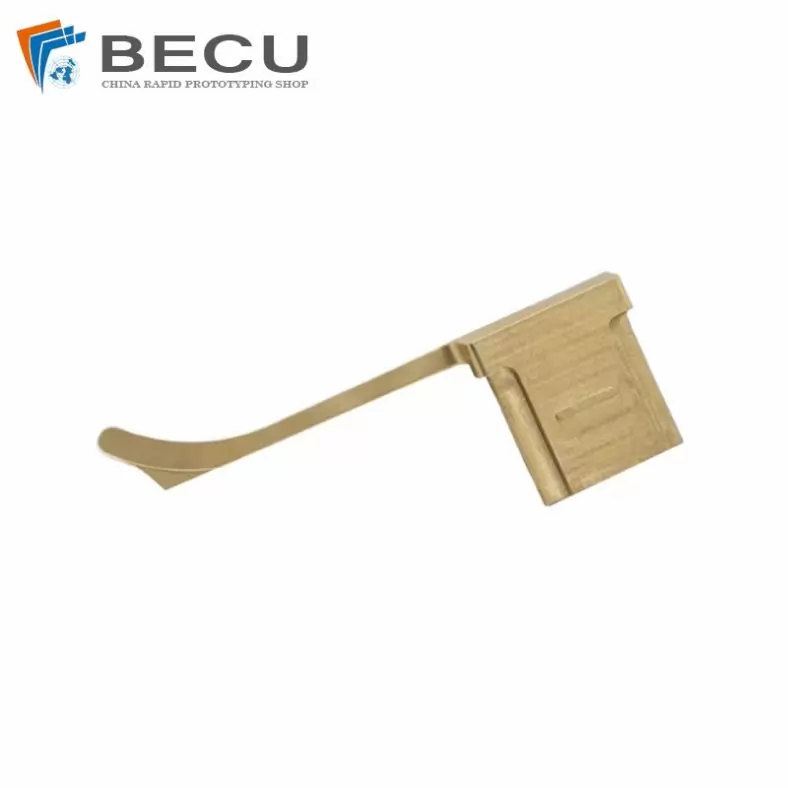
3/4/5 Axis Precision Milling Custom Vehicle Parts
-
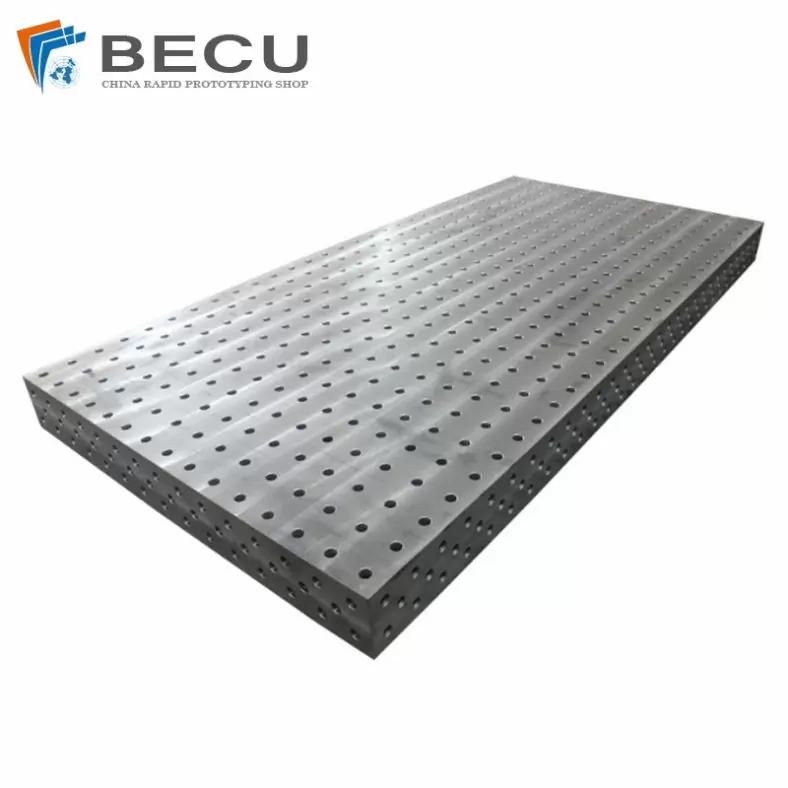
3D Flexible Welding Platform By Large Machining
-
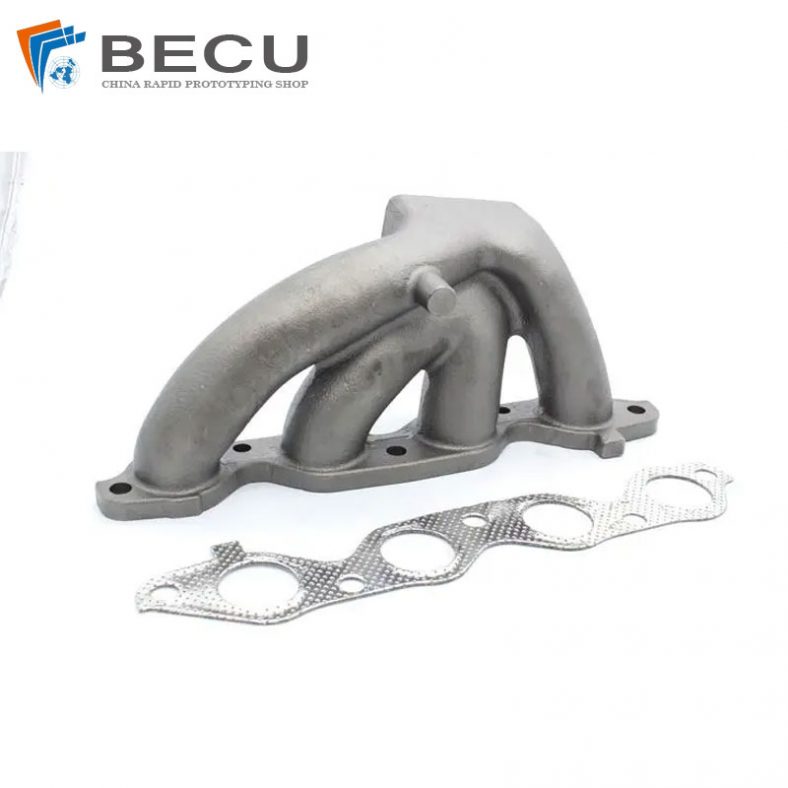
3D Printed Inconel Exhaust Manifold
-
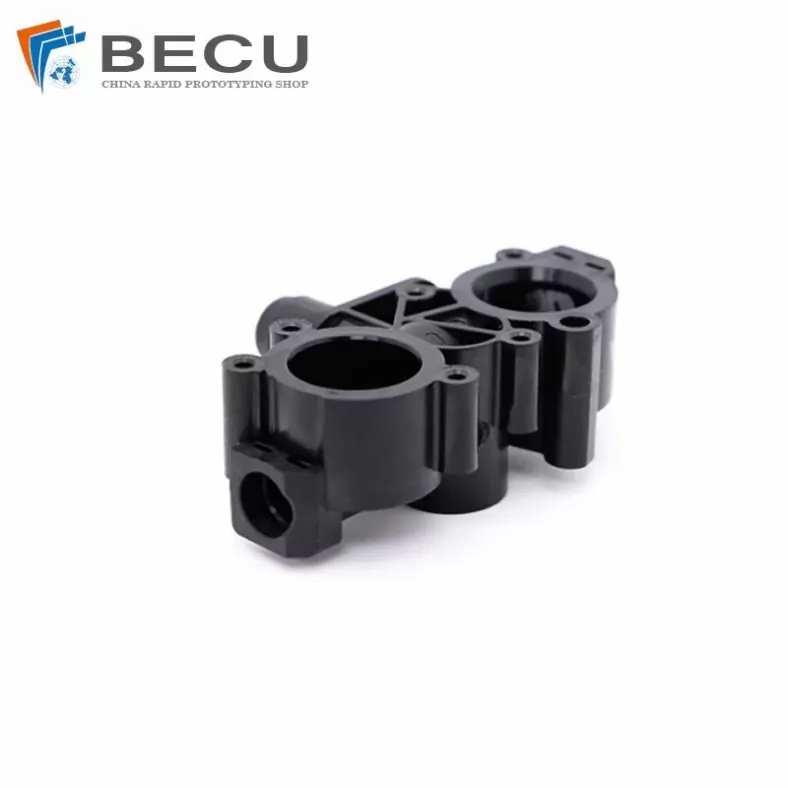
3D Printing And CNC Machining Custom Black PPS Valve
-
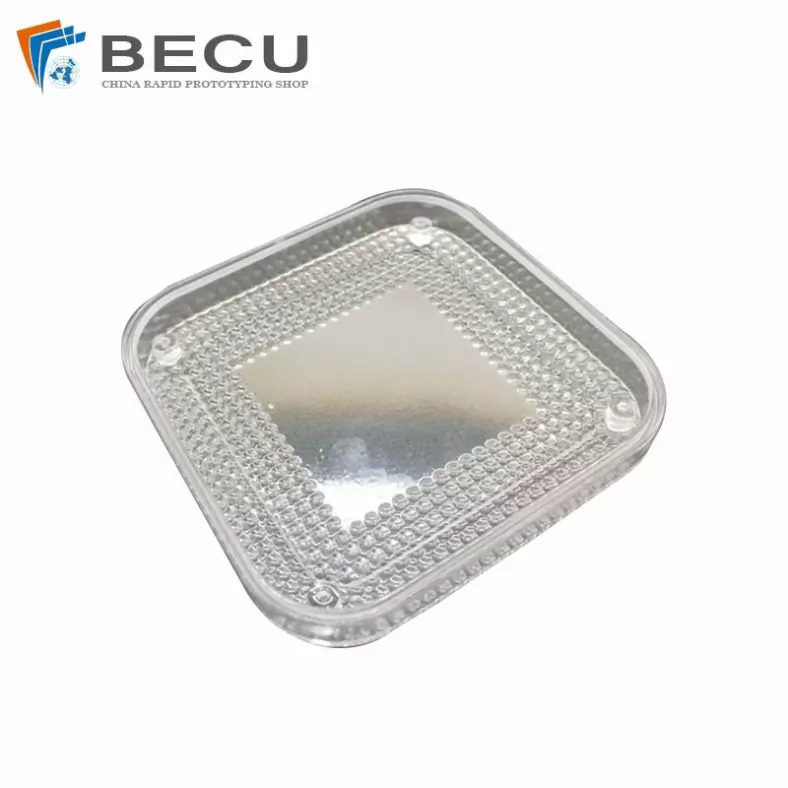
3D Printing Full Transparent Acrylic Lampshade Model
-
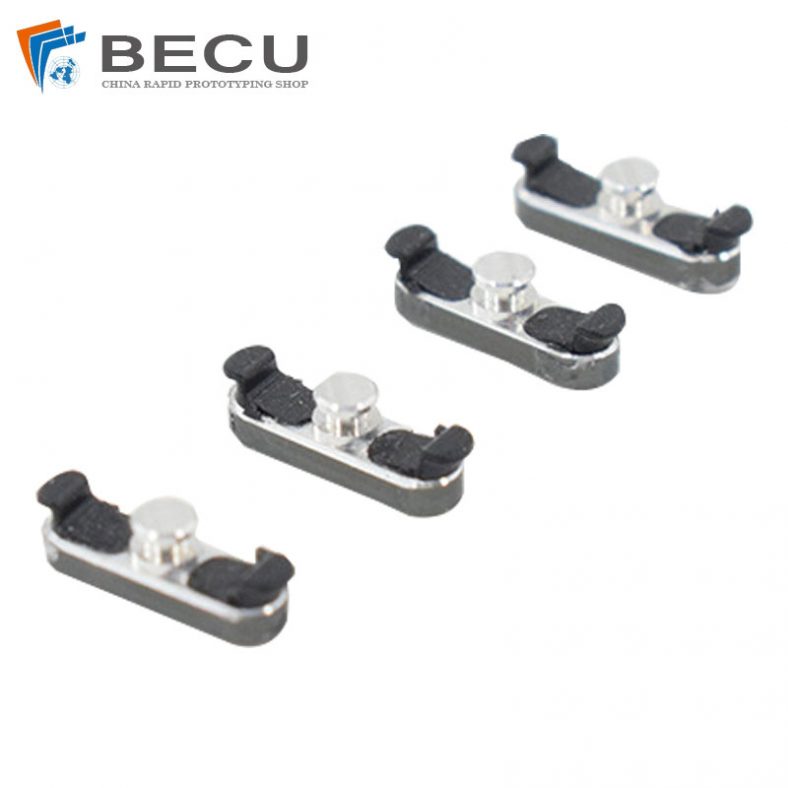
4 Axis CNC Machining Titanium Grade 5 Mobile Phone Buttons
-
4 Axis Machining Highly Transparent Acrylic LED Tunnel Light Lens