
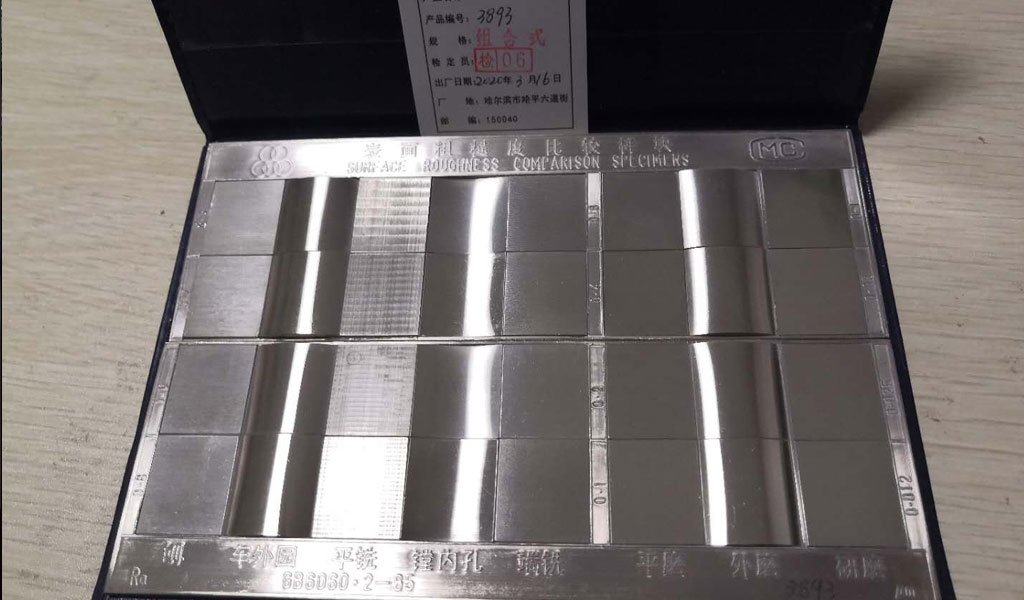
Surface roughness, a key aspect of material and manufacturing science, plays a crucial role in determining the quality, function, and performance of machined parts across industries. The measurement and specification of surface roughness are essential for various applications, from automotive manufacturing to aerospace components, electronics, and medical devices.
Surface roughness is quantified using parameters that reflect the texture and characteristics of a material’s surface. These parameters are widely used to define and control the finish of parts, influencing their durability, friction, and aesthetic quality.
The United States and China, two of the largest manufacturing hubs in the world, utilize different systems to measure and specify surface roughness. These systems, while fundamentally measuring the same physical phenomenon, employ distinct unit types, measurement techniques, and standardization protocols. For global manufacturers and businesses involved in cross-border trade, understanding how to convert surface roughness between the American and Chinese systems is vital. Misunderstandings in roughness specification can lead to product failures, rework, or delays, especially when precise surface finishes are required for critical applications.
In this article, we will explore the differences between the surface roughness systems used in the United States and China, delve into the conversion process between these systems, and provide scientific tables and methodologies to help engineers and manufacturers navigate these differences. The content will cover key parameters used in surface roughness measurement, the conversion of these values, and the implications of these differences in real-world applications.
Surface Roughness Parameters
The primary parameters used to define surface roughness include Ra (average roughness), Rz (average maximum height), and Rq (root mean square roughness). Each parameter provides different information about the surface profile. Ra, for example, is the arithmetic mean of the absolute deviations of the profile height from the mean line over a specified length. Rz, on the other hand, considers the average of the five highest peaks and the five deepest valleys over a specified length.
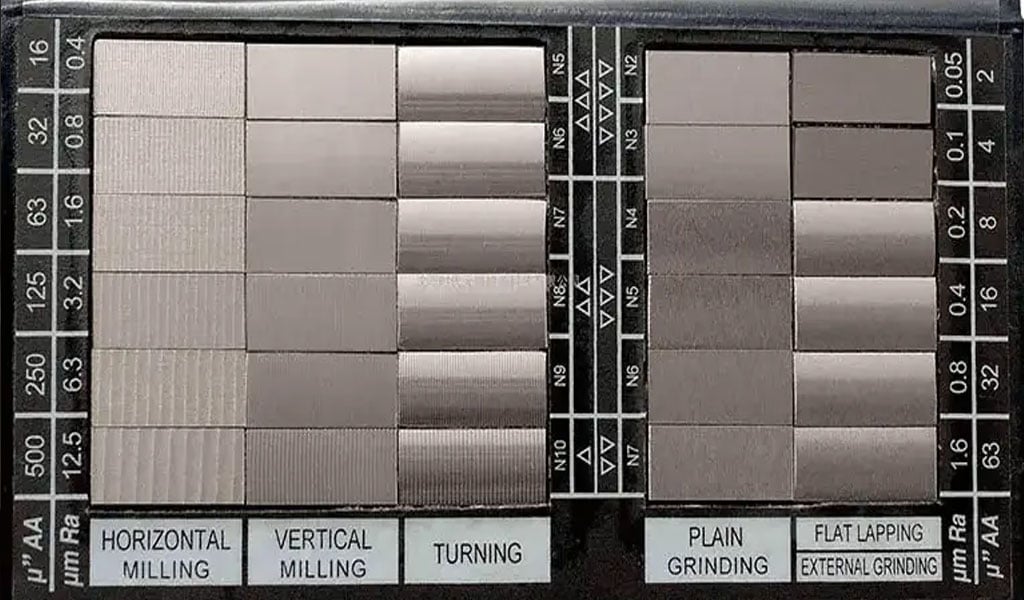
In the United States, the American National Standards Institute (ANSI) defines surface roughness through a set of standards, while in China, the Chinese National Standards (GB) are used. The measurement of these parameters may be expressed in micrometers (µm) or microinches (µin), depending on the country of origin. In the United States, surface roughness is often specified in microinches (µin), whereas in China, the specification is typically given in micrometers (µm), with conversion necessary for international collaboration.
In the following sections, we will compare the key roughness parameters used in the United States and China, highlighting the differences in both measurement and conversion methods. We will also look at how these measurements are implemented in various industries and their implications for quality control.
Surface Roughness Standards in the United States
In the United States, the American Society of Mechanical Engineers (ASME) and the American National Standards Institute (ANSI) are the governing bodies for surface roughness standards. The most commonly used roughness parameters in American standards are:
- Ra (Arithmetic Average Roughness): This is the most widely used roughness parameter in the U.S. industry. Ra is calculated by averaging the absolute deviations of the surface profile from the mean line. It provides a simple and effective measure of the overall surface texture.
- Rz (Average Maximum Height of the Profile): Rz measures the average of the five highest peaks and five lowest valleys within a sampling length. It is particularly useful in specifying the surface profile of materials that are subject to significant wear.
- Rq (Root Mean Square Roughness): This is similar to Ra but uses the square of the deviations rather than the absolute value. Rq is more sensitive to extreme variations in surface roughness, making it suitable for high-precision applications.
The United States uses both the microinch (µin) and micrometer (µm) units for these roughness measurements, although the former is more common for industrial applications. The conversion between these units is straightforward, as 1 microinch is equivalent to 0.0254 micrometers.
Surface Roughness Standards in China
In China, surface roughness is primarily specified using the GB (Guobiao) standard system, which is based on the metric system. The most commonly used roughness parameters in the Chinese system are similar to those used in the United States but are expressed in micrometers (µm). These parameters include:
- Ra (Arithmetic Average Roughness): Like the U.S. standard, Ra in China is defined as the arithmetic average of the absolute deviations from the mean line. It is the most commonly used parameter for specifying surface roughness in China.
- Rz (Average Maximum Height): Rz in the Chinese system follows the same principle as the U.S. system, measuring the average of the highest peaks and lowest valleys in the surface profile.
- Rq (Root Mean Square Roughness): This parameter is also used in China and is calculated in the same way as the U.S. system, but it is always expressed in micrometers.
The primary difference between the U.S. and Chinese systems is the use of micrometers (µm) instead of microinches (µin). The Chinese system is generally more standardized in its use of the metric system, and surface roughness is specified with higher precision due to the finer unit increments.
Conversion Between U.S. and Chinese Surface Roughness
To facilitate international manufacturing and ensure compatibility between the American and Chinese systems, accurate conversion of surface roughness values between microinches (µin) and micrometers (µm) is essential. The conversion formulas are as follows:Ra/Rz/Rq Conversion:
- Ra (µm)=Ra (µin)×0.0254
- Ra (µin)=Ra (µm)×39.37
These conversions allow manufacturers to accurately compare and translate roughness specifications between U.S. and Chinese standards, ensuring that parts meet the required surface finish criteria regardless of the country of origin.
United States Surface Roughness Standards
In the United States, the American National Standards Institute (ANSI) and the American Society of Mechanical Engineers (ASME) have established standards for surface roughness. The most widely used standard is ANSI/ASME B46.1, which defines surface texture parameters and provides guidelines for their measurement and interpretation. This standard specifies various roughness parameters, including Ra, Rz, and Rq, and outlines the methods for measuring these parameters using stylus profilometers, optical profilometers, and other instruments.
The ANSI/ASME B46.1 standard classifies surface roughness into different grades, each corresponding to a range of Ra values. These grades are often used in engineering drawings and specifications to indicate the required surface finish. The following table summarizes the surface roughness grades according to ANSI/ASME B46.1:
| Grade | Ra (µm) | Ra (µin) |
|---|---|---|
| N1 | 0.025 | 1 |
| N2 | 0.05 | 2 |
| N3 | 0.1 | 4 |
| N4 | 0.2 | 8 |
| N5 | 0.4 | 16 |
| N6 | 0.8 | 32 |
| N7 | 1.6 | 63 |
| N8 | 3.2 | 125 |
| N9 | 6.3 | 250 |
| N10 | 12.5 | 500 |
| N11 | 25 | 1000 |
| N12 | 50 | 2000 |
Chinese Surface Roughness Standards
In China, the national standard for surface roughness is GB/T 1031, which is equivalent to the international standard ISO 1302. This standard defines the parameters for surface texture and provides methods for their measurement. Similar to the ANSI/ASME B46.1 standard, GB/T 1031 classifies surface roughness into different grades based on Ra values. The following table summarizes the surface roughness grades according to GB/T 1031:
| Grade | Ra (µm) | Ra (µin) |
|---|---|---|
| N1 | 0.025 | 1 |
| N2 | 0.05 | 2 |
| N3 | 0.1 | 4 |
| N4 | 0.2 | 8 |
| N5 | 0.4 | 16 |
| N6 | 0.8 | 32 |
| N7 | 1.6 | 63 |
| N8 | 3.2 | 125 |
| N9 | 6.3 | 250 |
| N10 | 12.5 | 500 |
| N11 | 25 | 1000 |
| N12 | 50 | 2000 |
Conversion Between United States and Chinese Standards
The conversion between the United States and Chinese surface roughness standards involves understanding the equivalence of the Ra values specified in each standard. Since both ANSI/ASME B46.1 and GB/T 1031 use the same Ra values for their respective grades, the conversion is straightforward. The following table provides a direct comparison of the surface roughness grades between the two standards:
| ANSI/ASME B46.1 Grade | GB/T 1031 Grade | Ra (µm) | Ra (µin) |
|---|---|---|---|
| N1 | N1 | 0.025 | 1 |
| N2 | N2 | 0.05 | 2 |
| N3 | N3 | 0.1 | 4 |
| N4 | N4 | 0.2 | 8 |
| N5 | N5 | 0.4 | 16 |
| N6 | N6 | 0.8 | 32 |
| N7 | N7 | 1.6 | 63 |
| N8 | N8 | 3.2 | 125 |
| N9 | N9 | 6.3 | 250 |
| N10 | N10 | 12.5 | 500 |
| N11 | N11 | 25 | 1000 |
| N12 | N12 | 50 | 2000 |
Measurement Techniques
The measurement of surface roughness involves various techniques, each with its own advantages and limitations. The most common methods include:
- Stylus Profilometry: This method uses a diamond stylus that traverses the surface, measuring the vertical displacement. It is widely used due to its accuracy and reliability.
- Optical Profilometry: This non-contact method uses light to measure surface roughness. It is suitable for delicate surfaces that cannot be touched by a stylus.
- Atomic Force Microscopy (AFM): This high-resolution method uses a cantilever with a sharp tip to scan the surface. It is ideal for measuring nanoscale roughness.
- Scanning Electron Microscopy (SEM): This method provides high-resolution images of the surface, allowing for the visualization of roughness features.
- Interferometry: This optical method uses interference patterns to measure surface roughness. It is highly accurate and suitable for smooth surfaces.
Conclusion
The conversion of surface roughness between the United States and China is a vital topic for international manufacturing. By understanding the differences in measurement units, parameters, and standards, manufacturers can ensure that their products meet the required surface finish specifications, regardless of the geographical location of production.
Accurate conversion tables, such as those provided in this article, allow for seamless communication between engineers and manufacturers in different countries, promoting consistency and quality in global supply chains. The ongoing development of standardization efforts will further bridge the gap between these two large manufacturing economies, enhancing collaboration and efficiency in the global marketplace.




The Detail Of BE-CU Cnc Machining Shop
BE-CU.COM – As an accomplished CNC machining Service Manufacturer and CNC shop, BE-CU Prototype has been specialized in OEM CNC lathing, custom CNC machining parts production and rapid CNC machining services China for over 35 years and always maintaining the highest standard in delivery speed and reliable quality of precision CNC manufacturing components. With the help of high-level technology and efficient equipment, as well as rigorous attitude, BE-CU passed the ISO9001:2015 quality certification, which supports the long-term development of CNC milling services, CNC turning services, CNC milling-turning, CNC drilling services, 3/4/5 axis machining, gear machining services, CNC machining China custom parts and service, small parts machining, etc.Our CNC machining products can be utilized in a broad range of industries. Contact us for email: [email protected]
-
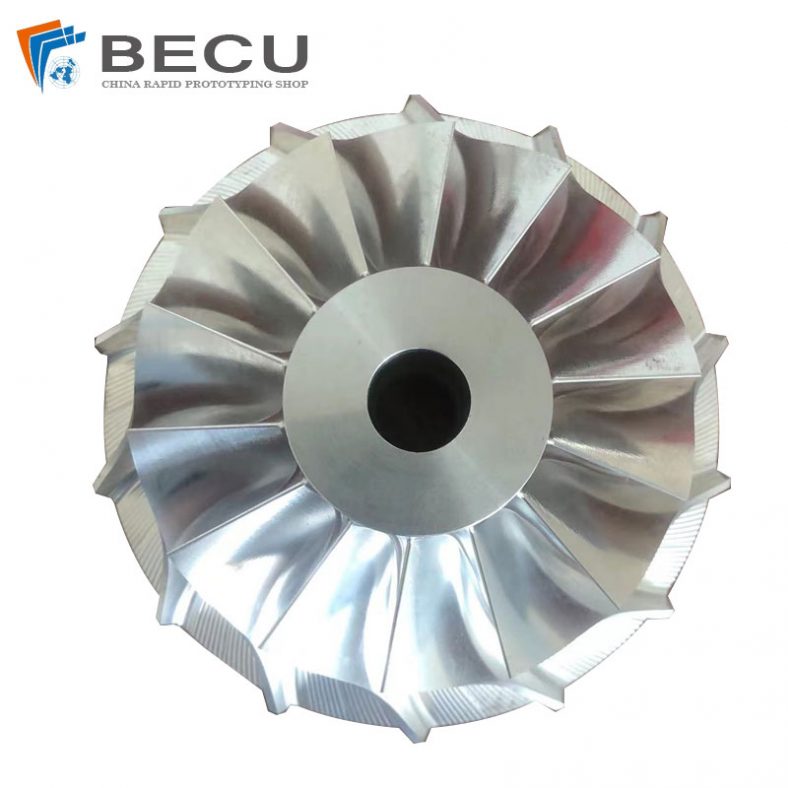
3-Way Centrifugal Compressor Closed Impeller By 5 Axis Machining
-

3/4/5 Axis Precision Milling Custom Vehicle Parts
-
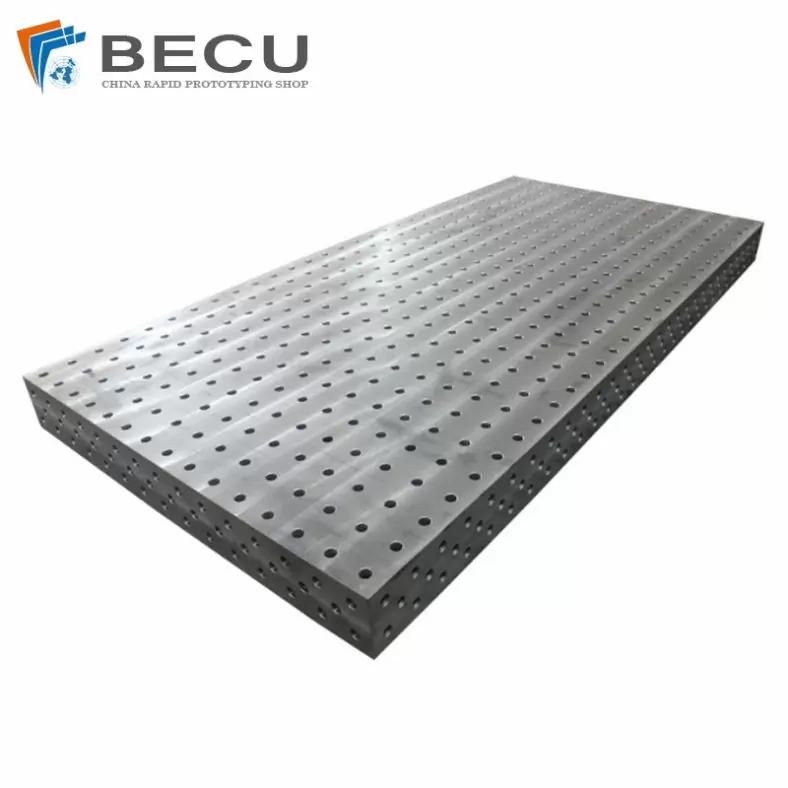
3D Flexible Welding Platform By Large Machining
-
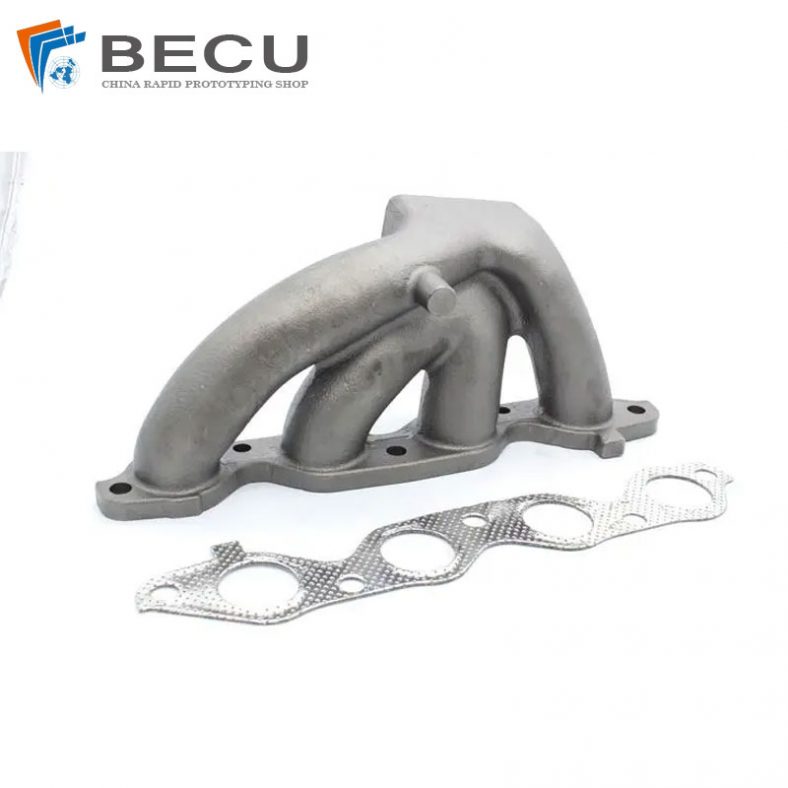
3D Printed Inconel Exhaust Manifold
-
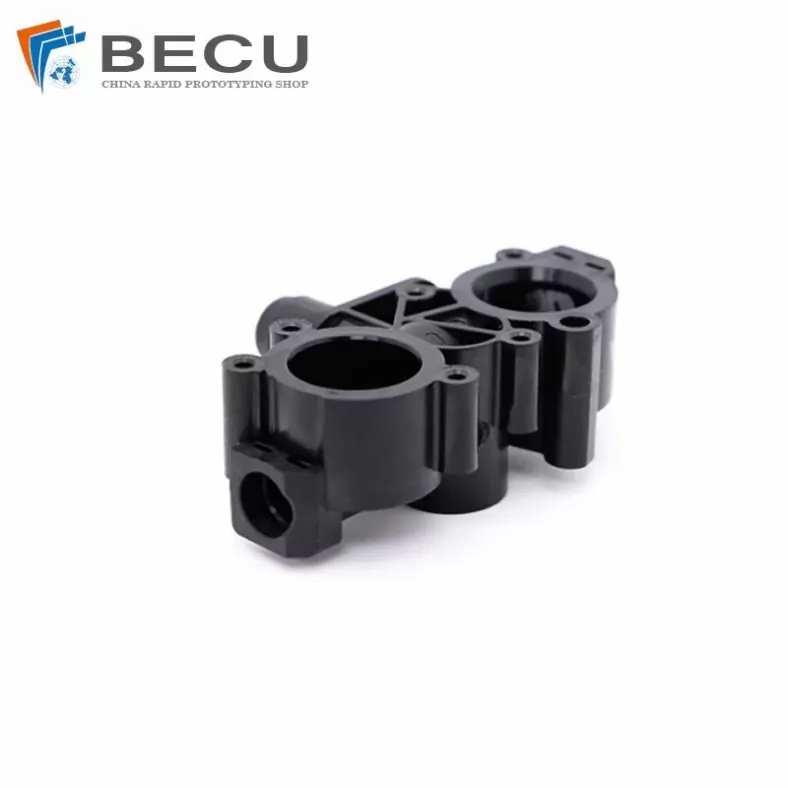
3D Printing And CNC Machining Custom Black PPS Valve
-
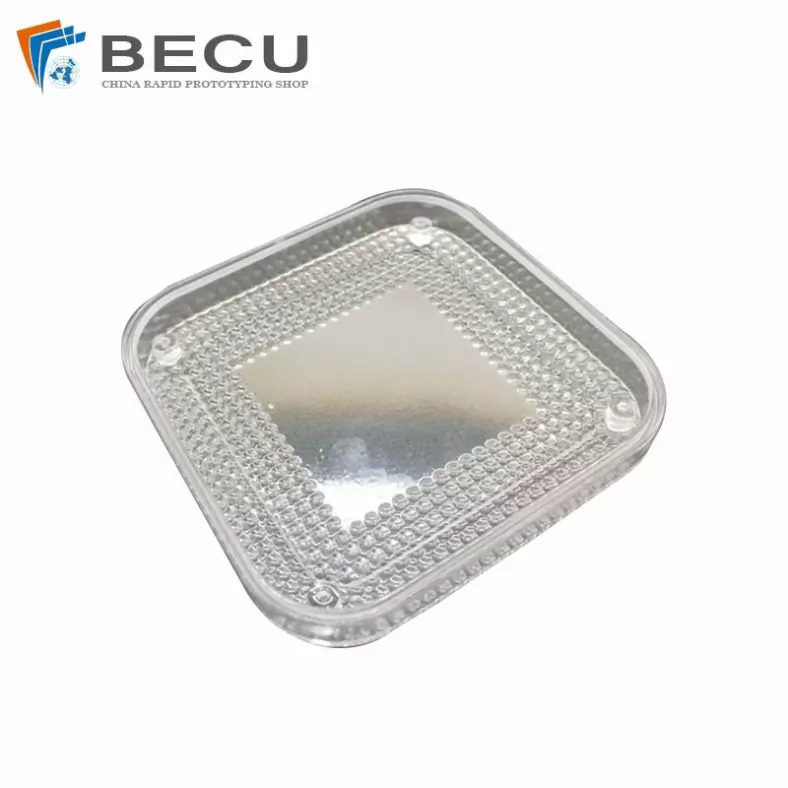
3D Printing Full Transparent Acrylic Lampshade Model
-
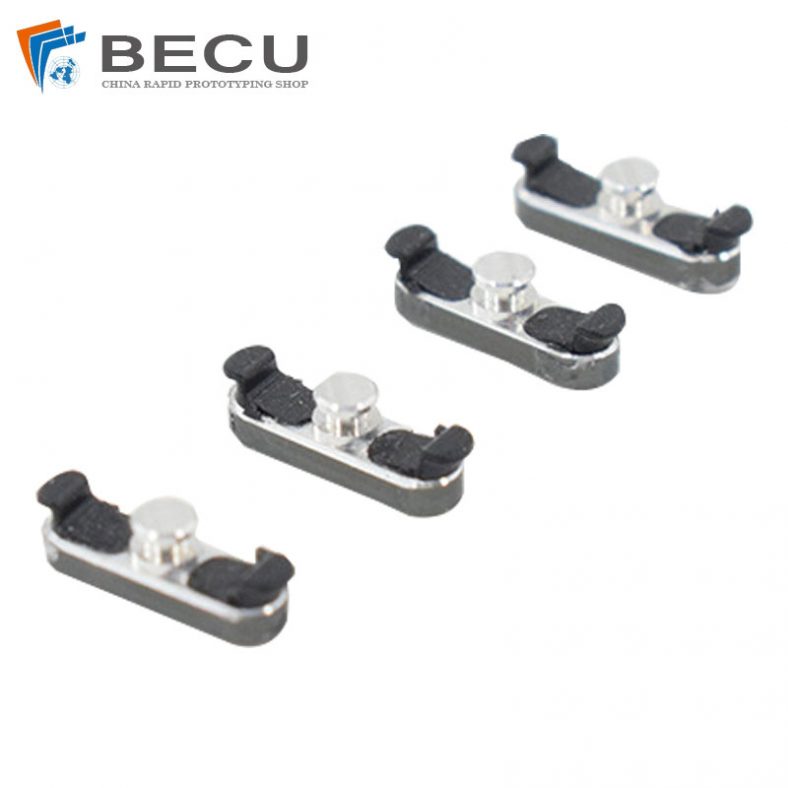
4 Axis CNC Machining Titanium Grade 5 Mobile Phone Buttons
-
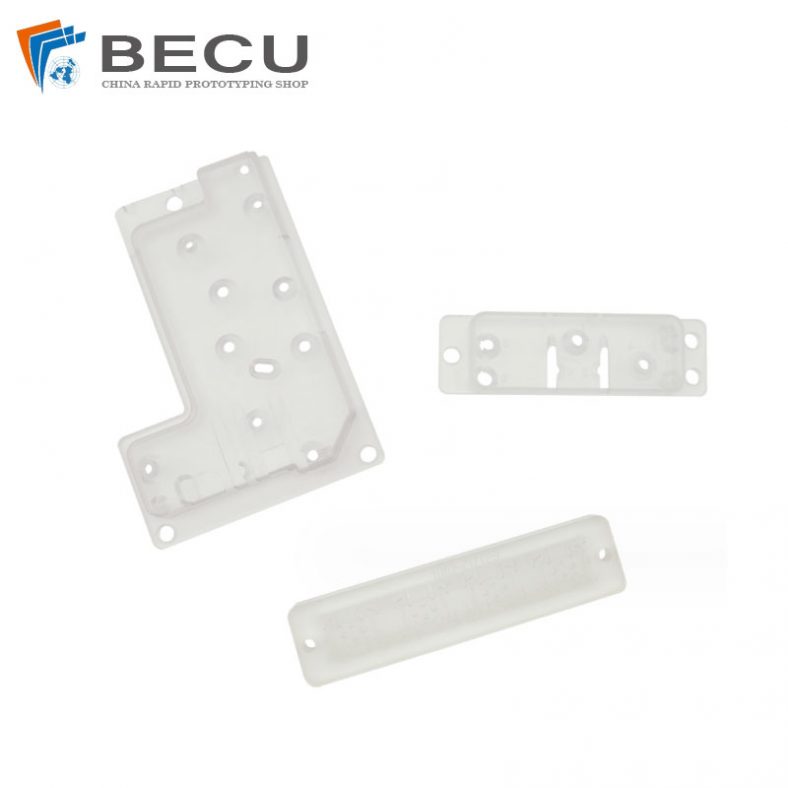
4 Axis Machining Highly Transparent Acrylic LED Tunnel Light Lens