
Density and specific gravity are fundamental concepts in physics and materials science that are often used interchangeably in everyday language.
However, they have distinct definitions and applications, and it is essential to understand their differences to accurately interpret scientific data and engage in precise measurements.
This article aims to clarify the concepts of density and specific gravity, exploring their definitions, formulae, units, applications, and interrelationships.
Definition of Density
Density is a physical property of matter that describes the mass per unit volume of a substance. It quantifies how much mass is contained in a given volume and is a crucial parameter in characterizing materials. Mathematically, density (ρ\rhoρ) is defined as:
ρ=m/V
ρ is the density of the material,
m is the mass of the object or substance, and
V is the volume occupied by the substance.
The SI unit of density is kilograms per cubic meter (kg/m³), but density can also be expressed in grams per cubic centimeter (g/cm³) in certain contexts, especially in chemistry and laboratory settings.
Definition of Specific Gravity
Specific gravity (SG), also known as relative density, is the ratio of the density of a substance to the density of a reference substance, typically water. Unlike density, which has units, specific gravity is a dimensionless quantity. This is because it compares the densities of two substances, effectively canceling out the units.
The formula for specific gravity is:
SG=ρsubstance/ρreference
ρsubstance is the density of the substance,
ρreference is the density of the reference substance, typically water.
At 4°C, the density of water is approximately 1000 kg/m³ (or 1 g/cm³), and since the density of water is used as a standard for specific gravity, the specific gravity of water is always 1.
Units of Density and Specific Gravity
The key distinction between density and specific gravity lies in the presence or absence of units. As mentioned earlier, density is expressed in units of mass per unit volume (such as kg/m³ or g/cm³), whereas specific gravity is a unitless ratio. This difference is significant because it allows specific gravity to provide a direct comparison between substances without needing to reference the units of measurement.
For instance, if the density of a substance is 800 kg/m³, and the density of water at 4°C is 1000 kg/m³, the specific gravity of that substance would be:
SG=800/1000=0.8
This means that the substance is less dense than water and would float if placed in water. If the specific gravity were greater than 1, the substance would be denser than water and would sink.
Physical Meaning of Density and Specific Gravity
Density provides an intrinsic property of a material, reflecting how tightly its atoms or molecules are packed. Materials with high density, such as lead, have more mass packed into a given volume compared to materials with low density, such as cork. On the other hand, specific gravity compares the relative density of a material to that of a standard substance, usually water. It allows scientists and engineers to make quick assessments about whether a material will float or sink in water, which has important implications in fields like fluid dynamics, shipbuilding, and material science.
Applications of Density
Density is widely used across various fields of science and engineering. Some important applications include:
- Material Characterization: The density of a material can provide insights into its structure. For example, metals tend to have higher densities than plastics due to the more compact arrangement of their atoms. Density measurements are essential in material science for identifying unknown substances and determining the purity of a material.
- Buoyancy and Fluid Mechanics: The density of an object determines whether it will float or sink when placed in a fluid. According to Archimedes’ principle, an object will float if its density is less than the fluid in which it is placed. This principle is fundamental in naval engineering, where the design of ships and submarines depends heavily on the density of the materials used and the displacement of water.
- Geology: In geology, the density of rocks helps geologists infer the composition and structure of the Earth’s crust. For example, dense materials such as basalt are typically found in oceanic crust, while lighter materials like granite are common in continental crust.
- Aerospace and Engineering: In fields such as aerospace engineering, the density of materials is crucial for designing aircraft and spacecraft. Lighter materials, such as aluminum, are often preferred in these applications because they allow for better fuel efficiency and overall performance.
- Environmental Science: Density measurements can help assess the concentration of pollutants in water or air. For instance, by measuring the density of an oil spill, scientists can determine the amount of oil in the water and predict its movement.
Applications of Specific Gravity
While specific gravity is often used in conjunction with density, it has some unique applications:
- Identification of Substances: In laboratories, specific gravity is used to help identify unknown substances. By comparing the specific gravity of a substance to known values for various materials, scientists can often determine its identity without needing to perform a full analysis.
- Mineralogy: Specific gravity is often used to identify minerals. For instance, gold has a specific gravity of approximately 19.3, which is much higher than most other minerals, making it easy to identify based on its weight relative to volume.
- Hydrometry: Specific gravity is a key measurement in hydrometry, where it is used to assess the concentration of dissolved substances in solutions, such as sugar in a liquid. Hydrometers, instruments designed to measure specific gravity, are used in brewing, winemaking, and the production of various chemicals.
- Buoyancy in Watercraft: In naval architecture, specific gravity plays a critical role in determining the stability of ships and boats. Materials with a specific gravity less than 1 will float, while materials with a specific gravity greater than 1 will sink. The choice of materials for constructing watercraft relies heavily on specific gravity to ensure that the vessel remains buoyant and stable.
- Astronomy: Specific gravity is used in astronomy to estimate the composition of celestial bodies, such as planets and moons. The specific gravity of a planet can give clues about its internal structure and whether it is made of rock, gas, or ice.
Interrelationship Between Density and Specific Gravity
Although density and specific gravity are distinct quantities, they are related. Since specific gravity is defined as the ratio of a substance’s density to the density of a reference substance (typically water), one can easily convert between the two values when the density of water is known. If the density of a substance is known, its specific gravity can be found by dividing by the density of water, and vice versa.
For example, if a substance has a density of 2 g/cm³ and the density of water is 1 g/cm³, the specific gravity of the substance is:
SG=2/1=2
This means that the substance is twice as dense as water. Conversely, if the specific gravity is known, the density can be calculated by multiplying the specific gravity by the density of water.
Challenges and Considerations in Measuring Density and Specific Gravity
While the concepts of density and specific gravity are simple, measuring them can present challenges depending on the material and the environmental conditions. For example, the density of a material may change with temperature, as most substances expand when heated, leading to a decrease in density. Specific gravity measurements can also be affected by impurities, as the presence of other substances can alter the overall density of a sample.
In practical applications, scientists and engineers often rely on precise instruments like densitometers, hydrometers, or balance scales to measure density and specific gravity. These instruments must be calibrated properly to ensure accurate results, especially when working with highly sensitive materials or conducting research in specialized fields.
Conclusion
In summary, while density and specific gravity are related concepts, they represent different physical properties. Density refers to the amount of mass in a given volume and is expressed in units of mass per unit volume. Specific gravity, on the other hand, is the ratio of the density of a substance to that of a reference substance (typically water) and is dimensionless. Both density and specific gravity have wide-ranging applications across various scientific fields, including material science, geology, engineering, and environmental science. Understanding their definitions, units, and interrelationships is crucial for accurately interpreting data and conducting precise measurements in both academic and industrial contexts.





The Detail Of BE-CU Cnc Machining Shop
BE-CU.COM – As an accomplished CNC machining Service Manufacturer and CNC shop, BE-CU Prototype has been specialized in OEM CNC lathing, custom CNC machining parts production and rapid CNC machining services China for over 35 years and always maintaining the highest standard in delivery speed and reliable quality of precision CNC manufacturing components. With the help of high-level technology and efficient equipment, as well as rigorous attitude, BE-CU passed the ISO9001:2015 quality certification, which supports the long-term development of CNC milling services, CNC turning services, CNC milling-turning, CNC drilling services, 3/4/5 axis machining, gear machining services, CNC machining China custom parts and service, small parts machining, etc.Our CNC machining products can be utilized in a broad range of industries. Contact us for email: [email protected]
-
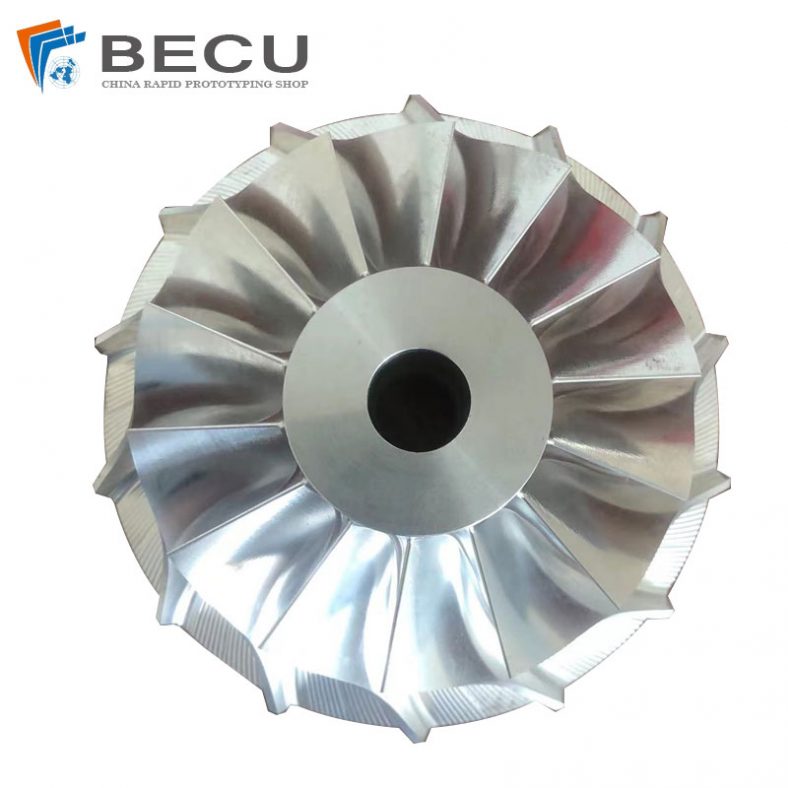
3-Way Centrifugal Compressor Closed Impeller By 5 Axis Machining
-

3/4/5 Axis Precision Milling Custom Vehicle Parts
-
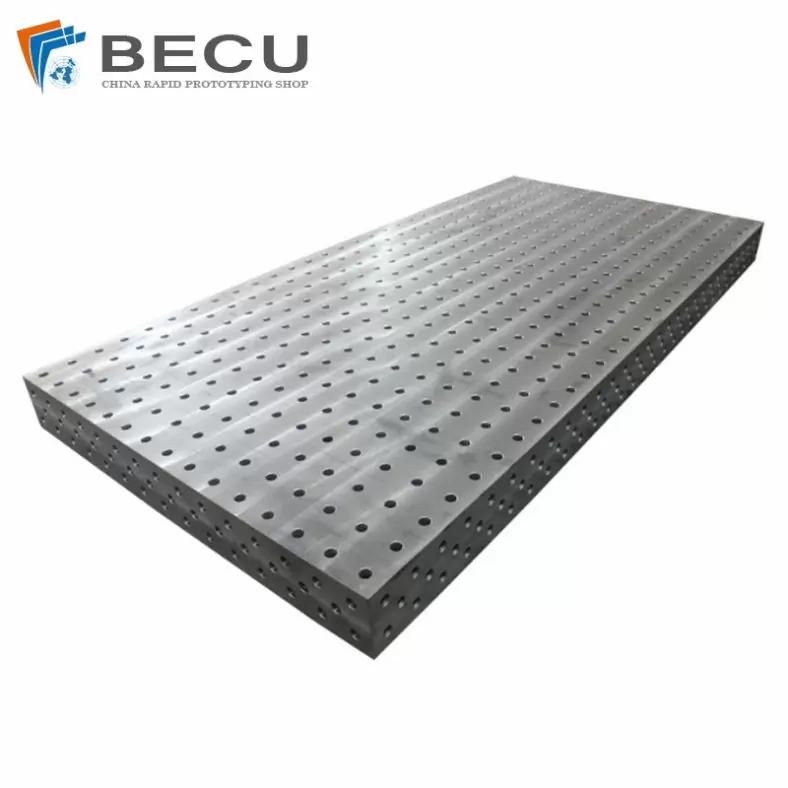
3D Flexible Welding Platform By Large Machining
-
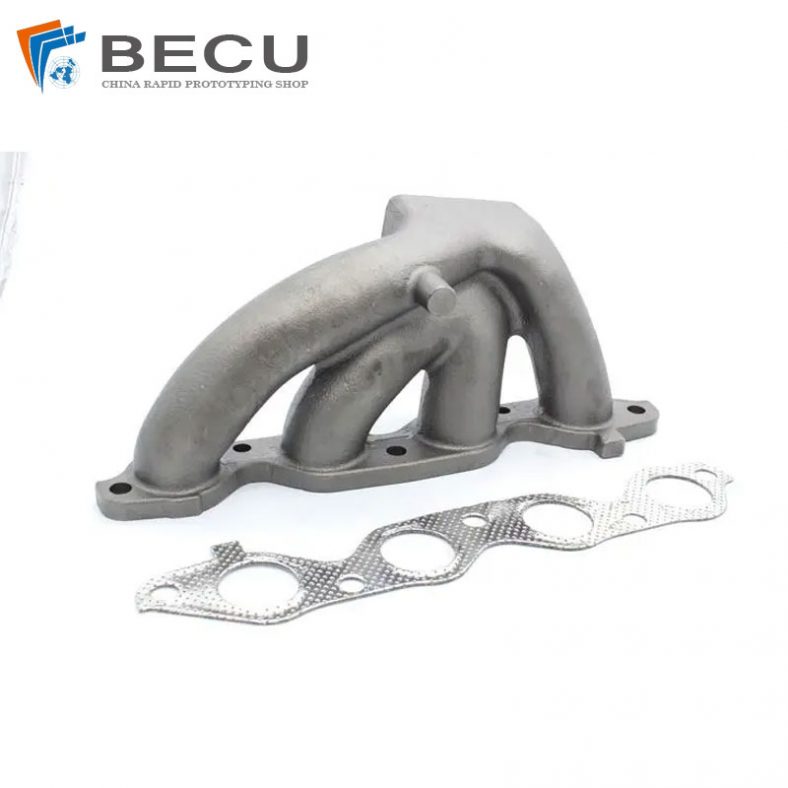
3D Printed Inconel Exhaust Manifold
-
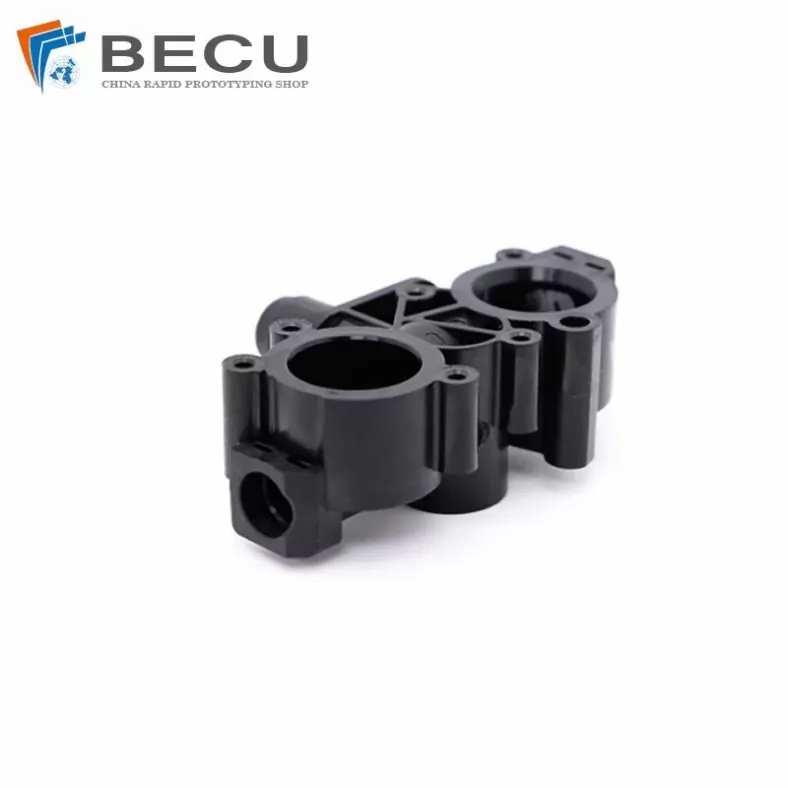
3D Printing And CNC Machining Custom Black PPS Valve
-
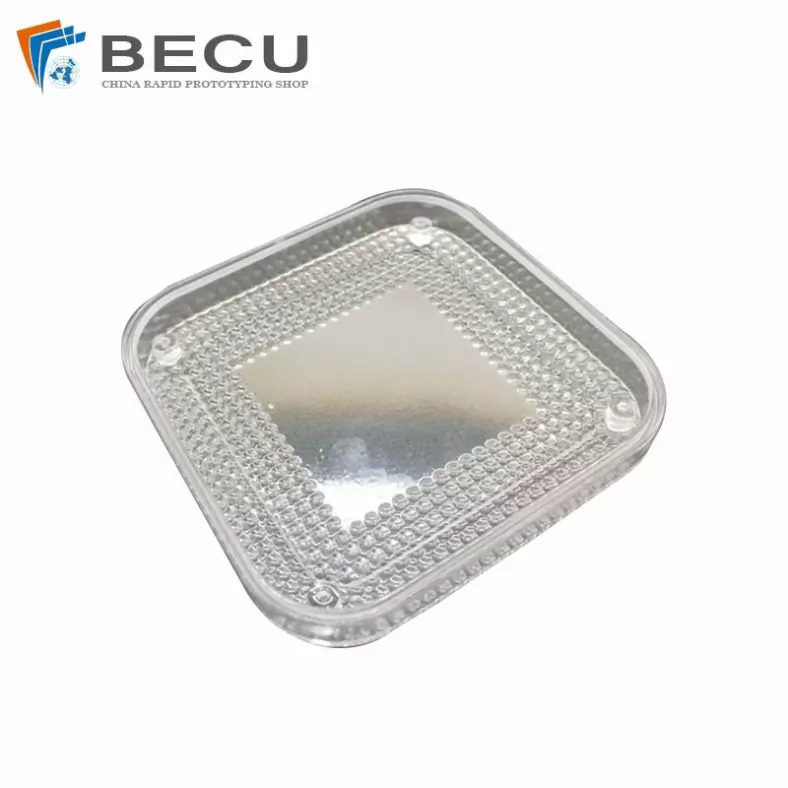
3D Printing Full Transparent Acrylic Lampshade Model
-
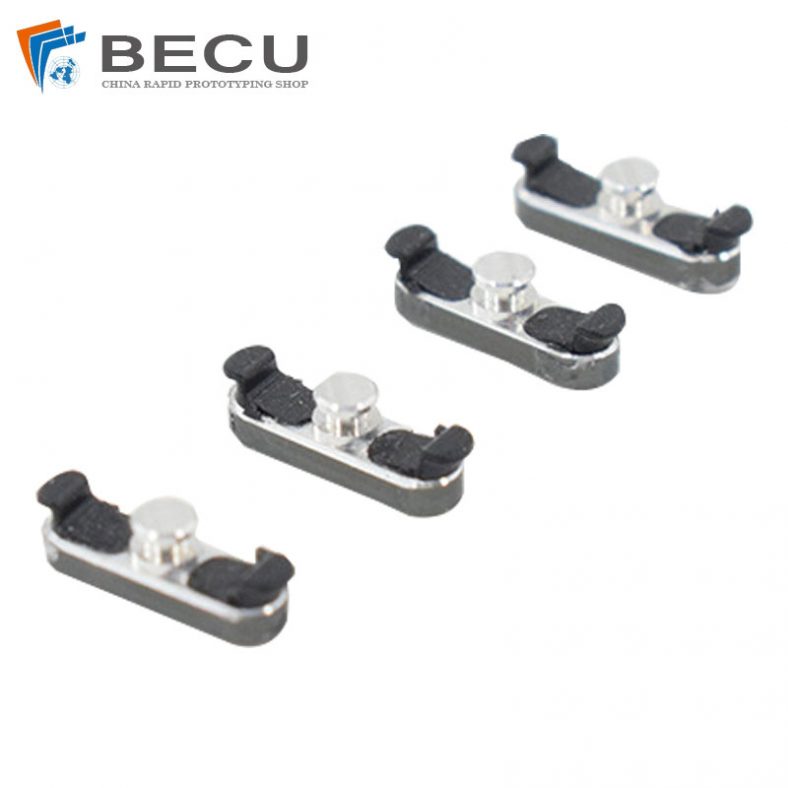
4 Axis CNC Machining Titanium Grade 5 Mobile Phone Buttons
-
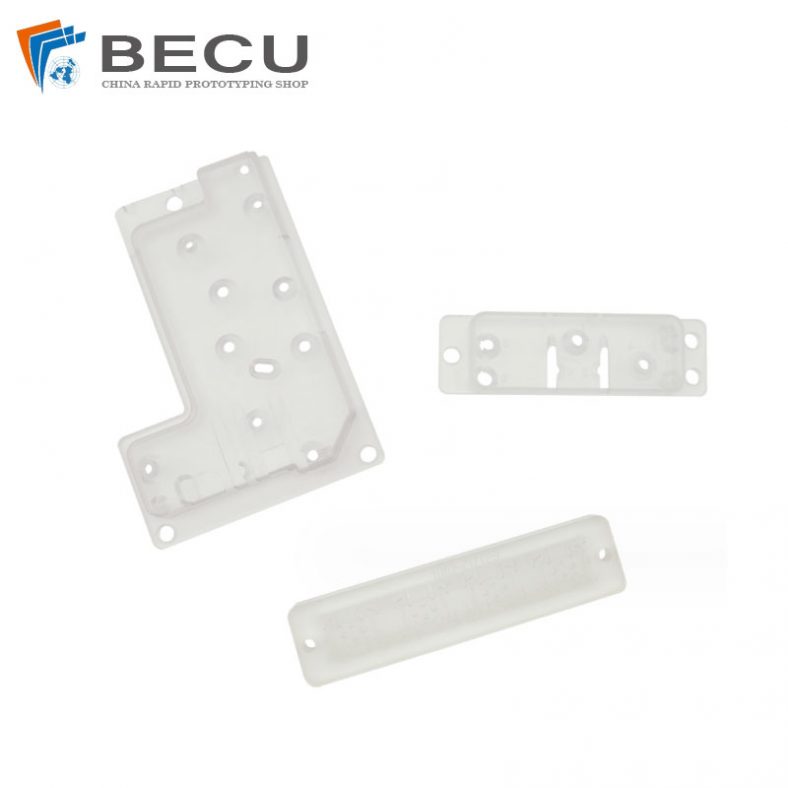
4 Axis Machining Highly Transparent Acrylic LED Tunnel Light Lens