
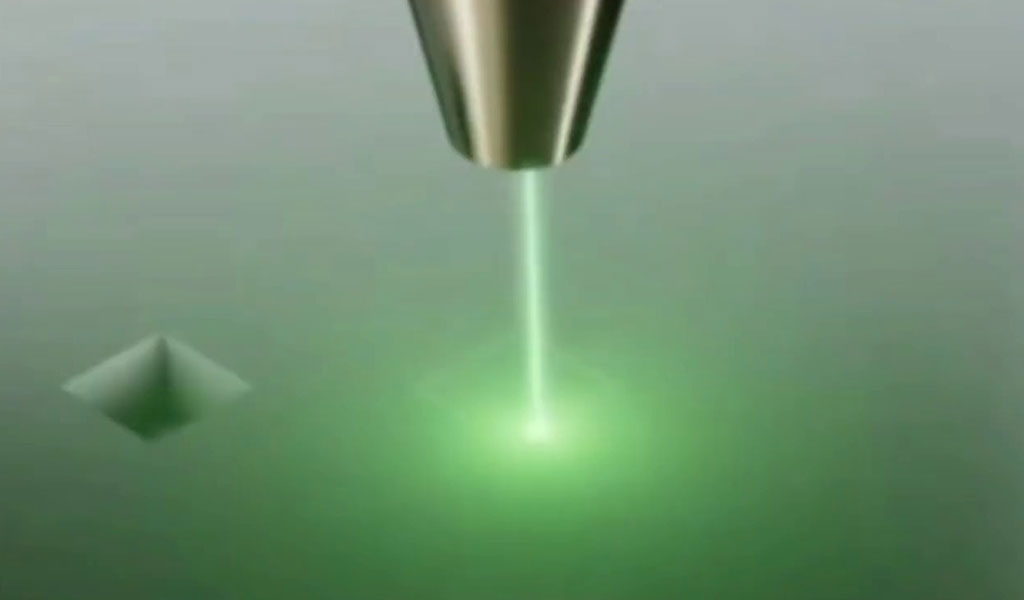
Femtosecond laser cutting is a precise and advanced technology used for cutting and machining materials with exceptional accuracy.
It utilizes ultra-short laser pulses, often on the order of femtoseconds (1 fs = 10^-15 seconds), to achieve extremely fine cuts and features that would be difficult or impossible to attain with traditional cutting methods.
This technology has found applications in a wide range of industries, including electronics, aerospace, medical device manufacturing, and automotive, owing to its ability to create intricate and clean cuts without significantly affecting the material’s properties.
The pricing and cost calculation for femtosecond laser cutting are influenced by various factors, ranging from the type of material being processed to the complexity of the design and the technological capabilities of the laser cutting system itself. Understanding how these factors interact is essential for both manufacturers and customers looking to use this technology for production. This article aims to provide a detailed guide on how to calculate femtosecond laser cutting price and cost, exploring the various components that contribute to the final cost and offering insights into the economic considerations involved.
Define Of Femtosecond Laser Cutting
Femtosecond laser cutting relies on a laser beam that emits pulses with durations measured in femtoseconds. These pulses are incredibly short, allowing the laser to deposit high amounts of energy in a very localized area. This results in minimal heat diffusion, making the process ideal for cutting delicate and heat-sensitive materials without causing thermal damage, such as material distortion or a heat-affected zone (HAZ). The precision and versatility of femtosecond lasers also enable them to cut through a wide variety of materials, including metals, polymers, ceramics, and composites, with micron-level accuracy.
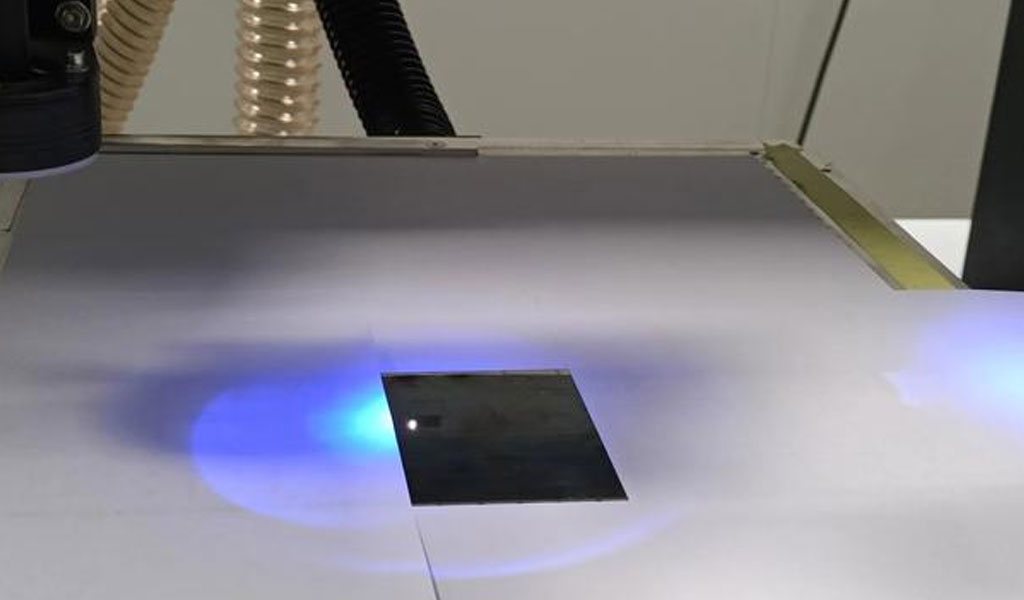
The laser cutting process typically involves focusing the femtosecond laser onto the surface of the material, where it rapidly vaporizes the material in a highly controlled manner. The beam is typically delivered through optical fibers or free space optics, and the material is often assisted by a gas flow, such as nitrogen or oxygen, which helps to expel vaporized material and cool the workpiece.
Factors Influencing Femtosecond Laser Cutting Price and Cost
Several factors play a significant role in determining the cost of femtosecond laser cutting. These include the type of material, the thickness of the material, the complexity of the design, the required cutting speed, the power and precision of the laser, and the overhead costs associated with the operation. Below, we explore these factors in greater detail.
1. Material Type and Properties
The material being processed is one of the most critical factors influencing femtosecond laser cutting price. Different materials have varying properties that affect the cutting process, including thermal conductivity, reflectivity, hardness, and the absorption rate of the laser wavelength.
- Metals: Femtosecond lasers are highly effective at cutting metals, including materials such as steel, aluminum, titanium, and copper. However, different metals require different laser settings due to variations in their thermal conductivity and reflectivity. For example, titanium requires lower laser power for effective cutting, while highly reflective metals like copper may require additional adjustments to ensure efficient energy absorption.
- Polymers and Composites: When cutting polymers and composites, the laser must be tuned to avoid material degradation due to heat buildup. Some polymers, such as polyimide and PEEK, can be cut effectively using femtosecond lasers, while others may produce toxic fumes that require additional safety measures. The cost will vary depending on the polymer’s characteristics and its behavior under the laser’s influence.
- Glass and Ceramics: Femtosecond laser cutting is also employed for precision cutting of brittle materials such as glass and ceramics. However, these materials often require very precise control to avoid cracking or damage. The cost for cutting ceramics and glass may be higher due to the precision required in the process.
2. Material Thickness
The thickness of the material to be cut is another major determinant of the overall cost. Thicker materials require more laser energy to cut through, which can increase both the time required for the operation and the wear on the laser system. For example, cutting a thin sheet of stainless steel may take only a few seconds, while thicker sheets or even plates of metal will require a longer cutting time and more power.
Laser cutting systems have power ratings that vary depending on the material’s thickness. For instance, cutting a 0.5mm thick metal sheet may only require a laser with a power output of 50W, while cutting a 10mm thick piece might require a system with a power output of several hundred watts. Consequently, the cost of cutting thicker materials is generally higher due to the increased energy and time required.
3. Complexity of Design
The complexity of the design being cut also affects the cost of femtosecond laser cutting. Intricate, highly detailed patterns require more time for the laser to trace and cut. Design factors such as tight tolerances, sharp corners, or microfeatures will result in higher costs, as they require precise and often slower cutting processes.
Additionally, intricate designs may require multiple passes to ensure that the cuts are clean and accurate. The more passes required, the greater the time spent on the job, which can significantly increase the cost of the cutting process.
4. Cutting Speed and Efficiency
The cutting speed refers to the rate at which the femtosecond laser moves along the material’s surface. Faster cutting speeds often reduce the overall cost of production, as less time is required to complete the operation. However, the cutting speed must be balanced with the desired quality of the cut and the material being used.
Faster cutting speeds can lead to rougher edges or incomplete cuts if the laser parameters are not properly optimized. Achieving an optimal cutting speed is therefore crucial to ensuring that the process remains cost-effective while maintaining the required precision.
5. Laser System Power and Capabilities
The power and capabilities of the femtosecond laser system are key to determining the price of the cutting process. High-powered lasers are capable of cutting through thicker and tougher materials, but they also tend to be more expensive. Additionally, the specific type of femtosecond laser, such as its wavelength and pulse duration, can impact the quality and precision of the cuts, affecting the overall cost.
Lasers with higher power ratings generally come with a higher operational cost, including more significant wear on the system and more frequent maintenance requirements. However, they can also deliver faster cutting speeds, reducing the time required for each operation. The cost of operating a high-powered femtosecond laser is usually offset by the ability to handle more demanding tasks, but this must be weighed against the specific needs of the customer.
6. Setup and Programming Costs
Before beginning the cutting process, setup and programming are required to define the parameters for the femtosecond laser system. The setup process involves aligning the laser and the material, determining the optimal focal length, and adjusting the power settings for the specific material and thickness. The more complex the setup, the higher the setup cost.
Programming the laser system to execute the required cuts also adds to the overall cost. Custom software or CAD files may need to be created or modified to ensure that the design is properly executed, which can add both time and cost to the process. The complexity of the programming depends on the intricacy of the design and the capabilities of the laser software.
7. Labor Costs
Labor costs are an essential component of the overall cost of femtosecond laser cutting. Skilled technicians are required to operate, maintain, and troubleshoot the laser system. In addition, labor is needed for tasks such as preparing materials, monitoring the cutting process, performing post-processing, and inspecting the final product.
The labor cost will depend on the level of expertise required for the specific job and the amount of time spent on the cutting process. More complex jobs that require higher skill levels or more extensive monitoring will naturally incur higher labor costs.
8. Post-Processing and Finishing
After the laser cutting operation, there may be additional post-processing or finishing work required to meet the specifications or quality standards for the project. Post-processing can include deburring, cleaning, polishing, or surface treatment, all of which add to the total cost of the project.
Some femtosecond laser cutting operations result in minimal or no material distortion, reducing the need for extensive finishing. However, for particularly delicate or complex cuts, additional steps may be necessary to ensure the final product meets the required standards.
9. Overhead and Maintenance Costs
The overhead costs associated with femtosecond laser cutting are another important factor in calculating the overall price. These costs include electricity, facility rent, laser system maintenance, and administrative expenses. The high precision of femtosecond lasers also requires regular maintenance to ensure the system remains in optimal working condition. Frequent calibration and part replacements can add to the operational costs.
Maintaining a femtosecond laser cutting system can be expensive, especially as the system ages or if it is heavily used. These costs must be factored into the pricing model for laser cutting services.
10. Material Waste and Yield
Material waste is another factor that affects the overall cost of femtosecond laser cutting. Even though femtosecond laser cutting is highly precise, some material loss is inevitable due to kerf width, positioning errors, or the nature of the cutting operation. For customers seeking to optimize costs, it may be important to design parts in a way that minimizes waste and maximizes material yield.
Material Type and Thickness
The type and thickness of the material being cut are among the most significant factors in determining the price. Materials with higher thermal conductivity, such as metals, require more energy to cut, which increases the cost. Additionally, thicker materials will require longer cutting times, which directly influences the price.For example:
- Metals (e.g., steel, titanium): The cost of cutting metals is typically higher due to the need for higher laser power and slower cutting speeds to ensure clean cuts.
- Polymers and Plastics: These materials often require lower power settings but can still be expensive due to the need for fine-tuning the laser to avoid burning or warping.
- Glass and Ceramics: Cutting these materials may involve high precision and slower cutting speeds, which increases the cost.
For material thickness, assume the following:
- Thin materials (up to 1 mm) may cost $1–$3 per cm².
- Medium thickness (1–5 mm) may range from $3–$6 per cm².
- Thicker materials (over 5 mm) could cost $6–$12 per cm², depending on material and laser power.
Cutting Time
Cutting time is a crucial factor in the cost of femtosecond laser cutting. It is determined by the cutting speed, which is influenced by the material, its thickness, and the intricacy of the design. The cutting speed can range from a few millimeters per second for intricate patterns to several centimeters per second for simpler cuts.For example:
- A simple cut on a 1 mm thick stainless steel sheet might take 30–60 seconds per part.
- A more complex pattern on a 5 mm thick titanium sheet might take 2–5 minutes per part.
To calculate the cutting time, you need to estimate how long it takes to cut a single part (based on part size and complexity) and multiply it by the number of parts you are producing.
If a part takes 3 minutes to cut, and you have 100 parts to cut, the total cutting time will be 300 minutes (5 hours). If the cutting machine operates at a rate of $100 per hour, the labor cost for cutting alone would be $500.
Laser Power and System Efficiency
The laser system’s power rating (measured in watts or joules per pulse) is directly tied to the cutting speed and energy consumption. Higher-powered lasers can cut thicker materials more quickly but may incur higher operating costs. In terms of cost, the power rating influences:
- Energy consumption: The more powerful the laser, the higher the electricity costs. For example, a 100W laser might consume around 1 kWh of electricity per hour of operation, while a 500W laser may consume 5 kWh per hour. At an average rate of $0.12 per kWh, operating the 100W laser might cost $0.12 per hour, while the 500W laser would cost $0.60 per hour.
- Laser maintenance: High-powered lasers may require more frequent maintenance or parts replacement, increasing long-term operational costs.
Design Complexity
The complexity of the design plays a large role in the time it takes to cut, which translates directly into the cost. Designs with intricate details, sharp corners, or micro features require more precision and often slower cutting speeds.For example:
- Simple cuts (e.g., straight lines or basic shapes) might take a few seconds or minutes per part.
- Complex designs (e.g., detailed patterns, small features, or micro-drilling) can take several minutes to hours depending on the number of passes needed.
The complexity can significantly increase both labor and machine time. As a general rule of thumb, highly intricate designs can add 10%–50% more to the total cost depending on the time and precision required.
Labor and Setup Costs
Labor costs include the time spent by technicians to set up the machine, monitor the cutting process, and perform any necessary adjustments. These costs also include the programming time needed to prepare the laser system for the specific job.
For setup, labor rates can range from $30 to $100 per hour, depending on the region and skill level required. For more complex jobs, setup might take anywhere from 30 minutes to several hours, depending on the machine, material, and design.
For example, a straightforward job might incur $100–$300 in labor for setup and machine monitoring, while a more complex job might involve $300–$600 for labor.
Post-Processing and Finishing Costs
After the laser cutting process, many parts require post-processing. This could involve:
- Deburring: Removing sharp edges.
- Cleaning: Removing any residual material or contaminants.
- Polishing: Ensuring a smooth surface finish.
- Inspection and Quality Control: Ensuring the cut meets the required tolerances and specifications.
Post-processing typically adds $10 to $100 per part, depending on the complexity and the amount of work needed. If the part requires significant finishing or cleaning, costs can rise.
Overhead and Maintenance Costs
There are various overhead and maintenance costs that should be factored into the price. These include:
- Laser system maintenance: Regular maintenance and occasional repairs to keep the system operating optimally. This could include part replacements, calibration, and cleaning.
- Electricity costs: The cost of running the laser system, including electricity, ventilation systems, and cooling equipment.
- Facility costs: Rent, insurance, and other facility-related expenses.
A rough estimate for overhead costs might range from $50 to $200 per hour of laser cutting, depending on the size and complexity of the operation.
Material Waste and Yield
Material waste is inevitable in any cutting process, but femtosecond lasers are known for their precision and minimal material loss. However, waste can still accumulate due to:
- Kerf: The width of the cut, which can result in some loss of material.
- Part spacing: Depending on how parts are laid out on the sheet, more material may be lost if parts are not efficiently nested.
In many cases, material yield can be maximized through efficient design and layout. However, material waste can still add up, and it’s important to account for this in the cost structure. Waste costs can range from 5% to 15% of the total material cost, depending on how well the parts are laid out and nested.
Example Calculation of Femtosecond Laser Cutting Cost
Let’s put together a sample calculation for a job involving cutting stainless steel parts with a femtosecond laser.
- Material: Stainless Steel, 2 mm thickness
- Part size: 10 cm x 10 cm
- Cutting time: 1 minute per part
- Number of parts: 100 parts
- Laser Power: 100W laser
- Labor Cost: $50/hour (setup and monitoring)
- Post-Processing: $20 per part
- Overhead: $100/hour
- Material Cost: $5 per part
Material Cost:
- Material cost per part = $5
- Total material cost for 100 parts = $5 x 100 = $500
Cutting Time Cost:
- Cutting time per part = 1 minute = 1/60 hour
- Cutting time for 100 parts = 100 minutes = 1.67 hours
- Laser machine cost (at $100/hour) = 1.67 hours x $100 = $167
Labor Costs:
- Setup time = 1 hour
- Labor cost for setup = $50/hour x 1 hour = $50
- Labor cost for monitoring (1.67 hours) = $50/hour x 1.67 hours = $83.50
Post-Processing Cost:
- Post-processing per part = $20
- Total post-processing cost = $20 x 100 = $2,000
Overhead:
- Overhead (1.67 hours of machine time) = $100/hour x 1.67 hours = $167
Total Cost:
- Material cost: $500
- Cutting time cost: $167
- Labor cost: $133.50
- Post-processing cost: $2,000
- Overhead: $167
- Total cost = $500 + $167 + $133.50 + $2,000 + $167 = $3,967.50
Conclusion
Calculating the price and cost of femtosecond laser cutting requires careful consideration of numerous factors, including material type, thickness, design complexity, laser capabilities, labor, and post-processing needs. A comprehensive understanding of these factors allows manufacturers to offer accurate pricing while ensuring that the costs involved in the operation are appropriately managed. Given the precision, efficiency, and versatility of femtosecond laser cutting, this technology remains an essential tool in many high-precision industries.
By taking into account the variables discussed in this article, both manufacturers and customers can better navigate the complexities of femtosecond laser cutting pricing and cost calculation.
The Detail Of BE-CU Laser Cutting Company
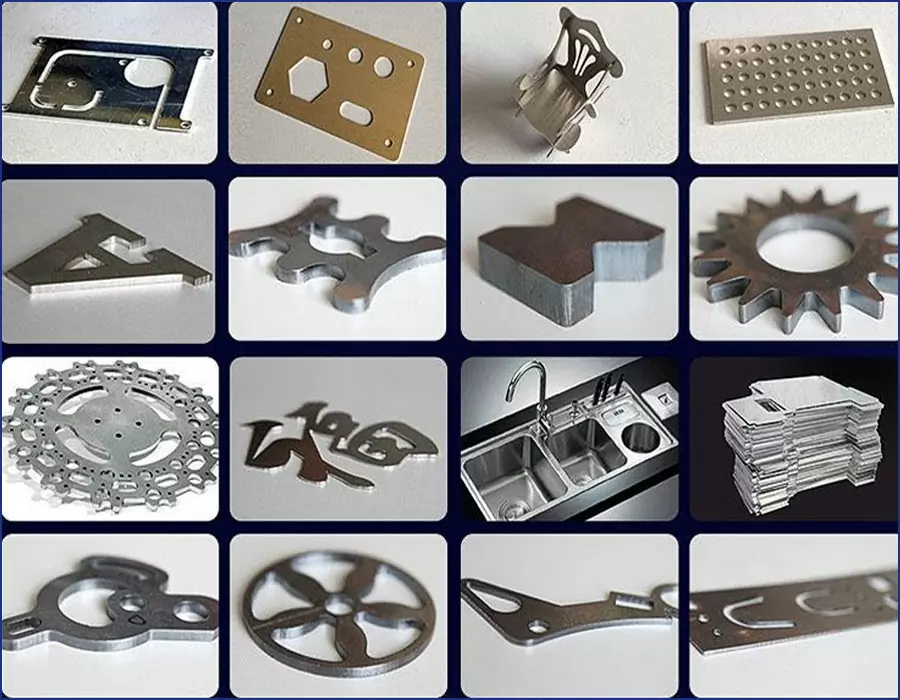
BE-CU.COM Laser Cutting provides services to a wide network of industries and markets. BE-CU is uniquely positioned to Laser Cut, Laser Engrave, Precision CNC Machine and Precision Finish Grind parts and components.We use large format industrial laser cutting machines that are extremely precise with up to .001” tolerance. Not only we cut and engrave your project, we are ready to answer any questions you may have about the process and give you expert advice.
So, reach out even if you’re unsure of your specific need or if you think you may require a different type of manufacturing service(as laser cutting medical parts). Laser cutting service by BE-CU makes ordering your parts simple. Just upload your CAD files onto the platform for an instant price and lead time. Our mission is to save engineers’ time for value-adding activities.
-
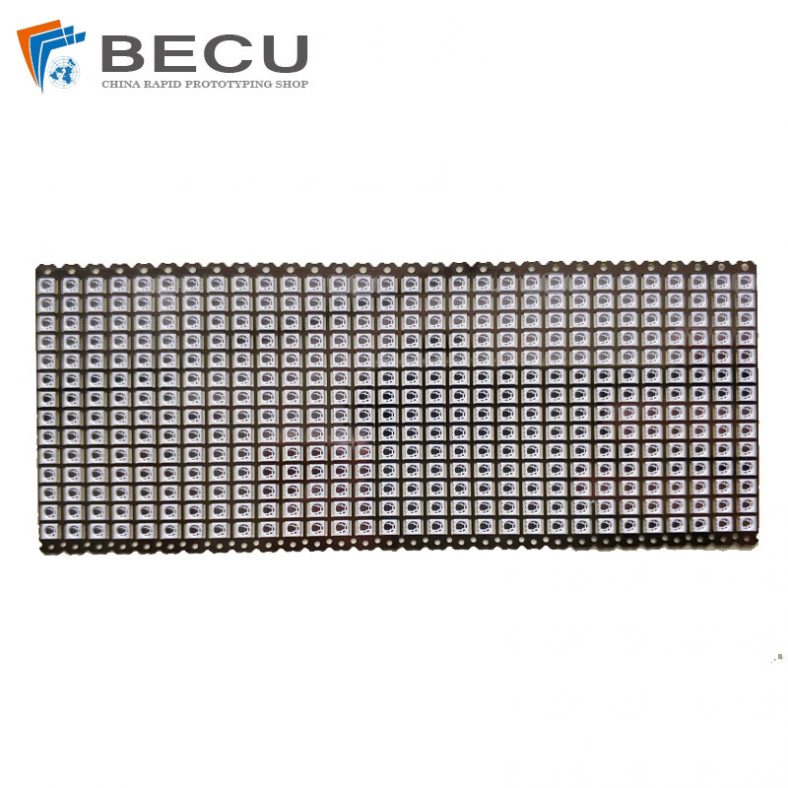
Etching LED EMC Packaging Bracket
-
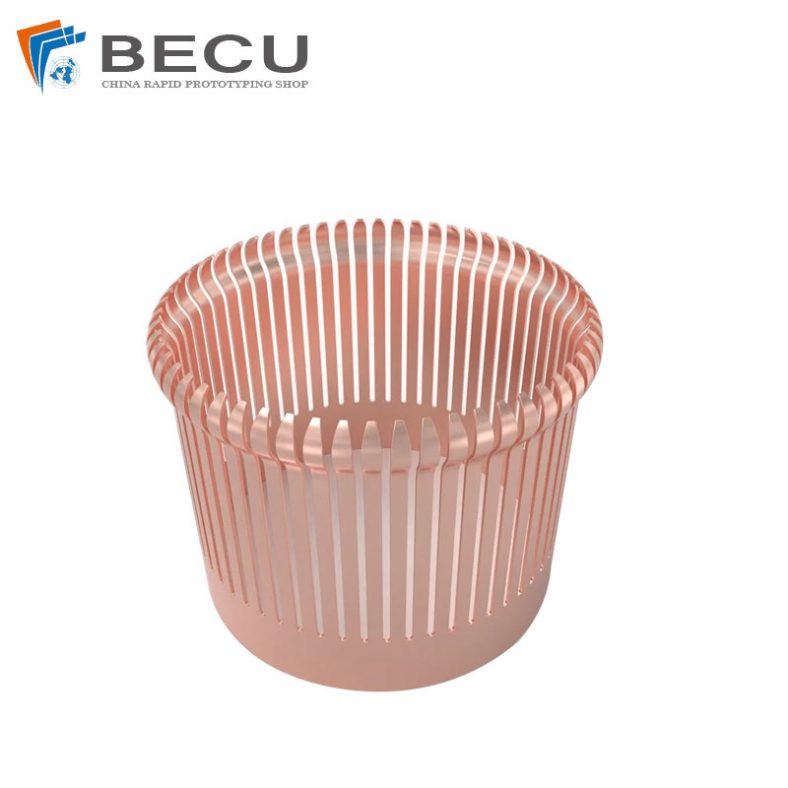
Etching Low Resistivity Copper 110 Contact Rings
-

Laser Cut Nitinol Stent For Bile Duct
-
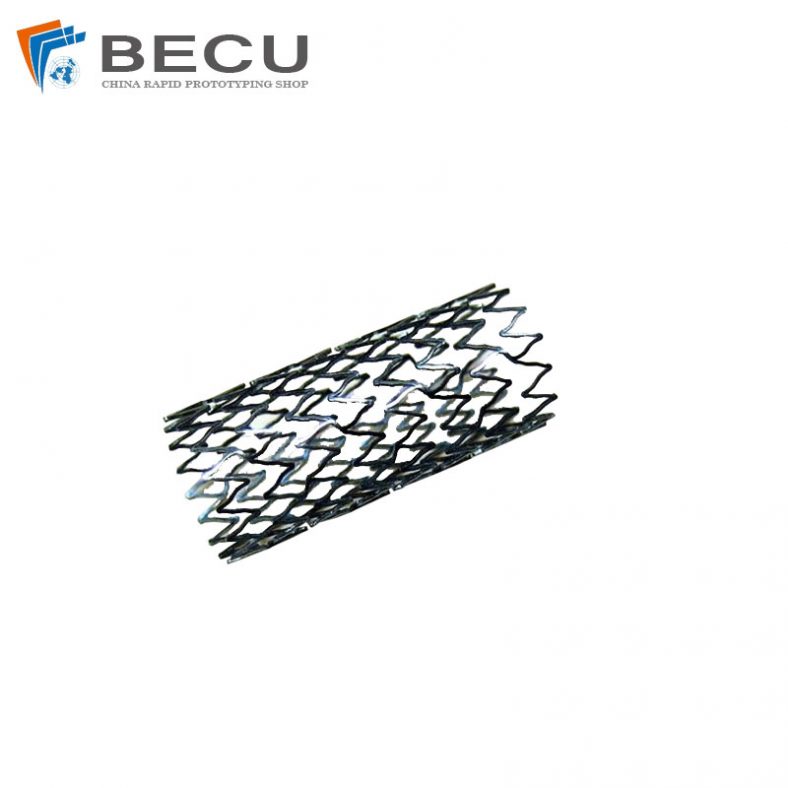
Stents For Carrying Valves And Venous Valve Replacement Devices
-
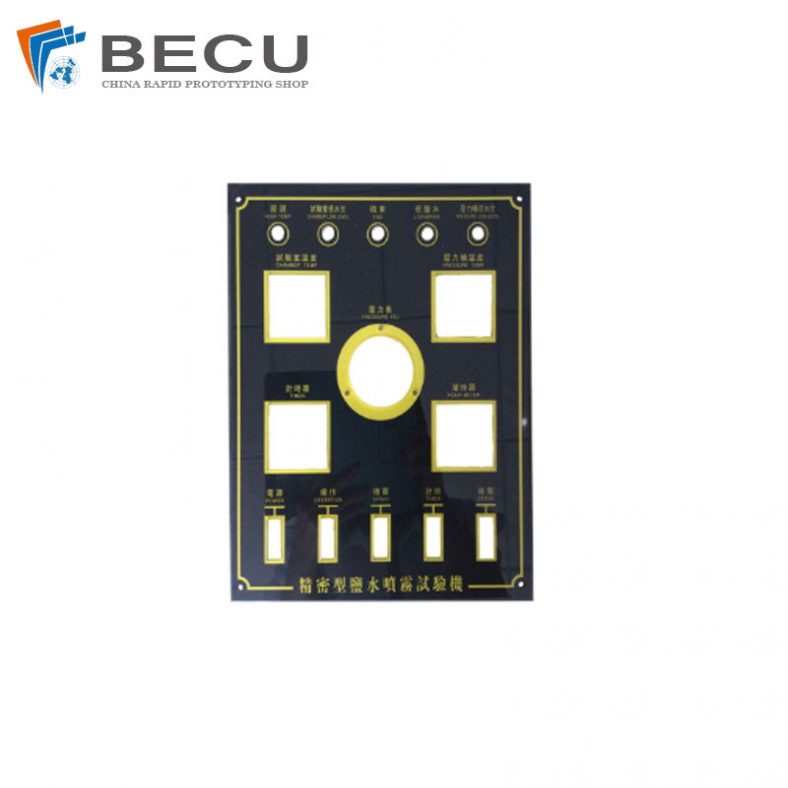
Laser Cutting PC Anti-Static Membrane Switch
-
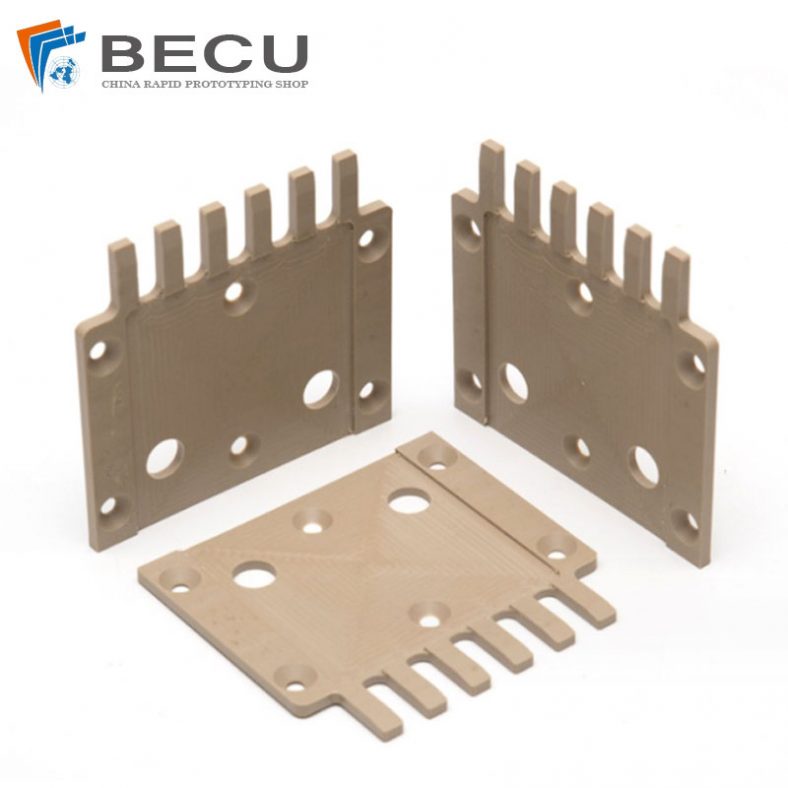
Precision Engraving Special-Shaped Natural Color PEEK Parts
-
Acrylic Laser Cut Signs
-

Acrylic Laser Cut Earrings