
Glass Filled Nylon, often denoted as PA GF, is a composite material that combines the properties of nylon with the reinforcement of glass fibers. This combination results in a material with enhanced mechanical and thermal properties, making it suitable for a wide range of applications in various industries. Nylon, also known as polyamide, is a versatile engineering thermoplastic known for its strength, toughness, and resistance to chemicals and abrasion. The addition of glass fibers to nylon significantly improves its stiffness, tensile strength, and dimensional stability, among other properties.
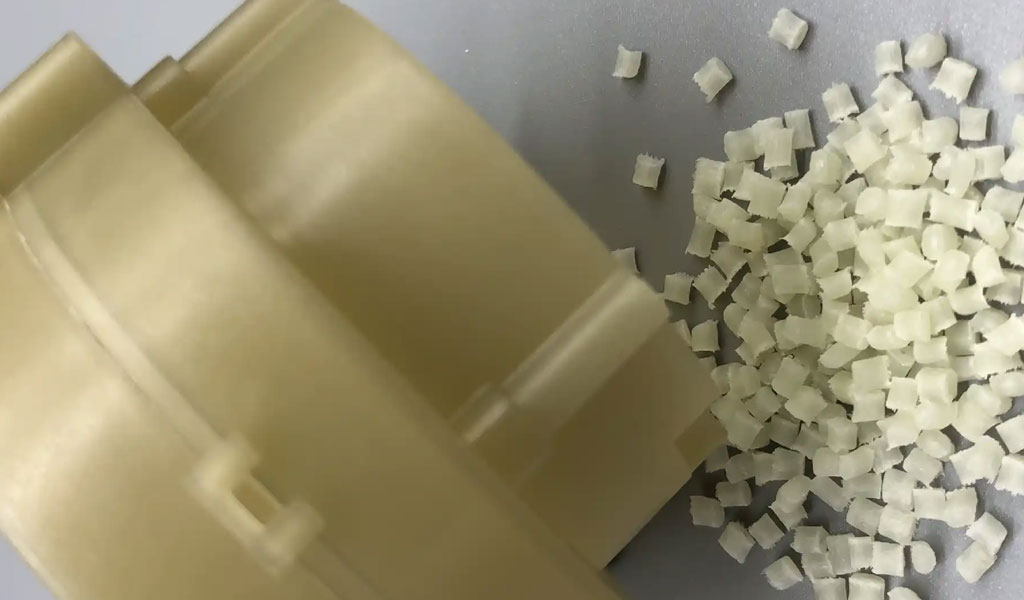
Material Properties of Glass Filled Nylon
One of the most notable improvements in glass filled nylon is its mechanical properties. The addition of glass fibers significantly enhances the material’s tensile strength, flexural modulus, and impact resistance.
The tensile strength of glass filled nylon can be up to 50% higher than that of unreinforced nylon. This increase in strength is due to the glass fibers acting as a reinforcing agent, distributing the load more evenly throughout the material.
The flexural modulus, which measures the material’s resistance to bending, is also substantially improved. Glass filled nylon can have a flexural modulus that is several times higher than that of standard nylon. This makes it an excellent choice for applications requiring high stiffness and rigidity.
Impact resistance is another critical mechanical property that benefits from the addition of glass fibers. While unreinforced nylon is known for its toughness, glass filled nylon can withstand even higher impact forces without fracturing. This property is particularly important in applications where the material may be subjected to sudden impacts or high stresses.
Thermal Properties
The thermal properties of glass filled nylon are also enhanced compared to unreinforced nylon. The glass fibers act as a thermal barrier, reducing the material’s coefficient of thermal expansion (CTE). This means that glass filled nylon exhibits less dimensional change with temperature fluctuations, making it more stable in varying thermal environments.
The heat deflection temperature (HDT), which measures the material’s ability to retain its shape under load at elevated temperatures, is also improved. Glass filled nylon can have an HDT that is up to 50°C higher than that of standard nylon. This makes it suitable for applications where the material will be exposed to high temperatures, such as in automotive and aerospace components.
Chemical Resistance
Glass filled nylon retains the excellent chemical resistance properties of standard nylon. It is resistant to a wide range of chemicals, including oils, fuels, and many solvents. This makes it an ideal material for applications in harsh chemical environments, such as in the chemical processing industry or in automotive fuel systems.
Electrical Properties
The electrical properties of glass filled nylon are similar to those of unreinforced nylon. It has good electrical insulation properties, making it suitable for use in electrical and electronic components. The addition of glass fibers does not significantly affect the material’s dielectric strength or volume resistivity.
Pros of Glass Filled Nylon
Enhanced Mechanical Strength
One of the primary advantages of glass filled nylon is its enhanced mechanical strength. The glass fibers act as a reinforcing agent, distributing the load more evenly throughout the material. This results in a material with higher tensile strength, flexural modulus, and impact resistance compared to unreinforced nylon.
Improved Thermal Stability
Glass filled nylon exhibits improved thermal stability compared to standard nylon. The glass fibers reduce the material’s coefficient of thermal expansion, making it more dimensionally stable in varying thermal environments. Additionally, the heat deflection temperature is higher, allowing the material to retain its shape under load at elevated temperatures.
Excellent Chemical Resistance
Glass filled nylon retains the excellent chemical resistance properties of standard nylon. It is resistant to a wide range of chemicals, including oils, fuels, and many solvents. This makes it an ideal material for applications in harsh chemical environments.
Good Electrical Insulation
Glass filled nylon has good electrical insulation properties, making it suitable for use in electrical and electronic components. The addition of glass fibers does not significantly affect the material’s dielectric strength or volume resistivity.
Cons of Glass Filled Nylon
Increased Brittleness
One of the drawbacks of glass filled nylon is its increased brittleness compared to unreinforced nylon. The addition of glass fibers can make the material more susceptible to cracking or fracturing under high impact forces. This is a trade-off for the increased stiffness and strength provided by the glass fibers.
Higher Cost
Glass filled nylon is generally more expensive than unreinforced nylon due to the additional cost of the glass fibers and the more complex manufacturing process. This can make it less economical for some applications, particularly those where cost is a primary concern.
Reduced Processability
The addition of glass fibers can make glass filled nylon more challenging to process compared to standard nylon. The fibers can cause increased wear on processing equipment and may require specialized machinery or techniques to achieve optimal results.
Uses of Glass Filled Nylon
Automotive Industry
Glass filled nylon is widely used in the automotive industry due to its excellent mechanical and thermal properties. It is commonly used in the manufacture of engine components, such as intake manifolds, oil pans, and fuel systems, where it must withstand high temperatures and chemical exposure. Additionally, glass filled nylon is used in structural components, such as body panels and under-the-hood parts, where its high strength and stiffness are beneficial.
Aerospace Industry
In the aerospace industry, glass filled nylon is used in various applications where its high strength-to-weight ratio and thermal stability are advantageous. It is commonly used in the manufacture of aircraft interior components, such as seat frames, overhead bins, and structural panels. Additionally, glass filled nylon is used in engine components and other parts that must withstand high temperatures and mechanical stresses.
Electrical and Electronic Industry
Glass filled nylon is used in the electrical and electronic industry due to its good electrical insulation properties and mechanical strength. It is commonly used in the manufacture of connectors, switches, and other electrical components where it must withstand electrical currents and mechanical stresses. Additionally, glass filled nylon is used in the manufacture of electronic enclosures and housings, where its dimensional stability and chemical resistance are beneficial.
Consumer Goods
Glass filled nylon is used in the manufacture of various consumer goods due to its excellent mechanical and thermal properties. It is commonly used in the manufacture of sporting goods, such as golf club shafts and tennis rackets, where its high strength and stiffness are advantageous. Additionally, glass filled nylon is used in the manufacture of household appliances, such as vacuum cleaners and blenders, where its durability and chemical resistance are beneficial.
Glass Filled Nylon vs. Nylon
Mechanical Properties
One of the primary differences between glass filled nylon and unreinforced nylon is their mechanical properties. Glass filled nylon has significantly higher tensile strength, flexural modulus, and impact resistance compared to standard nylon. This is due to the reinforcing effect of the glass fibers, which distribute the load more evenly throughout the material.
Thermal Properties
Glass filled nylon exhibits improved thermal stability compared to standard nylon. The glass fibers reduce the material’s coefficient of thermal expansion, making it more dimensionally stable in varying thermal environments. Additionally, the heat deflection temperature is higher, allowing the material to retain its shape under load at elevated temperatures.
Chemical Resistance
Both glass filled nylon and unreinforced nylon have excellent chemical resistance properties. They are resistant to a wide range of chemicals, including oils, fuels, and many solvents. This makes them ideal materials for applications in harsh chemical environments.
Electrical Properties
The electrical properties of glass filled nylon and unreinforced nylon are similar. Both materials have good electrical insulation properties, making them suitable for use in electrical and electronic components. The addition of glass fibers does not significantly affect the material’s dielectric strength or volume resistivity.
Cost
Glass filled nylon is generally more expensive than unreinforced nylon due to the additional cost of the glass fibers and the more complex manufacturing process. This can make it less economical for some applications, particularly those where cost is a primary concern.
Processability
The addition of glass fibers can make glass filled nylon more challenging to process compared to standard nylon. The fibers can cause increased wear on processing equipment and may require specialized machinery or techniques to achieve optimal results.
Manufacturing Process of Glass Filled Nylon
Compounding
The manufacturing process of glass filled nylon begins with compounding, where the nylon polymer is melted and mixed with glass fibers. The glass fibers are typically chopped into short lengths and added to the molten nylon in a specified ratio. The mixture is then extruded into pellets, which are used in subsequent processing steps.
Injection Molding
Injection molding is a common method used to manufacture glass filled nylon parts. The pellets are melted and injected into a mold, where they cool and solidify into the desired shape. Injection molding allows for the production of complex shapes with high precision and repeatability.
Extrusion
Extrusion is another method used to manufacture glass filled nylon parts. The pellets are melted and forced through a die to create a continuous profile, such as a rod, tube, or sheet. Extrusion is commonly used to produce semi-finished products that can be further processed into final parts.
Compression Molding
Compression molding is a method used to manufacture glass filled nylon parts by applying heat and pressure to the material in a mold. The pellets are placed in the mold, heated, and compressed to form the desired shape. Compression molding is commonly used to produce large, flat parts or parts with complex geometries.
Environmental Impact of Glass Filled Nylon
Production
The production of glass filled nylon has several environmental impacts. The manufacturing process requires significant energy input, primarily for melting the nylon polymer and compounding it with glass fibers. Additionally, the production of glass fibers themselves requires energy and raw materials, such as silica sand and soda ash.
Recycling
Glass filled nylon can be recycled, although the process is more complex than recycling unreinforced nylon. The glass fibers must be separated from the nylon polymer, which can be challenging and energy-intensive. However, recycling glass filled nylon can help reduce waste and conserve resources.
Disposal
The disposal of glass filled nylon waste can have environmental impacts. If not properly managed, glass filled nylon waste can contribute to landfill waste and environmental pollution. Proper disposal methods, such as recycling or incineration with energy recovery, can help mitigate these impacts.
Conclusion
Glass Filled Nylon, or PA GF, is a composite material that combines the properties of nylon with the reinforcement of glass fibers. This combination results in a material with enhanced mechanical and thermal properties, making it suitable for a wide range of applications in various industries. The addition of glass fibers significantly improves the material’s tensile strength, flexural modulus, impact resistance, and thermal stability, among other properties.Future Trends in Glass Filled Nylon:
Advanced Composites
One future trend in glass filled nylon is the development of advanced composites with even higher performance properties. Research is ongoing to develop new types of glass fibers and other reinforcing materials that can further enhance the mechanical and thermal properties of glass filled nylon.
Sustainable Materials
Another future trend is the development of more sustainable glass filled nylon materials. This includes the use of recycled nylon and glass fibers, as well as the development of biodegradable or compostable nylon polymers. Sustainable glass filled nylon materials can help reduce the environmental impact of the material and contribute to a more circular economy.
Additive Manufacturing
Additive manufacturing, also known as 3D printing, is another future trend in glass filled nylon. Additive manufacturing allows for the production of complex shapes and geometries that are difficult or impossible to achieve with traditional manufacturing methods. Research is ongoing to develop new additive manufacturing techniques and materials for glass filled nylon.
While glass filled nylon has many advantages, it also has some drawbacks, such as increased brittleness, higher cost, and reduced processability. Despite these challenges, glass filled nylon is a valuable material for many applications, particularly those requiring high strength, stiffness, and thermal stability.
The future of glass filled nylon looks promising, with ongoing research and development in advanced composites, sustainable materials, and additive manufacturing. These trends have the potential to further enhance the properties and applications of glass filled nylon, while also reducing its environmental impact.
In summary, glass filled nylon is a versatile and high-performance material with a wide range of applications in various industries. Its enhanced mechanical and thermal properties make it an ideal choice for applications requiring high strength, stiffness, and thermal stability. While it has some drawbacks, ongoing research and development have the potential to further enhance its properties and applications, while also reducing its environmental impact.
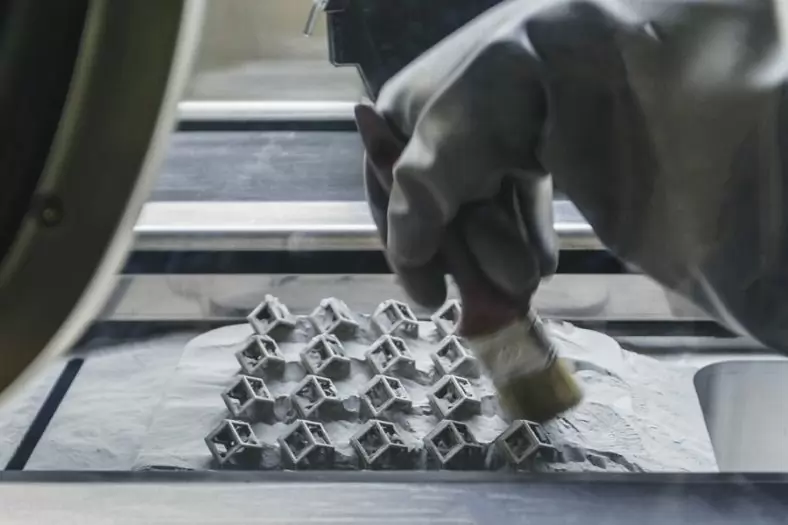
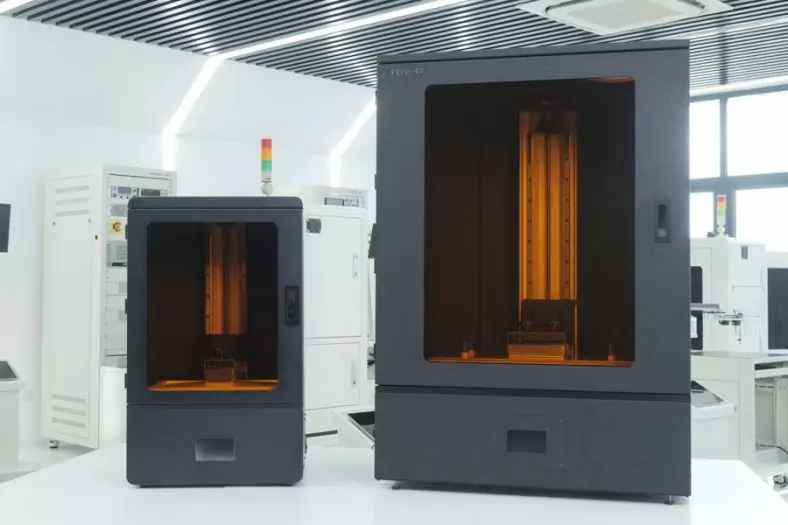
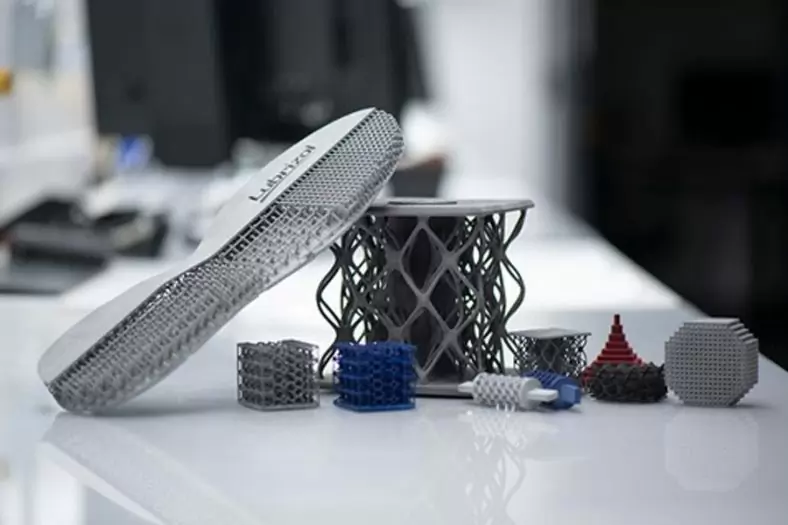
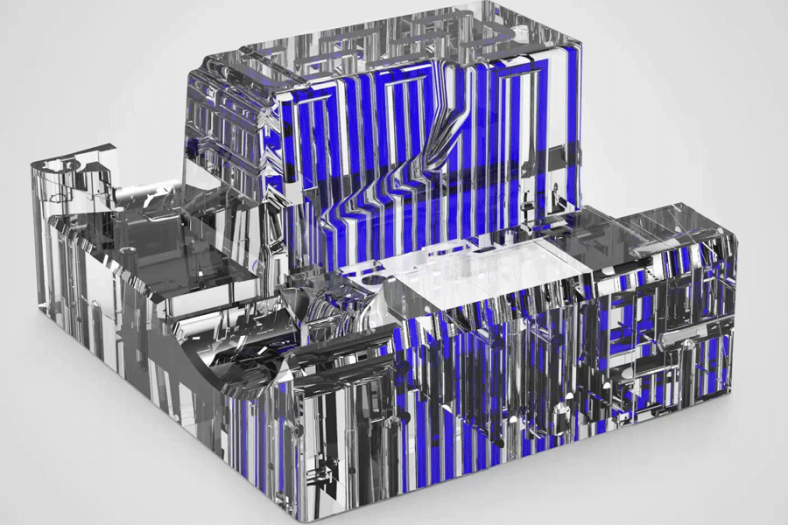
The Detail Of BE-CU 3D Printing Company
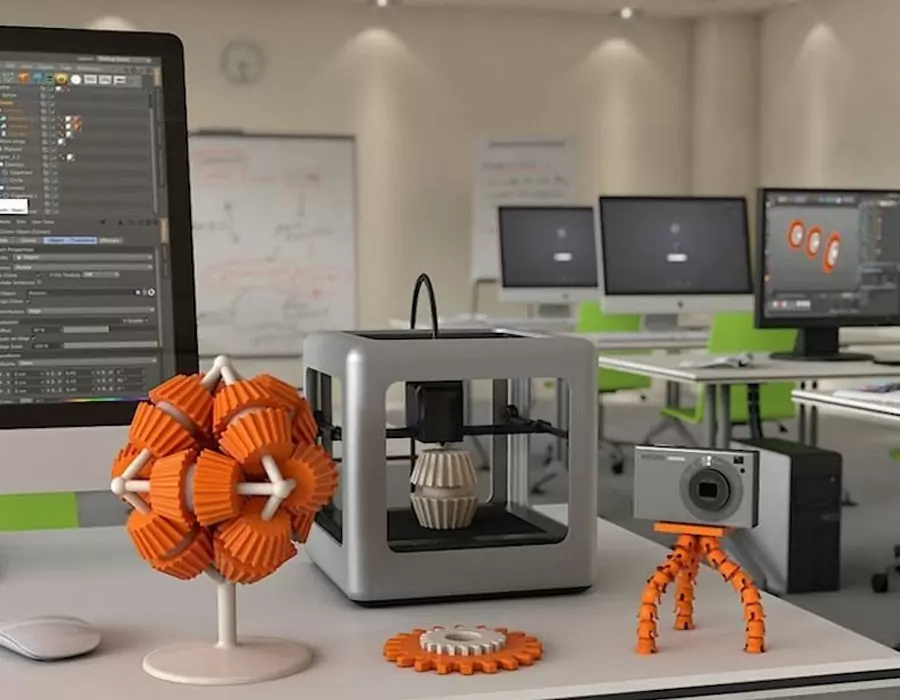
BE-CU.COM offers online 3D printing services for rapid prototyping and production in volume. Our clients are across a wide variety of industries and companies, including automotive, construction, aerospace, defense, electronics, machinery, industrial automation, medical, healthcare, consumer production, oil & gas, etc. Accelerate your product development and manufacturing process with our industry-leading metal & plastic 3D printing service and 3D printed parts. We’ll find the best 3D printing solution for your projects, to lower your cost and shorten the lead time based on your needs, while maintaining the quality. From 3D prototyping to end-use parts production, multiple materials are available for custom 3D printing parts. Need an alternative to the traditional solution? Submit your 3D CAD file to get an online quotation quickly. Our 3D printing service ensures accuracy and speed. We can help you choose the most appropriate technology and material to match your applications or request.
-
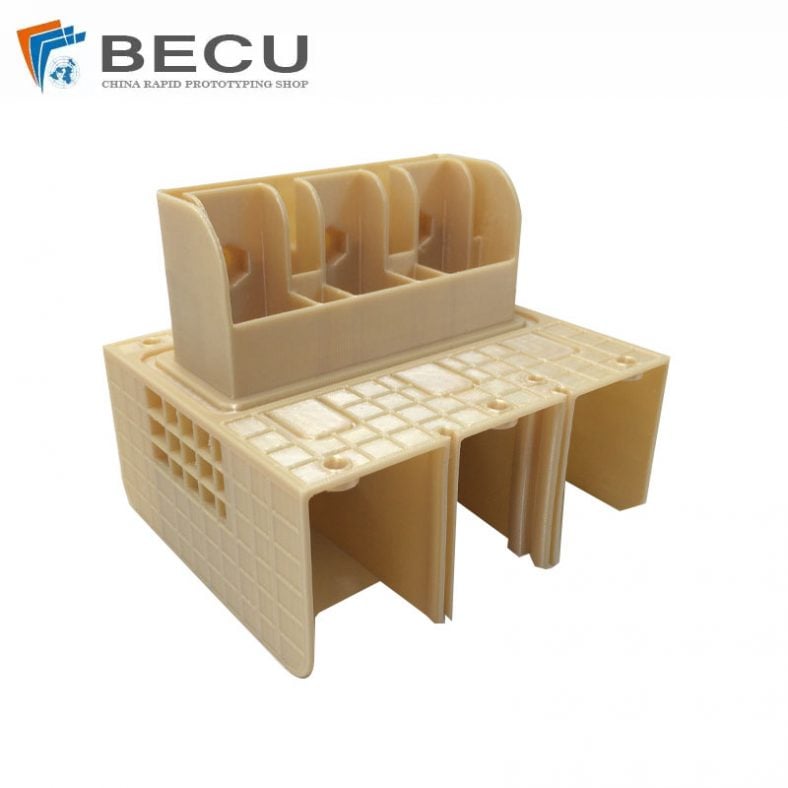
FDM 3D Printing Ultra-High Voltage Strong Electrical Connector
-
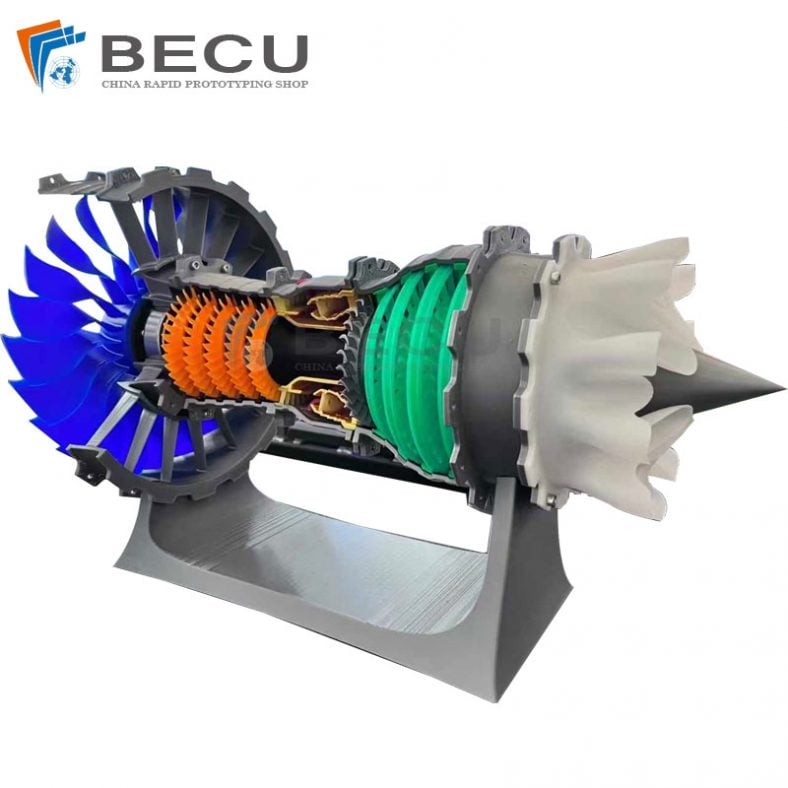
3D Printed Jet Engine Model
-
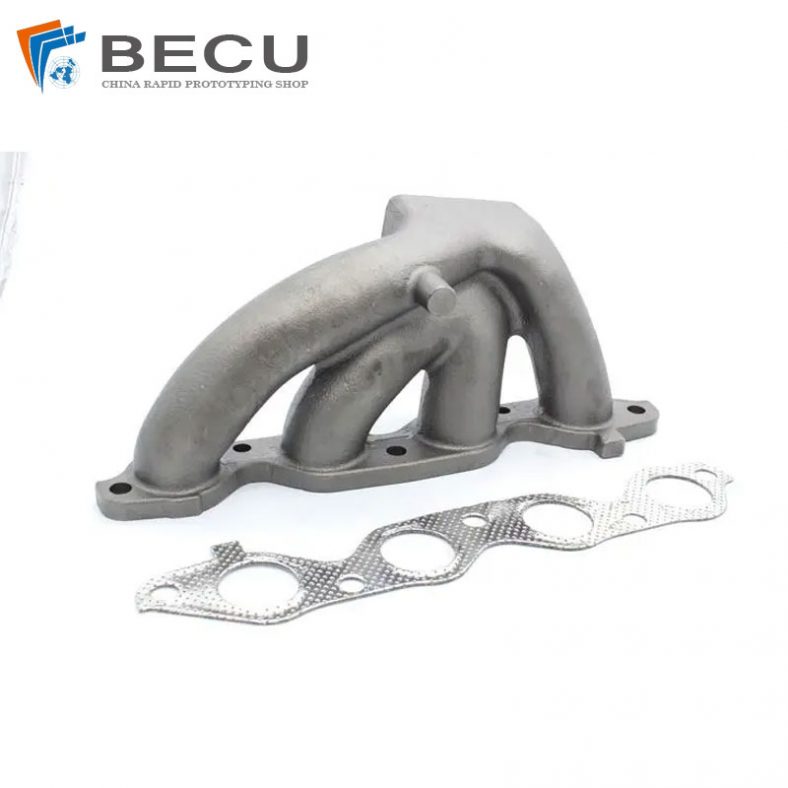
3D Printed Inconel Exhaust Manifold
-
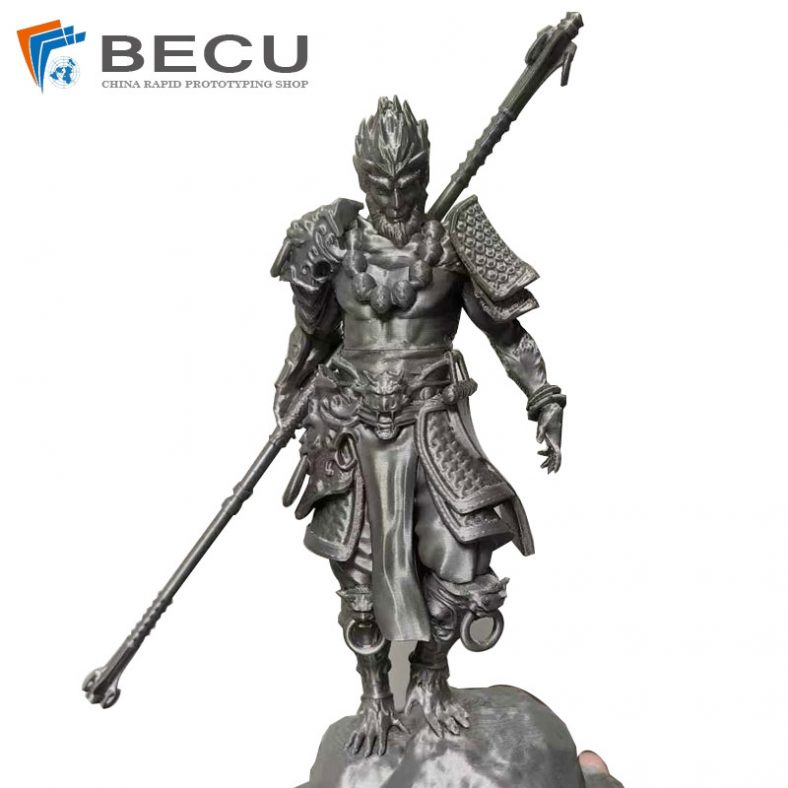
3D Printed Black Myth: Wukong Model
-
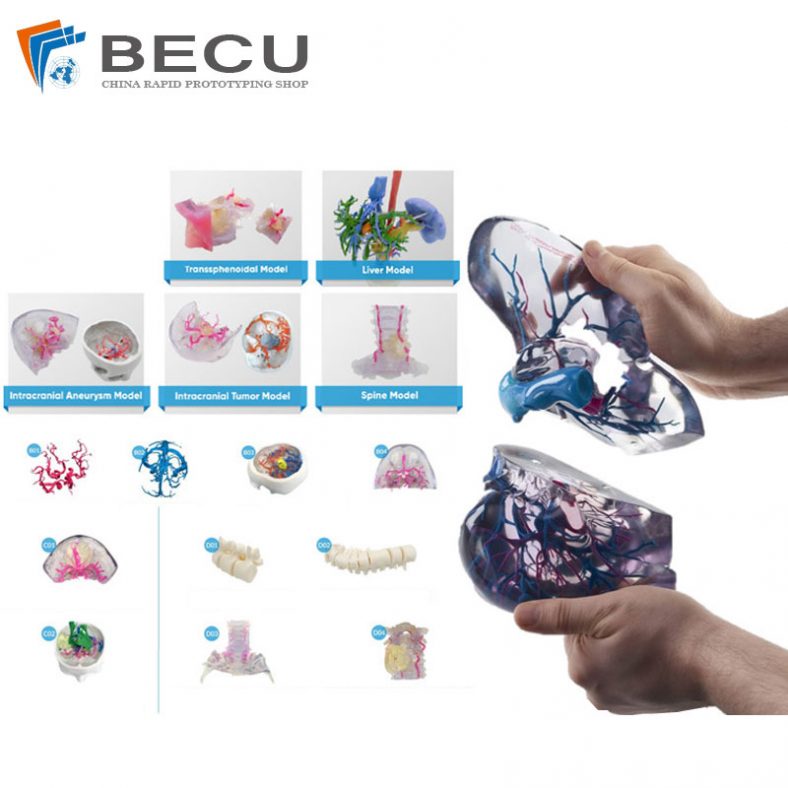
Omni-Directional Surgical Planning Medical Models
-
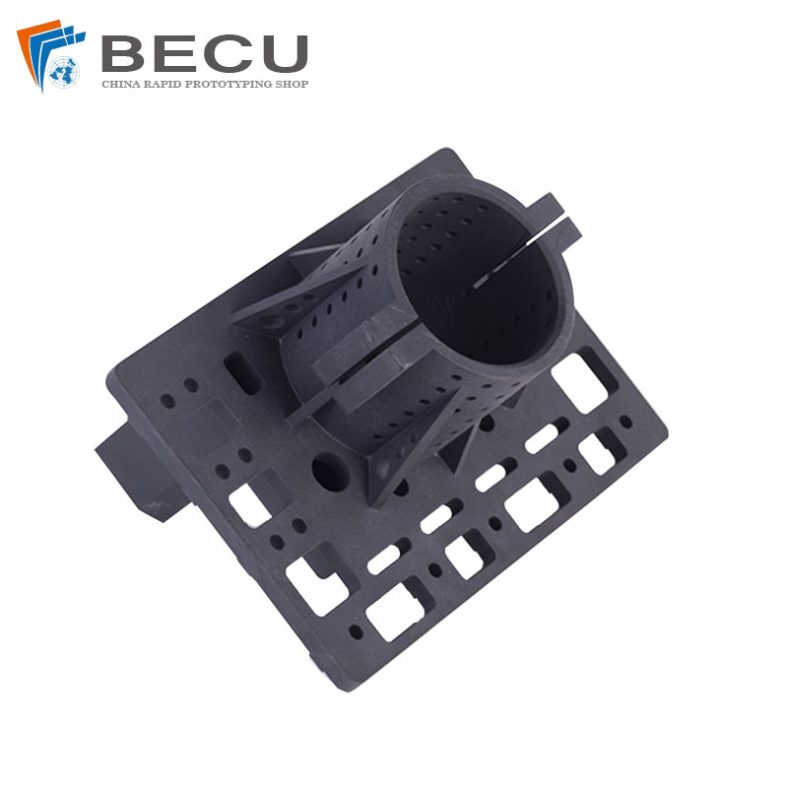
3D Printing Pool Pressure Cleaner Parts and Accessories
-
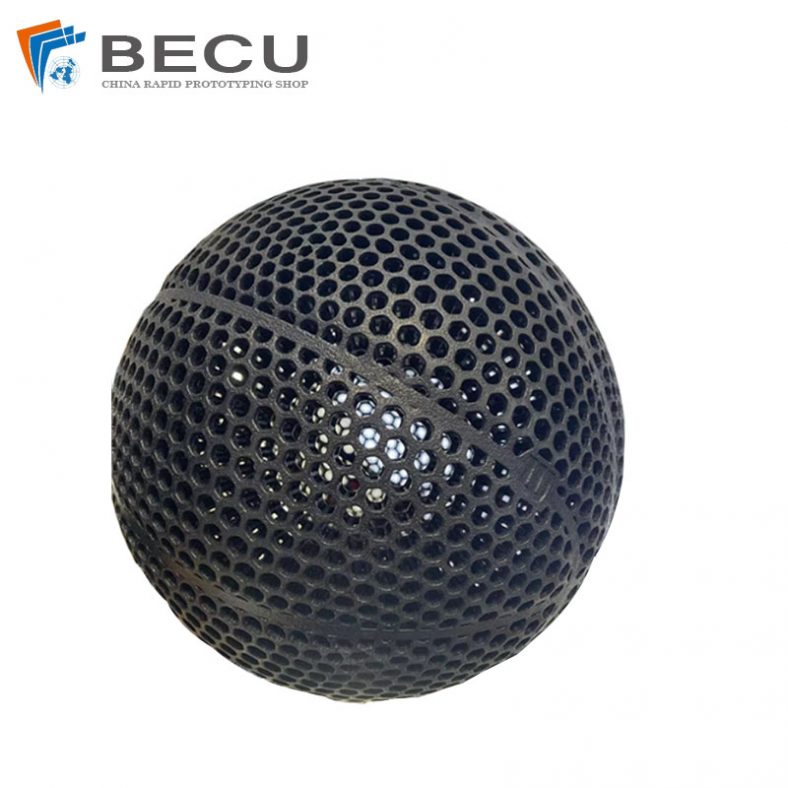
Nylon 3D Printed Size 5 Basketball
-
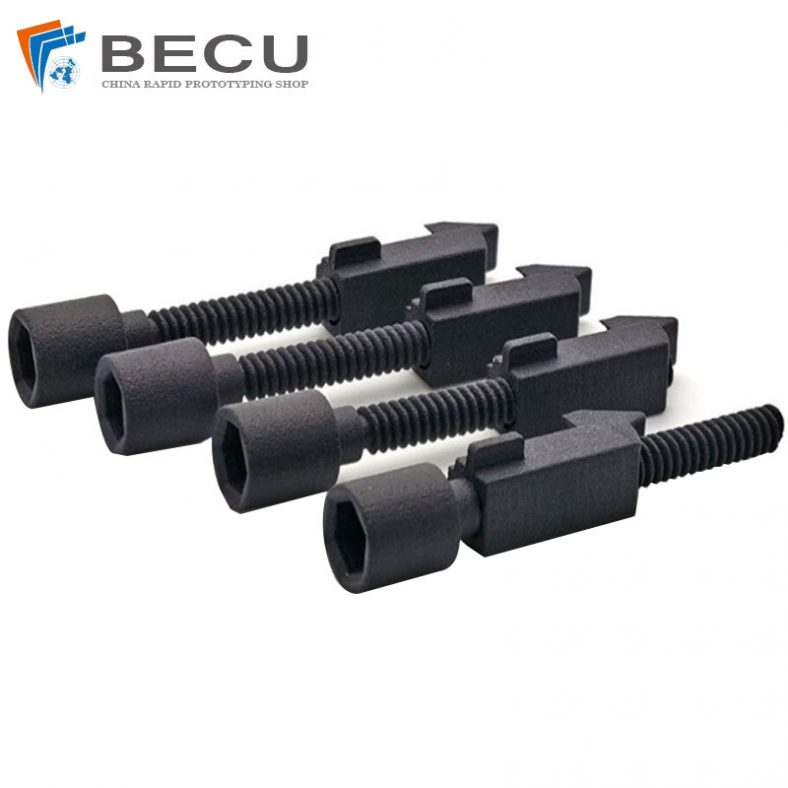
Black Nylon Medical Threaded Screw By MJF 3D Printing