
Bearing steel is an essential material used in the manufacturing of bearings, which play a crucial role in various mechanical systems by enabling smooth rotational or linear movement. The performance and longevity of bearings largely depend on the quality of the steel used in their production.
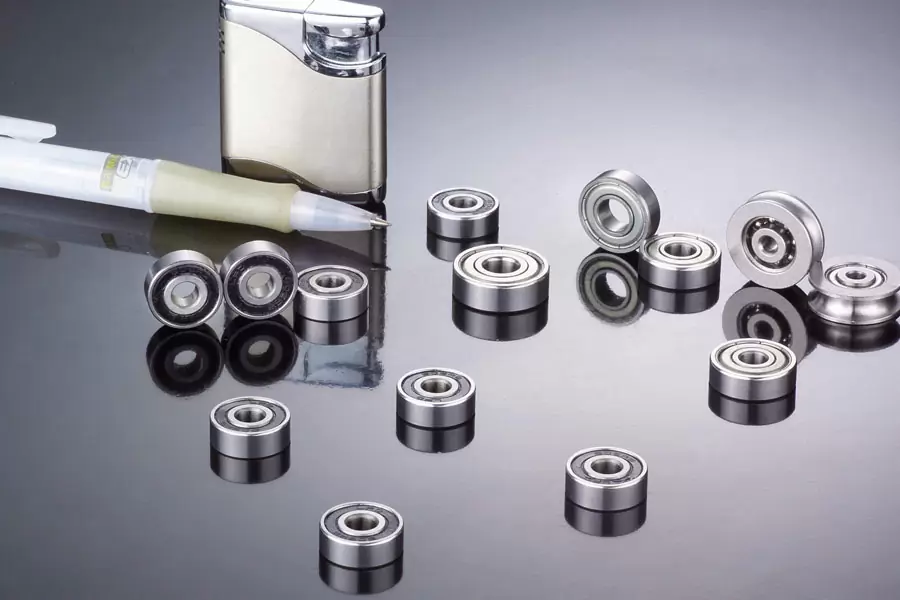
One of the critical factors affecting the quality of bearing steel is its heat treatment process, particularly the cooling phase after rolling. This article explores the methods and benefits of super-fast cooling techniques post-rolling, focusing on their impact on the microstructure, mechanical properties, and overall performance of bearing steel.
Bearings are an important part of mechanical equipment. To a certain extent, the quality of bearings restricts the speed and progress of the national economy, national defense construction and scientific and technological modernization, and the progress of bearing steel production technology directly affects the bearing industry For development, industrially developed countries attach great importance to the research on the quality of bearing steel products.
To improve the quality of bearing steel and ensure that it has higher fatigue strength, compressive strength, surface hardness and good service life, it is necessary to improve the purity of the steel and the uniformity of carbides in the steel, mainly the inclusions in the material. The content, type of inclusions and gas content; and the uniformity of the shape, size and distribution of carbides is another important indicator to measure the quality of bearing steel products.
Overview of Bearing Steel
In order to improve the product quality of various specifications of bearing steel and reduce the heavy reliance on rolling mills and other equipment in the production of bearing steel, the State Key Laboratory of Rolling Technology and Continuous Rolling Automation (RAL) of Northeastern University has carried out the ultra-fast cooling technology of bearing steel bars. Research work has been carried out on the precipitation conditions of carbides and the phase transition during continuous cooling.
Composition and Types of Bearing Steel
Bearing steels are primarily carbon steels that contain specific alloying elements to enhance their mechanical properties. The most common types of bearing steel include:
- AISI 52100: A high-carbon chromium steel known for its hardness and wear resistance, often used in rolling element bearings.
- AISI 440C: A martensitic stainless steel with high hardness and corrosion resistance, used in applications where both properties are crucial.
- AISI 631: A high-alloy stainless steel that provides a balance between toughness and wear resistance.
These steels are characterized by their carbon content, alloying elements, and specific heat treatment processes, which are crucial for optimizing their properties for bearing applications.
Importance of Microstructure in Bearing Steel
The microstructure of bearing steel significantly influences its mechanical properties, such as hardness, toughness, fatigue strength, and wear resistance. Key microstructural features include:
- Grain Size: Finer grains generally enhance strength and toughness.
- Phase Distribution: The presence of martensite, retained austenite, and carbides affects wear resistance and fatigue life.
- Defects: Inclusions, voids, and other defects can significantly compromise the performance of bearing steel.
Understanding and controlling the microstructure during the manufacturing process is essential for producing high-quality bearing steel.
The Rolling Process
Description of the Rolling Process
Rolling is a manufacturing process where metal is plastically deformed to achieve the desired shape and dimensions. This process involves passing the steel through rollers, which compress and elongate the material. The rolling process can be divided into two main stages:
- Hot Rolling: Conducted at high temperatures, allowing the metal to deform easily and reducing the energy required for processing.
- Cold Rolling: Performed at room temperature, leading to increased strength and improved surface finish.
During rolling, the material experiences significant deformation, resulting in a refined microstructure that can be further enhanced through subsequent heat treatment.
Effects of Rolling on Microstructure
The rolling process introduces various changes to the microstructure of bearing steel, including:
- Deformation: The extensive plastic deformation during rolling leads to dislocation density increases, which can enhance strength through mechanisms such as work hardening.
- Recrystallization: Upon cooling, the deformed microstructure may undergo recrystallization, leading to the formation of new, equiaxed grains that enhance toughness.
- Residual Stresses: Rolling can introduce residual stresses in the material, which can negatively affect fatigue performance if not properly managed.
Understanding these changes is essential for optimizing subsequent heat treatment processes, particularly cooling methods.
Heat Treatment and Cooling Techniques
Traditional Heat Treatment Processes
The heat treatment of bearing steel typically involves three main stages:
- Austenitizing: Heating the steel to a temperature where austenite forms, allowing for the dissolution of carbides and the homogenization of the microstructure.
- Quenching: Rapidly cooling the steel to transform austenite into martensite, a high-strength phase.
- Tempering: Heating the quenched steel to a lower temperature to reduce brittleness while retaining hardness.
Importance of Cooling in Heat Treatment
The cooling phase, particularly during quenching, is critical for determining the final microstructure and mechanical properties of the bearing steel. Traditional quenching methods, such as oil or water quenching, have limitations in terms of cooling rates, which can lead to issues such as:
- Inadequate Cooling Rates: Insufficient cooling can result in incomplete transformation to martensite, leading to reduced hardness and wear resistance.
- Distortion and Cracking: Uneven cooling can introduce thermal stresses, causing dimensional inaccuracies or fractures.
Super Fast Cooling Techniques
To overcome the limitations of traditional quenching methods, super-fast cooling techniques have been developed. These methods involve using advanced cooling technologies to achieve significantly higher cooling rates, thus enhancing the quality of bearing steel.
1. Cryogenic Treatment
Cryogenic treatment involves cooling the steel to extremely low temperatures using liquid nitrogen or helium. This process can significantly enhance the transformation of retained austenite to martensite and refine the microstructure. Key benefits include:
- Increased Hardness: The transformation of retained austenite improves hardness and wear resistance.
- Reduced Residual Stress: Cryogenic treatment can help relieve residual stresses, improving dimensional stability.
2. Water Jet Cooling
Water jet cooling utilizes high-velocity jets of water to rapidly cool the bearing steel. This method can achieve cooling rates that exceed those of traditional quenching methods, resulting in:
- Improved Microstructure: The rapid cooling facilitates the formation of finer martensitic structures.
- Enhanced Toughness: The reduction in grain size contributes to improved toughness and fatigue resistance.
3. Induction Cooling
Induction cooling uses electromagnetic induction to heat and subsequently cool specific areas of the steel. This localized heating and cooling can lead to:
- Targeted Properties: The ability to control cooling rates allows for tailoring properties to specific applications.
- Reduced Cycle Times: Induction cooling can lead to shorter processing times, enhancing productivity.
Comparison of Cooling Techniques
When comparing super-fast cooling techniques, several factors must be considered, including cooling rates, cost, and compatibility with existing manufacturing processes. Each method has its advantages and potential drawbacks, making it essential to select the appropriate cooling strategy based on the specific requirements of the bearing application.
Impact of Super Fast Cooling on Bearing Steel Quality
The control principle is that during the continuous cooling process of the subcooled austenite, the austenite will inevitably appear in the carbon-poor zone and the carbon-rich zone. Once the nucleation conditions are met, while ferrite is constructed in the carbon-poor zone, cementite is also constructed in the carbon-rich zone. The two are synchronized at the same time, eutectoid and symbiosis, forming a pearlite nucleus (ferrite + Cementite), and at the same time new crystal nuclei are produced in other parts and grow up continuously. When pearlite is formed, longitudinal growth means that cementite and ferrite sheets continuously extend into austenite at the same time, while lateral growth means that cementite and ferrite sheets are alternately stacked to increase.
Microstructural Improvements
Super-fast cooling techniques significantly enhance the microstructure of bearing steel. Key improvements include:
- Fine Martensitic Structure: The rapid cooling rates lead to the formation of finer martensite, which enhances hardness and wear resistance.
- Uniform Phase Distribution: Improved cooling rates contribute to a more uniform distribution of phases, minimizing the risk of defects and enhancing overall performance.
- Reduction of Retained Austenite: Super-fast cooling minimizes the amount of retained austenite, which can compromise the hardness and fatigue resistance of the steel.
Mechanical Property Enhancements
The improvements in microstructure translate directly into enhanced mechanical properties. Key benefits of super-fast cooling include:
- Increased Hardness: The formation of fine martensite significantly increases the hardness of the bearing steel, improving wear resistance.
- Enhanced Fatigue Strength: The refined microstructure and reduced defects contribute to superior fatigue performance, extending the life of bearings in demanding applications.
- Improved Toughness: The reduction in grain size and residual stresses enhances toughness, making the steel less prone to failure under cyclic loading.
Case Studies and Applications
Numerous studies have demonstrated the benefits of super-fast cooling techniques on bearing steel quality. For example, research has shown that bearings produced using cryogenic treatment exhibit significantly longer service life in high-load applications compared to those processed using traditional cooling methods. Similarly, water jet cooling has been successfully implemented in automotive applications, leading to improved performance and reduced failure rates.
Challenges and Considerations
Increasing the continuous cooling rate after deformation will play a role in refining the austenite grains. The size of the austenite grains has no obvious effect on the pearlite lamella spacing, but affects the size of the pearlite pellets. The austenite grains are fine and the grain boundary area per unit volume increases, which will promote the nucleation of pearlite. If the number of nucleation sites of pearlite increases, the diameter of pearlite pellets decreases.
Cost Implications
While super-fast cooling techniques offer substantial benefits, they also introduce additional costs related to equipment and process optimization. Manufacturers must weigh these costs against the potential improvements in bearing performance and longevity.
Process Integration
Integrating super-fast cooling techniques into existing manufacturing processes may require modifications to equipment and workflows. Manufacturers must ensure that the selected cooling method aligns with their overall production goals and capabilities.
Quality Control and Monitoring
Implementing advanced cooling techniques necessitates robust quality control measures to monitor the cooling process and ensure consistent results. Regular assessments of microstructure and mechanical properties are essential to maintain high-quality standards.
Conclusion
The quality of bearing steel is paramount to the performance and reliability of bearings in various applications. Super-fast cooling techniques after rolling represent a significant advancement in heat treatment processes, offering enhanced microstructural and mechanical properties. By understanding and implementing these methods, manufacturers can produce high-quality bearing steel that meets the demanding requirements of modern applications. As technology continues to evolve, further research and development in cooling techniques will likely yield even greater improvements in bearing steel quality, paving the way for innovations in mechanical engineering and design.
During the cooling process after hot rolling, the secondary carbides formed have an important impact on the performance of the bearing steel. Therefore, it is required that the network carbide in the bearing steel must be less than 2.5. Too much network carbide will bring serious consequences:
- In the subsequent quenching of the finished product, it cannot be completely eliminated.
- The net-like carbides retained in the bearing steel significantly increase the brittleness of parts and reduce the ability to withstand impact loads.
- Under the action of dynamic load, parts are easy to break along the grain boundary.
- Increase the tendency of quenching cracking.
At present, my country mainly adopts low-temperature rolling process to control the precipitation of bearing steel network carbides, and then supplements with a certain rate of cooling. However, this process depends on the capacity of the rolling mill and requires sufficient controlled cooling capacity before finishing rolling. After the water cooling, there is enough isothermal space before the final rolling. In the continuous rolling production line, low-temperature rolling is realized. Due to the insufficient cooling capacity of the existing cooling equipment, the temperature is difficult to accurately control, especially the large-size bars above Ф30mm, the product quality is unstable, and the network carbide precipitation is serious.
The micro-hardness of the bearing steel structure and the pearlite lamella spacing are affected by the cooling rate after rolling. As the cooling rate increases after hot rolling, the pearlite lamella spacing decreases while the microhardness value increases, and the smaller lamella spacing is very beneficial for the next spheroidizing annealing.
The ultra-rapid cooling technology is applied to the bearing steel mesh carbide control, so that the bearing steel quickly passes through the area where carbide precipitation is strong after rolling, which can significantly reduce or avoid the precipitation of secondary carbides along the grain boundary.
The finite element method is used to simulate and analyze the temperature field of the ultra-fast cooling process of bearing steel of different specifications after rolling, and a reasonable cooling process route is determined. On this basis, an ultra-fast cooling device for bearing steel bars and related Control System.
According to the requirements of ultra-rapid cooling process, combined with actual production conditions, the cooling equipment that meets the requirements of ultra-rapid cooling process of bearing steel after rolling was designed, and an automatic control system was developed, and a complete mathematical model was established to make the temperature control accuracy of bearing steel and Cooling uniformity has been greatly improved
The specifications of bearing steel produced by ultra-fast cooling technology are mainly Ф15.3mm~Ф60mm. The qualification rate of bearing steel mesh carbides of Ф30mm or less and class 2.0 or less has been increased from about 10% to 100%; for Ф30mm~Ф60mm bearing steel mesh carbides, it has been increased from 2.5~4 to 2.0. The following pass rate is more than 95%. For the bearing steel of Ф60mm~Ф120mm, the scratches on the surface after ultra-fast cooling have been significantly improved.
The Detail Of BE-CU Die Casting Company
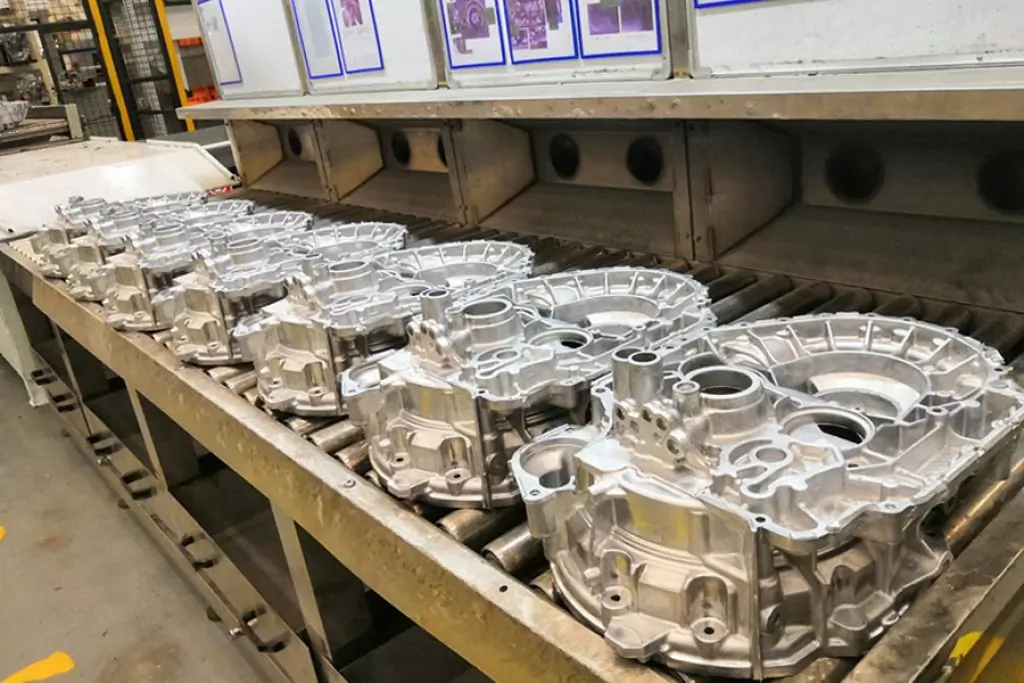
If you are looking for dependable volume manufacturing metal parts supplier with High pressure die casting service who offers you competitive price, good service and quality for aluminium die casting, zinc, or magnesium die casting, then BE-CU Prototype are surely a partner you are looking for to fulfill all your die casting needs. With quality service and state of art technology, BE-CU indeed claim in providing quality pressure die casting including aluminum/zamak/magnesium alloy castings to our customers all over the world.
To work with us,be-cu don’t just stop at taking your order and delivering your die casting products. be-cu are there for you at every step right from your preferred selection of aluminum die casting, Zamak die casting (Zamak 2, Zamak 3, Zamak 5, Zamak 8) or magnesium die casting products and services to post-order phase. In brief, once you become our customer, be-cu are with you every step on the way.
-
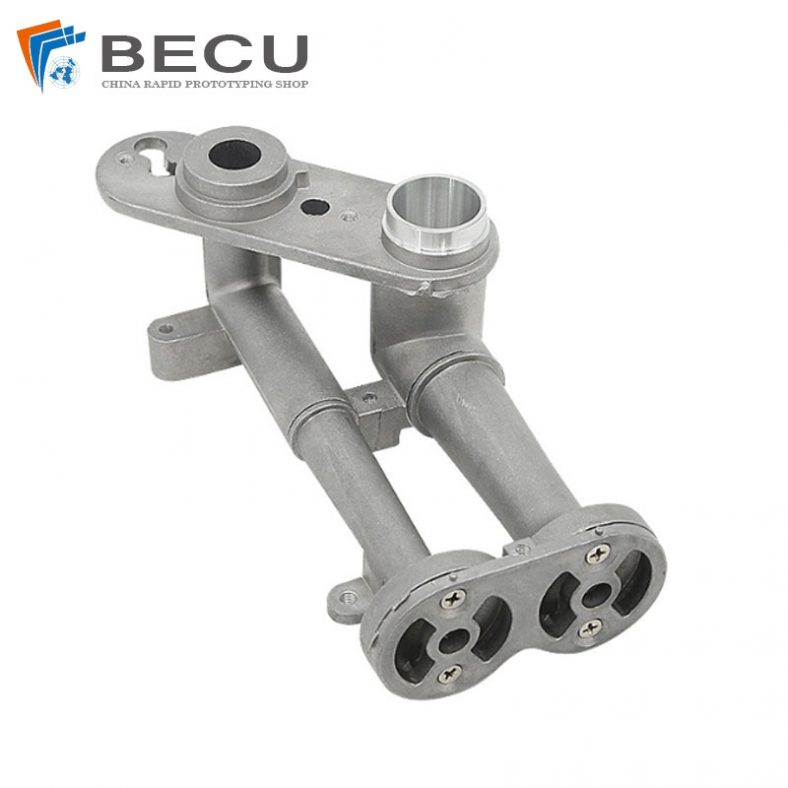
CNC Machining Gas Stove Bottom Joint
-
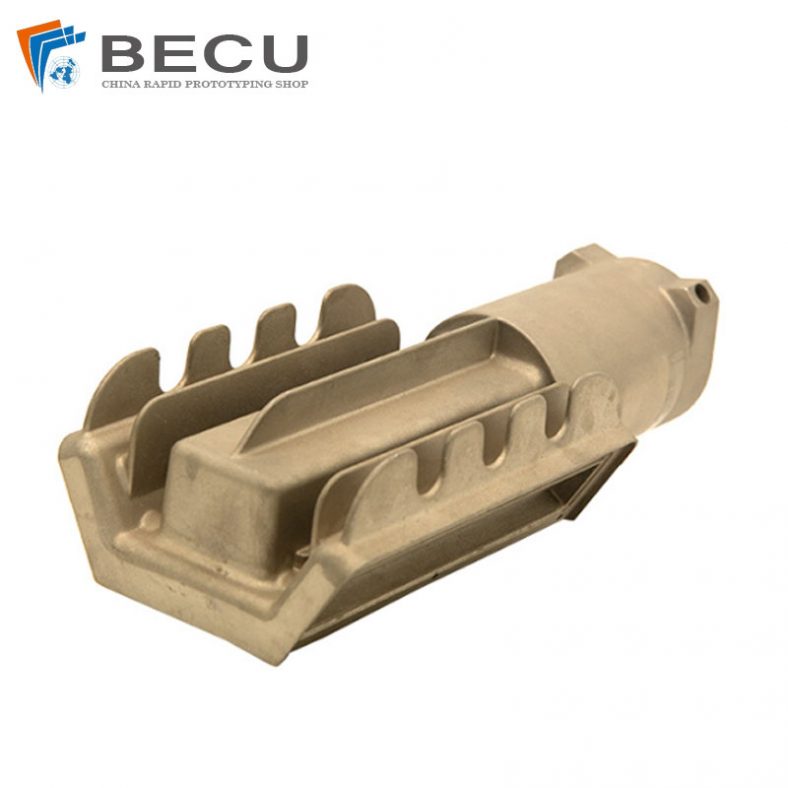
Gravity Die Casting Custom Street Light Heat Sink
-
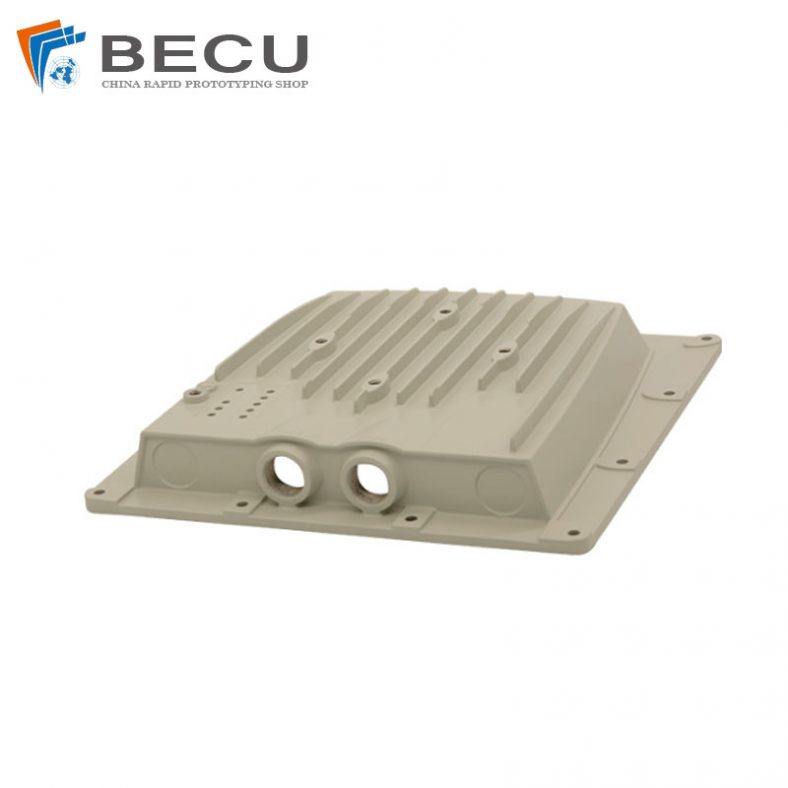
Die Casting LED Canopy Lights Heatsink For Gas Station
-
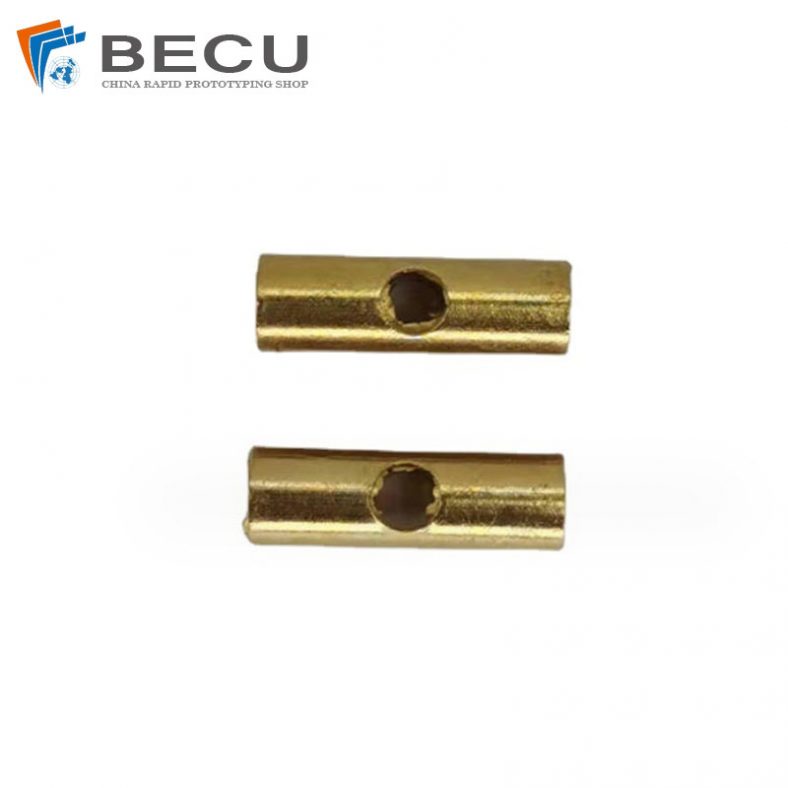
Zinc Die Casting PA10 Transformer Connector Terminal
-
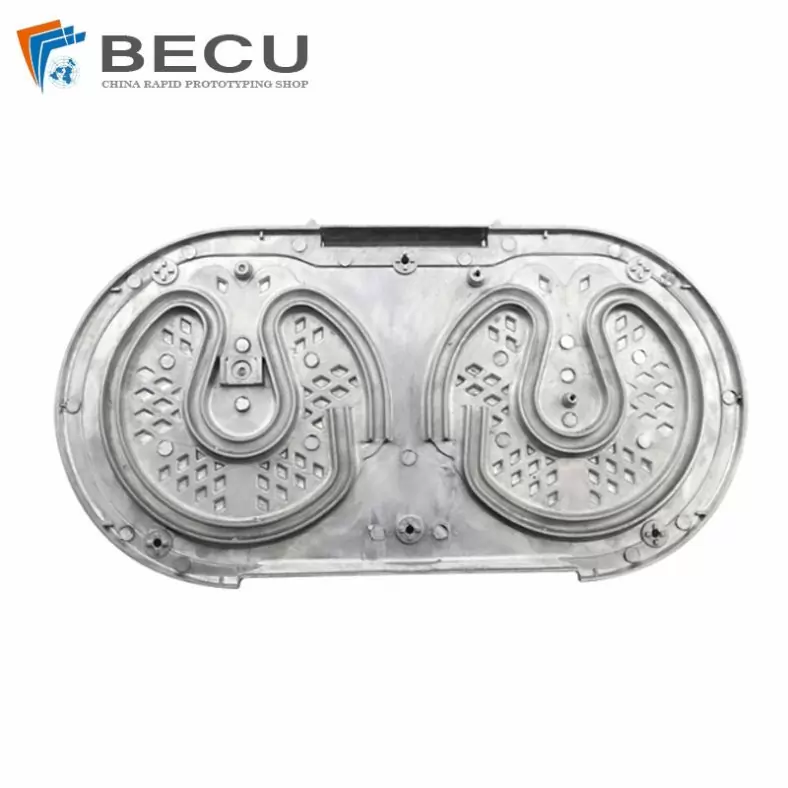
Die Casting Aluminium Cookware Chassis
-
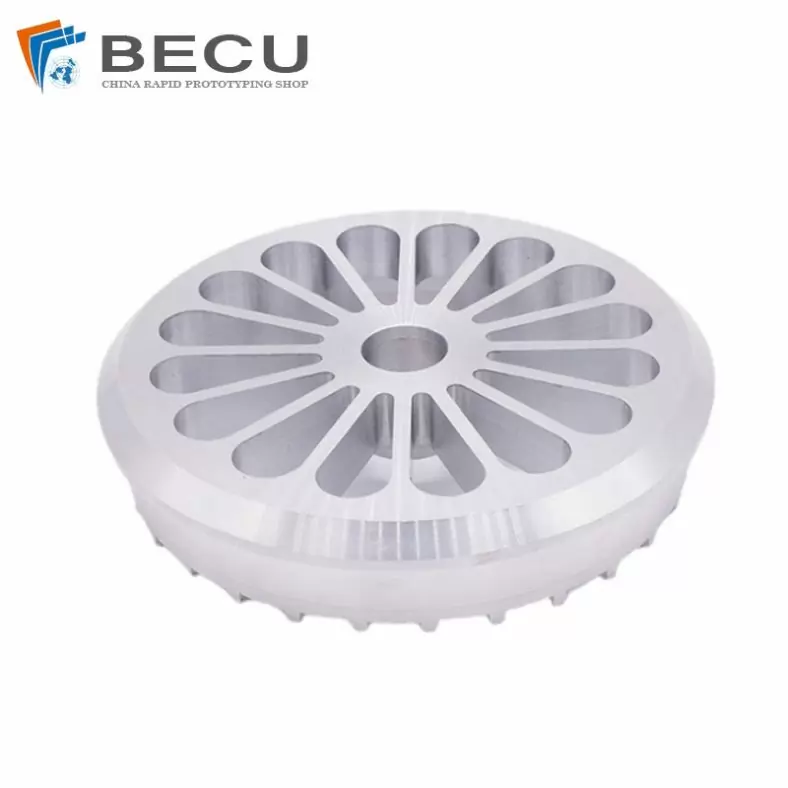
Die Casting Wheels With Aluminum Alloy 5 Axis CNC Machining
-
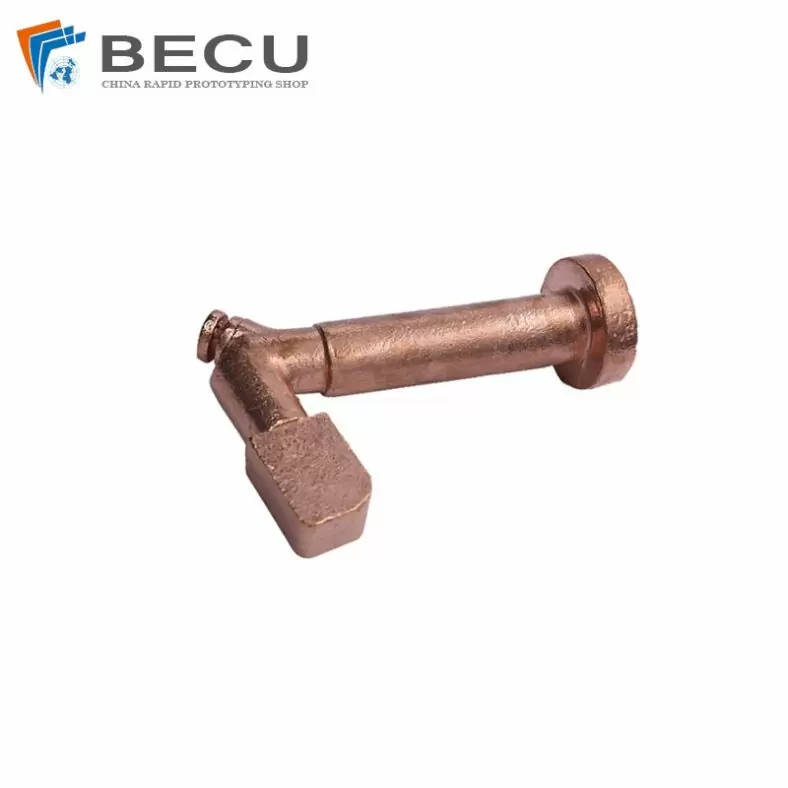
Precision Machined Copper Die Casting Parts
-
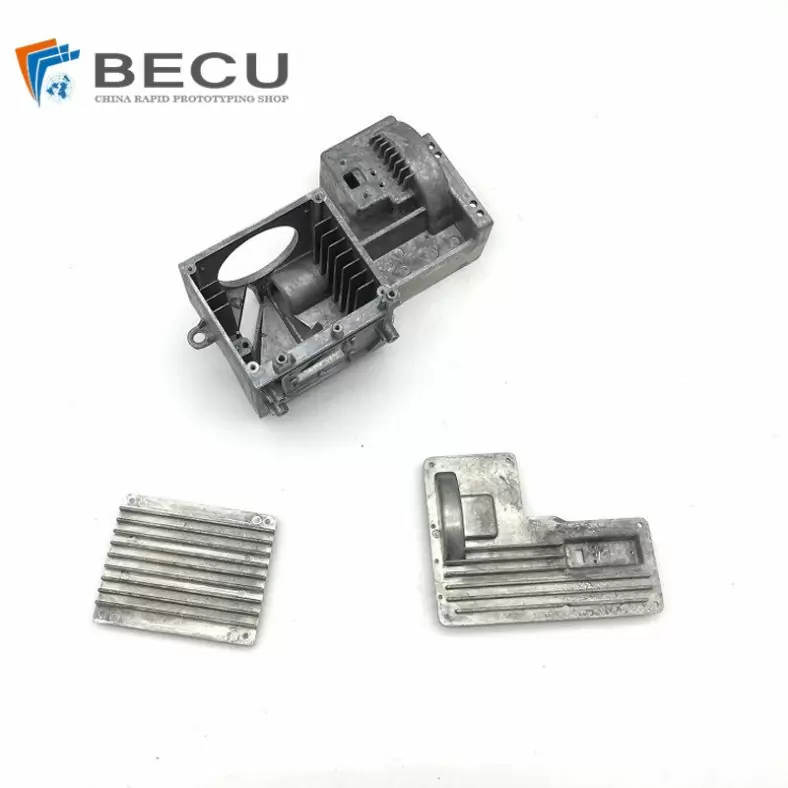
Professional Small Baler Aluminum Alloy Die-casting Mold Production
-
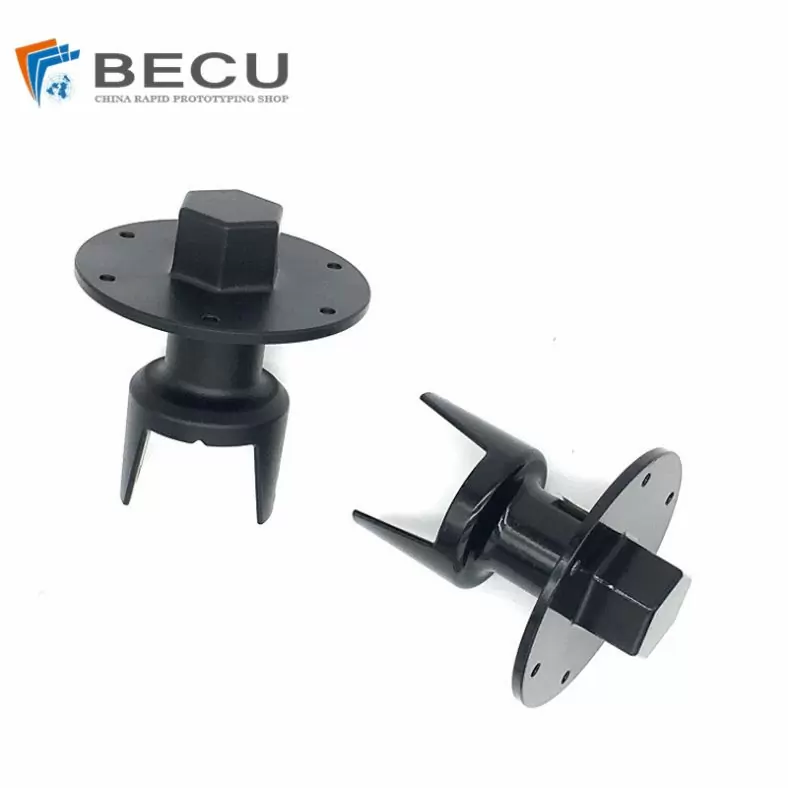
China Die Casting Factory Manufactures Surface Sprayed Aluminum Valve Body
-
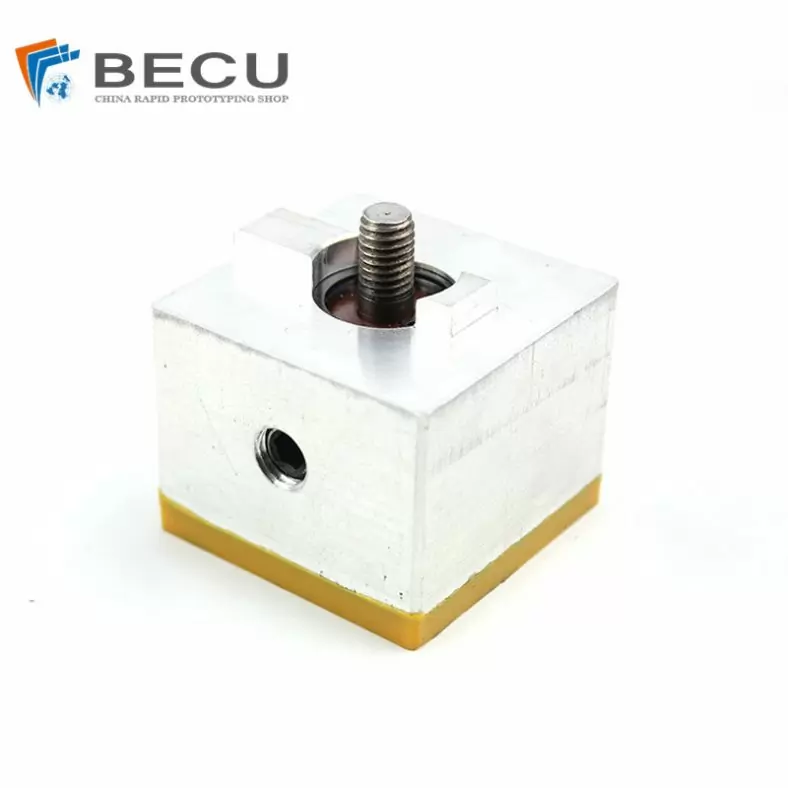
Extrusion Die-casting Polyurethane-Coated Aluminum Alloy Profiles
-
Custom Precision Aluminum Die Cast Brackets and Finishes
-
Extrusion Die-casting Magnesium Alloy Heat Sink Shell