
A jam nut, also referred to as a jamb nut in some technical contexts, is a specialized type of fastener widely utilized in mechanical assemblies to secure components under conditions where vibration, torque, or axial movement might otherwise cause loosening. Unlike standard nuts, the jam nut is typically thinner and designed to be used in conjunction with another nut—often a standard hex nut—to create a locking mechanism that enhances the stability of a threaded joint.
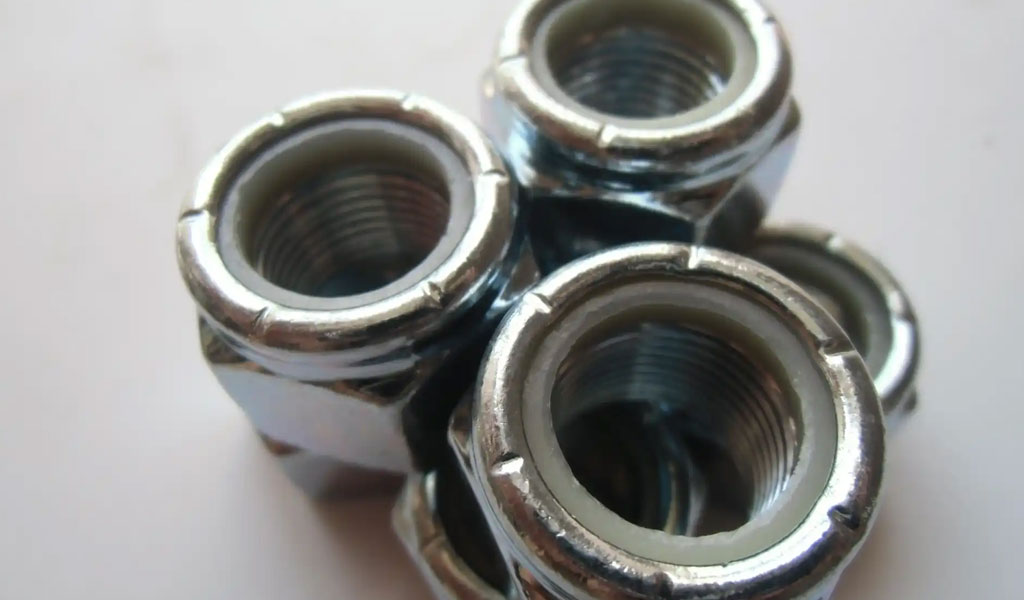
The fundamental principle behind the jam nut is its ability to “jam” against another nut, generating additional frictional force that resists rotational movement.
This article provides an exhaustive exploration of the jam nut, its mechanical properties, applications, and a detailed comparison with related fasteners such as the lock nut and the hex nut, delving into their design, functionality, materials, manufacturing processes, and practical uses across industries. Through this comprehensive analysis, supported by detailed tables, we aim to elucidate the nuanced differences and overlapping roles these fasteners play in engineering and construction.
The jam nut’s origins can be traced back to the industrial revolution when machinery became increasingly complex, necessitating reliable methods to secure bolts and threaded rods under dynamic loads. Its design is deceptively simple: a hexagonal shape with internal threads, typically conforming to standardized thread profiles such as Unified National Coarse (UNC) or Unified National Fine (UNF) in the United States, or metric threads under the ISO standard globally. However, its reduced thickness—often half or less than that of a standard hex nut—distinguishes it from other fasteners. This thin profile allows it to fit into tight spaces and work in tandem with a primary nut, a combination that has proven effective in applications ranging from automotive engineering to aerospace systems.
To fully appreciate the jam nut’s role, it is imperative to understand its operational mechanism. When a jam nut is threaded onto a bolt or rod after a standard nut, it is tightened against the first nut, creating a compressive force that increases the friction between the threads of the bolt and the nuts. This frictional resistance, often referred to as “thread locking” or “prevailing torque,” prevents the assembly from loosening under vibrational or thermal expansion stresses. The effectiveness of this method depends on several factors, including the material properties of the nuts and bolt, the thread pitch, the torque applied, and the environmental conditions (e.g., temperature, humidity, or exposure to corrosive agents).
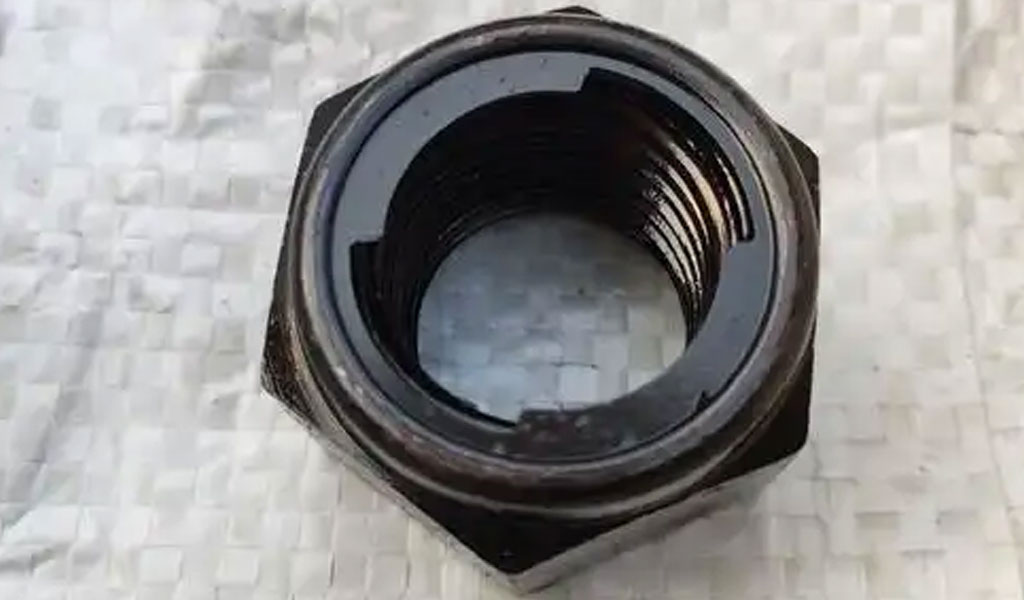
In contrast, a lock nut, sometimes called a locking nut, serves a similar purpose—preventing unintended loosening—but employs different mechanisms to achieve this goal. Lock nuts come in various forms, such as nylon-insert lock nuts, all-metal prevailing torque nuts, or serrated flange nuts, each designed with specific features to enhance their locking capability. For instance, a nylon-insert lock nut features a polymer ring inside the nut that deforms around the bolt threads when tightened, creating a tight grip that resists back-off. All-metal lock nuts, on the other hand, may have intentionally distorted threads or a conical top that generates additional thread friction. These variations make lock nuts versatile and often preferred in applications where a single nut must provide reliable locking without a secondary fastener.
The hex nut, or hexagonal nut, is the most ubiquitous of the three fasteners discussed here. Characterized by its six-sided shape, the hex nut is a general-purpose fastener designed for use with bolts, screws, or threaded rods to create a secure joint. Its simplicity and compatibility with standard wrenches make it a staple in construction, machinery, and consumer products. Unlike the jam nut or lock nut, the hex nut does not inherently possess a locking mechanism, relying instead on external factors such as torque, washers, or secondary fasteners (like the jam nut) to maintain joint integrity under load. This lack of intrinsic locking capability distinguishes the hex nut from its specialized counterparts, though its versatility and widespread availability ensure its continued prominence.
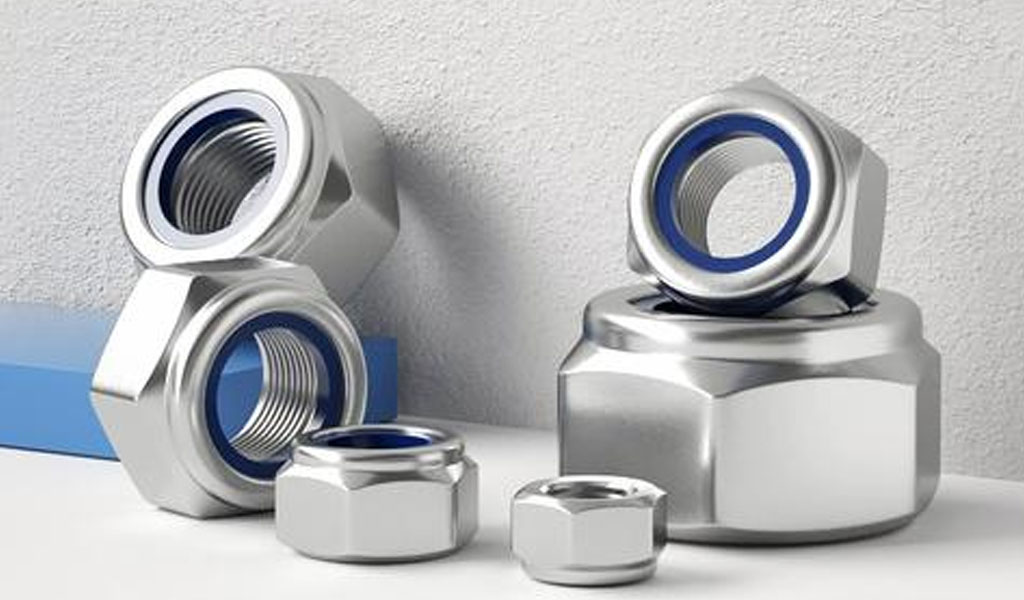
Mechanical Properties and Design Considerations
The design of a jam nut prioritizes compactness and compatibility with a primary nut. Its reduced height—typically ranging from 0.5 to 0.75 times the thickness of a standard hex nut—means it has fewer threads engaged with the bolt compared to a full-height nut. For example, in the ASME B18.2.2 standard for hex nuts, a 1/2-13 UNC jam nut has a nominal thickness of approximately 0.219 inches (5.56 mm), while a standard hex nut of the same size measures 0.427 inches (10.85 mm).
This difference reduces the jam nut’s load-bearing capacity when used alone, as fewer threads distribute the axial load, potentially leading to thread stripping or deformation under excessive force. However, when paired with a standard nut, the jam nut’s role shifts from load-bearing to locking, mitigating these limitations.
Lock nuts, by contrast, are engineered to balance load capacity and locking efficiency within a single unit. A nylon-insert lock nut, for instance, maintains the full height of a standard hex nut but incorporates a nylon collar that occupies the upper portion of the internal threads. This collar engages the bolt threads upon tightening, creating a prevailing torque that can range from 1 to 15 inch-pounds (0.11 to 1.7 Nm) depending on the nut size and material. All-metal lock nuts, such as those with distorted threads, achieve similar results through elastic deformation of the nut body, though this can reduce reusability compared to nylon-insert designs. The serrated flange lock nut, another variant, features a flanged base with radial serrations that dig into the mating surface, providing additional resistance to rotation.
Hex nuts adhere to a straightforward design philosophy: maximize thread engagement and load distribution. Their full height ensures a greater number of threads are in contact with the bolt, enhancing tensile strength and shear resistance. For a 1/2-13 UNC hex nut, the proof load—the maximum stress the nut can withstand without permanent deformation—is approximately 120,000 psi (827 MPa) for Grade 8 steel, significantly higher than a jam nut of the same material and size due to the increased thread engagement. This makes hex nuts ideal for static, high-load applications where locking is not a primary concern.
Materials and Manufacturing Processes
The choice of material for jam nuts, lock nuts, and hex nuts depends on the application’s requirements for strength, corrosion resistance, and cost. Common materials include:
- Carbon Steel: Widely used for its strength and affordability, carbon steel nuts are often graded (e.g., Grade 2, 5, or 8 in the SAE system) based on their tensile strength. A Grade 8 jam nut, for instance, offers a proof load of 150,000 psi (1,034 MPa), making it suitable for heavy-duty machinery.
- Stainless Steel: Preferred in corrosive environments, stainless steel (e.g., 18-8 or 316) provides excellent resistance to rust and oxidation. However, its lower strength—typically 70,000 to 100,000 psi (482 to 689 MPa)—limits its use in high-stress applications.
- Brass: Valued for its corrosion resistance and electrical conductivity, brass nuts are common in plumbing and electrical assemblies but lack the strength of steel.
- Nylon: Used in lock nuts as an insert material, nylon offers flexibility and vibration resistance but is not suitable for high-temperature environments due to its melting point of approximately 428°F (220°C).
Manufacturing processes for these nuts vary slightly based on their design. Hex nuts and jam nuts are typically cold-formed or machined from bar stock. Cold forming involves pressing a metal blank into a die to shape the hexagonal exterior and cut the internal threads, a cost-effective method for high-volume production. Lock nuts with nylon inserts undergo an additional step where the polymer ring is pressed or molded into the nut after threading. All-metal lock nuts with distorted threads require a secondary operation—such as crimping or heat treatment—to alter the thread geometry, increasing production complexity and cost.
Applications Across Industries
The jam nut’s primary application lies in assemblies requiring adjustable or temporary locking. In automotive suspension systems, for example, jam nuts secure tie rod ends, allowing mechanics to adjust alignment angles and lock the position by tightening the jam nut against a standard nut. Similarly, in machinery with rotating shafts, jam nuts prevent axial movement of bearings or pulleys, ensuring precise positioning under load. Their thin profile also makes them suitable for confined spaces, such as in electronics or instrumentation, where a full-height nut might not fit.
Lock nuts excel in applications demanding standalone reliability. Nylon-insert lock nuts are ubiquitous in automotive engines, securing components like exhaust manifolds that experience constant vibration and thermal cycling. All-metal lock nuts, with their higher temperature tolerance (up to 1,200°F or 649°C for some alloys), are favored in aerospace and industrial ovens, where nylon would degrade. Serrated flange lock nuts find use in sheet metal assemblies, such as HVAC systems, where their flange distributes load over a wider area and the serrations prevent rotation.
Hex nuts, as the most versatile fastener, appear in virtually every industry. In construction, they secure structural bolts in bridges and buildings, relying on high torque and washers to maintain joint integrity. In consumer goods, such as furniture assembly, hex nuts provide a simple, cost-effective solution for threaded connections. Their lack of locking features limits their use in high-vibration environments unless paired with a jam nut, lock washer, or adhesive thread locker like Loctite.
Comparative Analysis
To illustrate the differences between jam nuts, lock nuts, and hex nuts, the following tables provide detailed comparisons across key parameters:
| Feature | Jam Nut | Lock Nut (Nylon-Insert) | Hex Nut |
|---|---|---|---|
| Thickness (in/mm) | 0.219 / 5.56 | 0.427 / 10.85 | 0.427 / 10.85 |
| Width Across Flats | 0.750 / 19.05 | 0.750 / 19.05 | 0.750 / 19.05 |
| Thread Engagement | ~3 threads | ~6 threads (excluding nylon) | ~6 threads |
| Weight (oz/g) | 0.5 / 14.2 | 0.9 / 25.5 | 0.8 / 22.7 |
| Property | Jam Nut | Lock Nut (All-Metal) | Hex Nut |
|---|---|---|---|
| Proof Load (psi/MPa) | 150,000 / 1,034 | 150,000 / 1,034 | 150,000 / 1,034 |
| Prevailing Torque | N/A (requires second nut) | 5-10 in-lb / 0.56-1.13 Nm | N/A |
| Reusability | High | Moderate (thread wear) | High |
| Vibration Resistance | Moderate (with hex nut) | High | Low |
| Application | Jam Nut | Lock Nut | Hex Nut |
|---|---|---|---|
| High Vibration | Good (paired) | Excellent | Poor |
| High Load | Moderate | Good | Excellent |
| Adjustable Positioning | Excellent | Poor | Poor |
| Cost (Relative) | Low | Moderate | Low |
Advantages and Limitations
The jam nut’s primary advantage is its simplicity and adaptability. When used correctly, it provides a cost-effective locking solution without requiring specialized tools or materials. Its thin design also allows for fine adjustments in threaded assemblies, a feature lock nuts cannot replicate. However, its reliance on a second nut increases assembly time and complexity, and its reduced thread engagement limits its standalone strength.
Lock nuts offer superior convenience and reliability in high-vibration environments. A single nylon-insert lock nut can replace a jam nut-hex nut combination, reducing part count and installation effort. However, their cost is higher, and nylon-insert versions lose effectiveness above 250°F (121°C), while all-metal variants may wear out after repeated use.
Hex nuts remain the gold standard for general-purpose fastening due to their strength, availability, and ease of use. Their primary limitation—lack of locking capability—can be mitigated with additional components, but this increases cost and complexity, making them less efficient than lock nuts in dynamic conditions.
Scientific and Engineering Perspectives
From a mechanical engineering standpoint, the choice between jam nuts, lock nuts, and hex nuts hinges on the principles of thread mechanics and friction. The frictional force F F F resisting rotation in a threaded joint can be expressed as:
F=μ⋅N
where μ \mu μ is the coefficient of friction between the threads (typically 0.1–0.2 for steel-on-steel), and N N N is the normal force exerted by the nut against the bolt threads, proportional to the applied torque T T T:
T=F⋅r
Here, r r r is the thread radius. For a jam nut, the additional compressive force from tightening against a hex nut increases N N N, amplifying F F F. Lock nuts enhance F F F through prevailing torque or surface engagement (e.g., serrations), while hex nuts rely solely on initial torque without augmenting μ \mu μ or N N N post-installation.
Finite element analysis (FEA) studies, such as those conducted by the American Society of Mechanical Engineers (ASME), demonstrate that jam nut assemblies exhibit a 20–30% increase in vibrational resistance compared to a single hex nut, though they fall short of all-metal lock nuts, which can achieve up to 50% greater resistance due to thread distortion. These findings underscore the trade-offs between design complexity and performance.
Conclusion
The development of threaded fasteners parallels the rise of industrialization. Early nuts, hand-cut from iron, lacked standardization until the 19th century, when Sir Joseph Whitworth introduced the British Standard Whitworth (BSW) thread in 1841. The jam nut emerged as a practical solution to secure machinery in steam engines and railways, where vibration was a constant challenge. Lock nuts evolved later, with the nylon-insert design patented by the Elastic Stop Nut Corporation in the 1930s, revolutionizing fastener technology for the automotive and aviation sectors. Hex nuts, standardized under systems like ASME and ISO, became the foundation of modern fastening due to their compatibility with mass-produced bolts.
In summary, the jam nut, lock nut, and hex nut represent distinct yet complementary solutions in the realm of mechanical fastening. The jam nut excels in adjustable, low-profile locking when paired with a hex nut, offering a reliable, economical option for dynamic assemblies. The lock nut provides standalone security, ideal for high-vibration or critical applications, albeit at a higher cost and with material-specific limitations. The hex nut, with its robust simplicity, remains the backbone of static, high-load joints, adaptable to countless scenarios with the right accessories.
This extensive analysis, spanning design principles, material science, and practical applications, highlights the importance of selecting the appropriate fastener based on engineering requirements. Whether in a laboratory, factory, or field setting, understanding these nuances ensures the integrity and longevity of threaded connections, a cornerstone of modern technology.
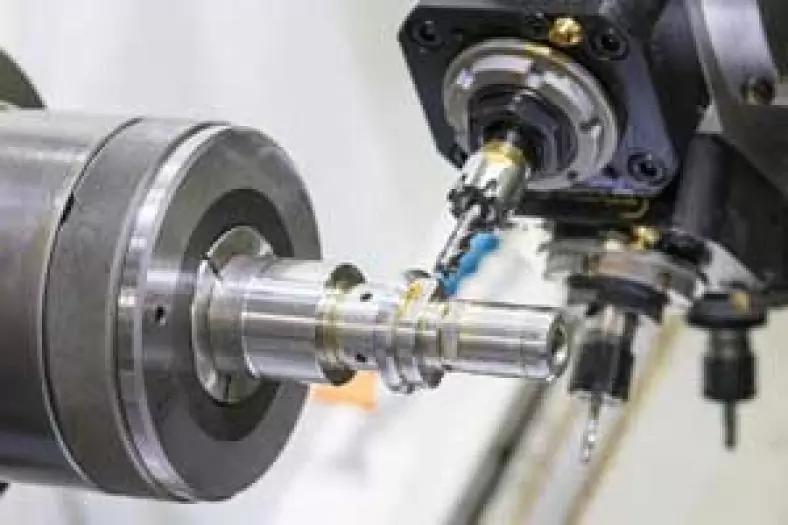
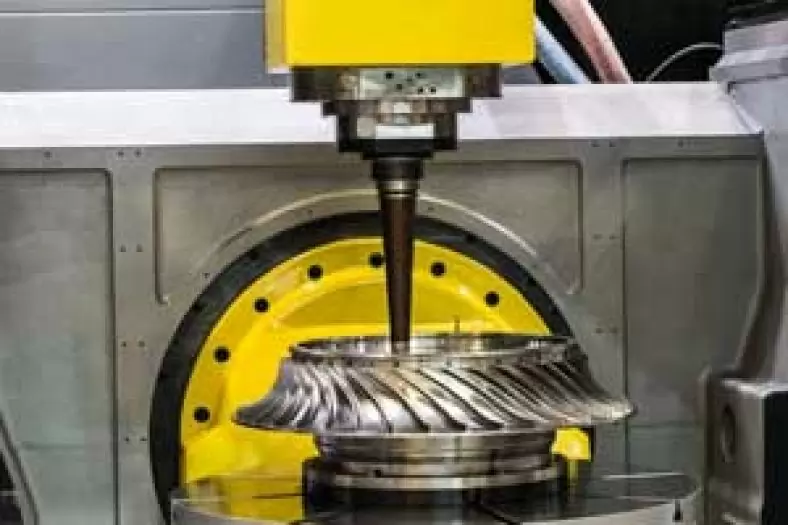
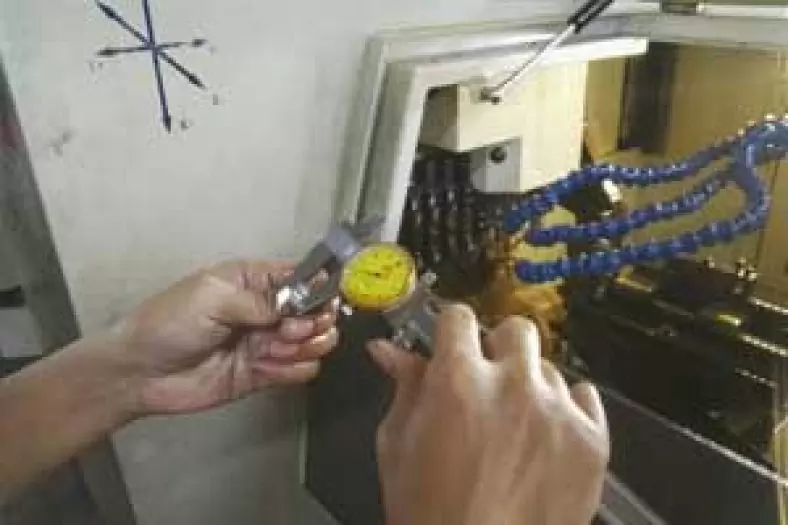
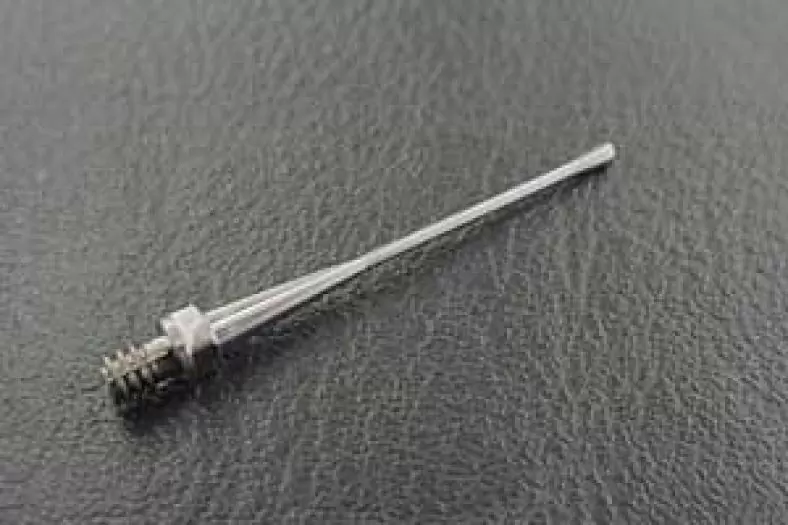
The Detail Of BE-CU Cnc Machining Shop
BE-CU.COM – As an accomplished CNC machining Service Manufacturer and CNC shop, BE-CU Prototype has been specialized in OEM CNC lathing, custom CNC machining parts production and rapid CNC machining services China for over 35 years and always maintaining the highest standard in delivery speed and reliable quality of precision CNC manufacturing components. With the help of high-level technology and efficient equipment, as well as rigorous attitude, BE-CU passed the ISO9001:2015 quality certification, which supports the long-term development of CNC milling services, CNC turning services, CNC milling-turning, CNC drilling services, 3/4/5 axis machining, gear machining services, CNC machining China custom parts and service, small parts machining, etc.Our CNC machining products can be utilized in a broad range of industries. Contact us for email: [email protected]
-
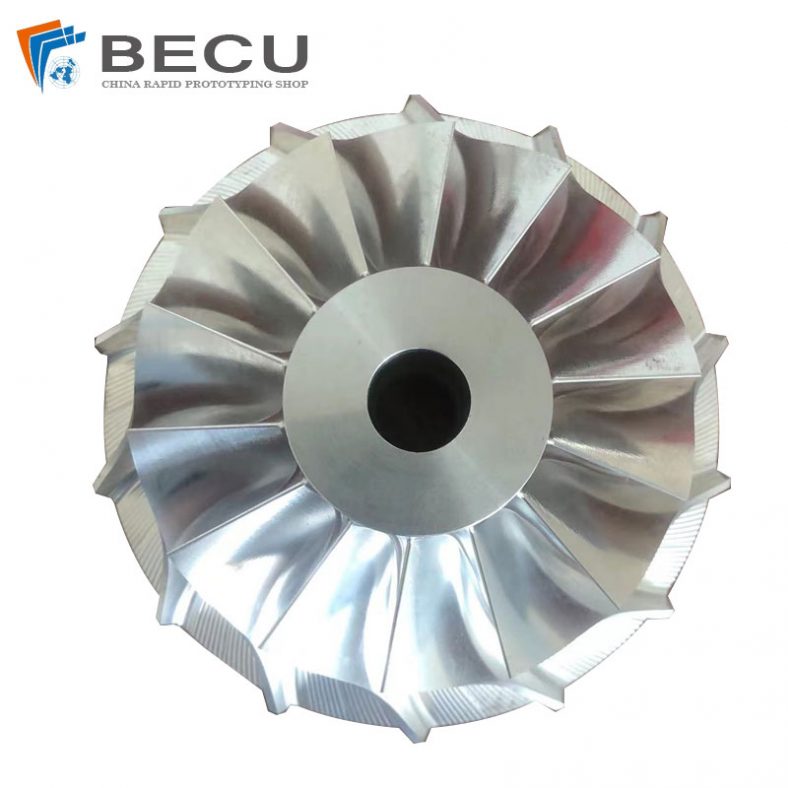
3-Way Centrifugal Compressor Closed Impeller By 5 Axis Machining
-
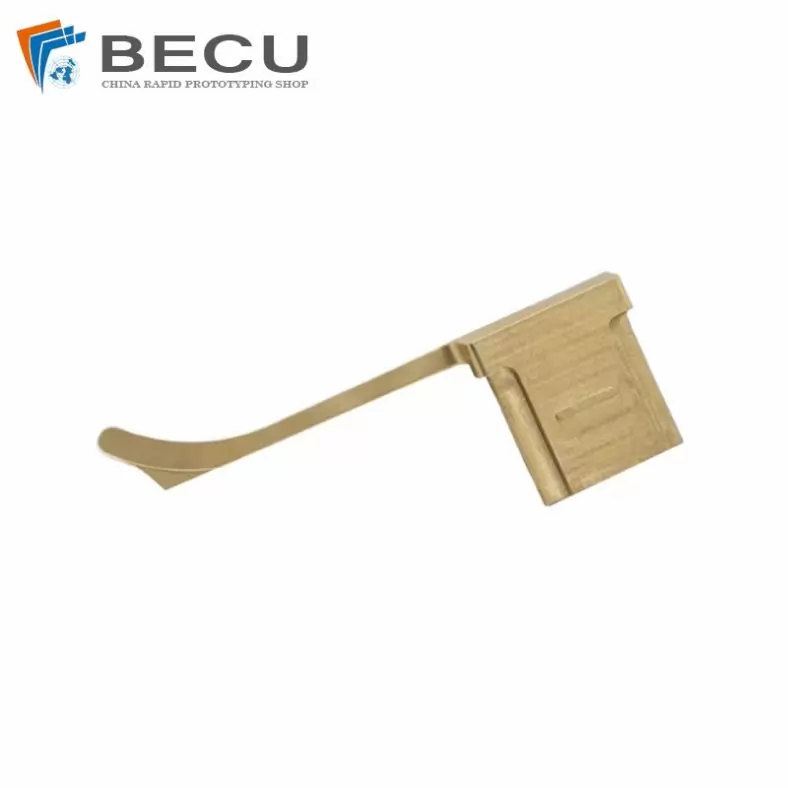
3/4/5 Axis Precision Milling Custom Vehicle Parts
-
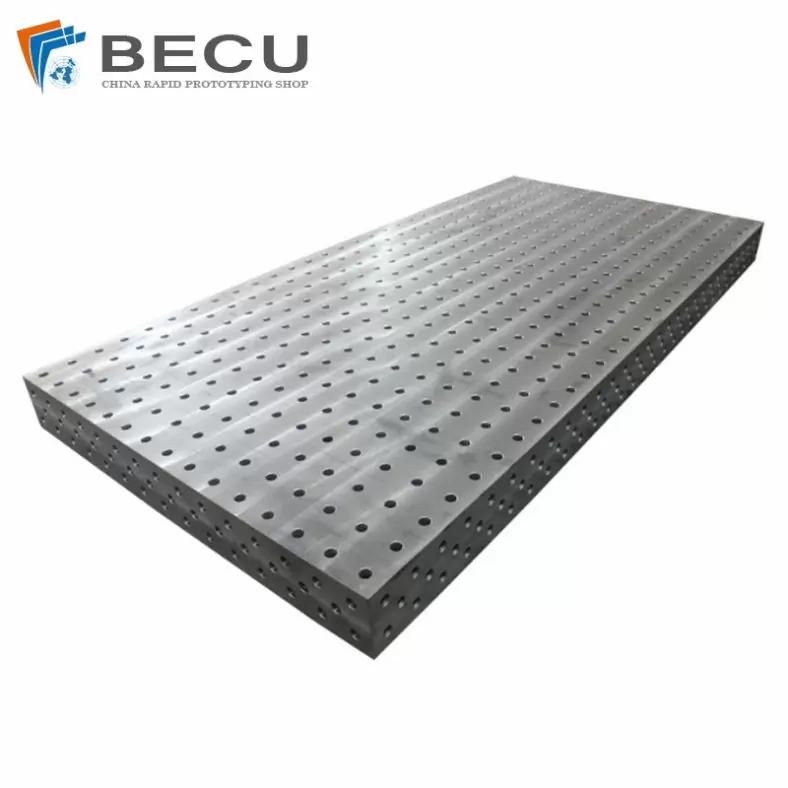
3D Flexible Welding Platform By Large Machining
-
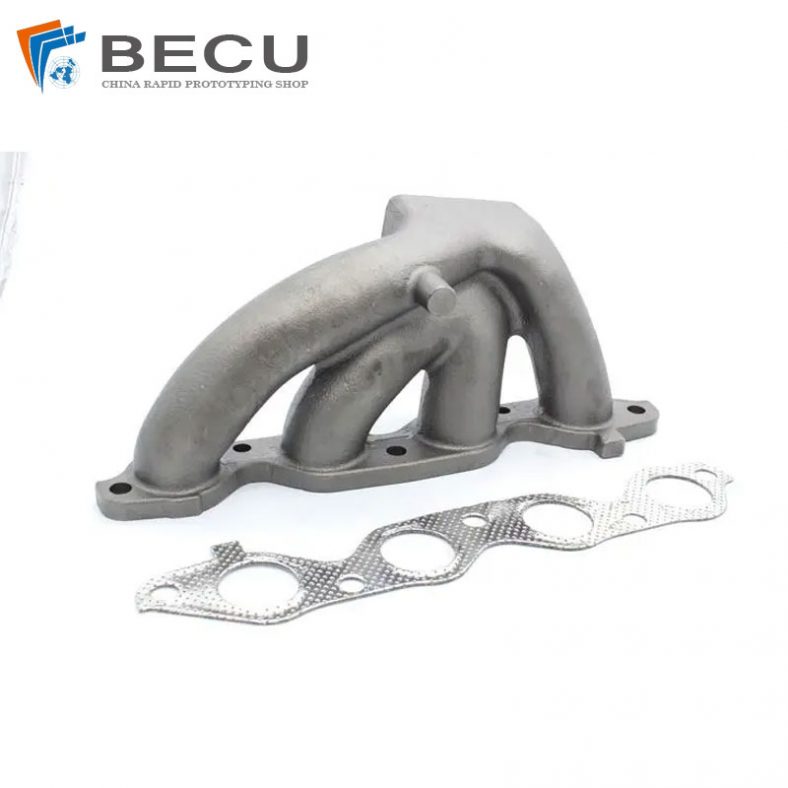
3D Printed Inconel Exhaust Manifold
-
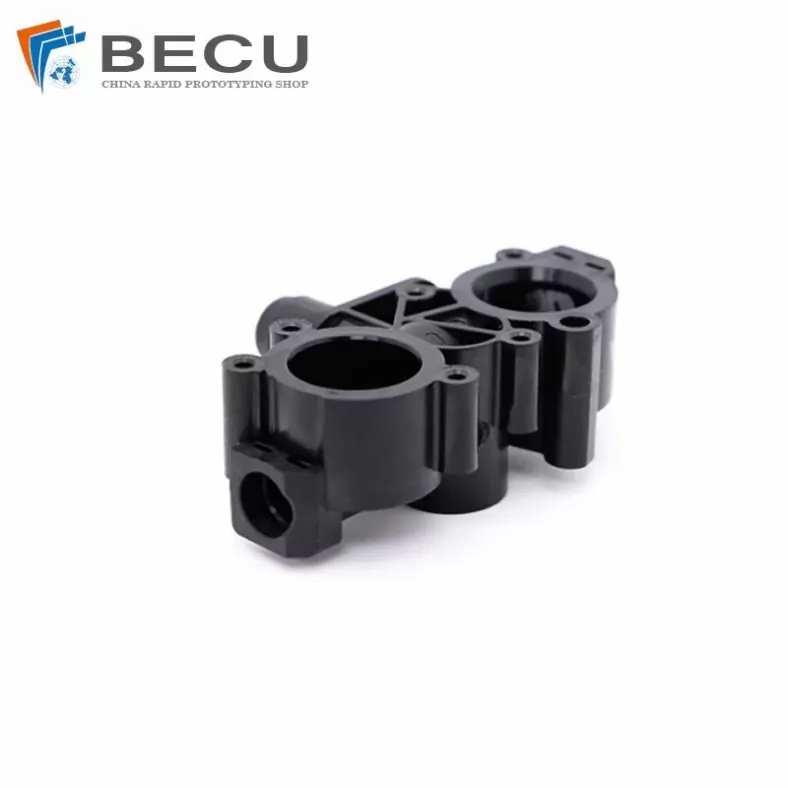
3D Printing And CNC Machining Custom Black PPS Valve
-
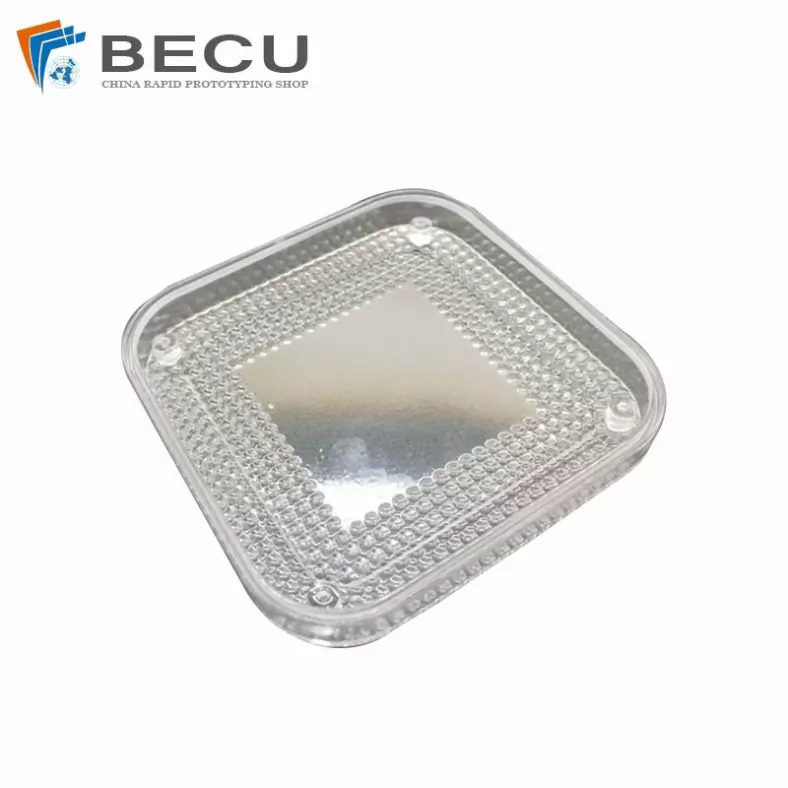
3D Printing Full Transparent Acrylic Lampshade Model
-
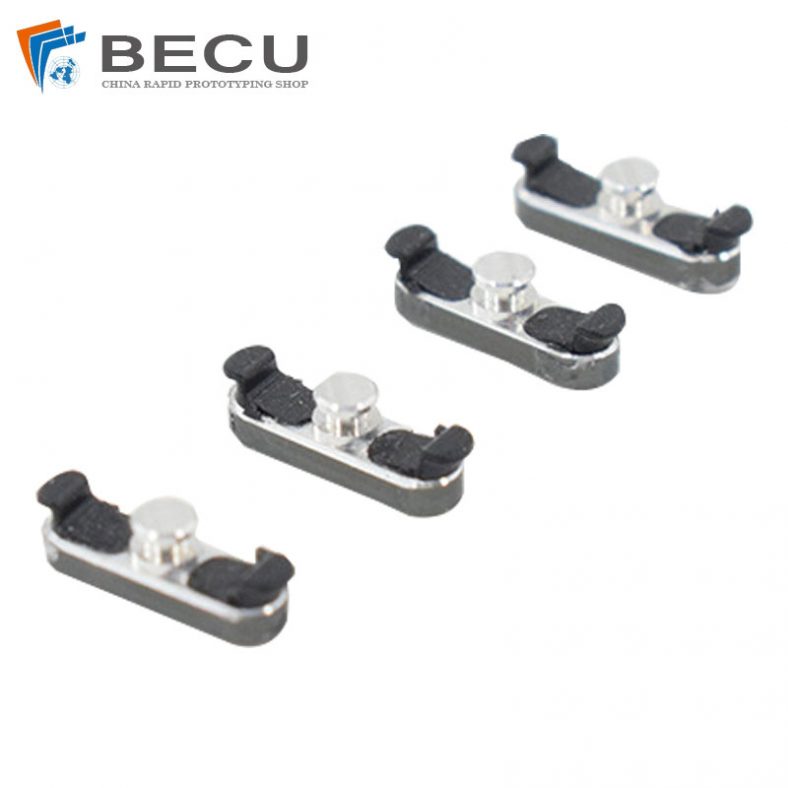
4 Axis CNC Machining Titanium Grade 5 Mobile Phone Buttons
-
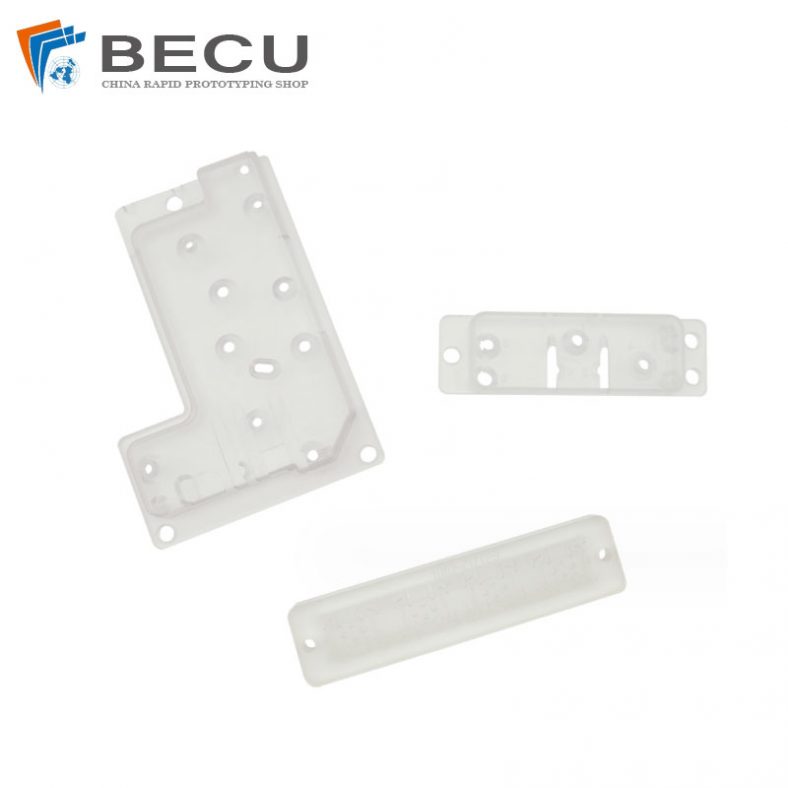
4 Axis Machining Highly Transparent Acrylic LED Tunnel Light Lens