
Liquid-crystal polymers (LCPs) are a specialized class of polymeric materials that exhibit the unique properties of both liquid crystals and polymers. Characterized by their ability to form highly ordered molecular structures in the melt or solution phase, LCPs combine the fluidity of liquids with the structural integrity of solids. This dual nature arises from their molecular architecture, which typically includes rigid, rod-like or disc-like segments that align spontaneously under specific conditions, leading to anisotropic properties such as exceptional mechanical strength, thermal stability, and chemical resistance.

LCPs were first recognized in the mid-20th century, with significant advancements in the 1960s and 1970s that led to their commercial development. Unlike conventional polymers, such as amorphous polystyrene or semi-crystalline polyethylene, LCPs possess a liquid-crystalline phase where molecular chains maintain partial order, resembling the behavior of low-molecular-weight liquid crystals found in displays. This phase enables LCPs to achieve low viscosity during processing, facilitating the production of complex, high-precision components. Their significance in materials science stems from their ability to meet the demands of high-performance applications in electronics, aerospace, automotive, and biomedical fields.
For instance, LCPs are integral to the production of microelectronic connectors, lightweight aerospace components, and biocompatible medical implants.
The discovery of LCPs marked a paradigm shift in polymer science, introducing materials that could outperform traditional thermoplastics and thermosets in extreme environments. Their low dielectric constants make them ideal for high-frequency applications in 5G technology, while their high strength-to-weight ratio supports lightweight designs in transportation. This section sets the stage for a detailed exploration of LCPs, covering their molecular structure, synthesis, processing, and applications.
Historical Background
The history of liquid-crystal polymers is rooted in the study of liquid crystals, first observed in 1888 by Friedrich Reinitzer, who noted the peculiar optical properties of cholesteryl benzoate, which appeared to exist in a state between liquid and solid.
This discovery laid the groundwork for understanding liquid-crystalline phases, but it was not until the mid-20th century that researchers began applying these principles to polymeric systems.

In 1965, Stephanie Kwolek at DuPont discovered Kevlar, a lyotropic LCP based on poly(p-phenylene terephthalamide). Kevlar’s exceptional tensile strength, derived from its highly ordered molecular structure in solution, revolutionized the field of high-performance fibers. This breakthrough prompted further research into LCPs, particularly thermotropic variants that form liquid-crystalline phases in the melt state. In the 1970s, researchers such as James Economy at Carborundum Company and Gordon Calundann at Celanese Corporation developed thermotropic LCPs based on aromatic polyesters, leading to the commercialization of materials like Vectra and Xydar in the 1980s.
Key milestones in LCP development include:
- 1888: Friedrich Reinitzer observes liquid-crystalline behavior in cholesteryl benzoate.
- 1965: Stephanie Kwolek discovers Kevlar, a lyotropic LCP, at DuPont.
- 1972: Synthesis of the first thermotropic LCPs using aromatic polyesters.
- 1980s: Commercial introduction of Vectra (Celanese) and Xydar (Solvay) for electronics and automotive applications.
- 1990s: Expansion of LCP use in telecommunications, driven by demand for low-dielectric materials.
- 2000s–Present: Development of bio-based LCPs and applications in 5G technology, flexible electronics, and sustainable materials.
The contributions of DuPont, Celanese, and Ticona (now part of Celanese) have been pivotal in advancing LCP technology. Today, ongoing research focuses on improving processability, reducing costs, and exploring sustainable LCP formulations.
Scope and Objectives of the Article
This article provides a comprehensive, scientific exploration of liquid-crystal polymers, designed to serve as a definitive resource for students, researchers, and industry professionals. The objectives are to:
- Elucidate the molecular structure, phase behavior, and properties of LCPs, distinguishing them from conventional polymers.
- Detail the synthesis and processing techniques used to produce LCPs, including challenges and innovations.
- Highlight the diverse applications of LCPs across industries, supported by comparative data and case studies.
- Discuss recent advances and future trends, with an emphasis on sustainability and emerging technologies.
The article is structured with periodic section headings to ensure clarity and accessibility, following a Wikipedia-style format that balances technical depth with readability. Detailed tables compare LCPs with other materials and processing methods, providing quantitative insights. By synthesizing historical context, current knowledge, and future directions, this article aims to illuminate the transformative role of LCPs in materials science and engineering.
Fundamentals of Liquid-Crystal Polymers
Molecular Structure and Composition
The defining feature of liquid-crystal polymers is their molecular architecture, which consists of rigid, rod-like or disc-like segments interspersed with flexible or semi-flexible spacers. This structure enables LCPs to form ordered phases while retaining the processability of polymers. The rigid segments, typically aromatic or heterocyclic units, provide structural integrity and alignment, while flexible spacers, such as aliphatic chains or ester linkages, allow mobility in the liquid-crystalline phase.
Common molecular components include:
- Rigid Units: Aromatic rings (e.g., benzene, biphenyl, naphthalene) or heterocyclic groups (e.g., oxadiazole, thiadiazole) that promote molecular alignment and high stiffness. For example, 4-hydroxybenzoic acid (HBA) is a common monomer in thermotropic LCPs.
- Flexible Spacers: Aliphatic chains (e.g., ethylene, butylene) or ether linkages that reduce the melting point and improve processability.
- Functional Groups: Substituents like halogens, methyl groups, or polar groups that modify solubility, thermal stability, or dielectric properties.
The molecular design of LCPs determines their phase behavior and performance. For instance, thermotropic LCPs, such as those based on HBA and 6-hydroxy-2-naphthoic acid (HNA), form nematic phases with high anisotropy, leading to superior mechanical properties. Lyotropic LCPs, like Kevlar, rely on rigid polyamide chains that align in concentrated solutions, producing high-strength fibers.
The degree of molecular alignment, or order parameter, is a critical factor in LCP performance. In the liquid-crystalline phase, the order parameter (S) ranges from 0 (isotropic) to 1 (perfectly aligned). For LCPs, S typically ranges from 0.5 to 0.9, reflecting their high degree of order compared to amorphous polymers (S ≈ 0).
Liquid-Crystalline Phases
LCPs exhibit liquid-crystalline phases, which are intermediate states between fully ordered crystalline solids and disordered liquids. These phases arise from the partial alignment of molecular chains, which maintain orientational order while allowing some degree of mobility. The primary liquid-crystalline phases in LCPs are:
- Nematic Phase: Molecular chains align along a preferred direction (the director) but lack positional order. This phase is characterized by low viscosity and high anisotropy, making it ideal for processing thermotropic LCPs. Nematic LCPs are used in injection-molded parts for electronics.
- Smectic Phase: Chains are organized into layers with both orientational and positional order, resulting in higher rigidity than the nematic phase. Smectic LCPs are less common but used in applications requiring enhanced structural integrity.
- Cholesteric Phase: A helical variant of the nematic phase, where molecular chains twist around a central axis. This phase exhibits unique optical properties, such as selective light reflection, and is used in optical films and sensors.
The phase behavior of LCPs is governed by temperature (for thermotropic LCPs) or solvent concentration (for lyotropic LCPs). Thermotropic LCPs transition from a crystalline solid to a nematic or smectic melt at elevated temperatures, typically 250–400°C. Lyotropic LCPs, such as Kevlar, form liquid-crystalline phases in concentrated solutions (e.g., 20–30% w/w in sulfuric acid), enabling fiber spinning.
Phase transitions are characterized using techniques like differential scanning calorimetry (DSC) and polarized optical microscopy (POM). For example, DSC reveals the melting temperature (Tm) and liquid-crystalline transition temperature (Tlc), while POM visualizes the characteristic textures of nematic (schlieren) or smectic (batonnet) phases.
Comparison with Conventional Polymers
LCPs differ markedly from conventional amorphous and semi-crystalline polymers due to their ordered molecular structure. The following table compares key properties:
| Property | Liquid-Crystal Polymers (LCPs) | Amorphous Polymers (e.g., Polycarbonate) | Semi-Crystalline Polymers (e.g., Nylon 6,6) |
|---|---|---|---|
| Tensile Strength (MPa) | 150–300 | 50–70 | 80–100 |
| Young’s Modulus (GPa) | 10–20 | 2–3 | 3–5 |
| Melting Point (°C) | 250–400 | None (Tg: 140–150) | 250–270 |
| Glass Transition (Tg, °C) | 100–200 | 140–150 | 50–80 |
| Thermal Stability (°C) | Up to 300 | Up to 120 | Up to 200 |
| Chemical Resistance | High (solvents, acids) | Moderate | Moderate |
| Dielectric Constant | 2.5–3.5 | 3.0–3.2 | 3.5–4.0 |
| Anisotropy | High (direction-dependent) | Low (isotropic) | Moderate |
| Processing Viscosity | Low in nematic phase | High | Moderate |
LCPs excel in mechanical strength, thermal stability, and chemical resistance due to their ordered structure. Their low dielectric constants make them ideal for high-frequency applications, while their anisotropy enhances performance in specific directions but requires careful processing to control orientation.
Thermotropic vs. Lyotropic LCPs
LCPs are classified into two categories based on their phase behavior:
- Thermotropic LCPs: Exhibit liquid-crystalline phases in the melt state, triggered by temperature changes. They are processed using standard thermoplastic techniques, such as injection molding or extrusion. Examples include Vectra (HBA/HNA copolymers) and Zenite, used in electronics and automotive parts.
- Lyotropic LCPs: Form liquid-crystalline phases in solution, typically at high concentrations (e.g., 20–30% w/w). They are processed by wet or dry spinning, as seen in Kevlar and Twaron, which produce high-strength fibers for ballistic protection and composites.
Thermotropic LCPs are easier to process due to their melt-processable nature, while lyotropic LCPs require solvent-based processing, which is more complex but yields superior tensile properties. The choice between thermotropic and lyotropic LCPs depends on the application, with thermotropic LCPs dominating in molded parts and lyotropic LCPs in fibers.
Synthesis and Processing
Synthesis Methods
The synthesis of LCPs involves polymerization techniques designed to create rigid, ordered molecular chains. Common methods include:
- Polycondensation: The primary method for thermotropic LCPs, involving the reaction of diols, diacids, or hydroxyacids to form polyesters or polyamides. For example, Vectra is synthesized by polycondensing 4-hydroxybenzoic acid (HBA) and 6-hydroxy-2-naphthoic acid (HNA) at high temperatures (250–300°C) under vacuum to remove byproducts like water.
- Melt Polymerization: A solvent-free process where monomers are heated to form LCPs, commonly used for aromatic polyesters. This method is cost-effective but requires precise control to prevent thermal degradation. Catalysts, such as antimony trioxide, are often used to accelerate the reaction.
- Solution Polymerization: Employed for lyotropic LCPs, such as Kevlar, where monomers like p-phenylenediamine and terephthaloyl chloride are reacted in a polar solvent (e.g., N-methylpyrrolidone with calcium chloride). The resulting high-molecular-weight polymer forms a liquid-crystalline phase in solution.
Each method is tailored to the LCP type and application. Polycondensation is versatile for thermotropic LCPs, while solution polymerization is critical for lyotropic LCPs requiring high molecular weights (e.g., Mw > 50,000 g/mol).
Molecular Design Strategies
The properties of LCPs are tailored through careful molecular design, focusing on:
- Monomer Selection: Aromatic monomers, such as terephthalic acid, biphenol, or HBA, enhance rigidity and thermal stability. Heterocyclic monomers, like 1,3,4-oxadiazole, improve solubility or optical properties.
- Flexible Spacers: Aliphatic chains (e.g., ethylene, butylene) or ether linkages reduce the melting point and improve processability. For example, incorporating ethylene glycol lowers the Tm of thermotropic LCPs to 250–300°C, facilitating injection molding.
- Functional Groups: Substituents like halogens (e.g., chlorine) or alkyl groups modify solubility, dielectric properties, or chemical resistance. For instance, fluorinated LCPs exhibit enhanced resistance to aggressive chemicals.
Copolymerization is a common strategy to balance properties. For example, Vectra A950 combines 73% HBA and 27% HNA to optimize strength, processability, and thermal stability. The ratio of rigid to flexible units controls the liquid-crystalline transition temperature (Tlc) and mechanical performance.
Processing Techniques
LCPs are processed using techniques that exploit their low viscosity in the liquid-crystalline phase:
- Injection Molding: Widely used for producing complex, high-precision parts like electronic connectors and housings. The low viscosity of LCPs in the nematic phase (e.g., 10–100 Pa·s) allows excellent mold filling and dimensional stability. Shear-induced alignment enhances tensile strength in the flow direction.
- Extrusion: Employed for films, sheets, and profiles used in packaging, electrical insulation, and composites. Extrusion aligns LCP molecules, improving mechanical and barrier properties. Typical extrusion temperatures are 280–350°C for thermotropic LCPs.
- Fiber Spinning: Critical for lyotropic LCPs like Kevlar, where wet spinning from sulfuric acid solutions produces fibers with tensile strengths up to 3–4 GPa. Thermotropic LCPs can also be melt-spun into fibers for textiles or reinforcement in composites.
Processing conditions, such as temperature, shear rate, and cooling rate, significantly affect LCP performance. High shear rates (e.g., 100–1000 s⁻¹) enhance molecular alignment, while rapid cooling preserves the oriented structure.
Challenges in Synthesis and Processing
LCPs present several challenges in synthesis and processing:
- High Viscosity Outside Liquid-Crystalline Phase: In the isotropic melt or dilute solution, LCPs exhibit high viscosity (e.g., 1000–10,000 Pa·s), complicating processing. This is mitigated by operating in the nematic phase, where viscosity drops significantly.
- Alignment Control: Achieving uniform molecular orientation is critical but challenging, especially in complex geometries. Misalignment can lead to anisotropic defects, reducing mechanical performance.
- High Cost: Specialized monomers (e.g., HNA, biphenol) and high-temperature equipment increase production costs, limiting LCP use in cost-sensitive applications.
- Thermal Degradation: Processing at high temperatures (e.g., >300°C) risks thermal degradation, requiring stabilizers or inert atmospheres (e.g., nitrogen purging).
Solutions include optimizing processing parameters, using additives like lubricants to reduce viscosity, and developing cost-effective monomers. Research into recyclable LCPs and bio-based monomers is addressing sustainability concerns.
Table 2: Comparison of LCP Processing Techniques
| Technique | Applications | Advantages | Challenges | Typical Conditions |
|---|---|---|---|---|
| Injection Molding | Connectors, housings, gears | High precision, excellent mold filling | Anisotropy, mold wear | 280–350°C, shear rate 100–1000 s⁻¹ |
| Extrusion | Films, sheets, profiles | Continuous production, good alignment | Limited geometries, die swell | 280–350°C, screw speed 50–200 rpm |
| Fiber Spinning | Fibers, composites, textiles | Exceptional tensile strength | Solvent recovery, high equipment cost | 20–30% w/w solution, 100–200 m/min |
Physical and Chemical Properties
Liquid-crystal polymers (LCPs) exhibit a unique combination of physical and chemical properties due to their ordered molecular structure, which results from the alignment of rigid, rod-like or disc-like molecular segments. This section explores the mechanical, thermal, chemical, electrical, and optical properties of LCPs, highlighting their advantages over conventional polymers and their suitability for high-performance applications.
Mechanical Properties
The mechanical properties of LCPs are exceptional, driven by their highly ordered molecular structure in the liquid-crystalline phase. The alignment of rigid molecular chains results in significant anisotropy, meaning properties like tensile strength and modulus vary depending on the direction of molecular orientation. Key mechanical properties include:
- Tensile Strength: LCPs exhibit tensile strengths ranging from 150 to 300 MPa, significantly higher than amorphous polymers (e.g., polycarbonate: 50–70 MPa) and comparable to or exceeding semi-crystalline polymers (e.g., nylon 6,6: 80–100 MPa). For example, Vectra A950, a thermotropic LCP, achieves tensile strengths up to 280 MPa in the flow direction due to shear-induced alignment during processing.
- Young’s Modulus: The stiffness of LCPs, measured by Young’s modulus, ranges from 10 to 20 GPa, reflecting their rigidity. This is 3–5 times higher than amorphous polymers (2–3 GPa) and 2–3 times higher than semi-crystalline polymers (3–5 GPa). The high modulus is attributed to the extended chain conformation in the nematic phase.
- Anisotropy: LCPs are highly anisotropic, with properties varying significantly between the flow direction (parallel to molecular alignment) and transverse direction. For instance, tensile strength in the transverse direction may be 50–70% lower than in the flow direction. This anisotropy requires careful design to optimize performance in specific applications, such as aligning fibers in composites to maximize strength.
- Impact Resistance: While LCPs have high tensile strength, their impact resistance can be lower than that of amorphous polymers due to their ordered structure, which may lead to brittleness in the transverse direction. Blending with fillers or copolymers can mitigate this limitation.
The mechanical performance of LCPs is enhanced by processing techniques like injection molding, which align molecular chains to form fibrillar structures. For example, lyotropic LCPs like Kevlar achieve tensile strengths up to 3–4 GPa in fiber form due to near-perfect molecular alignment during spinning.
Thermal Properties
LCPs are renowned for their excellent thermal stability, high melting points, and resistance to thermal deformation, making them suitable for applications in harsh environments. Key thermal properties include:
- Melting Point (Tm): Thermotropic LCPs have high melting points, typically 250–400°C, due to the strong intermolecular interactions between rigid aromatic units. For example, Vectra A950 has a Tm of approximately 280°C, while Zenite 6130 reaches 335°C. Lyotropic LCPs do not melt but decompose at high temperatures (e.g., Kevlar decomposes above 500°C).
- Thermal Stability: LCPs maintain structural integrity at elevated temperatures, with continuous use temperatures up to 300°C for thermotropic LCPs and higher for lyotropic LCPs. Thermogravimetric analysis (TGA) shows that LCPs like Vectra retain 95% of their mass at 400°C in an inert atmosphere.
- Heat Deflection Temperature (HDT): The HDT of LCPs, which indicates resistance to deformation under load at elevated temperatures, ranges from 200 to 300°C, significantly higher than that of polycarbonate (140–150°C) or nylon (180–200°C). This makes LCPs ideal for components in high-temperature environments, such as engine parts or electronic housings.
- Coefficient of Thermal Expansion (CTE): LCPs have low CTEs (5–20 ppm/°C in the flow direction), minimizing dimensional changes with temperature fluctuations. This is critical for precision components like connectors.
The thermal properties of LCPs are influenced by their molecular structure and processing conditions. Copolymerization with flexible spacers can lower the Tm to improve processability while maintaining thermal stability.
Chemical Resistance
LCPs exhibit outstanding resistance to a wide range of chemicals, including solvents, acids, and bases, due to their tightly packed molecular structure and low solubility. Key aspects include:
- Solvent Resistance: LCPs are highly resistant to organic solvents such as alcohols, ketones, and hydrocarbons. For example, Vectra A950 shows negligible swelling or degradation when exposed to acetone or toluene at room temperature for 24 hours.
- Acid and Base Resistance: LCPs withstand exposure to dilute acids (e.g., 10% HCl) and bases (e.g., 10% NaOH) with minimal degradation. However, concentrated sulfuric acid can dissolve lyotropic LCPs like Kevlar, which is exploited during fiber spinning.
- Environmental Stability: LCPs resist degradation from moisture, UV radiation, and oxidative environments, making them suitable for outdoor and chemical processing applications.
This chemical inertness stems from the aromatic backbone and low polarity of LCPs, which limit interactions with polar or reactive molecules. However, prolonged exposure to strong oxidizing agents at high temperatures may cause surface degradation.
Electrical and Optical Properties
LCPs possess unique electrical and optical properties that make them valuable in electronics and optical applications.
- Dielectric Constant: LCPs have low dielectric constants (2.5–3.5 at 1 MHz), compared to 3.0–3.2 for polycarbonate and 3.5–4.0 for nylon. This makes them ideal for high-frequency applications, such as 5G antenna substrates. For example, Vectra E130i has a dielectric constant of 3.0, ensuring minimal signal loss.
- Dielectric Strength: LCPs exhibit high dielectric strength (30–40 kV/mm), enabling their use in insulating components like circuit board substrates.
- Conductivity: LCPs are inherently non-conductive, with volume resistivities exceeding 10^15 Ω·cm. Conductive fillers, such as carbon nanotubes, can be added for specific applications.
- Birefringence: Due to their anisotropic structure, LCPs exhibit high birefringence (Δn = 0.1–0.3), resulting in direction-dependent optical properties. This is exploited in optical films and polarizing components. Cholesteric LCPs, with their helical structure, display selective light reflection, used in sensors and displays.
Table 3: Physical and Chemical Properties of Common LCPs
| Property | Vectra A950 (Thermotropic) | Zenite 6130 (Thermotropic) | Kevlar 49 (Lyotropic) | Polycarbonate (Amorphous) | Nylon 6,6 (Semi-Crystalline) |
|---|---|---|---|---|---|
| Tensile Strength (MPa) | 280 (flow direction) | 250 | 3000–4000 (fiber) | 50–70 | 80–100 |
| Young’s Modulus (GPa) | 15 | 13 | 120–150 | 2–3 | 3–5 |
| Melting Point (°C) | 280 | 335 | Decomposes (~500) | None (Tg: 145) | 265 |
| Heat Deflection Temp (°C) | 230 | 280 | N/A | 140 | 180 |
| CTE (ppm/°C) | 10 (flow direction) | 8 | 2 | 65 | 80 |
| Dielectric Constant (1 MHz) | 3.0 | 3.2 | 3.5 | 3.0 | 3.8 |
| Chemical Resistance | High (solvents, acids) | High | High (except strong acids) | Moderate | Moderate |
| Birefringence (Δn) | 0.2 | 0.15 | 0.3 | 0.01 | 0.05 |
Applications of Liquid-Crystal Polymers
LCPs are used across diverse industries due to their exceptional properties. This section explores their applications in electronics, aerospace, automotive, biomedical, industrial, and emerging fields.
Electronics and Electrical Engineering
LCPs are widely used in electronics due to their low dielectric constants, high thermal stability, and dimensional precision:
- Connectors: LCPs are used in high-density connectors for smartphones and computers, leveraging their low viscosity for precision molding and high HDT for soldering processes (e.g., reflow soldering at 260°C).
- Circuit Boards: LCP films serve as flexible printed circuit board (PCB) substrates, offering low dielectric loss for high-frequency signals in 5G and radar systems.
- Antenna Substrates: The low dielectric constant (2.5–3.5) and thermal stability of LCPs make them ideal for 5G antenna substrates, ensuring minimal signal attenuation.
For example, Vectra E130i is used in microelectronic connectors, achieving tolerances of ±0.01 mm and withstanding temperatures up to 300°C during assembly.
Aerospace and Automotive
LCPs are valued in aerospace and automotive industries for their lightweight, high-strength properties:
- Aerospace Components: LCPs are used in structural parts like brackets and housings, reducing weight while maintaining strength. For instance, LCP composites replace aluminum in satellite components, reducing weight by 30–40%.
- Automotive Parts: LCPs are used in under-the-hood components, such as fuel system connectors and sensor housings, due to their resistance to fuels and high temperatures (e.g., 200°C in engine compartments).
Their low CTE ensures dimensional stability in extreme environments, critical for precision parts in aircraft and vehicles.
Biomedical Applications
LCPs are increasingly used in biomedical applications due to their biocompatibility and chemical resistance:
- Medical Devices: LCPs are used in catheter components and surgical tools, where their strength and flexibility allow for minimally invasive procedures.
- Implants: Biocompatible LCPs, such as those based on aromatic polyesters, are explored for temporary implants, leveraging their resistance to bodily fluids and sterilization processes.
For example, LCP-based catheters maintain flexibility and strength during prolonged exposure to saline solutions, with no measurable degradation after 30 days.
Industrial and Consumer Products
LCPs are used in a variety of industrial and consumer applications:
- Fibers: Lyotropic LCPs like Kevlar are used in high-strength ropes, cables, and protective clothing (e.g., bulletproof vests).
- Films and Coatings: LCP films are used in packaging and insulation, offering excellent barrier properties against gases and moisture.
- Consumer Goods: LCPs are found in camera modules, watch components, and sporting goods, where their precision and durability are critical.
For instance, LCP films in food packaging reduce oxygen permeability by 50% compared to polyethylene films.
Emerging Applications
LCPs are driving innovation in cutting-edge fields:
- 5G Technology: LCPs are critical for high-frequency antenna arrays and waveguides, supporting the rollout of 5G networks.
- Flexible Electronics: LCP substrates enable flexible displays and wearable devices due to their mechanical flexibility and electrical properties.
- Sustainable Materials: Research into bio-based LCPs, derived from renewable monomers like vanillic acid, aims to reduce environmental impact.
For example, LCPs are being integrated into foldable smartphone displays, where their low dielectric loss and flexibility enable reliable performance.
Table 4: Applications of LCPs Across Industries
| Industry | Application Examples | LCP Type | Key Properties Utilized | Benefits |
|---|---|---|---|---|
| Electronics | Connectors, PCBs, antenna substrates | Thermotropic | Low dielectric constant, high HDT | Precision, signal integrity |
| Aerospace | Brackets, housings | Thermotropic | High strength-to-weight, low CTE | Weight reduction, durability |
| Automotive | Fuel system connectors, sensors | Thermotropic | Chemical resistance, thermal stability | Reliability in harsh environments |
| Biomedical | Catheters, implants | Thermotropic | Biocompatibility, chemical resistance | Safety, long-term performance |
| Industrial/Consumer | Fibers, films, coatings | Lyotropic/Thermotropic | High strength, barrier properties | Durability, protection |
| Emerging (5G, Flexible) | Antenna arrays, flexible displays | Thermotropic | Low dielectric loss, flexibility | High-frequency performance, innovation |
Characterization Techniques
Characterizing LCPs is essential to understand their structure, properties, and performance. This section details key techniques used to analyze LCPs.
Structural Analysis
Structural analysis reveals the molecular and crystalline structure of LCPs:
- X-ray Diffraction (XRD): XRD is used to determine the degree of crystallinity and molecular orientation. Wide-angle X-ray scattering (WAXS) shows sharp peaks for LCPs, indicating high order, with d-spacings of 3–5 Å for aromatic units.
- Nuclear Magnetic Resonance (NMR): Solid-state NMR provides insights into molecular composition and chain dynamics. For example, 13C NMR identifies the aromatic and aliphatic segments in LCPs like Vectra.
- Fourier-Transform Infrared Spectroscopy (FTIR): FTIR confirms functional groups and bonding, with characteristic peaks at 1700 cm⁻¹ (C=O in polyesters) and 1600 cm⁻¹ (aromatic C=C).
These techniques confirm the presence of nematic or smectic phases and quantify the order parameter (S).
Thermal Analysis
Thermal analysis characterizes the phase transitions and stability of LCPs:
- Differential Scanning Calorimetry (DSC): DSC measures the melting point (Tm), glass transition temperature (Tg), and liquid-crystalline transition temperature (Tlc). For Vectra A950, DSC shows a Tm of 280°C and a Tlc of 250°C.
- Thermogravimetric Analysis (TGA): TGA assesses thermal stability by measuring mass loss with temperature. LCPs like Zenite 6130 show less than 5% mass loss at 400°C in nitrogen.
These methods ensure LCPs meet the thermal requirements of specific applications.
Mechanical Testing
Mechanical testing evaluates the strength, stiffness, and durability of LCPs:
- Tensile Testing: Measures tensile strength and Young’s modulus using standards like ASTM D638. LCPs are tested in both flow and transverse directions to quantify anisotropy.
- Fatigue Testing: Assesses resistance to cyclic loading, critical for automotive and aerospace components. LCPs typically withstand 10^6 cycles at 50% of their tensile strength.
These tests confirm the suitability of LCPs for high-performance applications.
Optical and Morphological Studies
Optical and morphological studies visualize the structure and texture of LCPs:
- Polarized Optical Microscopy (POM): POM reveals liquid-crystalline textures, such as schlieren (nematic) or batonnet (smectic), confirming phase behavior. For example, Vectra A950 shows a threaded schlieren texture at 280°C.
- Scanning Electron Microscopy (SEM): SEM examines surface morphology and fracture surfaces, revealing fibrillar structures in molded LCPs or aligned fibers in Kevlar.
These techniques provide insights into molecular alignment and processing effects.
Advantages and Limitations
Liquid-crystal polymers (LCPs) offer a unique combination of properties that make them highly desirable for high-performance applications, but they also face challenges that limit their widespread adoption. This section explores the advantages, limitations, and a comparative analysis with alternative materials.
Advantages of LCPs
LCPs are prized for their exceptional performance characteristics, which stem from their ordered molecular structure and anisotropic behavior. Key advantages include:
- High Performance: LCPs exhibit superior mechanical properties, with tensile strengths of 150–300 MPa for thermotropic LCPs and up to 3–4 GPa for lyotropic LCPs like Kevlar. Their Young’s modulus (10–20 GPa for thermotropic, 120–150 GPa for lyotropic) surpasses that of most conventional polymers, enabling their use in demanding applications like aerospace components and ballistic fibers. Additionally, their low dielectric constants (2.5–3.5) and high thermal stability (up to 300°C) make them ideal for electronics and high-temperature environments.
- Lightweight: With densities ranging from 1.3 to 1.4 g/cm³, LCPs are significantly lighter than metals (e.g., aluminum: 2.7 g/cm³) and ceramics (e.g., alumina: 3.9 g/cm³). This low density, combined with high strength, allows LCPs to reduce component weight by 30–50% in applications like aircraft brackets and automotive connectors, contributing to fuel efficiency and performance.
- Precision Molding Capabilities: The low viscosity of LCPs in the nematic phase (10–100 Pa·s) enables excellent mold filling, allowing the production of complex, high-precision parts with tolerances as low as ±0.01 mm. This is critical for microelectronic connectors and intricate housings, where dimensional accuracy is paramount. The ability to maintain structural integrity during high-temperature processes like reflow soldering (260–300°C) further enhances their utility in electronics.
These advantages position LCPs as a material of choice for applications requiring a balance of strength, thermal stability, and processability, outpacing conventional polymers in many high-performance scenarios.
Limitations and Challenges
Despite their advantages, LCPs face several challenges that hinder broader adoption:
- High Cost: The synthesis of LCPs involves specialized monomers (e.g., 4-hydroxybenzoic acid, 6-hydroxy-2-naphthoic acid) and high-temperature processing equipment, leading to higher costs compared to commodity polymers like polyethylene ($1–2/kg) or nylon ($3–5/kg). For example, commercial LCPs like Vectra can cost $10–20/kg, limiting their use in cost-sensitive applications.
- Processing Difficulties: The anisotropic nature of LCPs complicates processing. High viscosity outside the liquid-crystalline phase (1000–10,000 Pa·s) requires precise control of temperature and shear rate to maintain the nematic phase. Misalignment of molecular chains during molding or extrusion can lead to anisotropic defects, reducing mechanical performance in the transverse direction.
- Limited Recyclability: LCPs are difficult to recycle due to their high melting points and chemical stability. Mechanical recycling often degrades their ordered structure, while chemical recycling methods are not yet commercially viable. This poses challenges for sustainability, especially in industries prioritizing circular economy principles.
Research is addressing these challenges through the development of cost-effective monomers, improved processing techniques, and recyclable LCP formulations, but these limitations currently restrict LCP use to niche, high-value applications.
Comparison with Alternative Materials
LCPs compete with metals, ceramics, and other polymers in various applications. The following table compares LCPs with these materials:
Table 5: LCPs vs. Alternative Materials
| Property | LCPs (e.g., Vectra A950) | Aluminum (Metal) | Alumina (Ceramic) | Nylon 6,6 (Polymer) |
|---|---|---|---|---|
| Density (g/cm³) | 1.3–1.4 | 2.7 | 3.9 | 1.14 |
| Tensile Strength (MPa) | 150–300 | 70–700 | 200–400 | 80–100 |
| Young’s Modulus (GPa) | 10–20 | 70 | 300–400 | 3–5 |
| Melting Point (°C) | 250–400 | 660 | >2000 | 265 |
| Thermal Conductivity (W/m·K) | 0.2–0.5 | 200–250 | 20–30 | 0.25 |
| Dielectric Constant (1 MHz) | 2.5–3.5 | Conductive | 9–10 | 3.8 |
| Chemical Resistance | High | Moderate | High | Moderate |
| Cost ($/kg) | 10–20 | 2–5 | 5–15 | 3–5 |
| Recyclability | Limited | High | Low | Moderate |
Analysis:
- Vs. Metals: LCPs offer lower density and comparable tensile strength in specific directions, making them suitable for lightweight applications. However, metals like aluminum have higher isotropic strength and thermal conductivity, advantageous in structural and heat-dissipation applications.
- Vs. Ceramics: LCPs provide similar chemical resistance and lower density but lack the extreme hardness and thermal stability of ceramics like alumina, which are preferred for high-wear or ultra-high-temperature environments.
- Vs. Polymers: LCPs outperform conventional polymers like nylon in strength, thermal stability, and dielectric properties but are more expensive and less recyclable.
LCPs excel in applications requiring lightweight, high-strength materials with low dielectric constants, but their cost and processing challenges limit their use compared to more versatile or economical alternatives.
Recent Advances and Research Trends
The field of LCPs is evolving rapidly, with research focusing on novel formulations, nanotechnology, computational modeling, and sustainability. This section highlights key trends shaping the future of LCPs.
Novel LCP Formulations
Recent advances in LCP formulations aim to enhance performance and address limitations:
- Bio-Based LCPs: Researchers are developing LCPs from renewable monomers, such as vanillic acid or lignin-derived aromatics, to reduce reliance on petroleum-based feedstocks. For example, bio-based aromatic polyesters have shown tensile strengths comparable to Vectra (200–250 MPa) with improved environmental profiles.
- Recyclable LCPs: Efforts to improve recyclability include designing LCPs with reversible cross-links or depolymerizable units. A 2023 study demonstrated a thermotropic LCP that could be chemically recycled into its monomers with 90% yield, addressing the recyclability challenge.
- Functional LCPs: New formulations incorporate functional groups to enhance properties, such as flame-retardant halogens or conductive moieties for electromagnetic shielding.
These developments aim to expand LCP applications while aligning with sustainability goals.
Nanotechnology and LCPs
The integration of nanotechnology is enhancing LCP properties:
- Nanoparticle Reinforcement: Incorporating nanoparticles, such as carbon nanotubes (CNTs) or graphene, improves mechanical and electrical properties. For example, adding 1% CNTs to Vectra A950 increases tensile strength by 20% and conductivity by two orders of magnitude.
- Nanocomposite Films: LCP-based nanocomposites are used in flexible electronics, where nanoparticles enhance barrier properties and flexibility. A 2024 study reported a graphene-LCP film with 50% lower oxygen permeability than pure LCP films.
- Self-Healing LCPs: Nanoparticles with dynamic bonding capabilities are being explored to create self-healing LCPs, extending component lifespans in biomedical and aerospace applications.
Nanotechnology enables LCPs to meet the demands of next-generation technologies like 5G and wearable devices.
Computational Modeling
Computational tools are revolutionizing LCP design:
- Molecular Dynamics (MD): MD simulations model the behavior of LCP chains in the nematic phase, predicting properties like order parameter (S) and viscosity. For example, MD studies of HBA/HNA copolymers accurately predict Tm within 5°C of experimental values.
- Finite Element Analysis (FEA): FEA is used to optimize processing conditions, such as shear rate and mold design, to minimize anisotropic defects.
- Machine Learning (ML): ML algorithms are being applied to predict LCP properties based on monomer composition, accelerating the development of new formulations.
These tools reduce experimental costs and enable precise tailoring of LCP properties for specific applications.
Sustainability and Environmental Impact
Sustainability is a growing focus in LCP research:
- Reduced Ecological Footprint: Bio-based monomers and energy-efficient synthesis methods (e.g., microwave-assisted polymerization) reduce the carbon footprint of LCP production. A 2022 study reported a 30% reduction in energy use for bio-based LCP synthesis.
- Recycling Technologies: Chemical recycling methods, such as depolymerization in supercritical fluids, are being developed to recover monomers from LCP waste.
- Life Cycle Assessment (LCA): LCAs of LCPs highlight their environmental benefits in lightweight applications (e.g., reduced fuel consumption in aerospace) but underscore the need for improved recyclability.
These efforts align LCPs with global sustainability goals, enhancing their viability in eco-conscious industries.
Future Perspectives
The future of LCPs lies in their potential to drive innovation while addressing current limitations. This section explores potential advancements, challenges, and their role in sustainable development.
Potential Innovations
LCPs are poised to play a significant role in next-generation technologies:
- 5G and Beyond: LCPs will support 6G and terahertz communication systems, leveraging their low dielectric loss for high-frequency antennas and waveguides.
- Flexible Electronics: Advances in LCP-based flexible substrates will enable foldable displays, wearable sensors, and soft robotics.
- Energy Storage: LCPs with conductive fillers are being explored for battery separators and supercapacitors, offering high thermal stability and mechanical strength.
These innovations will expand LCP applications in telecommunications, healthcare, and renewable energy.
Challenges to Overcome
Key challenges include:
- Cost Reduction: Developing low-cost monomers and scalable synthesis methods is critical to compete with commodity polymers.
- Scalability: Scaling up bio-based and recyclable LCP production requires investment in infrastructure and process optimization.
- Processing Improvements: Enhancing alignment control and reducing viscosity outside the nematic phase will improve processability and reduce defects.
Addressing these challenges will broaden LCP adoption in mainstream applications.
Role in Sustainable Development
LCPs can contribute to a circular economy and green manufacturing:
- Lightweight Design: By replacing metals in transportation, LCPs reduce energy consumption and emissions.
- Recyclable Formulations: Advances in chemical recycling will enable closed-loop systems for LCP waste.
- Bio-Based Materials: The shift to renewable monomers aligns LCPs with sustainable development goals, reducing reliance on fossil fuels.
LCPs have the potential to balance performance and sustainability, supporting eco-friendly innovations.
Conclusion
Liquid-crystal polymers are a transformative class of materials, combining the ordered structure of liquid crystals with the versatility of polymers. Their exceptional mechanical strength, thermal stability, chemical resistance, and electrical properties make them indispensable in electronics, aerospace, automotive, biomedical, and emerging fields like 5G and flexible electronics. Despite challenges such as high cost and limited recyclability, ongoing research into bio-based formulations, nanotechnology, and computational modeling is addressing these limitations, paving the way for broader adoption. The future of LCPs lies in their ability to drive innovation in high-performance and sustainable applications, contributing to advancements in technology and environmental stewardship. This article has provided a comprehensive overview of LCPs, from their molecular structure to their cutting-edge applications, serving as a valuable resource for understanding their significance and potential.
The Detail Of BE-CU 3D Printing Company
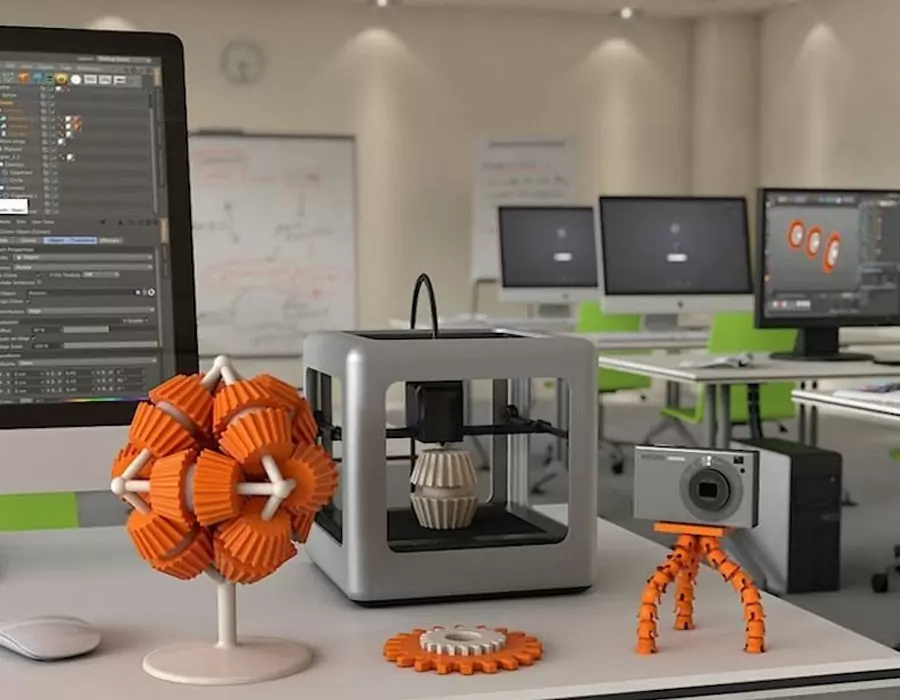
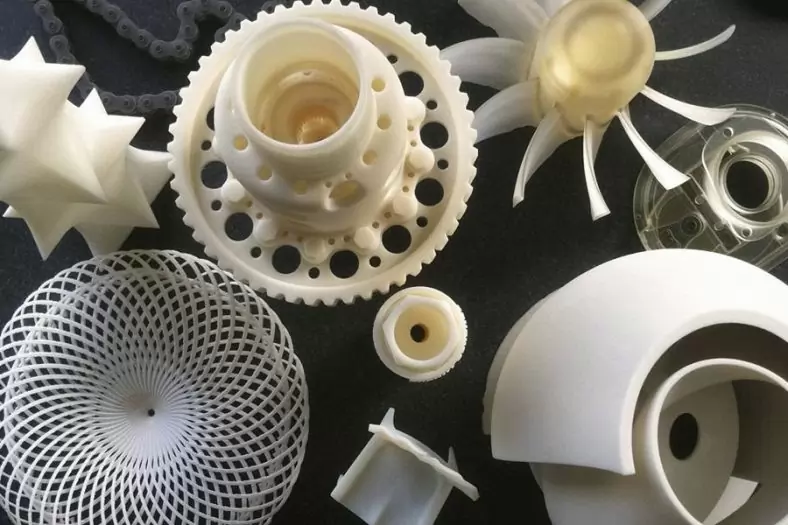
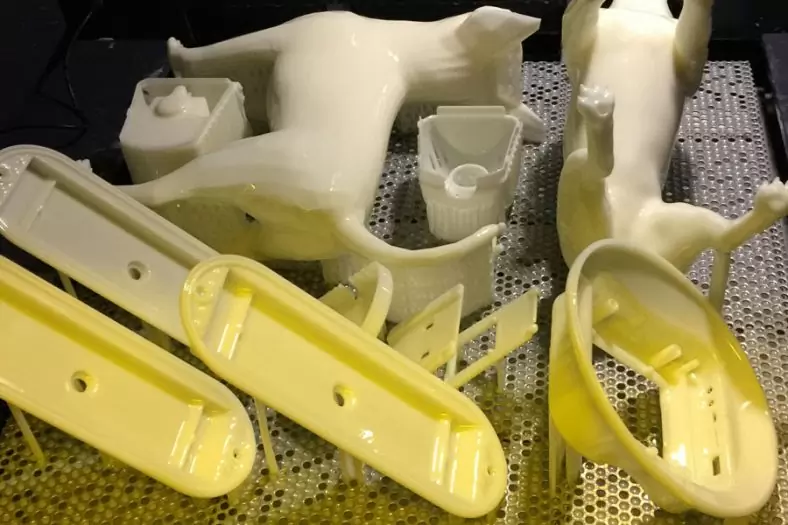
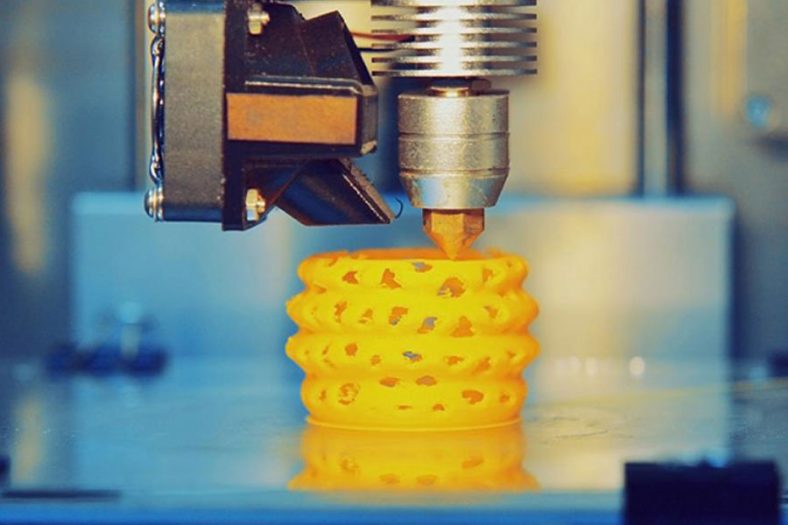
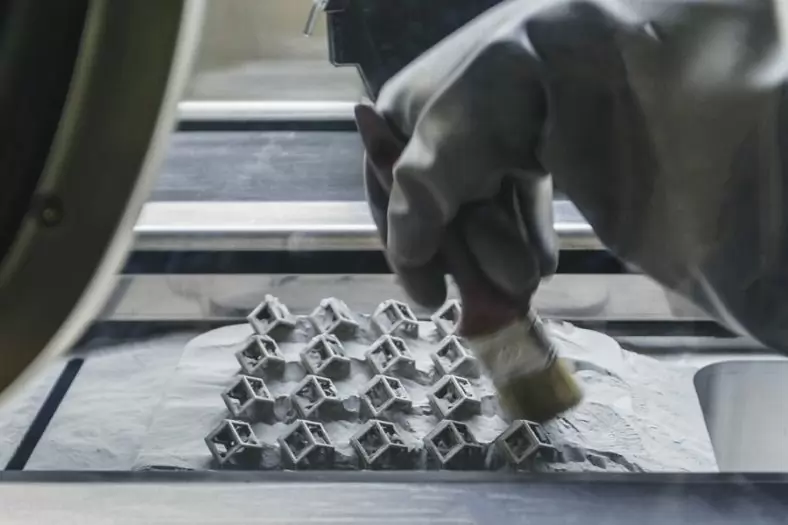
BE-CU.COM offers online 3D printing services for rapid prototyping and production in volume. Our clients are across a wide variety of industries and companies, including automotive, construction, aerospace, defense, electronics, machinery, industrial automation, medical, healthcare, consumer production, oil & gas, etc. Accelerate your product development and manufacturing process with our industry-leading metal & plastic 3D printing service and 3D printed parts. We’ll find the best 3D printing solution for your projects, to lower your cost and shorten the lead time based on your needs, while maintaining the quality. From 3D prototyping to end-use parts production, multiple materials are available for custom 3D printing parts. Need an alternative to the traditional solution? Submit your 3D CAD file to get an online quotation quickly. Our 3D printing service ensures accuracy and speed. We can help you choose the most appropriate technology and material to match your applications or request.
-
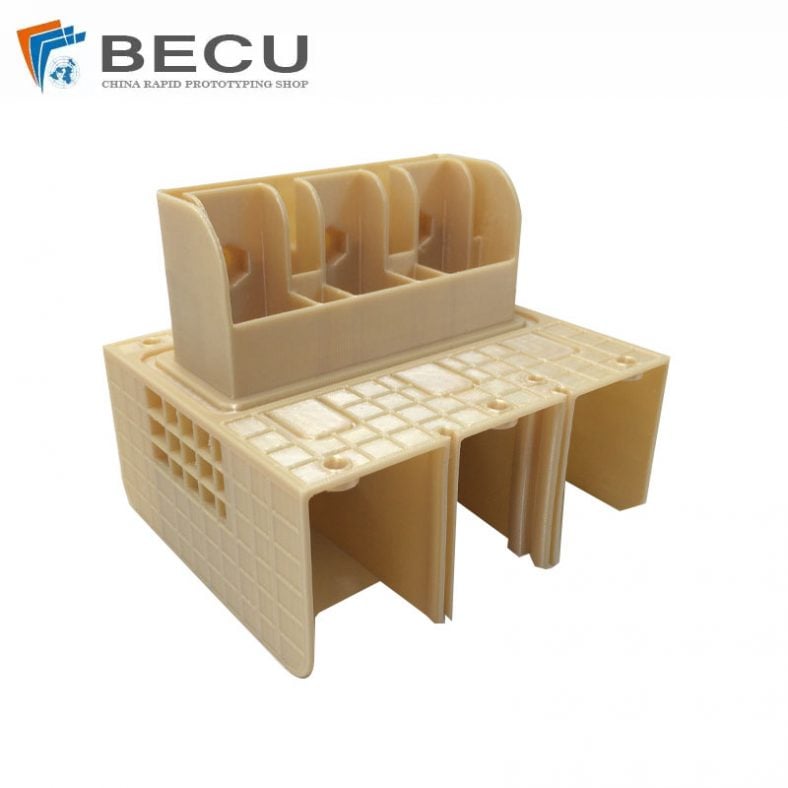
FDM 3D Printing Ultra-High Voltage Strong Electrical Connector
-
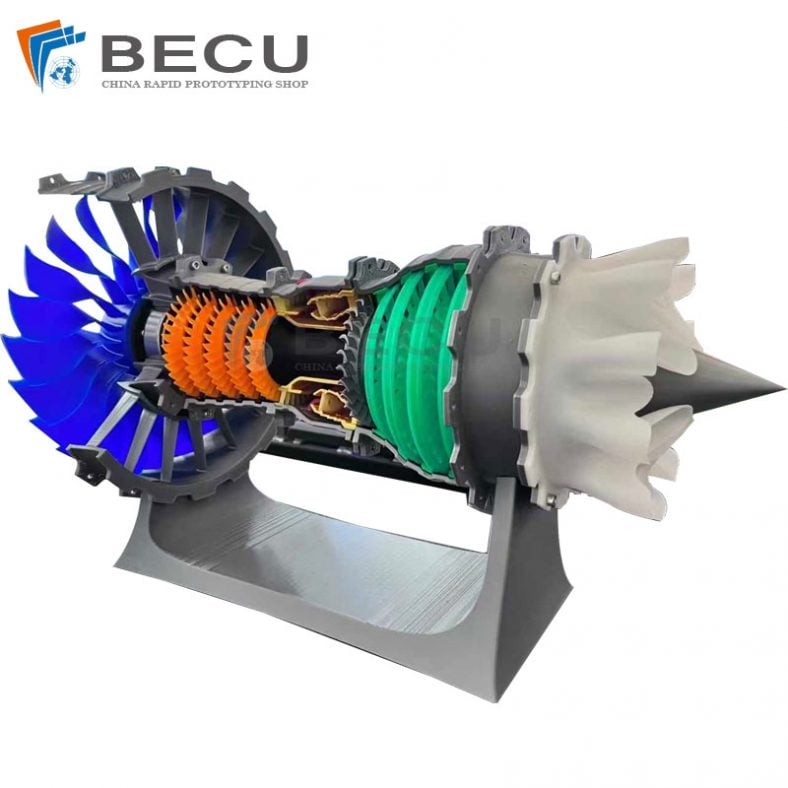
3D Printed Jet Engine Model
-
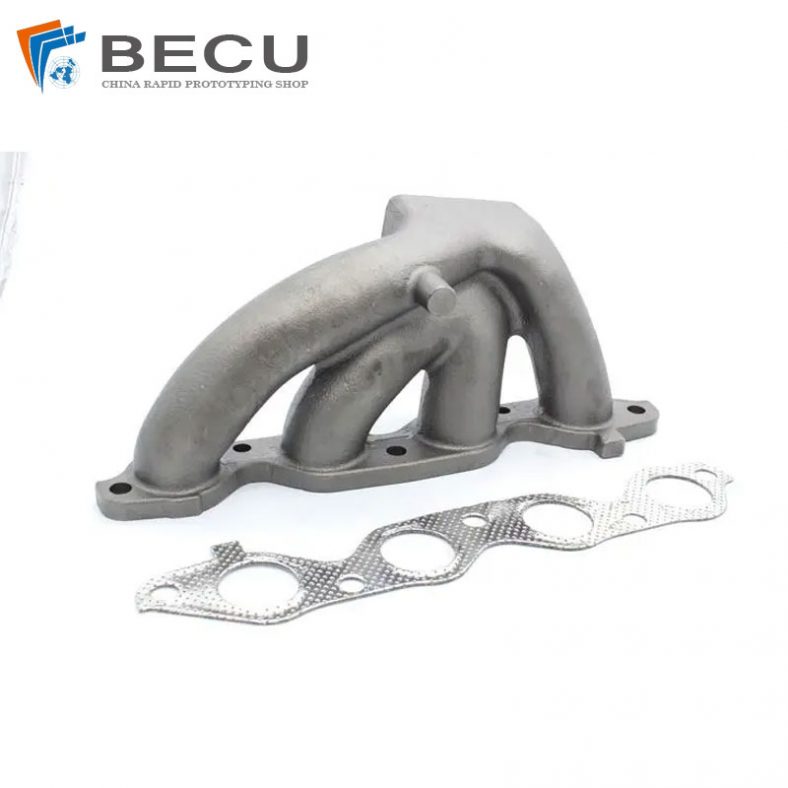
3D Printed Inconel Exhaust Manifold
-
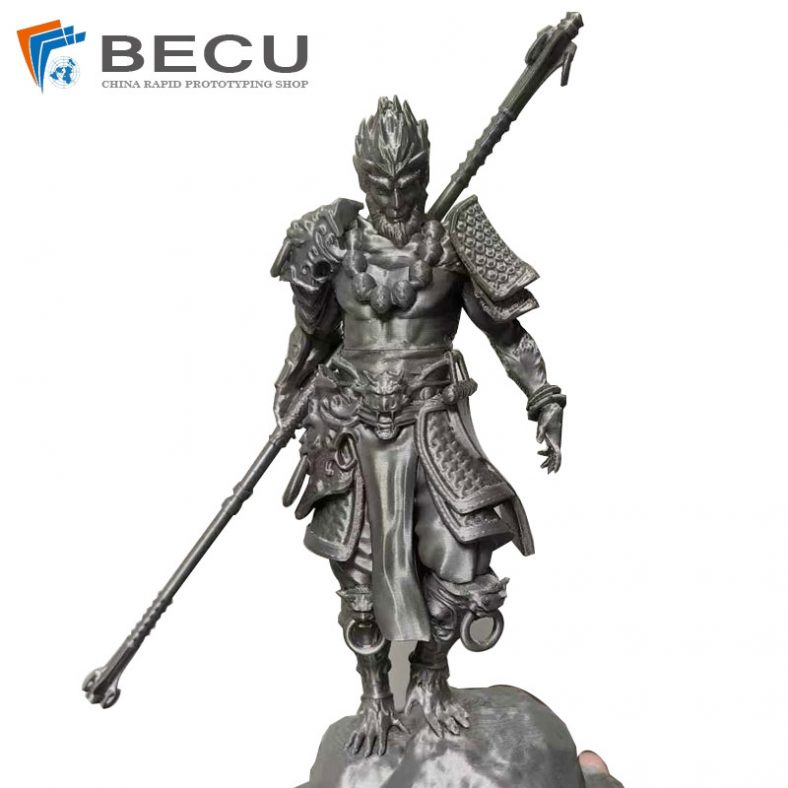
3D Printed Black Myth: Wukong Model
-
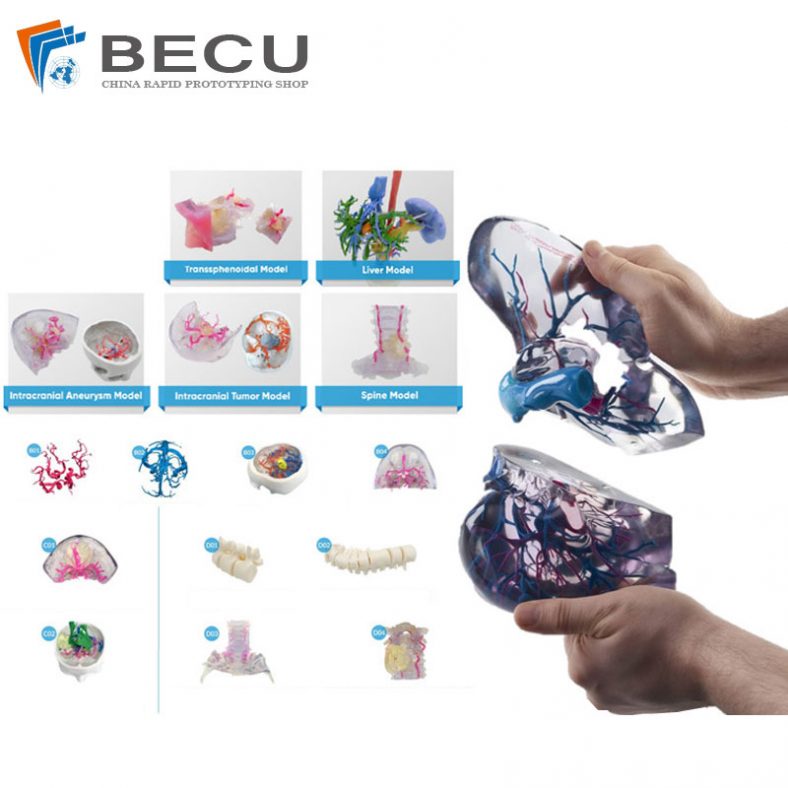
Omni-Directional Surgical Planning Medical Models
-
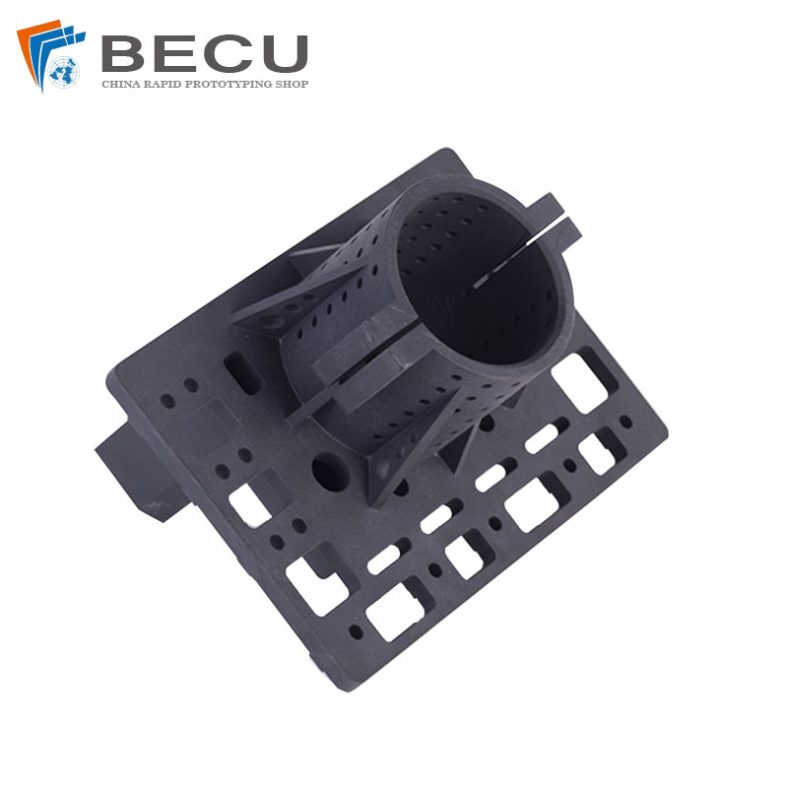
3D Printing Pool Pressure Cleaner Parts and Accessories
-
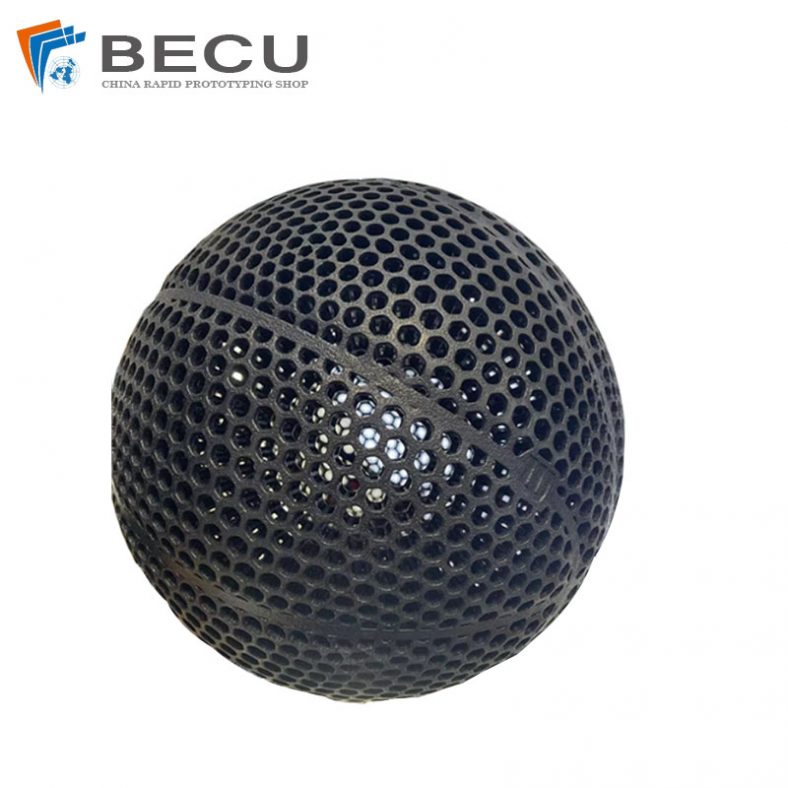
Nylon 3D Printed Size 5 Basketball
-
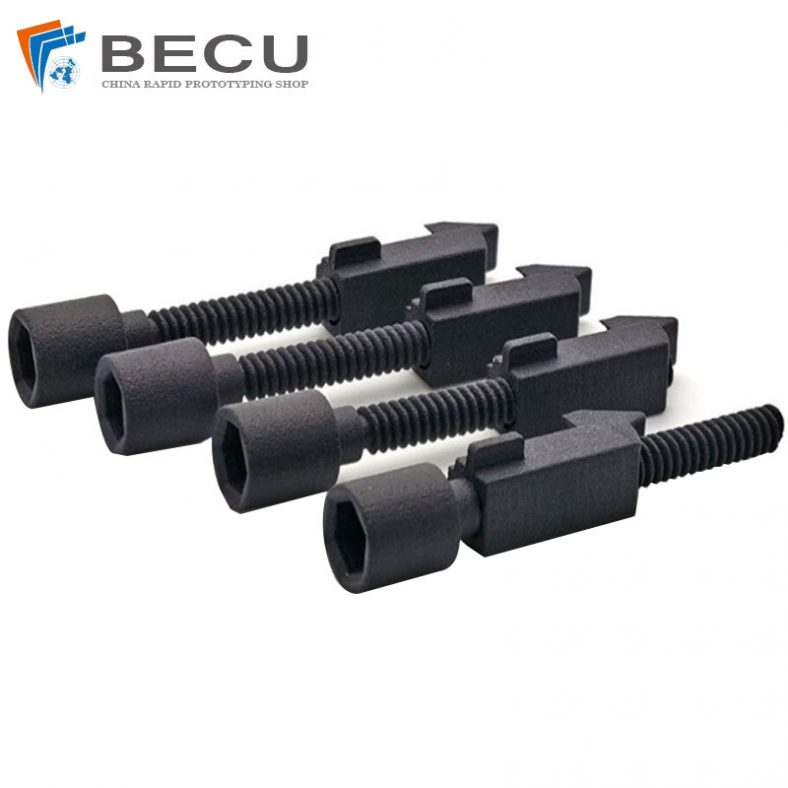
Black Nylon Medical Threaded Screw By MJF 3D Printing