
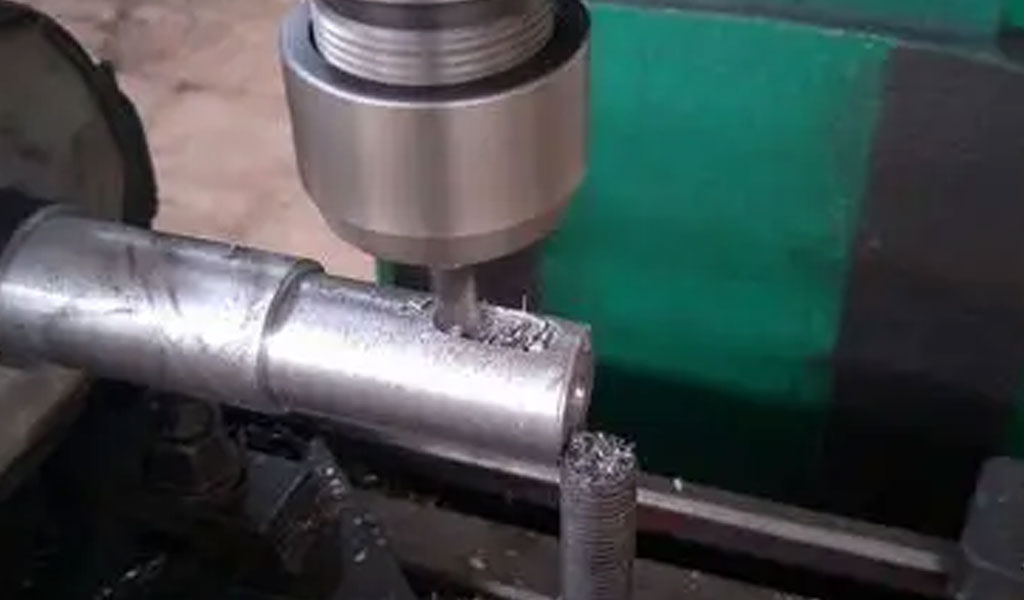
Keyways are integral components in mechanical design, playing a crucial role in securing rotating components such as gears, pulleys, sprockets, and other machinery elements to shafts. They are typically precision-machined slots or grooves that allow a key—a piece of material, often steel—to fit securely and prevent relative motion between parts. Keyways are most commonly found in cylindrical shafts and the corresponding mating parts that transmit torque. The process of machining keyways is a fundamental aspect of precision engineering and is employed across a wide array of industries, including automotive, aerospace, manufacturing, and industrial equipment.
This article provides a comprehensive examination of machining keyways, discussing the various types of keyways, the methods employed to machine them, the tools used, material considerations, and common applications. It also highlights the importance of keyway machining in maintaining the integrity and performance of mechanical systems, emphasizing the relationship between keyway design and overall machine functionality.
Understanding Keyways
A keyway is a slot or groove cut into a shaft or a corresponding component that accommodates a key.
A key is a small piece of material—usually made from steel—that fits into the keyway and connects two components, ensuring that torque is transmitted without slipping. The keyway’s design is essential for securing the key in place, thereby preventing relative rotation between the two mating parts.
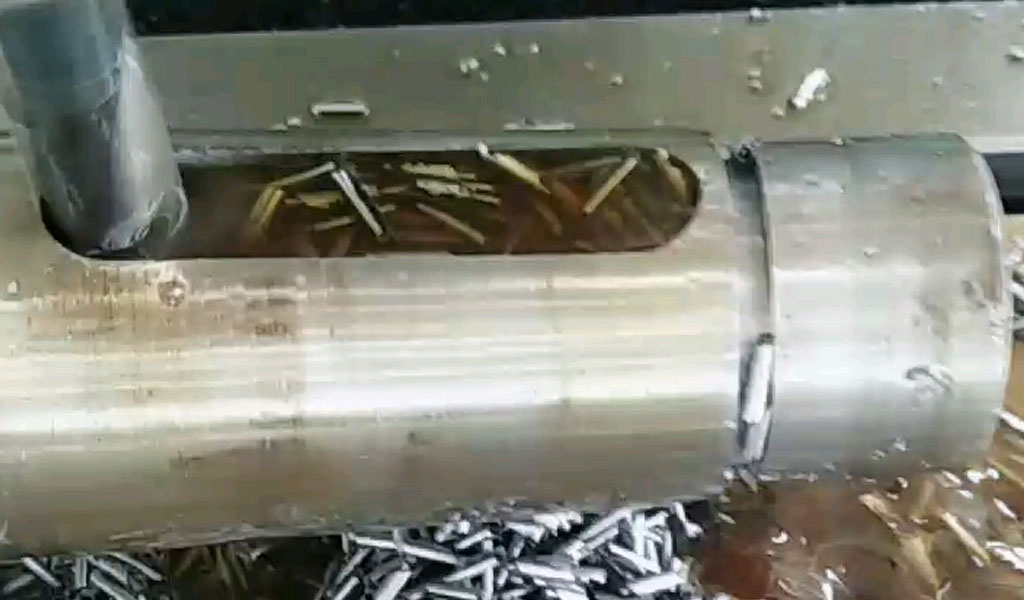
Keyways come in a variety of shapes and sizes, and they are typically rectangular, square, or tapered. The keyway’s geometry directly impacts how well the key fits and how effectively it transmits torque. A poorly designed or machined keyway can lead to failure, excessive wear, or slipping, resulting in mechanical breakdowns.
Types of Keyways
Keyways can be categorized based on their design, shape, and the method used to machine them. The most common types include:
- Straight Keyways: These are the most basic type of keyway, featuring a simple rectangular or square groove. Straight keyways are typically used in low to medium torque applications where the key can be easily inserted and removed.
- Tapered Keyways: Tapered keyways are machined with a slight angle on their sides, allowing the key to be wedged into place. The taper helps to secure the key and reduce the likelihood of loosening under load.
- Round Keyways: These keyways are typically used in situations where a circular key is employed, providing a smooth, uniform fit. Round keyways are commonly used in high-torque applications.
- Spline Keyways: In spline keyways, multiple smaller grooves are cut into the shaft or hub, and a spline key fits into these grooves. This design is more complex but offers enhanced torque transfer and stability in high-demand applications.
- Woodruff Keyways: A Woodruff keyway is a semi-circular slot, typically found in applications with lower torque requirements. The Woodruff key is inserted into the slot and provides a secure connection.
Keyway Standards and Tolerances
Keyways must conform to specific industry standards, such as those defined by the American National Standards Institute (ANSI), International Organization for Standardization (ISO), and other relevant bodies. These standards govern the dimensions, tolerances, and material properties of the key and keyway to ensure proper function and interchangeability.
Common standards include:
- ANSI B17.1 for standard key dimensions
- ISO 773 for keyway and key design
- DIN 6885 for shaft and keyway dimensions
- JIS B 1301 for key and keyway tolerances
Precision in machining keyways is critical, as improper tolerances can result in slippage, increased wear, or failure of the components involved.
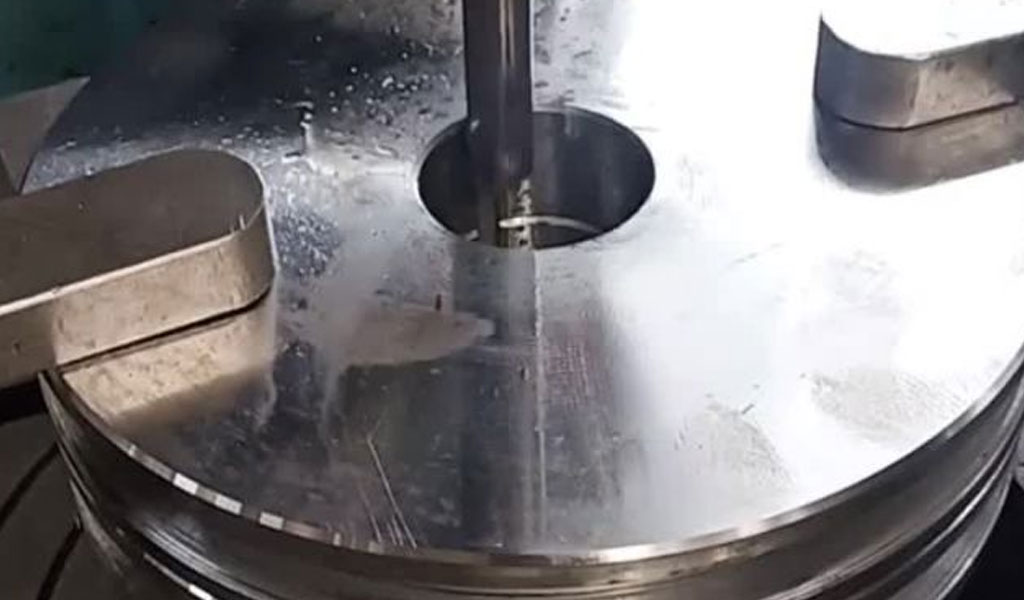
The Importance of Keyways in Machinery
Keyways play a critical role in maintaining the operational efficiency and longevity of rotating machinery. By providing a reliable means to secure components to shafts, they ensure that torque is transmitted smoothly without slippage or loss of energy.
The failure of a keyway—whether through wear, improper machining, or incorrect installation—can lead to catastrophic damage to machinery, resulting in downtime and costly repairs.
Keyways also offer a practical solution for disassembling and reassembling parts, as they allow the key to be removed without damaging the shaft or other components. This feature makes keyways highly advantageous in applications where components must be periodically replaced or serviced.
Methods for Machining Keyways
Machining keyways requires precision tools and techniques to ensure that the key and keyway fit together securely and transmit torque effectively. Various methods are employed to machine keyways, with each method offering specific advantages depending on the application, material, and precision requirements.
1. Milling
Milling is one of the most common methods for machining keyways. In this process, a milling machine is used to cut the keyway into a shaft or hub. The workpiece is held securely on the milling machine, and a rotating cutter removes material to create the desired groove.
- End Milling: A standard tool for keyway milling is the end mill, which is capable of cutting both the sides and bottom of the keyway in a single pass. This method is efficient and is commonly used for cutting straight keyways in shafts.
- Slot Milling: For wider keyways, a slot mill can be used, allowing for deeper cuts and more material removal in one pass.
Milling offers high precision and is suitable for cutting various types of keyways, including straight, tapered, and spline keyways. The method also provides a high degree of flexibility, enabling the machining of keyways in shafts of different sizes and materials.
2. Broaching
Broaching is another common method for machining keyways. This process involves a broaching tool—a multi-toothed cutting tool that is gradually pulled through or pushed over the workpiece to create the desired keyway. Broaching is highly efficient for producing precise keyways and is typically used for high-volume production runs.
- Internal Broaching: Used for keyways machined in the inner diameter of a component, such as a hub or bearing.
- External Broaching: Typically used to machine keyways in external surfaces such as shafts.
Broaching offers several advantages, including high precision, a good surface finish, and the ability to machine complex keyways such as spline profiles. It is also faster than milling for producing a large number of keyways.
3. Grinding
Grinding is used to achieve a very fine surface finish and tight tolerances on keyways. This method involves using an abrasive grinding wheel to remove small amounts of material from the workpiece. Grinding is typically employed when very high precision is required or when machining hard materials.
- Surface Grinding: Used to create keyways with a smooth, precise surface finish. Surface grinding is typically used for straight keyways.
- Cylindrical Grinding: Used for keyways that are machined into the outer diameter of a cylindrical shaft.
Grinding is generally slower than milling and broaching but offers superior precision, making it suitable for parts with tight tolerances or that require a fine surface finish.
4. Electrical Discharge Machining (EDM)
Electrical Discharge Machining (EDM) is a non-traditional machining method used to cut keyways in hard materials that are difficult to machine using conventional methods. EDM uses electrical sparks to erode material from the workpiece, creating precise features.
- Wire EDM: Suitable for cutting very intricate or complex keyways in hard materials. This method allows for high precision and minimal material distortion.
- Sinker EDM: Used for internal keyways or other complex shapes.
EDM is particularly useful when machining hard alloys, exotic materials, or small quantities of components with highly complex keyway profiles.
Tools for Machining Keyways
The tools used for machining keyways must be specifically designed for the type of keyway being cut, as well as the material and precision required. Some common tools include:
- End Mills: Used for milling straight keyways. End mills are versatile tools available in a range of sizes and configurations.
- Broaches: Used in broaching to cut keyways. Broaches are available in both internal and external versions and can be designed for straight or tapered keyways.
- Slot Mills: Used for cutting wider keyways, these tools remove more material in a single pass.
- Grinding Wheels: Specialized grinding wheels are used for surface or cylindrical grinding to achieve a fine finish and precise dimensions.
- EDM Electrodes: In EDM, electrodes are used to generate the electrical sparks that remove material from the workpiece.
Each of these tools is selected based on the material being machined, the size and shape of the keyway, and the desired surface finish.
Materials for Keyway Machining
Keyways can be machined in a wide variety of materials, depending on the specific requirements of the application. Common materials for machining keyways include:
- Carbon Steel: Used for many standard applications due to its good machinability and strength.
- Stainless Steel: Often used for keyways in corrosive environments, as it offers excellent corrosion resistance.
- Alloy Steel: Suitable for applications requiring high strength and wear resistance.
- Aluminum: Used in lightweight applications, although softer than steel and requiring care in keyway design to avoid deformation.
- Titanium: Sometimes used in high-performance or aerospace applications, although titanium presents challenges in machining due to its hardness and tendency to form heat-resistant compounds.
The selection of material plays a significant role in determining the machining process, tool wear, and the overall durability of the keyway.
Applications of Keyways
Keyways are employed in a wide range of applications where rotational motion and torque transmission are required. Common applications include:
- Automotive: Keyways are used in shafts, pulleys, flywheels, and gears to ensure reliable torque transmission and prevent slip.
- Aerospace: In aircraft engines, turbines, and other critical components, keyways ensure secure attachment of rotating parts.
- Industrial Equipment: Keyways are commonly found in machinery such as pumps, conveyors, and compressors, ensuring that parts stay securely connected.
- Agricultural Machinery: In tractors and other agricultural equipment, keyways are used to secure components to shafts, ensuring efficient power transmission.
In each of these industries, keyways are a vital element in the operation of machinery, ensuring safe, reliable, and efficient performance.
Conclusion
Machining keyways is a precise and critical process in mechanical engineering, with a significant impact on the functionality and longevity of rotating machinery. Through methods such as milling, broaching, grinding, and EDM, keyways can be machined with high precision to ensure secure and reliable torque transmission. With a wide range of tools, materials, and techniques available, keyway machining is adaptable to a variety of applications, from automotive to aerospace. Proper keyway design, coupled with accurate machining, is essential for maintaining the integrity and performance of mechanical systems.
As industries continue to evolve, advancements in machining technologies will likely lead to even more efficient and precise methods for producing keyways, ensuring their continued importance in the transmission of rotational power across a broad spectrum of applications.
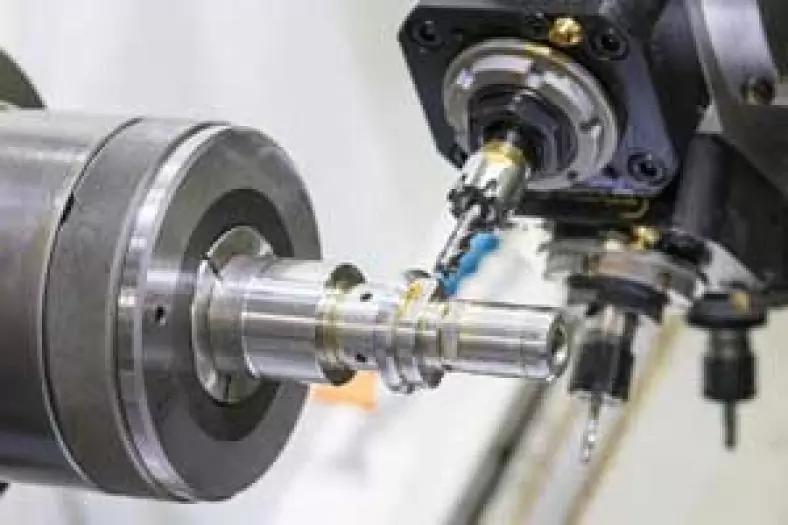
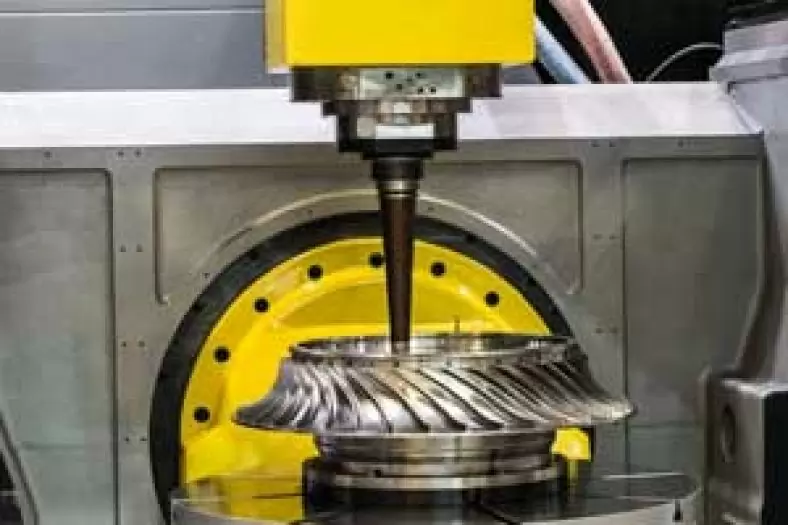
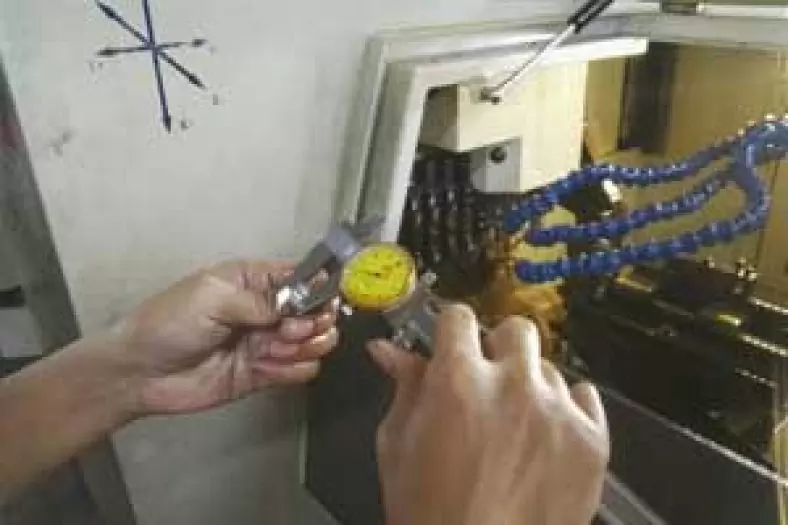
The Detail Of BE-CU Cnc Machining Shop
BE-CU.COM – As an accomplished CNC machining Service Manufacturer and CNC shop, BE-CU Prototype has been specialized in OEM CNC lathing, custom CNC machining parts production and rapid CNC machining services China for over 35 years and always maintaining the highest standard in delivery speed and reliable quality of precision CNC manufacturing components. With the help of high-level technology and efficient equipment, as well as rigorous attitude, BE-CU passed the ISO9001:2015 quality certification, which supports the long-term development of CNC milling services, CNC turning services, CNC milling-turning, CNC drilling services, 3/4/5 axis machining, gear machining services, CNC machining China custom parts and service, small parts machining, etc.Our CNC machining products can be utilized in a broad range of industries. Contact us for email: [email protected]
-
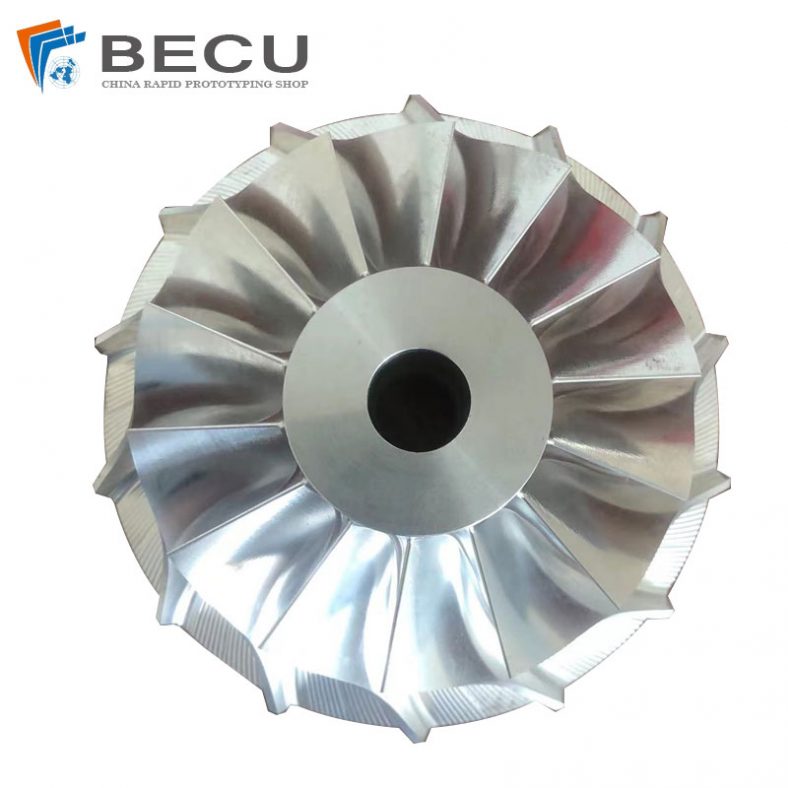
3-Way Centrifugal Compressor Closed Impeller By 5 Axis Machining
-
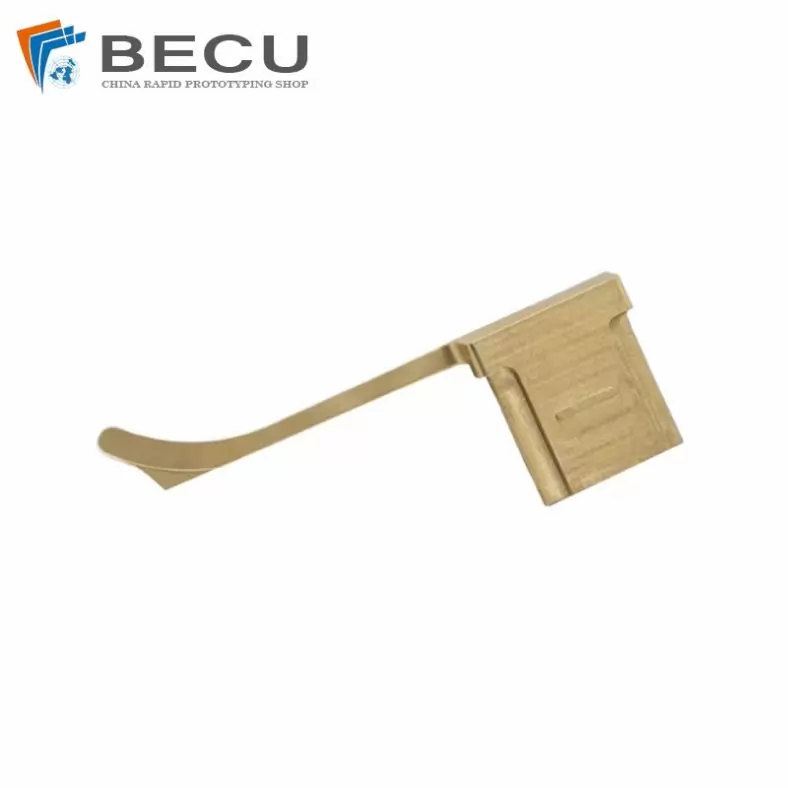
3/4/5 Axis Precision Milling Custom Vehicle Parts
-
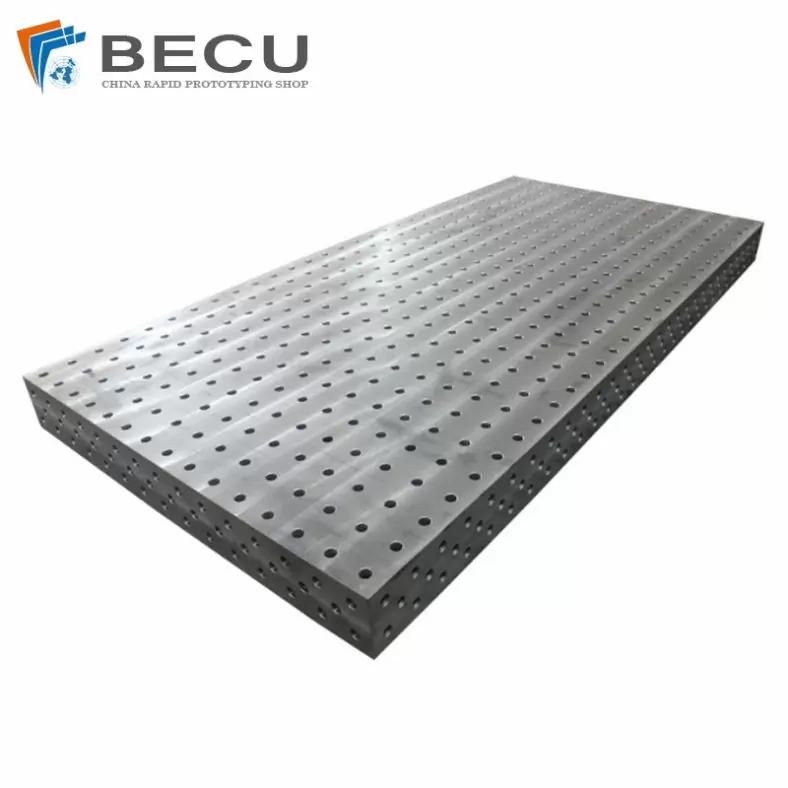
3D Flexible Welding Platform By Large Machining
-
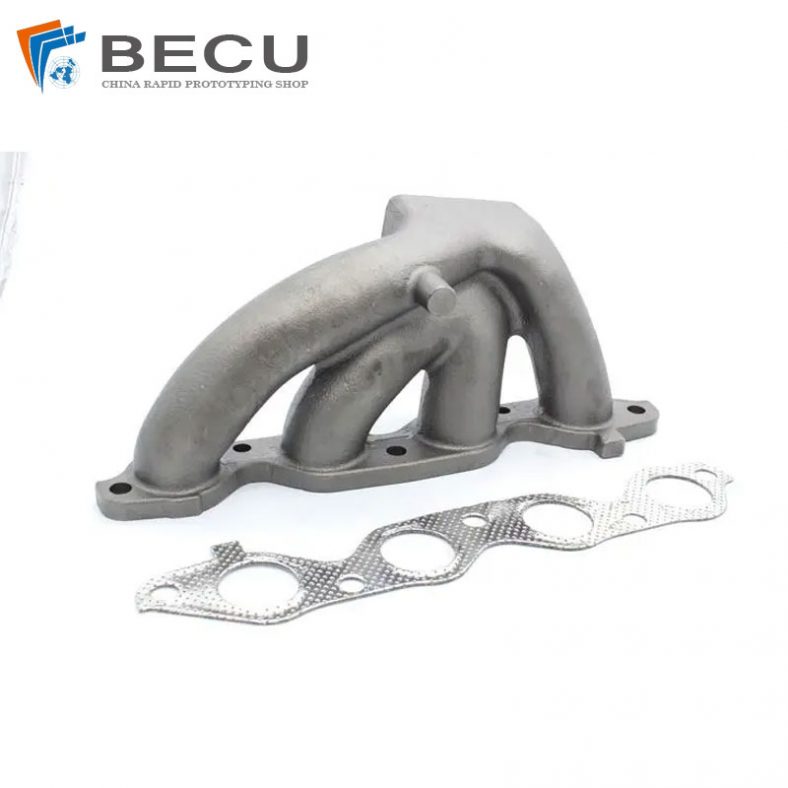
3D Printed Inconel Exhaust Manifold
-
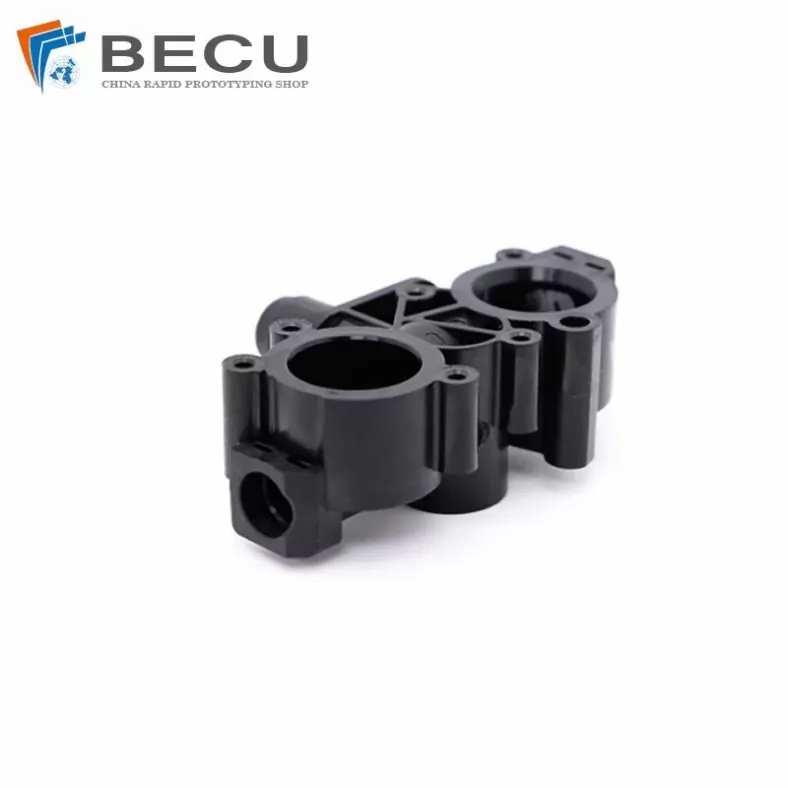
3D Printing And CNC Machining Custom Black PPS Valve
-
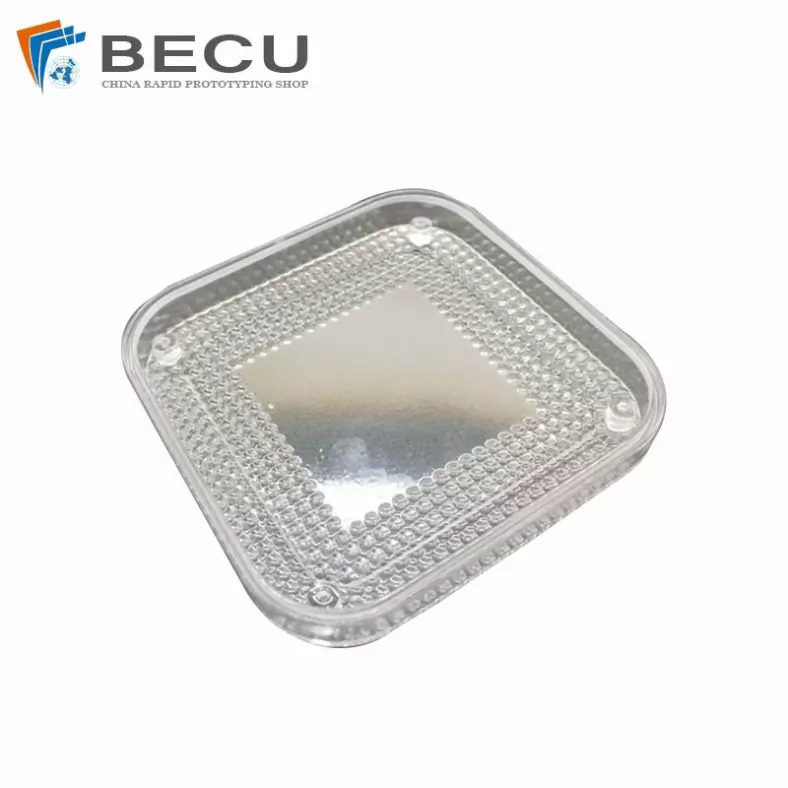
3D Printing Full Transparent Acrylic Lampshade Model
-
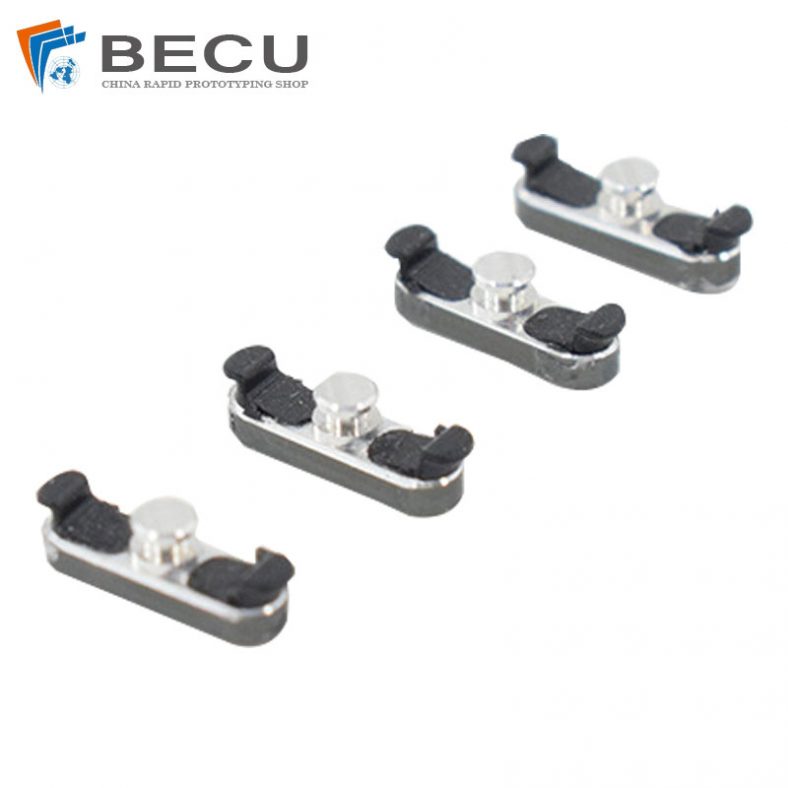
4 Axis CNC Machining Titanium Grade 5 Mobile Phone Buttons
-
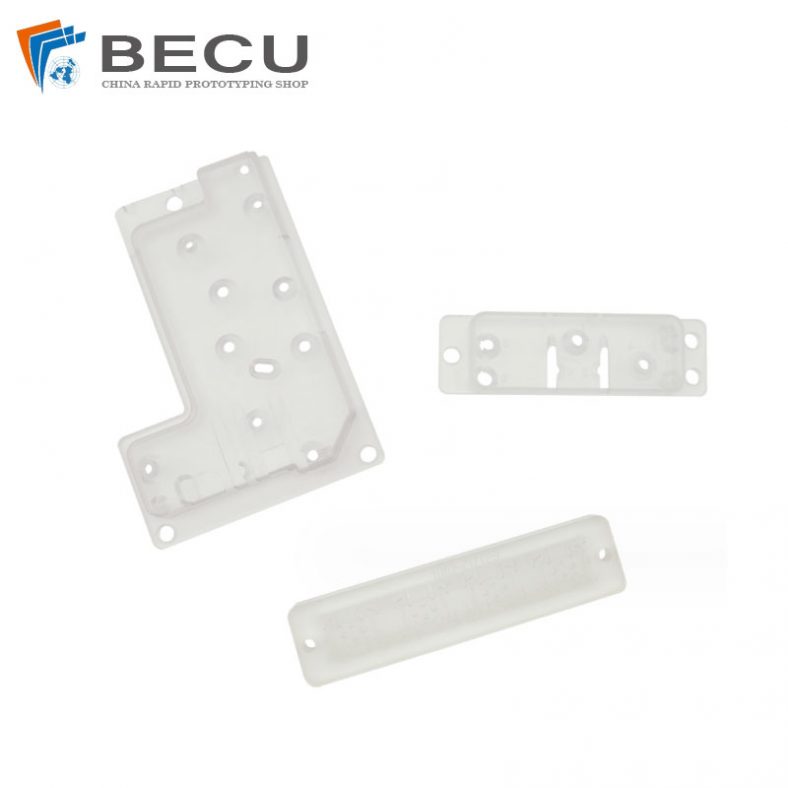
4 Axis Machining Highly Transparent Acrylic LED Tunnel Light Lens