
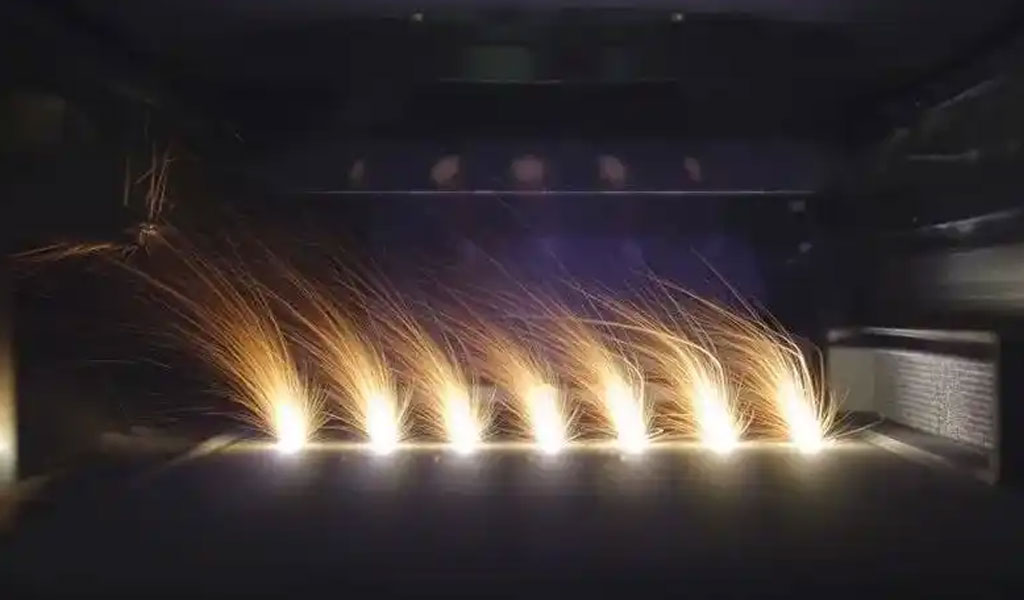
Powder Bed Fusion (PBF) refers to a category of additive manufacturing (AM) techniques that uses a focused energy source, such as a laser or electron beam, to selectively fuse layers of powdered material to create three-dimensional objects.
This process is one of the most widely used for 3D printing metal and plastic parts, especially in industries requiring high-precision and complex geometries, such as aerospace, automotive, healthcare, and defense. The PBF process allows the construction of highly intricate components, which are difficult or impossible to achieve using traditional subtractive manufacturing methods.
History and Evolution of Powder Bed Fusion
The origins of Powder Bed Fusion can be traced back to the development of rapid prototyping technologies in the late 20th century. The first AM process, stereolithography (SLA), was invented by Charles Hull in 1986 and laid the foundation for modern 3D printing technologies. As demand for more materials, precision, and functional parts grew, the need for more advanced techniques led to the development of Powder Bed Fusion.
The PBF process began gaining traction in the 1990s, with companies like 3D Systems and EOS introducing systems capable of printing metal parts using a powder-based process. By the early 2000s, the technology had advanced significantly, and commercial systems capable of printing both polymers and metals were made available.
The development of high-powered lasers, improved powder handling techniques, and better control systems allowed PBF systems to become viable for manufacturing complex, high-performance parts.Today, PBF is widely recognized as a key technology in the field of additive manufacturing, with applications ranging from small-scale prototype development to full-scale production of highly functional end-use parts.
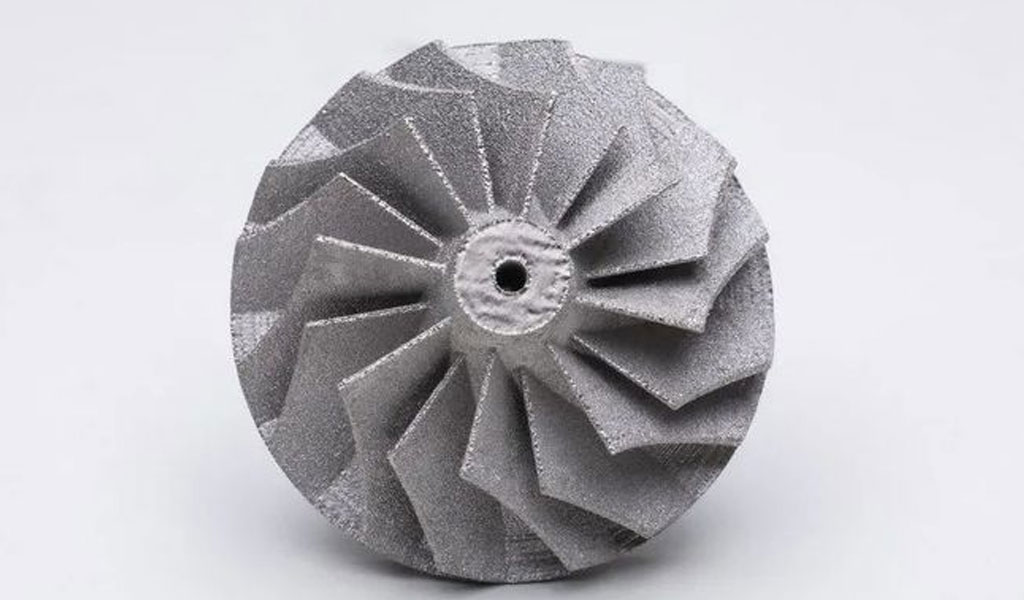
Basic Principles of Powder Bed Fusion
The Powder Bed Fusion process involves several key steps, from powder deposition to post-processing. These steps are typically automated in modern machines but may vary slightly depending on the specific PBF method being used (e.g., Selective Laser Sintering (SLS), Selective Laser Melting (SLM), Electron Beam Melting (EBM), and Direct Metal Laser Sintering (DMLS)).
Powder Material Selection
The first step in the PBF process is selecting a suitable powder material. The powder used can be a variety of metals, plastics, ceramics, or composites. Materials such as stainless steel, titanium, aluminum, cobalt-chromium, and polymers like Nylon and polyamide are commonly used. The powder must have specific characteristics, including a consistent particle size distribution, good flowability, and the ability to fuse properly under the energy source’s influence.
Powder Bed Preparation
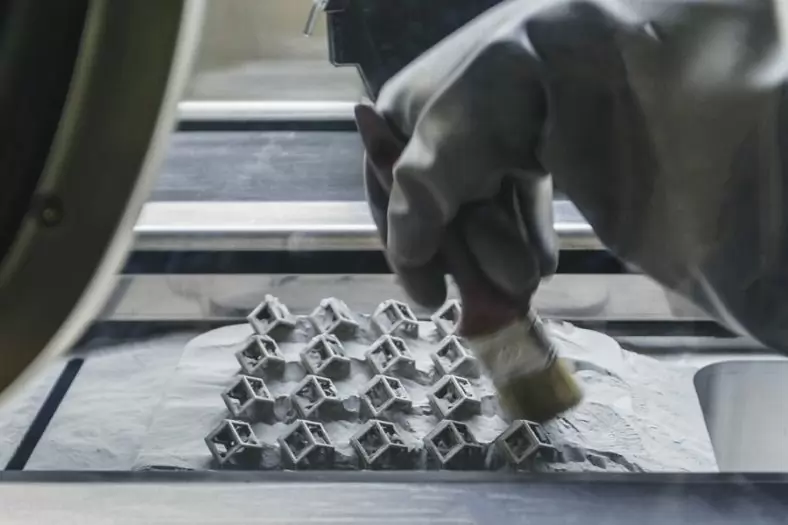
A thin layer of powder is spread over the build platform, typically using a roller or a blade. The powder is often spread to a precise thickness, and its surface is smoothed out to ensure that each layer of powder is uniform. This is crucial for ensuring even heating and consistent fusion during the subsequent steps.
Energy Source Activation
Once the powder bed is prepared, an energy source, usually a laser or electron beam, is directed onto the powder. The laser or electron beam is precisely controlled to melt or sinter the powder in a pattern corresponding to the cross-sectional geometry of the part being produced. This process fuses the particles together, creating a solid layer of material. The energy source is moved over the powder bed in a predetermined path, typically following the contours of the part being built.
Layer-by-Layer Construction
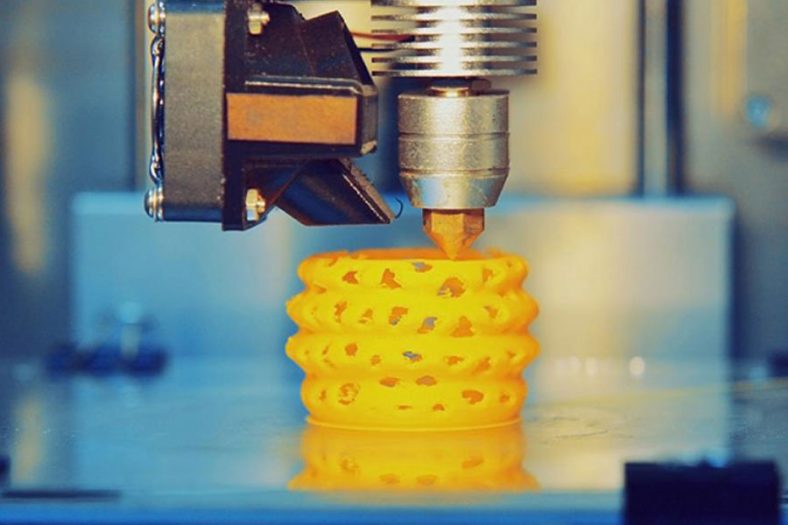
After the first layer is fused, the build platform is lowered by the thickness of one layer of powder. A new layer of powder is then spread over the previous one, and the process is repeated. This layer-by-layer construction allows for the creation of complex geometries with minimal material waste.
Cooling and Solidification
As each layer of powder is fused, it begins to cool and solidify. The material in the powder bed often cools relatively quickly, which can lead to thermal stresses. In some cases, this requires post-processing steps, such as annealing or heat treatment, to relieve stresses and ensure the material’s final properties meet the design specifications.
Post-Processing
Once the part is complete, several post-processing steps are typically required. These steps can include:
- Support Removal: If supports were used during the printing process, they need to be removed. In some PBF techniques, support structures are required to ensure parts remain stable during printing.
- Heat Treatment: Parts may undergo heat treatments such as sintering, annealing, or aging to achieve the desired material properties, such as hardness or strength.
- Surface Finishing: Depending on the application, parts may undergo surface treatments like polishing, blasting, or coating to improve appearance and functional properties.
Types of Powder Bed Fusion Processes
There are several variations of Powder Bed Fusion, each optimized for different materials and applications. These include Selective Laser Sintering (SLS), Selective Laser Melting (SLM), Direct Metal Laser Sintering (DMLS), and Electron Beam Melting (EBM). The primary differences among these processes lie in the type of energy source used and the types of materials they can process.
- Selective Laser Sintering (SLS):SLS is one of the most well-known PBF techniques for polymers. It uses a laser to selectively sinter polymer powders, typically nylon or thermoplastic materials, in a layer-by-layer fashion. The laser energy is enough to fuse the powder particles together without fully melting them. SLS is commonly used for producing functional prototypes, small batch production, and highly complex geometries.
- Selective Laser Melting (SLM):SLM is similar to SLS but focuses on fully melting the powder material, often metals, to create dense, fully fused parts. The laser energy used in SLM is much higher, and the process requires careful control of the thermal conditions to avoid warping or cracking of the material. SLM is commonly used in industries such as aerospace, medical implants, and automotive, where the final part needs to meet strict mechanical performance standards.
- Direct Metal Laser Sintering (DMLS):DMLS is a process specifically designed for metal powders. It uses a laser to sinter the metal powder particles to form a solid part. The process is similar to SLM, but DMLS typically uses a different type of powder and can work with a wider range of metals, such as stainless steel, titanium, and aluminum. DMLS is often used for rapid prototyping, toolmaking, and low-volume production of metal parts.
- Electron Beam Melting (EBM):EBM is a variation of PBF that uses an electron beam instead of a laser to fuse metal powders. This process occurs in a vacuum environment, which reduces the risk of oxidation and allows for the use of high-performance materials such as titanium alloys. EBM is often used in the aerospace and medical industries, where parts require superior mechanical properties and high precision.
- Selective Laser Adhesion (SLA):SLA is similar to SLS but typically uses a different powder base and energy source. The material is bound with a laser in layers, allowing for even finer precision and reduced post-processing.
Advantages of Powder Bed Fusion
The Powder Bed Fusion process offers several significant advantages over traditional manufacturing techniques:
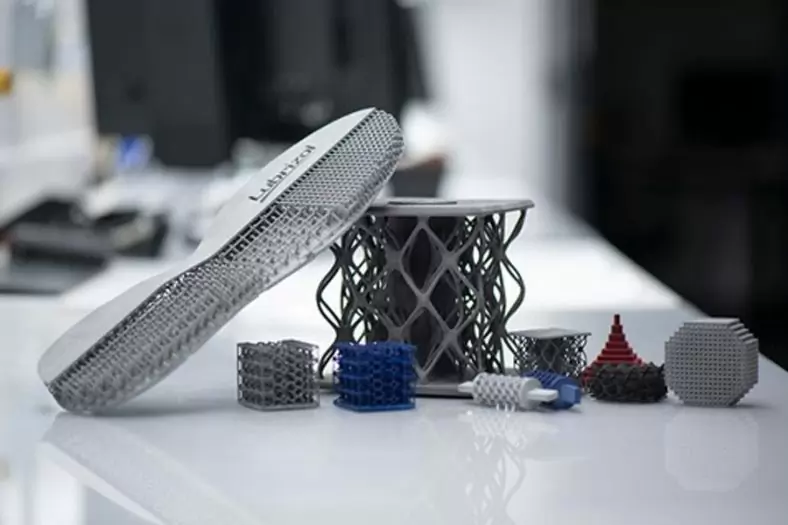
- Complex Geometries:PBF allows for the creation of highly complex shapes that are difficult or impossible to achieve with subtractive manufacturing methods. This includes parts with internal channels, lattice structures, and organic geometries that can reduce weight and material usage.
- Minimal Material Waste:Unlike traditional machining, where large portions of material may be cut away and discarded, PBF is a net-shape process that builds parts directly from a powder, minimizing material waste. Any unused powder can often be recycled and reused in the next build.
- Customization:The flexibility of PBF allows for rapid design iteration and customization of parts. It is particularly useful for industries like healthcare, where patient-specific devices, such as implants or prosthetics, need to be manufactured quickly.
- Tool-Free Production:PBF is a tool-less manufacturing process, meaning that there are no molds, dies, or tooling required. This significantly reduces upfront costs and lead times, especially for low-volume production runs and rapid prototyping.
- Material Versatility:PBF supports a wide range of materials, including metals, polymers, ceramics, and composites. This versatility makes it suitable for various applications, from lightweight plastic parts to high-performance metal components.
Challenges of Powder Bed Fusion
Despite its many advantages, Powder Bed Fusion is not without its challenges:
- Surface Finish:Parts produced via PBF typically require post-processing to improve surface finish. The layer-by-layer nature of the process can leave visible stair-stepping artifacts on the surface of parts, which may require additional finishing steps such as sanding, polishing, or coating.
- Speed and Cost:PBF can be a relatively slow process, especially when working with dense materials like metals. The build time can be further extended by the need for post-processing steps. Additionally, the equipment and materials used in PBF can be expensive, which may make it less cost-effective for high-volume production compared to traditional manufacturing methods.
- Size Limitations:The size of parts that can be printed using PBF is limited by the build chamber of the printer. Large parts may require the use of multiple prints or specialized equipment, which can increase costs and complexity.
- Material Properties:The mechanical properties of parts produced using PBF can sometimes be inconsistent due to issues such as porosity, residual stresses, or powder quality. Achieving optimal material properties often requires additional steps like heat treatment or sintering.
- Post-Processing Requirements:Many PBF processes require significant post-processing, including support removal, surface finishing, and heat treatment. These steps add time, cost, and complexity to the overall manufacturing process.
Applications of Powder Bed Fusion
Powder Bed Fusion is used in a wide variety of industries for both prototyping and production. Some of the most prominent applications include:
- Aerospace:The aerospace industry uses PBF to produce lightweight, high-strength parts, such as turbine blades, brackets, and airframe components. The ability to produce complex geometries helps reduce weight, which is critical for fuel efficiency and performance.
- Medical:In the medical industry, PBF is used to produce custom implants, surgical instruments, and prosthetics. The ability to create patient-specific parts with intricate geometries makes PBF ideal for applications like dental implants, orthopedic implants, and hearing aids.
- Automotive:The automotive industry uses PBF for both prototyping and production of parts such as engine components, transmission parts, and brackets. The ability to rapidly produce functional parts allows for quicker design iteration and testing.
- Tooling and Manufacturing:In manufacturing, PBF is used for creating injection molds, tooling, and production fixtures. The process allows for the rapid production of custom tools with complex geometries, reducing costs and lead times.
- Consumer Goods:Powder Bed Fusion is also used to create high-performance consumer products, including electronics housings, eyewear, and customized footwear. The ability to produce intricate designs helps differentiate products in competitive markets.
Future Directions of Powder Bed Fusion
As Powder Bed Fusion technology continues to advance, several trends are emerging that could significantly improve its capabilities and expand its applications:
- Material Innovation:The development of new materials, including advanced metal alloys and composites, is likely to open up new applications for PBF. For instance, the ability to print with materials that have specialized properties, such as high conductivity or biocompatibility, could make PBF even more valuable in industries like electronics and healthcare.
- Speed Improvements:Ongoing research aims to increase the speed of PBF processes. New techniques, such as multi-laser systems or more efficient powder handling systems, could reduce the time it takes to complete a print, making the process more competitive with traditional manufacturing methods.
- Hybrid Manufacturing:Combining PBF with other manufacturing techniques, such as subtractive machining or injection molding, could allow for the production of parts that leverage the strengths of multiple processes. Hybrid systems could be used to produce highly complex components with excellent surface finishes and material properties.
- Automation and Artificial Intelligence:The integration of automation and AI in PBF systems could improve part quality, reduce errors, and optimize the build process. Smart systems could monitor real-time conditions during the build and make adjustments automatically, leading to more efficient and consistent results.
- Sustainability:Efforts are being made to make PBF more environmentally sustainable by improving powder recycling methods, reducing material waste, and optimizing energy consumption. This is especially important as industries look for ways to reduce their carbon footprints.
In conclusion, Powder Bed Fusion is a transformative technology that is revolutionizing the way parts are manufactured. Its ability to produce complex geometries, reduce material waste, and support a wide variety of materials makes it a valuable tool for industries ranging from aerospace to healthcare. While there are challenges to overcome, particularly in terms of speed, cost, and post-processing, ongoing advancements in technology are helping to address these limitations and expand the potential of Powder Bed Fusion for the future.
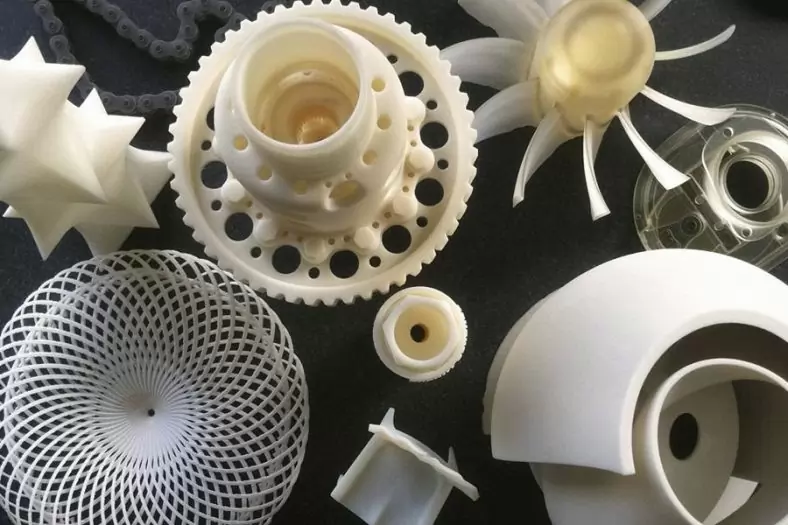
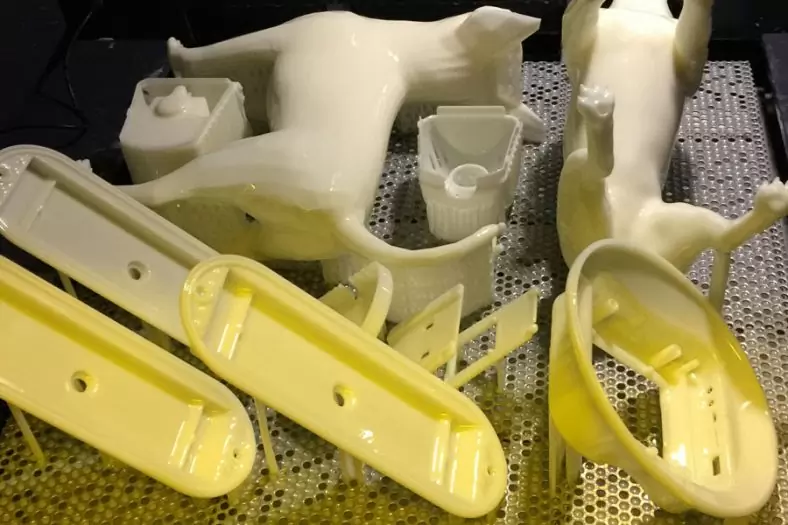
The Detail Of BE-CU 3D Printing Company
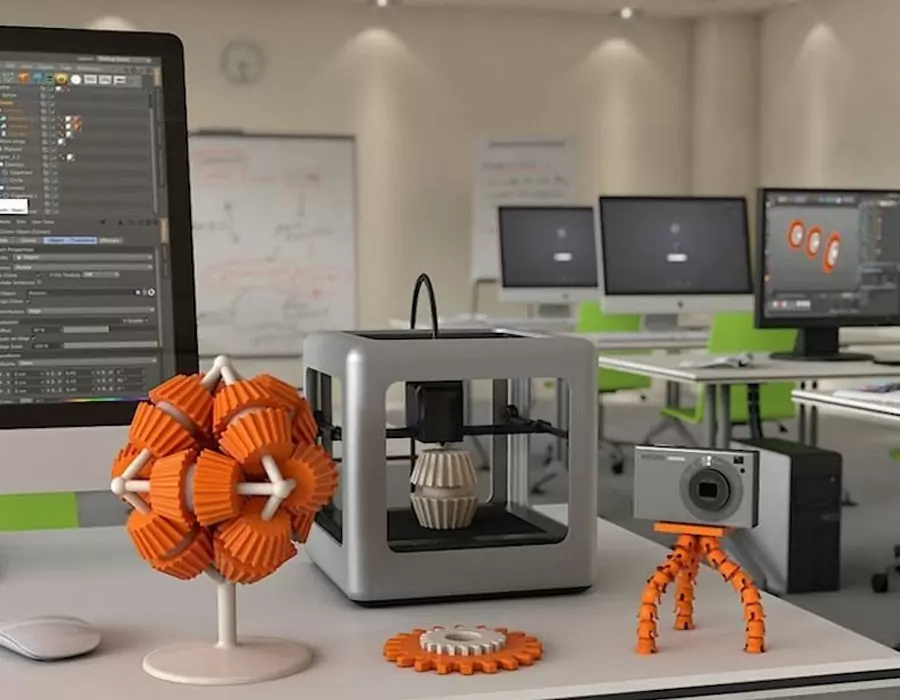
BE-CU.COM offers online 3D printing services for rapid prototyping and production in volume. Our clients are across a wide variety of industries and companies, including automotive, construction, aerospace, defense, electronics, machinery, industrial automation, medical, healthcare, consumer production, oil & gas, etc. Accelerate your product development and manufacturing process with our industry-leading metal & plastic 3D printing service and 3D printed parts. We’ll find the best 3D printing solution for your projects, to lower your cost and shorten the lead time based on your needs, while maintaining the quality. From 3D prototyping to end-use parts production, multiple materials are available for custom 3D printing parts. Need an alternative to the traditional solution? Submit your 3D CAD file to get an online quotation quickly. Our 3D printing service ensures accuracy and speed. We can help you choose the most appropriate technology and material to match your applications or request.
-
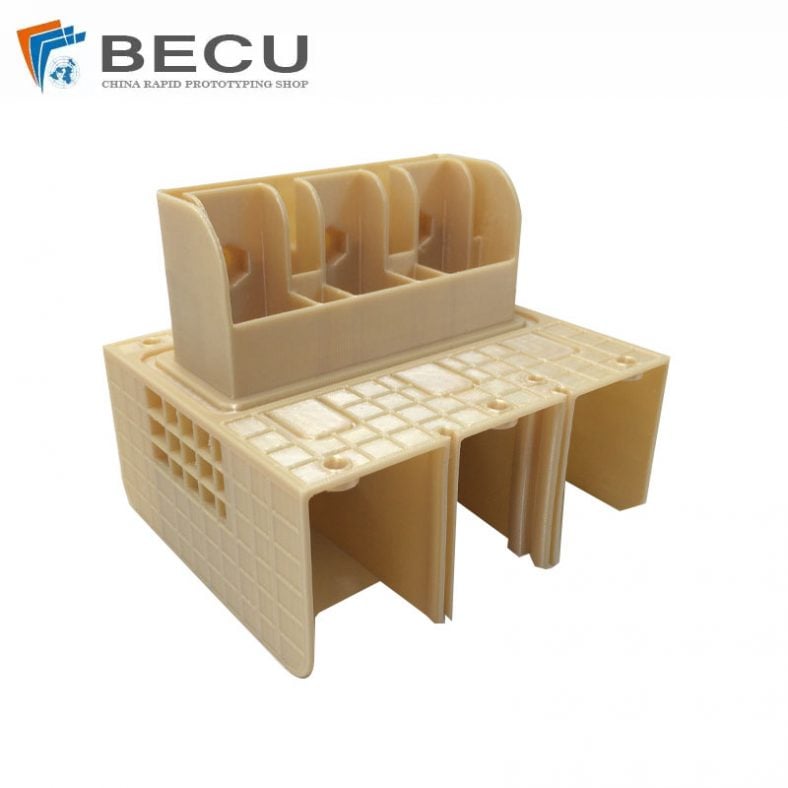
FDM 3D Printing Ultra-High Voltage Strong Electrical Connector
-
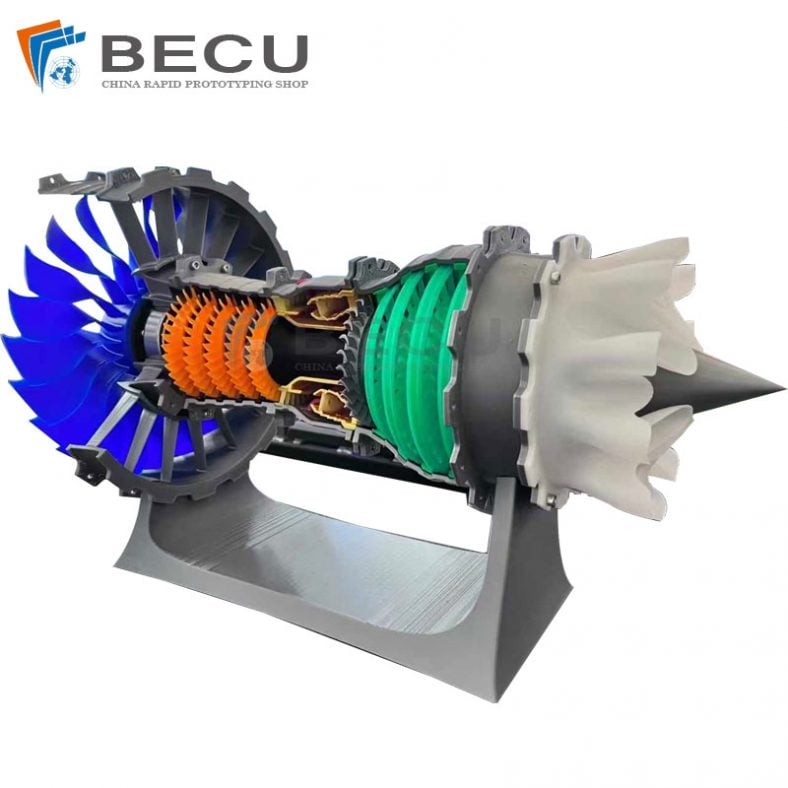
3D Printed Jet Engine Model
-
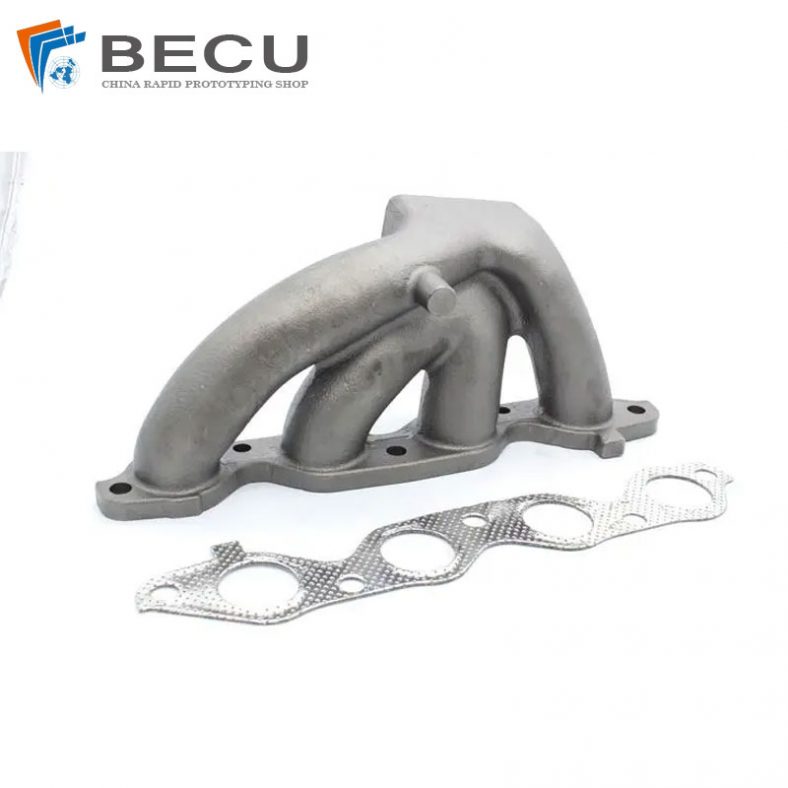
3D Printed Inconel Exhaust Manifold
-
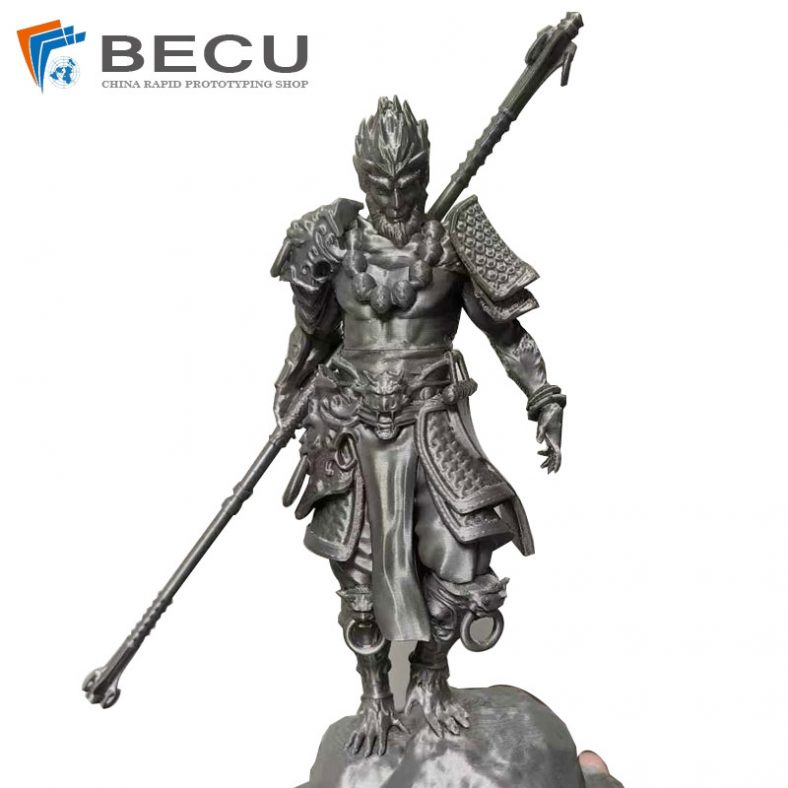
3D Printed Black Myth: Wukong Model
-
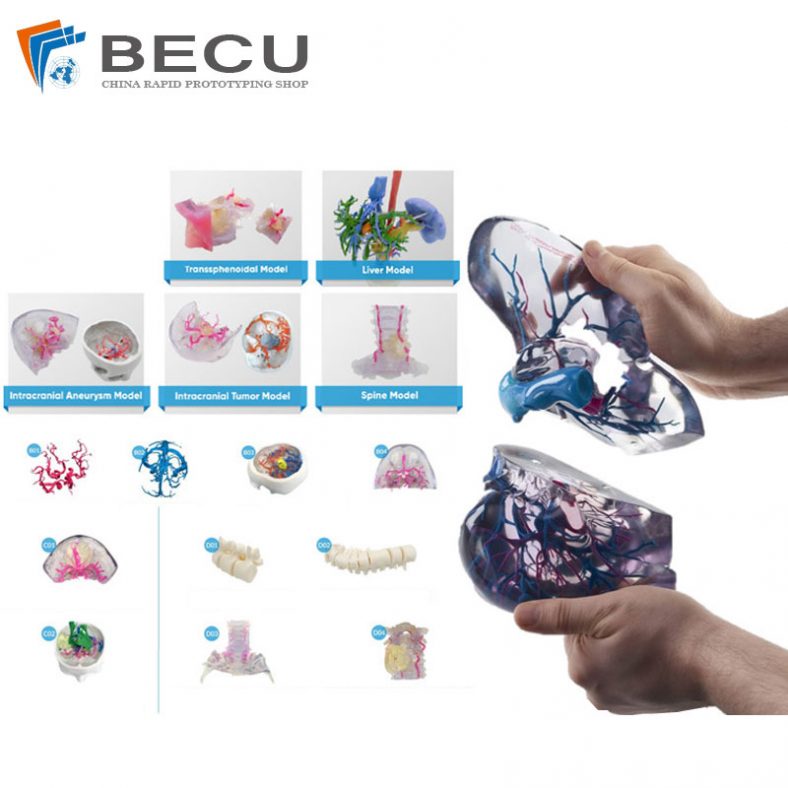
Omni-Directional Surgical Planning Medical Models
-
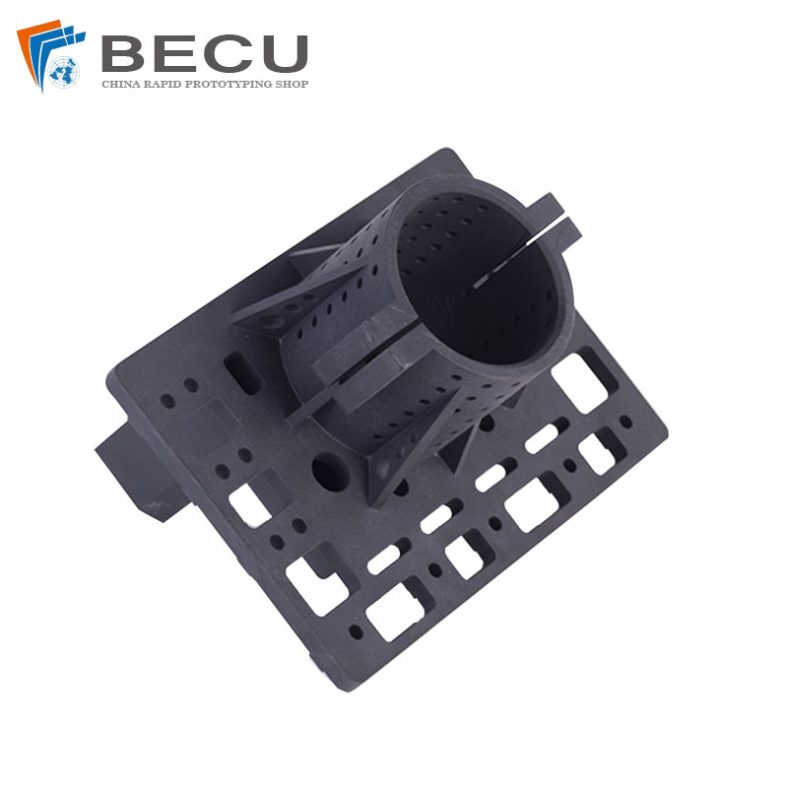
3D Printing Pool Pressure Cleaner Parts and Accessories
-
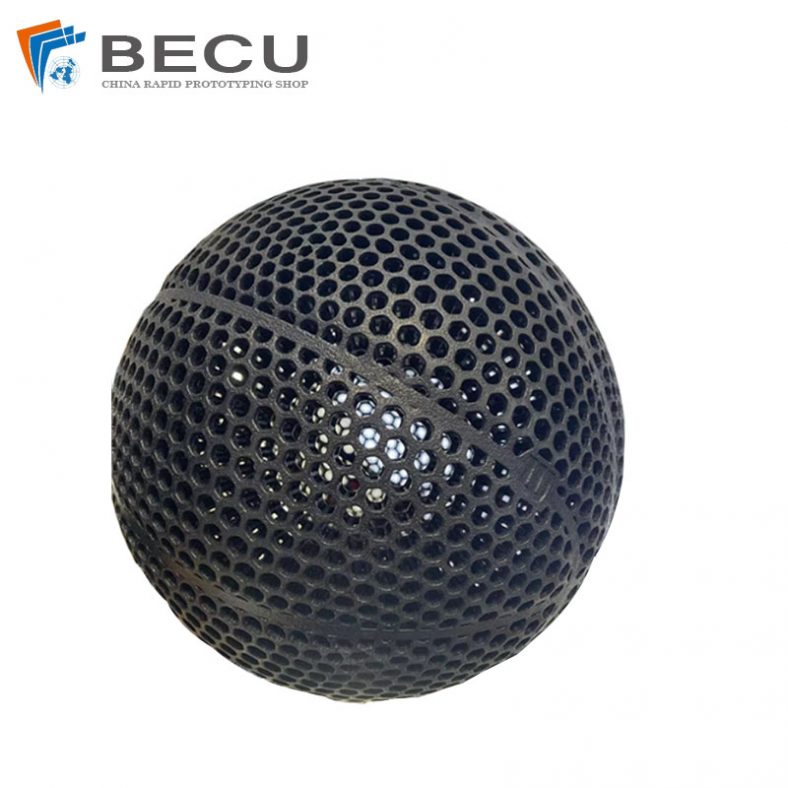
Nylon 3D Printed Size 5 Basketball
-
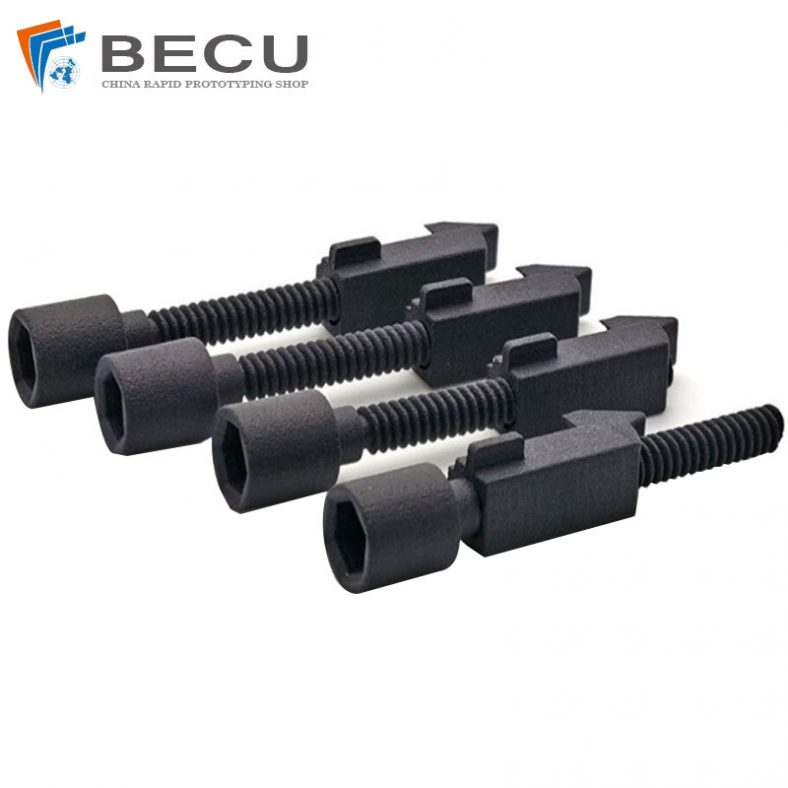
Black Nylon Medical Threaded Screw By MJF 3D Printing