

Reverse engineering is the process of analyzing a product or system to understand its design, functionality, and components in order to reproduce or improve it. Often used in manufacturing, software development, and hardware design, reverse engineering is employed to gather insights into the structure of a system, device, or object without access to the original design documentation.
This method contrasts with traditional forward engineering, where a product is designed and built from scratch, typically guided by specifications or blueprints.Reverse engineering plays a crucial role in various fields, including computer science, mechanical engineering, electrical engineering, aerospace, and even biology.
It is commonly used to reproduce or repair items when original design specifications are lost, to create compatible products, to enhance product functionality, or to gain insights into a competitor’s technologies.The term “reverse engineering” itself can be applied broadly to many areas. Whether it is reconstructing a mechanical part, disassembling a piece of software code to understand its structure, or decoding a biological system, the essential purpose remains the same: to deconstruct and understand a system in order to recreate, improve, or analyze it.
Origins of Reverse Engineering
The concept of reverse engineering can trace its origins to early industrial practices when, out of necessity, engineers and craftsmen would dismantle existing machines or tools to understand how they worked and then replicate or improve upon them. The practice evolved alongside technological advancements and the growing complexity of manufactured systems.
In the early days of manufacturing, reverse engineering was often used to replicate or improve mechanical components.
However, with the advent of computing, the discipline expanded into software engineering, where reverse engineering techniques were employed to understand and modify software systems, sometimes to uncover vulnerabilities, improve security, or make interoperability adjustments between different software products.
Reverse engineering as a formal practice gained significant attention in the 20th century, particularly during periods of technological innovation when organizations sought to safeguard intellectual property and improve their competitiveness in the marketplace. Its use in defense, aerospace, and automotive industries, where understanding and replicating complex technologies were crucial, further propelled the discipline’s development.
The Process of Reverse Engineering
The process of reverse engineering typically involves several stages, which can vary based on the field of application. The general workflow consists of:
- Data Collection: The initial step involves gathering the physical object or system to be reverse-engineered. This may involve disassembling a physical object, extracting software code from a program, or capturing an electronic signal from a device. Specialized equipment may be used to measure physical objects or to analyze software.
- Analysis: Once the data is collected, the next stage is analysis. For mechanical systems, this might involve identifying the materials, components, and assembly methods used in the object. For software, it involves examining the code structure, functions, and interactions within the system. Analysis can be performed using various tools such as 3D scanners, circuit analysis software, or disassemblers for code.
- Modeling: The data is then used to create a model of the object or system. In the case of mechanical parts, this might mean creating a digital 3D model that replicates the original object’s design. For software, this could mean producing a high-level architectural diagram or flowchart that outlines the functionality and structure of the code.
- Reconstruction: The final stage involves reconstructing the system based on the gathered information. This can mean manufacturing a physical part based on the reverse-engineered design, modifying software to introduce new features or to correct errors, or creating a new system that performs similar functions but with improved efficiency or capability.
- Testing and Verification: After reconstruction, the reverse-engineered product is often tested to ensure that it meets the intended specifications or functions correctly. In the case of hardware, this may involve performing durability tests, functional tests, and comparative tests with the original product. For software, the testing process could involve debugging, performance optimization, and verifying compatibility with other systems.
Methods of Reverse Engineering
Reverse engineering employs a wide array of methods depending on the type of product being analyzed. These techniques range from simple observation and manual disassembly to highly sophisticated methods that involve scanning, imaging, or detailed analysis using advanced computational tools.
Mechanical Reverse Engineering
Mechanical reverse engineering involves breaking down a physical object into its components to understand how it functions. This process is commonly used in industries such as aerospace, automotive, and electronics.
- Visual Inspection: A basic technique where an object is examined for visible features that provide clues to its design, construction, and function.
- Disassembly: The process of carefully taking apart a mechanical object to observe how its parts interact. This method is often used in industries like automotive repair and electronics manufacturing.
- 3D Scanning and Imaging: 3D scanners can create highly detailed models of physical objects by capturing their shape, dimensions, and other relevant features. These models are used to reconstruct the object in digital form for further analysis or reproduction.
- Coordinate Measuring Machines (CMM): A CMM uses probes to measure the precise dimensions of an object. This method is commonly used in industries requiring high precision, such as aerospace and medical device manufacturing.
- Finite Element Analysis (FEA): This is a computer-based method used to simulate the behavior of an object under various conditions. FEA is often used after a model has been created to understand how the object will behave in real-world conditions, such as stress, temperature changes, and other factors.
Software Reverse Engineering
Software reverse engineering is focused on understanding, modifying, or analyzing computer programs. It is commonly used to uncover vulnerabilities, detect bugs, improve software security, and create software that is compatible with other programs.
- Code Disassembly: This method involves converting binary code (compiled software) into assembly language, which is easier to understand. Tools like disassemblers and decompilers help in breaking down the software into more comprehensible parts.
- Debugging: Debugging tools are used to step through software to analyze its behavior at runtime. By setting breakpoints and monitoring the flow of execution, engineers can understand how the program functions and identify bugs or weaknesses.
- Reverse Compiling: This is the process of converting a compiled program back into source code. This method is often employed when the original source code is unavailable but the compiled program is still needed for modification or analysis.
- Protocol Analysis: In network-based software reverse engineering, protocol analysis tools are used to capture and interpret data transmitted over networks. This helps in understanding how software communicates with other systems and how it can be modified to improve functionality.
- Static and Dynamic Analysis: Static analysis involves examining the code without running it, while dynamic analysis involves running the code in a controlled environment to observe its behavior. Both methods are used to gather insights into how the software operates.
Applications of Reverse Engineering
Reverse engineering has numerous applications across various industries. Some of the most notable areas include:
Manufacturing and Product Development
In manufacturing, reverse engineering is employed to recreate obsolete parts, improve the design of existing products, or analyze competitor products for inspiration or insight. Industries such as automotive, aerospace, and industrial machinery frequently rely on reverse engineering to recreate parts when original design specifications are unavailable, or when proprietary parts are no longer in production.
- Part Replacement and Repair: When manufacturers or users face the challenge of repairing or replacing worn-out components, reverse engineering can offer a solution by reproducing parts that are no longer available in the market.
- Prototyping and Design Optimization: Reverse engineering is commonly used in the prototyping stage of product development. By analyzing an existing part, designers can discover areas for improvement in terms of material choice, structural integrity, and ease of manufacturing.
- Competitive Analysis: Companies may reverse engineer competitor products to understand their technology and design features. This can provide valuable insights into how competitors solve engineering challenges and help companies stay competitive in their respective markets.
Software and Cybersecurity
In the field of software engineering, reverse engineering is primarily used to enhance software security, recover lost source code, and create interoperable systems.
- Security Auditing: Security experts use reverse engineering to analyze software and identify potential vulnerabilities or weaknesses that can be exploited by attackers. By deconstructing software, security researchers can better understand how it operates and find ways to patch security holes.
- Software Compatibility and Interoperability: When new software needs to interact with older systems or third-party applications, reverse engineering may be used to create interfaces that enable compatibility. This is especially important in legacy systems where the original code may not be available.
- Malware Analysis: Cybersecurity professionals use reverse engineering techniques to dissect malicious software (malware) in order to understand how it works, how it spreads, and how it can be neutralized. This analysis is crucial for the development of antivirus programs and other defensive measures.
Intellectual Property Protection and Legal Issues
Reverse engineering is often used in legal contexts, particularly when intellectual property (IP) rights are involved. Companies and individuals may resort to reverse engineering to assess whether a product infringes on their patents or other IP rights. However, reverse engineering can raise legal challenges, as it may involve the decompiling or disassembling of copyrighted or patented products without authorization.
In some jurisdictions, reverse engineering is allowed under certain conditions, such as for the purposes of interoperability or security research. However, in other cases, it may be considered a violation of intellectual property laws. As a result, reverse engineering is a topic that intersects with legal and ethical considerations, particularly when it comes to software and patented technologies.
Healthcare and Biotech
In the healthcare and biotechnology sectors, reverse engineering plays a critical role in the development of medical devices, prosthetics, and even pharmaceuticals.
- Medical Device Design: Engineers may reverse engineer medical devices to improve functionality, repair existing devices, or develop new products that better meet the needs of patients and healthcare providers.
- Biomolecular Analysis: Reverse engineering techniques are also applied in molecular biology to understand biological systems, enzymes, or other molecular structures. Researchers may reverse-engineer proteins or genetic materials to gain insights into diseases or develop new treatments.
Benefits of Reverse Engineering
Reverse engineering offers several advantages across various fields, including:
- Cost Savings: Reverse engineering can be a cost-effective way to reproduce or repair parts that are no longer available, reducing the need for expensive new designs or manufacturing processes.
- Improved Products: By analyzing existing products, engineers can identify opportunities for optimization, leading to improvements in performance, safety, and efficiency.
- Faster Time-to-Market: For manufacturers, reverse engineering can accelerate the prototyping and design process, allowing companies to bring products to market faster.
- Enhanced Security: In software engineering, reverse engineering is essential for identifying vulnerabilities and ensuring that software is secure against potential threats.
Challenges and Ethical Considerations
Despite its numerous advantages, reverse engineering is not without its challenges and ethical concerns.
- Intellectual Property Issues: Reverse engineering often raises concerns regarding intellectual property (IP) theft. In particular, the process of reverse-engineering proprietary products or software can lead to IP disputes, especially if the goal is to create a copy or derivative work.
- Complexity: Reverse engineering can be an intricate and time-consuming process, especially when dealing with complex products or systems. The required tools, techniques, and expertise may be difficult to obtain, and the reverse-engineered product may not always match the original.
- Legal Limitations: Legal frameworks surrounding reverse engineering vary from one jurisdiction to another, and in some countries, reverse engineering may be prohibited or heavily regulated. This legal ambiguity can complicate the use of reverse engineering, particularly in industries that rely heavily on intellectual property protection.
- Ethical Concerns: The ethical implications of reverse engineering, particularly with regard to software and patented technologies, continue to be a subject of debate. Critics argue that reverse engineering can be misused to infringe on the rights of creators or disrupt fair competition. Conversely, proponents argue that it can foster innovation, competition, and product improvement.
Conclusion
Reverse engineering is a multifaceted practice with significant applications across a wide array of industries, from manufacturing and product development to software engineering and cybersecurity. While it presents a range of benefits, including cost savings, improved designs, and faster time-to-market, it also involves challenges, particularly in terms of intellectual property and legal issues. As technology continues to evolve, reverse engineering will likely remain a critical tool for innovation and problem-solving, but its use must be carefully balanced with ethical and legal considerations.
By understanding the methods, applications, and complexities of reverse engineering, individuals and organizations can harness its potential while mitigating risks.
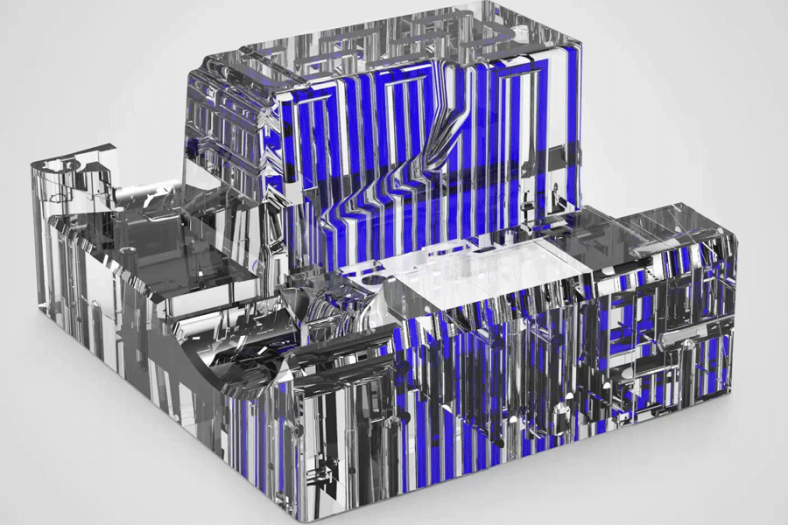
The Detail Of BE-CU 3D Printing Company
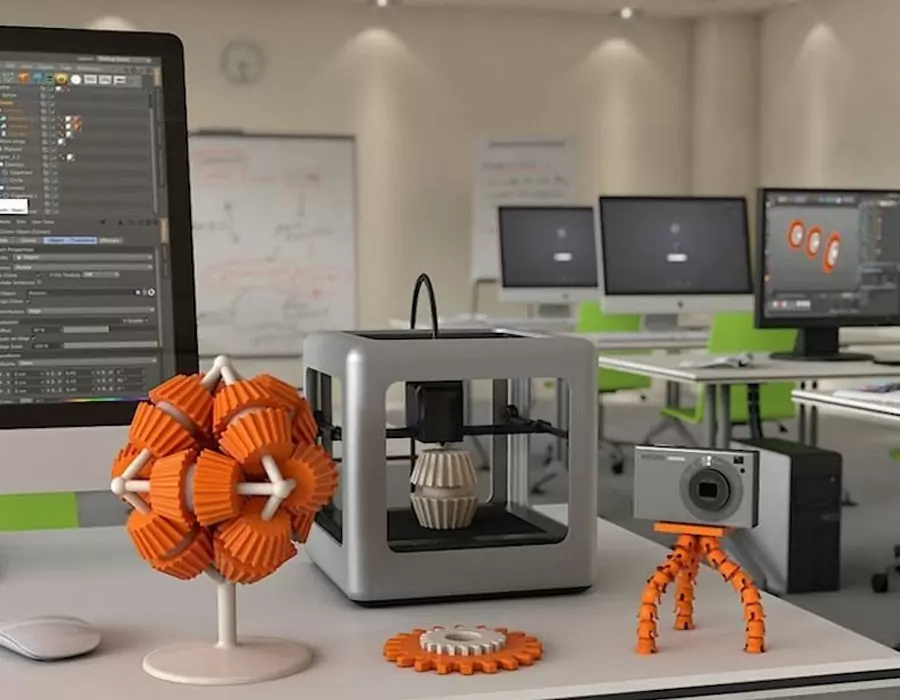
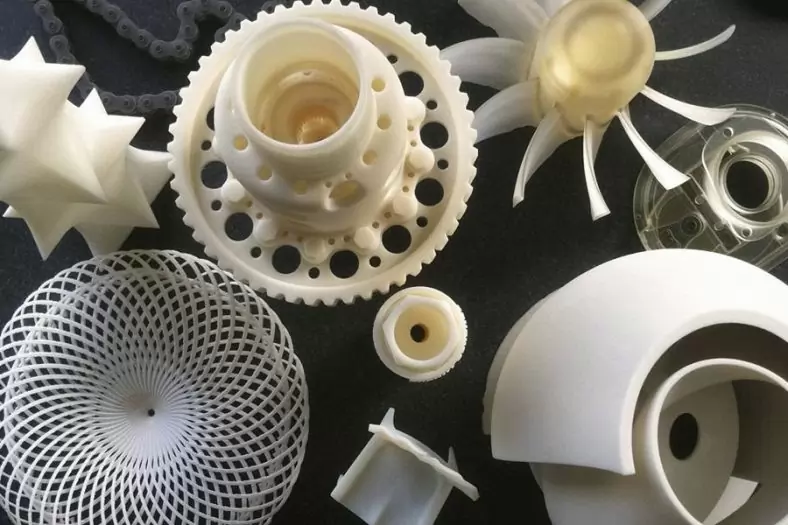
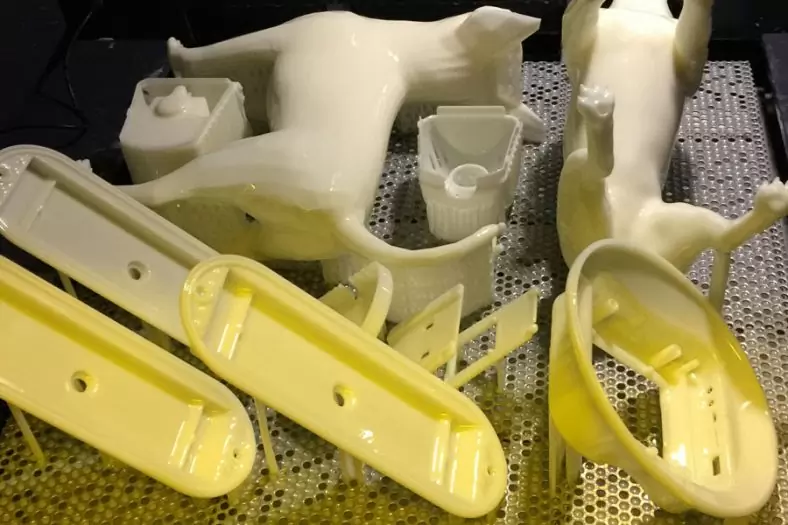
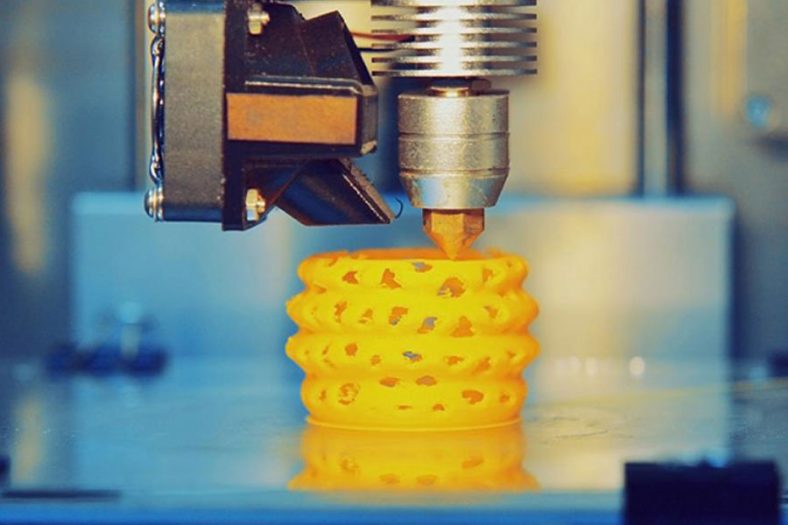
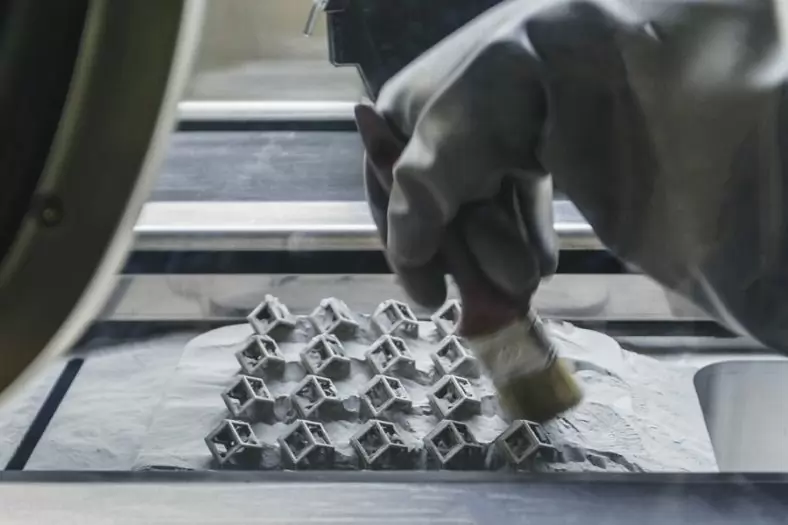
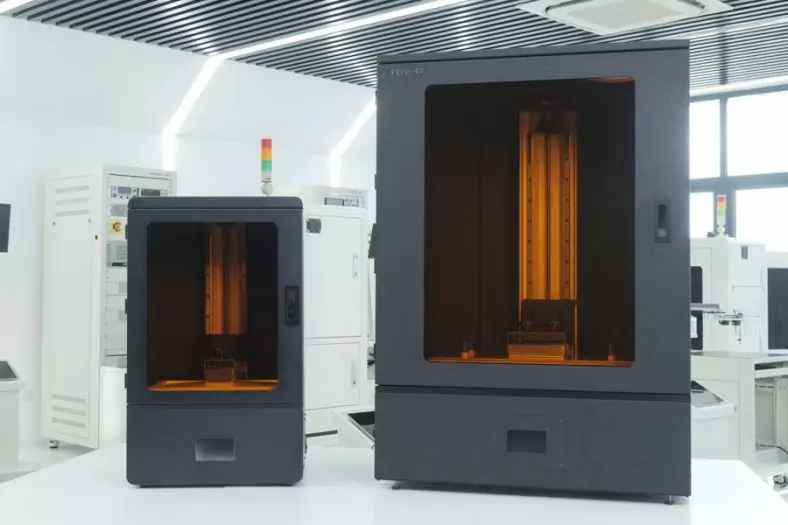
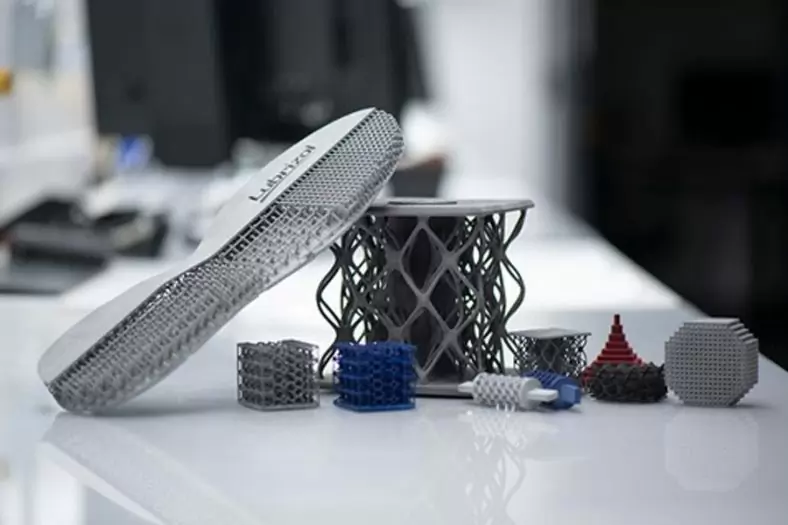
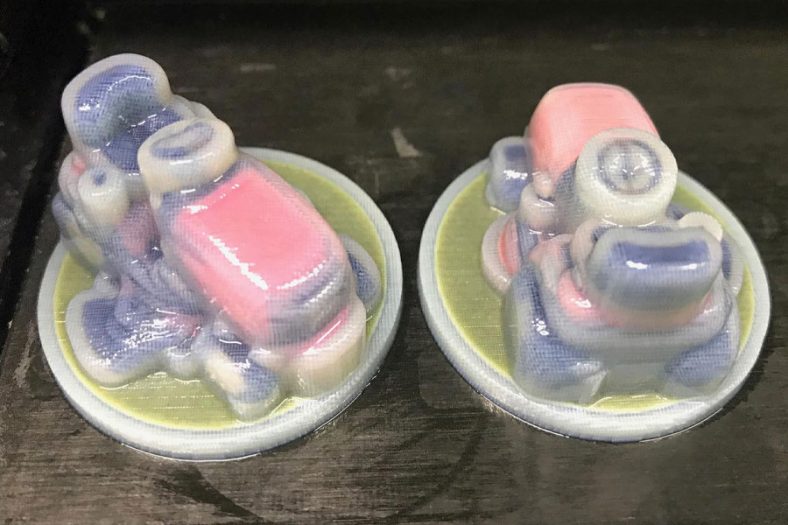
BE-CU.COM offers online 3D printing services for rapid prototyping and production in volume. Our clients are across a wide variety of industries and companies, including automotive, construction, aerospace, defense, electronics, machinery, industrial automation, medical, healthcare, consumer production, oil & gas, etc. Accelerate your product development and manufacturing process with our industry-leading metal & plastic 3D printing service and 3D printed parts. We’ll find the best 3D printing solution for your projects, to lower your cost and shorten the lead time based on your needs, while maintaining the quality. From 3D prototyping to end-use parts production, multiple materials are available for custom 3D printing parts. Need an alternative to the traditional solution? Submit your 3D CAD file to get an online quotation quickly. Our 3D printing service ensures accuracy and speed. We can help you choose the most appropriate technology and material to match your applications or request.
-
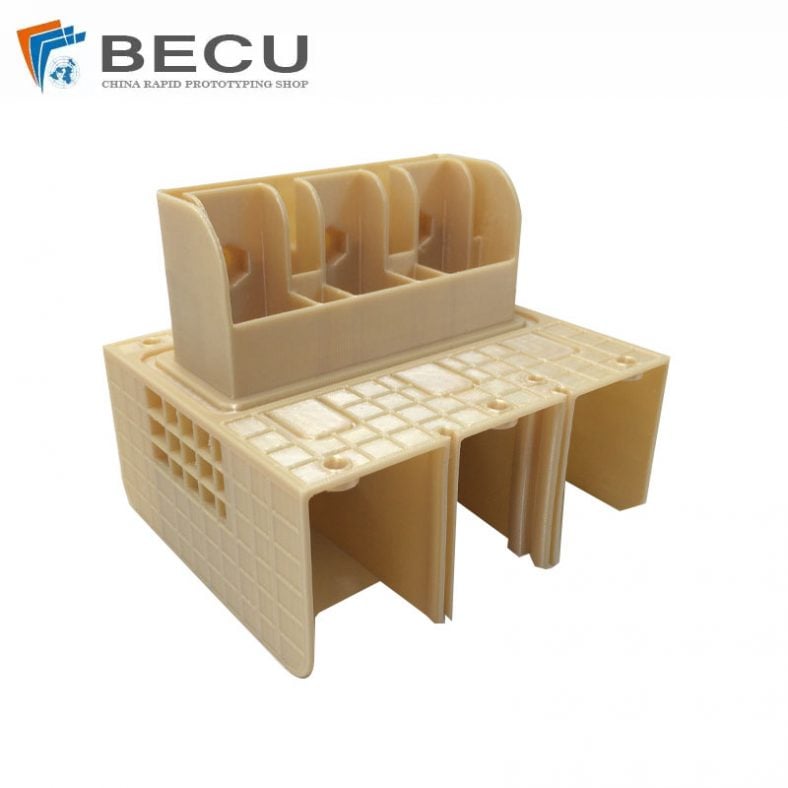
FDM 3D Printing Ultra-High Voltage Strong Electrical Connector
-
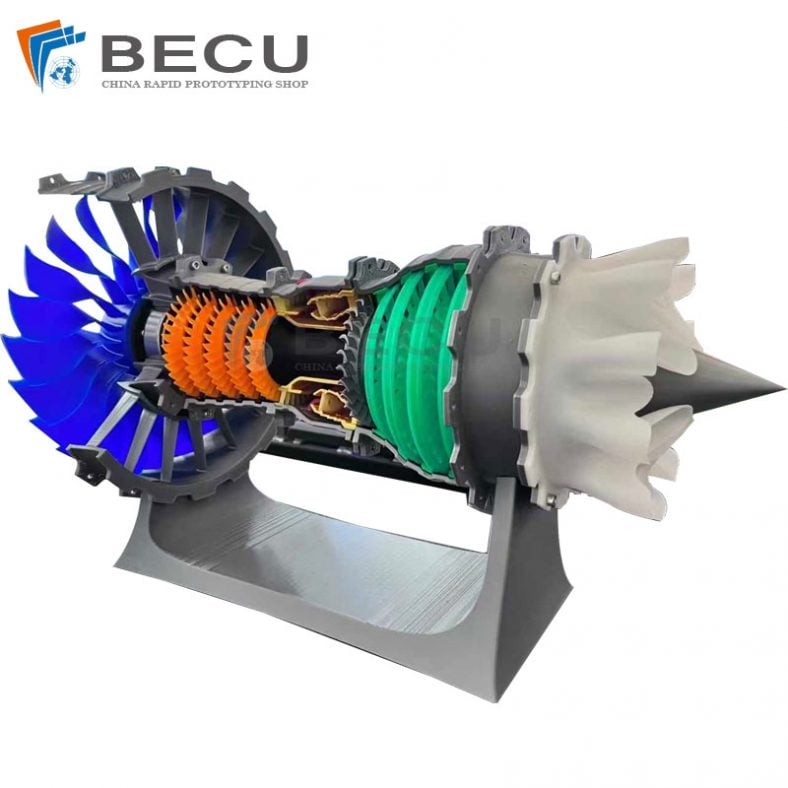
3D Printed Jet Engine Model
-
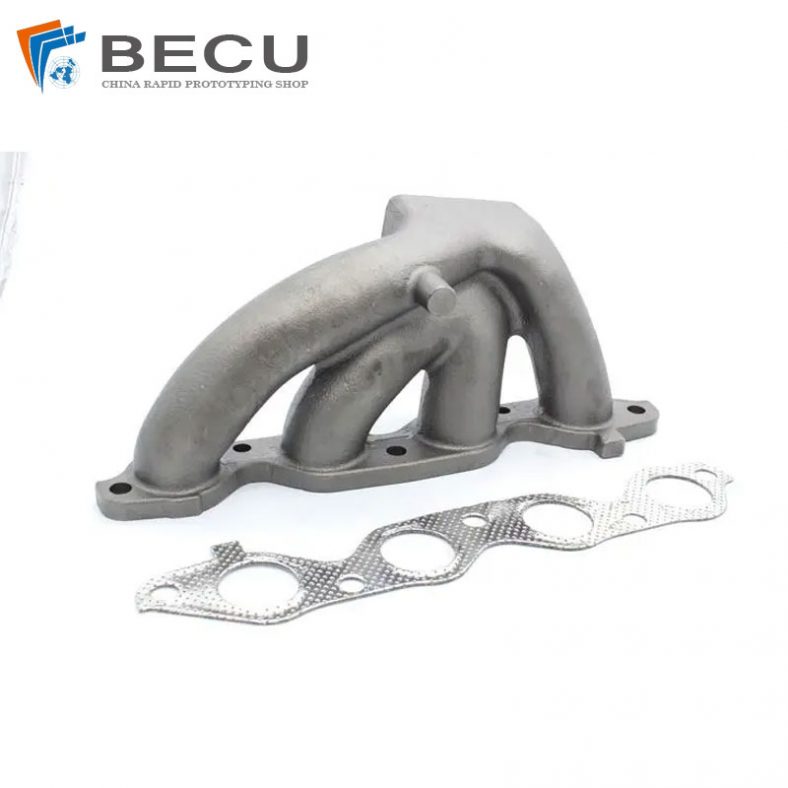
3D Printed Inconel Exhaust Manifold
-

3D Printed Black Myth: Wukong Model
-
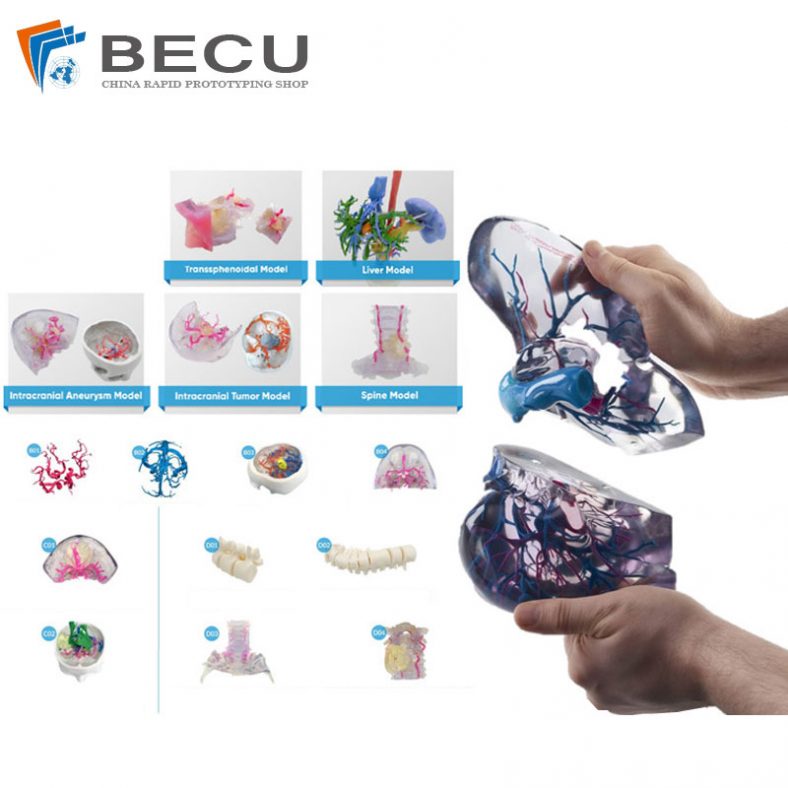
Omni-Directional Surgical Planning Medical Models
-
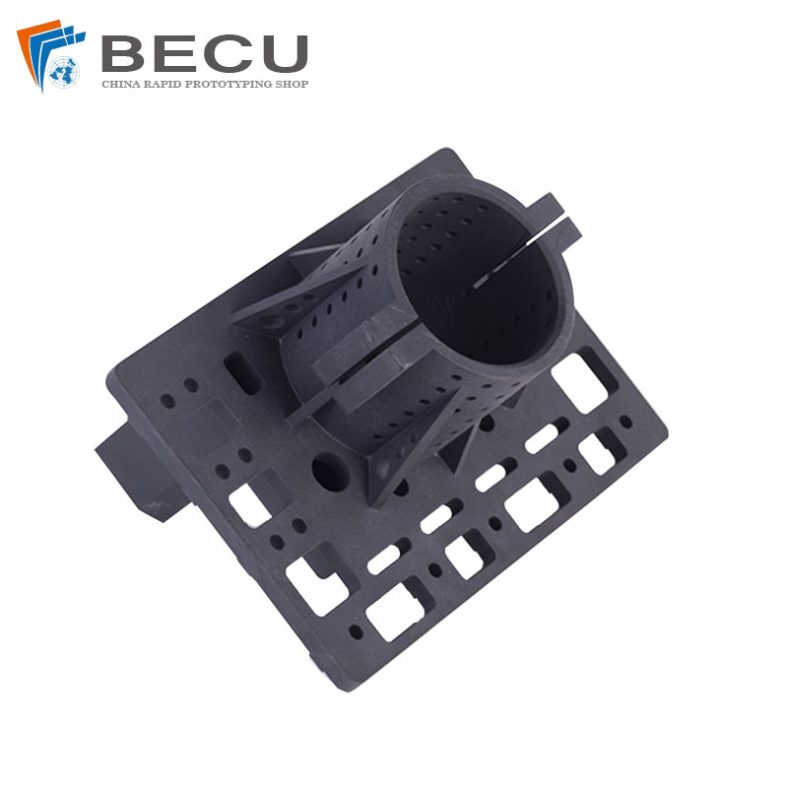
3D Printing Pool Pressure Cleaner Parts and Accessories
-
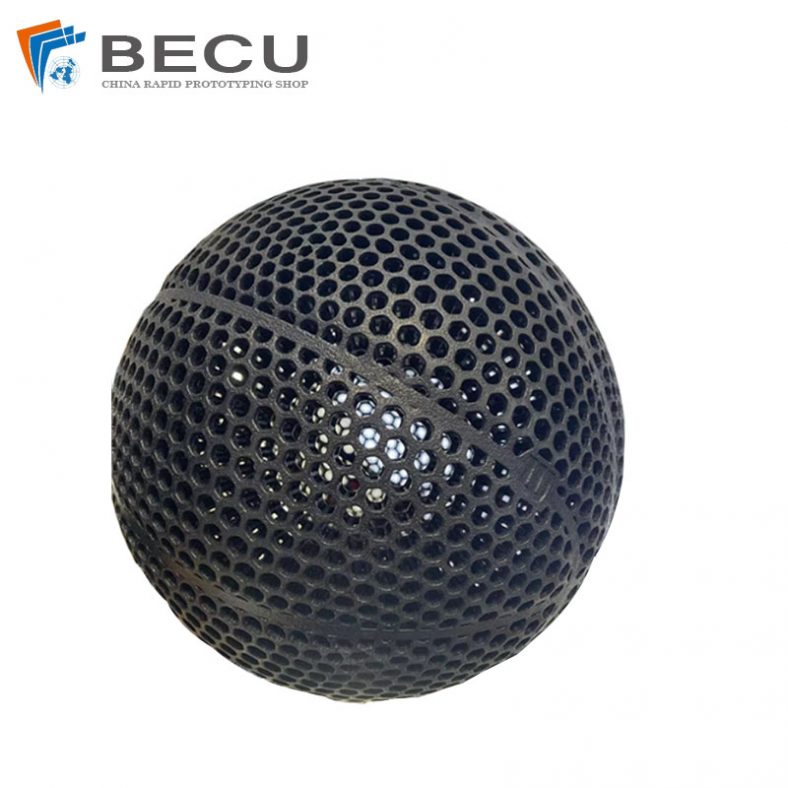
Nylon 3D Printed Size 5 Basketball
-

Black Nylon Medical Threaded Screw By MJF 3D Printing