
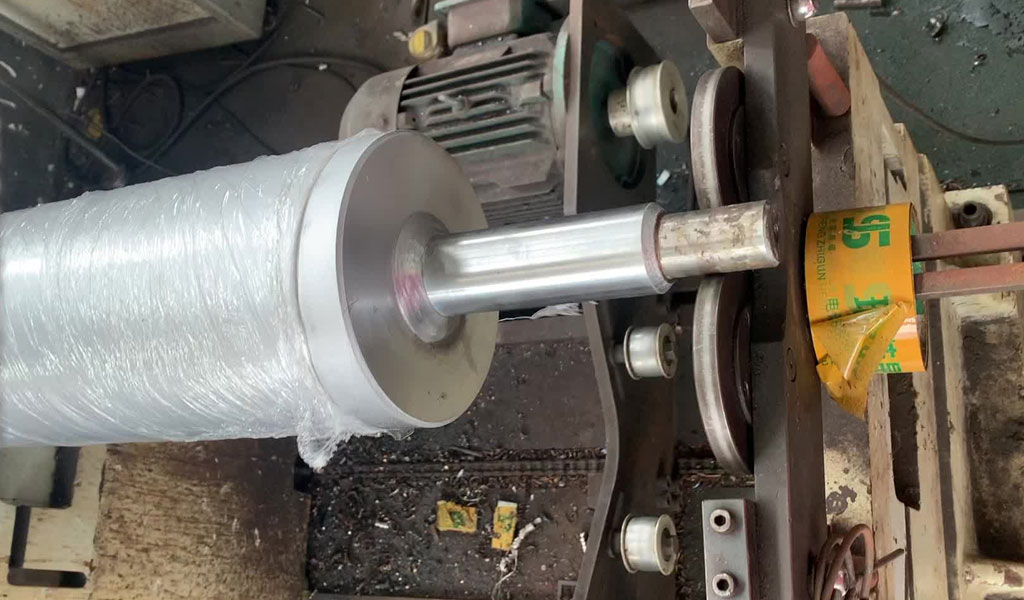
Roll cooling is an essential process in the metalworking industry, especially in rolling mills used for the production of steel, aluminum, and other materials. It involves the application of a cooling medium, typically water or air, to the rolls during the rolling process to regulate the temperature and improve the efficiency of the rolling operation. Roll cooling is vital to ensuring the high quality of the final product, the longevity of the rolls, and the overall performance of the rolling mill.The purpose of this article is to provide a comprehensive exploration of roll cooling, covering its principles, benefits, and various applications. This article will also delve into the key components involved in roll cooling systems, the technological advancements in the field, and the future trends shaping roll cooling practices.
Principles of Roll Cooling
At its core, roll cooling involves maintaining optimal temperatures in the rolls to prevent overheating, distortion, and excessive wear. The principle behind roll cooling is straightforward: by applying a cooling medium to the rolls during the rolling process, the heat generated from the deformation of the metal is dissipated, allowing the rolls to maintain their structural integrity and function effectively.
Heat Generation in Rolling Mills
During the rolling process, metal passes through a series of rolls that apply immense pressure to the material, reducing its thickness while increasing its length. This mechanical deformation generates significant amounts of heat due to friction between the rolls and the metal. Additionally, the metal itself can absorb large amounts of thermal energy as it is plastically deformed. If this heat is not properly managed, it can lead to a variety of issues, including:
- Roll Wear: Excessive heat can cause thermal fatigue in the rolls, resulting in cracks, surface degradation, and premature wear.
- Thermal Distortion: If the temperature of the rolls becomes uneven, it can lead to dimensional inaccuracies in the final product.
- Reduced Roll Life: Overheating can significantly shorten the lifespan of the rolls, leading to increased maintenance costs and downtime.
- Quality Control Issues: Overheating or inadequate cooling can result in poor surface finish, cracking, or other defects in the material being processed.
The primary goal of roll cooling is to mitigate these issues by managing the heat generated during the rolling process, ensuring that the rolls remain within an optimal temperature range.
Cooling Mediums Used in Roll Cooling
The most common cooling mediums used in roll cooling systems are water, air, or a mixture of both. Water is typically preferred due to its higher thermal conductivity, which allows it to absorb and carry away more heat than air. However, air cooling systems are also employed in some cases, particularly when water usage is limited or when additional cooling is required.
- Water Cooling: Water is the most effective medium for roll cooling, as it is a good conductor of heat. Water-based cooling systems are typically pressurized and can be applied directly to the rolls using nozzles or spray bars. The water absorbs the heat from the rolls and then flows away to a cooling tower or other heat dissipation system. The water temperature, flow rate, and pressure are carefully controlled to ensure that the rolls remain at the desired temperature.
- Air Cooling: In some rolling mills, air is used as the cooling medium, often in combination with water. Air cooling is less efficient than water cooling but is still effective in certain applications. Air cooling systems use fans or blowers to direct a flow of air over the rolls to remove heat.
The cooling medium is delivered to the rolls through various distribution systems, including spray bars, mist systems, or direct jet nozzles. The design and configuration of these systems can vary depending on the specific requirements of the rolling operation, the type of material being processed, and the cooling needs of the rolls.
Cooling Methods and Techniques
There are several techniques for applying roll cooling, each designed to optimize heat dissipation and prevent overheating. Some of the most common methods include:
- Spray Cooling: In this method, water is sprayed onto the rolls using a series of nozzles or spray bars. The water droplets evaporate upon contact with the heated rolls, absorbing large amounts of heat in the process. This technique is widely used in rolling mills and can be adjusted by varying the pressure, flow rate, and angle of the nozzles.
- Jet Cooling: Jet cooling involves the application of high-pressure water jets directly onto the rolls. The intense force of the water jet improves the heat transfer efficiency, allowing for rapid cooling of the rolls. This method is especially useful in cases where precise temperature control is critical.
- Flood Cooling: This cooling technique involves flooding the roll with water in a controlled manner. The water is applied to the surface of the rolls in a continuous flow, providing a uniform cooling effect. This method is commonly used in processes where the rolls are subjected to high temperatures.
- Air Cooling: Air cooling systems are generally less effective than water-based systems but can still be used in specific applications. In air cooling, fans or blowers direct a stream of air over the rolls to remove excess heat. This method is typically used for lighter, less demanding rolling operations or in conjunction with water cooling systems for additional cooling.
Temperature Control and Monitoring
An integral part of roll cooling is maintaining the rolls at a stable and optimal temperature. Too much cooling can lead to thermal shock and premature wear, while too little cooling can cause overheating and distortion. To achieve precise temperature control, advanced temperature monitoring systems are employed.
- Thermocouples: Thermocouples are widely used in roll cooling systems to measure the temperature of the rolls and the cooling medium. These temperature sensors provide real-time feedback, allowing operators to adjust cooling parameters as needed.
- Infrared Sensors: Infrared thermography is increasingly used in roll cooling systems to monitor the temperature of the rolls without direct contact. These sensors can quickly detect hot spots or temperature imbalances, allowing for rapid corrective action.
- Flow Rate Control: In many advanced roll cooling systems, the flow rate of the cooling medium is automatically adjusted based on the temperature readings. This helps maintain a consistent cooling rate and ensures that the rolls remain within the desired temperature range.
Benefits of Roll Cooling
The implementation of effective roll cooling systems offers numerous benefits, both in terms of product quality and operational efficiency. Some of the key advantages of roll cooling include:
1. Improved Product Quality
Effective roll cooling is crucial for maintaining the quality of the final product. By regulating the temperature of the rolls, it is possible to avoid issues such as thermal distortion, uneven deformation, and surface defects. This ensures that the finished material meets the required specifications for thickness, surface finish, and mechanical properties.
- Reduced Surface Defects: Cooling the rolls evenly helps to prevent surface cracks, scale formation, and other defects in the material being rolled.
- Enhanced Dimensional Control: Maintaining a stable roll temperature ensures that the material is rolled uniformly, reducing the chances of dimensional inaccuracies.
2. Increased Roll Life
The longevity of rolls is directly affected by their operating temperature. Excessive heat can cause thermal fatigue and reduce the lifespan of the rolls, leading to increased maintenance costs and downtime. By effectively managing the temperature of the rolls through cooling, their service life can be extended.
- Prevention of Thermal Fatigue: Cooling systems help minimize the formation of cracks and other forms of thermal fatigue that can shorten roll life.
- Reduced Wear and Tear: Maintaining a stable temperature prevents the rolls from undergoing rapid temperature changes, which can cause wear and material degradation.
3. Enhanced Process Efficiency
By maintaining an optimal temperature during the rolling process, roll cooling can enhance the overall efficiency of the rolling mill. Effective cooling ensures that the rolls continue to operate at peak performance, reducing the need for frequent maintenance and repairs. This leads to increased uptime and higher productivity.
- Optimized Rolling Speeds: Stable roll temperatures allow for higher rolling speeds, which can increase throughput and reduce production costs.
- Reduced Downtime: By preventing overheating and premature wear, roll cooling systems help reduce the frequency of roll replacements and repairs, resulting in less downtime for maintenance.
4. Energy Savings
Although roll cooling systems require an initial investment, they can lead to significant energy savings over time. Efficient cooling reduces the amount of energy required to maintain the rolls at the desired temperature, optimizing the overall energy consumption of the rolling mill.
- Reduced Cooling Costs: Properly designed cooling systems help ensure that only the necessary amount of cooling is applied, preventing energy waste.
- Improved Heat Recovery: Some advanced cooling systems are designed to recover and reuse heat from the cooling process, further reducing energy consumption.
Applications of Roll Cooling
Roll cooling is widely used in various industries where rolling mills are employed, including steel production, aluminum processing, and the manufacturing of other metal products. Below are some of the primary applications of roll cooling systems.
1. Steel Rolling Mills
In steel rolling mills, roll cooling is essential to prevent overheating and ensure the smooth operation of the mill. The cooling process helps regulate the temperature of the rolls, preventing thermal damage and ensuring the production of high-quality steel products. Whether hot rolling or cold rolling, effective cooling is crucial for achieving the desired mechanical properties in the final product.
2. Aluminum Rolling Mills
Aluminum rolling mills also rely heavily on roll cooling to maintain the quality of the final product. Aluminum has a lower melting point than steel, making it more susceptible to damage from excessive heat. Roll cooling ensures that the rolls maintain a stable temperature, preventing thermal fatigue and enhancing the overall rolling process.
3. Copper and Brass Rolling Mills
Copper and brass are highly conductive metals, and roll cooling is vital for preventing the rapid buildup of heat during the rolling process. Proper cooling helps maintain the dimensional accuracy of the product and prevents issues like surface cracking or distortion.
4. Other Metal Processing Industries
In addition to steel, aluminum, copper, and brass, roll cooling systems are used in the processing of other metals such as titanium, nickel alloys, and exotic metals. Each metal has unique thermal properties that require careful temperature management to ensure high-quality production and minimal defects.
Technological Advancements in Roll Cooling
Over the years, roll cooling technology has evolved significantly. Advancements in materials science, automation, and sensor technology have led to the development of more efficient and precise roll cooling systems. These advancements have made it possible to achieve higher levels of temperature control, reduce water usage, and improve overall efficiency.
1. Smart Cooling Systems
The integration of smart technologies into roll cooling systems has enabled operators to monitor and control the cooling process with greater precision. By using advanced sensors and data analytics, operators can predict and adjust cooling parameters in real time to optimize performance.
2. Closed-Loop Systems
Closed-loop roll cooling systems are designed to recycle the cooling water, reducing waste and improving environmental sustainability. These systems are capable of filtering and reusing water, reducing the need for fresh water and minimizing wastewater generation.
3. Automated Cooling Control
Modern roll cooling systems often incorporate automated control systems that adjust cooling parameters based on real-time temperature readings. These systems can optimize cooling efficiency by adjusting water flow rates, pressure, and spray angles based on the specific needs of the mill.
Conclusion
Roll cooling is a vital process in the metalworking industry, playing a crucial role in maintaining the quality of the final product, extending the lifespan of the rolls, and enhancing overall process efficiency. The principles of roll cooling are based on managing the heat generated during the rolling process, with water and air being the most commonly used cooling mediums. By employing advanced cooling methods, temperature control systems, and technological innovations, the efficiency and performance of rolling mills can be greatly improved.
As industries continue to evolve and new materials and manufacturing processes emerge, roll cooling will remain an essential component of modern rolling operations, helping to meet the growing demands for high-quality, precision-engineered metal products.
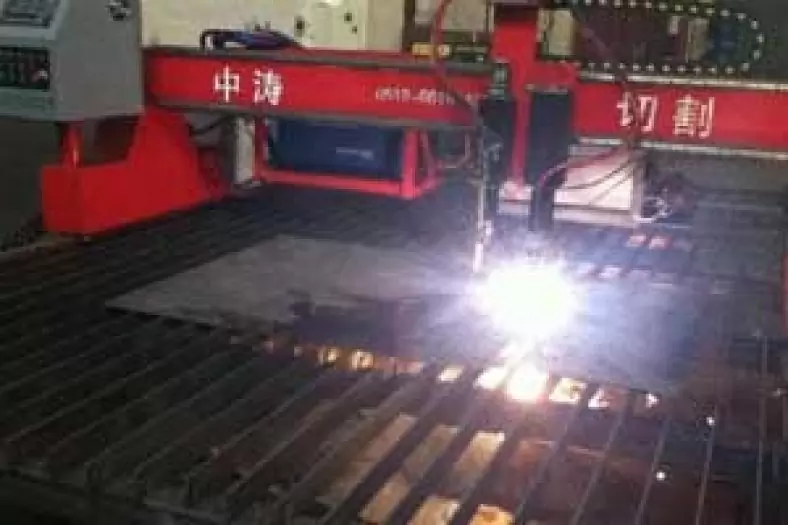
The Detail Of BE-CU Cnc Machining Shop
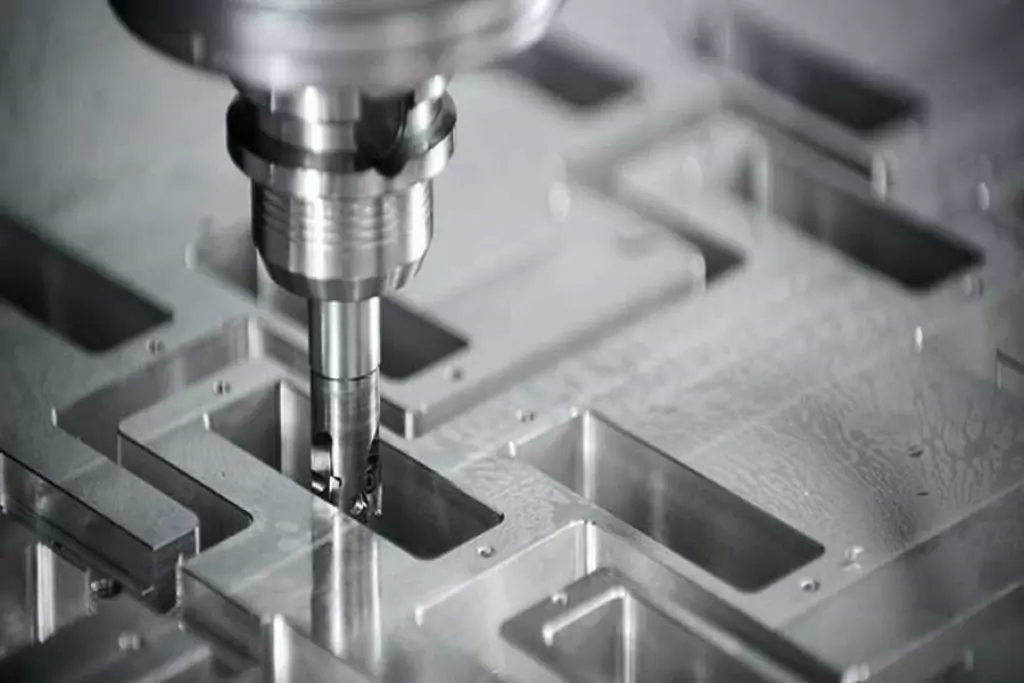
BE-CU.COM – As an accomplished CNC machining Service Manufacturer and CNC shop, BE-CU Prototype has been specialized in OEM CNC lathing, custom CNC machining parts production and rapid CNC machining services China for over 35 years and always maintaining the highest standard in delivery speed and reliable quality of precision CNC manufacturing components. With the help of high-level technology and efficient equipment, as well as rigorous attitude, BE-CU passed the ISO9001:2015 quality certification, which supports the long-term development of CNC milling services, CNC turning services, CNC milling-turning, CNC drilling services, 3/4/5 axis machining, gear machining services, CNC machining China custom parts and service, small parts machining, etc.Our CNC machining products can be utilized in a broad range of industries. Contact us for email: [email protected]
-
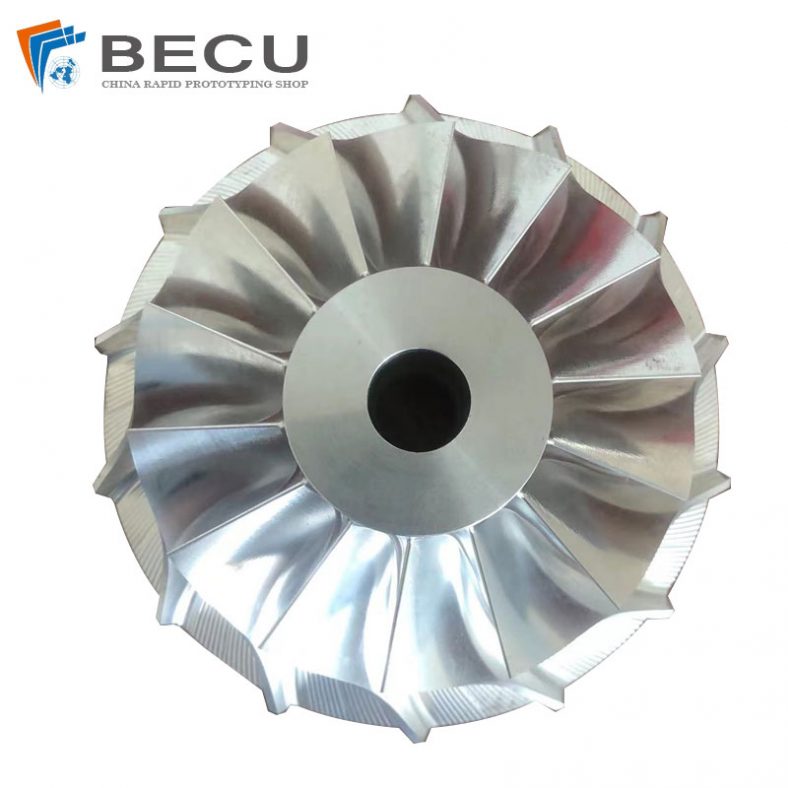
3-Way Centrifugal Compressor Closed Impeller By 5 Axis Machining
-

3/4/5 Axis Precision Milling Custom Vehicle Parts
-
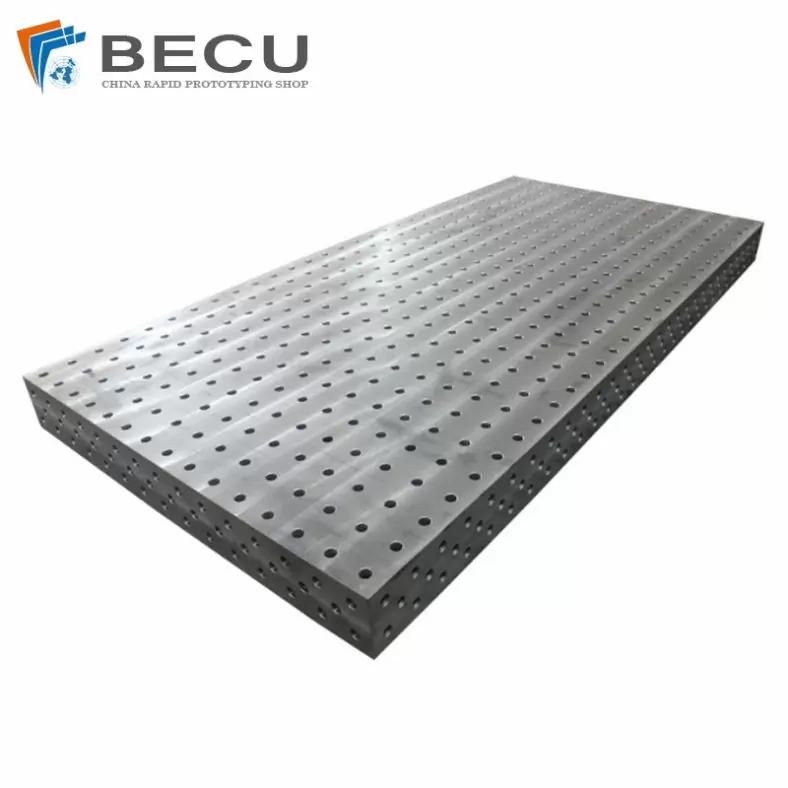
3D Flexible Welding Platform By Large Machining
-
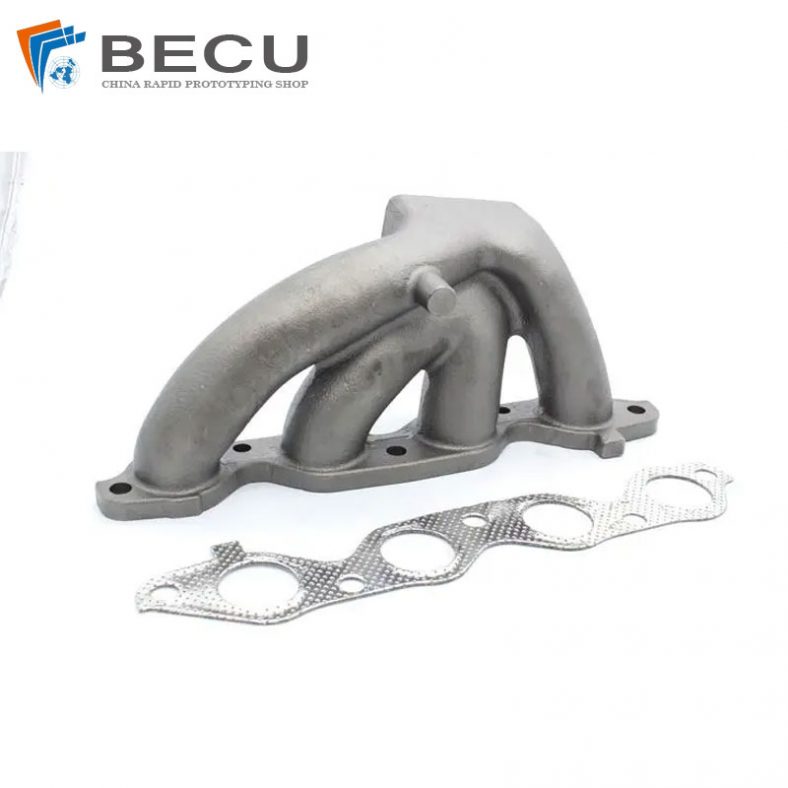
3D Printed Inconel Exhaust Manifold
-
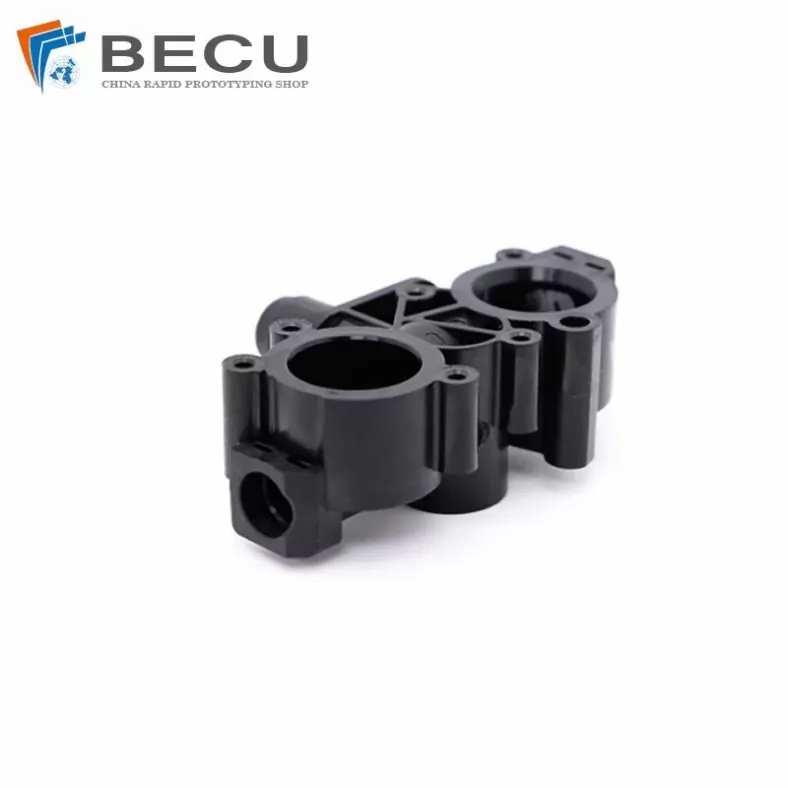
3D Printing And CNC Machining Custom Black PPS Valve
-
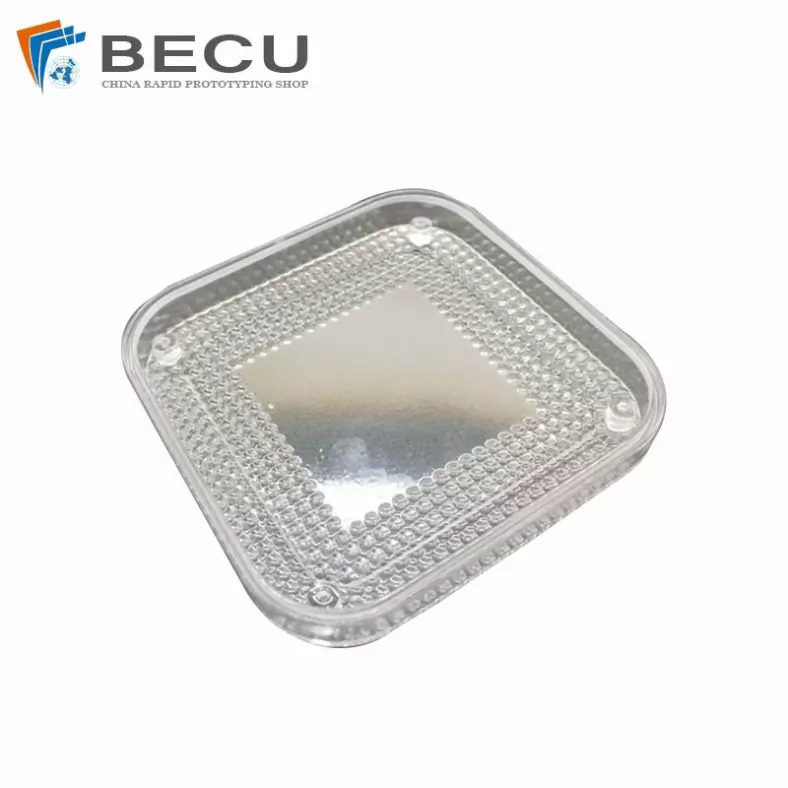
3D Printing Full Transparent Acrylic Lampshade Model
-
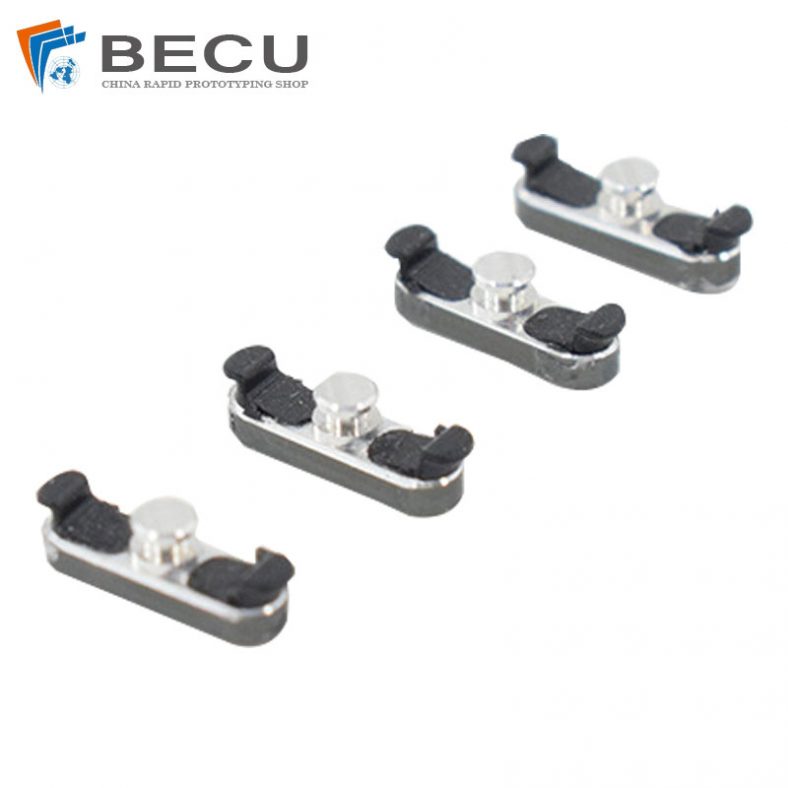
4 Axis CNC Machining Titanium Grade 5 Mobile Phone Buttons
-
4 Axis Machining Highly Transparent Acrylic LED Tunnel Light Lens