
S7 tool steel is a high-performance, air-hardening, shock-resistant alloy steel widely recognized for its exceptional toughness, impact resistance, and versatility in demanding industrial applications. Belonging to the S-series of tool steels, as classified by the American Iron and Steel Institute (AISI), S7 is specifically engineered for tools and components that endure high mechanical stress, repeated impacts, and heavy loads. Its unique combination of mechanical and thermal properties makes it a preferred choice in industries such as die casting, plastic molding, mining, and tool manufacturing. This article provides an in-depth exploration of S7 tool steel, detailing its chemical composition, mechanical and physical properties, equivalent grades, heat treatment processes, applications, and a comprehensive comparison with 4140 alloy steel. Through detailed tables and structured sections, the article aims to serve as a definitive resource for engineers, metallurgists, machinists, and researchers seeking to understand the nuances of S7 tool steel and its role in modern industrial applications.
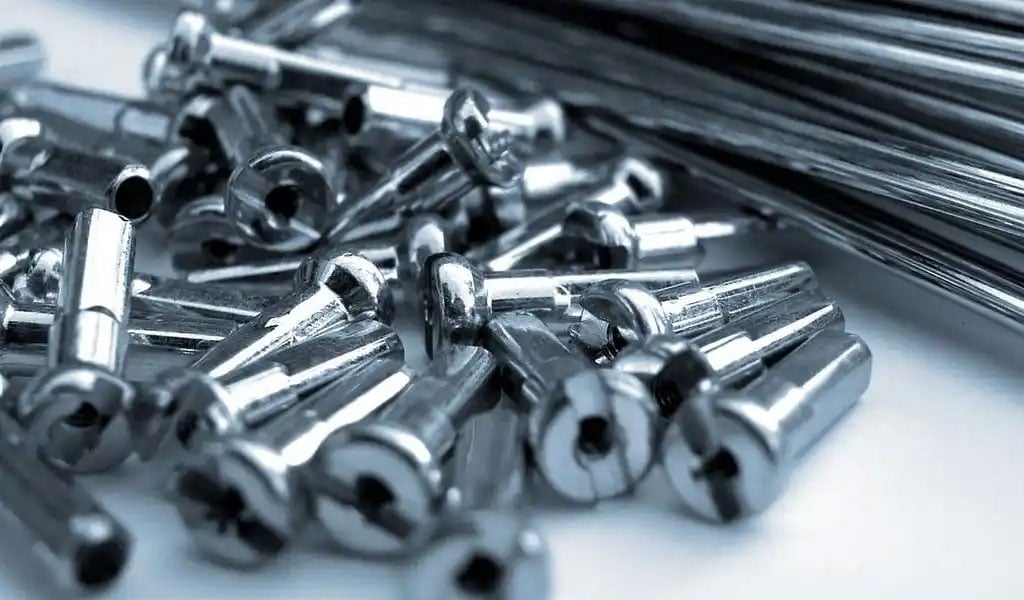
What Is S7 Tool Steel
Tool steels are a specialized class of carbon and alloy steels designed for the manufacture of tools, dies, and other components that require high hardness, wear resistance, and the ability to withstand mechanical and thermal stresses.
The S-series tool steels, including S7, are specifically formulated for shock resistance, making them ideal for applications where tools are subjected to sudden impacts or high-impact loading.
S7 tool steel, designated as AISI S7 or SAE T41907, is an air-hardening steel that combines high toughness with moderate wear resistance, offering a balance of properties that distinguish it from other tool steels and alloy steels.
Introduced in the mid-20th century, S7 tool steel was developed to meet the needs of industries requiring materials capable of withstanding extreme mechanical stress without fracturing or deforming. Its air-hardening property, which minimizes distortion during heat treatment, makes it particularly valuable for precision tools and dies. Over the decades, S7 has become a staple in applications ranging from cold-work tooling to hot-work environments, where its ability to maintain structural integrity under stress is critical.
This article aims to provide a comprehensive overview of S7 tool steel, beginning with its chemical composition and properties, followed by its equivalent grades, heat treatment processes, and applications. A detailed comparison with 4140 alloy steel, a widely used chromium-molybdenum alloy, will highlight the differences in composition, properties, and suitability for various applications. By examining these aspects, the article seeks to equip readers with the knowledge needed to select the appropriate steel for their specific requirements.
2. Chemical Composition of S7 Tool Steel
The chemical composition of S7 tool steel is carefully engineered to achieve its characteristic toughness, hardness, and shock resistance. The alloy contains a combination of carbon, chromium, molybdenum, manganese, silicon, vanadium, and trace elements, each contributing to its overall performance. The typical composition of S7 tool steel, as per AISI standards, is presented in the table below.
Table 1: Chemical Composition of S7 Tool Steel
| Element | Percentage (%) | Role in Alloy |
|---|---|---|
| Carbon (C) | 0.45–0.55 | Enhances hardness and strength, contributes to hardenability. |
| Chromium (Cr) | 3.00–3.50 | Improves corrosion resistance, wear resistance, and hardenability. |
| Molybdenum (Mo) | 1.30–1.80 | Increases strength, toughness, and resistance to softening at high temperatures. |
| Manganese (Mn) | 0.20–0.80 | Reduces brittleness, enhances strength, and aids in deoxidation. |
| Silicon (Si) | 0.20–1.00 | Acts as a deoxidizer, improves strength, and enhances tempering resistance. |
| Vanadium (V) | 0.20–0.30 | Refines grain structure, enhances strength, and improves wear resistance. |
| Phosphorus (P) | ≤0.03 | Enhances machinability in small amounts but can increase brittleness if excessive. |
| Sulfur (S) | ≤0.03 | Improves machinability in low amounts but may reduce toughness if excessive. |
| Iron (Fe) | Balance | Base element of the alloy. |
2.1 Role of Alloying Elements
- Carbon: The carbon content of 0.45–0.55% places S7 in the medium-carbon range, providing a balance between hardness and toughness. Carbon is essential for forming carbides, which contribute to wear resistance and hardenability.
- Chromium: With 3.00–3.50% chromium, S7 exhibits moderate corrosion resistance and enhanced wear resistance due to the formation of chromium carbides. Chromium also improves hardenability, allowing the steel to achieve uniform hardness during heat treatment.
- Molybdenum: Molybdenum (1.30–1.80%) enhances high-temperature strength and toughness, making S7 suitable for applications involving elevated temperatures. It also contributes to resistance against softening during tempering.
- Manganese: Manganese (0.20–0.80%) improves strength and reduces brittleness by refining the steel’s microstructure. It also acts as a deoxidizer, removing impurities during the steelmaking process.
- Silicon: Silicon (0.20–1.00%) enhances strength and tempering resistance while acting as a deoxidizer. It also contributes to the steel’s ability to resist deformation under stress.
- Vanadium: The small vanadium content (0.20–0.30%) refines the grain structure, improving toughness and wear resistance. Vanadium carbides enhance the steel’s durability under abrasive conditions.
- Phosphorus and Sulfur: Both are kept at minimal levels (≤0.03%) to avoid embrittlement. In small amounts, they improve machinability but must be carefully controlled to maintain toughness.
The precise balance of these elements ensures that S7 tool steel achieves its signature combination of toughness, hardness, and shock resistance, making it suitable for high-impact applications.
3. Mechanical and Physical Properties of S7 Tool Steel
The mechanical and physical properties of S7 tool steel are a direct result of its chemical composition and heat treatment processes. These properties determine its performance in various applications, from cold-work tooling to hot-work environments. Below is a detailed examination of S7’s key properties, followed by a table summarizing its mechanical characteristics.
3.1 Mechanical Properties
- Hardness: S7 tool steel can achieve a hardness range of 54–60 HRC (Rockwell C) after quenching and tempering, making it suitable for high-wear applications. In its annealed state, hardness is typically 20–24 HRC, allowing for easier machining.
- Toughness: S7 is renowned for its exceptional toughness, particularly its ability to absorb shock and resist fracturing under impact. Its Charpy impact strength is reported to exceed 200 ft-lb at a tempering temperature of 400°F, making it ideal for high-stress environments.
- Tensile Strength: Depending on heat treatment, S7 exhibits tensile strengths ranging from 900 to 1200 MPa, providing excellent resistance to deformation under tension.
- Yield Strength: The yield strength of S7, which indicates the stress at which plastic deformation begins, typically ranges from 700 to 1000 MPa, depending on hardness.
- Wear Resistance: While not as wear-resistant as high-carbon, high-chromium tool steels like D2, S7 offers moderate wear resistance due to its carbon and chromium content, sufficient for most tooling applications.
- Machinability: S7 has good machinability in its annealed state, rated at approximately 70–80% of a standard carbon steel like AISI 1112. However, machining becomes more challenging as hardness increases after heat treatment.
3.2 Physical Properties
- Density: The density of S7 tool steel is approximately 7.83 g/cm³, typical for alloy steels with similar compositions.
- Thermal Conductivity: S7 has a thermal conductivity of about 28–30 W/m·K at room temperature, allowing it to dissipate heat effectively in hot-work applications.
- Coefficient of Thermal Expansion: The coefficient of thermal expansion is approximately 12.5–13.5 × 10⁻⁶/°C between 20–200°C, indicating moderate dimensional stability under temperature changes.
- Melting Point: The melting point of S7 is around 1450–1500°C, consistent with its iron-based composition.
Table 2: Mechanical Properties of S7 Tool Steel
| Property | Value/Range | Notes |
|---|---|---|
| Hardness (Annealed) | 20–24 HRC | Suitable for machining |
| Hardness (Heat-Treated) | 54–60 HRC | After quenching and tempering |
| Tensile Strength | 900–1200 MPa | Varies with heat treatment |
| Yield Strength | 700–1000 MPa | Varies with hardness |
| Charpy Impact Strength | >200 ft-lb (at 400°F temper) | Exceptional shock resistance |
| Machinability | 70–80% of AISI 1112 | In annealed condition |
| Wear Resistance | Moderate | Suitable for tooling applications |
3.3 Thermal Stability
S7 tool steel maintains its mechanical properties at elevated temperatures, making it suitable for hot-work applications where tools operate at temperatures up to 1000°F (538°C). Its molybdenum content helps resist softening during tempering, ensuring dimensional stability and durability in high-temperature environments.
4. Equivalent Grades of S7 Tool Steel
S7 tool steel is standardized under AISI/SAE designations, but equivalent grades exist in other international standards, offering similar properties for specific applications. These equivalents may vary slightly in composition or heat treatment requirements but provide comparable performance in terms of toughness and shock resistance. The table below lists common equivalent grades for S7 tool steel.
Table 3: Equivalent Grades of S7 Tool Steel
| Standard | Grade | Notes |
|---|---|---|
| AISI/SAE | S7 (T41907) | Primary designation in the United States |
| DIN (Germany) | 1.2355 | Slightly different composition |
| JIS (Japan) | SKS2 | Comparable shock-resistant tool steel |
| BS (UK) | BS S7 | British equivalent with similar properties |
| ISO | 50CrMoV13-15 | International standard equivalent |
4.1 Notes on Equivalents
- DIN 1.2355: This German grade is closely related to S7, with a similar carbon and chromium content, but may include slight variations in molybdenum or vanadium to meet European standards.
- JIS SKS2: Used in Japan, SKS2 offers comparable toughness and shock resistance, though its heat treatment processes may differ slightly to align with Japanese industrial practices.
- BS S7: The British equivalent mirrors S7’s properties, with minor adjustments in alloying elements to comply with UK standards.
- ISO 50CrMoV13-15: This international standard provides a globally recognized equivalent, ensuring consistency in performance across different regions.
When selecting an equivalent grade, it is essential to consult with suppliers or metallurgical experts to ensure compatibility with specific applications, as minor differences in composition or processing can affect performance.
5. Heat Treatment of S7 Tool Steel
Heat treatment is a critical process for unlocking the full potential of S7 tool steel, enabling it to achieve the desired balance of hardness, toughness, and dimensional stability. As an air-hardening steel, S7 minimizes distortion and cracking during heat treatment, making it ideal for precision tools and dies. The heat treatment process typically involves annealing, austenitizing, quenching, and tempering, each tailored to specific application requirements.
5.1 Annealing
Annealing softens S7 tool steel, improving machinability and relieving internal stresses. The process involves:
- Heating: Heat the steel to 815–845°C (1500–1550°F) in a controlled furnace.
- Holding: Maintain the temperature for 1–2 hours per inch of cross-section to ensure uniform heating.
- Cooling: Cool slowly in the furnace at a rate of 10–20°C per hour to 540°C (1000°F), then air-cool to room temperature.
Annealed S7 typically achieves a hardness of 20–24 HRC, making it suitable for machining and forming.
5.2 Austenitizing
Austenitizing prepares S7 for hardening by transforming its microstructure. The process includes:
- Preheating: Heat the steel to 650–760°C (1200–1400°F) to minimize thermal shock.
- Austenitizing: Raise the temperature to 925–955°C (1700–1750°F) and hold for 30–60 minutes, depending on the thickness of the material.
- Atmosphere Control: Use a neutral or slightly reducing atmosphere to prevent decarburization.
5.3 Quenching
S7 is air-hardened, which reduces the risk of distortion compared to oil or water quenching. The quenching process involves:
- Air Cooling: After austenitizing, cool the steel in still air to room temperature. For larger sections, forced air or fans may be used to ensure uniform cooling.
- Hardness: Post-quenching hardness typically reaches 58–62 HRC, depending on the austenitizing temperature.
5.4 Tempering
Tempering reduces brittleness and adjusts hardness to the desired level. The process includes:
- Heating: Heat the steel to 205–540°C (400–1000°F), depending on the desired hardness and application. Common tempering temperatures are:
- 205°C (400°F) for cold-work tools, yielding 54–58 HRC.
- 425–540°C (800–1000°F) for hot-work tools, yielding 45–50 HRC.
- Holding: Maintain the temperature for 1.5–2 hours per inch of cross-section.
- Cooling: Air-cool to room temperature. Double or triple tempering is recommended to stabilize the microstructure and minimize residual stresses.
Table 4: Tempering Hardness of S7 Tool Steel
| Tempering Temperature (°C/°F) | Hardness (HRC) | Application |
|---|---|---|
| 205°C (400°F) | 54–58 | Cold-work tools, punches, dies |
| 315°C (600°F) | 50–54 | General-purpose tooling |
| 425°C (800°F) | 48–52 | Hot-work tools, plastic molds |
| 540°C (1000°F) | 45–50 | High-toughness applications |
5.5 Welding Considerations
S7 tool steel is generally not recommended for welding due to its high carbon and alloy content, which can lead to cracking or brittleness in the weld zone. However, small repairs or welds away from the working surface can be performed using hot-work tool steel filler materials (e.g., 4140 or 4150). The welding process requires:
- Preheating: Preheat to 205–315°C (400–600°F) to reduce thermal gradients.
- Welding: Use low-hydrogen electrodes or TIG welding to minimize defects.
- Post-Weld Treatment: Temper at 150–200°C (300–400°F) below the original tempering temperature to relieve stresses.
6. Applications of S7 Tool Steel
S7 tool steel’s unique combination of toughness, shock resistance, and hardness makes it suitable for a wide range of applications, particularly in industries requiring high-performance tools and components. Its air-hardening property and dimensional stability further enhance its versatility. Below is a detailed overview of S7’s primary applications.
6.1 Cold-Work Tooling
S7 is widely used in cold-work applications, where tools operate at or near room temperature and are subjected to high mechanical stress. Common applications include:
- Punches and Dies: S7’s shock resistance makes it ideal for punches and dies used in stamping, forming, and blanking operations.
- Chisels and Shear Blades: The steel’s toughness and edge retention are well-suited for cutting tools that require durability under impact.
- Cold-Forming Tools: S7 is used in tools for bending, drawing, and extruding metals, where high impact resistance is critical.
6.2 Hot-Work Tooling
While primarily a cold-work steel, S7 is also used in hot-work applications where tools operate at elevated temperatures (up to 1000°F). Examples include:
- Plastic Molds: S7’s dimensional stability and moderate wear resistance make it suitable for injection molding and compression molding dies.
- Die-Casting Dies: The steel’s thermal stability and toughness enable it to withstand the thermal cycling and mechanical stress of die-casting processes.
6.3 Heavy-Duty Industrial Components
S7 is employed in components that require exceptional toughness and resistance to shock loading, such as:
- Jackhammer Bits: The steel’s ability to absorb repeated impacts makes it ideal for mining and construction tools.
- Air Hammer Tools: S7’s toughness ensures durability in pneumatic tools used in forging and demolition.
- Forging Dies: The steel’s high impact resistance supports its use in dies for hot and cold forging.
6.4 Other Applications
- Knife Making: S7’s toughness and edge retention make it a viable choice for high-performance knives, particularly in custom or specialty applications.
- Combat Robot Weapons: In niche applications like combat robotics, S7 is used for weapon components due to its ability to withstand high-speed impacts.
Table 5: Common Applications of S7 Tool Steel
| Application Category | Examples | Key Properties Utilized |
|---|---|---|
| Cold-Work Tooling | Punches, dies, chisels, shear blades | Shock resistance, toughness, hardness |
| Hot-Work Tooling | Plastic molds, die-casting dies | Thermal stability, dimensional stability |
| Heavy-Duty Components | Jackhammer bits, air hammer tools | Impact resistance, toughness |
| Specialty Applications | Knives, combat robot weapons | Edge retention, shock resistance |
7. Comparison of S7 Tool Steel and 4140 Alloy Steel
S7 tool steel and 4140 alloy steel are two widely used materials in industrial applications, but they serve distinct purposes due to differences in composition, properties, and performance. This section provides a detailed comparison of S7 and 4140, focusing on their chemical composition, mechanical properties, heat treatment, machinability, corrosion resistance, cost, and applications. The comparison is supported by tables to facilitate a clear understanding of their differences.
7.1 Chemical Composition
The chemical compositions of S7 tool steel and 4140 alloy steel differ significantly, reflecting their intended applications. S7 is a high-carbon, high-chromium tool steel designed for shock resistance, while 4140 is a medium-carbon, chromium-molybdenum alloy steel optimized for strength and versatility.
Table 6: Chemical Composition Comparison of S7 and 4140 Steel
| Element | S7 Tool Steel (%) | 4140 Alloy Steel (%) | Notes |
|---|---|---|---|
| Carbon (C) | 0.45–0.55 | 0.38–0.43 | S7 has higher carbon for hardness |
| Chromium (Cr) | 3.00–3.50 | 0.80–1.10 | S7 has more chromium for wear resistance |
| Molybdenum (Mo) | 1.30–1.80 | 0.15–0.25 | S7 has more molybdenum for toughness |
| Manganese (Mn) | 0.20–0.80 | 0.75–1.00 | 4140 has higher manganese for strength |
| Silicon (Si) | 0.20–1.00 | 0.15–0.35 | S7 has higher silicon for tempering resistance |
| Vanadium (V) | 0.20–0.30 | – | S7 includes vanadium for grain refinement |
| Phosphorus (P) | ≤0.03 | ≤0.035 | Both kept low to avoid embrittlement |
| Sulfur (S) | ≤0.03 | ≤0.040 | Both kept low for toughness |
| Iron (Fe) | Balance | Balance | Base element |
7.2 Mechanical Properties
The mechanical properties of S7 and 4140 reflect their compositional differences. S7 excels in toughness and hardness, while 4140 offers a balance of strength, ductility, and machinability.
Table 7: Mechanical Properties Comparison of S7 and 4140 Steel
| Property | S7 Tool Steel | 4140 Alloy Steel | Notes |
|---|---|---|---|
| Hardness (Annealed) | 20–24 HRC | 20–25 HRC | Both machinable in annealed state |
| Hardness (Heat-Treated) | 54–60 HRC | 28–50 HRC | S7 achieves higher hardness |
| Tensile Strength | 900–1200 MPa | 655–862 MPa | S7 has higher tensile strength |
| Yield Strength | 700–1000 MPa | 415–740 MPa | S7 has higher yield strength |
| Charpy Impact Strength | >200 ft-lb (at 400°F temper) | 50–80 ft-lb | S7 has superior shock resistance |
| Machinability | 70–80% of AISI 1112 | 85–90% of AISI 1112 | 4140 is easier to machine |
| Wear Resistance | Moderate | Moderate | S7 is slightly better due to higher Cr |
7.3 Heat Treatment
- S7 Tool Steel: Air-hardening, with minimal distortion during quenching. Austenitizing occurs at 925–955°C, followed by air cooling and tempering at 205–540°C to achieve 45–60 HRC.
- 4140 Alloy Steel: Oil-quenched, which can cause moderate distortion. Austenitizing is performed at 815–845°C, followed by oil quenching and tempering at 400–650°C to achieve 28–50 HRC.
S7’s air-hardening property makes it preferable for precision tools, while 4140’s oil quenching is suitable for structural components where distortion is less critical.
7.4 Machinability
- S7 Tool Steel: Machinability is good in the annealed state but decreases significantly after heat treatment due to its high hardness. Robust, wear-resistant tools and slower cutting speeds are required to machine hardened S7.
- 4140 Alloy Steel: Offers excellent machinability, especially in the annealed or normalized condition. It can be machined with standard tools, making it a cost-effective choice for complex components.
7.5 Corrosion Resistance
- S7 Tool Steel: Exhibits poor corrosion resistance due to its low chromium content relative to stainless steels. It is susceptible to rust and requires protective coatings or maintenance in corrosive environments.
- 4140 Alloy Steel: Offers slightly better corrosion resistance due to its chromium content but is still prone to rust without proper surface treatment. It is not suitable for highly corrosive environments without coatings.
7.6 Cost
- S7 Tool Steel: More expensive due to its higher alloy content and specialized properties. It is typically reserved for high-performance applications where toughness and shock resistance are critical.
- 4140 Alloy Steel: More cost-effective due to its simpler composition and wider availability. It is a preferred choice for general-purpose structural and mechanical components.
7.7 Applications
- S7 Tool Steel: Ideal for high-stress, high-impact applications such as punches, dies, chisels, jackhammer bits, and plastic molds. Its toughness and shock resistance make it suitable for tools that endure repeated mechanical stress.
- 4140 Alloy Steel: Used in structural and mechanical components, including gears, shafts, axles, bolts, and automotive/aerospace parts. Its balance of strength, toughness, and machinability makes it versatile for general engineering applications.
Table 8: Application Comparison of S7 and 4140 Steel
| Application Category | S7 Tool Steel Applications | 4140 Alloy Steel Applications |
|---|---|---|
| Tooling | Punches, dies, chisels, shear blades | – |
| Structural Components | – | Gears, shafts, axles, bolts |
| Heavy-Duty Tools | Jackhammer bits, air hammer tools | – |
| Automotive/Aerospace | – | Engine parts, landing gear |
| Molds and Dies | Plastic molds, die-casting dies | – |
7.8 Summary of Comparison
S7 tool steel is the preferred choice for applications requiring exceptional toughness, shock resistance, and hardness, such as high-impact tooling and dies. Its air-hardening property and high alloy content make it ideal for precision tools but increase its cost and machining difficulty. In contrast, 4140 alloy steel offers a versatile, cost-effective solution for structural and mechanical components, with good strength, toughness, and machinability. Its oil-quenching process and simpler composition make it suitable for general engineering but less effective in high-impact or high-wear environments. The choice between S7 and 4140 depends on the specific requirements of the application, including mechanical stress, environmental conditions, and budget constraints.
8. Fabrication and Processing of S7 Tool Steel
The fabrication and processing of S7 tool steel require careful consideration of its composition and properties to achieve optimal performance. Key processes include forging, machining, heat treatment, and surface treatment, each tailored to enhance the steel’s toughness, hardness, and durability.
8.1 Forging
Forging shapes S7 tool steel into desired forms while improving its microstructure. The process involves:
- Heating: Heat the steel to 1000–1100°C (1832–2012°F) to ensure malleability.
- Forming: Forge using presses or hammers, avoiding rapid cooling to prevent cracking.
- Cooling: Cool slowly in air or a furnace to minimize internal stresses.
Forging enhances S7’s toughness and grain structure, making it suitable for heavy-duty tools.
8.2 Machining
Machining S7 tool steel is most effective in its annealed state, where its hardness is 20–24 HRC. Key considerations include:
- Tooling: Use carbide or high-speed steel tools with high wear resistance.
- Cutting Speeds: Employ slower speeds and feeds to avoid tool wear, especially for hardened S7.
- Coolants: Use cutting fluids to reduce heat and improve surface finish.
Hardened S7 (54–60 HRC) requires specialized tools and techniques, such as grinding or electrical discharge machining (EDM), to achieve precise shapes.
8.3 Surface Treatment
Surface treatments enhance S7’s wear resistance, corrosion resistance, and durability. Common treatments include:
- Nitriding: Increases surface hardness and wear resistance by diffusing nitrogen into the steel’s surface.
- Coating: Applies protective coatings, such as titanium nitride (TiN) or chromium nitride (CrN), to improve wear and corrosion resistance.
- Polishing: Enhances surface finish for applications like plastic molds, reducing friction and improving release properties.
8.4 Quality Control
Quality control during fabrication ensures S7 tool steel meets performance standards. Techniques include:
- Hardness Testing: Rockwell C (HRC) or Brinell tests verify hardness after heat treatment.
- Microstructural Analysis: Examines grain structure and carbide distribution to ensure uniformity.
- Non-Destructive Testing: Ultrasonic or magnetic particle testing detects internal defects or cracks.
9. Advantages and Limitations of S7 Tool Steel
S7 tool steel offers a unique combination of properties that make it a preferred choice for specific applications, but it also has limitations that must be considered.
9.1 Advantages
- Exceptional Toughness: S7’s high impact resistance makes it ideal for tools and components subjected to shock loading.
- Air-Hardening: Minimizes distortion and cracking during heat treatment, ensuring dimensional stability for precision tools.
- Versatility: Suitable for both cold-work and hot-work applications, from punches to plastic molds.
- Moderate Wear Resistance: Sufficient for most tooling applications, balancing hardness and toughness.
- Good Machinability: In the annealed state, S7 is relatively easy to machine, reducing fabrication costs.
9.2 Limitations
- Poor Corrosion Resistance: S7’s low chromium content makes it susceptible to rust, requiring coatings or maintenance in corrosive environments.
- High Cost: The higher alloy content and specialized properties increase S7’s cost compared to general-purpose steels like 4140.
- Machining Challenges: Hardened S7 is difficult to machine, requiring specialized tools and techniques.
- Not Suitable for High-Wear Applications: Compared to high-chromium tool steels like D2, S7 has lower wear resistance, limiting its use in abrasive environments.
10. Future Trends and Innovations in S7 Tool Steel
The development of S7 tool steel and its applications continues to evolve with advancements in metallurgy, manufacturing, and industrial demands. Emerging trends and innovations include:
10.1 Advanced Heat Treatment Techniques
- Cryogenic Treatment: Sub-zero treatments enhance S7’s wear resistance and toughness by transforming retained austenite into martensite.
- Vacuum Heat Treatment: Improves consistency and reduces oxidation, ensuring uniform properties for high-precision tools.
10.2 Surface Engineering
- Nanocoatings: Advanced coatings, such as diamond-like carbon (DLC), enhance S7’s wear and corrosion resistance, extending tool life.
- Laser Surface Hardening: Selectively hardens specific areas of S7 components, optimizing performance for complex tools.
10.3 Additive Manufacturing
- 3D Printing: Additive manufacturing techniques are being explored to produce S7 tool steel components with complex geometries, reducing material waste and fabrication time.
- Hybrid Manufacturing: Combines additive and subtractive processes to create S7 tools with customized properties.
10.4 Sustainable Practices
- Recycling: Improved recycling processes for tool steels reduce environmental impact and lower production costs.
- Energy-Efficient Processing: Advances in forging and heat treatment reduce energy consumption, aligning with sustainable manufacturing goals.
These innovations are expanding the capabilities of S7 tool steel, enabling it to meet the demands of modern industries while improving performance and sustainability.
11. Conclusion
S7 tool steel is a high-performance, shock-resistant alloy steel that excels in applications requiring exceptional toughness, impact resistance, and dimensional stability. Its carefully engineered composition, featuring medium carbon, high chromium, and molybdenum, provides a unique balance of hardness, toughness, and moderate wear resistance. As an air-hardening steel, S7 minimizes distortion during heat treatment, making it ideal for precision tools and dies. Its applications span cold-work tooling, hot-work molds, and heavy-duty components, from punches and dies to jackhammer bits and plastic molds.
In comparison to 4140 alloy steel, S7 offers superior toughness and hardness, making it the preferred choice for high-impact tooling, while 4140’s versatility, machinability, and cost-effectiveness make it suitable for structural and mechanical components. The choice between S7 and 4140 depends on specific application requirements, including mechanical stress, environmental conditions, and budget constraints.
Through detailed tables and structured sections, this article has provided a comprehensive overview of S7 tool steel, covering its composition, properties, equivalents, heat treatment, applications, and comparison with 4140 steel. As industries continue to demand high-performance materials, S7 tool steel remains a critical component in tooling and manufacturing, with ongoing innovations enhancing its capabilities for future applications.
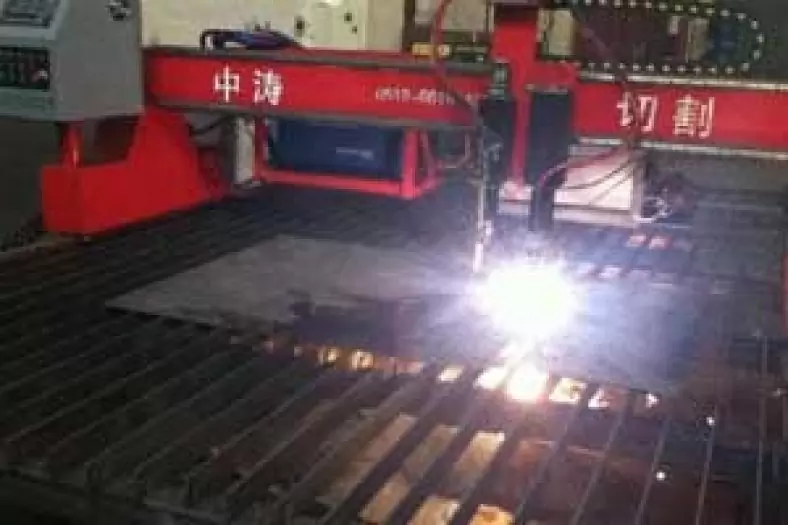
The Detail Of BE-CU Cnc Machining Shop
BE-CU.COM – As an accomplished CNC machining Service Manufacturer and CNC shop, BE-CU Prototype has been specialized in OEM CNC lathing, custom CNC machining parts production and rapid CNC machining services China for over 35 years and always maintaining the highest standard in delivery speed and reliable quality of precision CNC manufacturing components. With the help of high-level technology and efficient equipment, as well as rigorous attitude, BE-CU passed the ISO9001:2015 quality certification, which supports the long-term development of CNC milling services, CNC turning services, CNC milling-turning, CNC drilling services, 3/4/5 axis machining, gear machining services, CNC machining China custom parts and service, small parts machining, etc.Our CNC machining products can be utilized in a broad range of industries. Contact us for email: [email protected]
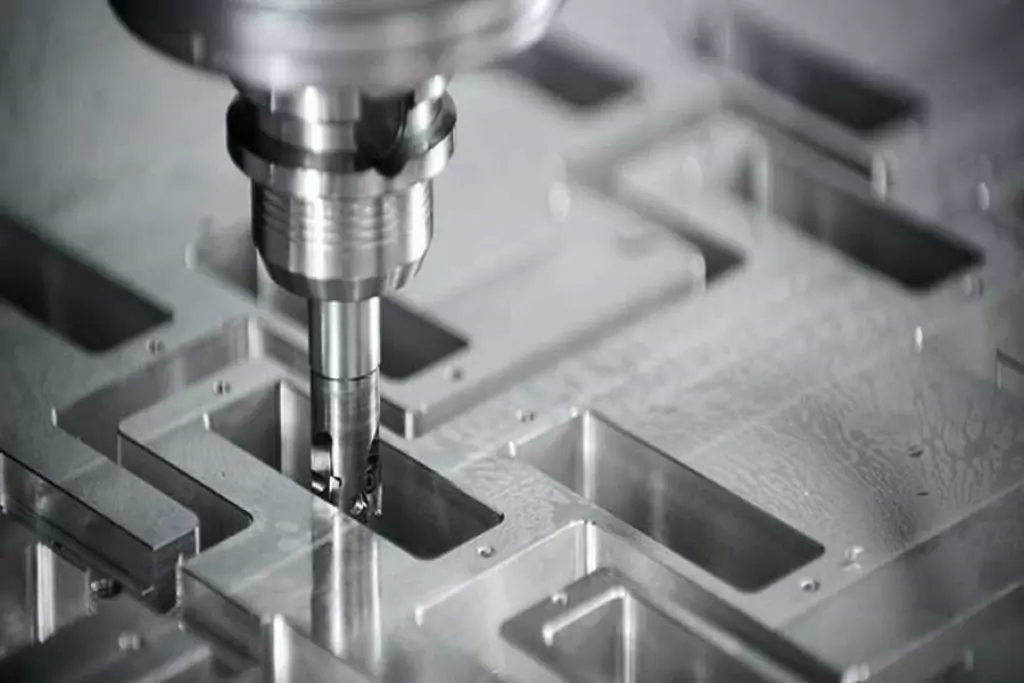
-
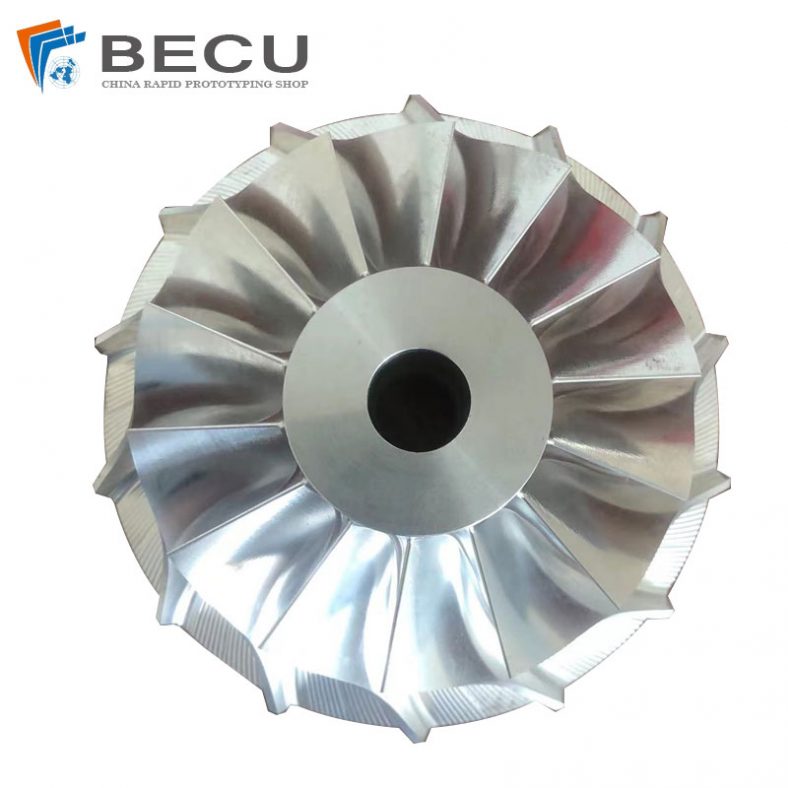
3-Way Centrifugal Compressor Closed Impeller By 5 Axis Machining
-
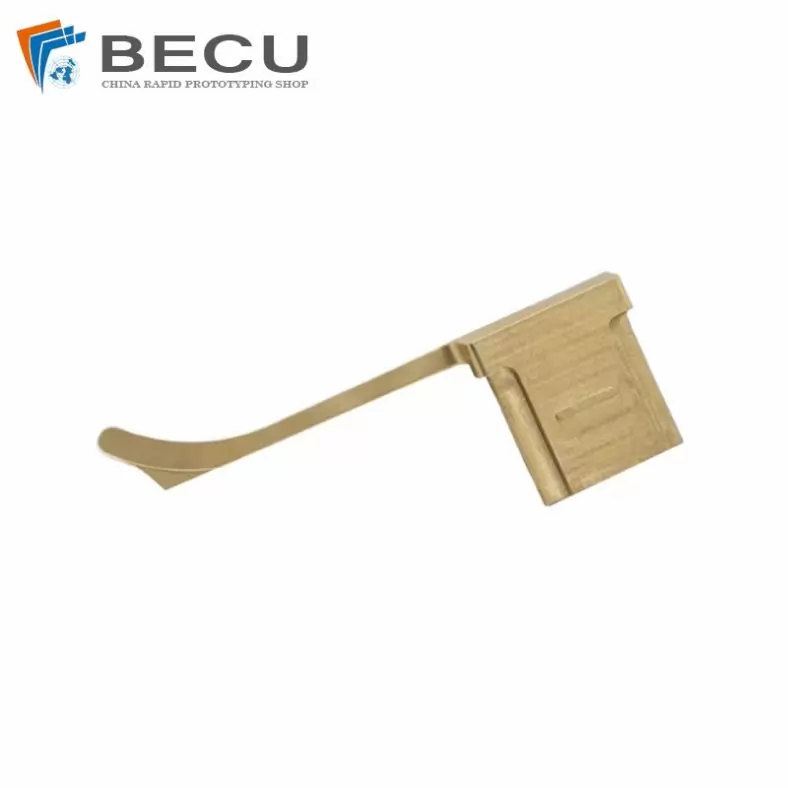
3/4/5 Axis Precision Milling Custom Vehicle Parts
-
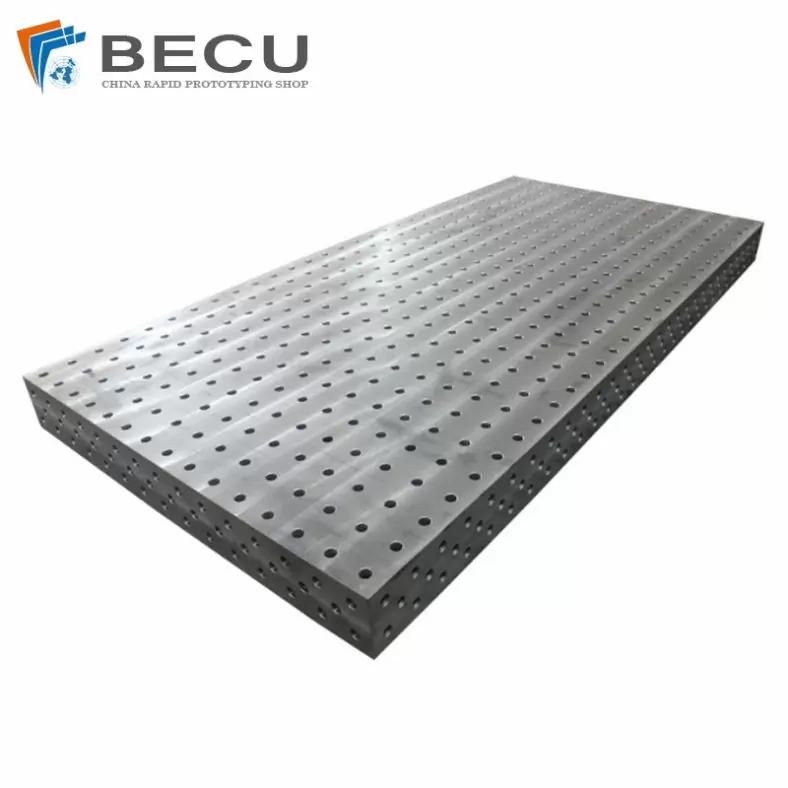
3D Flexible Welding Platform By Large Machining
-
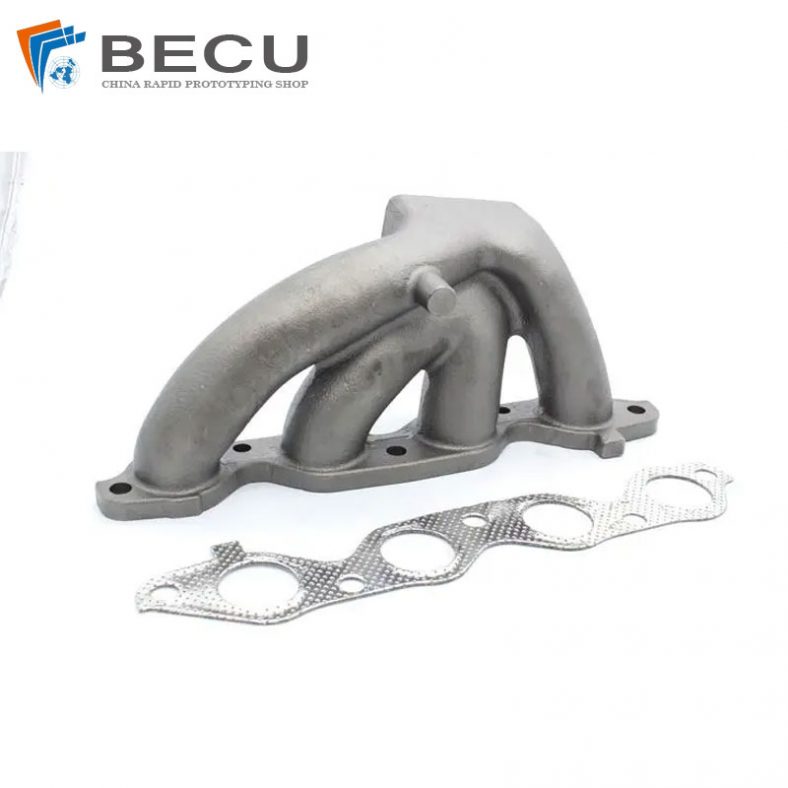
3D Printed Inconel Exhaust Manifold
-
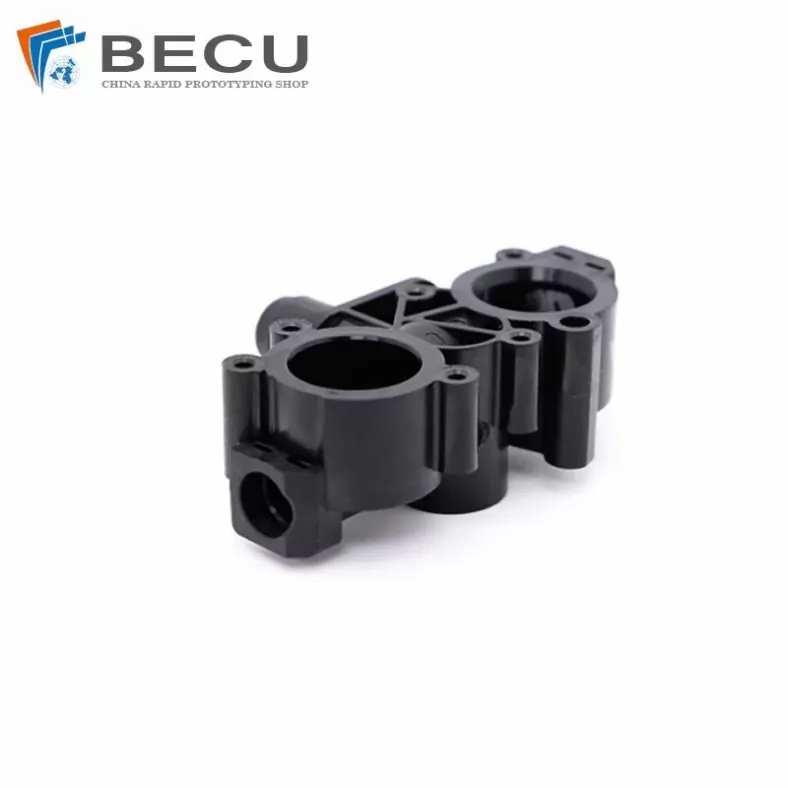
3D Printing And CNC Machining Custom Black PPS Valve
-
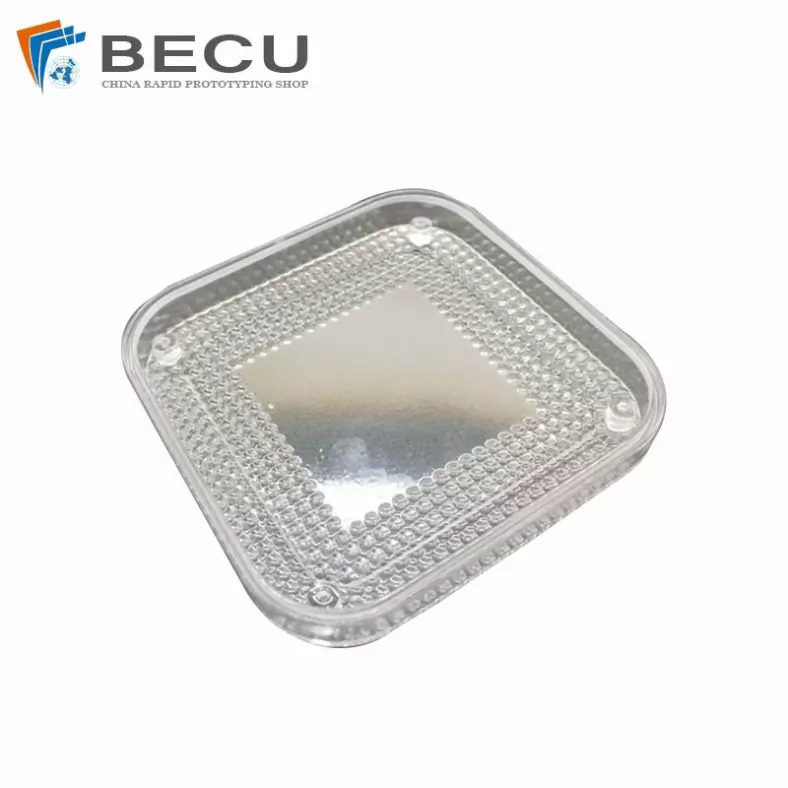
3D Printing Full Transparent Acrylic Lampshade Model
-
4 Axis CNC Machining Titanium Grade 5 Mobile Phone Buttons
-
4 Axis Machining Highly Transparent Acrylic LED Tunnel Light Lens