
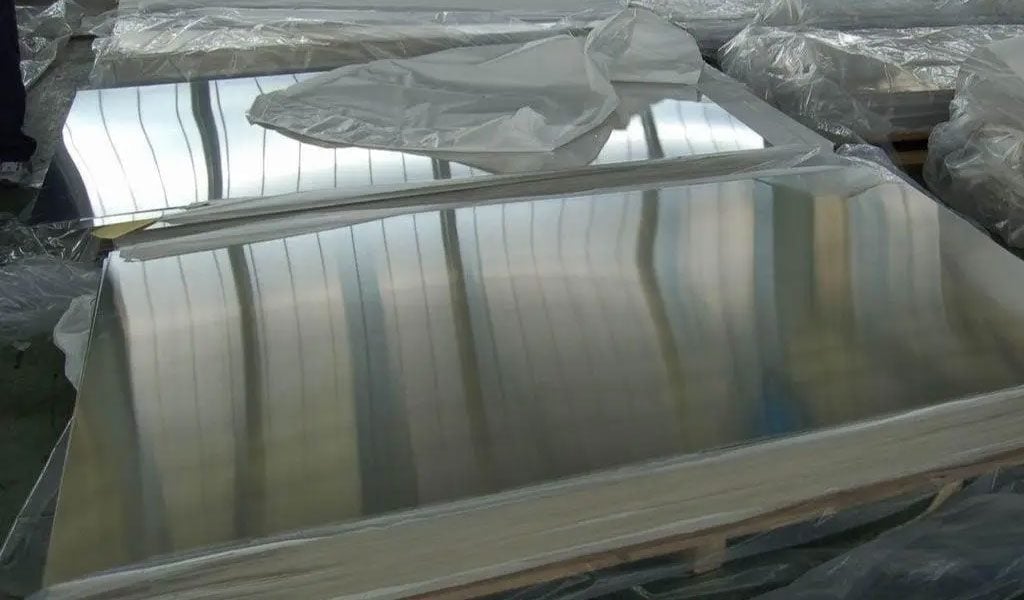
Nickel and chrome are both metals that play significant roles in various industrial and decorative applications, often as coatings or plating materials. While both metals are prized for their corrosion resistance and aesthetic appeal, they differ in appearance, properties, durability, and application processes.
Satin nickel and chrome finishes, in particular, are commonly used for decorative hardware, automotive parts, plumbing fixtures, and electronics. The decision between satin nickel and chrome can often be a matter of preference, application-specific requirements, and aesthetic considerations.
This article provides an in-depth comparison of satin nickel and chrome, examining their unique characteristics, properties, and suitability for various applications. By exploring the manufacturing processes, performance attributes, cost considerations, and real-world uses of these finishes, this piece aims to offer a comprehensive resource for anyone involved in material selection, manufacturing, or design in industries where these finishes are used.
Introduction to Satin Nickel and Chrome Finishes
Nickel plating is a process of coating an object with a thin layer of nickel, typically for the purpose of enhancing corrosion resistance, wear resistance, and aesthetic appeal. Satin nickel, a matte or slightly reflective form of nickel plating, is characterized by a subtle, low-gloss finish. This type of plating has gained popularity for its understated, elegant appearance and its ability to hide fingerprints and smudges more effectively than shinier finishes.
Chrome, or chromium plating, is another widely used surface treatment that involves electroplating a thin layer of chromium onto a base material, such as steel or plastic. Chrome finishes can vary from highly reflective, mirror-like surfaces to softer, brushed appearances. Chrome plating is particularly prized for its high shine and striking luster, which gives products an eye-catching and luxurious appeal.
The comparison of satin nickel and chrome begins with an understanding of how these two finishes are applied, the materials that are suitable for each, and the range of effects they can produce on the final product.
Physical Properties of Satin Nickel and Chrome
The fundamental difference between satin nickel and chrome comes down to the properties of the metals themselves. Nickel and chromium are both transition metals, but they have distinct characteristics that affect their performance and suitability in various contexts.
Satin Nickel
Nickel is a silvery-white metal that has been used in a wide range of applications due to its strength, ductility, and resistance to corrosion. Satin nickel, in particular, has a matte or satin finish that gives it a soft sheen compared to chrome. The satin finish is often produced by polishing the nickel surface with a fine abrasive, which gives it a smooth, but non-reflective, appearance.
Nickel is known for its excellent resistance to corrosion and oxidation, making it ideal for use in environments that are exposed to moisture and chemicals. Satin nickel’s subtle luster makes it a popular choice for items such as kitchen faucets, bathroom hardware, and electrical components, where a more refined and understated look is desired.
Chrome
Chromium, on the other hand, is a hard, lustrous metal that is known for its high resistance to corrosion, wear, and tarnishing. Chrome plating is often used for its ability to produce an extremely reflective surface, which enhances the aesthetic value of products. Chrome finishes are typically applied through electroplating, where a layer of chromium is deposited on the surface of another material, often steel or plastic.
Chrome is highly durable and resistant to corrosion, which is why it is commonly used in automotive and industrial applications. The high-gloss finish of chrome has made it a popular choice for car bumpers, wheels, and trim, as well as for decorative objects such as bathroom fixtures and jewelry.
Manufacturing Processes for Satin Nickel and Chrome
The process by which satin nickel and chrome finishes are applied differs considerably, with each requiring a distinct method of deposition and preparation to achieve the desired result.
Nickel Plating (Satin Nickel)
Nickel plating is typically achieved through an electroplating process. In this process, the item to be plated is immersed in a solution containing nickel salts and subjected to an electric current. The current causes the nickel ions in the solution to bond with the surface of the object, forming a thin, uniform layer of nickel. The thickness of the coating can vary depending on the specific application and requirements.
To achieve a satin finish, the nickel-plated surface is usually polished using abrasives that produce a fine, matte texture. The satin nickel finish can range from light matte to more textured surfaces, depending on the abrasive used and the extent of polishing. A final clear coating may also be applied to enhance corrosion resistance and maintain the finish over time.
Chromium Plating (Chrome)
Chrome plating is most commonly done via an electroplating process similar to nickel plating. The primary difference lies in the plating solution, which contains chromium salts instead of nickel. The object to be plated is submerged in this solution, and the process of electrolysis causes a thin layer of chromium to be deposited on the surface. The process requires precision and control to ensure the plating is uniform and free from defects.
Chrome plating can be performed in a number of ways, depending on the desired finish. For a highly reflective, mirror-like chrome finish, the plated object is polished using progressively finer abrasives to achieve a smooth, shiny surface. For a brushed or matte chrome effect, the surface may be intentionally textured, using sandblasting or mechanical brushing.
Aesthetic Considerations: Appearance of Satin Nickel vs. Chrome
The visual appeal of satin nickel and chrome is one of the most significant factors in deciding which finish to choose. Both finishes offer different levels of gloss and reflectivity, which can influence the overall design aesthetic of a product.
Satin Nickel
Satin nickel offers a more subtle, understated look compared to chrome. Its soft sheen and matte finish give it a sophisticated, timeless quality that fits well with a variety of design styles, from traditional to modern. The low-gloss nature of satin nickel makes it less prone to showing fingerprints, smudges, and scratches, which is a key benefit in environments where cleanliness and low maintenance are important.
Satin nickel is often selected for its ability to blend seamlessly with other materials and colors, providing a neutral, elegant finish. It is commonly used in interior design, such as for cabinet hardware, faucets, and light fixtures, where a smooth but not overly shiny finish is desired.
Chrome
Chrome, on the other hand, offers a much higher level of reflectivity and luster. The highly polished, mirror-like finish can make chrome-coated items stand out and draw attention. This finish is ideal for applications where visual impact and shine are critical, such as in automotive trim, motorcycle parts, and high-end appliances.
However, the reflective quality of chrome means that it can show smudges, fingerprints, and scratches more readily than satin nickel. As a result, chrome finishes may require more maintenance to keep their lustrous appearance intact. Despite this, chrome’s striking aesthetic appeal continues to make it a popular choice in many industries, particularly in areas where a bold, eye-catching look is desired.
Durability and Corrosion Resistance
One of the primary reasons both satin nickel and chrome are used in industrial and consumer applications is their resistance to corrosion and wear. Both finishes offer excellent protection against rust and degradation when properly applied, but there are notable differences in their durability.
Satin Nickel Durability
Nickel is naturally resistant to corrosion and tarnishing, and this property is enhanced when it is used as a plating material. Satin nickel coatings provide a strong barrier against moisture, salt, and chemicals, making them suitable for use in marine environments and other areas where corrosion is a concern.
However, nickel is generally softer than chromium, which means that satin nickel finishes may be more susceptible to scratching and wear over time. While satin nickel is durable, it may not be as long-lasting as chrome in harsh environments where mechanical wear is a significant factor.
Chrome Durability
Chrome plating is known for its extreme hardness and resilience. The thin layer of chromium applied during electroplating creates a highly durable finish that is resistant to corrosion, oxidation, and wear. Chrome coatings are particularly effective at preventing rust and maintaining a polished appearance, even under harsh conditions.
However, the hardness of chrome can sometimes be a double-edged sword. While it resists scratching, it can become brittle and prone to chipping or cracking if the underlying material is subjected to significant stress or impact. As a result, chrome finishes may require more care during handling and use.
Applications of Satin Nickel and Chrome Finishes
Both satin nickel and chrome finishes have widespread applications across various industries. The choice between the two often depends on the desired aesthetic, the intended environment, and the durability requirements of the product.
Applications of Satin Nickel
Satin nickel is commonly used in the following applications:
- Architectural Hardware: Door handles, knobs, faucets, and light fixtures.
- Electrical Components: Contacts, connectors, and terminals.
- Marine Equipment: Components exposed to moisture, such as marine fasteners and fittings.
- Home Appliances: Kitchen appliances, bathroom fixtures, and lighting.
- Automotive Accessories: Trim, interior hardware, and decorative accents.
Satin nickel is especially popular in areas where a more subtle, elegant appearance is desired, and where maintenance of a clean finish is important. The matte nature of satin nickel allows it to blend seamlessly with a variety of design themes and materials.
Applications of Chrome
Chrome is widely used in industries where durability, aesthetic impact, and corrosion resistance are crucial. Some of the common applications include:
- Automotive Parts: Bumpers, grilles, trim, wheels, and exhaust pipes.
- Motorcycle Parts: Handlebars, mirrors, foot pegs, and rims.
- Bathroom Fixtures: Faucets, towel bars, and showerheads.
- Industrial Equipment: Machine parts, tools, and fasteners.
- Consumer Goods: Furniture hardware, jewelry, and home appliances.
Chrome’s reflective finish and striking appearance make it ideal for high-visibility applications, where the product’s visual impact is as important as its functionality.
Conclusion
Satin nickel and chrome are both valuable finishes that offer a range of benefits, from corrosion resistance to aesthetic appeal. Satin nickel is known for its subtle elegance and matte finish, making it ideal for applications where a refined, low-maintenance appearance is desired. In contrast, chrome provides a high-shine, mirror-like finish that delivers eye-catching appeal and superior durability, making it ideal for environments where a bold statement is needed.
Ultimately, the choice between satin nickel and chrome comes down to specific application requirements, including aesthetics, durability, corrosion resistance, and maintenance needs. Whether used for decorative hardware, automotive parts, or industrial components, both finishes have proven to be indispensable in a wide variety of industries. Understanding the properties, advantages, and limitations of each finish is essential in making the right decision for any project or product.

The Detail Of BE-CU Cnc Machining Shop
BE-CU.COM – As an accomplished CNC machining Service Manufacturer and CNC shop, BE-CU Prototype has been specialized in OEM CNC lathing, custom CNC machining parts production and rapid CNC machining services China for over 35 years and always maintaining the highest standard in delivery speed and reliable quality of precision CNC manufacturing components. With the help of high-level technology and efficient equipment, as well as rigorous attitude, BE-CU passed the ISO9001:2015 quality certification, which supports the long-term development of CNC milling services, CNC turning services, CNC milling-turning, CNC drilling services, 3/4/5 axis machining, gear machining services, CNC machining China custom parts and service, small parts machining, etc.Our CNC machining products can be utilized in a broad range of industries. Contact us for email: [email protected]
-
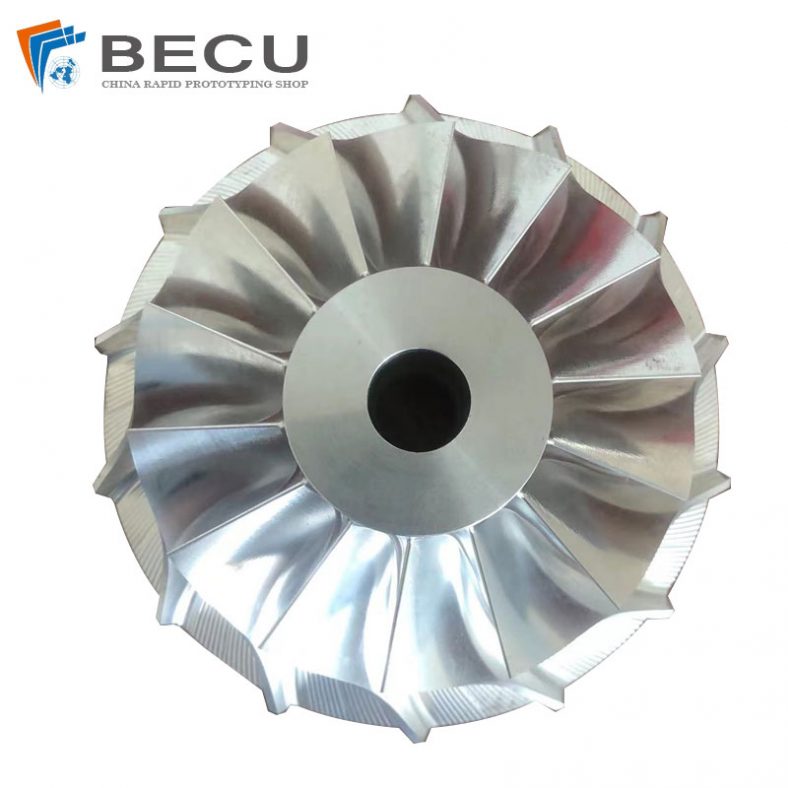
3-Way Centrifugal Compressor Closed Impeller By 5 Axis Machining
-
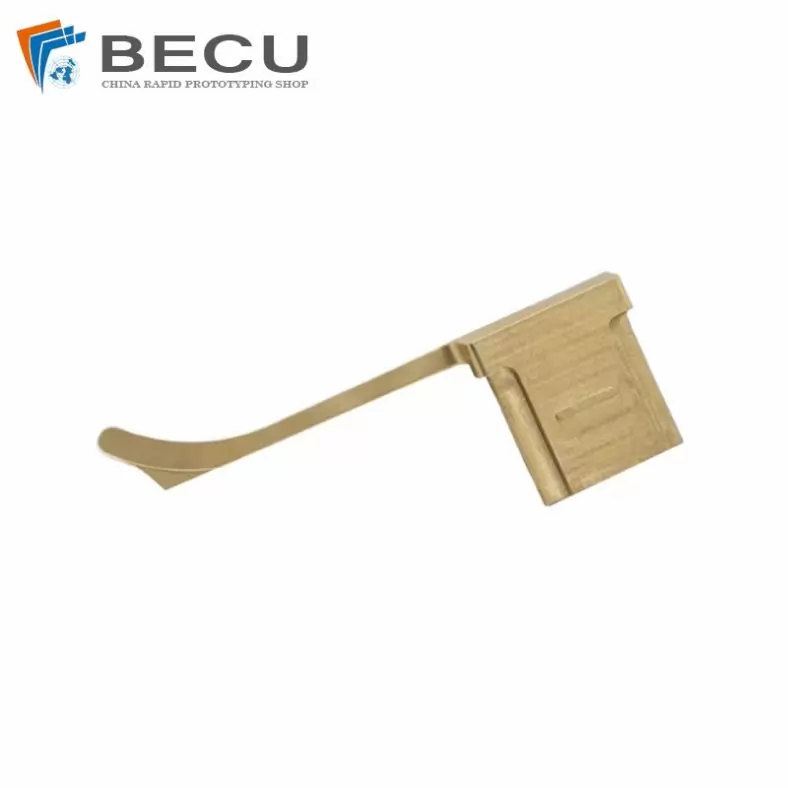
3/4/5 Axis Precision Milling Custom Vehicle Parts
-
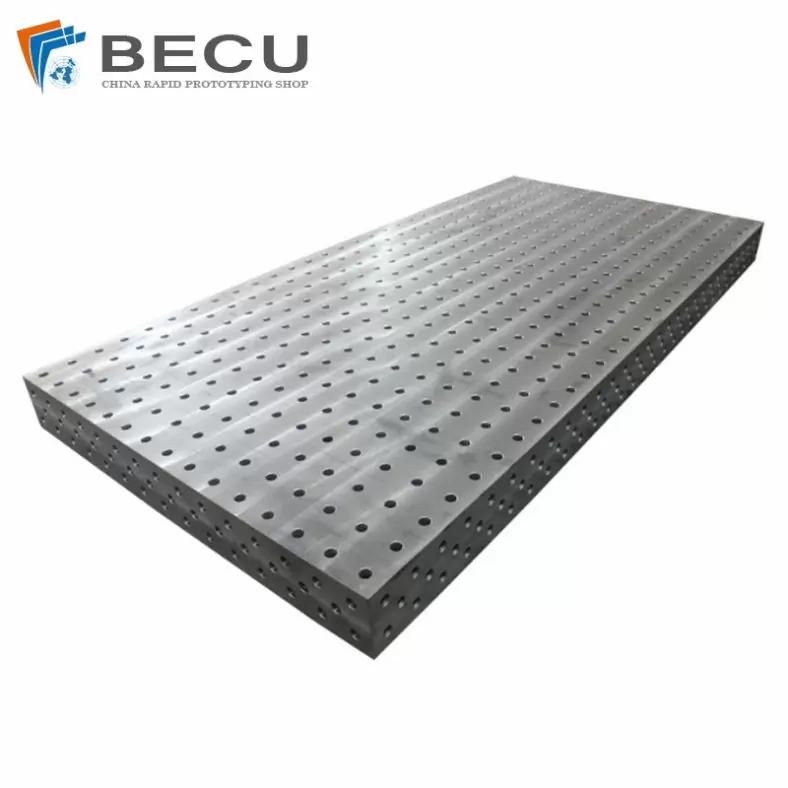
3D Flexible Welding Platform By Large Machining
-
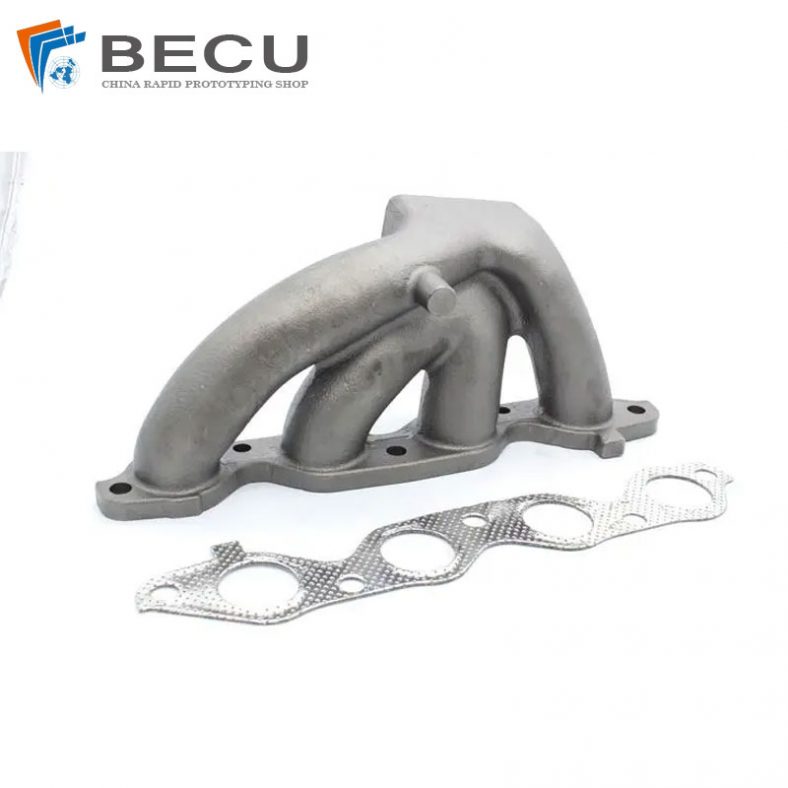
3D Printed Inconel Exhaust Manifold
-
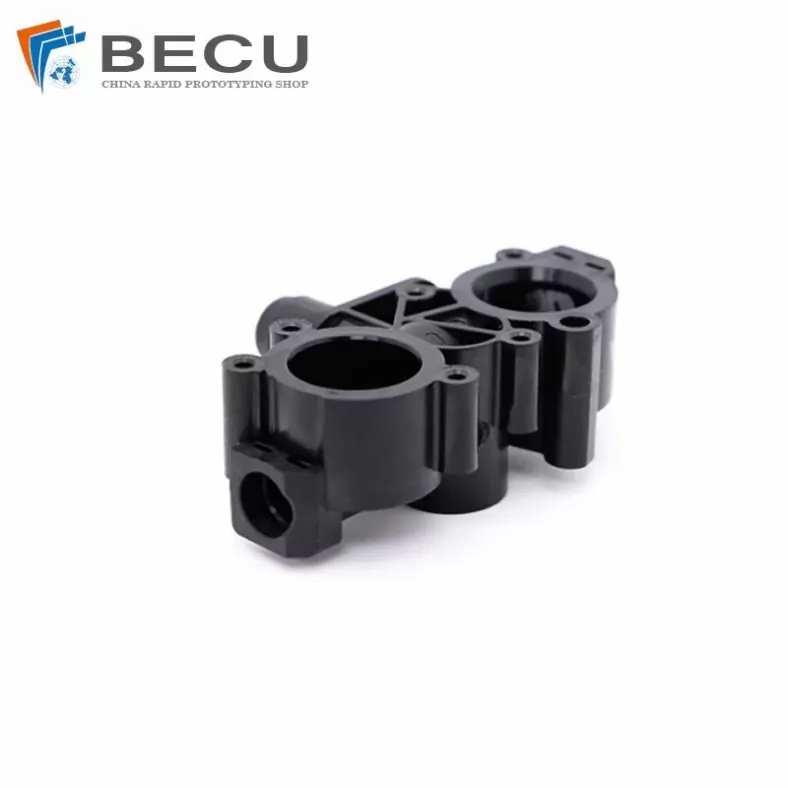
3D Printing And CNC Machining Custom Black PPS Valve
-
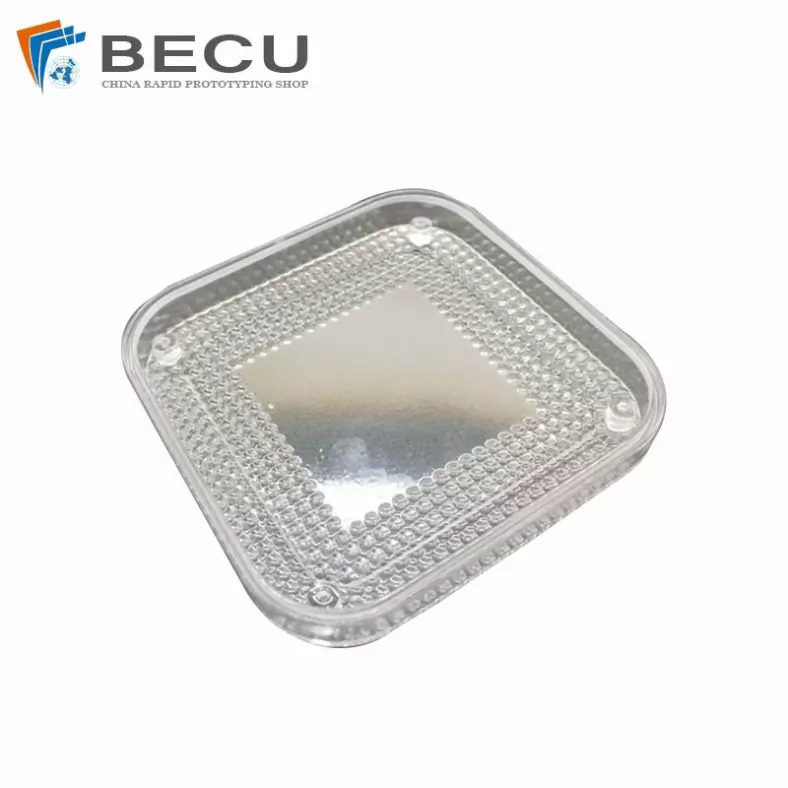
3D Printing Full Transparent Acrylic Lampshade Model
-
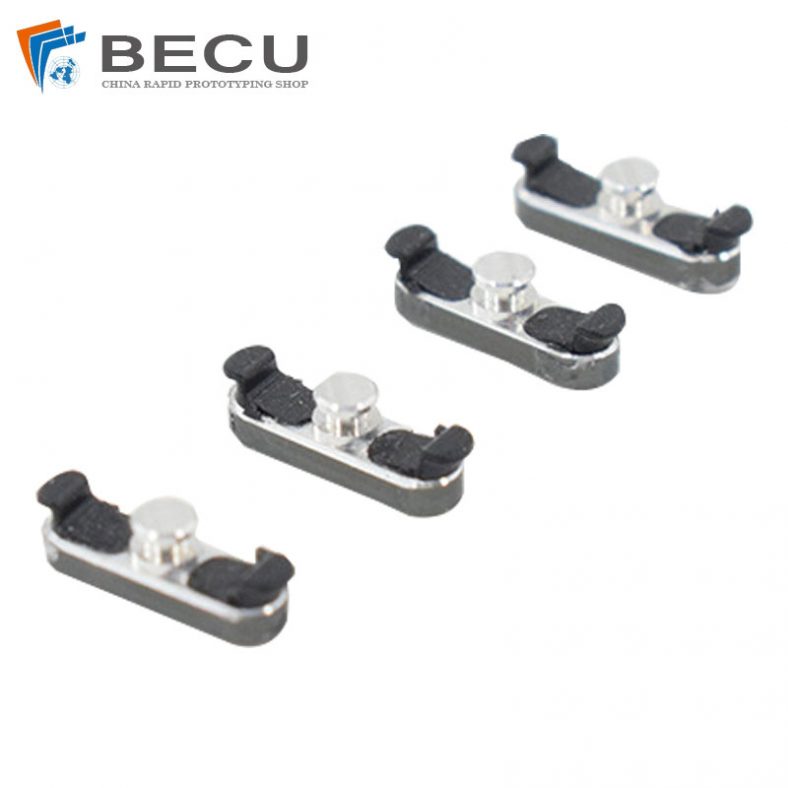
4 Axis CNC Machining Titanium Grade 5 Mobile Phone Buttons
-
4 Axis Machining Highly Transparent Acrylic LED Tunnel Light Lens