
Chrome plating, particularly in the context of metal roller surfaces, has become a critical process in enhancing the functional and aesthetic properties of metal products. This technique is widely used across various industries to improve wear resistance, reduce friction, and provide a shiny, durable finish. Whether it is for industrial machinery, automotive parts, or household products, chrome plating can significantly enhance the life and performance of metal rollers. In this article, we explore the metal roller surface chrome plating process in detail, covering its benefits, applications, methodology, challenges, and future developments.
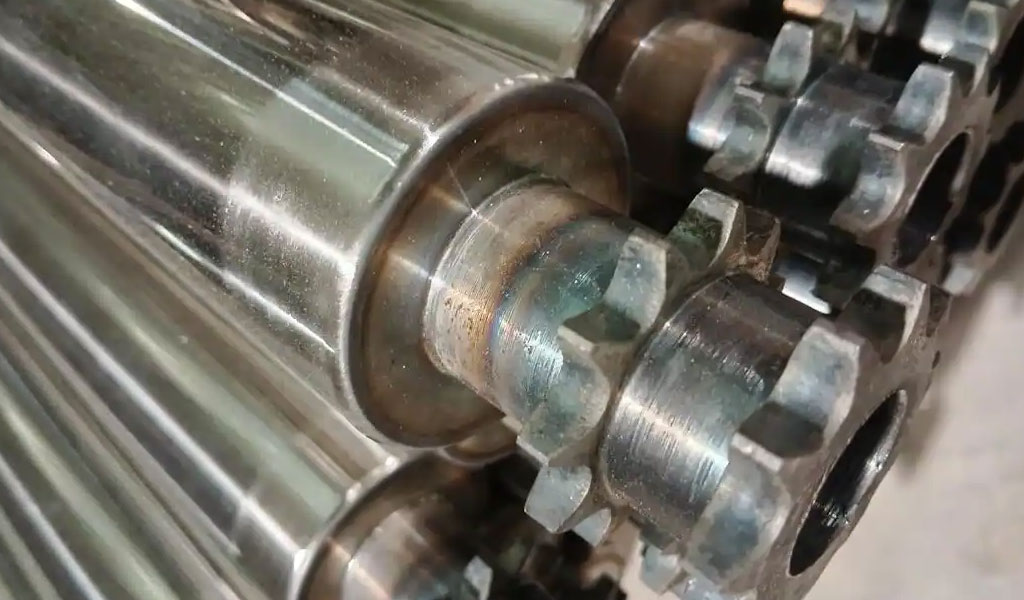
What is Chrome Plating
Chrome plating, also known as chromium plating, involves electroplating a thin layer of chromium onto a metal object. Chromium is chosen due to its hardness, corrosion resistance, and high-luster appearance. It is most commonly used on steel, although it can also be applied to other metals like aluminum, copper, or zinc.
The electroplating process typically involves immersing a workpiece into a bath containing chromium ions, which are then reduced onto the surface of the material using an electric current.
The primary purpose of chrome plating is to enhance the surface properties of the base metal. This includes improving corrosion resistance, reducing wear and tear, enhancing aesthetic appeal, and increasing the durability of the component. In the case of metal rollers, chrome plating provides a crucial layer that improves their performance under heavy loads, high-speed operations, and exposure to harsh environmental conditions.
The Importance of Chrome Plating in Metal Rollers
Metal rollers are used in a variety of industries, including manufacturing, automotive, and textiles, among others. These rollers are typically subjected to significant stress during their operations, including mechanical wear, friction, and chemical exposure. Over time, these conditions can lead to surface degradation, rust formation, and a reduction in performance.Chrome plating helps mitigate these issues by creating a protective, hard-wearing layer on the surface of the roller. This coating provides several advantages:
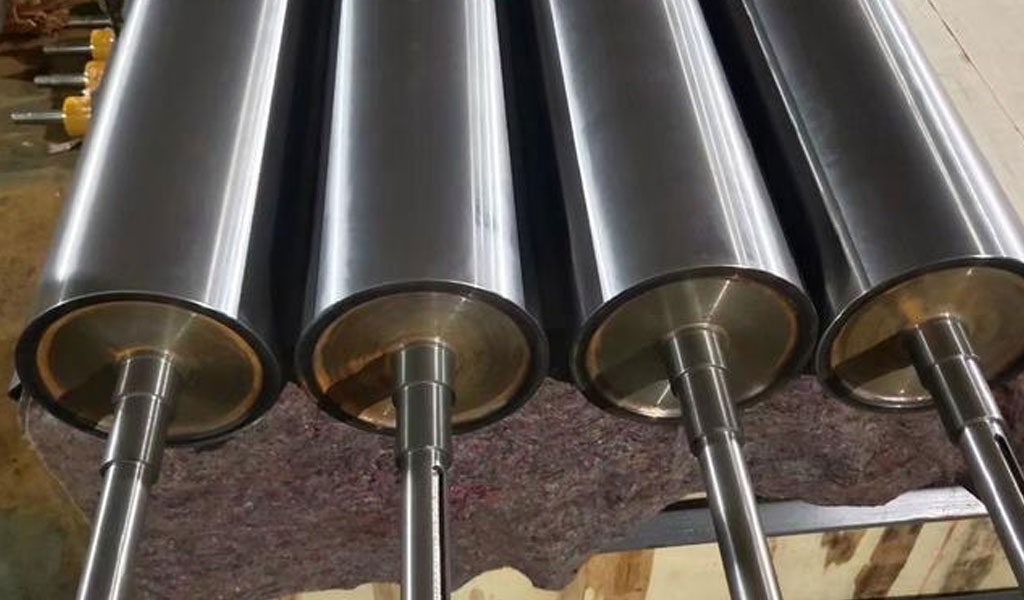
- Corrosion Resistance: Chrome plating offers excellent protection against rust, oxidation, and other forms of corrosion, which is especially important for rollers used in wet or corrosive environments.
- Increased Hardness: The hardness of chrome plating helps the rollers withstand the stress of continuous contact with materials, reducing wear and extending the roller’s service life.
- Improved Aesthetics: Chrome-plated rollers have an attractive, mirror-like finish that enhances the visual appeal of metal products. This is particularly important in industries where appearance matters, such as automotive and consumer goods.
- Reduced Friction: Chrome plating significantly lowers the coefficient of friction on the roller’s surface, which reduces energy consumption, heat generation, and wear.
- Enhanced Performance: Metal rollers with a chrome-plated surface are less likely to accumulate debris and contaminants, making them more efficient in their function. Additionally, the smooth surface promotes even contact with the material being processed, ensuring consistent and high-quality output.
The Chrome Plating Process
Chrome plating is typically carried out through an electroplating process, although there are variations depending on the specific requirements of the metal roller and the desired characteristics of the coating. The steps involved in the chrome plating process can be broken down as follows:
1. Preparation of the Surface
The first and most crucial step in the chrome plating process is the preparation of the metal surface. The roller must be thoroughly cleaned and pretreated to ensure that the chrome plating adheres correctly. Any contaminants, such as grease, dirt, or oxidation, must be removed. This is typically done through a series of cleaning and etching processes, which may include:
- Mechanical Cleaning: Abrasive techniques such as sandblasting or grinding are used to remove any rust or surface imperfections.
- Chemical Cleaning: The roller is treated with alkaline or acid-based solutions to remove organic impurities.
- Etching: An acid solution is used to lightly etch the surface, which helps promote better adhesion of the chromium layer.
Once the surface is cleaned and etched, the roller is thoroughly rinsed to remove any remaining contaminants.
2. Electroplating
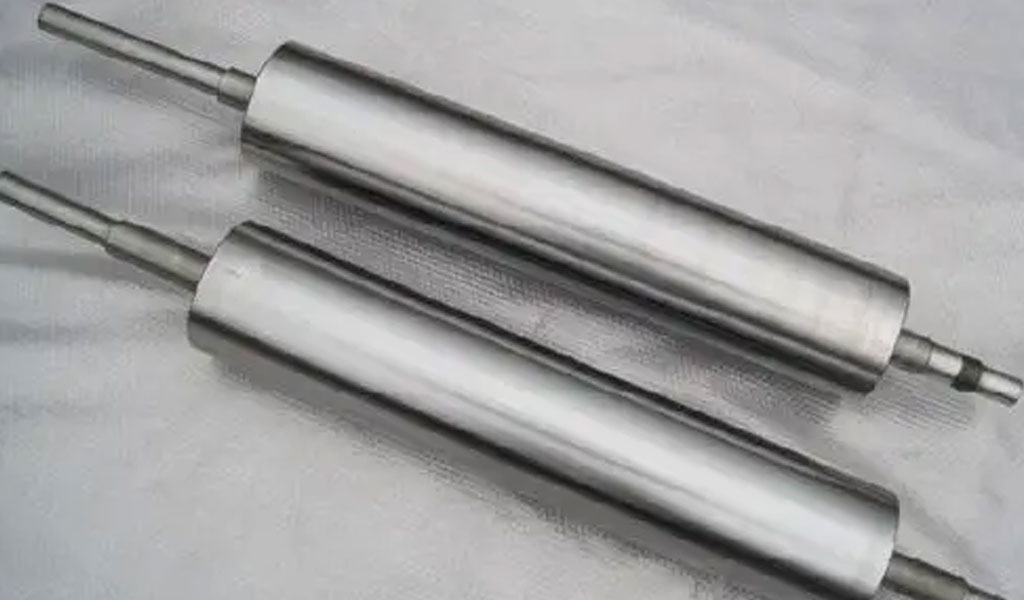
Electroplating is the core of the chrome plating process. The metal roller is submerged in a bath of electrolyte solution, which contains chromium salts (usually hexavalent chromium, Cr(VI)) along with other chemicals that help control the pH and conductivity of the solution. A direct current is passed through the bath, with the roller serving as the cathode (negative terminal) and the anode being typically made of a lead alloy or a chromium electrode.As the current passes through the electrolyte, chromium ions from the solution are reduced onto the surface of the metal roller, forming a thin, even layer of chromium.
The thickness of the coating depends on several factors, including the duration of electroplating, current density, and the composition of the electrolyte bath.The electroplating process can be carefully controlled to achieve the desired thickness and hardness of the chromium coating. The resulting surface is smooth, shiny, and resistant to damage from abrasion, corrosion, and chemical exposure.
3. Post-Plating Treatment
After the chrome plating process is completed, the roller may undergo additional treatments to further enhance the properties of the coating. Common post-plating treatments include:
- Polishing: The surface of the roller may be polished to a high degree to achieve a mirror-like finish. This is particularly important in applications where aesthetics play a significant role.
- Hardening: In some cases, the plated chrome layer is subjected to heat treatment to further increase its hardness. This is especially common for rollers used in heavy-duty industrial applications where maximum wear resistance is required.
- Inspection and Testing: The finished chrome-plated roller is carefully inspected for defects such as uneven plating, cracks, or inadequate adhesion. Testing for hardness, thickness, and corrosion resistance is also typically conducted to ensure the roller meets the specified requirements.
Types of Chrome Plating
There are two main types of chrome plating used in metal roller applications: hard chrome plating and decorative chrome plating. Each type serves a different purpose and is chosen based on the specific needs of the roller and its intended use.
1. Hard Chrome Plating
Hard chrome plating, also known as industrial chrome plating, is typically used for applications where high wear resistance, low friction, and corrosion protection are essential. It results in a thick, dense coating that is often used for parts that experience heavy mechanical stress, such as metal rollers in manufacturing or automotive industries.
Hard chrome plating has a hardness that can reach up to 70 HRC (Rockwell hardness), making it ideal for applications where the roller is subjected to high loads and frequent contact with other materials. The thickness of hard chrome plating typically ranges from 0.0002 to 0.005 inches (0.005 to 0.13 mm), depending on the application.
2. Decorative Chrome Plating
Decorative chrome plating is used primarily for aesthetic purposes and is often applied to products that require a shiny, mirror-like finish. This type of chrome plating is thinner and softer than hard chrome plating, and it does not offer the same level of wear resistance. However, it provides excellent corrosion resistance and a visually appealing finish, making it popular in consumer products like automotive trim, furniture, and accessories.
Decorative chrome plating typically results in a thinner coating, ranging from 0.00001 to 0.0003 inches (0.00025 to 0.0076 mm). While it offers some protection against corrosion, it is not suitable for heavy-duty applications that require superior durability.
Applications of Chrome-Plated Metal Rollers
Chrome-plated metal rollers are used across a wide range of industries and applications. Below are some of the most common areas where chrome-plated rollers provide significant benefits:
1. Automotive Industry
In the automotive sector, chrome-plated rollers are used in various manufacturing processes, such as in the production of tires, belts, and metal parts. The durability and corrosion resistance provided by chrome plating are essential in these applications, where rollers must endure high speeds, heavy loads, and exposure to oils, chemicals, and extreme temperatures.
2. Textile Industry
In the textile industry, chrome-plated rollers are used in machinery that processes fabrics, such as printers, calenders, and finishing machines. The rollers must be resistant to wear, chemicals, and abrasion from the materials being processed. Chrome plating offers the durability and smoothness needed to maintain high-quality output and long operational life.
3. Printing Industry
The printing industry utilizes chrome-plated rollers for the transfer of ink and other materials onto paper or other substrates. These rollers need to be resistant to chemical exposure and wear while maintaining smooth contact with the material. Chrome plating helps prevent ink buildup, reduces friction, and ensures consistent results.
4. Food Processing
In food processing applications, chrome-plated rollers are often used in machinery involved in rolling, forming, or cutting food products. These rollers must meet stringent hygiene and performance standards, and chrome plating helps ensure that they remain corrosion-resistant and easy to clean.
5. Steel and Metal Processing
Metal rollers in steel mills and other metal processing facilities are exposed to extreme conditions, including high temperatures, heavy pressure, and abrasive materials. Chrome plating provides the durability needed to withstand these harsh conditions while reducing maintenance costs and extending the life of the rollers.
Challenges in Chrome Plating
While the chrome plating process offers numerous benefits, it is not without its challenges. These challenges primarily stem from the materials, environmental concerns, and costs associated with the plating process.
1. Environmental Impact
The use of hexavalent chromium, the most common form of chromium used in electroplating, has raised environmental and health concerns. Hexavalent chromium is a toxic substance that can be harmful if inhaled, ingested, or absorbed through the skin. Its use in the chrome plating process requires strict safety protocols and waste management systems to prevent contamination of the surrounding environment.
As a result, many industries have begun adopting alternatives to hexavalent chromium, such as trivalent chromium, which is less toxic and poses fewer environmental risks. However, these alternatives may not always offer the same level of performance, especially in heavy-duty applications.
2. Cost Considerations
Chrome plating, particularly hard chrome plating, can be an expensive process due to the cost of materials, energy consumption, and labor. Additionally, the process can be time-consuming, particularly for large rollers or parts with complex geometries. While the benefits of chrome plating often outweigh the costs, businesses must carefully evaluate the return on investment (ROI) for their specific applications.
3. Plating Defects
Achieving a uniform and defect-free chrome plating layer can be challenging. Issues such as pitting, uneven thickness, or poor adhesion can occur if the plating process is not carefully controlled. Regular inspection and quality control measures are essential to ensure that the final product meets the required specifications.
Future of Chrome Plating for Metal Rollers
The future of chrome plating in metal roller applications is likely to be influenced by ongoing developments in plating technology, environmental regulations, and material science. Key trends include:
- Adoption of Green Plating Technologies: The development of more eco-friendly chrome plating processes, such as those using trivalent chromium or non-chromium alternatives, will likely continue to gain traction.
- Advances in Coating Materials: Researchers are exploring new materials and processes that can provide similar or superior performance to chrome plating while reducing costs and environmental impact. Nanocoatings and advanced ceramics are potential alternatives.
- Automation and Precision: Automation and advanced plating technologies, such as robotic plating systems and precision monitoring tools, will enhance the consistency and efficiency of the plating process.
Conclusion
The chrome plating of metal roller surfaces is a vital process in many industrial applications, offering benefits in terms of wear resistance, corrosion protection, aesthetics, and performance. Despite the challenges associated with the process, including environmental concerns and costs, the advantages of chrome plating make it an indispensable technology in industries ranging from automotive to textile manufacturing. With ongoing advances in plating technology and environmental regulations, the future of chrome plating appears promising, continuing to improve the performance and longevity of metal rollers used in critical industrial processes.
The Detail Of BE-CU Cnc Machining Shop
BE-CU.COM – As an accomplished CNC machining Service Manufacturer and CNC shop, BE-CU Prototype has been specialized in OEM CNC lathing, custom CNC machining parts production and rapid CNC machining services China for over 35 years and always maintaining the highest standard in delivery speed and reliable quality of precision CNC manufacturing components. With the help of high-level technology and efficient equipment, as well as rigorous attitude, BE-CU passed the ISO9001:2015 quality certification, which supports the long-term development of CNC milling services, CNC turning services, CNC milling-turning, CNC drilling services, 3/4/5 axis machining, gear machining services, CNC machining China custom parts and service, small parts machining, etc.Our CNC machining products can be utilized in a broad range of industries. Contact us for email: [email protected]
-
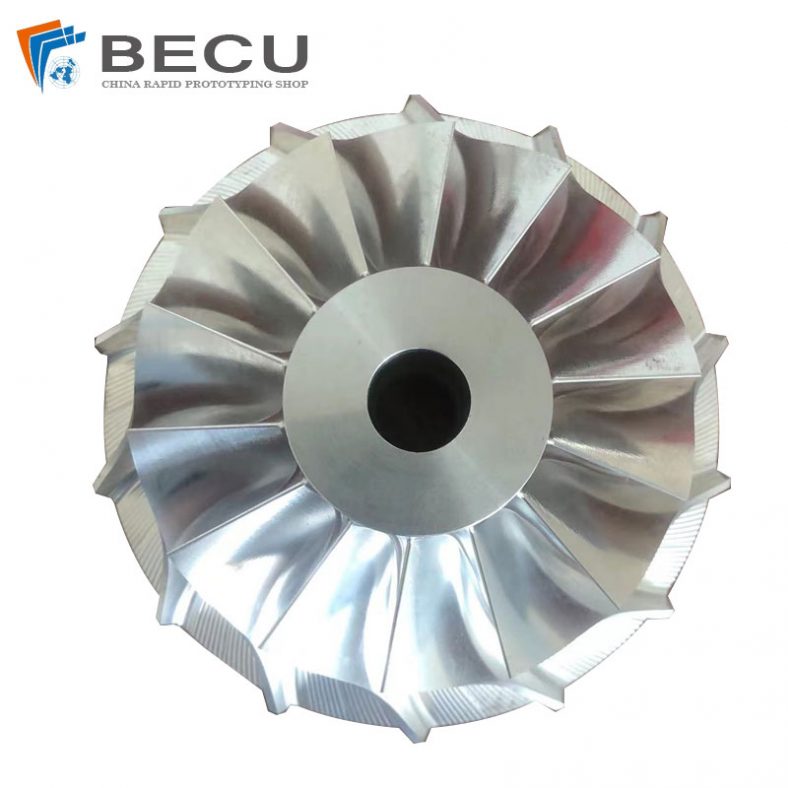
3-Way Centrifugal Compressor Closed Impeller By 5 Axis Machining
-

3/4/5 Axis Precision Milling Custom Vehicle Parts
-
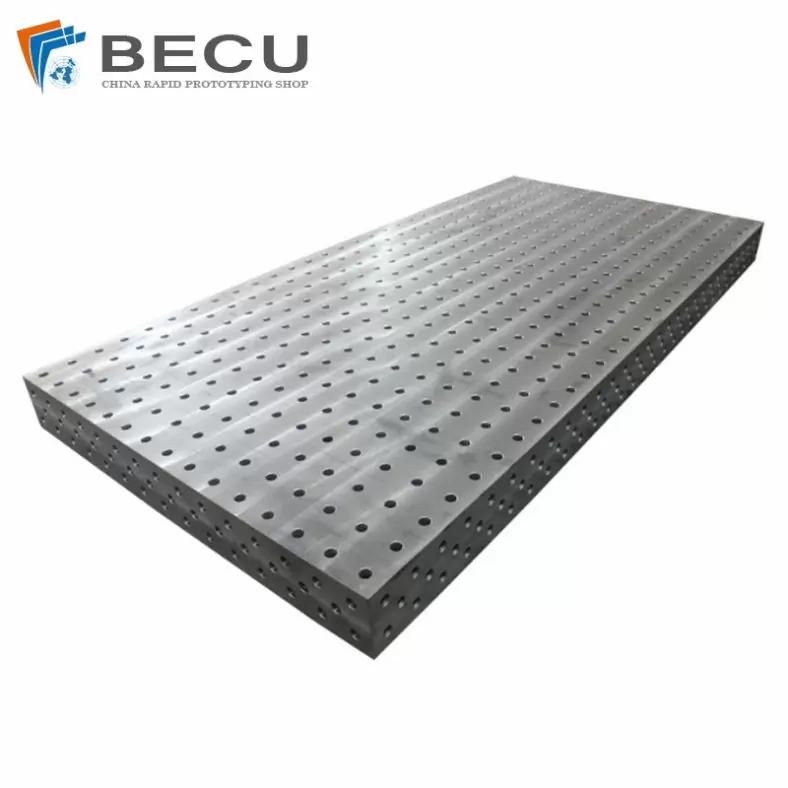
3D Flexible Welding Platform By Large Machining
-
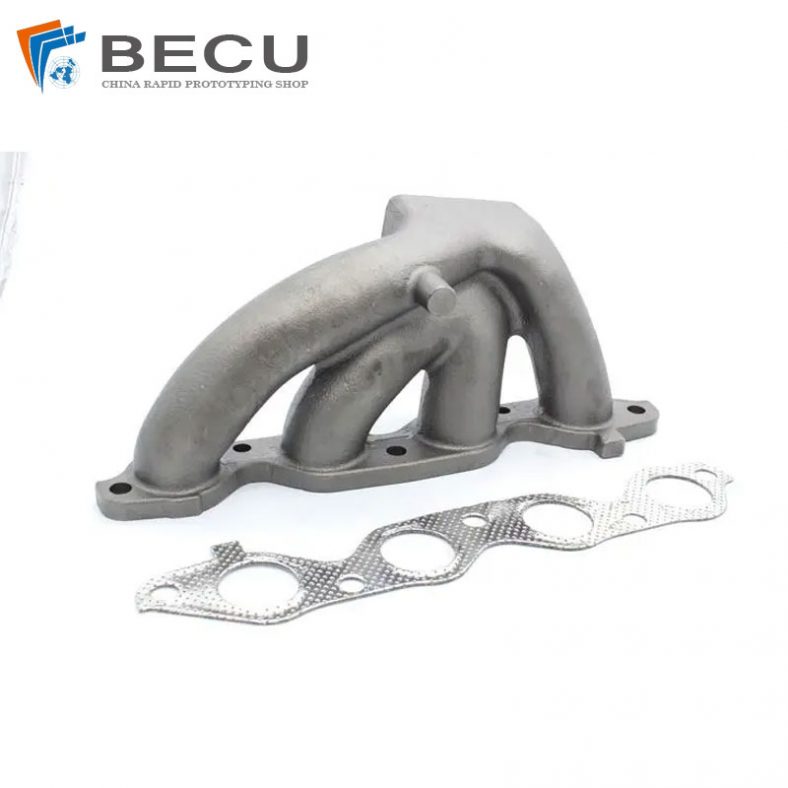
3D Printed Inconel Exhaust Manifold
-
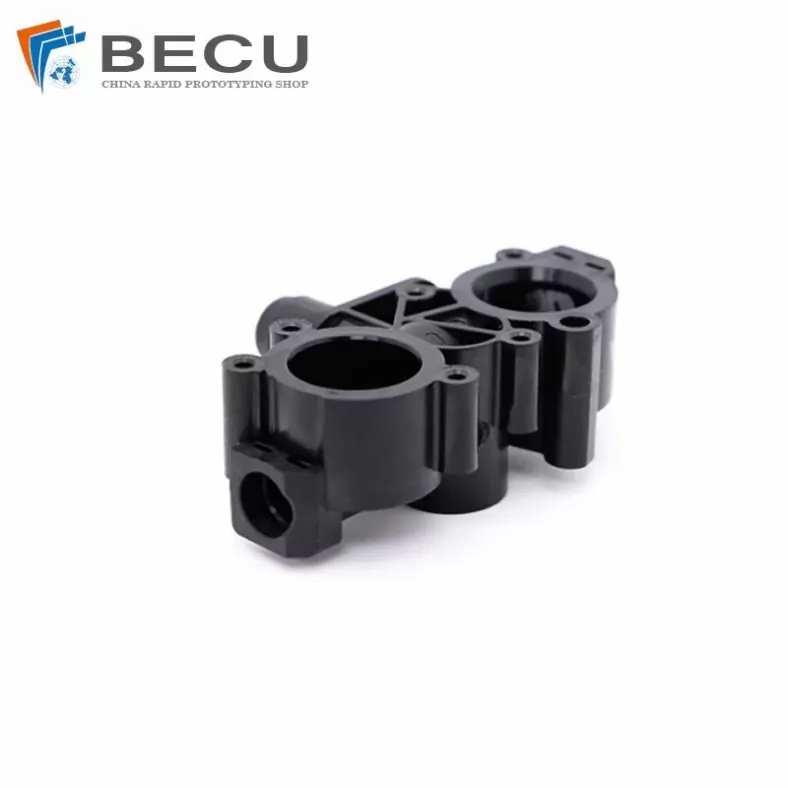
3D Printing And CNC Machining Custom Black PPS Valve
-
3D Printing Full Transparent Acrylic Lampshade Model
-
4 Axis CNC Machining Titanium Grade 5 Mobile Phone Buttons
-
4 Axis Machining Highly Transparent Acrylic LED Tunnel Light Lens