

The low altitude flights industry, which includes unmanned aerial vehicles (UAVs), drones, and small aircraft, has seen significant growth in recent years. This industry requires precise and durable components to ensure the reliability and safety of flight operations.
Computer Numerical Control (CNC) machining has become an integral part of manufacturing these critical components due to its ability to produce high-precision parts with complex geometries. This article explores the top 20 CNC machining parts used in the low altitude flights industry, providing a detailed comparison and scientific analysis of each component.
CNC Machining in the Low Altitude Flights Industry
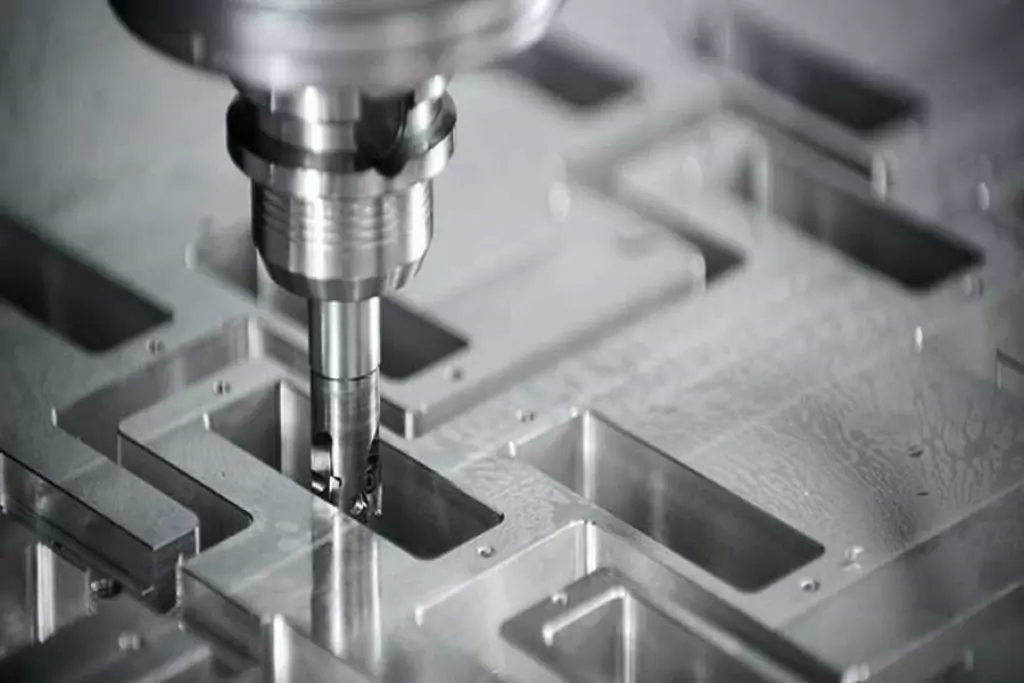
CNC machining is a subtractive manufacturing process that uses computer-controlled tools to remove material from a workpiece, creating precise and accurate parts. In the low altitude flights industry, CNC machining is used to produce a wide range of components, from structural parts to intricate mechanical systems. The process is particularly valuable for its ability to create lightweight, high-strength parts that are essential for the performance and efficiency of low altitude flight vehicles.
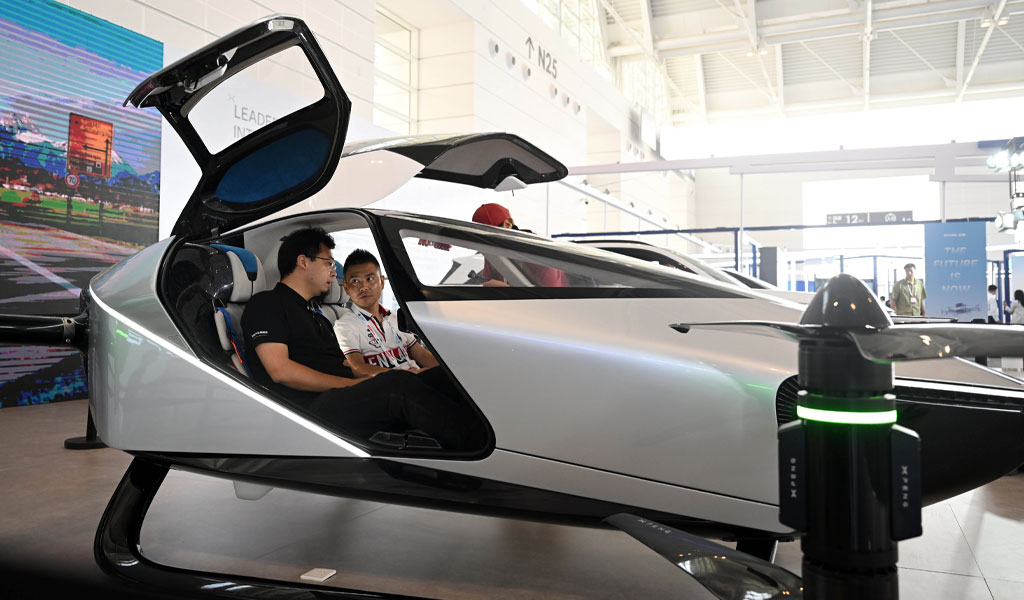
Propellers
Propellers are critical components in low altitude flight vehicles, providing the necessary thrust for lift and forward motion. CNC machining allows for the creation of propellers with precise blade angles and profiles, ensuring optimal aerodynamic performance. Propellers are typically made from lightweight materials such as aluminum or composite materials to reduce weight and increase efficiency.
| Material | Advantages | Disadvantages |
|---|---|---|
| Aluminum | Lightweight, corrosion-resistant, easy to machine | Lower strength compared to other metals |
| Composite | High strength-to-weight ratio, excellent fatigue resistance | More complex machining process, higher cost |
Landing Gear Components
Landing gear components, including struts, wheels, and brackets, are essential for the safe takeoff and landing of low altitude flight vehicles. CNC machining ensures that these components are manufactured to exact specifications, providing the necessary strength and durability. Materials commonly used include aluminum, titanium, and high-strength steels.
| Material | Advantages | Disadvantages |
|---|---|---|
| Aluminum | Lightweight, good corrosion resistance | Lower strength and wear resistance |
| Titanium | High strength-to-weight ratio, excellent corrosion resistance | Difficult to machine, higher cost |
| High-strength steel | High strength and durability | Heavier, susceptible to corrosion |
Control Surfaces
Control surfaces, such as ailerons, elevators, and rudders, are crucial for the maneuverability of low altitude flight vehicles. CNC machining allows for the precise shaping of these surfaces, ensuring accurate control and stability. Materials used include aluminum, composite materials, and lightweight alloys.
| Material | Advantages | Disadvantages |
|---|---|---|
| Aluminum | Lightweight, easy to machine | Lower strength and fatigue resistance |
| Composite | High strength-to-weight ratio, excellent fatigue resistance | More complex machining process, higher cost |
| Lightweight alloys | Good strength and corrosion resistance | More expensive, may require specialized machining |
Engine Components
Engine components, including pistons, cylinders, and crankshafts, are critical for the power generation of low altitude flight vehicles. CNC machining ensures that these components are manufactured to tight tolerances, providing the necessary performance and reliability. Materials used include aluminum, titanium, and high-strength steels.
| Material | Advantages | Disadvantages |
|---|---|---|
| Aluminum | Lightweight, good thermal conductivity | Lower strength and wear resistance |
| Titanium | High strength-to-weight ratio, excellent corrosion resistance | Difficult to machine, higher cost |
| High-strength steel | High strength and durability | Heavier, susceptible to corrosion |
Fuselage Structures
Fuselage structures, including frames, stringers, and bulkheads, provide the structural integrity of low altitude flight vehicles. CNC machining allows for the precise manufacturing of these components, ensuring the necessary strength and rigidity. Materials used include aluminum, composite materials, and lightweight alloys.
| Material | Advantages | Disadvantages |
|---|---|---|
| Aluminum | Lightweight, good corrosion resistance | Lower strength and fatigue resistance |
| Composite | High strength-to-weight ratio, excellent fatigue resistance | More complex machining process, higher cost |
| Lightweight alloys | Good strength and corrosion resistance | More expensive, may require specialized machining |
Wing Structures
Wing structures, including spars, ribs, and skin panels, are essential for the aerodynamic performance and structural integrity of low altitude flight vehicles. CNC machining ensures that these components are manufactured to exact specifications, providing the necessary strength and lightweight characteristics. Materials used include aluminum, composite materials, and lightweight alloys.
| Material | Advantages | Disadvantages |
|---|---|---|
| Aluminum | Lightweight, good corrosion resistance | Lower strength and fatigue resistance |
| Composite | High strength-to-weight ratio, excellent fatigue resistance | More complex machining process, higher cost |
| Lightweight alloys | Good strength and corrosion resistance | More expensive, may require specialized machining |
Actuators
Actuators are mechanical devices that convert energy into motion, controlling the movement of various components in low altitude flight vehicles. CNC machining allows for the precise manufacturing of actuator components, ensuring accurate and reliable operation. Materials used include aluminum, stainless steel, and high-strength alloys.
| Material | Advantages | Disadvantages |
|---|---|---|
| Aluminum | Lightweight, good corrosion resistance | Lower strength and wear resistance |
| Stainless steel | Excellent corrosion resistance, good strength | Heavier, more difficult to machine |
| High-strength alloys | Good strength and durability | More expensive, may require specialized machining |
Sensors and Instrumentation
Sensors and instrumentation are critical for the navigation and control of low altitude flight vehicles. CNC machining ensures that these components are manufactured to tight tolerances, providing the necessary accuracy and reliability. Materials used include aluminum, stainless steel, and high-strength plastics.
| Material | Advantages | Disadvantages |
|---|---|---|
| Aluminum | Lightweight, good thermal conductivity | Lower strength and wear resistance |
| Stainless steel | Excellent corrosion resistance, good strength | Heavier, more difficult to machine |
| High-strength plastics | Lightweight, good corrosion resistance | Lower strength and durability |
- Electronic Enclosures
Electronic enclosures protect sensitive electronic components from environmental factors and physical damage. CNC machining allows for the precise manufacturing of these enclosures, ensuring the necessary protection and durability. Materials used include aluminum, stainless steel, and high-strength plastics.
| Material | Advantages | Disadvantages |
|---|---|---|
| Aluminum | Lightweight, good thermal conductivity | Lower strength and wear resistance |
| Stainless steel | Excellent corrosion resistance, good strength | Heavier, more difficult to machine |
| High-strength plastics | Lightweight, good corrosion resistance | Lower strength and durability |
Fasteners
Fasteners, including bolts, screws, and rivets, are essential for the assembly and structural integrity of low altitude flight vehicles. CNC machining ensures that these components are manufactured to exact specifications, providing the necessary strength and reliability. Materials used include stainless steel, titanium, and high-strength alloys.
| Material | Advantages | Disadvantages |
|---|---|---|
| Stainless steel | Excellent corrosion resistance, good strength | Heavier, more difficult to machine |
| Titanium | High strength-to-weight ratio, excellent corrosion resistance | Difficult to machine, higher cost |
| High-strength alloys | Good strength and durability | More expensive, may require specialized machining |
Gear Systems
Gear systems are critical for the transmission of power and motion in low altitude flight vehicles. CNC machining allows for the precise manufacturing of gear components, ensuring accurate and reliable operation. Materials used include stainless steel, high-strength alloys, and engineering plastics.
| Material | Advantages | Disadvantages |
|---|---|---|
| Stainless steel | Excellent corrosion resistance, good strength | Heavier, more difficult to machine |
| High-strength alloys | Good strength and durability | More expensive, may require specialized machining |
| Engineering plastics | Lightweight, good corrosion resistance | Lower strength and wear resistance |
Bearings
Bearings are essential for reducing friction and supporting rotating components in low altitude flight vehicles. CNC machining ensures that these components are manufactured to tight tolerances, providing the necessary precision and durability. Materials used include stainless steel, high-strength alloys, and ceramics.
| Material | Advantages | Disadvantages |
|---|---|---|
| Stainless steel | Excellent corrosion resistance, good strength | Heavier, more difficult to machine |
| High-strength alloys | Good strength and durability | More expensive, may require specialized machining |
| Ceramics | Excellent wear resistance, good thermal stability | Brittle, more difficult to machine |
Shafts
Shafts are critical components in the transmission of power and motion in low altitude flight vehicles. CNC machining allows for the precise manufacturing of shafts, ensuring the necessary strength and accuracy. Materials used include stainless steel, high-strength alloys, and engineering plastics.
| Material | Advantages | Disadvantages |
|---|---|---|
| Stainless steel | Excellent corrosion resistance, good strength | Heavier, more difficult to machine |
| High-strength alloys | Good strength and durability | More expensive, may require specialized machining |
| Engineering plastics | Lightweight, good corrosion resistance | Lower strength and wear resistance |
Valves
Valves are essential for controlling the flow of fluids and gases in low altitude flight vehicles. CNC machining ensures that these components are manufactured to tight tolerances, providing the necessary precision and reliability. Materials used include stainless steel, high-strength alloys, and engineering plastics.
| Material | Advantages | Disadvantages |
|---|---|---|
| Stainless steel | Excellent corrosion resistance, good strength | Heavier, more difficult to machine |
| High-strength alloys | Good strength and durability | More expensive, may require specialized machining |
| Engineering plastics | Lightweight, good corrosion resistance | Lower strength and wear resistance |
Pumps
Pumps are critical for the circulation of fluids and gases in low altitude flight vehicles. CNC machining allows for the precise manufacturing of pump components, ensuring accurate and reliable operation. Materials used include stainless steel, high-strength alloys, and engineering plastics.
| Material | Advantages | Disadvantages |
|---|---|---|
| Stainless steel | Excellent corrosion resistance, good strength | Heavier, more difficult to machine |
| High-strength alloys | Good strength and durability | More expensive, may require specialized machining |
| Engineering plastics | Lightweight, good corrosion resistance | Lower strength and wear resistance |
Heat Exchangers
Heat exchangers are essential for managing the thermal performance of low altitude flight vehicles. CNC machining ensures that these components are manufactured to tight tolerances, providing the necessary efficiency and reliability. Materials used include aluminum, copper, and high-strength alloys.
| Material | Advantages | Disadvantages |
|---|---|---|
| Aluminum | Lightweight, good thermal conductivity | Lower strength and wear resistance |
| Copper | Excellent thermal conductivity, good corrosion resistance | Heavier, more difficult to machine |
| High-strength alloys | Good strength and durability | More expensive, may require specialized machining |
Antenna Components
Antenna components are critical for the communication and navigation of low altitude flight vehicles. CNC machining allows for the precise manufacturing of these components, ensuring the necessary accuracy and reliability. Materials used include aluminum, stainless steel, and high-strength plastics.
| Material | Advantages | Disadvantages |
|---|---|---|
| Aluminum | Lightweight, good thermal conductivity | Lower strength and wear resistance |
| Stainless steel | Excellent corrosion resistance, good strength | Heavier, more difficult to machine |
| High-strength plastics | Lightweight, good corrosion resistance | Lower strength and durability |
Camera Mounts
Camera mounts are essential for the stabilization and positioning of cameras in low altitude flight vehicles. CNC machining ensures that these components are manufactured to exact specifications, providing the necessary strength and precision. Materials used include aluminum, stainless steel, and high-strength alloys.
| Material | Advantages | Disadvantages |
|---|---|---|
| Aluminum | Lightweight, good corrosion resistance | Lower strength and wear resistance |
| Stainless steel | Excellent corrosion resistance, good strength | Heavier, more difficult to machine |
| High-strength alloys | Good strength and durability | More expensive, may require specialized machining |
Battery Enclosures
Battery enclosures protect and secure batteries in low altitude flight vehicles. CNC machining allows for the precise manufacturing of these enclosures, ensuring the necessary protection and durability. Materials used include aluminum, stainless steel, and high-strength plastics.
| Material | Advantages | Disadvantages |
|---|---|---|
| Aluminum | Lightweight, good thermal conductivity | Lower strength and wear resistance |
| Stainless steel | Excellent corrosion resistance, good strength | Heavier, more difficult to machine |
| High-strength plastics | Lightweight, good corrosion resistance | Lower strength and durability |
Cooling Systems
Cooling systems are critical for managing the thermal performance of low altitude flight vehicles. CNC machining ensures that these components are manufactured to tight tolerances, providing the necessary efficiency and reliability. Materials used include aluminum, copper, and high-strength alloys.
| Material | Advantages | Disadvantages |
|---|---|---|
| Aluminum | Lightweight, good thermal conductivity | Lower strength and wear resistance |
| Copper | Excellent thermal conductivity, good corrosion resistance | Heavier, more difficult to machine |
| High-strength alloys | Good strength and durability | More expensive, may require specialized machining |
Comparison of CNC Machining Parts
The following table provides a detailed comparison of the top 20 CNC machining parts used in the low altitude flights industry, highlighting their applications, materials, and key advantages.
| Part | Application | Materials | Key Advantages |
|---|---|---|---|
| Propellers | Thrust generation | Aluminum, Composite | Precise blade angles, lightweight |
| Landing Gear Components | Takeoff and landing | Aluminum, Titanium, High-strength steel | Strength, durability |
| Control Surfaces | Maneuverability | Aluminum, Composite, Lightweight alloys | Precise shaping, lightweight |
| Engine Components | Power generation | Aluminum, Titanium, High-strength steel | Tight tolerances, reliability |
| Fuselage Structures | Structural integrity | Aluminum, Composite, Lightweight alloys | Strength, rigidity |
| Wing Structures | Aerodynamic performance | Aluminum, Composite, Lightweight alloys | Strength, lightweight |
| Actuators | Control movement | Aluminum, Stainless steel, High-strength alloys | Precise manufacturing, reliability |
| Sensors and Instrumentation | Navigation and control | Aluminum, Stainless steel, High-strength plastics | Tight tolerances, accuracy |
| Electronic Enclosures | Protection of electronics | Aluminum, Stainless steel, High-strength plastics | Precise manufacturing, durability |
| Fasteners | Assembly and structural integrity | Stainless steel, Titanium, High-strength alloys | Strength, reliability |
| Gear Systems | Power and motion transmission | Stainless steel, High-strength alloys, Engineering plastics | Precise manufacturing, reliability |
| Bearings | Friction reduction | Stainless steel, High-strength alloys, Ceramics | Tight tolerances, durability |
| Shafts | Power and motion transmission | Stainless steel, High-strength alloys, Engineering plastics | Precise manufacturing, strength |
| Valves | Flow control | Stainless steel, High-strength alloys, Engineering plastics | Tight tolerances, reliability |
| Pumps | Fluid and gas circulation | Stainless steel, High-strength alloys, Engineering plastics | Precise manufacturing, reliability |
| Heat Exchangers | Thermal management | Aluminum, Copper, High-strength alloys | Tight tolerances, efficiency |
| Antenna Components | Communication and navigation | Aluminum, Stainless steel, High-strength plastics | Precise manufacturing, reliability |
| Camera Mounts | Camera stabilization | Aluminum, Stainless steel, High-strength alloys | Precise manufacturing, strength |
| Battery Enclosures | Battery protection | Aluminum, Stainless steel, High-strength plastics | Precise manufacturing, durability |
| Cooling Systems | Thermal management | Aluminum, Copper, High-strength alloys | Tight tolerances, efficiency |
Conclusion
The low altitude flights industry relies heavily on CNC machining to produce high-precision, durable components essential for the performance and safety of flight operations. The top 20 CNC machining parts discussed in this article play critical roles in various aspects of low altitude flight vehicles, from propulsion and control to structural integrity and thermal management. The selection of materials and the precision of CNC machining ensure that these components meet the stringent requirements of the industry, contributing to the overall success and reliability of low altitude flights.
As the industry continues to evolve, the demand for advanced CNC machining techniques and innovative materials will likely increase. Research and development in areas such as composite materials, additive manufacturing, and advanced machining technologies will further enhance the capabilities and efficiency of low altitude flight vehicles. The integration of these advancements will not only improve the performance and safety of existing systems but also pave the way for new applications and innovations in the low altitude flights industry.
In summary, CNC machining is indispensable in the low altitude flights industry, providing the necessary precision and reliability for critical components. The top 20 CNC machining parts highlighted in this article are just a glimpse into the vast array of components that contribute to the success of low altitude flight vehicles. Continued advancements in machining technologies and materials will drive the industry forward, ensuring that low altitude flights remain a vital and growing sector of aviation.
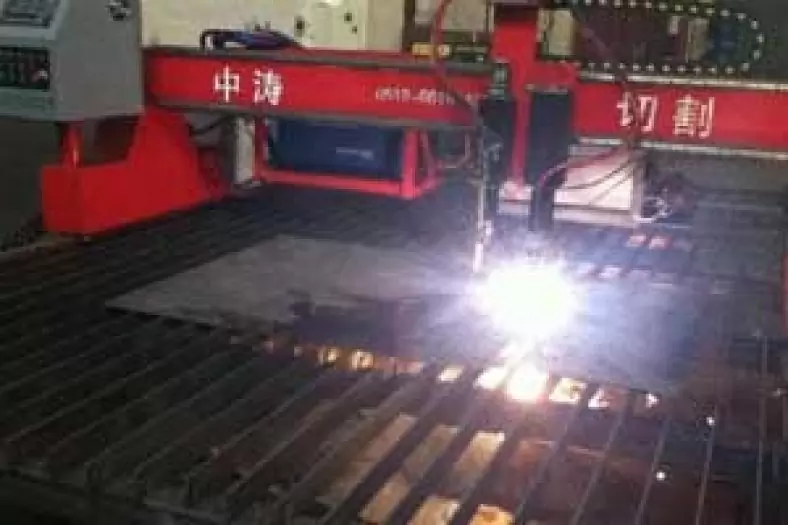
The Detail Of BE-CU Cnc Machining Shop
BE-CU.COM – As an accomplished CNC machining Service Manufacturer and CNC shop, BE-CU Prototype has been specialized in OEM CNC lathing, custom CNC machining parts production and rapid CNC machining services China for over 35 years and always maintaining the highest standard in delivery speed and reliable quality of precision CNC manufacturing components. With the help of high-level technology and efficient equipment, as well as rigorous attitude, BE-CU passed the ISO9001:2015 quality certification, which supports the long-term development of CNC milling services, CNC turning services, CNC milling-turning, CNC drilling services, 3/4/5 axis machining, gear machining services, CNC machining China custom parts and service, small parts machining, etc.Our CNC machining products can be utilized in a broad range of industries. Contact us for email: [email protected]
-
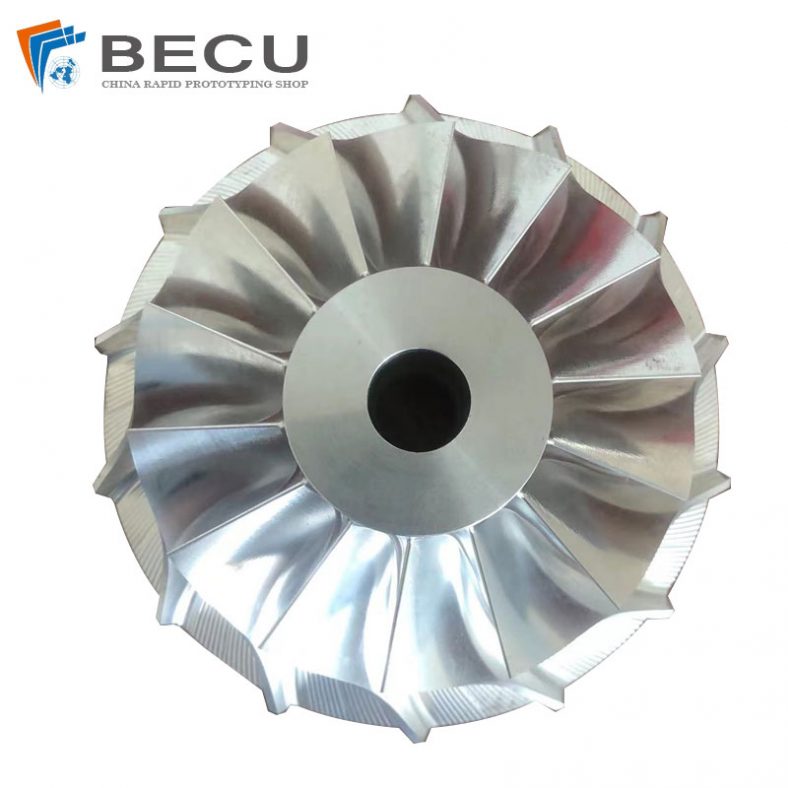
3-Way Centrifugal Compressor Closed Impeller By 5 Axis Machining
-
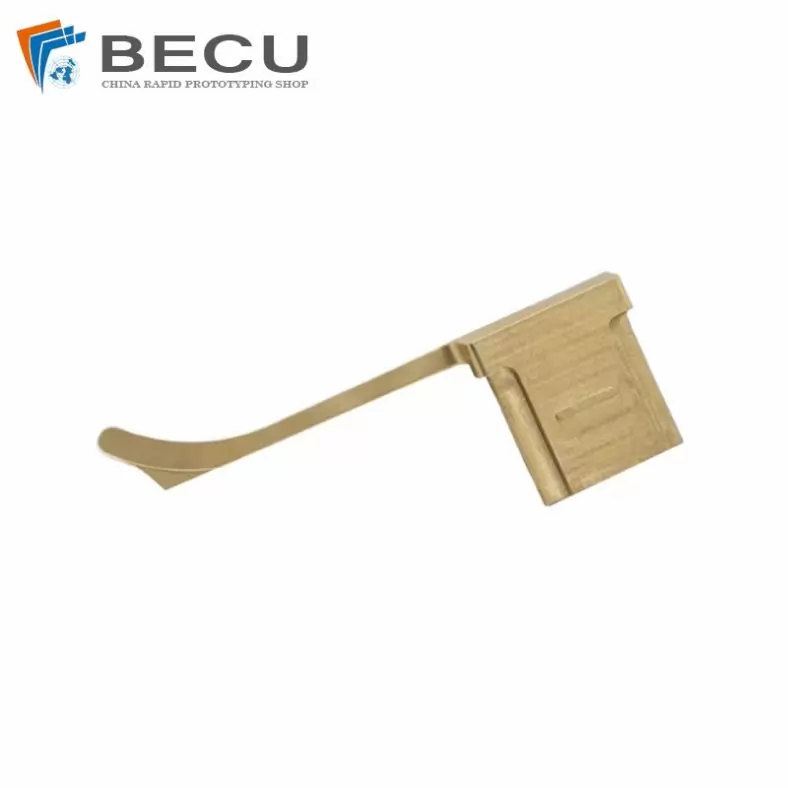
3/4/5 Axis Precision Milling Custom Vehicle Parts
-
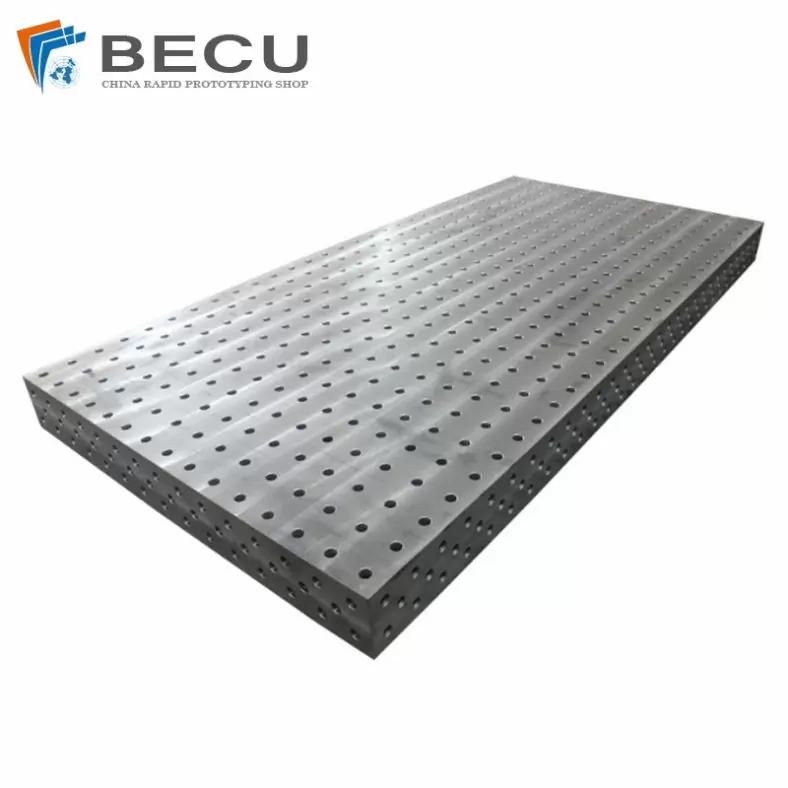
3D Flexible Welding Platform By Large Machining
-
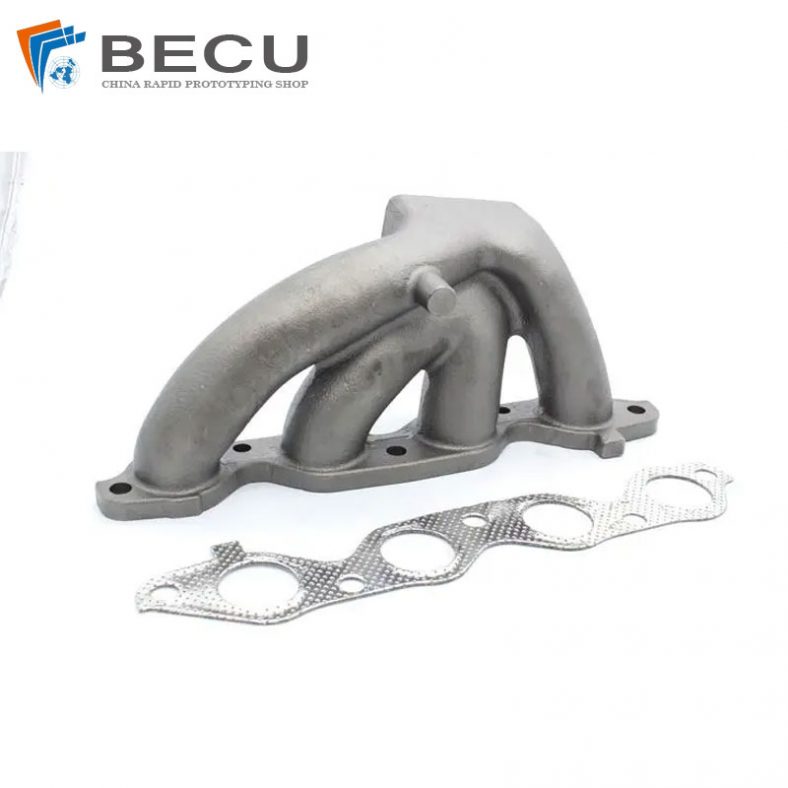
3D Printed Inconel Exhaust Manifold
-
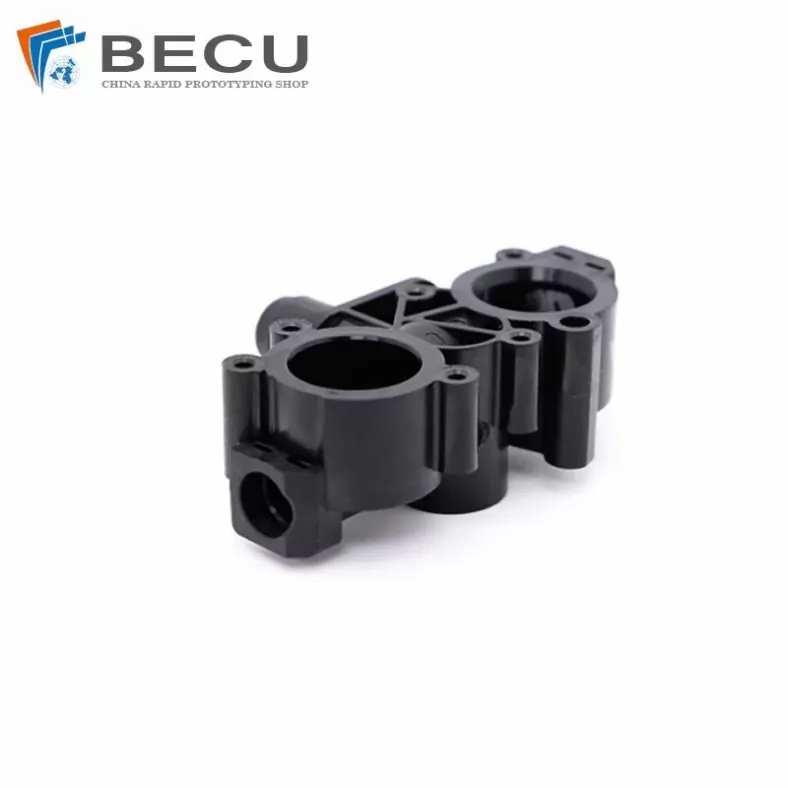
3D Printing And CNC Machining Custom Black PPS Valve
-
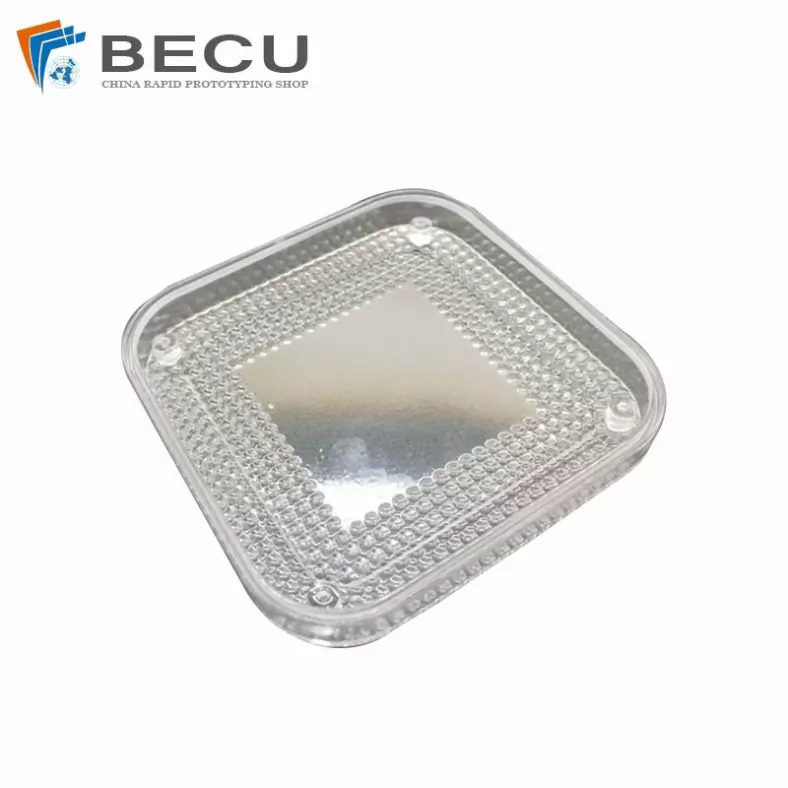
3D Printing Full Transparent Acrylic Lampshade Model
-
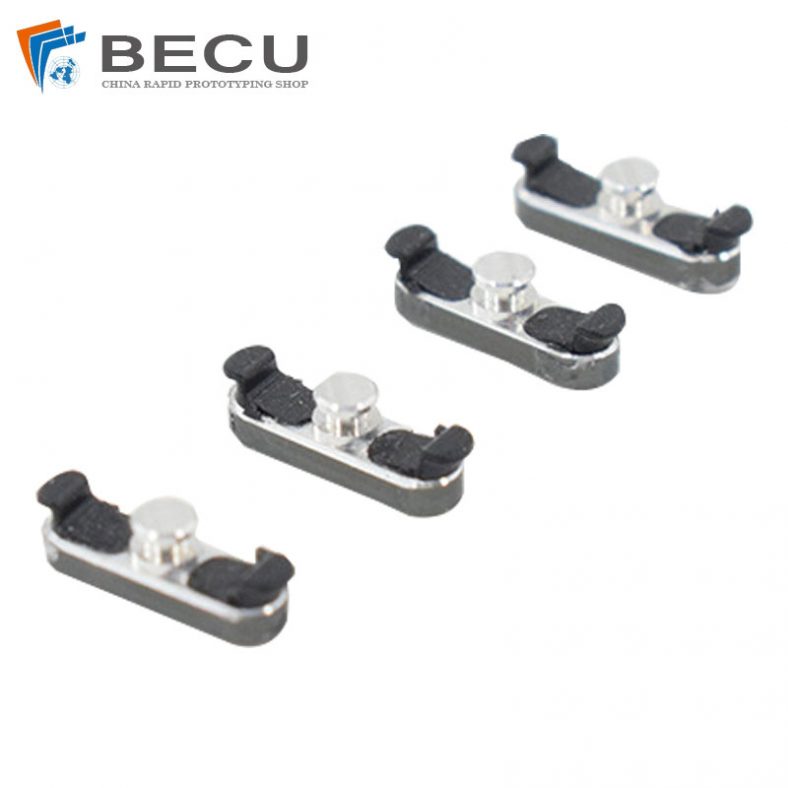
4 Axis CNC Machining Titanium Grade 5 Mobile Phone Buttons
-
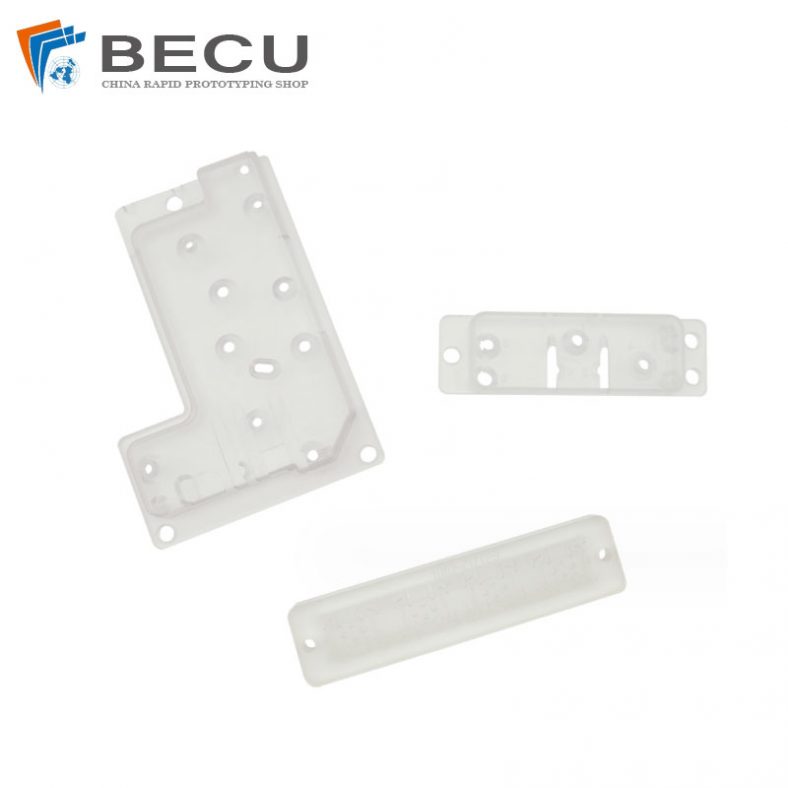
4 Axis Machining Highly Transparent Acrylic LED Tunnel Light Lens