
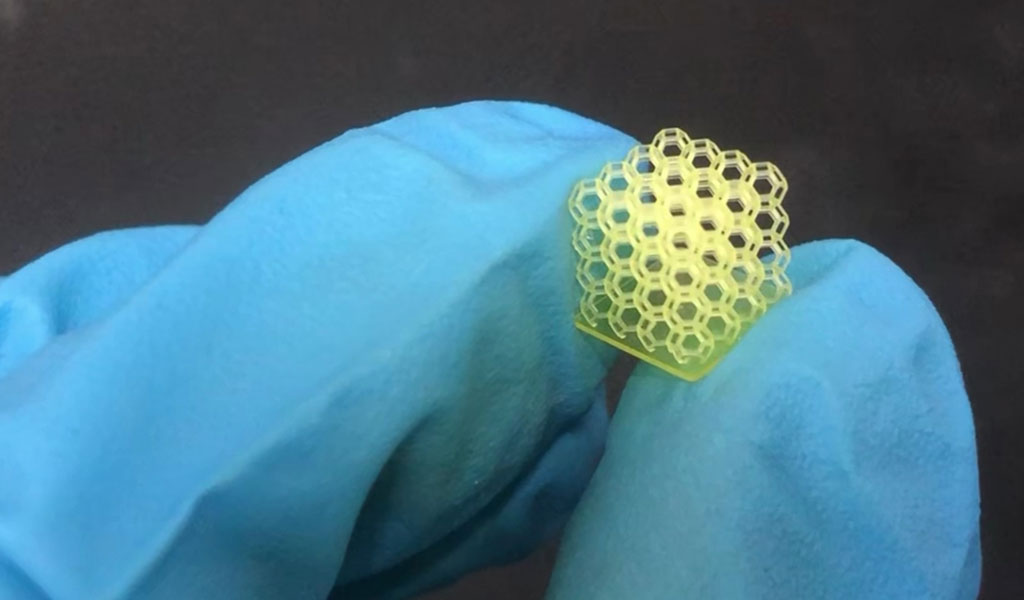
Understanding the lattice structure in the context of 3D printing is a multifaceted topic that bridges materials science, engineering, and design optimization. Lattice structures, characterized by their repeating geometric patterns, have become increasingly significant in additive manufacturing due to their ability to enhance mechanical properties, reduce material usage, and enable innovative designs that are otherwise unachievable with traditional manufacturing methods. This article delves into the principles of lattice structures, their classifications, design considerations, applications in 3D printing, and the scientific underpinnings that govern their behavior, providing a comprehensive resource for researchers, engineers, and enthusiasts alike.
What Is Lattice Structures
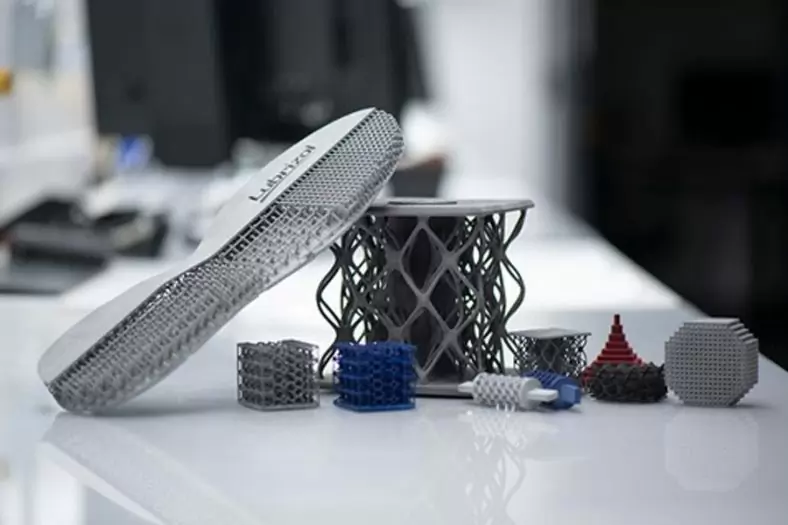
A lattice structure is a framework composed of an interconnected network of struts, nodes, or cells arranged in a periodic or semi-periodic pattern. These structures are inspired by natural systems, such as the cellular arrangement in bones or the hexagonal patterns in honeycombs, which demonstrate exceptional strength-to-weight ratios. In 3D printing, also known as additive manufacturing, lattice structures are digitally designed and fabricated layer by layer, allowing for precise control over their geometry and properties. The advent of 3D printing technologies, such as selective laser sintering (SLS), fused deposition modeling (FDM), and stereolithography (SLA), has unlocked the potential to create complex lattice configurations that optimize performance for specific applications, including aerospace, biomedical implants, and lightweight structural components.
The primary advantage of lattice structures lies in their ability to distribute loads efficiently while minimizing material usage. Unlike solid components, lattices replace bulk material with a network of interconnected elements, resulting in reduced weight without compromising structural integrity. This characteristic aligns with the principles of topology optimization, a mathematical approach used to determine the most efficient material distribution within a given design space. By integrating lattice structures into 3D-printed parts, engineers can achieve designs that are not only lightweight but also tailored to withstand specific mechanical stresses, thermal conditions, or fluid dynamics.
Historical Context and Evolution
The concept of lattice structures predates modern 3D printing, with origins in architectural and engineering disciplines. For instance, the Eiffel Tower, completed in 1889, exemplifies an early application of lattice design, using a triangulated framework to achieve stability and reduce material weight. Similarly, the development of truss systems in bridge construction highlighted the efficacy of lattice-like arrangements in load-bearing applications. However, these early examples relied on manual assembly and subtractive manufacturing, limiting their geometric complexity.
The rise of computer-aided design (CAD) in the late 20th century marked a turning point for lattice structures. CAD software enabled engineers to model intricate patterns with precision, paving the way for their integration into finite element analysis (FEA) and computational simulations. The subsequent emergence of additive manufacturing in the 1980s, pioneered by technologies such as Chuck Hull’s stereolithography, provided the means to physically realize these designs. By the early 21st century, advancements in 3D printing resolution, material diversity, and computational power had converged to make lattice structures a cornerstone of modern engineering.
Classification of Lattice Structures
Lattice structures can be classified based on their geometric configuration, periodicity, and mechanical behavior. Understanding these classifications is essential for selecting the appropriate lattice type for a given 3D printing application.
1. Periodic vs. Stochastic Lattices
Periodic lattices feature a repeating unit cell, such as a cube, tetrahedron, or octahedron, arranged in a predictable pattern. This regularity ensures uniform mechanical properties and simplifies computational modeling. Examples include the body-centered cubic (BCC) and face-centered cubic (FCC) lattices, which are widely used in 3D printing due to their symmetry and manufacturability.
In contrast, stochastic lattices lack a repeating pattern and exhibit random or semi-random arrangements of struts and nodes. These structures, often inspired by natural foams or trabecular bone, offer unique advantages in applications requiring energy absorption or organic aesthetics. However, their irregularity complicates design and analysis, often necessitating advanced algorithms like Voronoi tessellation to generate the structure.
2. Beam-Based vs. Surface-Based Lattices
Beam-based lattices consist of slender struts or beams connected at nodes, forming a skeletal framework. These lattices, such as the octet-truss or diamond lattice, are prized for their high stiffness-to-weight ratio and are commonly employed in aerospace and automotive components. The simplicity of beam-based designs makes them compatible with most 3D printing technologies, although their performance depends heavily on strut thickness and node integrity.
Surface-based lattices, also known as triply periodic minimal surfaces (TPMS), are defined by continuous, curved surfaces that divide space into two interwoven domains. Examples include the Schwarz P, Gyroid, and Diamond TPMS structures. These lattices excel in applications requiring smooth surfaces, such as heat exchangers or tissue scaffolds, due to their minimal surface area and high structural efficiency. TPMS lattices are more challenging to design and print, requiring high-resolution printers to capture their intricate curvature.
3. 2D vs. 3D Lattices
Two-dimensional (2D) lattices, such as honeycombs or Kagome patterns, are planar structures extruded into a third dimension during 3D printing. These lattices are simpler to design and analyze, making them suitable for sandwich panels or lightweight infills. Three-dimensional (3D) lattices, such as the BCC or Gyroid, extend their periodicity across all three spatial axes, offering greater versatility and complexity for load-bearing applications.
Design Considerations for 3D Printing
Designing lattice structures for 3D printing involves balancing geometric complexity, material properties, and printer capabilities. The following factors play a critical role in ensuring successful fabrication and performance.
Unit Cell Geometry
The unit cell is the fundamental building block of a lattice structure, and its geometry dictates the overall behavior of the lattice. Common unit cells include:
- Cubic: Simple and isotropic, suitable for uniform load distribution.
- Tetrahedral: Lightweight and resistant to shear forces.
- Octet-Truss: Highly stable under compression and tension, popularized by Buckminster Fuller’s work.
- Gyroid: A TPMS structure with excellent strength and porosity, ideal for biomedical applications.
The size of the unit cell also influences printability. Smaller cells increase resolution demands, while larger cells may compromise fine details. A typical cell size ranges from 1 mm to 10 mm, depending on the printer’s precision and the part’s dimensions.
Material Selection
The choice of material affects both the lattice’s mechanical properties and its compatibility with 3D printing processes. Common materials include:
- Polymers: PLA, ABS, and nylon are widely used in FDM for their affordability and ease of printing. Lattice structures in polymers are often applied in prototyping or lightweight consumer goods.
- Metals: Titanium, aluminum, and stainless steel, processed via powder bed fusion (e.g., SLS or DMLS), offer high strength and durability for aerospace and medical implants.
- Ceramics: Used in SLA or binder jetting, ceramics provide thermal resistance and are explored for lattice-based heat exchangers.
Material properties, such as Young’s modulus, yield strength, and ductility, must align with the lattice’s intended function. For instance, a lattice designed for energy absorption may prioritize ductility, while one for structural support may emphasize stiffness.
Printability Constraints
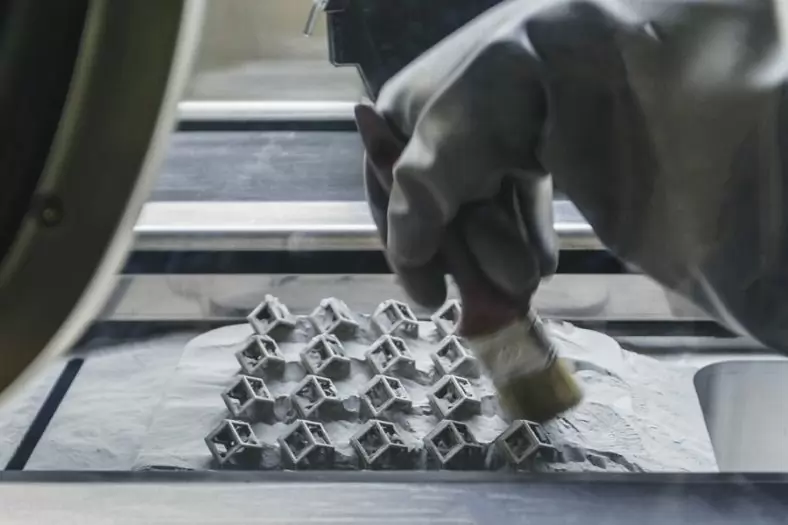
3D printing imposes practical limitations on lattice design. Overhangs exceeding 45 degrees may require support structures, increasing material usage and post-processing time. Strut thickness must exceed the printer’s minimum feature size—typically 0.1–0.4 mm for FDM and 0.05–0.1 mm for SLA—to ensure structural integrity. Additionally, powder-based processes like SLS require escape holes to remove unprocessed material from enclosed lattice cells.
Mechanical Performance
The mechanical behavior of a lattice structure depends on its topology, relative density (the ratio of lattice volume to solid volume), and loading conditions. Beam-based lattices often exhibit bending-dominated behavior, where struts deform under load, while TPMS lattices display stretching-dominated behavior, offering higher stiffness. Finite element analysis (FEA) is commonly used to predict stress distribution, deformation, and failure modes, guiding iterative design improvements.
Fabrication Techniques in 3D Printing
The choice of 3D printing technology influences the fidelity and feasibility of lattice structures. Each method offers distinct advantages and limitations.
Fused Deposition Modeling (FDM)
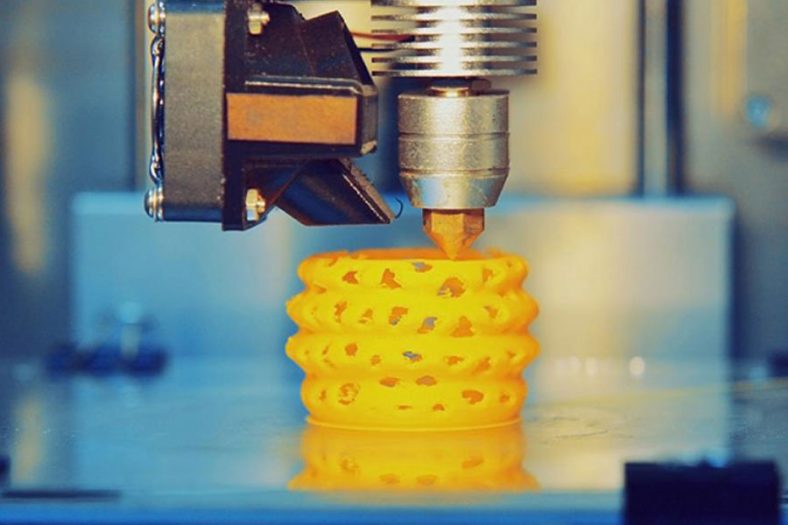
FDM extrudes molten thermoplastic through a nozzle, building lattices layer by layer. Its affordability and accessibility make it popular for prototyping, but its resolution limits the complexity of fine lattices. Strut diameters below 0.4 mm are challenging, and anisotropic properties due to layer bonding can affect performance.
Selective Laser Sintering (SLS)
SLS uses a laser to fuse powdered material (e.g., nylon or metal) into solid parts. Its support-free nature is ideal for intricate lattices, as unprocessed powder supports overhanging features. SLS excels in producing beam-based lattices with strut diameters as low as 0.2 mm, though surface roughness may require post-processing.
Stereolithography (SLA)
SLA cures liquid resin with a laser, achieving high resolution (down to 0.025 mm) for detailed TPMS lattices. Its smooth finishes suit biomedical and aesthetic applications, but material options are limited, and support structures are often necessary.
Direct Metal Laser Sintering (DMLS)
DMLS, a metal variant of SLS, fabricates lattices in titanium or steel with excellent mechanical properties. It is widely used in aerospace and implants, supporting strut sizes of 0.1–0.2 mm. High costs and thermal stresses during printing are notable drawbacks.
Applications of Lattice Structures in 3D Printing
Lattice structures have transformed industries by enabling customized, high-performance components. Key applications include:
Aerospace
In aerospace, weight reduction is paramount. Lattice structures in titanium or aluminum replace solid parts in engine components, brackets, and airframes, reducing fuel consumption while maintaining strength. For example, GE Aviation’s 3D-printed fuel nozzles incorporate lattices to optimize airflow and durability.
Biomedical Engineering
Lattice structures mimic the porosity of human bone, making them ideal for orthopedic implants and scaffolds. Titanium lattices printed via DMLS promote osseointegration, while polymer TPMS lattices support tissue regeneration in scaffolds. Patient-specific designs, derived from CT scans, enhance implant compatibility.
Automotive
Automotive manufacturers use lattices to lightweight chassis components and crash-absorbing structures. Beam-based lattices in nylon or metal improve energy dissipation in bumpers, while TPMS lattices enhance heat dissipation in radiators.
Consumer Products
In consumer goods, lattices reduce material costs and add aesthetic value. 3D-printed footwear midsoles, such as those by Adidas, use lattices to balance cushioning and support, tailored to individual foot pressures.
Scientific Principles Governing Lattice Behavior
The performance of lattice structures is governed by principles from solid mechanics, materials science, and computational modeling.
Stress-Strain Relationships
Lattices exhibit unique stress-strain curves compared to solid materials. Bending-dominated lattices show a plateau region under compression, ideal for energy absorption, while stretching-dominated lattices display linear elasticity until failure. The Gibson-Ashby model quantifies these relationships, relating relative density ( ρ∗/ρs) to stiffness (E∗/Es) and strength (σ∗/σs):
- E∗/Es∝(ρ∗/ρs)2 (bending-dominated)
- E∗/Es∝ρ∗/ρs (stretching-dominated)
Here, E∗E^*E∗ and σ∗\sigma^*σ∗ are the lattice’s modulus and strength, and EsE_sEs and σs\sigma_sσs are the solid material’s properties.
Anisotropy and Homogenization
Lattices may exhibit anisotropic behavior, where properties vary with direction, due to printing orientation or strut alignment. Homogenization techniques approximate the lattice as a continuous medium, simplifying FEA by assigning effective properties (e.g., equivalent stiffness or Poisson’s ratio).
Failure Mechanisms
Lattice failure occurs via strut buckling, fracture, or node collapse. Buckling dominates in slender struts under compression, governed by Euler’s formula: Pcr=π2EI/L2, where PcrP_{cr}Pcr is the critical load, EEE is the modulus, III is the moment of inertia, and LLL is the strut length. Fracture prevails in brittle materials, while plastic yielding occurs in ductile ones.
Comparative Analysis of Lattice Types
The following tables provide detailed comparisons of lattice structures, aiding in design selection for 3D printing.
| Lattice Type | Relative Density Range | Stiffness Behavior | Strength-to-Weight Ratio | Energy Absorption | Typical Applications |
|---|---|---|---|---|---|
| BCC | 0.05–0.3 | Bending-dominated | Moderate | High | Crash structures, infills |
| FCC | 0.1–0.4 | Bending-dominated | Moderate | Moderate | Lightweight supports |
| Octet-Truss | 0.1–0.5 | Stretching-dominated | High | Low | Aerospace, structural parts |
| Gyroid (TPMS) | 0.2–0.6 | Stretching-dominated | Very High | Moderate | Implants, heat exchangers |
| Schwarz P (TPMS) | 0.2–0.6 | Stretching-dominated | Very High | Low | Scaffolds, fluid channels |
| Lattice Type | FDM (Min. Strut, mm) | SLS (Min. Strut, mm) | SLA (Min. Strut, mm) | DMLS (Min. Strut, mm) | Support Requirement |
|---|---|---|---|---|---|
| BCC | 0.4 | 0.2 | 0.05 | 0.1 | Low (SLS, DMLS) |
| FCC | 0.4 | 0.2 | 0.05 | 0.1 | Low (SLS, DMLS) |
| Octet-Truss | 0.5 | 0.3 | 0.1 | 0.15 | Moderate |
| Gyroid (TPMS) | 0.6 | 0.3 | 0.05 | 0.2 | High (FDM, SLA) |
| Schwarz P (TPMS) | 0.6 | 0.3 | 0.05 | 0.2 | High (FDM, SLA) |
| Material | BCC | FCC | Octet-Truss | Gyroid (TPMS) | Schwarz P (TPMS) |
|---|---|---|---|---|---|
| PLA (Polymer) | Yes | Yes | Yes | Limited | Limited |
| Titanium (Metal) | Yes | Yes | Yes | Yes | Yes |
| Nylon (Polymer) | Yes | Yes | Yes | Yes | Yes |
| Stainless Steel | Yes | Yes | Yes | Yes | Yes |
| Ceramic | Limited | Limited | Limited | Yes | Yes |
Future Directions and Research
The field of lattice structures in 3D printing is rapidly evolving, driven by advancements in multi-material printing, machine learning, and bioinspired design. Multi-material lattices, combining stiff and flexible regions, promise enhanced functionality, such as adaptive implants or soft robotics. Machine learning algorithms are being developed to optimize lattice topology, predicting ideal configurations for specific loads or constraints. Bioinspired lattices, mimicking natural systems like coral or plant stems, are expanding applications in sustainability and biomedicine.
Challenges remain, including scalability, cost reduction, and standardization of lattice design protocols. As 3D printing resolution improves and new materials emerge, the potential for lattice structures to revolutionize engineering will only grow, solidifying their role as a cornerstone of additive manufacturing.
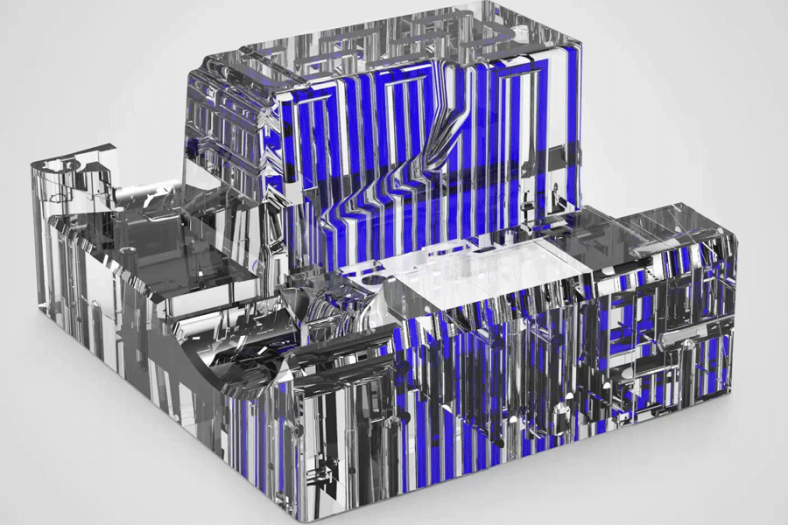
The Detail Of BE-CU 3D Printing Company
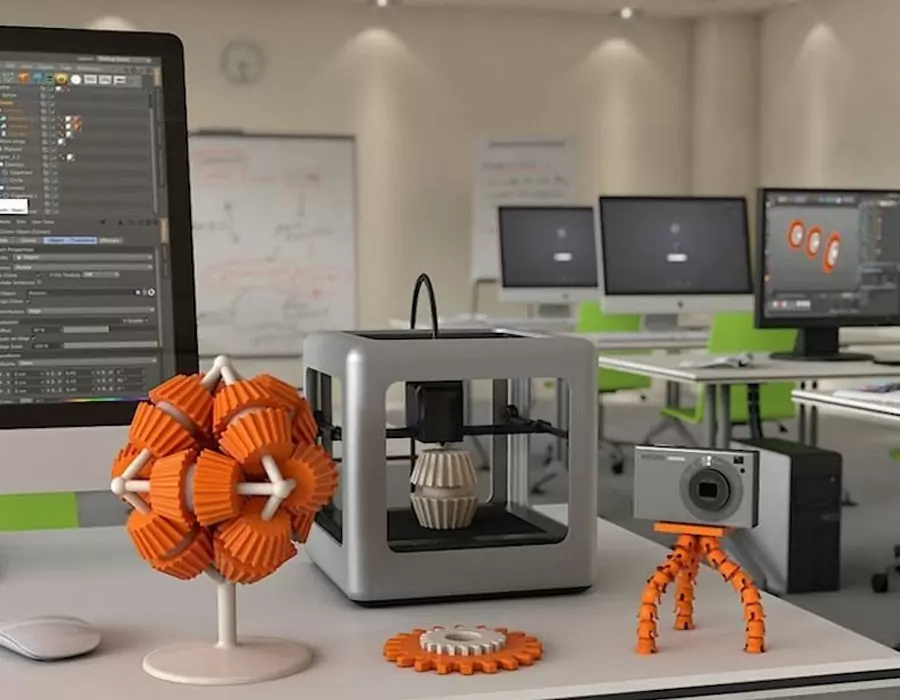
BE-CU.COM offers online 3D printing services for rapid prototyping and production in volume. Our clients are across a wide variety of industries and companies, including automotive, construction, aerospace, defense, electronics, machinery, industrial automation, medical, healthcare, consumer production, oil & gas, etc. Accelerate your product development and manufacturing process with our industry-leading metal & plastic 3D printing service and 3D printed parts. We’ll find the best 3D printing solution for your projects, to lower your cost and shorten the lead time based on your needs, while maintaining the quality. From 3D prototyping to end-use parts production, multiple materials are available for custom 3D printing parts. Need an alternative to the traditional solution? Submit your 3D CAD file to get an online quotation quickly. Our 3D printing service ensures accuracy and speed. We can help you choose the most appropriate technology and material to match your applications or request.
-
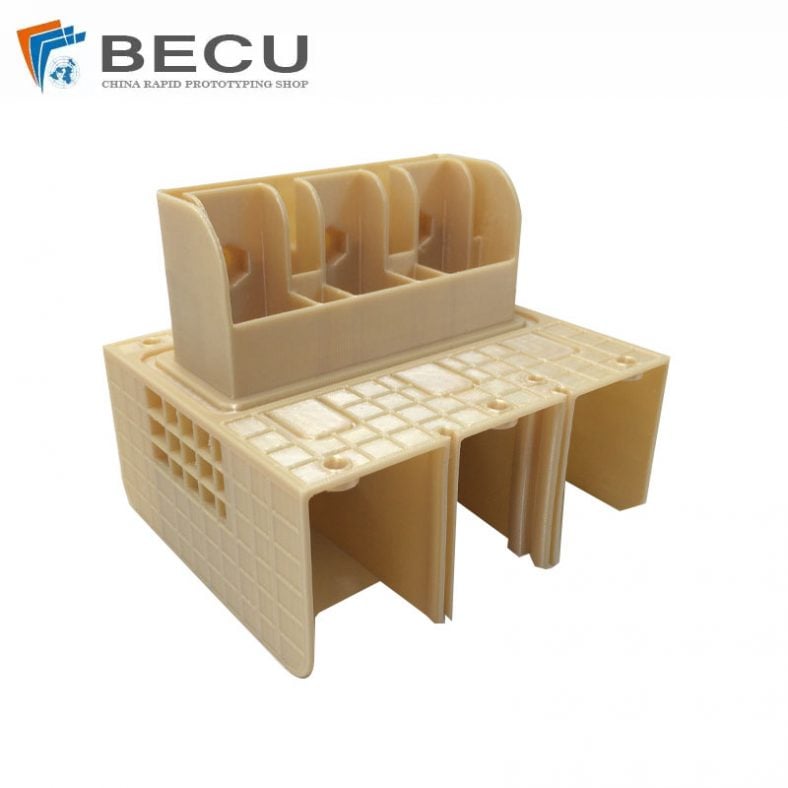
FDM 3D Printing Ultra-High Voltage Strong Electrical Connector
-

3D Printed Jet Engine Model
-
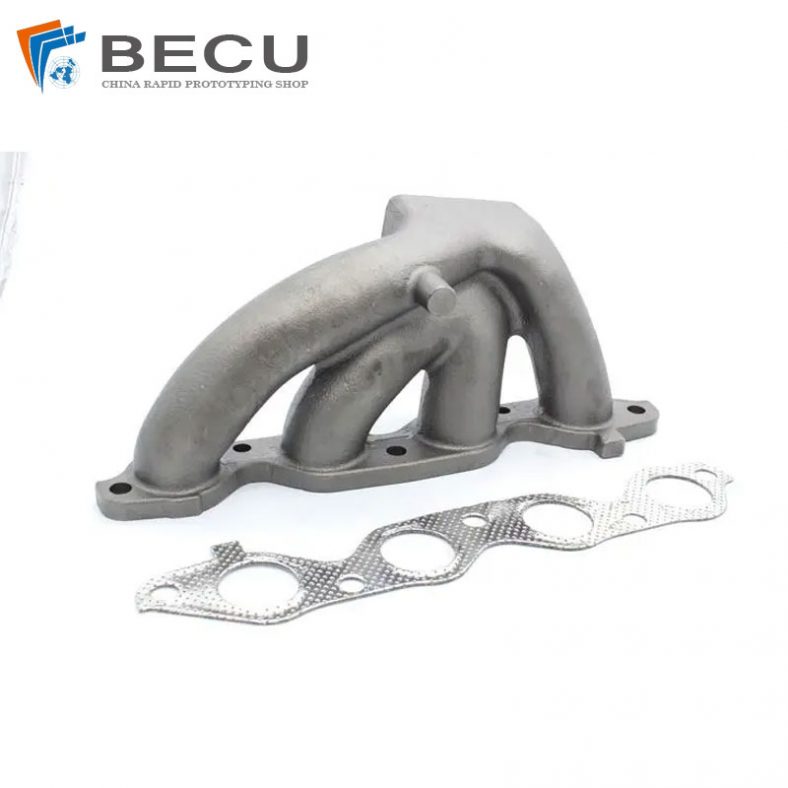
3D Printed Inconel Exhaust Manifold
-

3D Printed Black Myth: Wukong Model
-
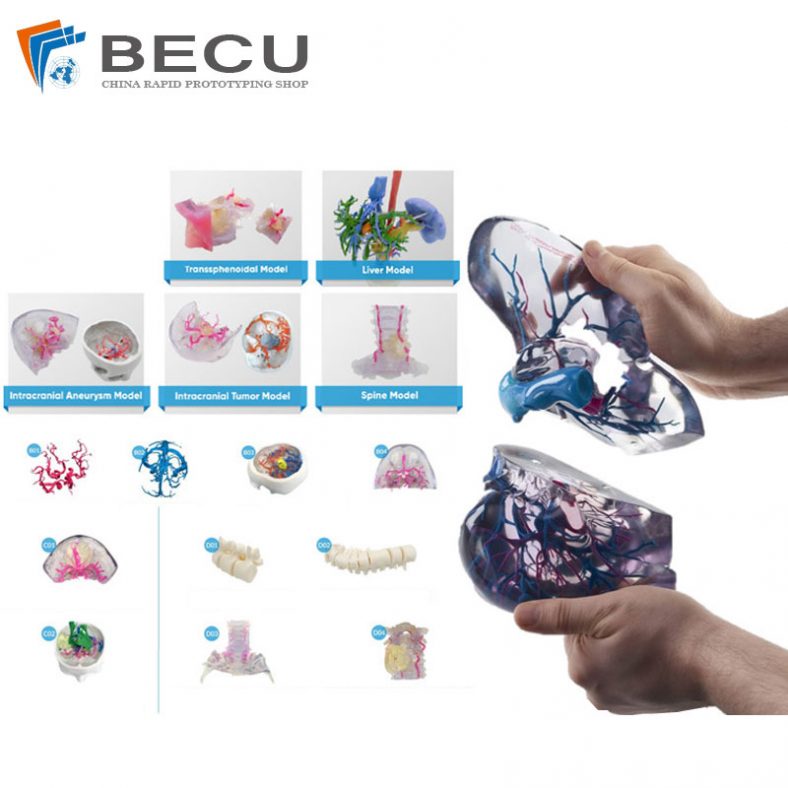
Omni-Directional Surgical Planning Medical Models
-
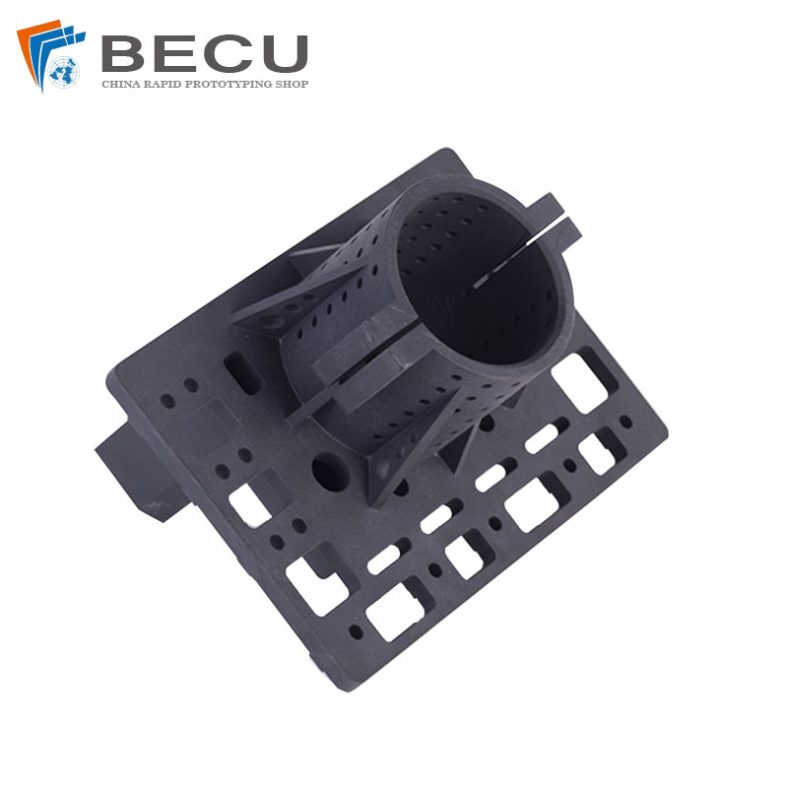
3D Printing Pool Pressure Cleaner Parts and Accessories
-
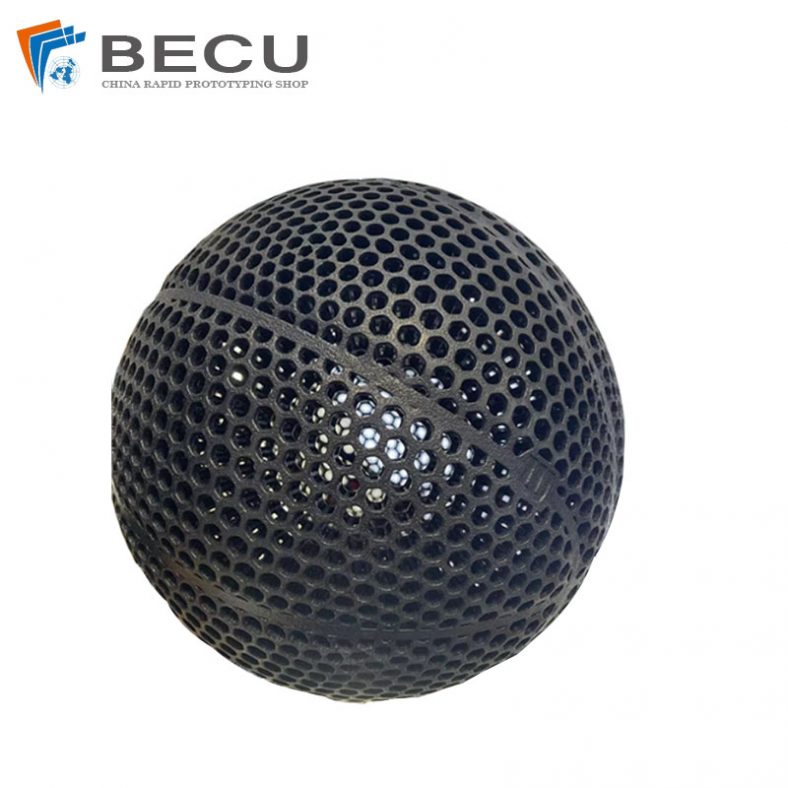
Nylon 3D Printed Size 5 Basketball
-
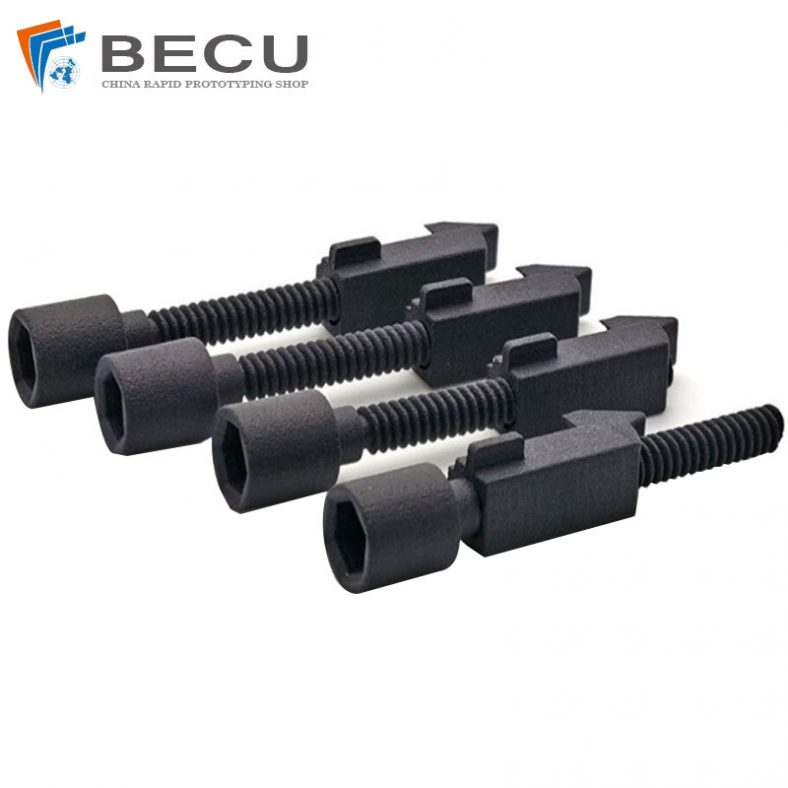
Black Nylon Medical Threaded Screw By MJF 3D Printing