
What Is ADLC Coating
The development of ADLC coatings can be traced back to the early 1970s when researchers began exploring the potential of amorphous carbon films. The term “diamond-like carbon” was coined to describe these films due to their similarity to diamond in terms of hardness and chemical resistance. Over the years, various deposition techniques have been developed to enhance the quality and properties of ADLC coatings, leading to their widespread use in industries such as automotive, aerospace, and biomedical engineering.
Amorphous Diamond-Like Carbon (ADLC) coating is a class of amorphous carbon materials that display unique properties of natural diamond, making them highly valuable in various industrial and technological applications.
These coatings are characterized by their high hardness, low friction, chemical inertness, and excellent tribological properties.
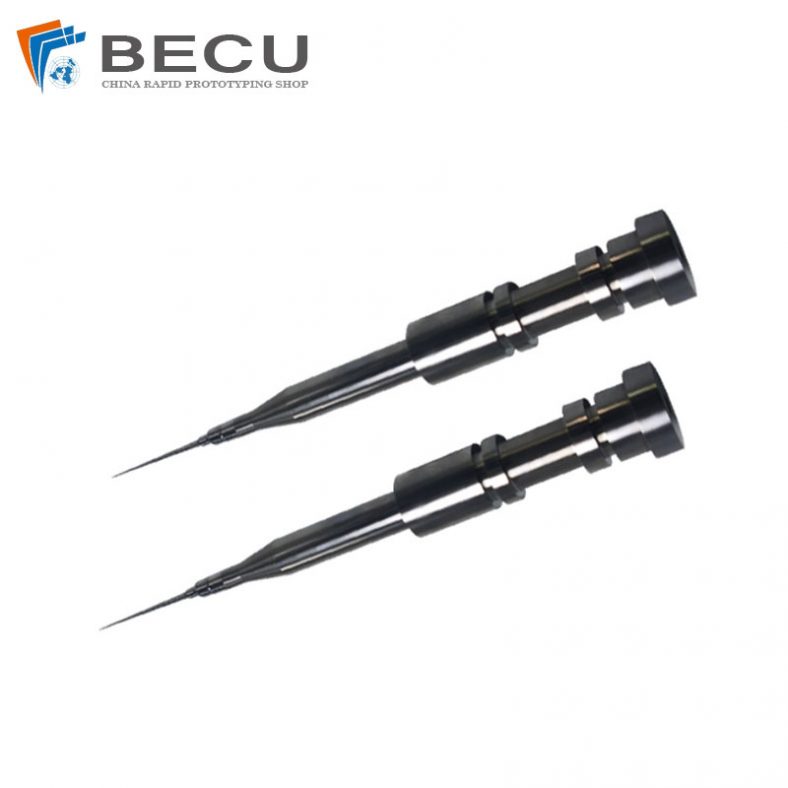
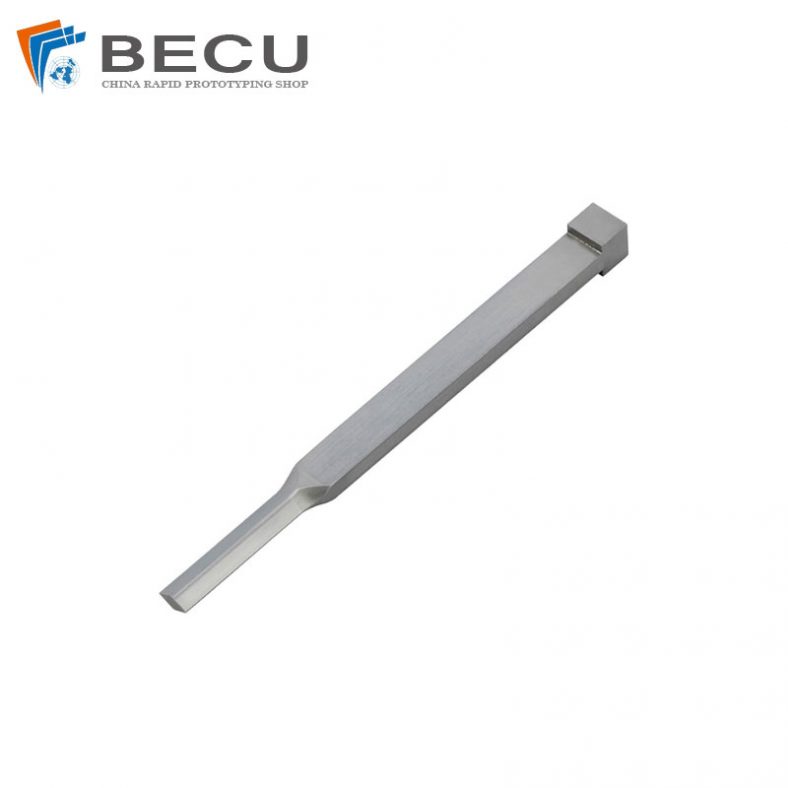
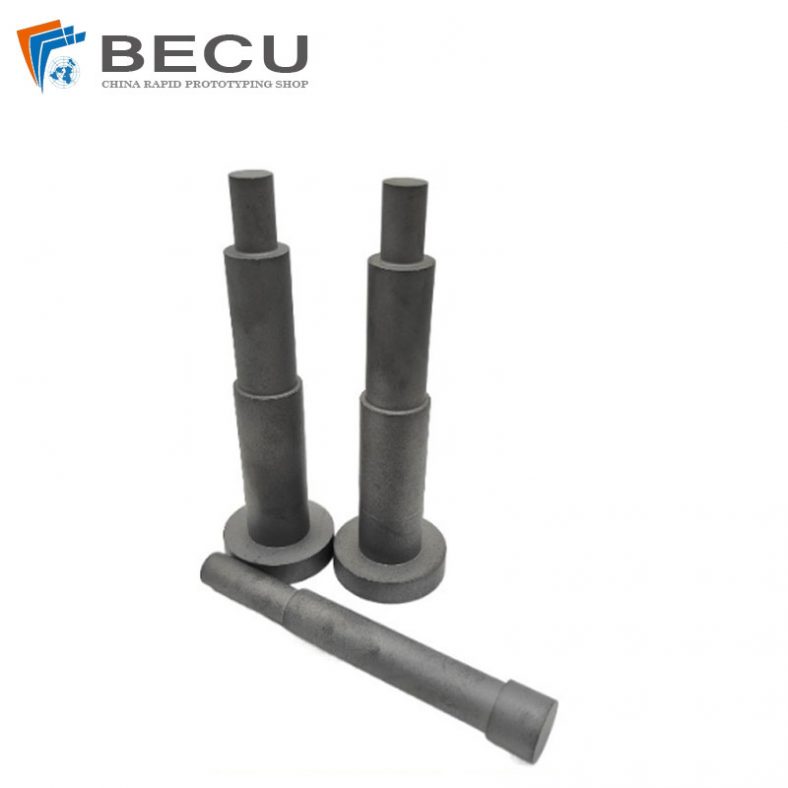
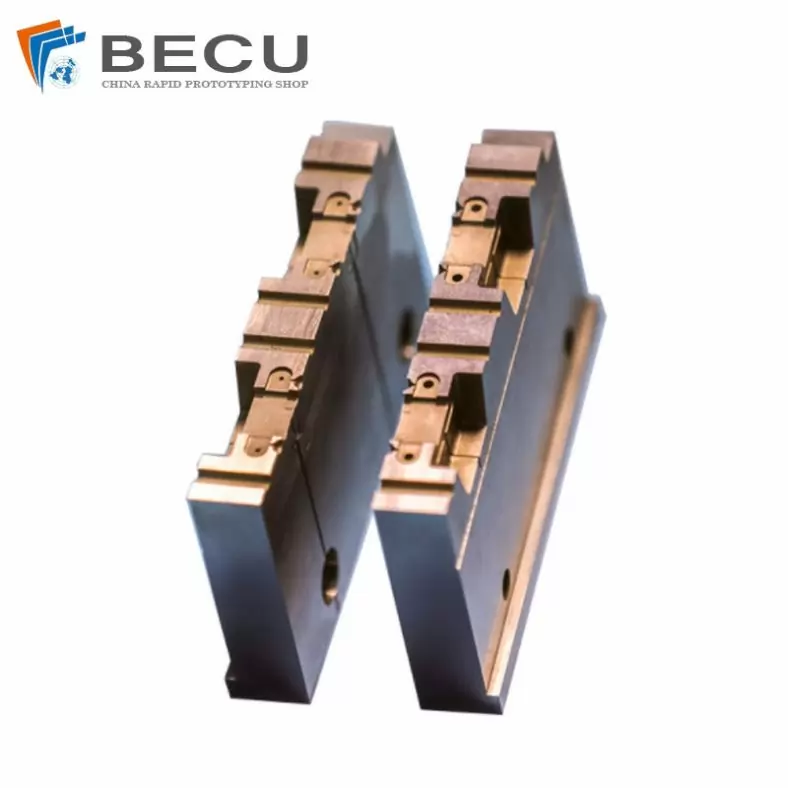
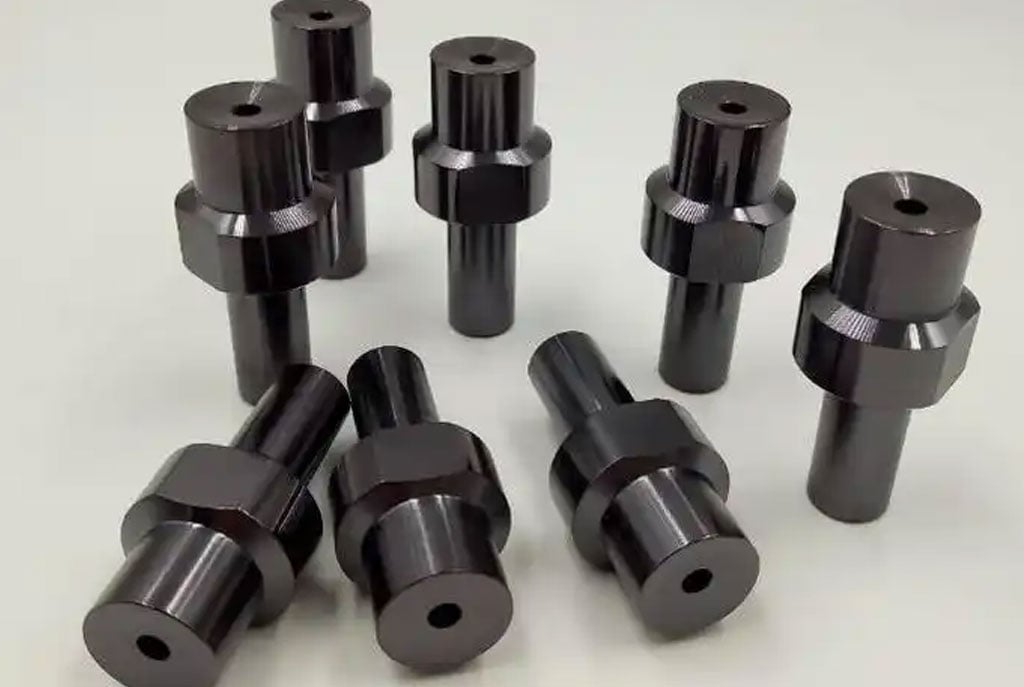
BE-CU prototype company’s surface treatment partner and shareholder use PVD technology for coating a wide range of hardware, plastic, die-casting molds, cutting tools, and precision components.
ADLC Coating Service – Amorphous Diamond-Like Carbon Coating Specifications
| Coating Type | Thickness Range(μm) | Micro Hardness HV 0.05 | Friction vs. Steel | Operating Temperature(‘c) | Deposition Temperature(‘c) | Color |
|---|---|---|---|---|---|---|
| CC-600 | 2-4 | 2000 | 0.1-0.2 | 350 | 200 | Black |
| CC-700 | 2-4 | 1800 | 0.07-0.15 | 500 | 250 | Black Or Multicolor |
The smooth surface formed by the disordered, phase-homogeneous uniform coating:
- Low Friction Coefficient (Lubricated and Dry Friction): μ = 0.05 ~ 0.1, reducing frictional heat generation, and providing excellent dry friction performance when lubrication fails.
- High Elasticity during Cyclic Loading.
- Excellent Surface Adhesion.
- Acid-Base Corrosion Resistance: Suitable for the chemical, pharmaceutical, and food industries.
- Thermal Stability: Suitable for use in the engine industry.
- High Thermal Conductivity: Prevents overheating of bearing journal surfaces.
- Electrical Insulation: Prevents electrochemical corrosion.
- Biocompatibility: Certified by ISO 10993, suitable for medical applications.

Properties of ADLC Coatings
ADLC coatings exhibit a range of desirable properties that make them suitable for diverse applications. These properties include:
- High Hardness: ADLC coatings possess exceptional hardness, typically ranging from 10 to 50 GPa, which is comparable to that of natural diamond. This hardness is attributed to the presence of sp³ hybridized carbon atoms, which form a dense, three-dimensional network.
- Low Friction: The coatings exhibit low coefficients of friction, usually between 0.05 and 0.2, making them ideal for applications requiring reduced wear and tear.
- Chemical Inertness: ADLC coatings are highly resistant to chemical attacks, including acids, alkalis, and organic solvents. This property enhances their durability and longevity in harsh environments.
- Tribological Properties: The excellent wear resistance and low friction of ADLC coatings make them suitable for tribological applications, where they can significantly reduce friction and wear.
- Biocompatibility: ADLC coatings are biocompatible, making them suitable for biomedical applications such as implants and medical devices.
Certifications & Quality Machining
- ISO 9001:2015 certified
- Fully compliant with the exacting requirements of our customers
- Compliance in DFARS materials sourcing requirements
- Strict compliance with PPAP and Process
- FMEA for automotive customers
- Skilled in KanBan and CMM Inspection and inventory management systems
- ITAF 16949 certified
PVD Coating Parts & Case Studies
At Be-Cu.com we offer effective products, processes, services and ideas to meet our customer’s needs.Our extensive range of custom PVD Coating capabilities includes forming oxide coatings up to 2.0 mils and permanent finishes in distinct colors. Whether a customer is an original equipment manufacturer (OEM) for the automotive, military, or medical industry, we can meet their PVD Coating needs.View our PVD Coating case studies: