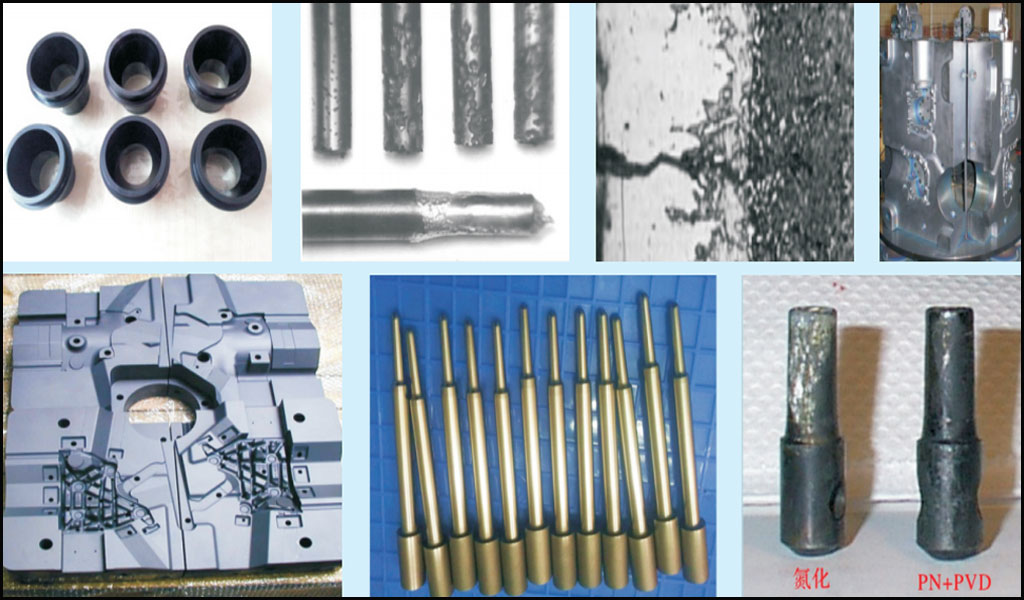
PVD Coating For Die Casting Tool
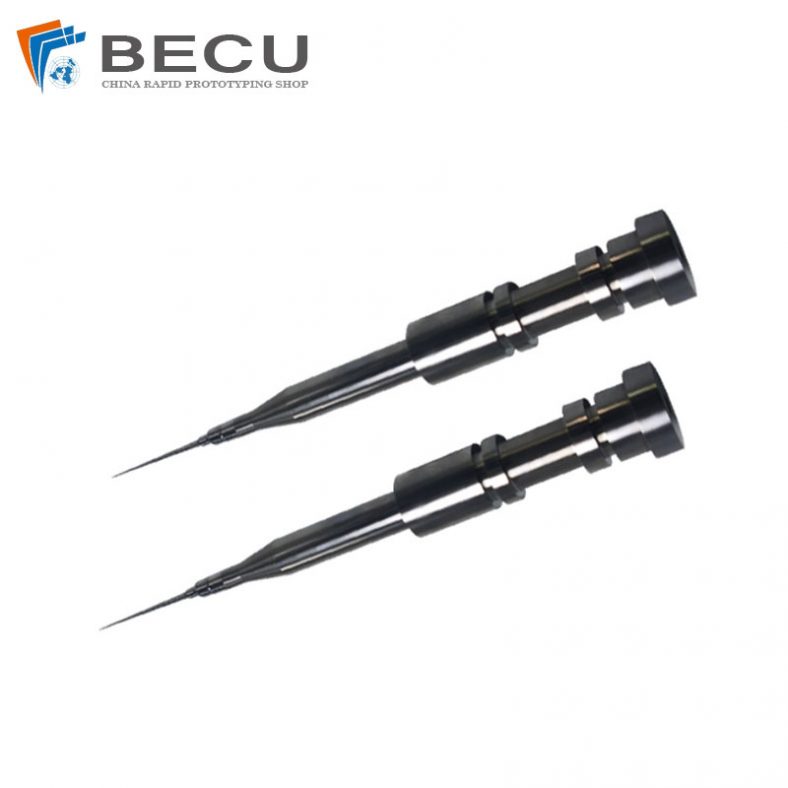
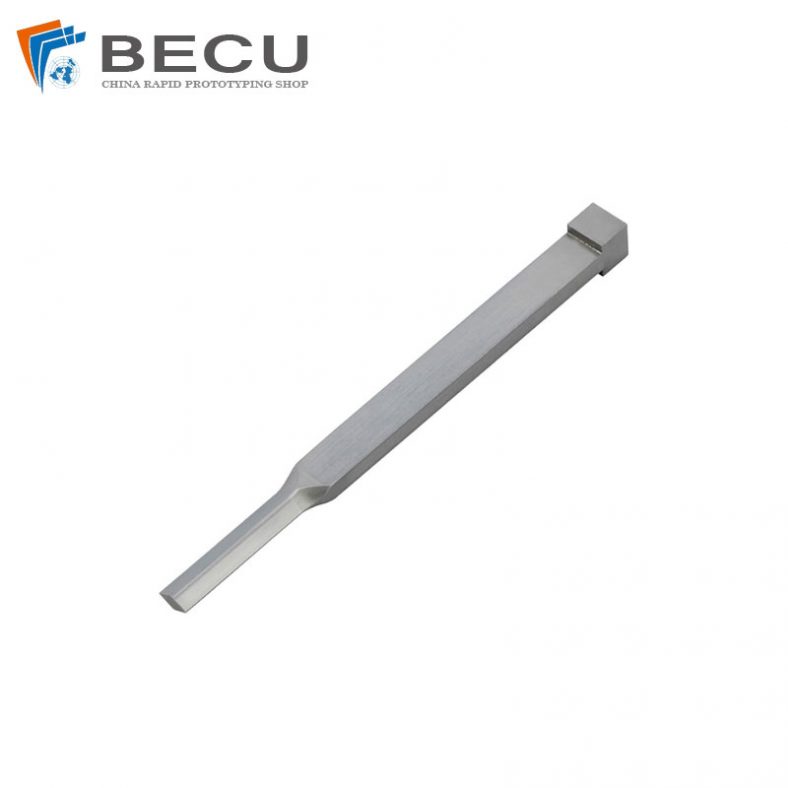
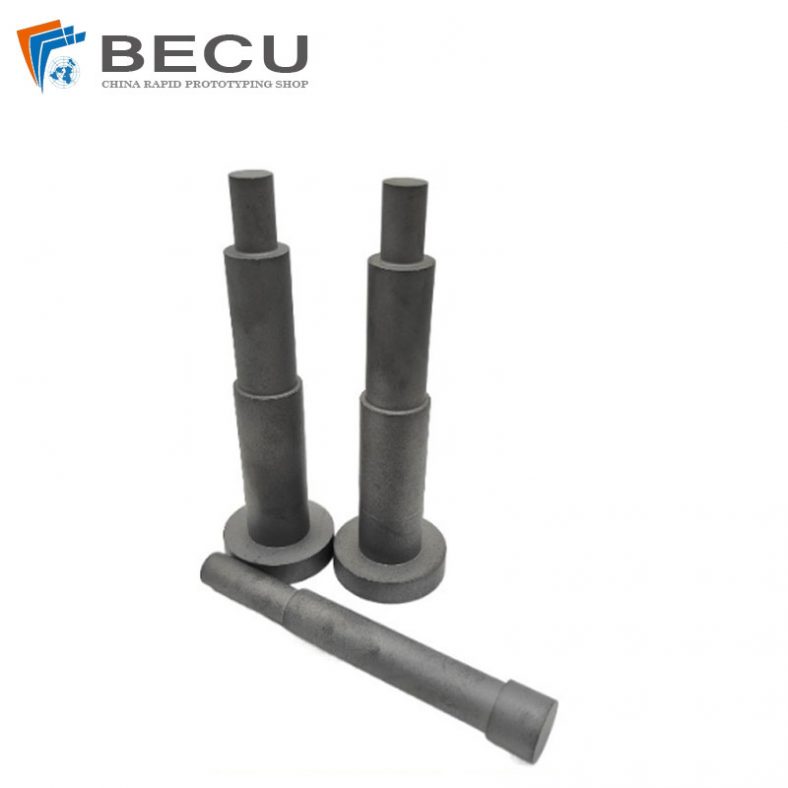
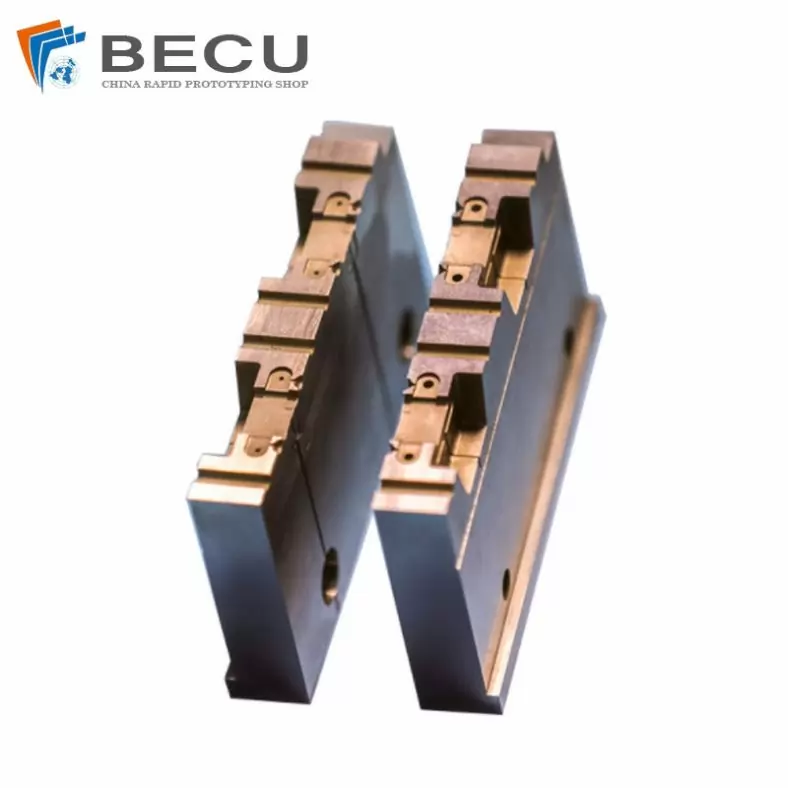
Physical Vapor Deposition (PVD) Coating is a advanced surface treatment technology widely used in various industrial applications, including die casting tools. Die casting is a manufacturing process that involves forcing molten metal under high pressure into a mold cavity, known as a die. The die casting tools, which include the dies themselves, as well as other components like cores and ejector pins, are subjected to extreme conditions such as high temperatures, mechanical stress, and corrosive environments.
PVD coatings enhance the performance and longevity of these tools by providing superior wear resistance, corrosion protection, and improved surface properties.
BE-CU prototype company’s surface treatment partner and shareholder use PVD technology for coating a wide range of hardware, plastic, die-casting molds, cutting tools, and precision components.Common Problems of Hardware Molds:
Die-casting molds (for materials such as aluminum, zinc, and magnesium) typically operate under high-temperature, high-pressure, and high-speed conditions. When molten metal is injected into the molding cavity under pressure, it reacts chemically with the substrate, causing partial surface alloying. This process also leads to erosion of the mold surface, thermal cracking due to rapid cooling after exposure to high temperatures, and material deposition from molten metal adhering to the mold surface.
These harsh conditions significantly shorten the lifespan of molds and inserts, requiring the production of numerous spare molds to meet order demands. Through our advanced composite treatment process, mold lifespan can be effectively extended, significantly improving production efficiency and reducing manufacturing costs.
| Coating Type | Thickness Range | Micro Hardness HV 0.05 | Friction vs. Steel | Operating Temperature(°C) | Deposition Temperature(°C) | Color | Ingredients and Use |
|---|---|---|---|---|---|---|---|
| DT-203 | 6-8 | 3000 | 0.3 | 900 | 450 | Gray Black | CrN Plus |
| DT-401 | 4-6 | 3200 | 0.5 | 1000 | 400-500 | Black | TiALCrN |
| DT-411 | 6-8 | 3000 | 0.4 | 1000 | 400-500 | Black | PN+TiALCrN |
Certifications & Quality Machining
- ISO 9001:2015 certified
- Fully compliant with the exacting requirements of our customers
- Compliance in DFARS materials sourcing requirements
- Strict compliance with PPAP and Process
- FMEA for automotive customers
- Skilled in KanBan and CMM Inspection and inventory management systems
- ITAF 16949 certified
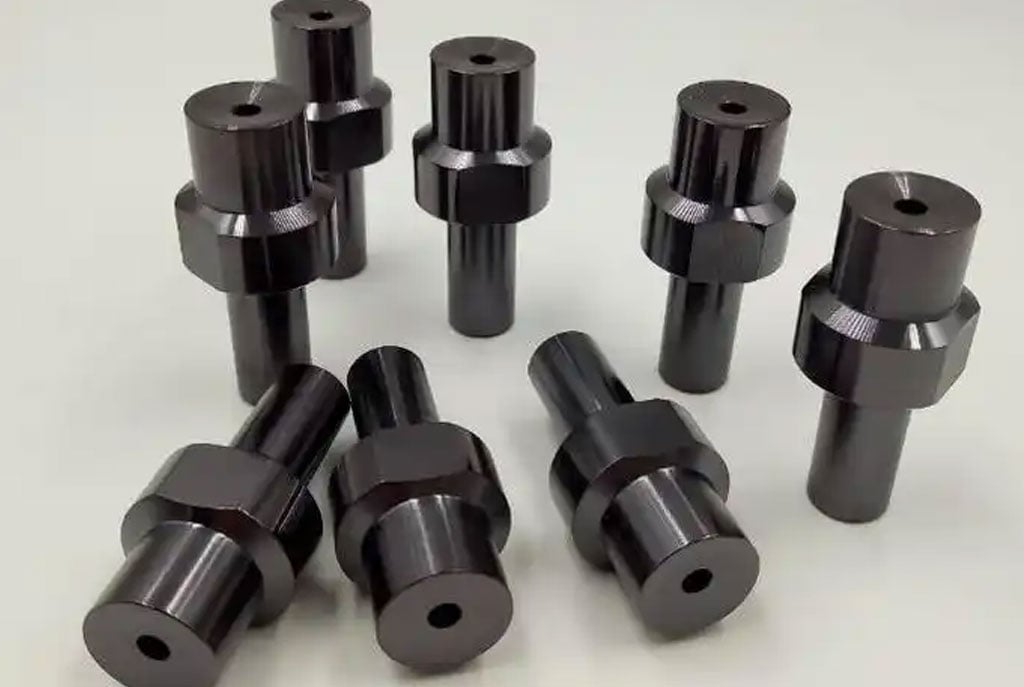
Comparison of PVD Coatings
The following table provides a detailed comparison of various PVD coatings used for forming tools:
| Coating Type | Hardness (HV) | Wear Resistance | Corrosion Resistance | Thermal Stability | Friction Coefficient |
|---|---|---|---|---|---|
| Titanium Nitride (TiN) | 2000-2400 | Good | Good | Moderate | 0.4-0.6 |
| Titanium Carbonitride (TiCN) | 2800-3200 | Excellent | Good | High | 0.3-0.5 |
| Chromium Nitride (CrN) | 1800-2200 | Good | Excellent | Moderate | 0.4-0.6 |
| Aluminum Titanium Nitride (AlTiN) | 3000-3500 | Excellent | Good | High | 0.3-0.5 |
| Diamond-Like Carbon (DLC) | 3500-4000 | Excellent | Good | High | 0.1-0.2 |
PVD Coating Parts & Case Studies
At Be-Cu.com we offer effective products, processes, services and ideas to meet our customer’s needs.Our extensive range of custom PVD Coating capabilities includes forming oxide coatings up to 2.0 mils and permanent finishes in distinct colors. Whether a customer is an original equipment manufacturer (OEM) for the automotive, military, or medical industry, we can meet their PVD Coating needs.View our PVD Coating case studies: