
PVD Coating For Forming Tool
Physical Vapor Deposition (PVD) is a vacuum coating process that involves the vaporization of a solid material and its subsequent condensation onto a substrate.
The process is carried out in a vacuum chamber, where the coating material is vaporized using various methods such as sputtering, arc evaporation, or electron beam evaporation. The vaporized material then condenses onto the substrate, forming a thin, uniform coating.
PVD coatings are known for their high hardness, excellent wear resistance, and good adhesion to the substrate. These properties make them ideal for forming tools, which require robust and durable surfaces to withstand the rigors of manufacturing processes.
BE-CU prototype company’s surface treatment partner and shareholder use PVD technology for coating a wide range of hardware, plastic, die-casting molds, cutting tools, and precision components.Common Problems of Hardware Molds:
- The working surface of the deep drawing die bites, pulls the material, and easily scratches the product. .
- The wear of the punching die blade, other processing temperatures are too high, causing the mouth to jump and burrs. ,
- High-strength stamping dies, due to the hard material, the mold is quickly damaged, and the size of the tool is reduced after repeated repairs.
| Coating Type | Thickness Range | Micro Hardness HV 0.05 | Friction vs. Steel | Operating Temperature(°C) | Deposition Temperature(°C) | Color | Ingredients And Use |
|---|---|---|---|---|---|---|---|
| FT-100 | 5-6 | 2500 | 0.4 | 600 | 450 | Golden | TiN |
| FT-110 | 1-3 | 2800 | 0.4 | 500 | 450 | Purple | TiCN |
| FT-203 | 6-8 | 3000 | 0.3 | 900 | 450 | Gray Black | CrN Plus |
| FT-401 | 4-6 | 3200 | 0.5 | 1000 | 400-500 | Gray Black | TiALCrN |
| FT-411 | 3-4 | 3000 | 0.3 | 1000 | 400-500 | Gray Black | PN+TiALCrN |
| FT-412 | 6-8 | 2500 | 0.1 | 500 | 400-500 | Black | TiALCrN+DLC |
Certifications & Quality Machining
- ISO 9001:2015 certified
- Fully compliant with the exacting requirements of our customers
- Compliance in DFARS materials sourcing requirements
- Strict compliance with PPAP and Process
- FMEA for automotive customers
- Skilled in KanBan and CMM Inspection and inventory management systems
- ITAF 16949 certified
Comparison of PVD Coatings
The following table provides a detailed comparison of various PVD coatings used for forming tools:
| Coating Type | Hardness (HV) | Wear Resistance | Corrosion Resistance | Thermal Stability | Friction Coefficient |
|---|---|---|---|---|---|
| Titanium Nitride (TiN) | 2000-2400 | Good | Good | Moderate | 0.4-0.6 |
| Titanium Carbonitride (TiCN) | 2800-3200 | Excellent | Good | High | 0.3-0.5 |
| Chromium Nitride (CrN) | 1800-2200 | Good | Excellent | Moderate | 0.4-0.6 |
| Aluminum Titanium Nitride (AlTiN) | 3000-3500 | Excellent | Good | High | 0.3-0.5 |
| Diamond-Like Carbon (DLC) | 3500-4000 | Excellent | Good | High | 0.1-0.2 |
PVD Coating Parts & Case Studies
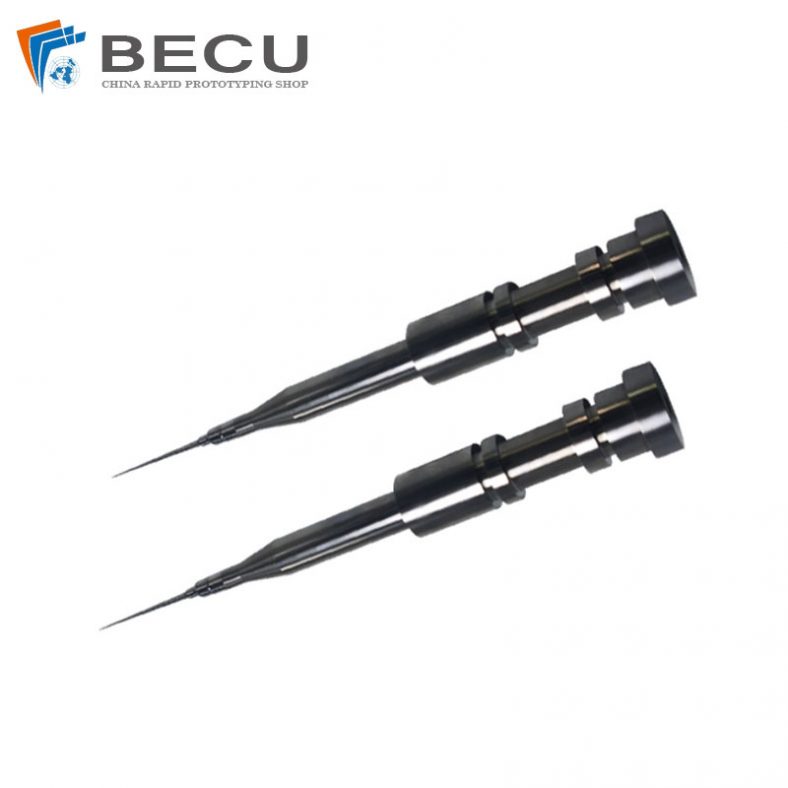
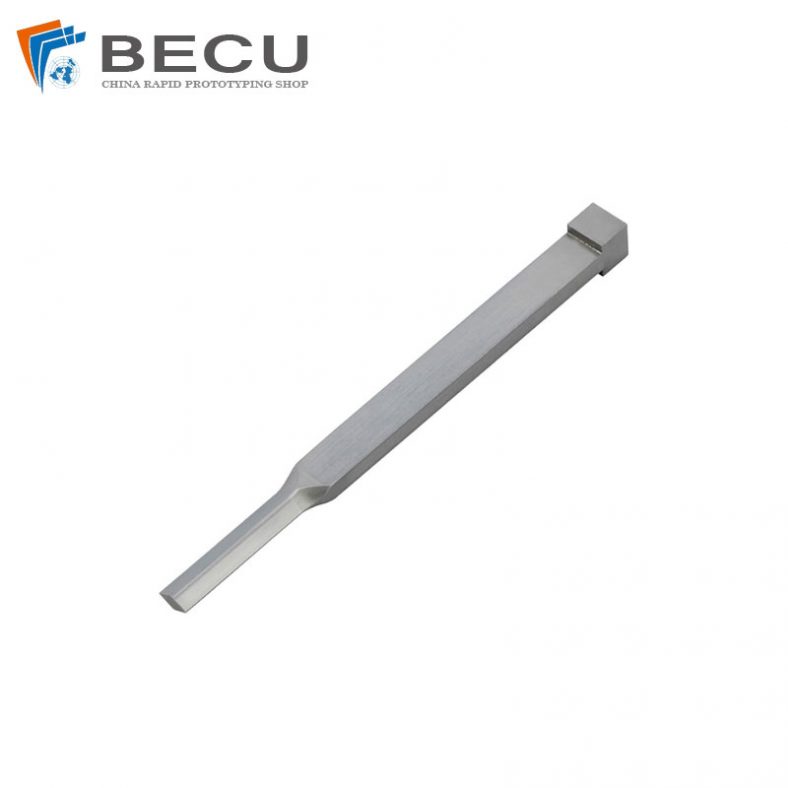
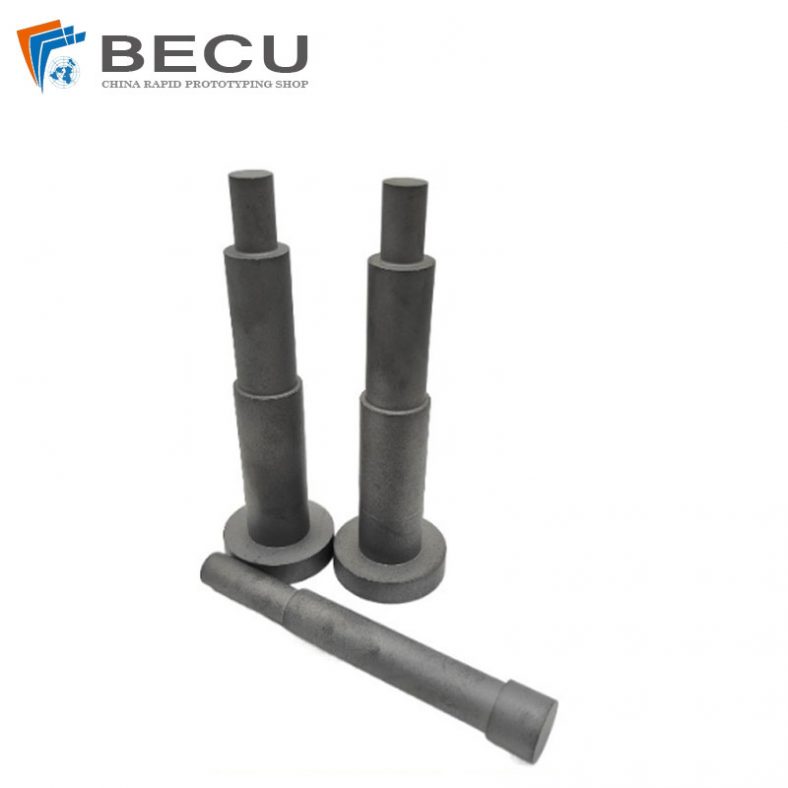
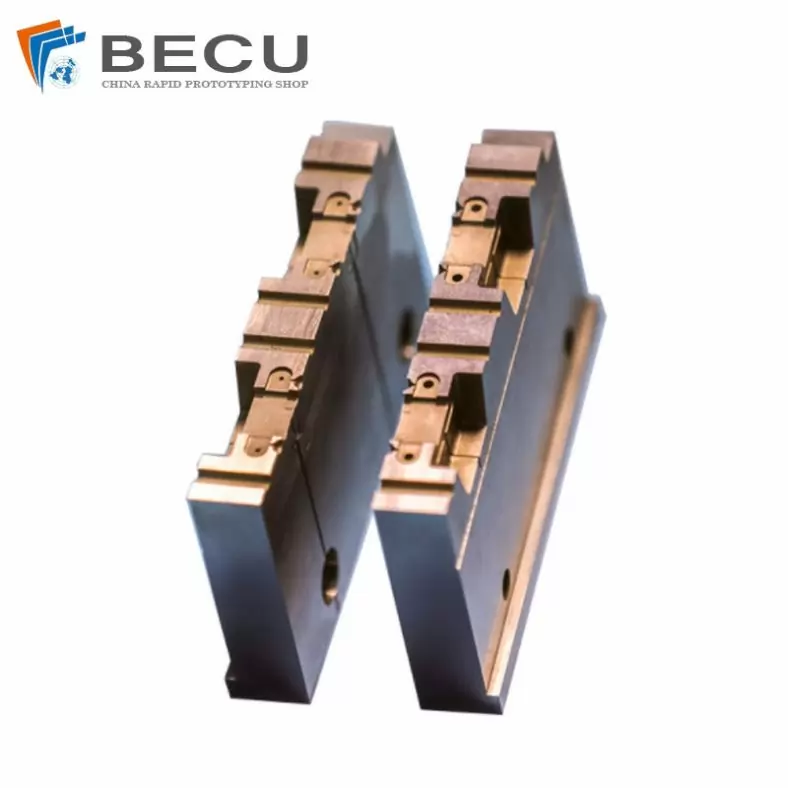
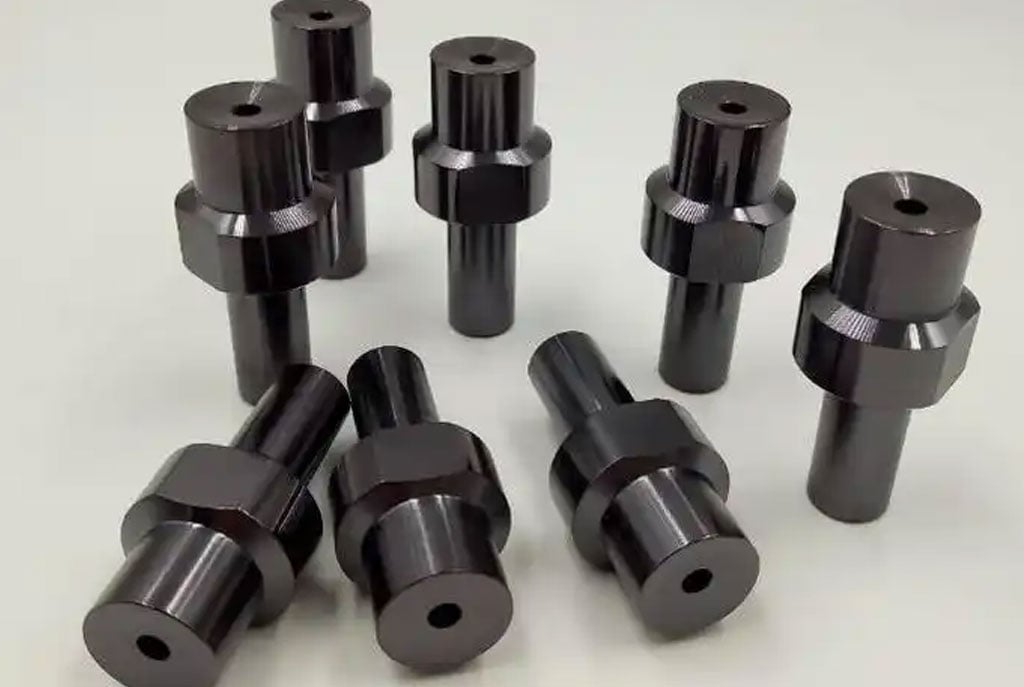
At Be-Cu.com we offer effective products, processes, services and ideas to meet our customer’s needs.Our extensive range of custom PVD Coating capabilities includes forming oxide coatings up to 2.0 mils and permanent finishes in distinct colors. Whether a customer is an original equipment manufacturer (OEM) for the automotive, military, or medical industry, we can meet their PVD Coating needs.View our PVD Coating case studies: