
Aluminum gauge thickness refers to the specific measurement of thickness or the cross-sectional width of aluminum sheets, plates, and foils. Gauge systems, particularly in aluminum and other metals, allow for the precise control of material thickness during manufacturing. Understanding the system of aluminum gauge thickness is crucial for industries like aerospace, automotive, construction, and electronics, where material weight, strength, and conductivity play a role.
Aluminum gauge is typically measured using standard gauges, which correlate to specific thickness values. These values can differ depending on the standard used (e.g., the American Standard Gauge), and they help manufacturers to meet specific product and application requirements.
The gauge system offers a quick reference point, allowing users to understand the thickness of the aluminum without necessarily needing direct thickness measurements.
This article explores the basics of gauge systems for aluminum, their historical development, specific industry applications, the importance of gauge in material selection, and how thickness affects the material’s properties.
Historical Development of Gauge Systems
Origins of the Gauge System
The gauge system originated in the early days of industrial manufacturing as a standardized way to measure the thickness of metals. Initially, it was based on the number of times a sheet of metal could be drawn through a die. Over time, this evolved into a system where each gauge number correlates to a specific thickness.
The concept of using gauges to describe material thickness dates back to the early 19th century, when industrialization spurred the mass production of materials. The system was developed to ensure that metals could be consistently produced at precise thicknesses for various applications.
Evolution and Adoption for Aluminum
While the gauge system was initially developed for iron and steel, it was later adapted for aluminum as the metal gained popularity in the 20th century. Aluminum’s lightweight, corrosion-resistant, and highly conductive properties made it a valuable material for industries ranging from aviation to packaging.
The aluminum industry adopted the gauge system to provide a consistent method for measuring thickness, particularly as aluminum sheet and foil production ramped up during World War II. Today, aluminum gauge thickness continues to be a critical factor in the metal’s use across various industries.
Understanding Aluminum Gauge Thickness
Gauge is a numerical designation that represents the thickness of aluminum (or other metals). It is inversely proportional to the actual thickness: a higher gauge number indicates a thinner material, and a lower gauge number corresponds to a thicker material.
For example, 12-gauge aluminum is thicker than 24-gauge aluminum. The specific thickness in inches or millimeters varies based on the gauge number, but generally, the thickness decreases as the gauge number increases.
Gauge Conversion and Standardization
The aluminum industry often uses specific conversion charts to link gauge numbers with thickness measurements in inches or millimeters. For instance, the most widely used standard in North America is the American Wire Gauge (AWG), which is used for non-ferrous metals like aluminum. However, different standards may apply depending on regional or industry-specific requirements.
A commonly used conversion chart for aluminum sheet metal thickness includes the following measurements:
- 10 gauge: 0.1019 inches (2.588 mm)
- 12 gauge: 0.0808 inches (2.052 mm)
- 14 gauge: 0.0641 inches (1.628 mm)
- 16 gauge: 0.0508 inches (1.290 mm)
- 18 gauge: 0.0403 inches (1.024 mm)
- 20 gauge: 0.0320 inches (0.813 mm)
It is important to note that the gauge-to-thickness relationship for aluminum is not the same as for other metals like steel. Different gauge systems exist for different metals due to their inherent properties and typical applications.
Thickness Range of Aluminum Sheets
Aluminum comes in various thicknesses depending on the intended application. Thin foils can be as light as 0.00017 inches (0.004 mm), while heavy-duty plates used in structural applications can exceed 1 inch (25.4 mm) in thickness. Gauge thickness provides an easy way to refer to these different material thicknesses, making it easier for engineers, builders, and designers to select the appropriate aluminum for their projects.
Importance of Gauge in Manufacturing
Aluminum gauge thickness plays a critical role in the manufacturing process. It affects several key properties of the aluminum, including:
- Weight: The thinner the aluminum, the lighter it is. In industries like aerospace and automotive, where weight reduction is critical, gauge thickness is a key factor.
- Strength: Thicker aluminum typically has greater strength and durability. Structural applications that require load-bearing capability often require lower-gauge (thicker) materials.
- Flexibility: Thinner aluminum is more flexible and can be used for applications like packaging or electrical wiring, where bendability is important.
Aluminum Gauge Thickness Chart
This chart typically starts from the thicker gauges (lower numbers) to the thinner gauges (higher numbers).
| Gauge Number | Thickness (inches) | Thickness (millimeters) |
|---|---|---|
| 0000 (4/0) | 0.5800 | 14.732 |
| 000 (3/0) | 0.4096 | 10.403 |
| 00 (2/0) | 0.3648 | 9.265 |
| 0 (1/0) | 0.3249 | 8.255 |
| 1 | 0.2893 | 7.348 |
| 2 | 0.2576 | 6.543 |
| 3 | 0.2294 | 5.827 |
| 4 | 0.2043 | 5.189 |
| 5 | 0.1819 | 4.620 |
| 6 | 0.1620 | 4.115 |
| 7 | 0.1443 | 3.664 |
| 8 | 0.1285 | 3.264 |
| 9 | 0.1144 | 2.906 |
| 10 | 0.1019 | 2.588 |
| 11 | 0.0907 | 2.304 |
| 12 | 0.0808 | 2.052 |
| 13 | 0.0720 | 1.829 |
| 14 | 0.0641 | 1.628 |
| 15 | 0.0571 | 1.450 |
| 16 | 0.0508 | 1.290 |
| 17 | 0.0453 | 1.151 |
| 18 | 0.0403 | 1.024 |
| 19 | 0.0359 | 0.912 |
| 20 | 0.0320 | 0.813 |
| 21 | 0.0285 | 0.724 |
| 22 | 0.0253 | 0.643 |
| 23 | 0.0226 | 0.574 |
| 24 | 0.0201 | 0.511 |
| 25 | 0.0179 | 0.455 |
| 26 | 0.0159 | 0.404 |
| 27 | 0.0142 | 0.361 |
| 28 | 0.0126 | 0.320 |
| 29 | 0.0113 | 0.287 |
| 30 | 0.0100 | 0.254 |
| 31 | 0.0089 | 0.226 |
| 32 | 0.0080 | 0.203 |
| 33 | 0.0071 | 0.180 |
| 34 | 0.0063 | 0.160 |
| 35 | 0.0056 | 0.142 |
| 36 | 0.0050 | 0.127 |
| 37 | 0.0045 | 0.114 |
| 38 | 0.0040 | 0.102 |
| 39 | 0.0035 | 0.089 |
| 40 | 0.0031 | 0.079 |
This table is specific to aluminum; gauge values for other metals (e.g., steel) may differ.
The values in this chart are typical for standard aluminum sheet metal and may slightly vary based on the aluminum alloy.
Applications of Aluminum by Gauge Thickness
Construction
In the construction industry, aluminum sheet and plate are used for roofing, siding, and structural components. The gauge of the material determines its suitability for various applications. Thicker aluminum sheets (lower gauge) are used in load-bearing components, while thinner sheets are used for cladding and other non-structural elements.
Aerospace
Aluminum is widely used in the aerospace industry due to its strength-to-weight ratio and corrosion resistance. Aluminum gauge thickness is crucial for designing aircraft fuselage, wings, and other components. Typically, lower-gauge, thicker aluminum is used in structural parts, while higher-gauge, thinner materials are employed in areas where weight is more critical than strength.
Automotive
The automotive industry uses aluminum in body panels, engine components, and wheels. With the push toward more fuel-efficient vehicles, the use of thinner (higher-gauge) aluminum has increased to reduce vehicle weight without sacrificing safety or performance.
Packaging
Aluminum foil is used extensively in the packaging industry. Foil thickness can range from 0.00017 to 0.0059 inches (0.004 to 0.150 mm), depending on the application. The gauge of aluminum foil is critical for determining its strength, barrier properties, and cost.
Electronics
Aluminum is used in electronic components like heat sinks and wiring. The gauge of the material affects its electrical conductivity and heat dissipation properties. Thinner, higher-gauge aluminum is often used in wiring, while thicker, lower-gauge aluminum is employed in heat sinks.
Factors Influencing Aluminum Gauge Selection
Material Properties
When selecting aluminum by gauge, engineers and designers must consider the material’s physical properties, including tensile strength, yield strength, ductility, and thermal conductivity. Different alloys of aluminum, such as 6061 or 7075, also offer varying properties that can affect the gauge selection.
Cost
Thicker aluminum (lower gauge) is typically more expensive due to the higher material cost. In some industries, balancing performance with cost is crucial, particularly in large-scale production.
Corrosion Resistance
Thicker aluminum often has better resistance to wear and corrosion, making it suitable for outdoor applications or environments where the material is exposed to moisture or chemicals.
Manufacturability
Thinner aluminum (higher gauge) is easier to cut, bend, and shape, making it more suitable for applications requiring intricate designs or fine tolerances.
Common Alloys and Gauge Applications
Different aluminum alloys are suited to specific gauge thicknesses based on their mechanical properties. Some common alloys include:
- 6061: A versatile alloy used in various gauges for structural applications due to its strength and corrosion resistance.
- 3003: A softer alloy typically used in thinner gauges for applications like roofing and siding.
- 7075: A high-strength alloy used in lower-gauge applications where maximum strength is required, such as in aerospace.
Regional and Industry-Specific Gauge Standards
North America
In North America, aluminum gauge thickness is typically defined by the American Standard Gauge system. This system is commonly used across industries, particularly in construction and manufacturing.
Europe
European standards, such as those set by the European Committee for Standardization (CEN), may use millimeter-based measurements rather than gauge numbers. This can result in slight variations in thickness compared to the North American system.
Specialized Industries
Certain industries, such as aerospace or electronics, may have their own specialized gauge standards to meet stringent performance requirements. For example, aerospace manufacturers may adhere to specifications set by organizations like the Federal Aviation Administration (FAA) or the European Aviation Safety Agency (EASA).







The Detail Of BE-CU Cnc Machining Shop
BE-CU.COM – As an accomplished CNC machining Service Manufacturer and CNC shop, BE-CU Prototype has been specialized in OEM CNC lathing, custom CNC machining parts production and rapid CNC machining services China for over 35 years and always maintaining the highest standard in delivery speed and reliable quality of precision CNC manufacturing components. With the help of high-level technology and efficient equipment, as well as rigorous attitude, BE-CU passed the ISO9001:2015 quality certification, which supports the long-term development of CNC milling services, CNC turning services, CNC milling-turning, CNC drilling services, 3/4/5 axis machining, gear machining services, CNC machining China custom parts and service, small parts machining, etc.Our CNC machining products can be utilized in a broad range of industries. Contact us for email: [email protected]

-
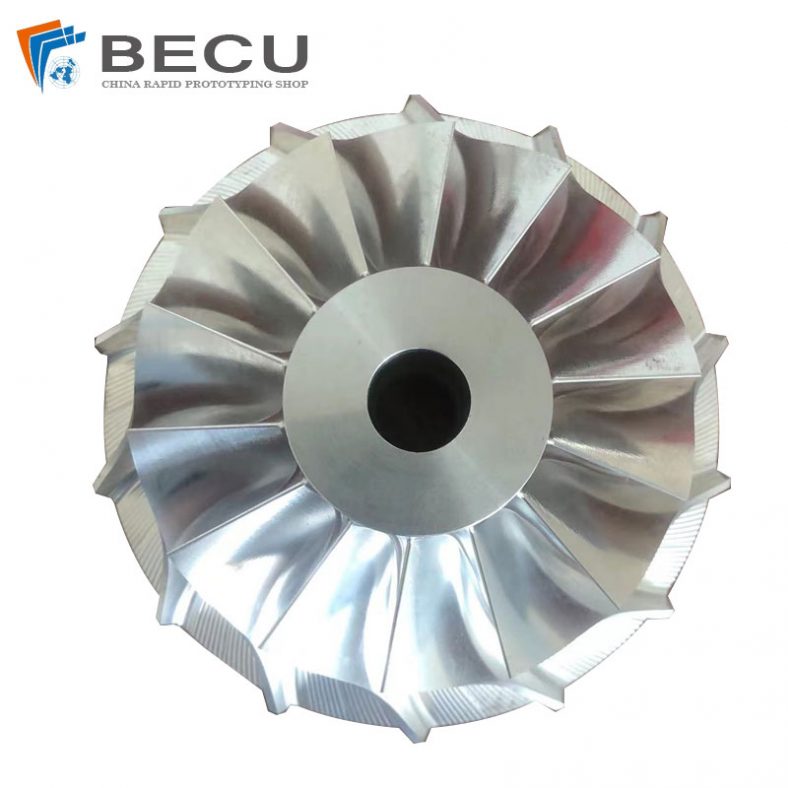
3-Way Centrifugal Compressor Closed Impeller By 5 Axis Machining
-

3/4/5 Axis Precision Milling Custom Vehicle Parts
-
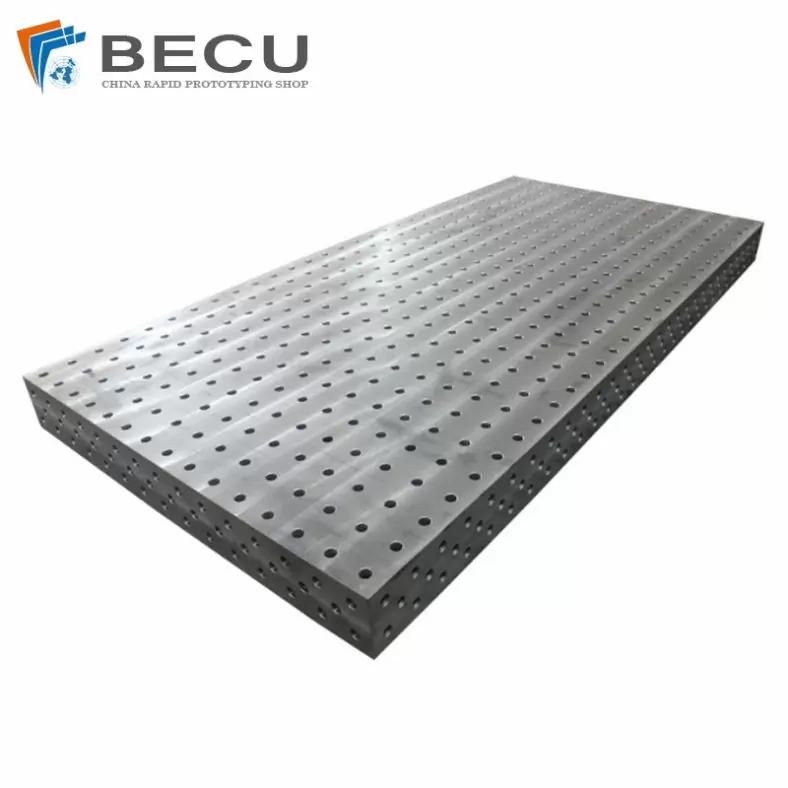
3D Flexible Welding Platform By Large Machining
-
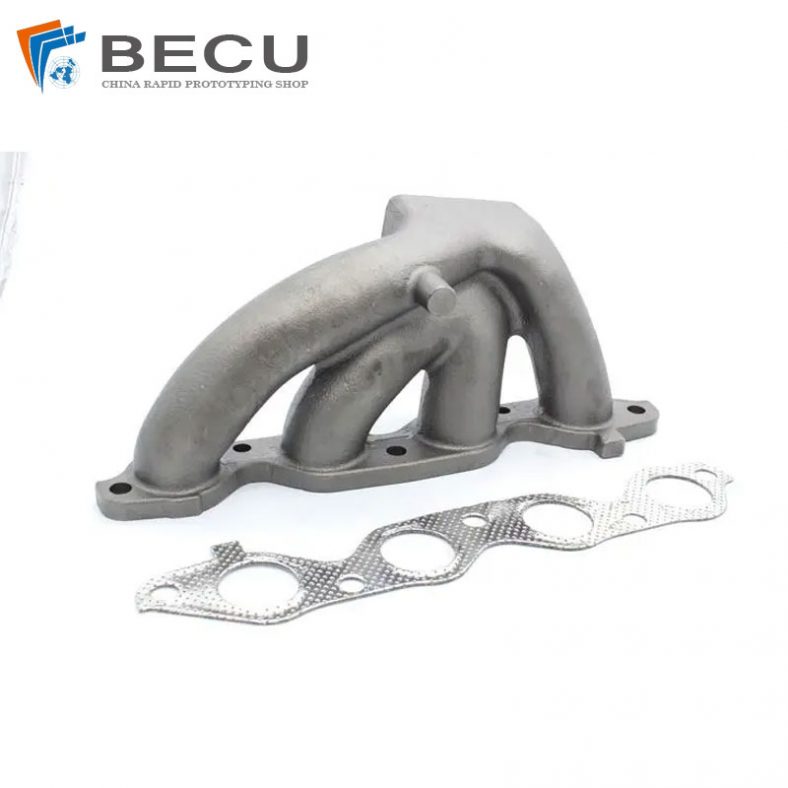
3D Printed Inconel Exhaust Manifold
-
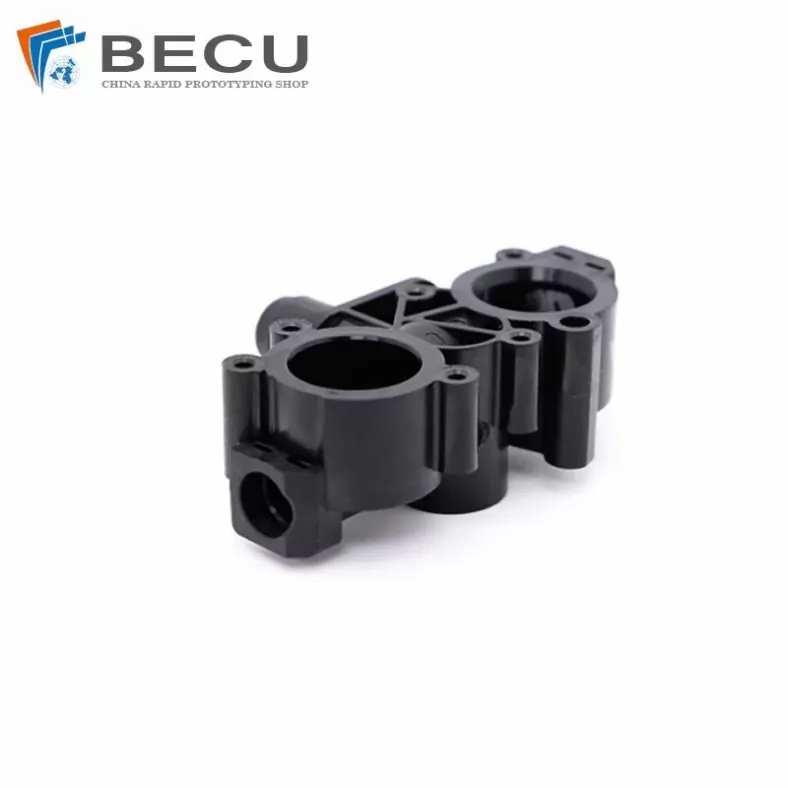
3D Printing And CNC Machining Custom Black PPS Valve
-
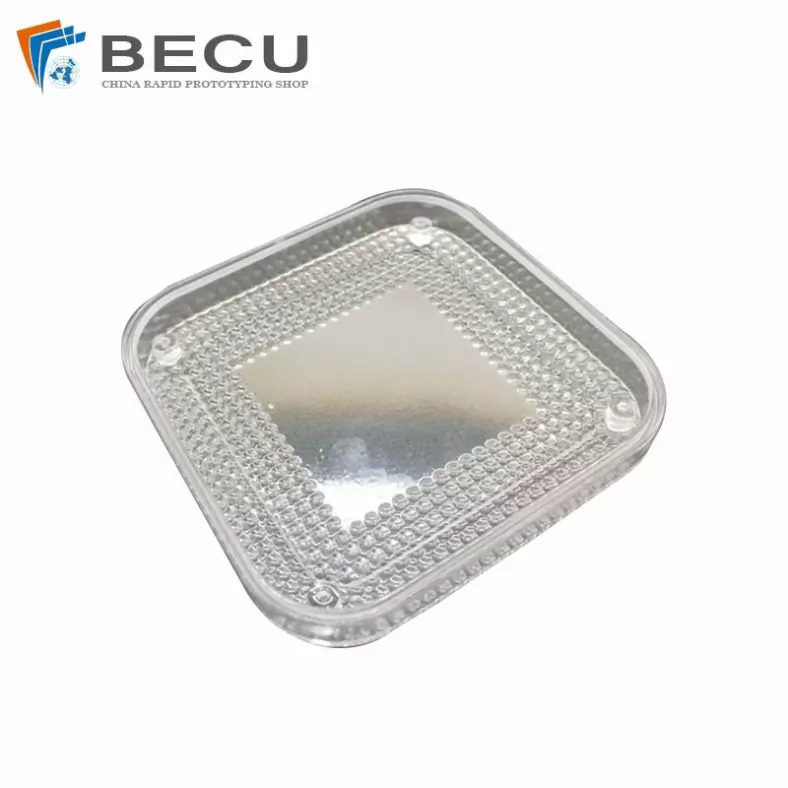
3D Printing Full Transparent Acrylic Lampshade Model
-
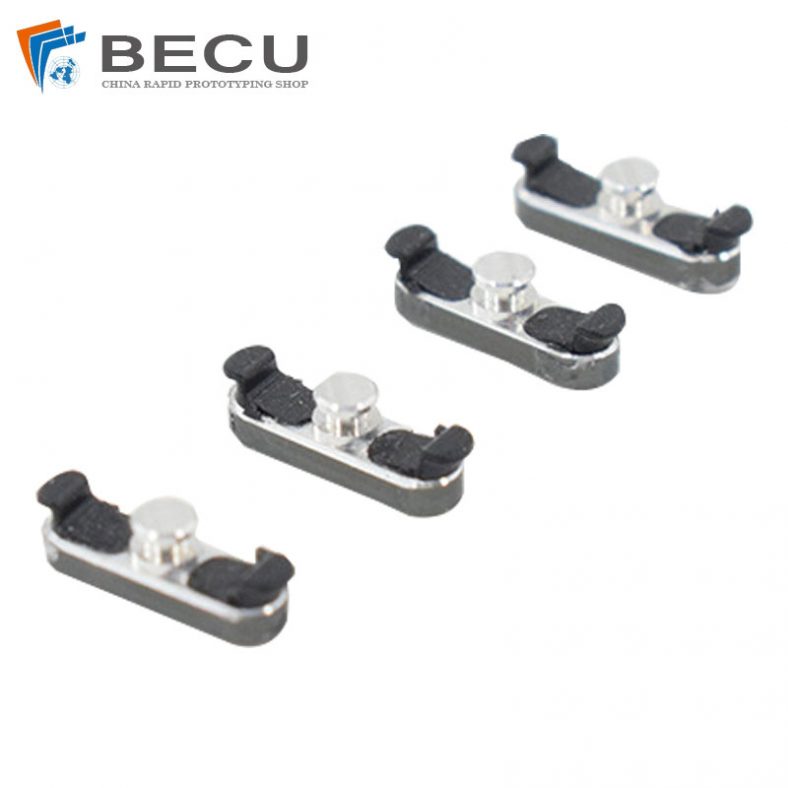
4 Axis CNC Machining Titanium Grade 5 Mobile Phone Buttons
-
4 Axis Machining Highly Transparent Acrylic LED Tunnel Light Lens