
Medical machining is a highly specialized sector within the manufacturing industry that involves the precision machining of components used in medical devices, instruments, and implants. The healthcare industry relies on an array of machined components that range from the complex and delicate parts of surgical instruments to the robust and durable materials used in orthopedic implants. These components must adhere to stringent standards of quality, precision, and reliability, as they directly impact patient safety, medical outcomes, and regulatory compliance. As such, selecting the right company for medical machining is a critical decision for any healthcare or medical device manufacturer. This decision can affect the quality of the final product, the efficiency of the manufacturing process, and ultimately, the success of the medical device or implant in the market.
Choosing a company for medical machining involves evaluating various factors such as technical expertise, production capabilities, regulatory certifications, experience in the medical field, and the ability to meet the specific needs of a medical device manufacturer. Additionally, considerations around materials, production timelines, cost efficiency, and customer service play a significant role in the decision-making process. The following sections explore these factors in detail, providing guidance on how to select the best machining partner for medical device production.
Understanding the Medical Machining Process
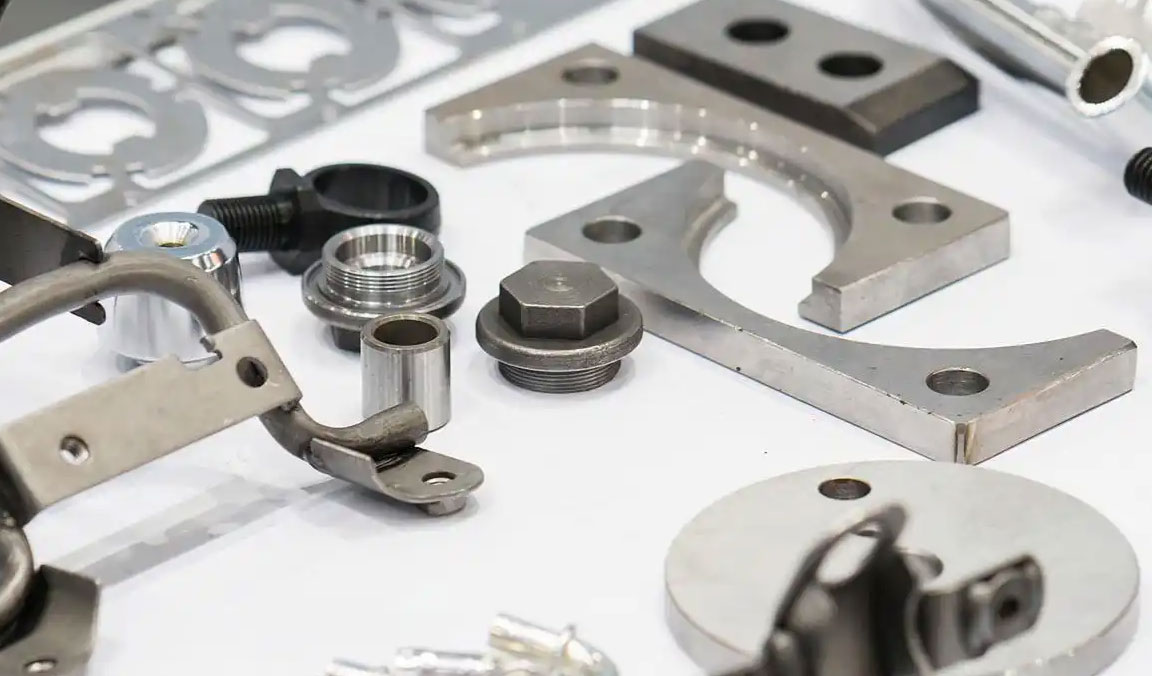
Medical machining involves a range of manufacturing techniques used to create high-precision components from materials like stainless steel, titanium, ceramics, and polymers. These materials must often meet specific requirements for biocompatibility, strength, and corrosion resistance, depending on the application. The machining processes used in medical manufacturing include traditional methods such as CNC turning, milling, and grinding, as well as advanced techniques such as laser cutting, electron beam machining, and additive manufacturing.
Precision is paramount in medical machining, as even the smallest deviation from the required specifications can result in product failure, potentially leading to catastrophic consequences in a medical environment. Therefore, companies offering medical machining services must have sophisticated equipment, highly trained staff, and robust quality control processes in place to ensure that each component is manufactured to the exacting standards required by the medical industry.
Evaluating Technical Expertise and Capabilities
When selecting a company for medical machining, one of the most important factors to consider is the company’s technical expertise and machining capabilities. Medical machining often requires highly specialized equipment and skill sets to produce intricate parts with tight tolerances. The complexity of medical devices—ranging from surgical instruments to implantable devices—necessitates the use of advanced machining technologies, such as multi-axis CNC machining, precision grinding, and EDM (electrical discharge machining).
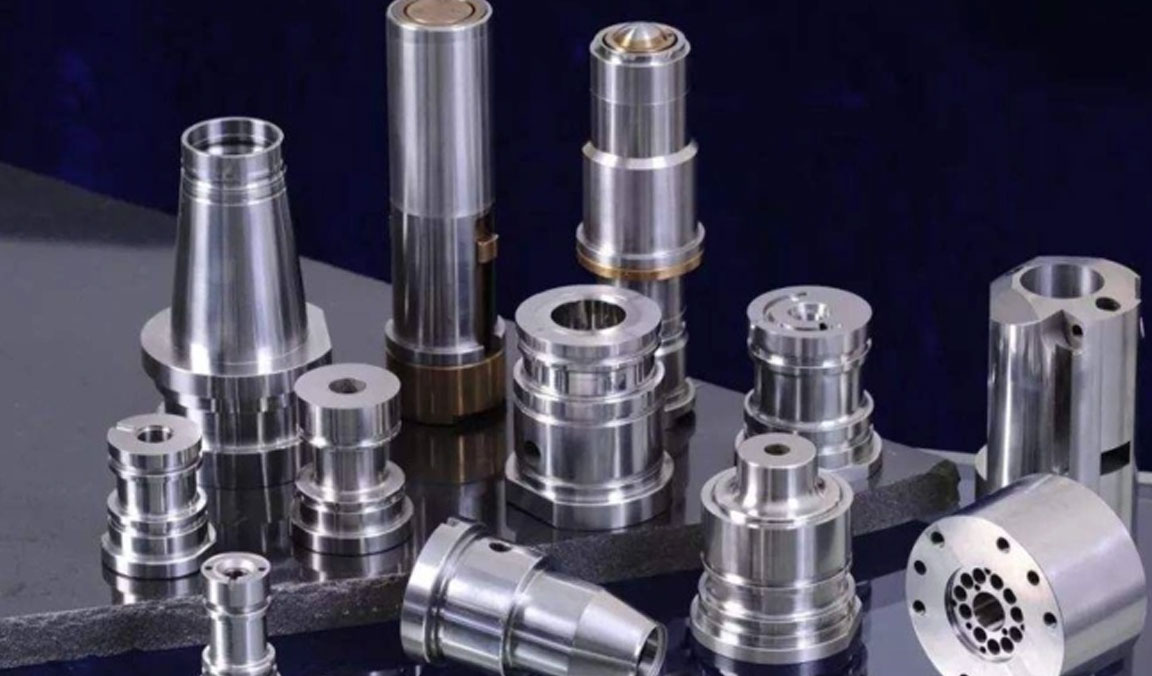
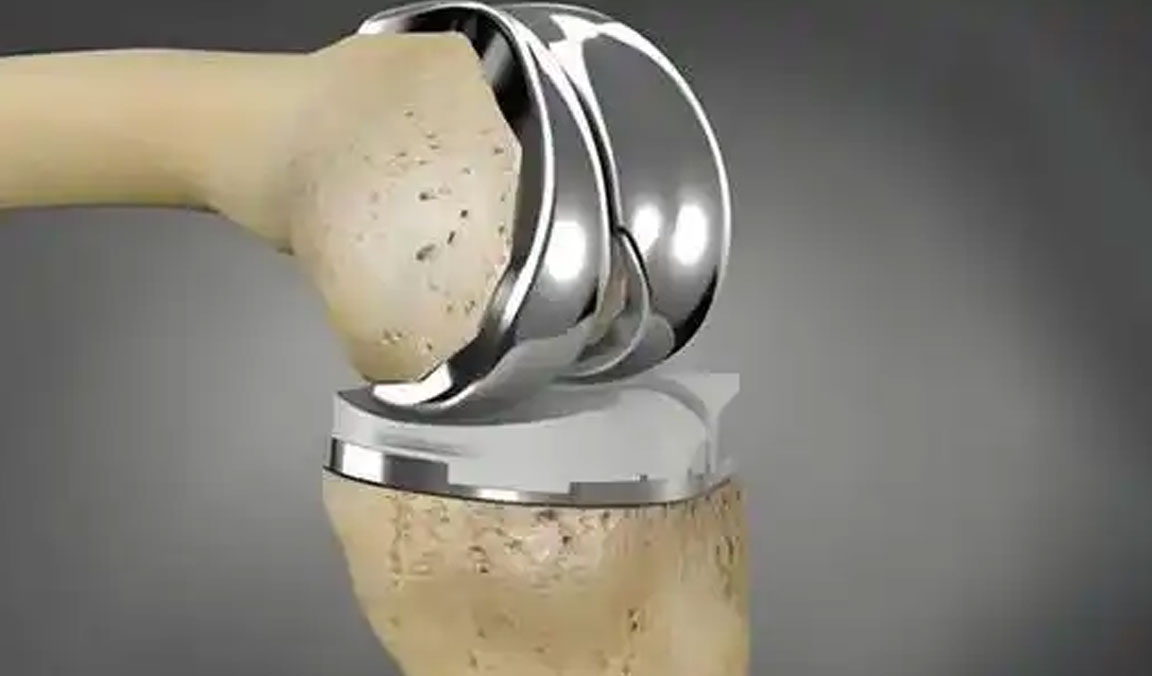
To assess a company’s technical capabilities, manufacturers should inquire about the types of machinery they use, the materials they are able to process, and their proficiency with specific techniques that are critical to the medical industry. For instance, when machining orthopedic implants, companies must have experience working with materials like titanium and cobalt-chromium alloys, which are commonly used in such applications due to their strength, wear resistance, and biocompatibility. Likewise, manufacturers of surgical instruments or diagnostic tools will need a company with expertise in machining fine features and complex geometries.
A reputable machining company should be able to demonstrate their capabilities through case studies or examples of previous medical machining projects. This can provide insight into their experience with specific types of devices, materials, and processes. It is also beneficial to inquire about the company’s research and development capabilities, as ongoing innovation and the ability to meet the evolving demands of the medical industry are key to ensuring long-term success.
Regulatory Compliance and Certifications
Medical devices are subject to strict regulatory oversight to ensure that they are safe and effective for use in healthcare settings. As such, it is essential to choose a medical machining company that is well-versed in the regulatory requirements that govern the industry.
Some of the most important regulations include the FDA’s Good Manufacturing Practices (GMP), ISO 13485 certification for quality management systems, and ISO 9001 for general quality standards.
For companies producing implantable devices or other products that come into direct contact with patients, compliance with biocompatibility standards is also crucial. This includes adherence to ISO 10993, which specifies the requirements for testing the biological safety of medical devices. Companies that are ISO 13485 certified have demonstrated their commitment to maintaining high-quality processes and ensuring that their products meet the regulatory requirements for medical device manufacturing.
Choosing a company with the appropriate certifications ensures that the medical device components are manufactured in a controlled environment that meets industry standards. Furthermore, a company that adheres to regulatory guidelines is less likely to face compliance issues, which could delay production or result in costly recalls. Manufacturers should request evidence of these certifications and inquire about the company’s approach to maintaining compliance throughout the production process.
Experience in the Medical Industry
While technical expertise and regulatory compliance are essential, experience within the medical industry is equally important when selecting a medical machining partner. Companies that specialize in medical machining often have a deeper understanding of the specific challenges associated with medical device manufacturing, including the need for precision, reliability, and traceability.
An experienced machining company will be familiar with the nuances of various medical applications, from the production of components for diagnostic equipment to the manufacture of surgical instruments or orthopedic implants. This familiarity enables them to better anticipate the needs of medical device manufacturers and offer solutions that are both effective and cost-efficient.
Experience also plays a key role in addressing the often-complex requirements of medical device production. For example, when manufacturing implants, considerations like material selection, surface finishing, and sterilization processes must be taken into account to ensure that the final product is both functional and safe for patient use. Companies with experience in medical machining will be able to provide expert advice on these matters and help manufacturers navigate the complexities of medical device production.
Quality Control and Inspection Procedures
Given the critical nature of medical devices, the quality control processes of a machining company are of utmost importance. Medical devices must meet rigorous standards for performance, safety, and durability, and the machining process plays a significant role in ensuring that these standards are met. A medical machining company should have robust quality control systems in place, including the use of advanced inspection technologies such as coordinate measuring machines (CMM), optical measurement systems, and surface finish testers.
It is essential to evaluate the company’s approach to quality control throughout the entire production process. This includes not only final inspection but also in-process checks and controls to catch any potential defects early on. Some companies also implement automated systems for real-time monitoring of the machining process, which can help ensure that tolerances are maintained consistently across large production runs.
Moreover, the company’s ability to provide detailed documentation and traceability is an important aspect of quality control in the medical industry. This includes maintaining records of each component’s manufacturing process, material certifications, and test results. Traceability is particularly important in the event of a product recall, as it allows manufacturers to quickly identify and isolate any affected components.
Cost Considerations and Value Proposition
While price is always an important factor in choosing a supplier, it is essential to remember that the lowest cost may not always equate to the best value. When it comes to medical machining, the cost of production must be balanced with the need for high-quality, reliable components that meet regulatory requirements. Therefore, manufacturers should consider the overall value proposition offered by the machining company, which includes factors such as production speed, quality, expertise, and customer service.
Companies that offer competitive pricing without sacrificing quality or service are often the best choice for medical device manufacturers. It is important to carefully evaluate quotes from potential machining companies, taking into account all relevant factors, including the complexity of the parts being manufactured, the materials used, and the volume of production.
In some cases, it may be worth paying a premium for a machining company that has a proven track record in the medical industry or specializes in high-precision manufacturing. The reliability and safety of medical devices are of paramount importance, and working with a company that can deliver consistently high-quality products is well worth the investment.
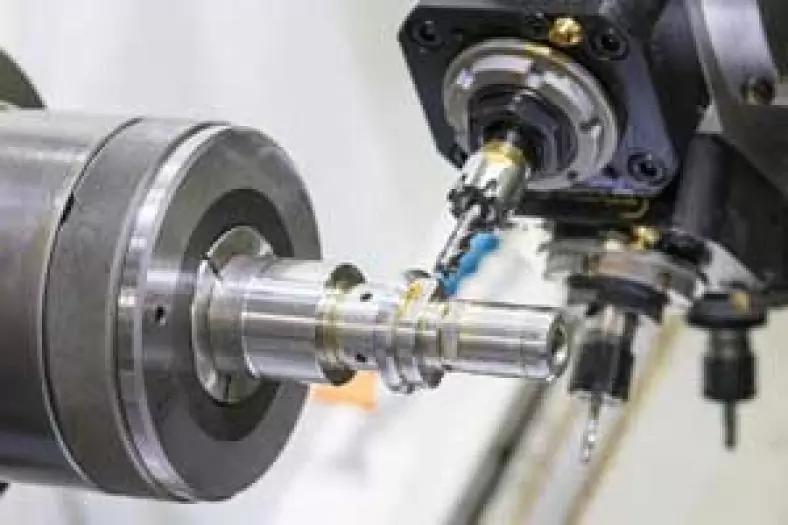
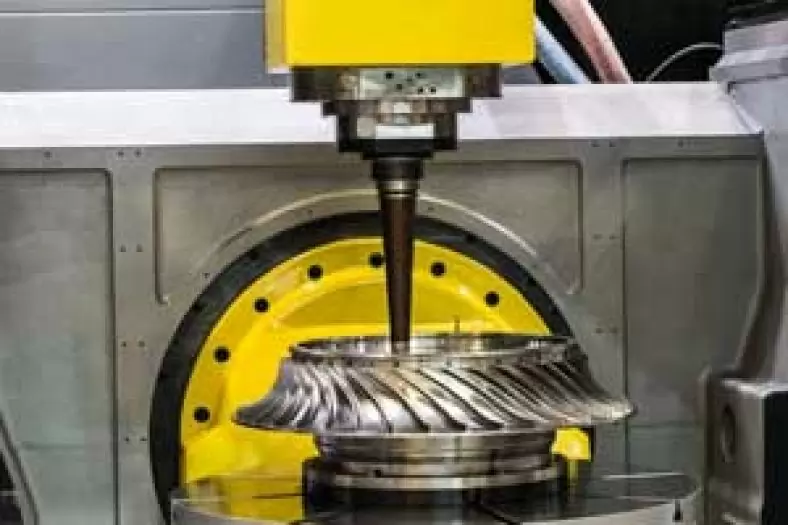
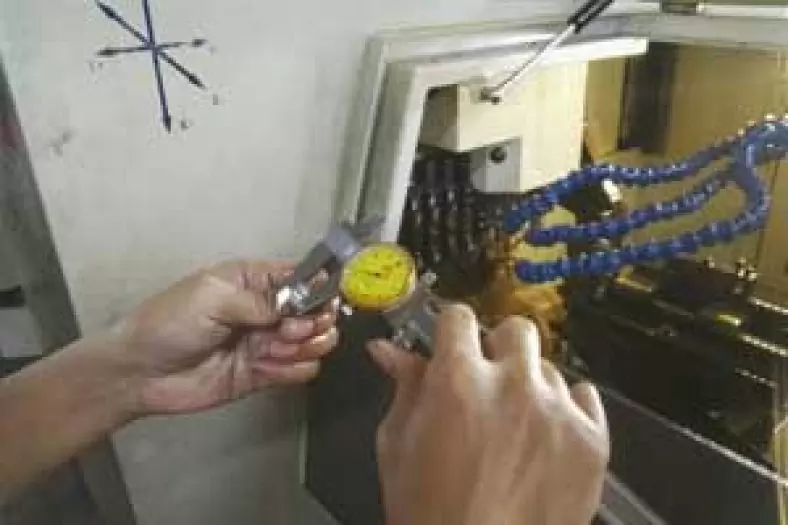
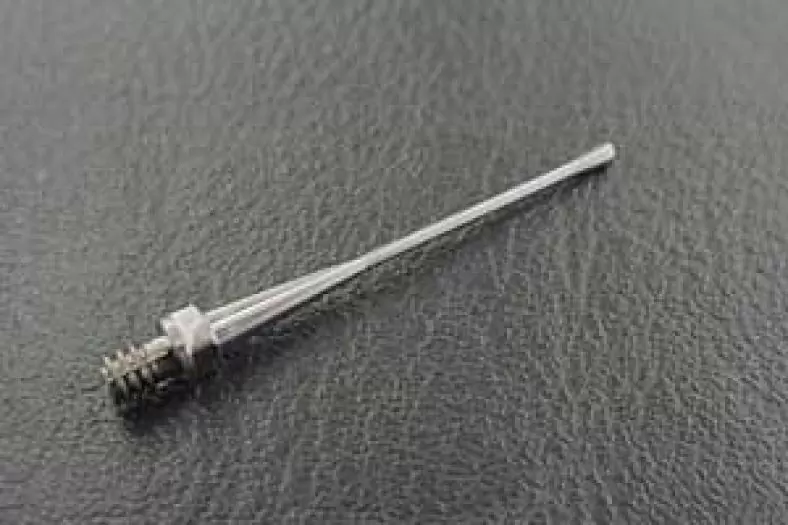
The Detail Of BE-CU Cnc Machining Shop
BE-CU.COM – As an accomplished CNC machining Service Manufacturer and CNC shop, BE-CU Prototype has been specialized in OEM CNC lathing, custom CNC machining parts production and rapid CNC machining services China for over 35 years and always maintaining the highest standard in delivery speed and reliable quality of precision CNC manufacturing components. With the help of high-level technology and efficient equipment, as well as rigorous attitude, BE-CU passed the ISO9001:2015 quality certification, which supports the long-term development of CNC milling services, CNC turning services, CNC milling-turning, CNC drilling services, 3/4/5 axis machining, gear machining services, CNC machining China custom parts and service, small parts machining, etc.Our CNC machining products can be utilized in a broad range of industries. Contact us for email: [email protected]
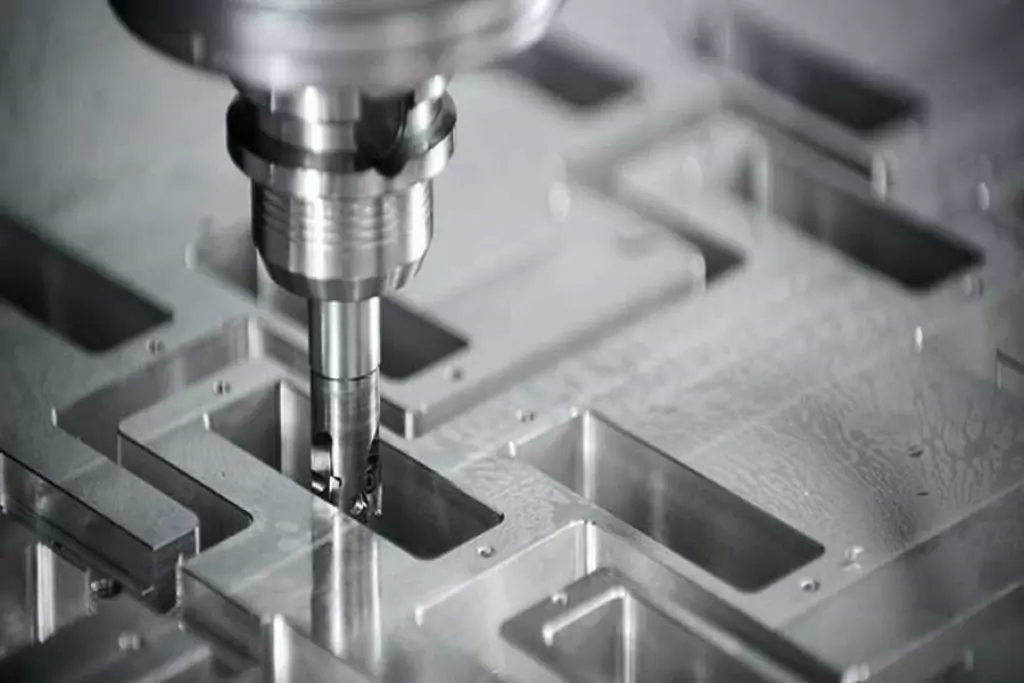
-
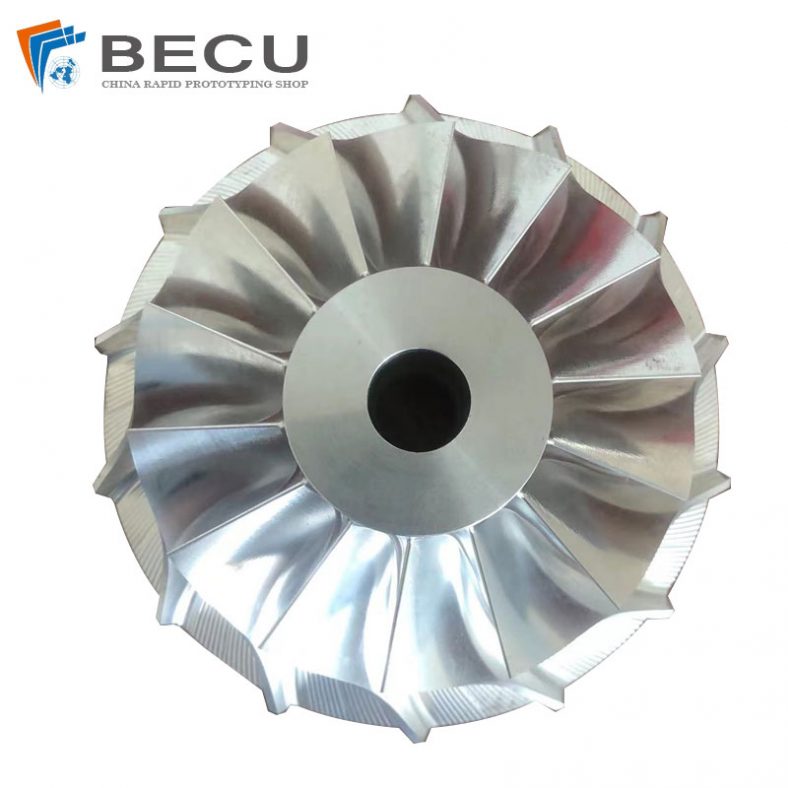
3-Way Centrifugal Compressor Closed Impeller By 5 Axis Machining
-

3/4/5 Axis Precision Milling Custom Vehicle Parts
-
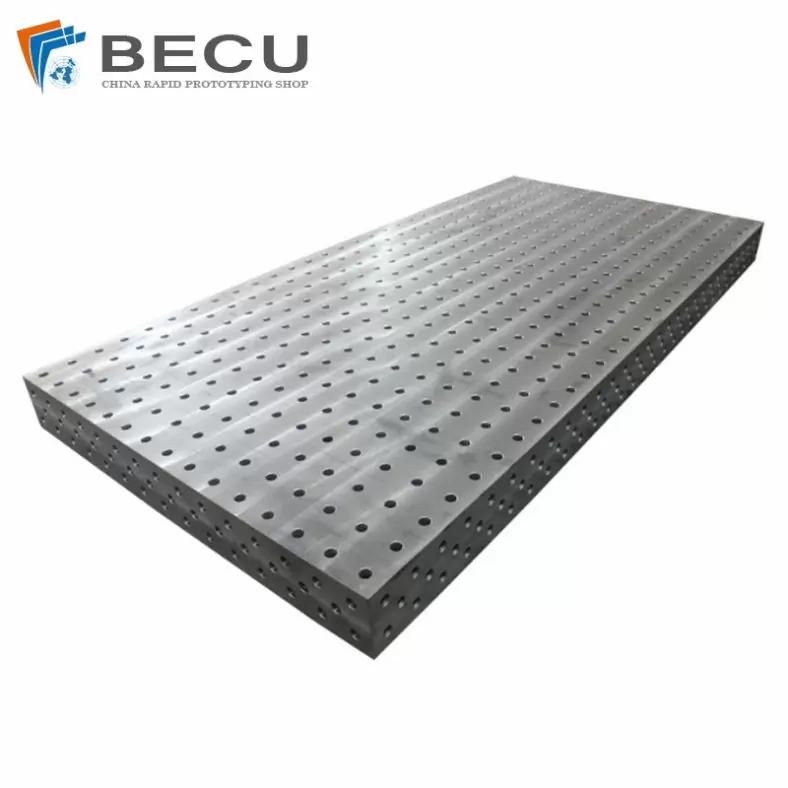
3D Flexible Welding Platform By Large Machining
-
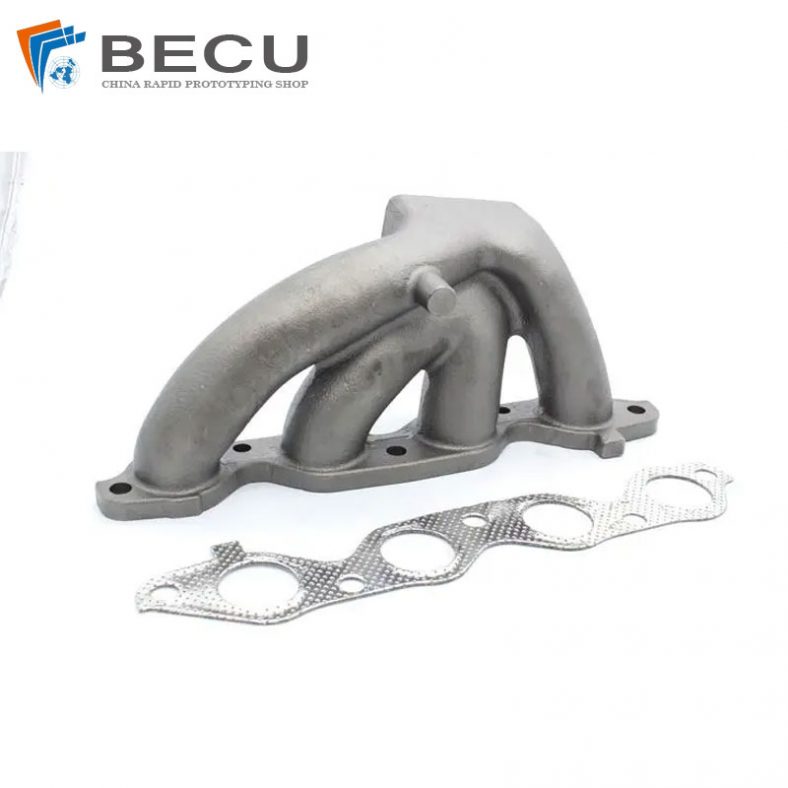
3D Printed Inconel Exhaust Manifold
-
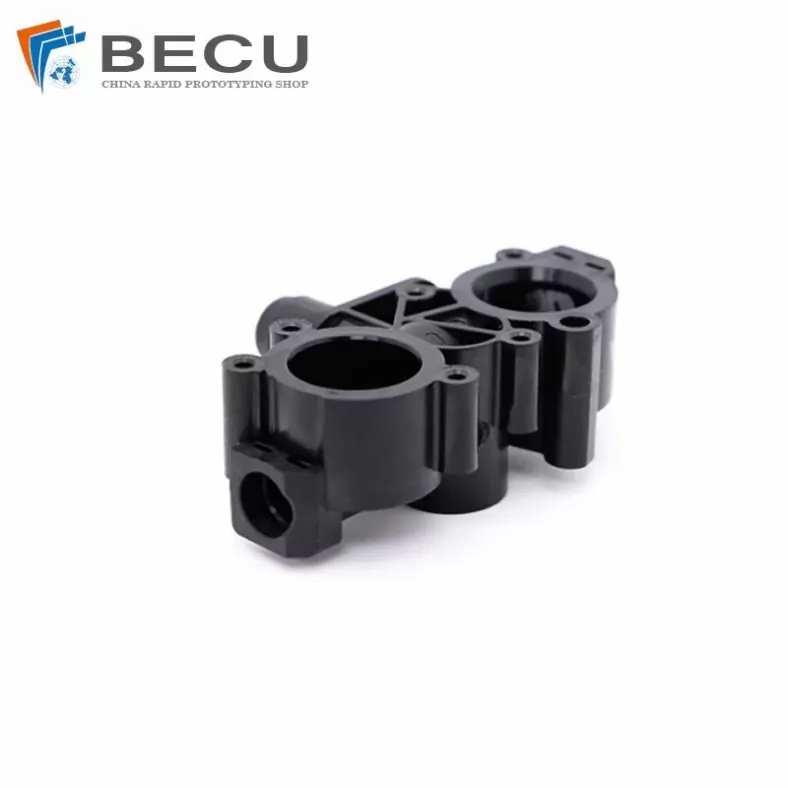
3D Printing And CNC Machining Custom Black PPS Valve
-
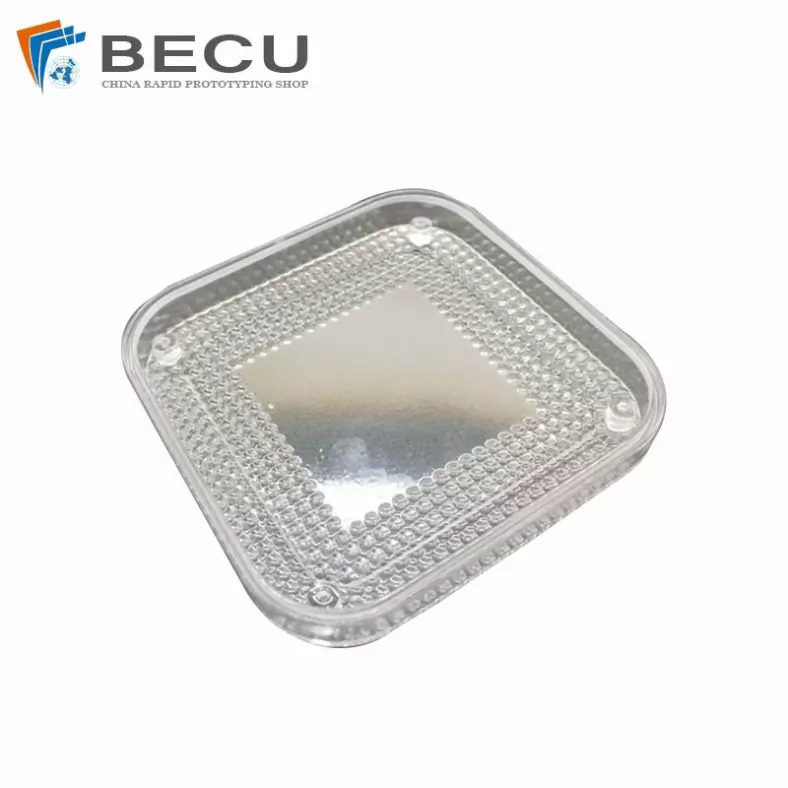
3D Printing Full Transparent Acrylic Lampshade Model
-
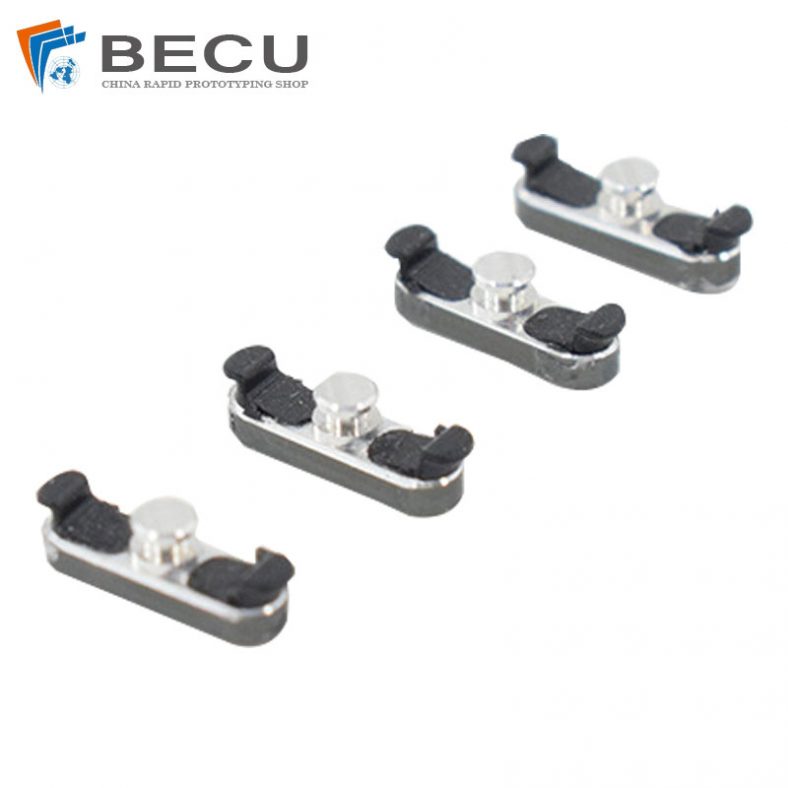
4 Axis CNC Machining Titanium Grade 5 Mobile Phone Buttons
-
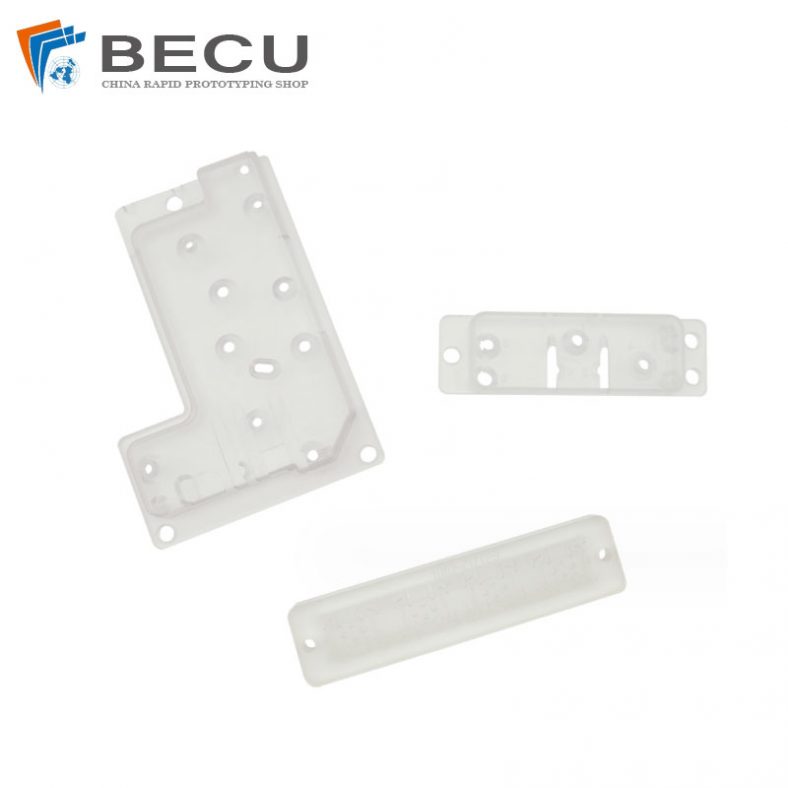
4 Axis Machining Highly Transparent Acrylic LED Tunnel Light Lens