
3D printing technology has transformed various industries, including construction, where its application has revolutionized traditional methods of building homes. The cost of a 3D printed house varies significantly depending on various factors, such as the design, size, location, materials used, and the technology employed. This article explores the aspects that influence the cost of a 3D printed house, how it compares to traditional construction costs, and the potential for this technology to reduce the cost of housing in the future.
Introduction to 3D Printed Houses
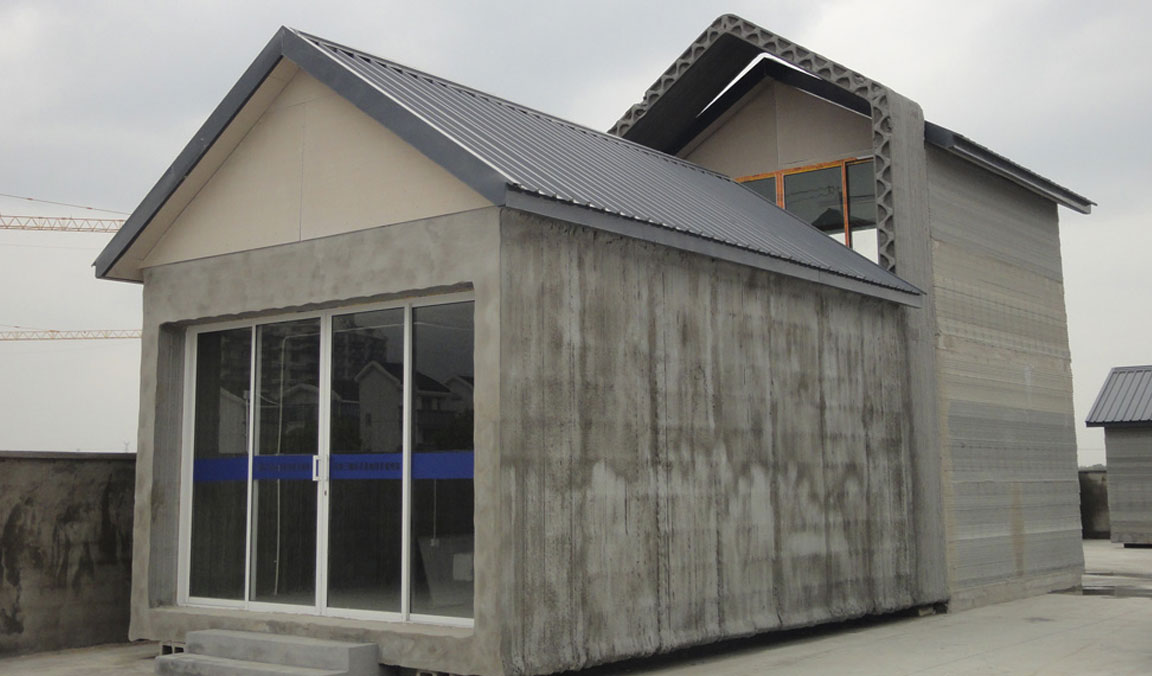
A 3D printed house is constructed using additive manufacturing technology, where material is deposited layer by layer to form a structure. This process differs from traditional construction techniques, which typically involve materials such as bricks, concrete, wood, and steel that are assembled manually or with the aid of heavy machinery. In contrast, 3D printing allows for highly customizable designs, faster construction, and potentially lower labor costs. The technology is primarily used for constructing walls, foundations, and other structural elements of a house, though it can also be used to create furniture and other interior elements.
The first 3D printed houses were built in the early 2000s, with the technology gradually evolving into a viable alternative for mainstream housing construction. In 2014, a company named ICON successfully printed a habitable home in the United States, which gained international attention and sparked further interest in the potential of 3D printed housing.
Factors Influencing the Cost of a 3D Printed House
Since then, a growing number of companies around the world have invested in 3D printing technology to build homes, with varying levels of success. The cost of these houses depends on several factors, which can be broken down into technology, materials, labor, design, and location.
1. Technology
The cost of a 3D printed house is largely dependent on the technology used in the printing process. Several different types of 3D printing technologies are used for construction, each with its own advantages and cost implications. Some of the most common include:
- Concrete 3D Printing (C3DP): Concrete is one of the most widely used materials for 3D printing in the construction industry. Concrete 3D printing uses a special type of printer that extrudes a concrete mixture in layers to build the structure. The cost of the printer itself can be significant, often exceeding $100,000 for large-scale machines. However, the material cost for concrete is relatively low, making this an affordable option for certain applications.
- Clay 3D Printing: This method involves using clay or other natural materials, such as mud, to print homes. Clay printing is generally cheaper than concrete printing, especially in regions where clay is abundant. However, the technology is still in the early stages of development, and the cost can vary based on the region and the scale of the project.
- Polymer-based 3D Printing: Some companies use polymers, plastics, or composite materials for printing homes. While the materials themselves can be more expensive than concrete or clay, polymer-based 3D printing allows for high customization and can be more sustainable. The cost of the equipment for this technology is also high, as it requires specialized machinery.
- Hybrid Approaches: In some cases, 3D printing is combined with traditional construction methods. For example, a 3D printer may be used to create the structural elements of a home, while traditional construction methods are used for foundations, roofing, and interior finishes. Hybrid approaches can help to reduce the overall cost while still taking advantage of the speed and precision of 3D printing.
The cost of the 3D printing machine itself is one of the most significant factors influencing the overall price of the house. A large-scale 3D printer capable of printing a full-sized home can cost anywhere from $100,000 to several million dollars, depending on its capabilities and the materials it can handle. However, as the technology matures and more manufacturers enter the market, the cost of these machines is expected to decrease, which could reduce the cost of 3D printed houses.
2. Materials Used
The materials used in 3D printing have a significant impact on the cost of a house. Different materials offer various advantages in terms of strength, sustainability, and cost. Common materials used in 3D printed houses include:
- Concrete: The most commonly used material for 3D printed houses, concrete is affordable and widely available. Concrete is durable, fire-resistant, and offers excellent thermal mass, making it a suitable choice for residential construction. The cost of the concrete material itself can range from $75 to $150 per cubic meter, depending on the mix and quality. For a 3D printed house, the cost of concrete is typically one of the lowest material costs, especially when compared to other construction methods.
- Clay and Mud: In some parts of the world, 3D printed houses are built using clay or mud, which are cheaper than concrete, and in some regions, these materials are locally sourced. While the cost of clay is low, the technology for printing with clay is still developing, which can lead to higher upfront costs in terms of equipment.
- Plastics and Polymers: Some 3D printers use plastic filaments or other polymer-based materials, which are typically more expensive than concrete but offer flexibility and potential for lightweight, durable structures. The cost of these materials varies, with plastic filaments ranging from $20 to $50 per kilogram, depending on the type.
- Recycled Materials: Some innovative 3D printed houses are constructed using recycled materials, such as plastic waste or reclaimed construction materials. The cost of these materials can vary greatly depending on availability and processing requirements. However, the use of recycled materials can help reduce costs and make the construction more sustainable.
The choice of material can significantly affect the overall cost of a 3D printed house. Concrete, for instance, is typically cheaper, while polymers and advanced composites can add to the cost. However, the use of recycled materials or locally sourced alternatives can help reduce costs.
3. Labor Costs
One of the major advantages of 3D printed houses is the reduction in labor costs. Traditional construction requires a large workforce, including architects, engineers, construction workers, electricians, and other skilled trades. In contrast, 3D printing relies on fewer workers for the actual printing process, which can drastically reduce the need for human labor.However, while the number of construction workers required is lower, skilled labor is still needed to operate the 3D printers, set up the equipment, and handle any issues that arise during the printing process.
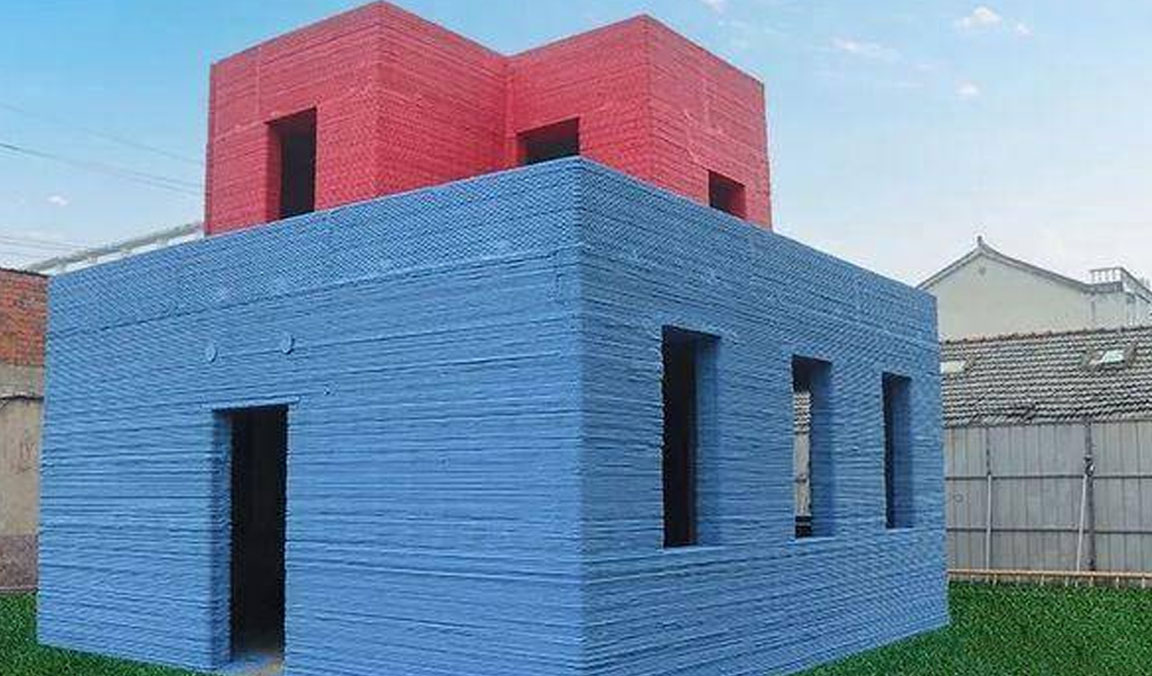
Additionally, labor is required for finishing tasks such as plumbing, electrical work, and interior design. As 3D printing technology continues to evolve, labor costs for operating the printers are expected to decrease further, contributing to overall cost savings.
It is also important to consider the training required for operators and technicians to use 3D printing machines. This specialized skill set is still relatively new, and there may be additional training costs involved. Over time, as the technology becomes more widespread and the workforce adapts, these costs will likely decrease.
4. Design and Customization
Another factor that affects the cost of a 3D printed house is the design and level of customization. Traditional construction often involves the use of pre-designed plans, which can limit the degree of personalization available to homeowners. In contrast, 3D printing allows for highly customized designs, with the ability to create unique floor plans, architectural features, and decorative elements.
While customized designs offer greater flexibility, they can also increase costs. More intricate designs require more time to print, which can raise the cost of both materials and labor. Additionally, the more complex the design, the more sophisticated the equipment and technology needed, further increasing costs. On the other hand, simple, functional designs can be printed quickly and affordably.
5. Location
The location of the 3D printed house is another significant factor in determining its cost. The cost of construction materials, labor, and the availability of 3D printing technology can vary greatly depending on the region. In some countries, 3D printing technology is still in its early stages of development, and the cost of implementing it may be higher due to the need for specialized equipment and training.
Moreover, transportation costs can play a role in the overall cost of a 3D printed house. In remote areas or locations with limited access to building materials, the cost of transporting materials and equipment can increase the final price of the house. Conversely, urban areas with easy access to resources may see lower costs, particularly for construction materials.
6. Energy Costs
The energy required to power 3D printers is another consideration when estimating the cost of a 3D printed house. Large-scale 3D printers can consume significant amounts of electricity, particularly if the printing process takes several days to complete. The cost of energy varies depending on the location and the energy efficiency of the equipment used. In regions where energy is expensive, the operational costs of running a 3D printer may be higher.
However, advancements in energy-efficient printing technologies may help to reduce these costs in the future. Additionally, some 3D printing companies are exploring the use of solar power or other renewable energy sources to offset energy costs, further reducing the overall expense.
Comparison with Traditional Construction Costs
When comparing the cost of a 3D printed house to traditional construction methods, it is important to consider both the initial construction cost and the long-term savings that 3D printing can provide. While the upfront cost of a 3D printed house may be higher due to the need for specialized equipment and materials, the overall cost of construction can be lower in the long run.
Traditional construction methods rely on a large workforce and a variety of different trades to complete the building process, which can increase both labor and material costs. Additionally, delays in construction due to weather, labor shortages, or supply chain disruptions can lead to higher costs and longer project timelines. In contrast, 3D printing can streamline the construction process, reducing the time and labor required to complete a project. This efficiency translates into cost savings, which can offset the initial investment in 3D printing technology.
Future of 3D Printed House Costs
The future of 3D printed houses holds great promise in terms of reducing construction costs. As technology continues to evolve, the cost of 3D printing machines is expected to decrease, making it more accessible to builders and homeowners. Additionally, the development of new materials and more efficient printing methods will help to lower material costs and improve the overall affordability of 3D printed homes.
Furthermore, 3D printing has the potential to make housing more affordable by reducing labor costs and offering a faster, more sustainable method of construction. As demand for affordable housing grows, 3D printing could become an increasingly popular solution for addressing housing shortages around the world.
Conclusion
The cost of a 3D printed house is influenced by a variety of factors, including the technology used, materials, labor costs, design, and location. While the upfront costs of 3D printing can be higher than traditional construction methods, the potential for cost savings in the long term is significant. With continued advancements in technology, the cost of 3D printed homes is expected to decrease, making it a viable solution for affordable housing in the future. As the technology matures, 3D printed houses could become an increasingly common and cost-effective way to build homes worldwide.
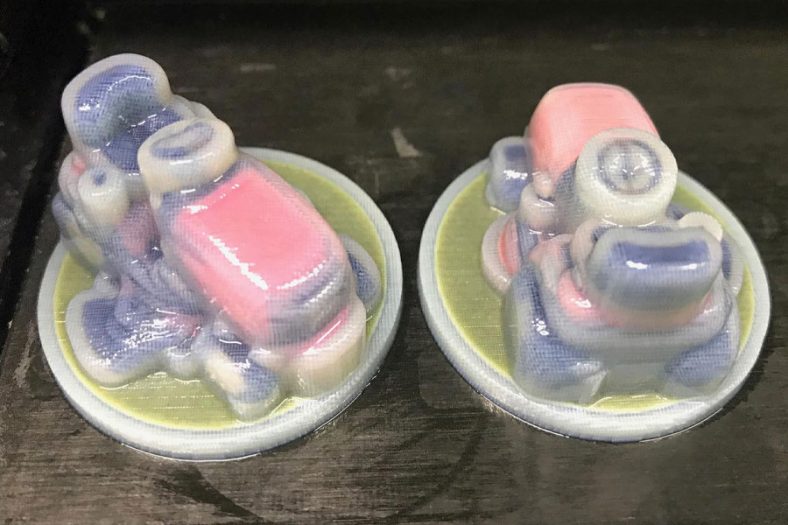
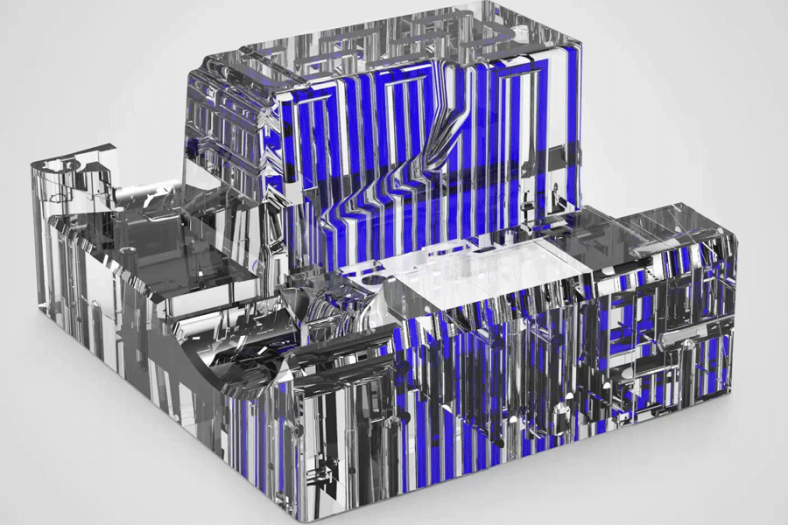
The Detail Of BE-CU 3D Printing Company
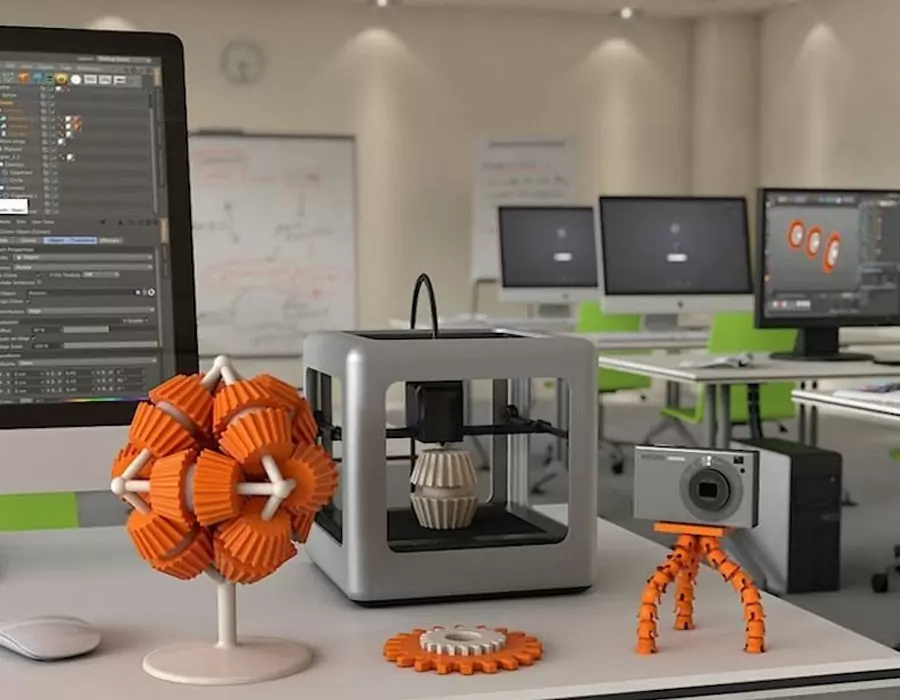
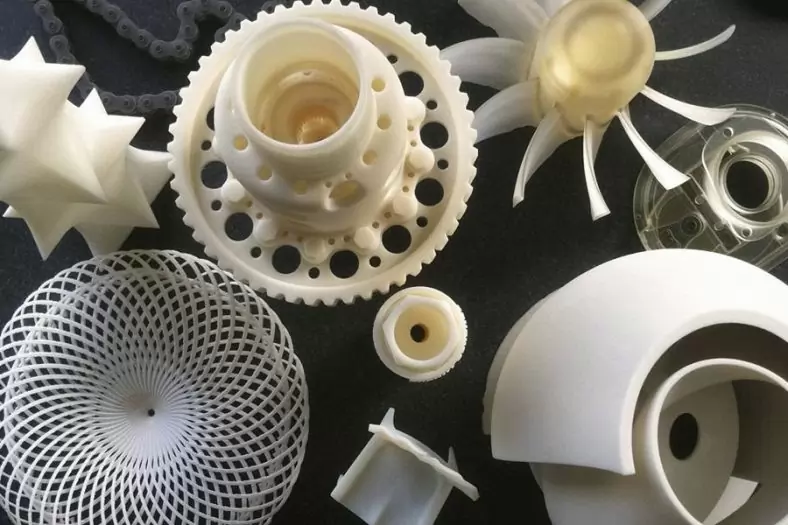
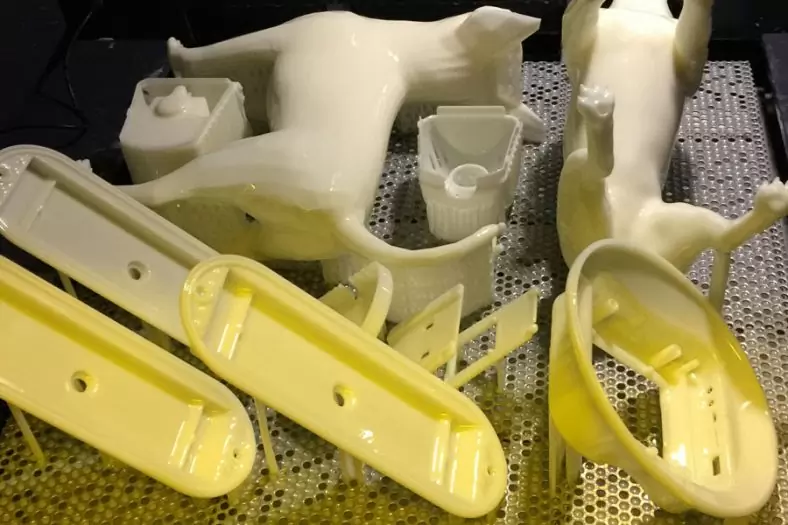
BE-CU.COM offers online 3D printing services for rapid prototyping and production in volume. Our clients are across a wide variety of industries and companies, including automotive, construction, aerospace, defense, electronics, machinery, industrial automation, medical, healthcare, consumer production, oil & gas, etc. Accelerate your product development and manufacturing process with our industry-leading metal & plastic 3D printing service and 3D printed parts. We’ll find the best 3D printing solution for your projects, to lower your cost and shorten the lead time based on your needs, while maintaining the quality. From 3D prototyping to end-use parts production, multiple materials are available for custom 3D printing parts. Need an alternative to the traditional solution? Submit your 3D CAD file to get an online quotation quickly. Our 3D printing service ensures accuracy and speed. We can help you choose the most appropriate technology and material to match your applications or request.
-
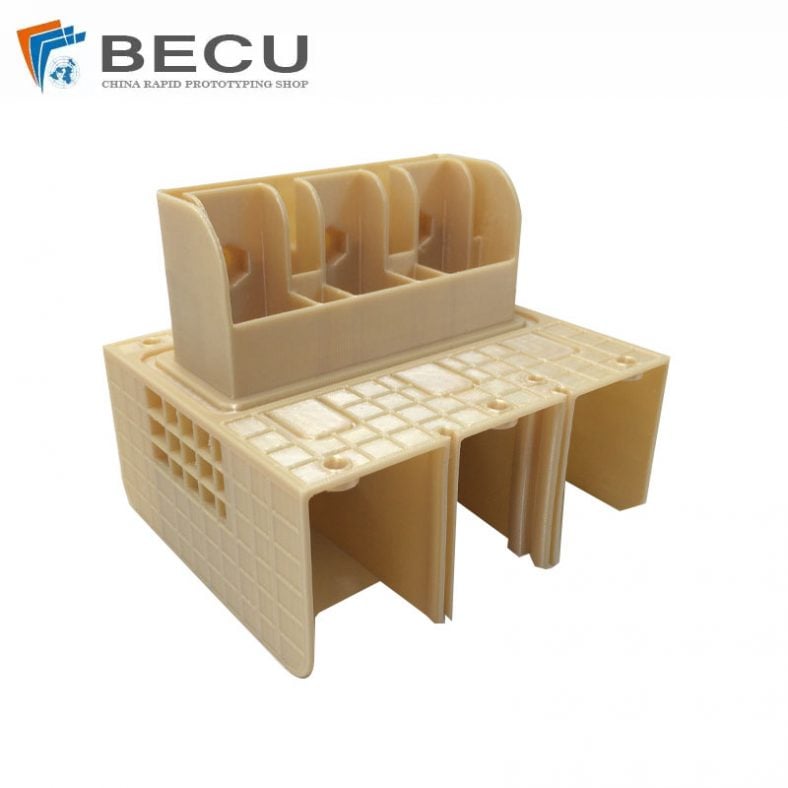
FDM 3D Printing Ultra-High Voltage Strong Electrical Connector
-

3D Printed Jet Engine Model
-
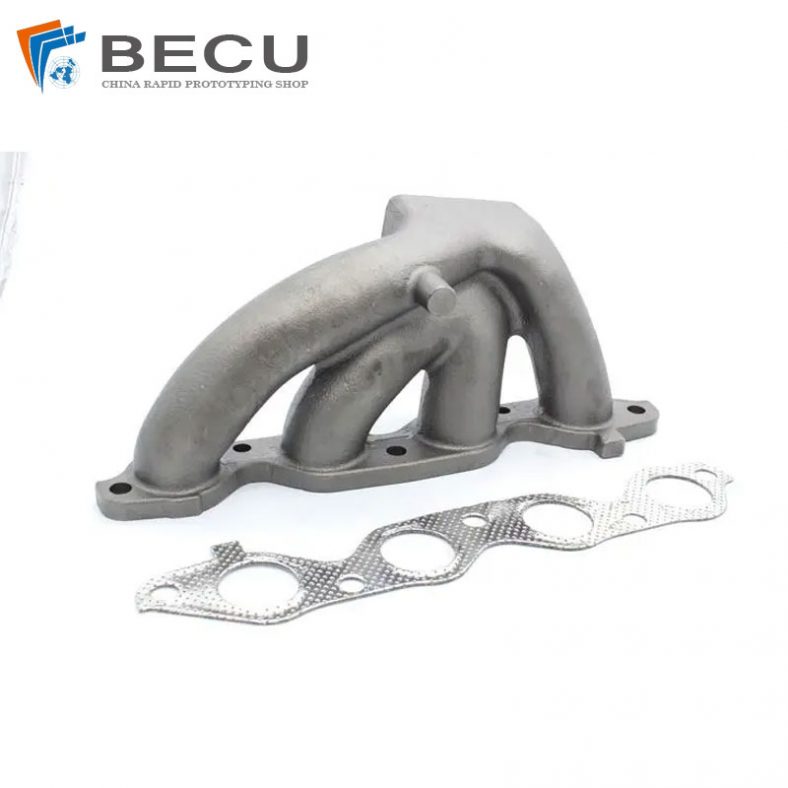
3D Printed Inconel Exhaust Manifold
-

3D Printed Black Myth: Wukong Model
-
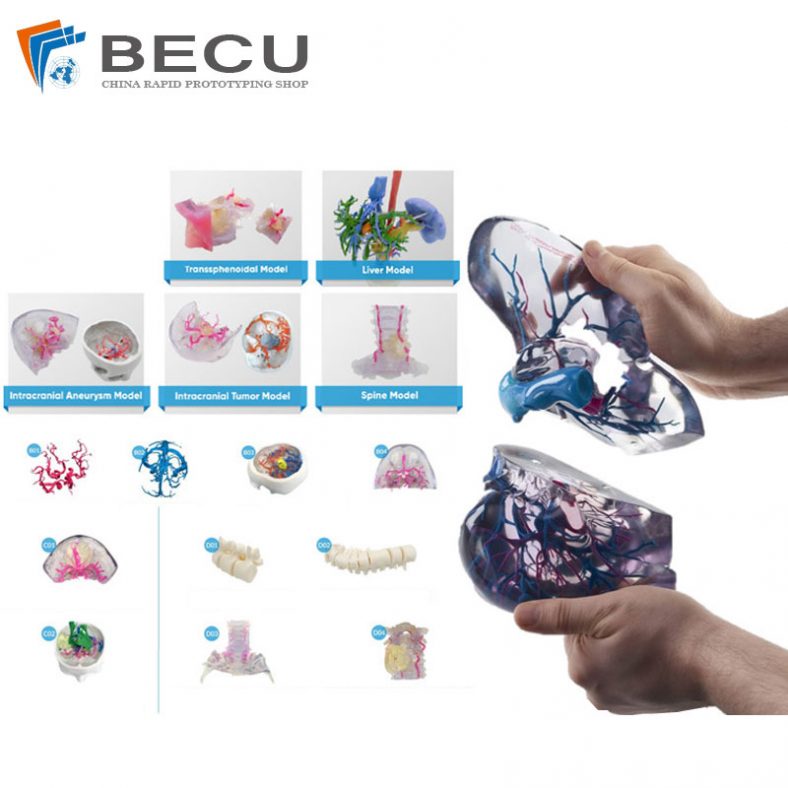
Omni-Directional Surgical Planning Medical Models
-
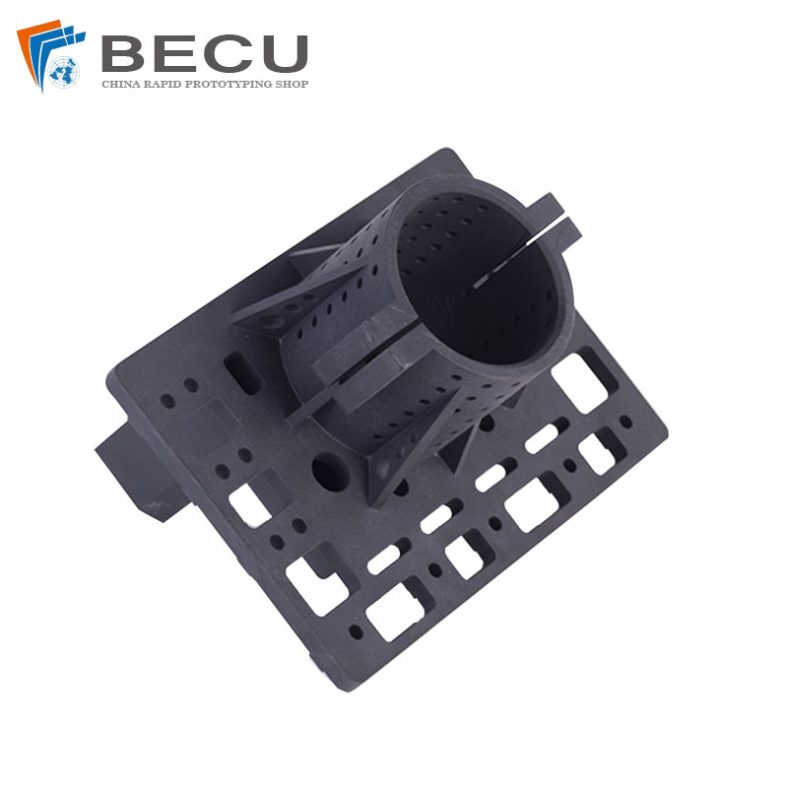
3D Printing Pool Pressure Cleaner Parts and Accessories
-
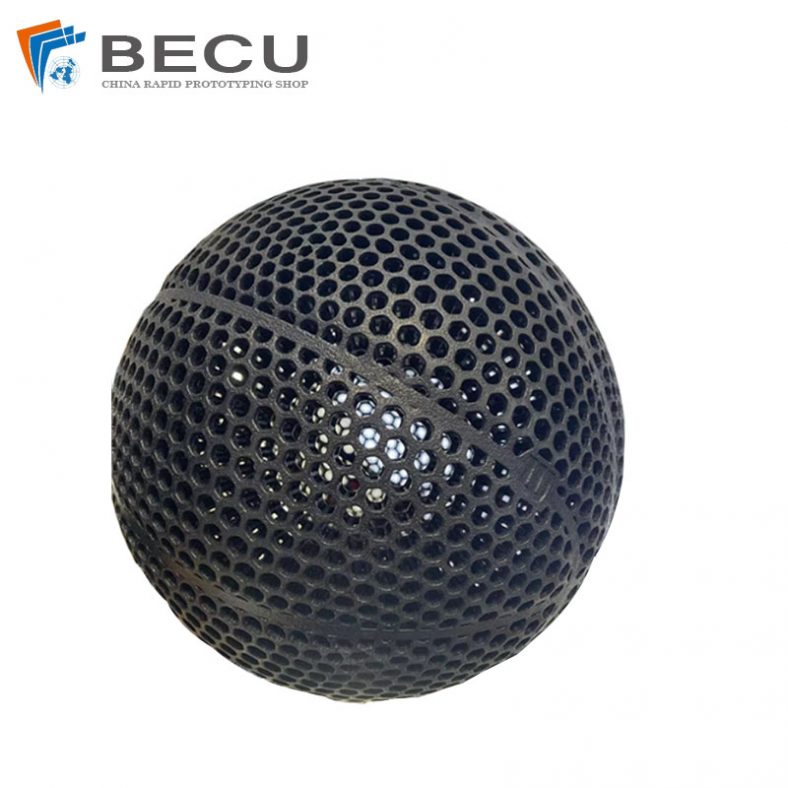
Nylon 3D Printed Size 5 Basketball
-
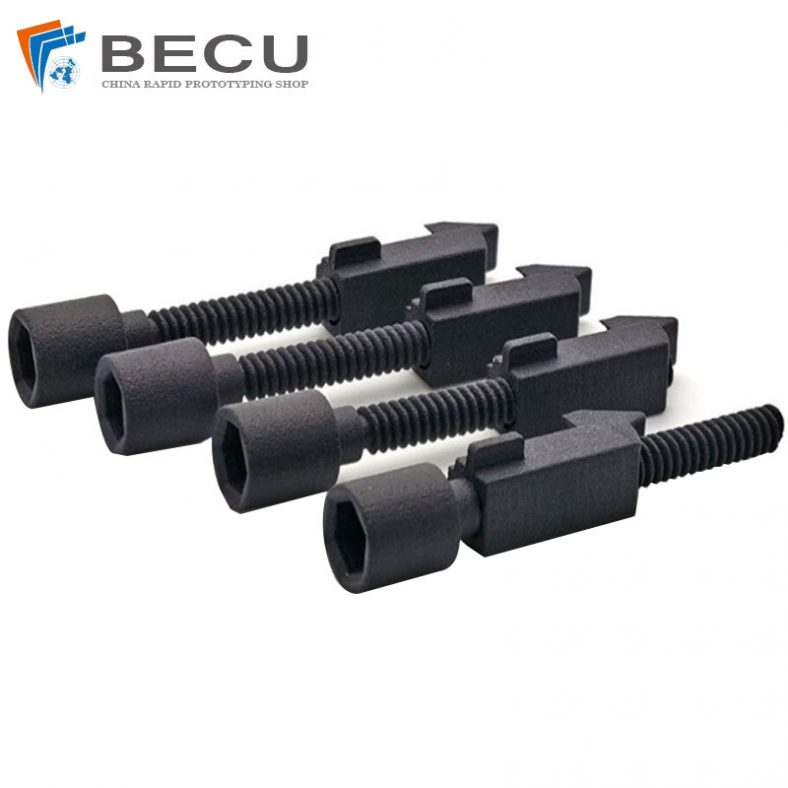
Black Nylon Medical Threaded Screw By MJF 3D Printing