
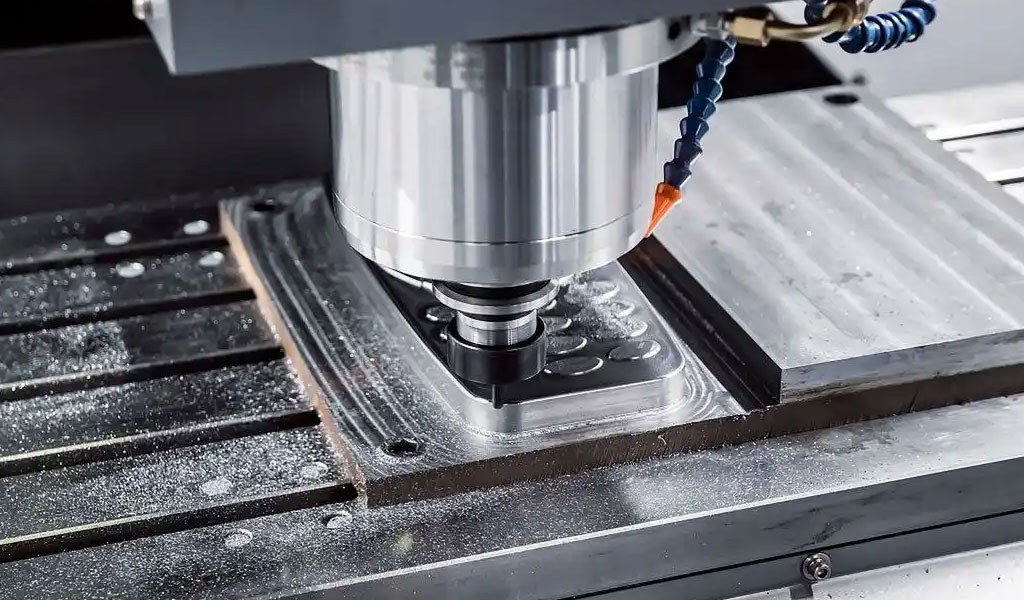
Reducing CNC (Computer Numerical Control) machine downtime is a critical concern in modern manufacturing industries, where precision, efficiency, and productivity are paramount.
CNC machines, which utilize computer programming to control tools and machinery through numerical data, have revolutionized production processes by enabling high accuracy and repeatability. However, downtime—defined as the period during which a CNC machine is not operational due to planned or unplanned events—can significantly disrupt workflows, increase costs, and diminish overall equipment effectiveness (OEE).
This article explores the multifaceted strategies, methodologies, and technologies employed to minimize CNC machine downtime, drawing from engineering principles, empirical data, and industry best practices. With an emphasis on scientific rigor, the discussion integrates detailed analyses, comparative tables, and actionable insights to provide a comprehensive resource for manufacturers seeking to optimize their operations.
CNC machines, ranging from lathes and mills to routers and grinders, are integral to industries such as aerospace, automotive, and electronics. Their downtime can stem from numerous sources, including mechanical failures, software glitches, operator errors, maintenance schedules, and external factors like power outages. The economic implications of downtime are substantial: a 2022 study by the National Institute of Standards and Technology (NIST) estimated that unplanned downtime costs U.S. manufacturers upwards of $50 billion annually, with CNC-related interruptions accounting for a significant portion. Reducing this downtime requires a holistic approach that addresses both preventive and reactive measures, leveraging advancements in predictive maintenance, operator training, and process optimization.
One of the primary strategies for minimizing CNC machine downtime is the implementation of preventive maintenance (PM) programs. Preventive maintenance involves regularly scheduled inspections, servicing, and repairs designed to prevent unexpected failures before they occur. For instance, a typical PM schedule for a CNC lathe might include lubrication of spindle bearings, calibration of servo motors, and inspection of hydraulic systems every 500 operational hours. By adhering to manufacturer-recommended maintenance intervals, facilities can reduce the likelihood of component wear leading to catastrophic breakdowns. A well-documented example comes from a 2019 case study by Siemens, where a German automotive parts supplier reduced downtime by 27% after instituting a PM regimen that included weekly checks on coolant levels and monthly spindle alignments.
The effectiveness of preventive maintenance can be quantified through metrics such as Mean Time Between Failures (MTBF) and Mean Time To Repair (MTTR). MTBF measures the average time a machine operates between failures, while MTTR represents the average duration required to restore functionality after a breakdown. For a CNC milling machine, an MTBF of 2,000 hours and an MTTR of 4 hours suggest a relatively reliable system with quick recovery times. Preventive maintenance aims to increase MTBF while decreasing MTTR, thereby enhancing uptime. Table 1 below compares MTBF and MTTR values for CNC machines under different maintenance strategies.
| Maintenance Strategy | Machine Type | MTBF (Hours) | MTTR (Hours) | Downtime Reduction (%) |
|---|---|---|---|---|
| No Maintenance | CNC Lathe | 1,200 | 6 | 0 |
| Basic Preventive Maintenance | CNC Lathe | 1,800 | 5 | 15 |
| Enhanced PM with Monitoring | CNC Lathe | 2,500 | 3 | 35 |
| No Maintenance | CNC Mill | 1,000 | 7 | 0 |
| Basic Preventive Maintenance | CNC Mill | 1,600 | 6 | 12 |
| Enhanced PM with Monitoring | CNC Mill | 2,200 | 4 | 30 |
The transition from reactive maintenance—repairing machines only after failure—to preventive maintenance marks a significant shift in industrial philosophy. However, PM is not without limitations. Over-maintenance, where components are serviced or replaced prematurely, can inflate costs and introduce unnecessary downtime. To address this, manufacturers are increasingly turning to predictive maintenance (PdM), a data-driven approach that uses real-time monitoring and analytics to predict failures before they occur.
Predictive maintenance relies on the integration of sensors, Internet of Things (IoT) devices, and machine learning algorithms to assess the health of CNC machines. For example, vibration sensors attached to a CNC spindle can detect anomalies in rotational patterns, signaling potential bearing wear. Similarly, temperature sensors can identify overheating in motors, while acoustic sensors may pick up unusual noises indicative of tool wear. Data from these sensors is transmitted to a central system, where algorithms analyze trends and issue alerts when thresholds are exceeded. A 2021 report by McKinsey & Company found that PdM reduced CNC downtime by up to 40% in facilities equipped with advanced monitoring systems.
The scientific foundation of predictive maintenance lies in its use of statistical models and failure mode analysis. The Weibull distribution, a probability model, is commonly employed to predict component lifespan based on historical failure data. For a CNC machine’s ball screw, the Weibull shape parameter (β) might indicate whether failures are due to early defects (β < 1), random events (β ≈ 1), or wear-out (β > 1). By combining such models with real-time data, PdM systems can schedule maintenance precisely when needed, avoiding both unexpected breakdowns and unnecessary interventions. Table 2 illustrates the impact of PdM on downtime across different CNC machine types.
| Machine Type | Baseline Downtime (Hours/Year) | PdM Downtime (Hours/Year) | Reduction (%) | Key Sensors Used |
|---|---|---|---|---|
| CNC Lathe | 300 | 180 | 40 | Vibration, Temperature |
| CNC Mill | 350 | 210 | 40 | Vibration, Acoustic |
| CNC Router | 250 | 175 | 30 | Temperature, Load |
| CNC Grinder | 400 | 260 | 35 | Vibration, Pressure |
Beyond maintenance, operator training plays a pivotal role in reducing CNC machine downtime. Human error accounts for approximately 15-20% of unplanned downtime, according to a 2020 study by the Manufacturing Technology Centre (MTC). Common mistakes include incorrect tool setup, improper workpiece fixturing, and failure to input accurate G-code parameters. Comprehensive training programs that cover machine operation, troubleshooting, and safety protocols can mitigate these issues. For instance, a CNC operator trained in recognizing early signs of tool wear—such as chatter marks on a workpiece—can halt production and replace the tool before it causes a spindle crash.
Training effectiveness can be enhanced through simulation software, which allows operators to practice on virtual CNC machines without risking damage to physical equipment. Companies like FANUC and Haas offer simulators that replicate real-world scenarios, from tool changes to emergency stops. A 2023 survey by the Association for Manufacturing Technology (AMT) found that facilities with simulator-trained operators experienced 18% less downtime due to human error compared to those relying solely on on-the-job training. Table 3 compares downtime attributed to operator error under different training regimes.
| Training Type | Machine Type | Downtime Due to Error (Hours/Year) | Reduction (%) |
|---|---|---|---|
| On-the-Job Only | CNC Lathe | 150 | 0 |
| Classroom + On-the-Job | CNC Lathe | 120 | 20 |
| Simulator + Classroom | CNC Lathe | 90 | 40 |
| On-the-Job Only | CNC Mill | 180 | 0 |
| Classroom + On-the-Job | CNC Mill | 140 | 22 |
| Simulator + Classroom | CNC Mill | 100 | 44 |
Another critical factor in reducing downtime is tool management. CNC machines depend on cutting tools—end mills, drills, inserts, etc.—whose condition directly affects performance. Dull or damaged tools can lead to poor surface finishes, dimensional inaccuracies, or catastrophic failures like tool breakage. Implementing a tool management system (TMS) ensures that tools are inspected, sharpened, or replaced at optimal intervals. RFID tags and barcode scanners can track tool usage, while software like ToolBoss or WinTool integrates with CNC controls to automate reordering and inventory tracking. A 2022 study by Sandvik Coromant reported that a TMS reduced tool-related downtime by 25% in a sample of 50 machining shops.
Tool life can be modeled using Taylor’s Tool Life Equation:
VTn=CVT^n = C
where V V V is cutting speed, T T T is tool life, n n n is an exponent specific to the tool material, and C C C is a constant. By optimizing cutting parameters—such as reducing V V V to extend T T T—manufacturers can minimize tool wear and associated downtime. Table 4 compares tool-related downtime with and without a TMS.
| Tool Management | Machine Type | Tool Downtime (Hours/Year) | Reduction (%) |
|---|---|---|---|
| Manual | CNC Lathe | 200 | 0 |
| TMS Implemented | CNC Lathe | 150 | 25 |
| Manual | CNC Mill | 250 | 0 |
| TMS Implemented | CNC Mill | 180 | 28 |
Process optimization also contributes significantly to downtime reduction. This involves refining machining parameters, workpiece scheduling, and workflow design. For example, reducing cycle times through high-speed machining (HSM) techniques can decrease wear on machine components, while just-in-time (JIT) production minimizes idle periods. Software like Mastercam or Siemens NX can simulate machining processes to identify bottlenecks, such as excessive toolpath travel or inefficient chip evacuation. A 2021 case study by General Electric demonstrated that process optimization reduced CNC router downtime by 22% through improved coolant flow and spindle speed adjustments.
Power reliability is another external factor affecting CNC uptime. Voltage fluctuations or outages can halt production, particularly in regions with unstable grids. Installing uninterruptible power supplies (UPS) or backup generators can mitigate this risk. A 2020 analysis by Schneider Electric found that UPS systems reduced power-related downtime by 90% in CNC-equipped factories. Table 5 quantifies the impact of power solutions.
| Power Solution | Machine Type | Power Downtime (Hours/Year) | Reduction (%) |
|---|---|---|---|
| None | CNC Lathe | 100 | 0 |
| UPS Installed | CNC Lathe | 10 | 90 |
| None | CNC Mill | 120 | 0 |
| UPS Installed | CNC Mill | 12 | 90 |
To achieve a holistic reduction in CNC machine downtime, manufacturers must integrate these strategies into a cohesive system. The Total Productive Maintenance (TPM) framework, developed in Japan in the 1970s, exemplifies this approach by combining preventive maintenance, operator involvement, and continuous improvement. TPM’s eight pillars—autonomous maintenance, focused improvement, planned maintenance, training, early management, quality maintenance, safety, and administrative efficiency—provide a roadmap for minimizing downtime. A 2023 report by the Japan Institute of Plant Maintenance (JIPM) noted that TPM adoption reduced CNC downtime by 50% in a sample of 200 factories over five years.
The scientific underpinnings of TPM lie in its reliance on data collection and analysis. Overall Equipment Effectiveness (OEE), a key TPM metric, is calculated as:
OEE=Availability×Performance×QualityOEE = Availability \times Performance \times Quality OEE=Availability×Performance×Quality
where Availability accounts for downtime losses, Performance reflects speed losses, and Quality measures defect losses. An OEE of 85% is considered world-class for CNC operations, yet many facilities operate below 60% due to downtime. By targeting an Availability score above 90% through the methods discussed, manufacturers can significantly boost OEE. Table 6 compares OEE across different downtime reduction strategies.
| Strategy | Machine Type | Availability (%) | Performance (%) | Quality (%) | OEE (%) |
|---|---|---|---|---|---|
| Baseline | CNC Lathe | 70 | 80 | 90 | 50 |
| PM + Training | CNC Lathe | 85 | 85 | 92 | 66 |
| PdM + TMS + TPM | CNC Lathe | 95 | 90 | 95 | 81 |
| Baseline | CNC Mill | 65 | 75 | 88 | 43 |
| PM + Training | CNC Mill | 80 | 82 | 90 | 59 |
| PdM + TMS + TPM | CNC Mill | 92 | 88 | 94 | 76 |
The economic benefits of reducing CNC downtime are profound. For a facility operating 10 CNC machines at $100 per hour, a 20% downtime reduction translates to $175,200 in annual savings, assuming 2,000 operational hours per machine per year. Scaling this to larger operations underscores the urgency of adopting these strategies. Moreover, reduced downtime enhances customer satisfaction by ensuring timely delivery and consistent quality, reinforcing a company’s competitive edge.
In conclusion, minimizing CNC machine downtime requires a multifaceted approach that blends preventive and predictive maintenance, operator training, tool management, process optimization, and power reliability. Each method contributes uniquely to uptime, with empirical data and scientific models providing the foundation for implementation. The tables presented offer a comparative lens through which manufacturers can evaluate strategies tailored to their specific needs. As CNC technology evolves—incorporating artificial intelligence, advanced materials, and Industry 4.0 principles—the pursuit of zero downtime remains a dynamic and achievable goal, driving the future of precision manufacturing.
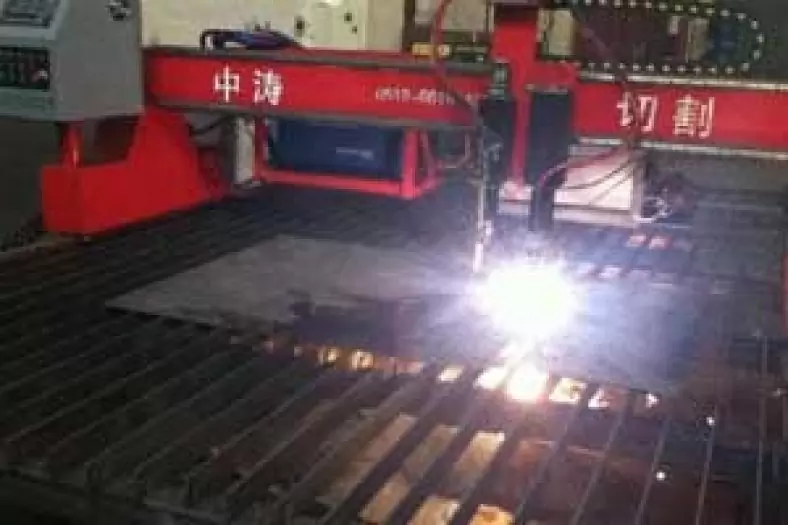
The Detail Of BE-CU Cnc Machining Shop
BE-CU.COM – As an accomplished CNC machining Service Manufacturer and CNC shop, BE-CU Prototype has been specialized in OEM CNC lathing, custom CNC machining parts production and rapid CNC machining services China for over 35 years and always maintaining the highest standard in delivery speed and reliable quality of precision CNC manufacturing components. With the help of high-level technology and efficient equipment, as well as rigorous attitude, BE-CU passed the ISO9001:2015 quality certification, which supports the long-term development of CNC milling services, CNC turning services, CNC milling-turning, CNC drilling services, 3/4/5 axis machining, gear machining services, CNC machining China custom parts and service, small parts machining, etc.Our CNC machining products can be utilized in a broad range of industries. Contact us for email: [email protected]
-
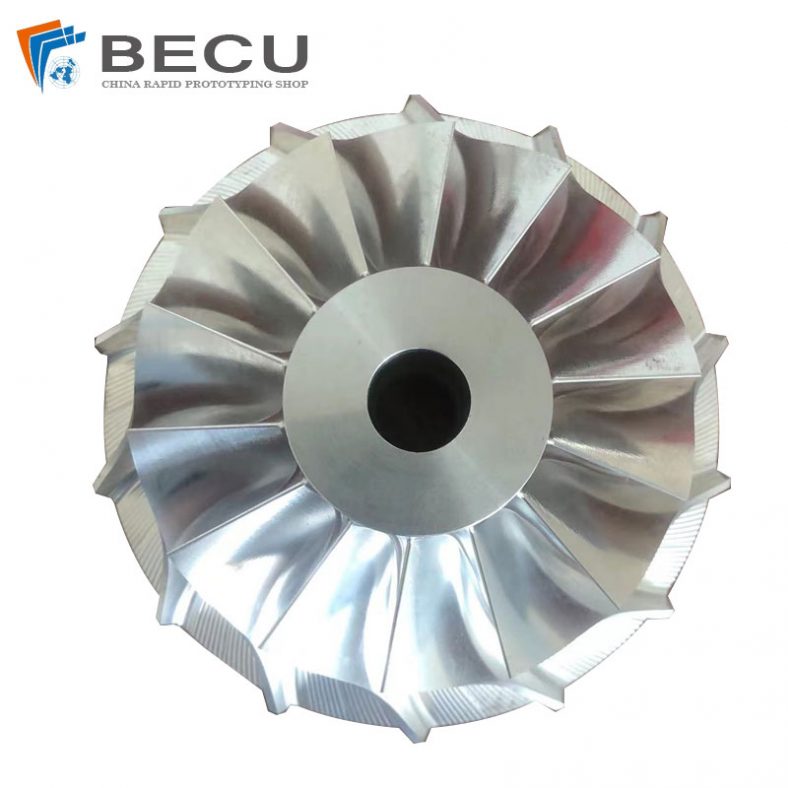
3-Way Centrifugal Compressor Closed Impeller By 5 Axis Machining
-

3/4/5 Axis Precision Milling Custom Vehicle Parts
-
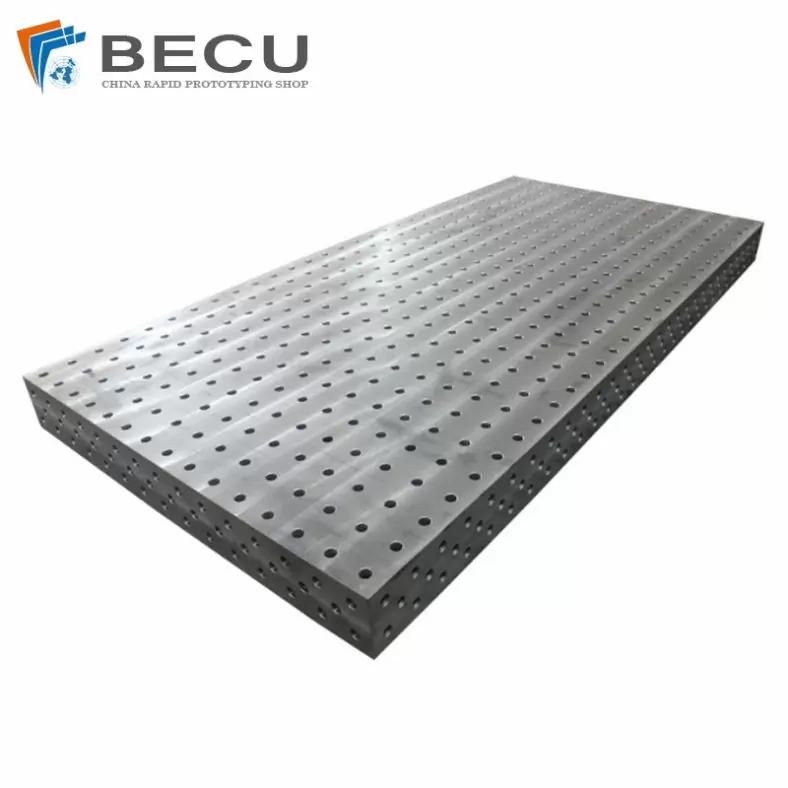
3D Flexible Welding Platform By Large Machining
-
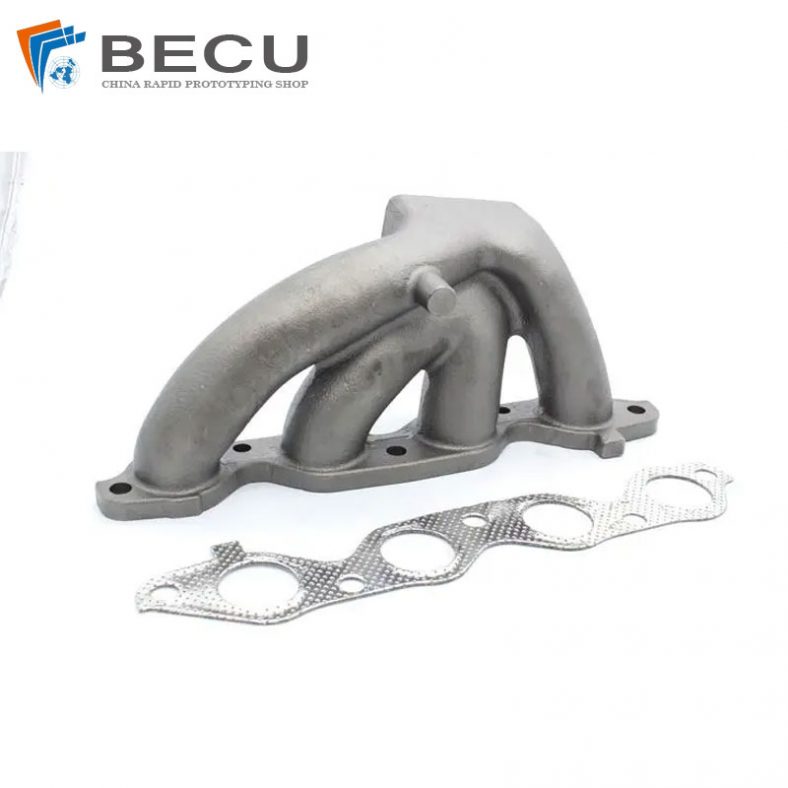
3D Printed Inconel Exhaust Manifold
-
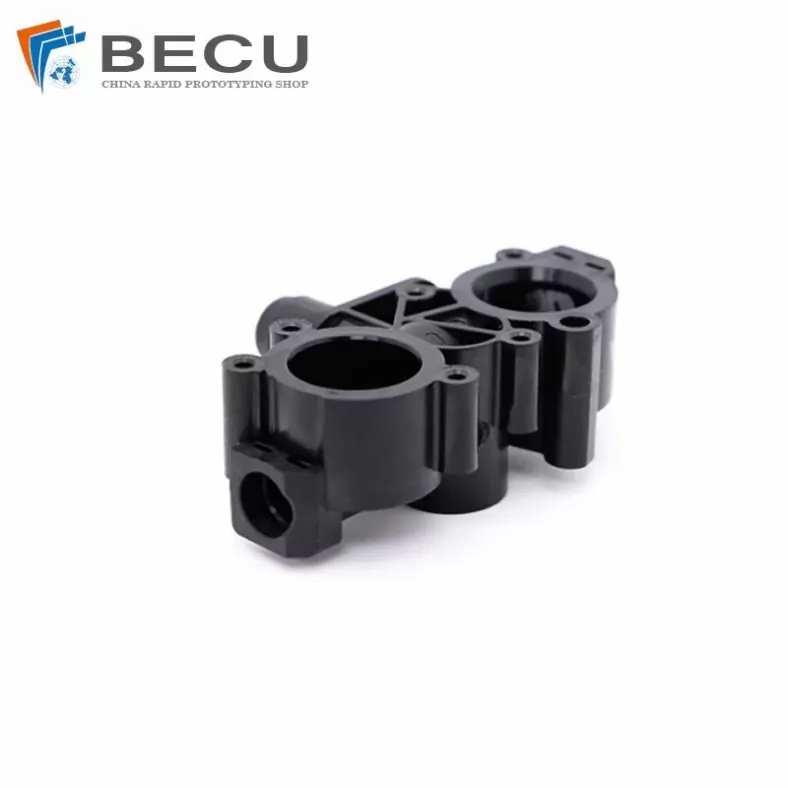
3D Printing And CNC Machining Custom Black PPS Valve
-
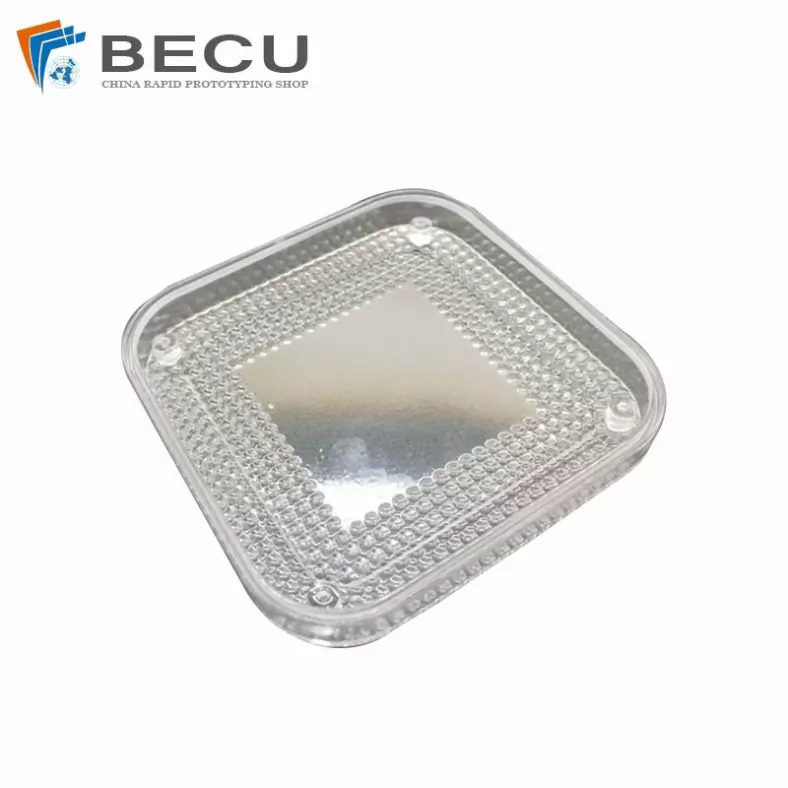
3D Printing Full Transparent Acrylic Lampshade Model
-
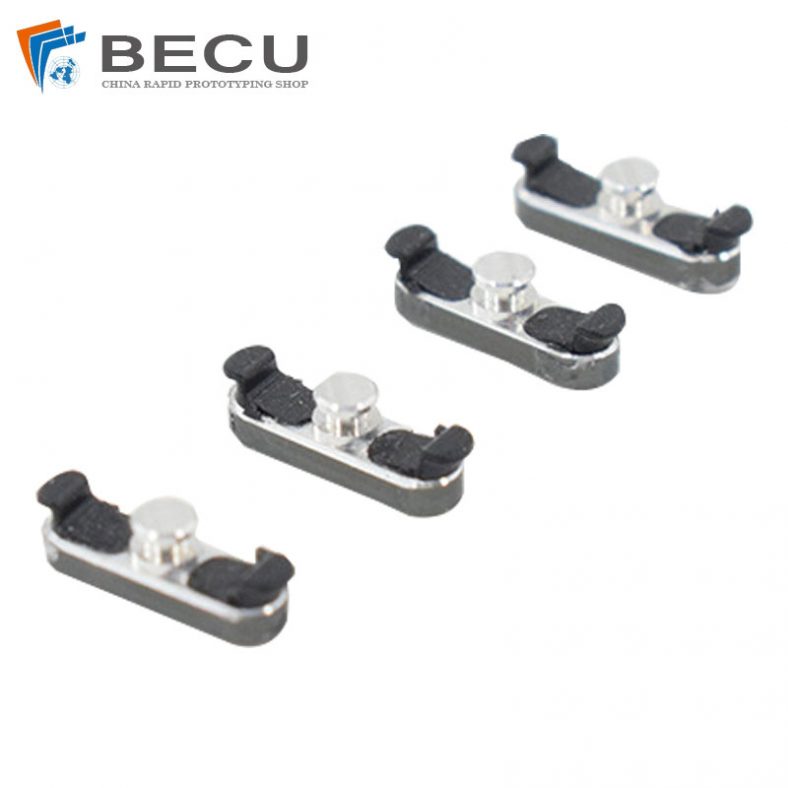
4 Axis CNC Machining Titanium Grade 5 Mobile Phone Buttons
-
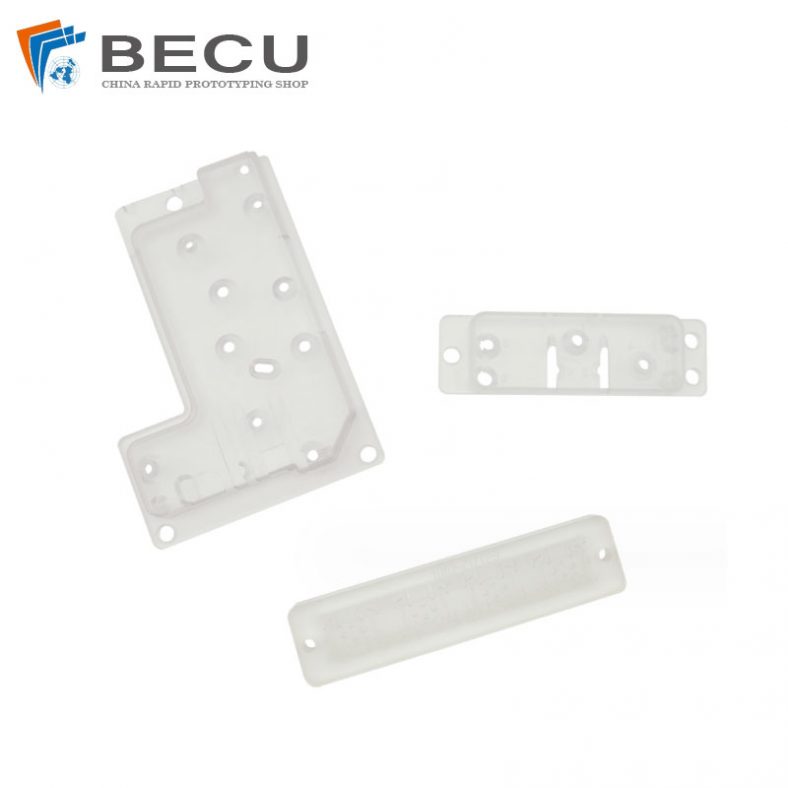
4 Axis Machining Highly Transparent Acrylic LED Tunnel Light Lens